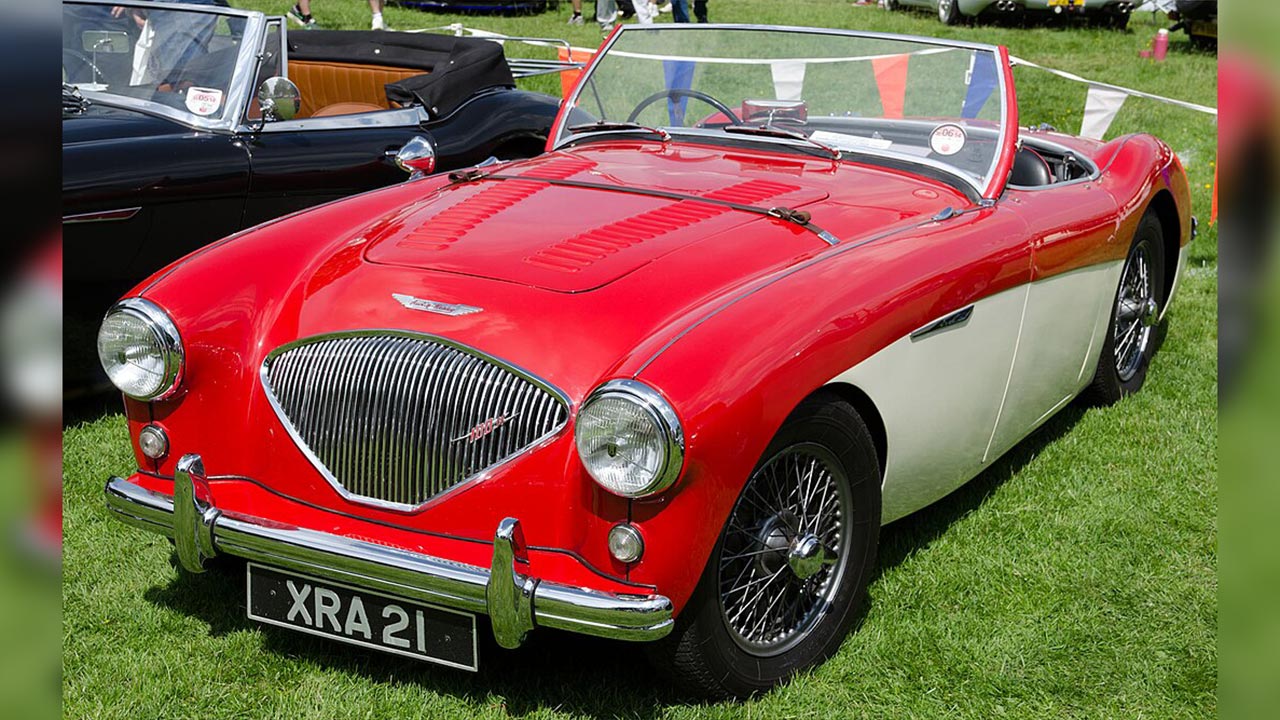
The postwar era produced some of the most memorable roadsters ever built. European manufacturers focused on lightweight handling, while American companies brought more power and style to the formula. Many of these cars remain popular because their basic ingredients still work today. Simple controls, open-air driving, responsive handling, and distinctive styling gave them lasting appeal.
MG MGA
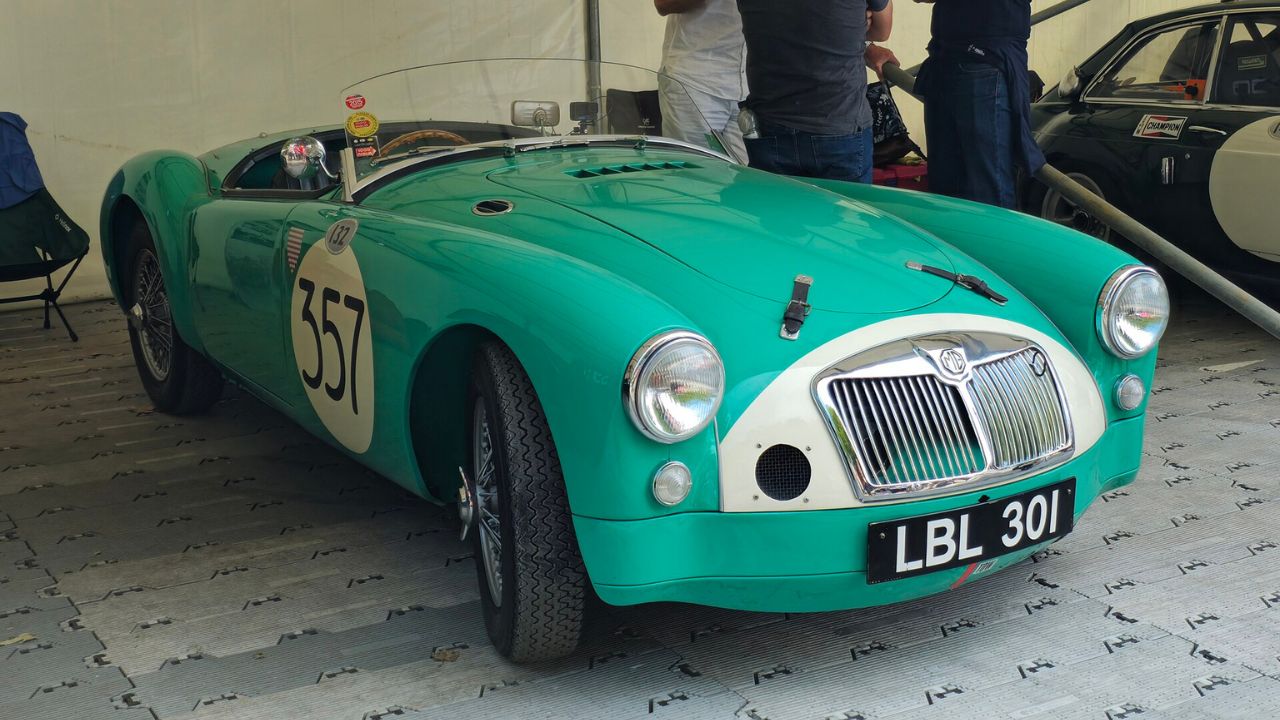
The MGA marked a major styling change for MG, replacing the upright appearance of earlier sports cars with a smooth, flowing body. Its lightweight construction and simple mechanical layout made it enjoyable without requiring enormous power. The MGA also helped establish the classic British roadster formula that influenced generations of affordable sports cars.
MG MGB
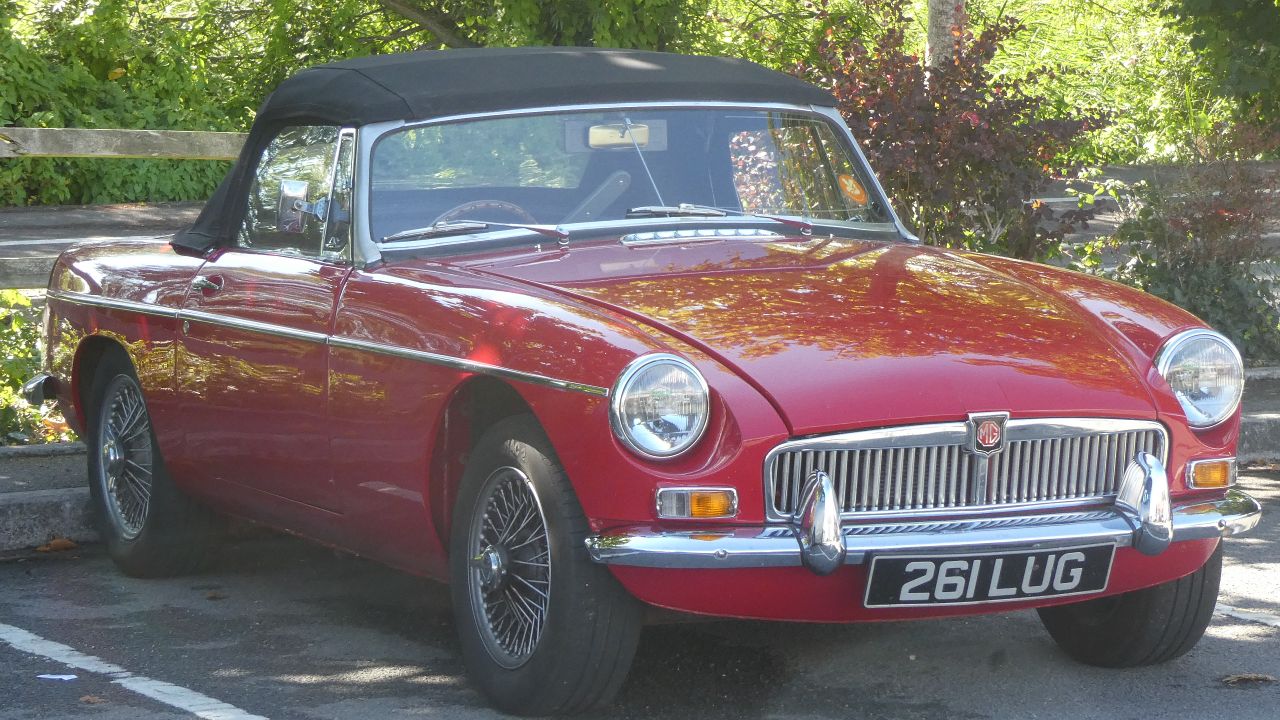
The MGB became one of the most successful British sports cars ever produced. Its compact dimensions, simple mechanical components, and traditional roadster layout made it accessible to a huge audience. The car was never about massive horsepower. Instead, its lightweight character and open cabin created the kind of straightforward driving experience that continues to attract enthusiasts.
Triumph TR3
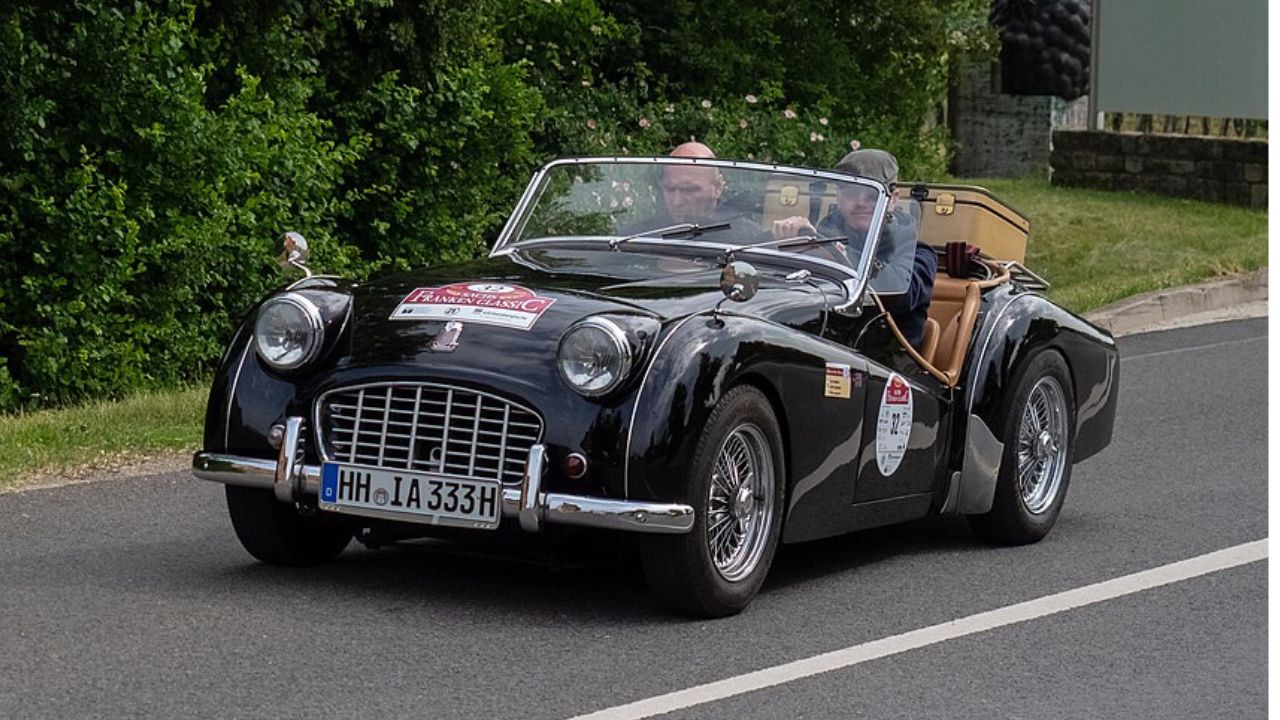
The TR3 combined classic British roadster styling with a lively four-cylinder engine and rear-wheel drive. Its exposed grille and simple bodywork gave it an unmistakable personality. The car could be surprisingly quick for its era, while its basic construction made it easy for owners to understand and maintain. That combination has helped the TR3 remain popular decades later.
Triumph TR4
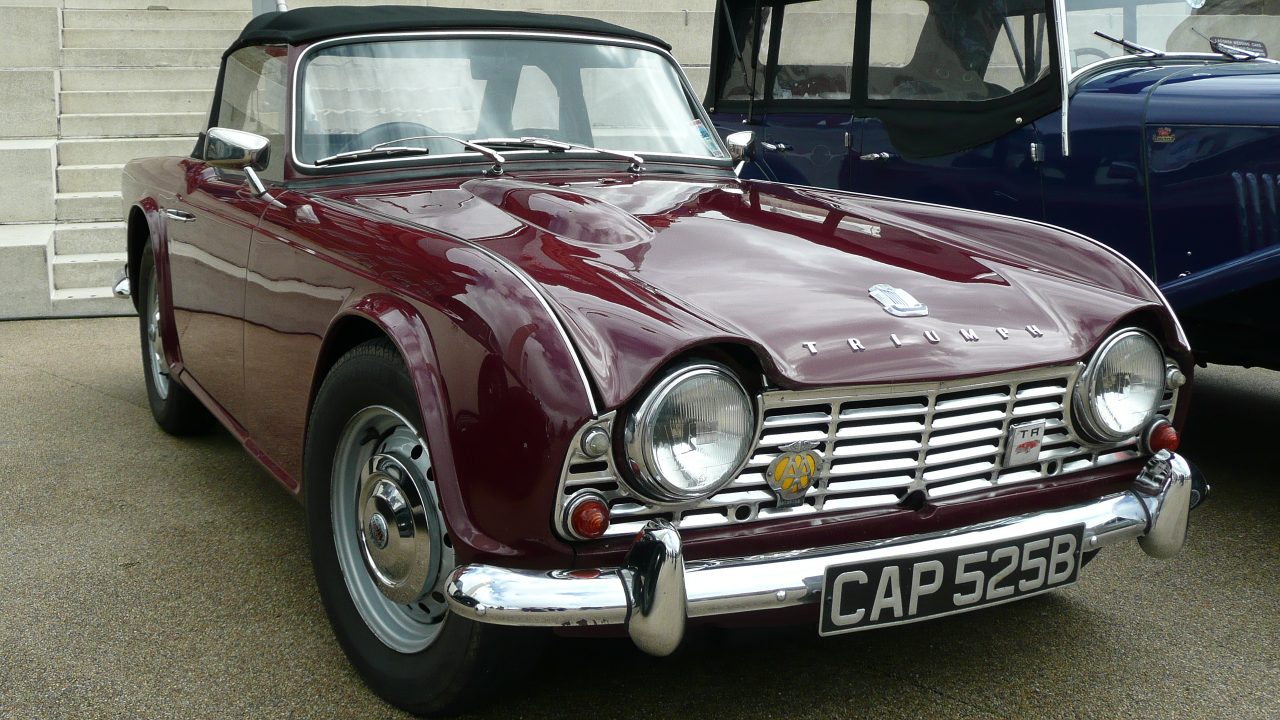
The TR4 modernized the traditional Triumph roadster without abandoning its basic formula. Its Michelotti-designed body looked cleaner and more sophisticated, while the four-cylinder engine provided plenty of usable performance. Rack-and-pinion steering also improved the driving experience. The TR4 remains a favorite because it feels like a genuine old-school sports car without looking excessively dated.
Triumph TR6

The TR6 became one of Triumph’s best-known roadsters thanks to its muscular styling and torquey inline-six engine. It delivered more substantial performance than many earlier British sports cars while retaining a relatively simple mechanical layout. The combination of rear-wheel drive, a manual gearbox, and an open cabin gives the TR6 a character that modern cars rarely replicate.
Triumph Spitfire
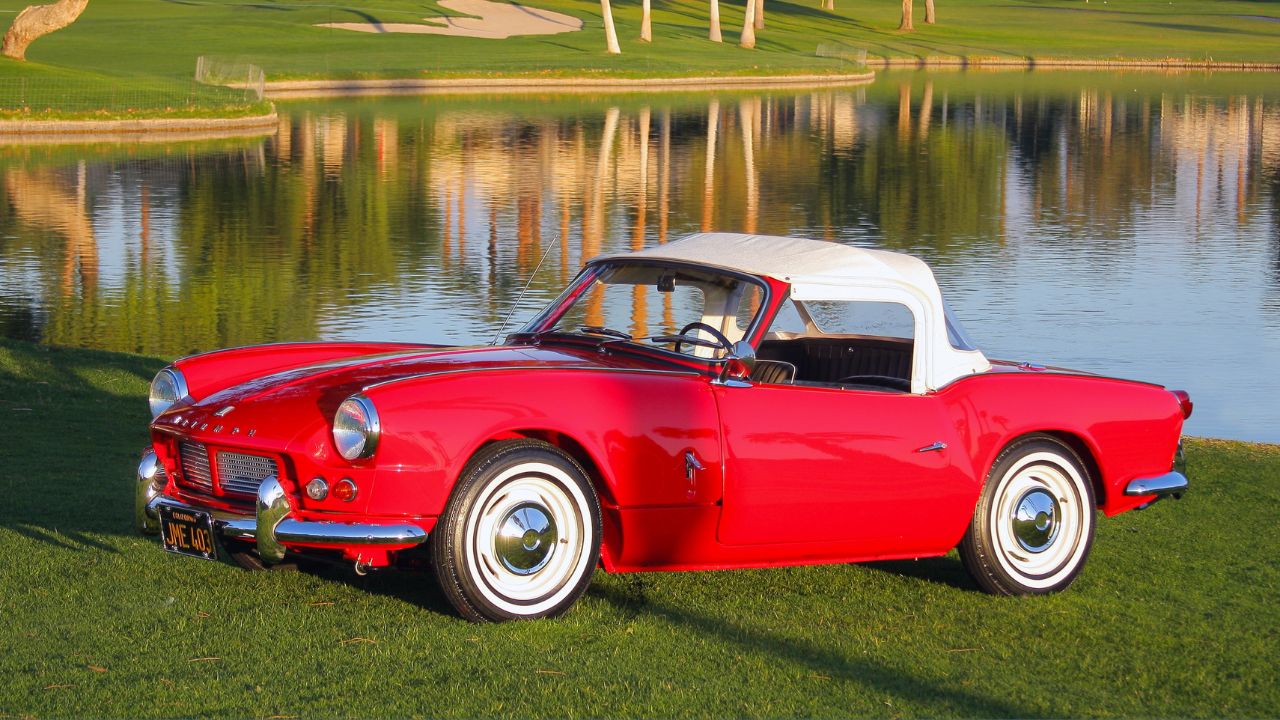
The Spitfire proved that a sports car did not have to be expensive or powerful to be entertaining. Its tiny dimensions, lightweight construction, and simple controls made it approachable for new enthusiasts. The styling also aged remarkably well. Today, the Spitfire remains appealing because it delivers the essential roadster experience without unnecessary complexity.
Austin-Healey 100
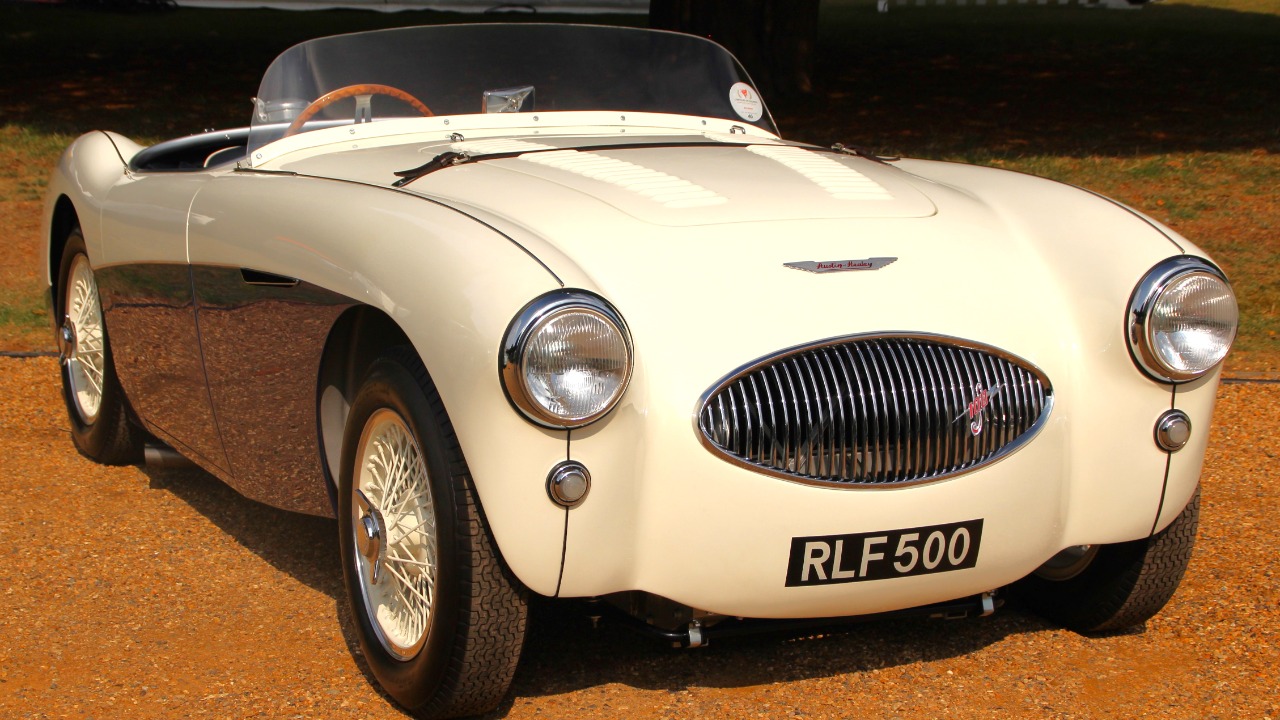
The Austin-Healey 100 helped put British roadsters on the international performance map. Its streamlined body and four-cylinder engine created a serious sports car that remained relatively simple underneath. Later versions gained more power and refinement, but the original formula was already effective. The car’s combination of style, performance, and mechanical simplicity remains highly appealing.
Austin-Healey 3000
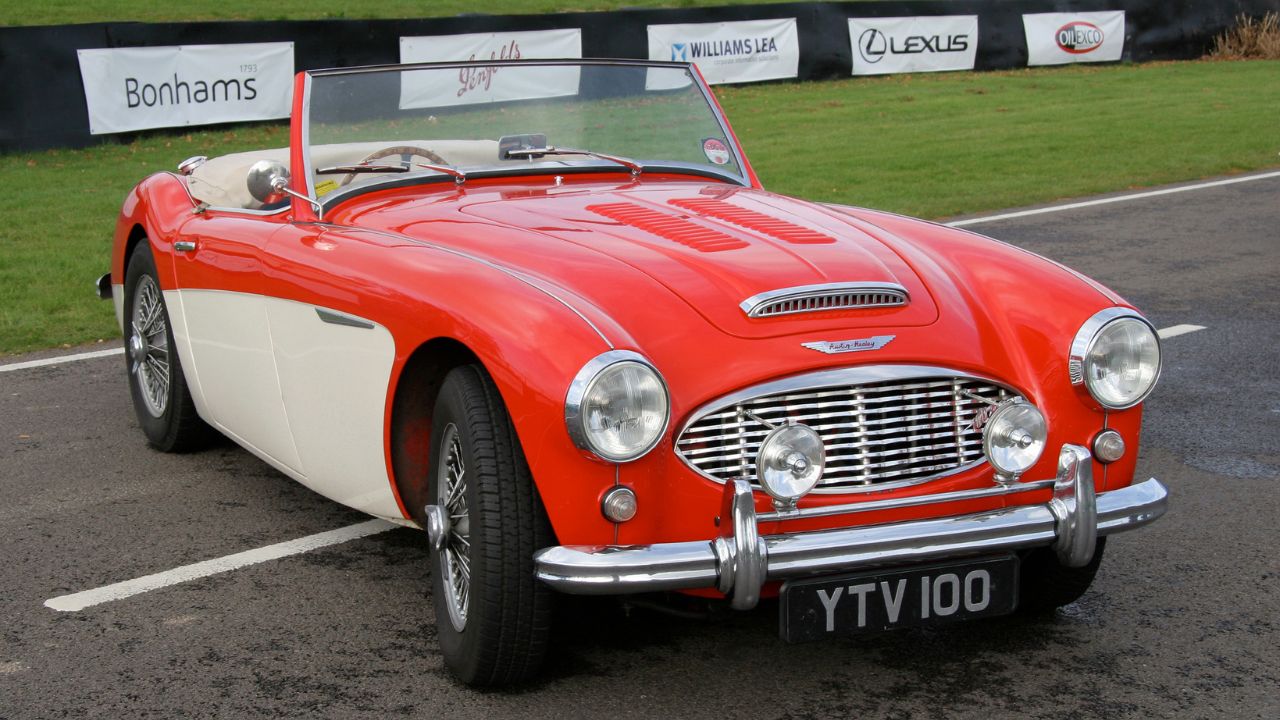
The Austin-Healey 3000 took the classic British roadster formula and added a larger six-cylinder engine. The extra torque made it better suited to fast touring while retaining the character enthusiasts expected from an open sports car. Its broad grille, long hood, and compact cabin also gave it an unmistakable appearance that continues to turn heads.
Jaguar XK120
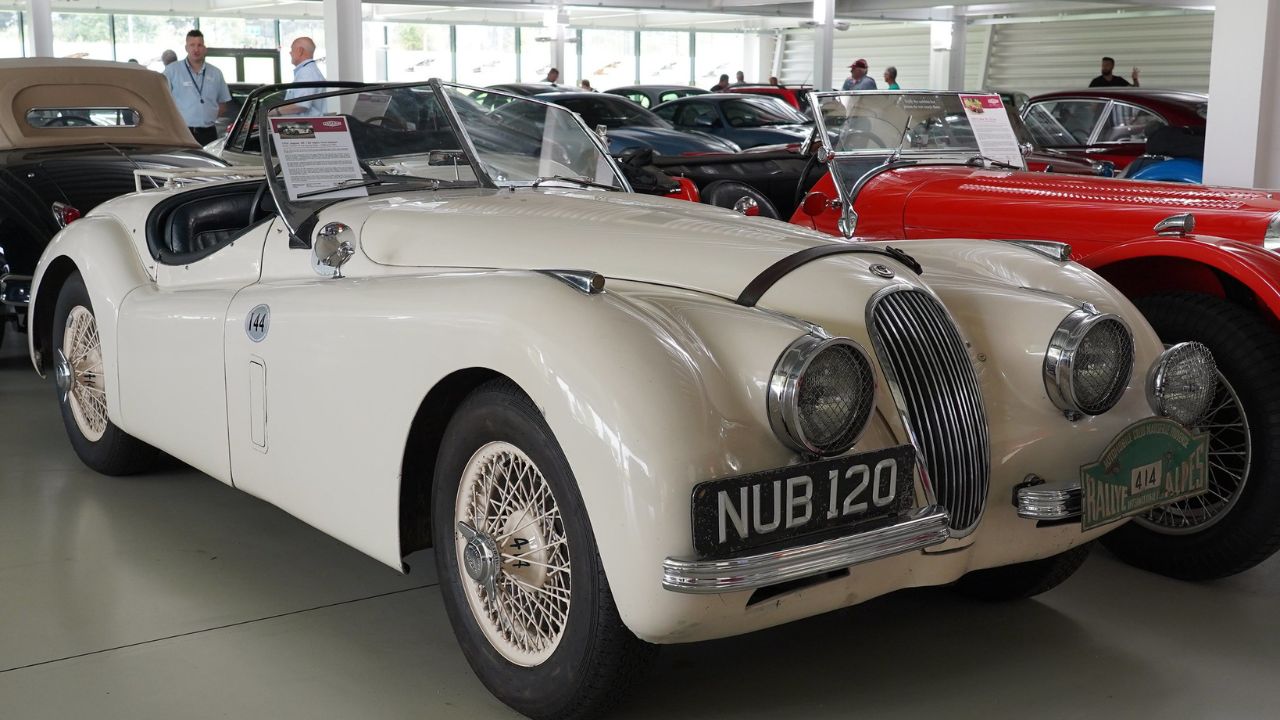
The XK120 was one of the postwar cars that immediately changed perceptions of British performance. Its long hood, smooth body, and powerful inline-six engine gave it genuine high-speed ability. The styling was elegant without being overly complicated. It became an important Jaguar, establishing the company as a serious player in the international sports-car market.
Jaguar XK140
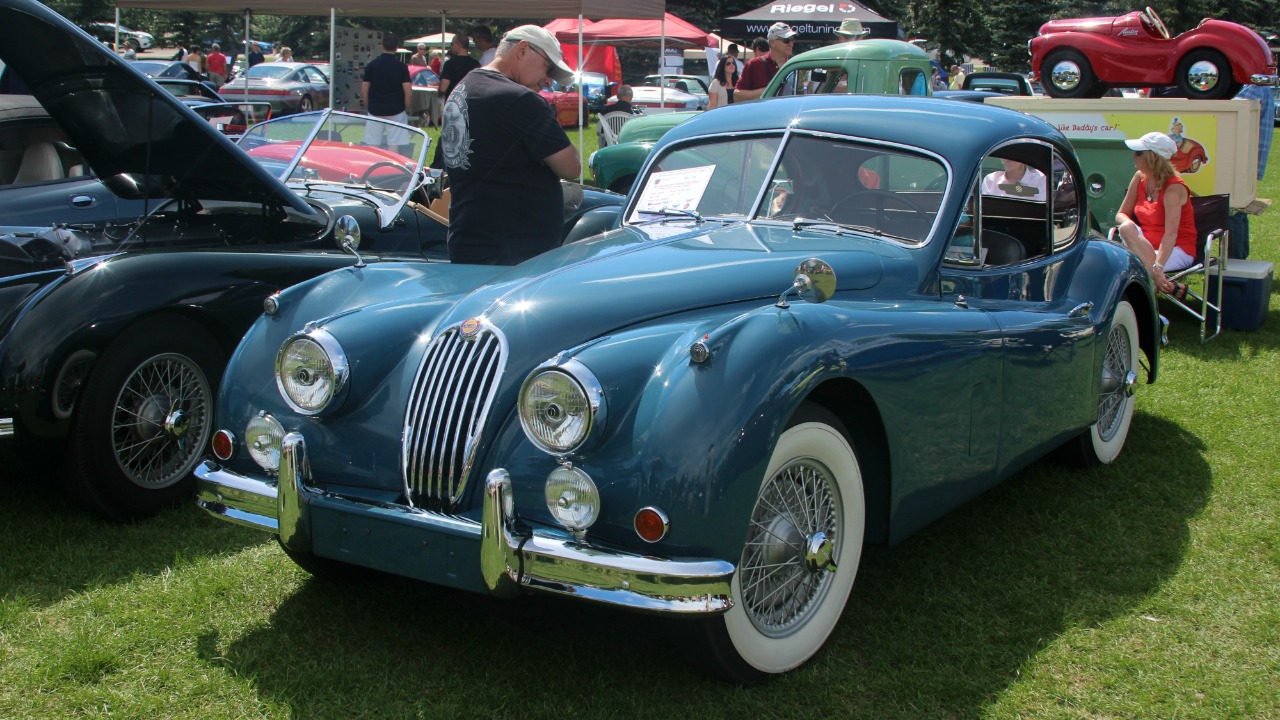
The XK140 built upon the XK120 formula with more power, improved comfort, and subtle styling changes. It retained the long hood and flowing bodywork that made its predecessor famous. The additional refinement made it easier to use for longer trips while preserving its sports-car character. Today, it offers an appealing balance between classic styling and improved usability.
Jaguar XK150
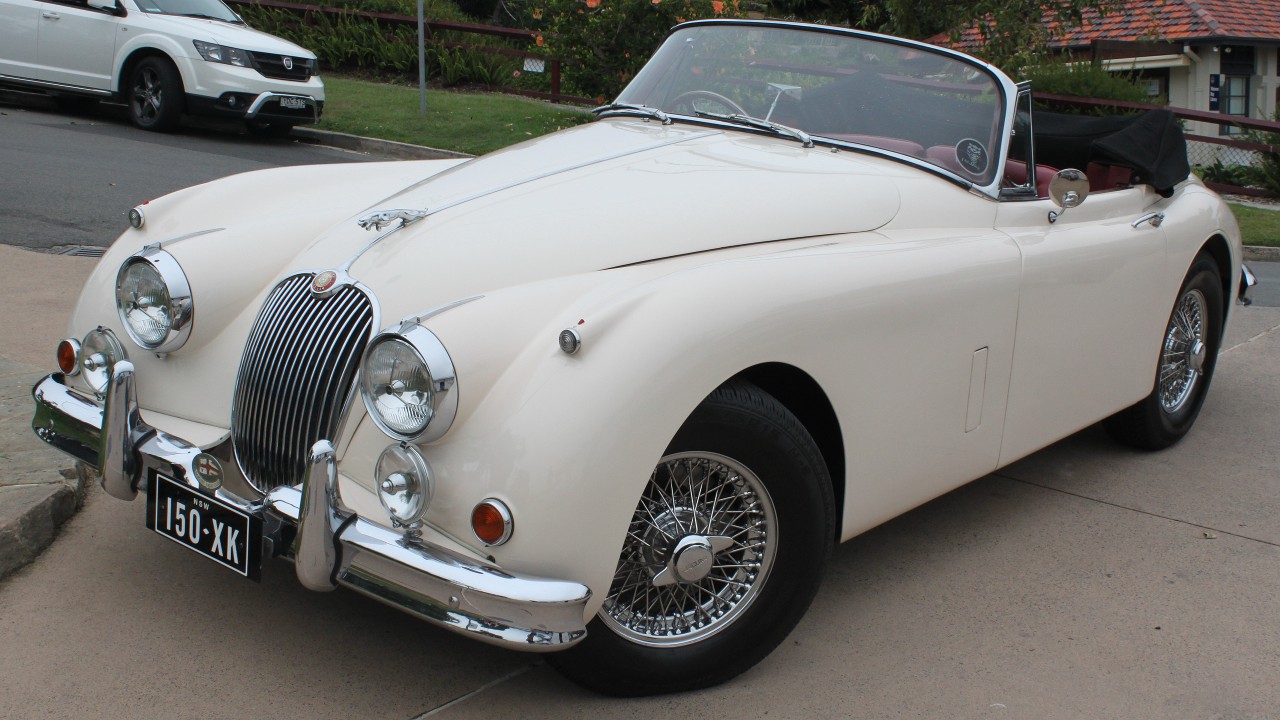
The XK150 represented a more mature interpretation of Jaguar’s classic roadster formula. It offered a wider body, improved interior, stronger brakes, and more comfortable driving manners. Its elegant proportions remained intact, however. The XK150 demonstrates how Jaguar managed to add refinement without losing the visual drama that made its earlier sports cars so memorable.
Porsche 356 Speedster
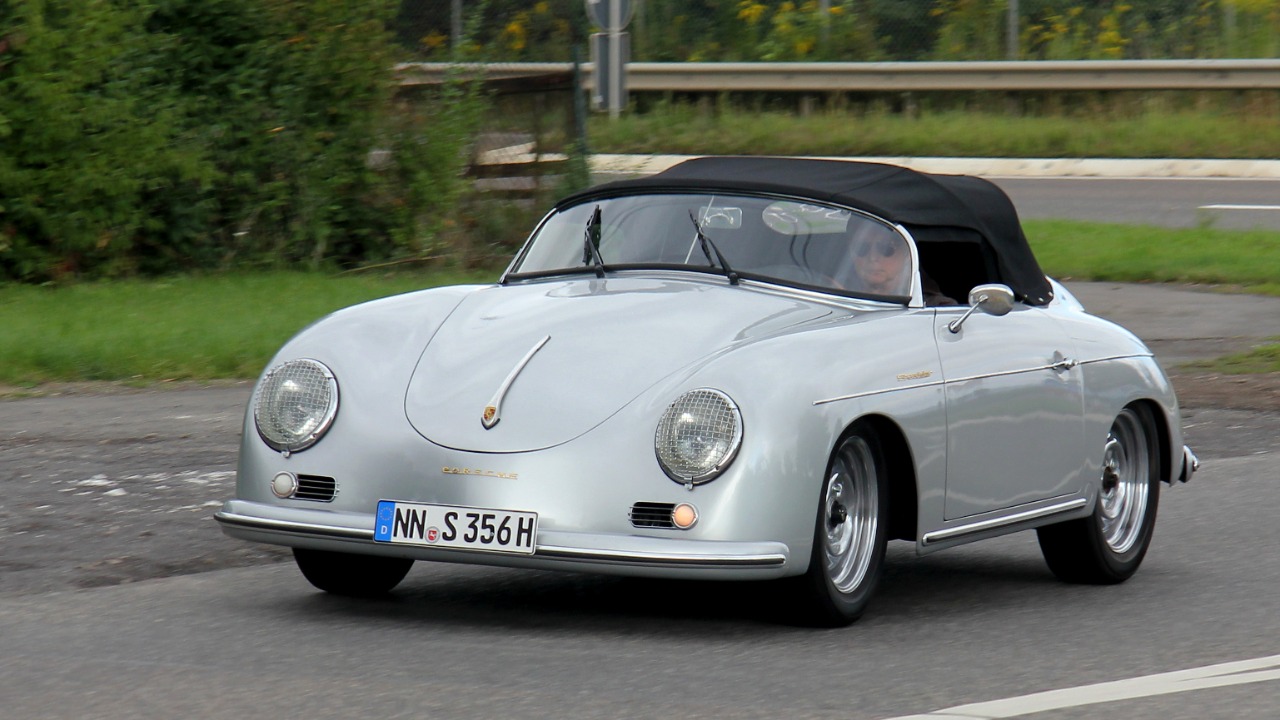
The Porsche 356 Speedster became an icon by stripping the sports-car experience down to its essentials. Its low windshield, simple cabin, lightweight construction, and rear-mounted engine made it particularly focused. It was never about overwhelming power. Instead, the Speedster emphasized simplicity and driver involvement, qualities that continue to make it one of Porsche’s most desirable early models.
Porsche 550 Spyder

The Porsche 550 Spyder was developed with competition in mind, and its lightweight construction made that purpose obvious. Its tiny body and mid-engine layout delivered exceptional balance for the period. The 550 was rare and expensive compared with ordinary roadsters, but its racing success established Porsche’s reputation for building small sports cars capable of challenging much larger machinery.
Chevrolet Corvette
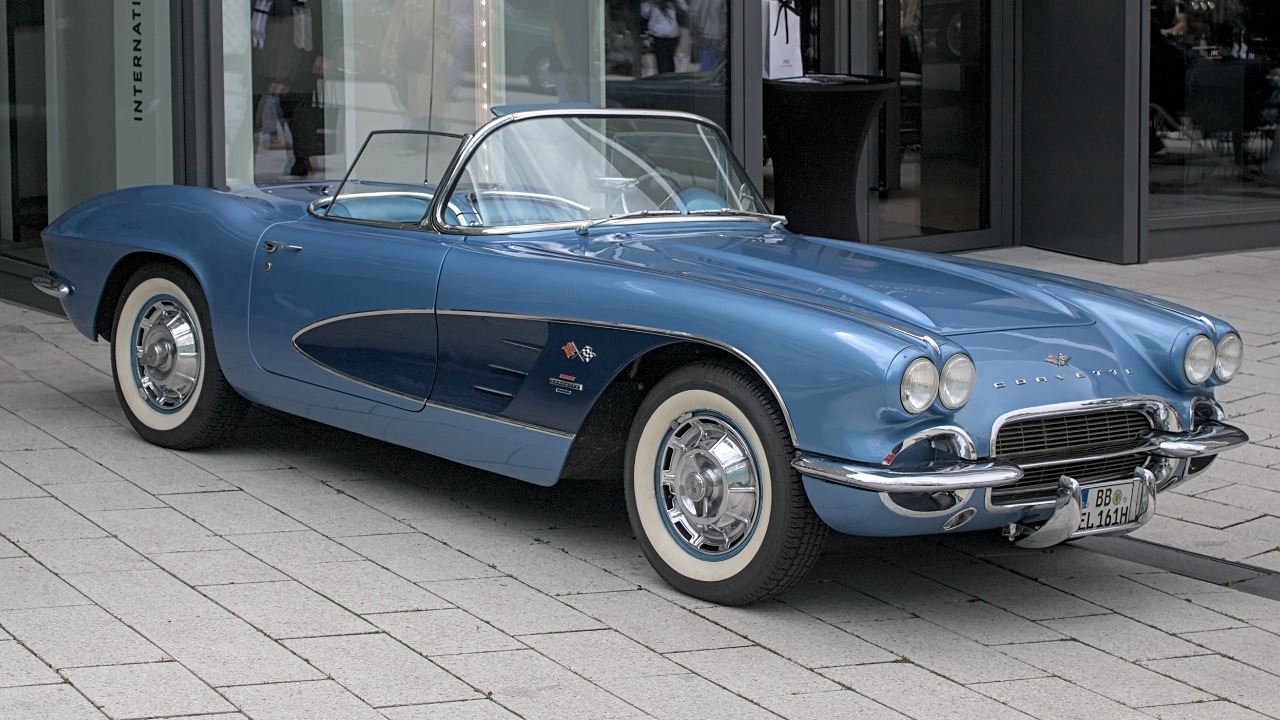
The first-generation Corvette gave America a genuine two-seat sports car with fiberglass bodywork and distinctive styling. Early versions were not as powerful as later Corvettes, but the basic concept was important. Chevrolet continued refining the formula until the Corvette became a major performance name. The original remains fascinating because it represents the beginning of that transformation.
Ford Thunderbird

The original Thunderbird brought an American interpretation of the roadster formula to the market. It combined two-seat styling with a powerful V8, removable hardtop, and much more comfort than many European sports cars. Its personality was different from the lightweight British approach, but that was part of its appeal. It showed that American sports cars could be stylish and effortless.
Mercedes-Benz 190 SL
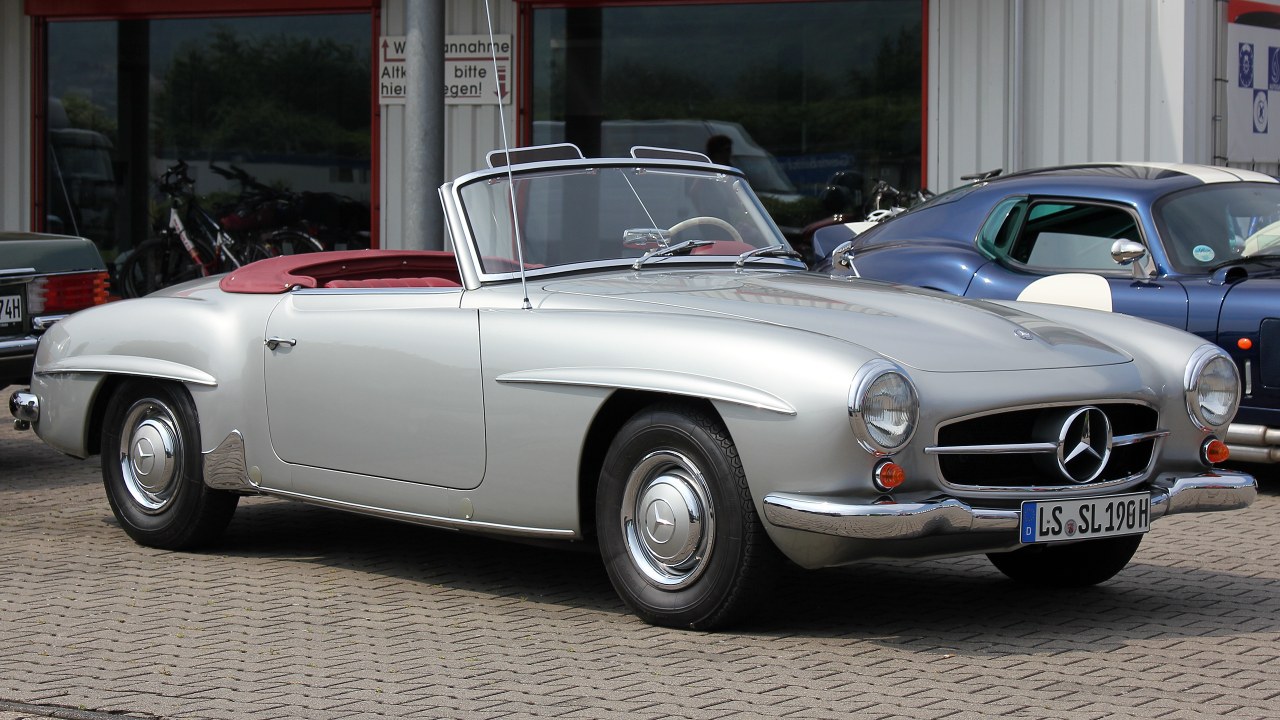
The 190 SL offered Mercedes-Benz style in a smaller and more approachable package than the company’s flagship sports cars. Its elegant proportions, comfortable cabin, and smooth four-cylinder engine made it more of a grand touring roadster than an all-out performance machine. Its refinement helped distinguish it from many rougher British competitors of the period.
BMW 507
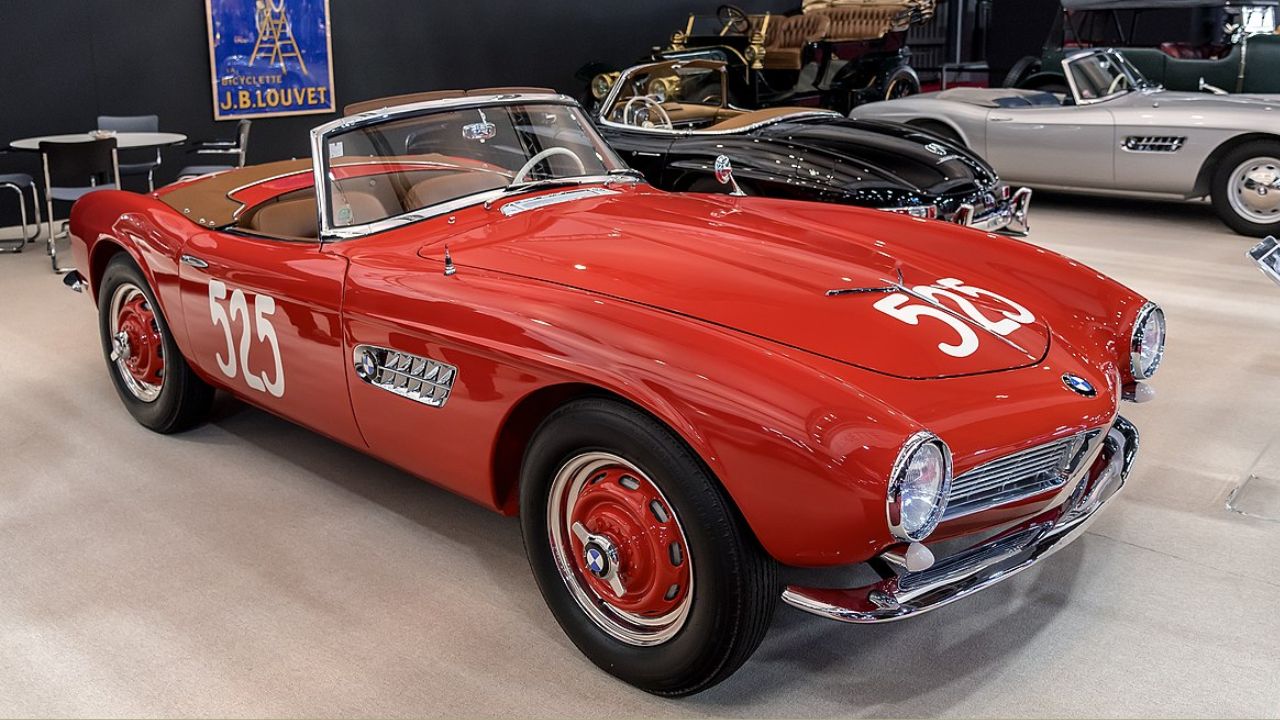
The BMW 507 remains one of the most beautiful German sports cars ever produced. Its low body, elegant grille, and sculpted fenders gave it a sophisticated appearance, while its V8 provided respectable performance. Production numbers were extremely low, which makes surviving examples particularly valuable. Its design continues to influence how enthusiasts imagine the ideal classic roadster.
Fiat 124 Spider
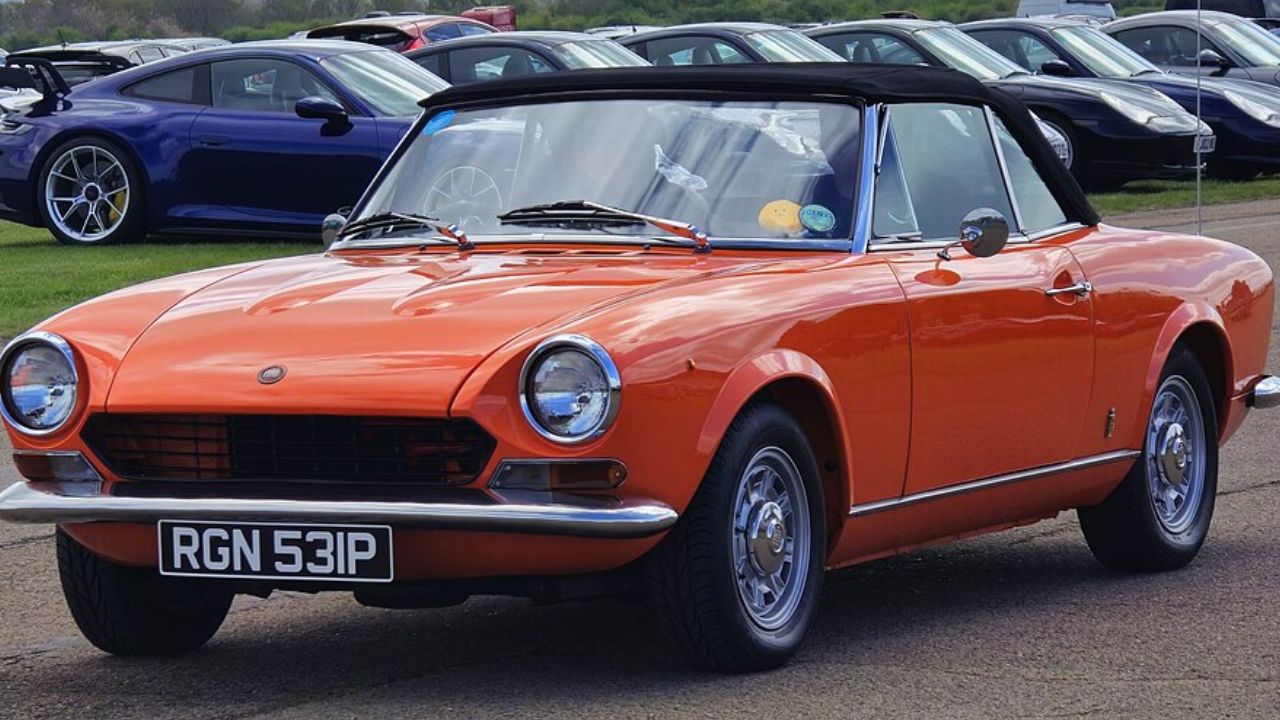
The Fiat 124 Spider brought Italian styling and rear-wheel-drive simplicity to a relatively accessible sports car. Its clean proportions, four-cylinder engine, and comfortable cabin made it suitable for both spirited drives and longer trips. The car became particularly popular in the United States. Its timeless styling and straightforward mechanical character remain major attractions.
Sunbeam Alpine
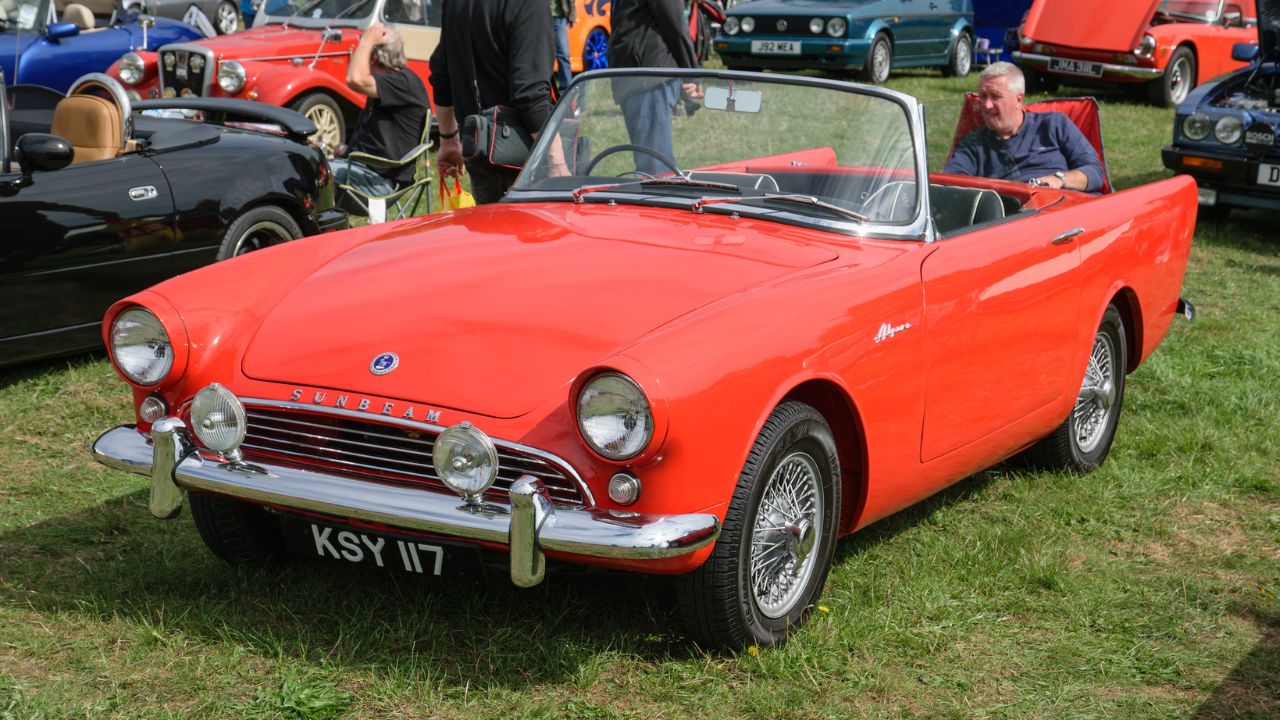
The Sunbeam Alpine offered a more practical interpretation of the British roadster. Its four-cylinder engine provided modest but usable performance, while the comfortable cabin made it suitable for everyday driving. The car’s clean styling and open-top layout gave it plenty of charm. It also gained extra attention after appearing in popular film and television productions.
Lotus Elan

The Lotus Elan showed just how effective lightweight engineering could be. Its fiberglass body, independent suspension, and compact dimensions produced exceptional handling without requiring a huge engine. The car became influential far beyond its production numbers. Its basic philosophy of reducing weight rather than simply adding horsepower remains central to sports-car engineering today.
More from Fast Lane Only
- Unboxing the WWII Jeep in a Crate
- 15 rare Chevys collectors are quietly buying
- 10 underrated V8s still worth hunting down
- Police notice this before you even roll window down
*Research for this article included AI assistance, with all final content reviewed by human editors.