Postwar American trucks were built with a simple purpose: get the job done. Their styling has become iconic, but underneath the chrome and rounded fenders were sturdy frames, simple engines, and practical beds designed for real work. Decades later, many of these pickups still look like they could head straight to a farm, job site, or workshop.
Chevrolet Advance Design
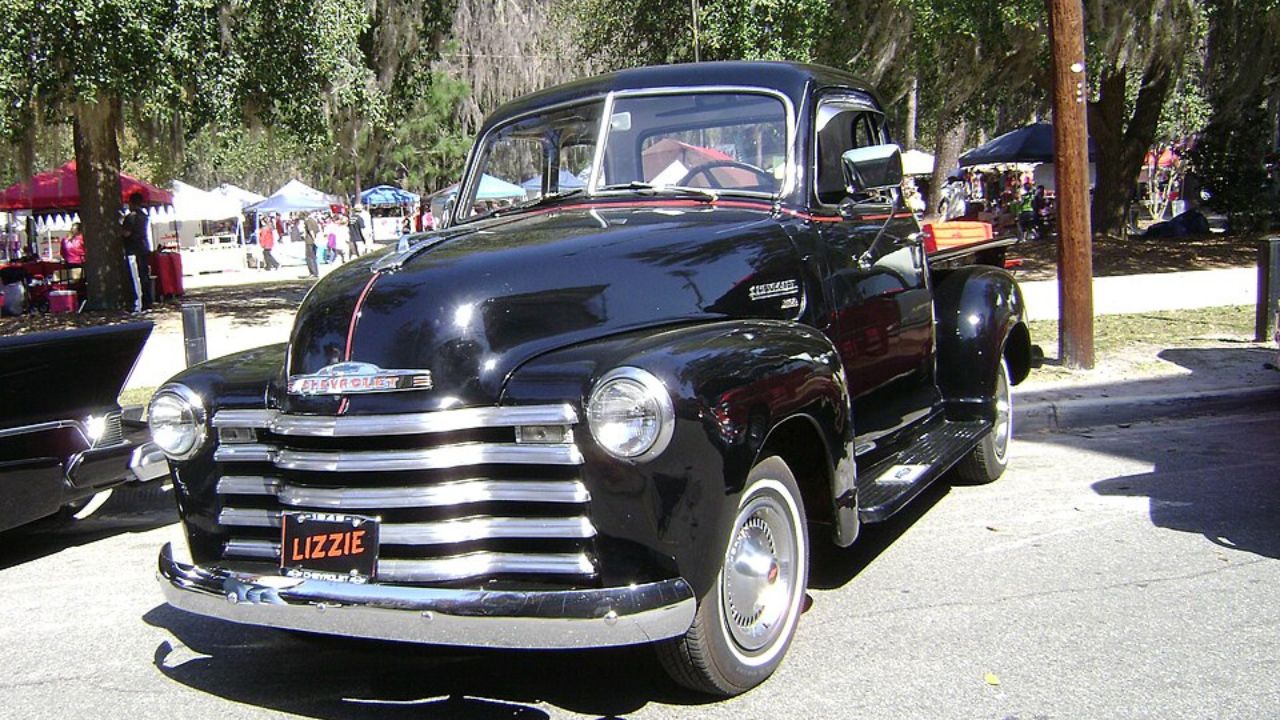
The Advance Design trucks gave Chevrolet a completely new look after World War II. Rounded fenders, a wider cab, and a substantial grille made them more comfortable and attractive than many earlier work trucks. Despite the styling improvements, Chevrolet kept the basic formula focused on durability and utility. A clean Advance Design pickup still looks perfectly capable of hauling tools, lumber, or equipment.
Ford F-Series

Ford’s first postwar F-Series established the foundation for one of America’s most successful truck families. Its cab was designed with greater attention to driver comfort, but the truck remained firmly focused on work. Different configurations allowed buyers to choose the capacity they needed. Even today, the simple proportions of an early F-Series make it look ready to spend another day doing honest work.
Diamond T 201

The Diamond T 201 was a medium-duty truck with a reputation for substantial construction and impressive road presence. Diamond T specialized in serious trucks rather than lightweight personal transportation, and the 201 reflected that philosophy. Its heavy frame and large components made it suitable for demanding hauling duties. Even today, the truck looks capable of carrying an enormous load, which is exactly the impression its designers intended.
Chevrolet Task Force
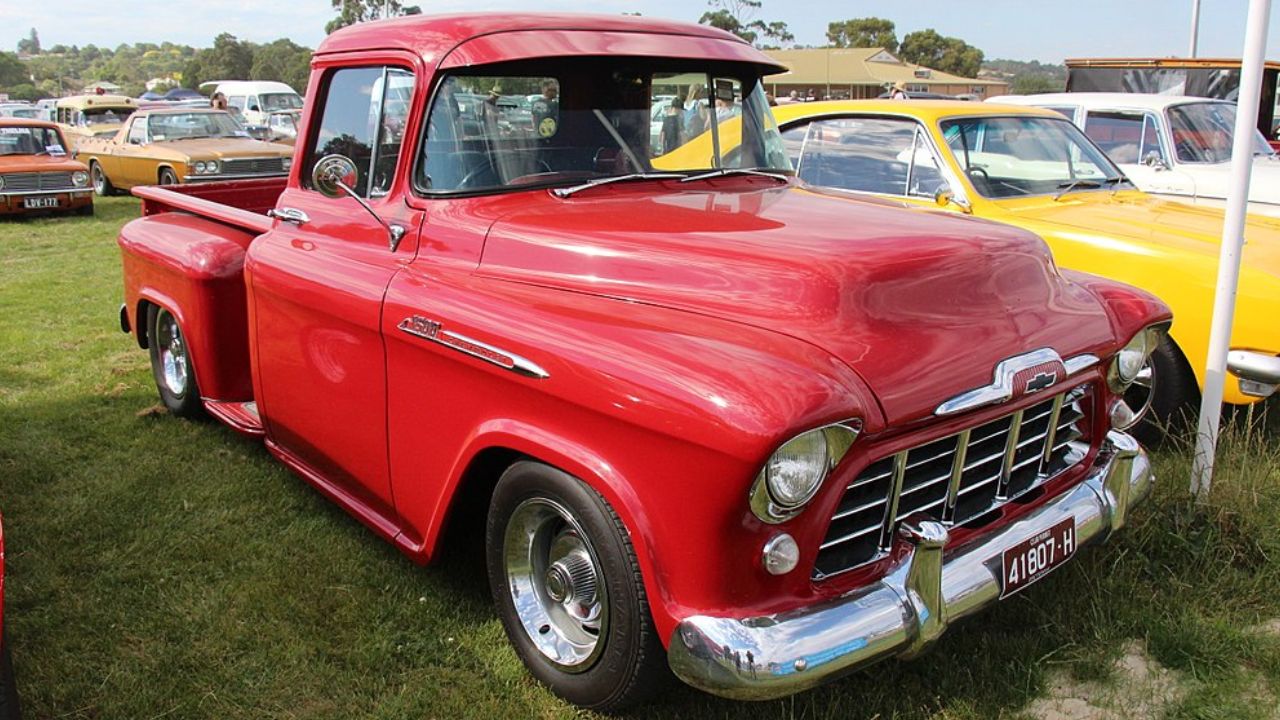
The Task Force generation brought a more modern appearance to Chevrolet’s truck lineup while maintaining its working credentials. The cab became more comfortable, the windshield improved visibility, and V8 power became increasingly important. Yet the trucks retained the sturdy construction expected by commercial and agricultural buyers. Their clean body lines make them particularly appealing today without taking away their original work-truck character.
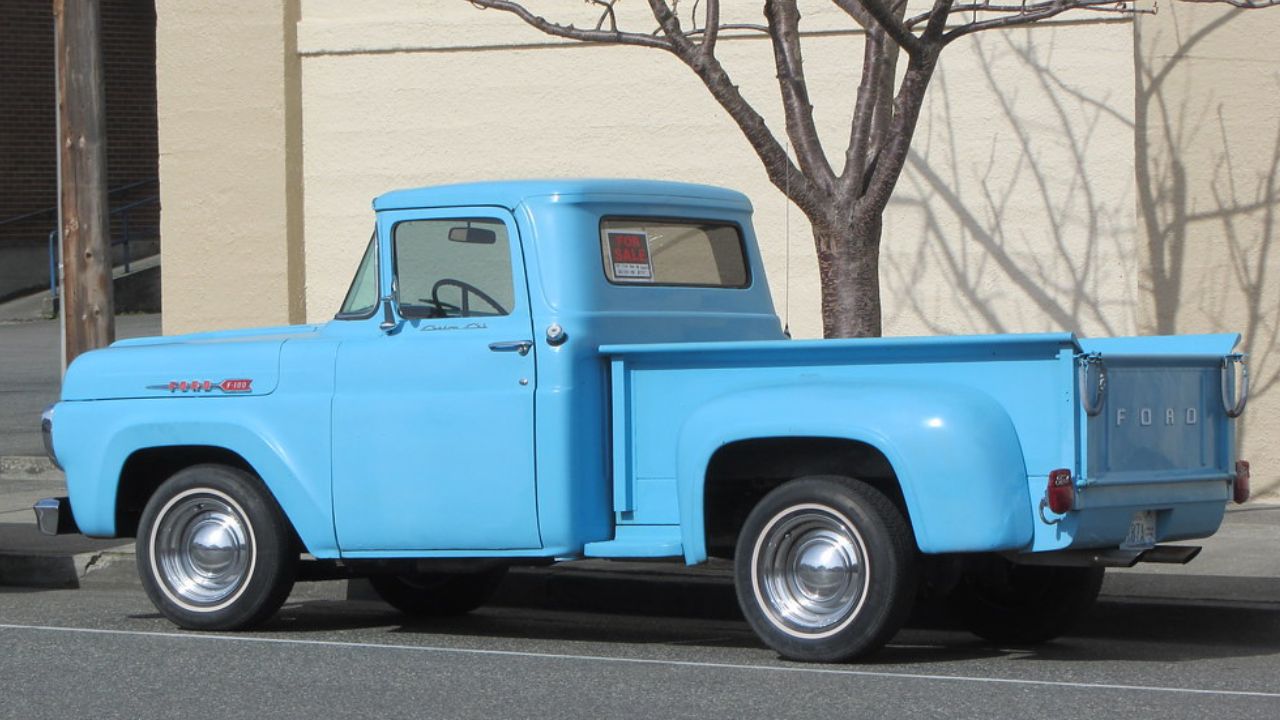
Ford F-100
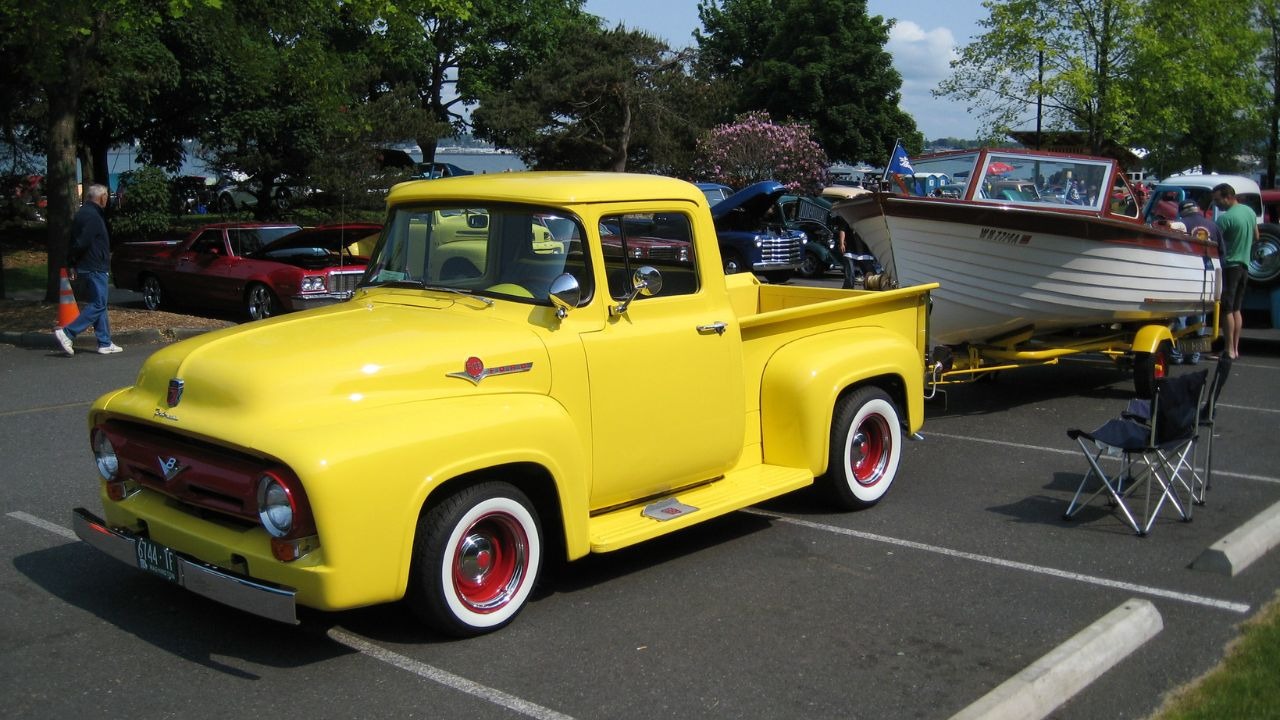
The F-100 became one of the most recognizable names in American pickups. Its manageable size made it useful for everyday work, while available engines gave buyers plenty of flexibility. As the years progressed, Ford added more comfort and style without abandoning the truck’s basic utility. A well-preserved F-100 still has the stance of a machine that belongs on a job site.
International Harvester R-Series
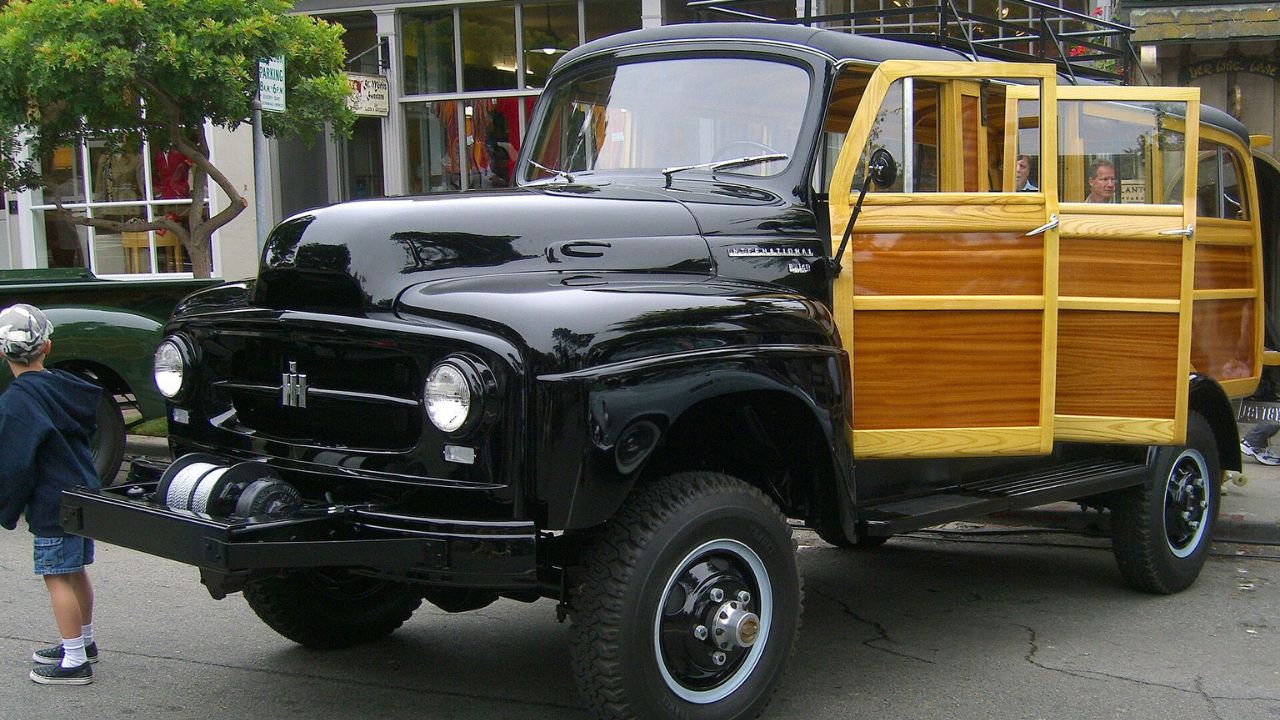
The R-Series showed International Harvester’s commitment to building trucks for serious users. Its distinctive front end gave it a personality separate from the major Detroit brands, while the chassis was designed around practical commercial work. Farmers and businesses could choose from numerous configurations. Today, an R-Series pickup looks unusually substantial, with proportions that make its working purpose immediately obvious.
Dodge C-Series
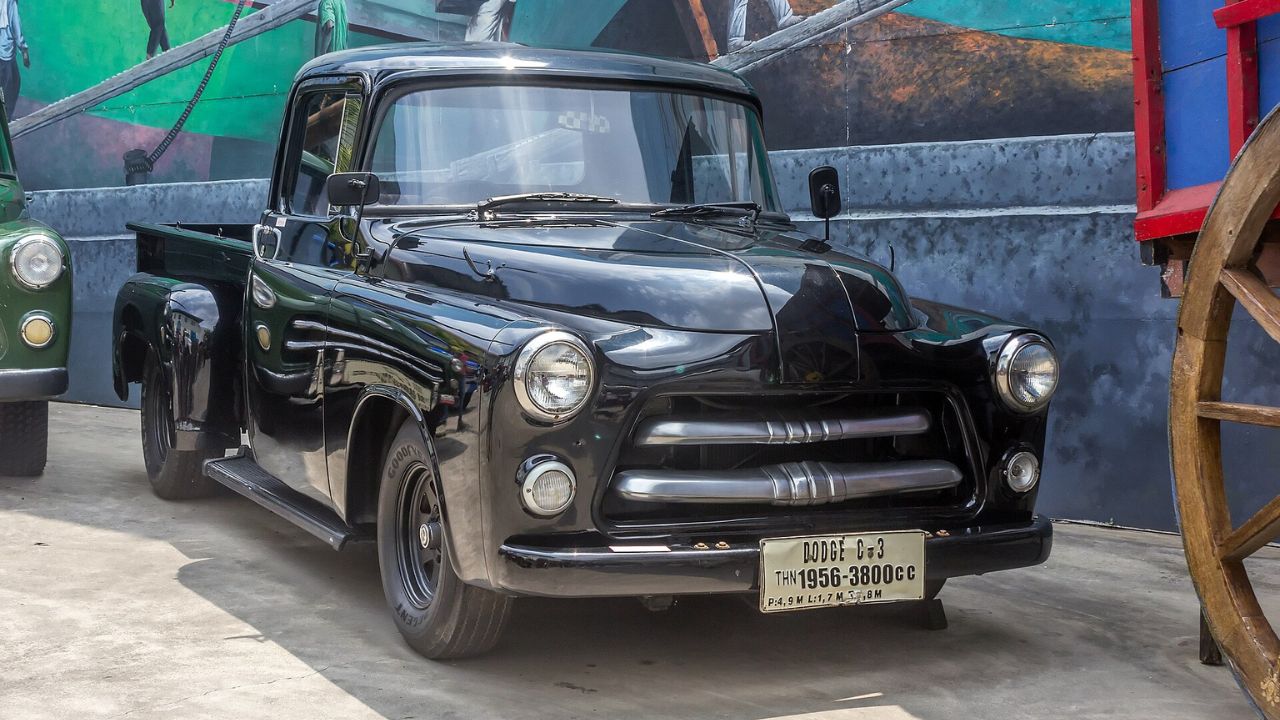
The Dodge C-Series brought smoother styling to Dodge’s postwar pickup range without turning the truck into a soft cruiser. Its rounded bodywork and wide grille gave it a strong road presence, while the chassis remained suitable for hauling and farm duties. Dodge continued improving the lineup through the 1950s, making these trucks a good example of how American pickups gradually became more comfortable without losing their utility.
Studebaker E-Series
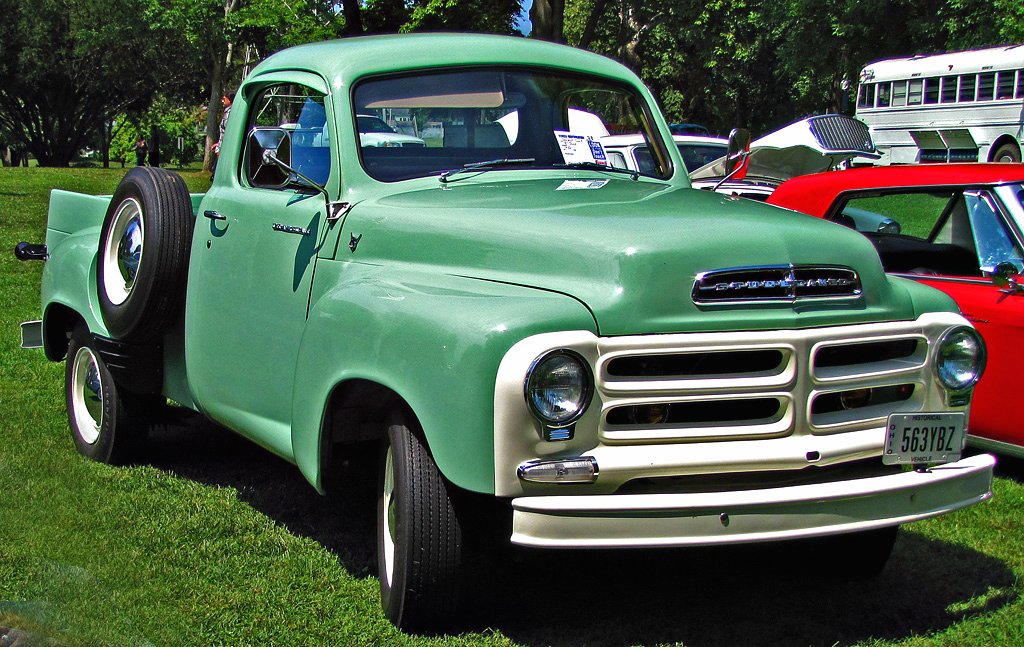
Studebaker’s E-Series pickups looked different from the mainstream offerings from Ford, Chevrolet, and Dodge. Their distinctive styling reflected Studebaker’s willingness to take a separate design path. Beneath the unusual appearance was a practical pickup designed for everyday hauling. Surviving examples remain particularly interesting because they combine genuine working-truck proportions with the independent character that made Studebaker unusual.
GMC Blue Chip
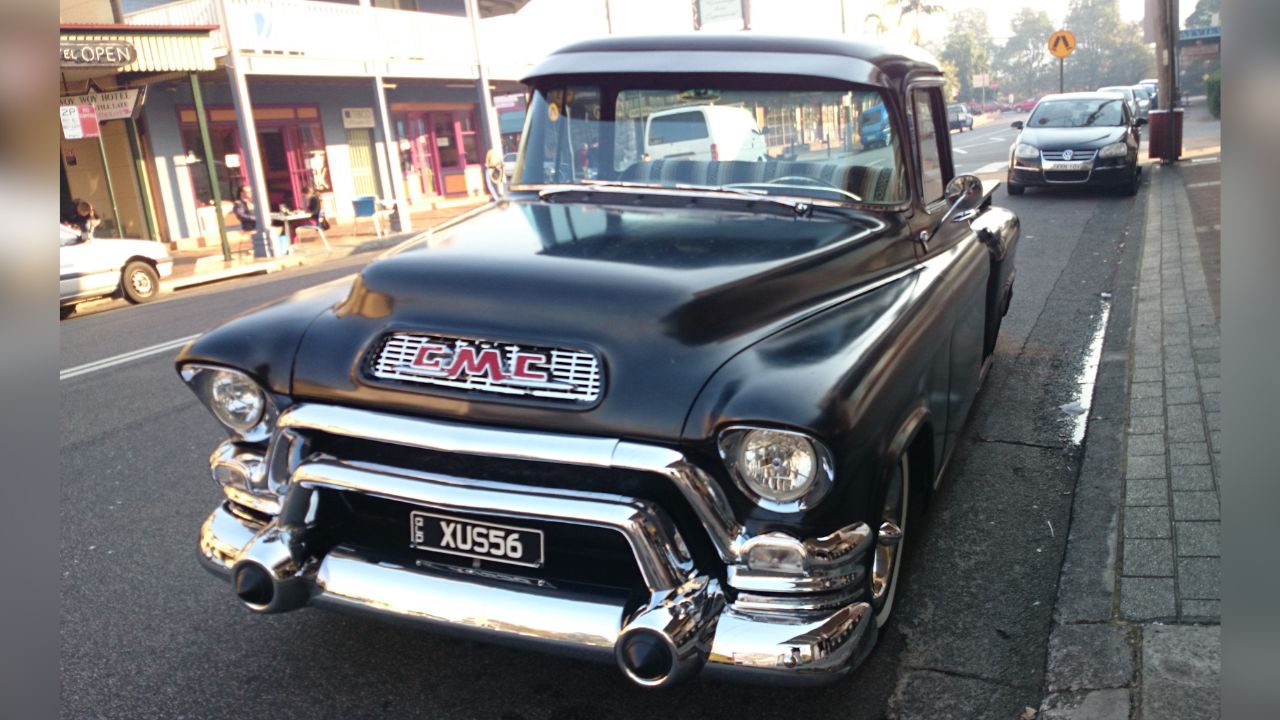
The GMC Blue Chip trucks brought a more substantial and polished appearance to the brand’s lineup. Their larger cabs and powerful engines made them useful for buyers who needed a truck capable of handling demanding work. The styling was bold without becoming excessive. Even after decades of exposure to changing automotive fashions, a well-preserved Blue Chip still looks like it belongs outside a working garage.
Chevrolet Apache

The Apache became one of Chevrolet’s most recognizable classic pickups. Its wraparound windshield, sculpted body, and prominent grille gave it a more modern appearance than earlier trucks. Yet Chevrolet did not sacrifice utility for styling. V8 engines and conventional truck construction made the Apache useful for serious everyday work. Its combination of attractive design and rugged proportions explains why these trucks remain popular today.
Ford Styleside
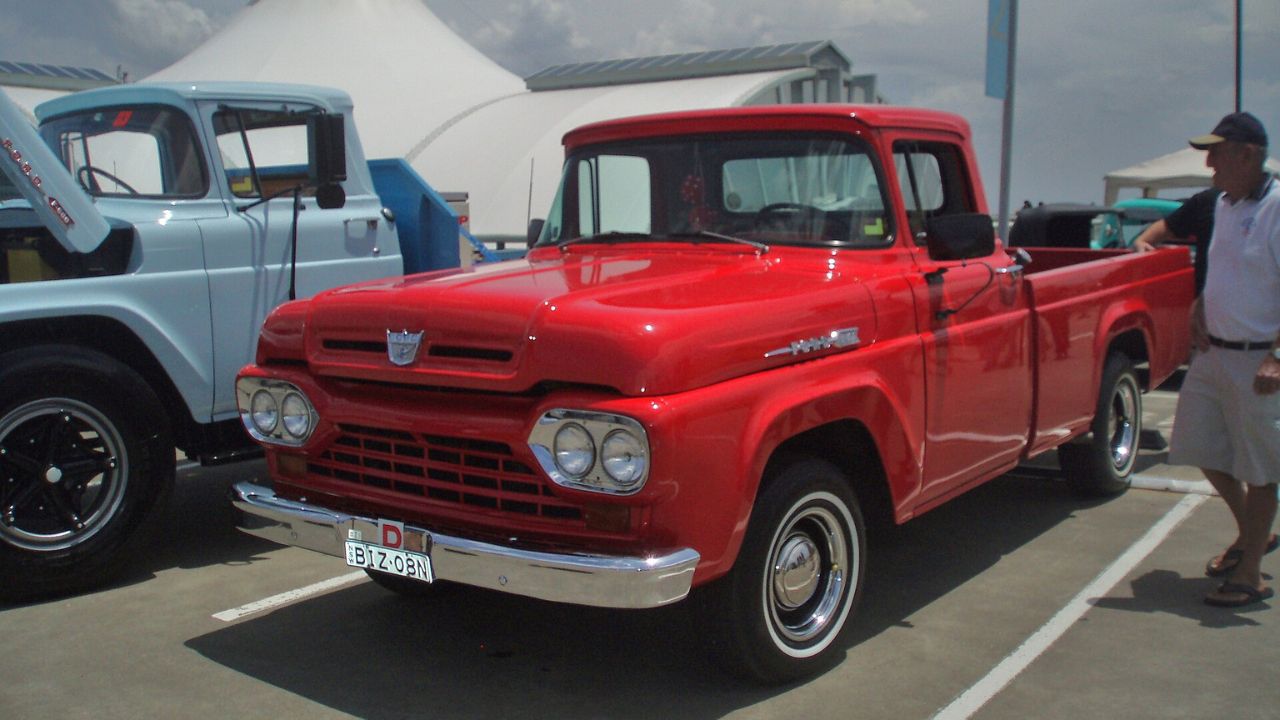
The Styleside introduced a smoother integrated bed design that helped Ford pickups move toward a more modern appearance. The body looked cleaner and more unified than traditional stepside trucks while retaining useful cargo capacity. It represented an important change in pickup styling because trucks were increasingly becoming personal vehicles as well as work machines. Even so, the basic shape still looks ready for practical duties.
Dodge Sweptside
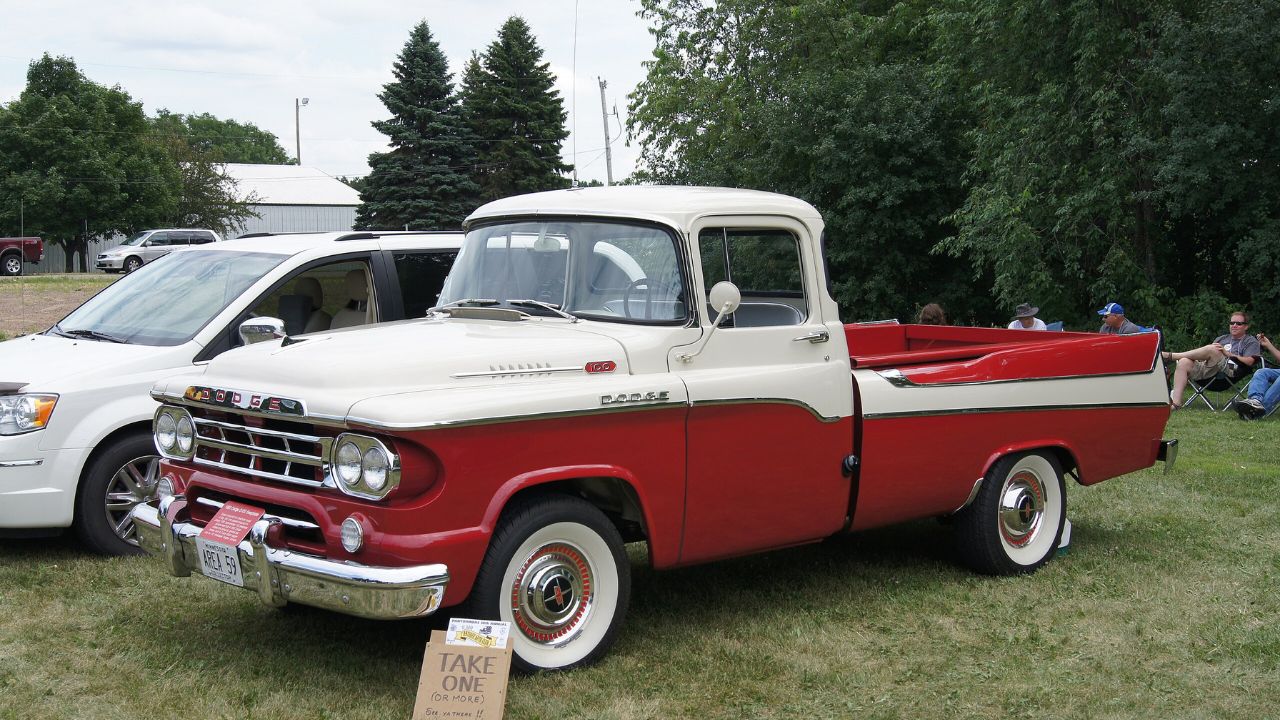
The Sweptside added unusual styling to a fundamentally practical Dodge pickup. Its integrated rear fenders gave it a car-like appearance that made it stand out from ordinary work trucks. Despite the visual changes, it remained a functional pickup with a useful bed and truck-based construction. It demonstrated that a working vehicle could have distinctive styling without becoming a toy.
Chevrolet C/K

The C/K series became one of Chevrolet’s most important truck families and introduced increasingly sophisticated engineering while maintaining a strong work focus. Buyers could choose from different wheelbases, payload capacities, and engine options. The familiar square-jawed appearance of early C/K trucks has aged extremely well. Even restored examples still look like they could return to regular service without much fuss.
Ford F-250
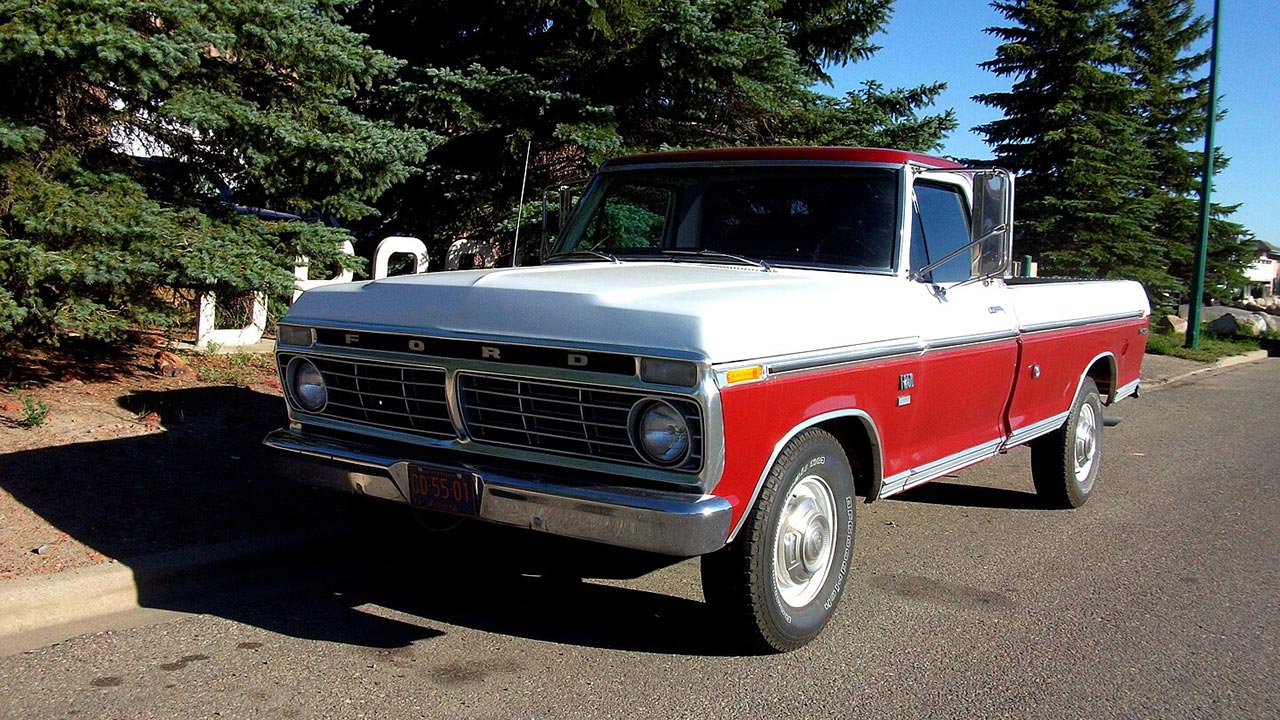
The F-250 occupied the important middle ground between light-duty pickups and heavier work trucks. Its stronger chassis and increased payload capability made it popular with farmers, contractors, and people who regularly hauled substantial loads. The classic F-250’s proportions also give it a commanding appearance. It looks less like a lifestyle accessory and more like the dependable tool it was designed to be.
Chevrolet Apache Fleetside
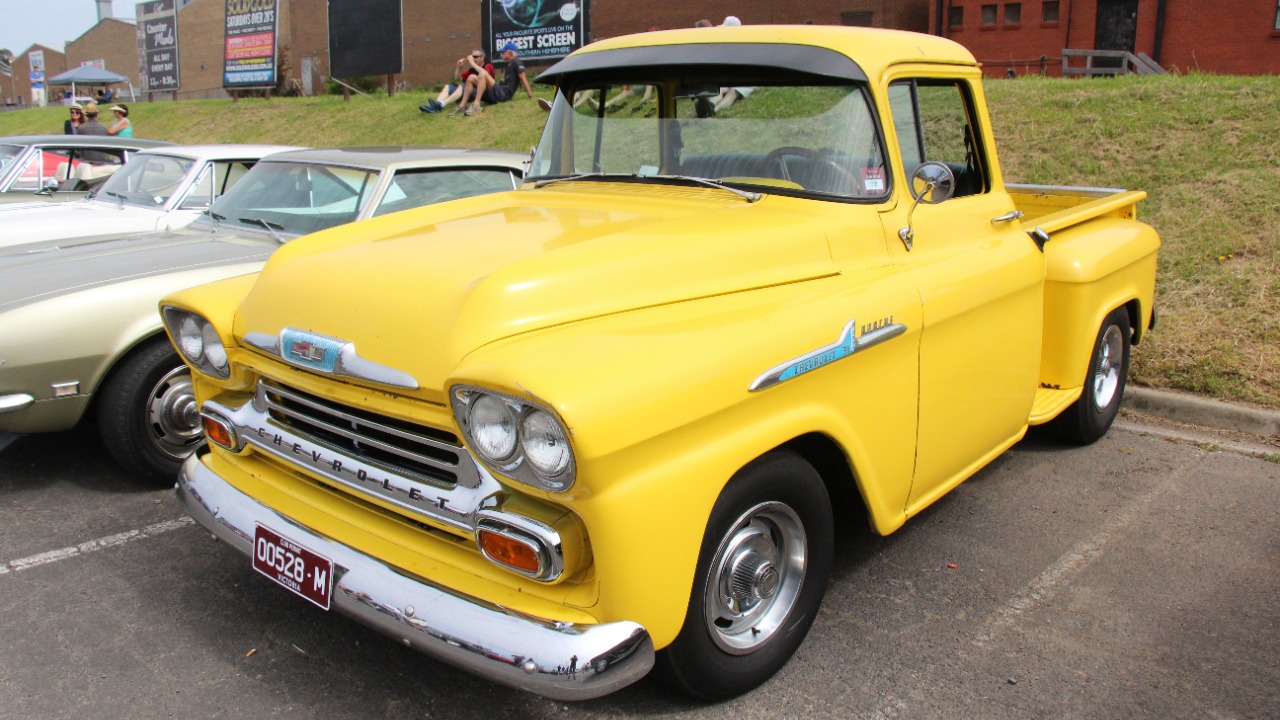
The Fleetside version of the Apache helped define the smooth-sided pickup look that would become increasingly popular. Its integrated bed sides created a cleaner silhouette while retaining useful cargo capacity. The combination of V8 power, substantial construction, and attractive styling made it useful to both working owners and private buyers. Today, it still looks capable rather than merely decorative.
GMC Fleetside
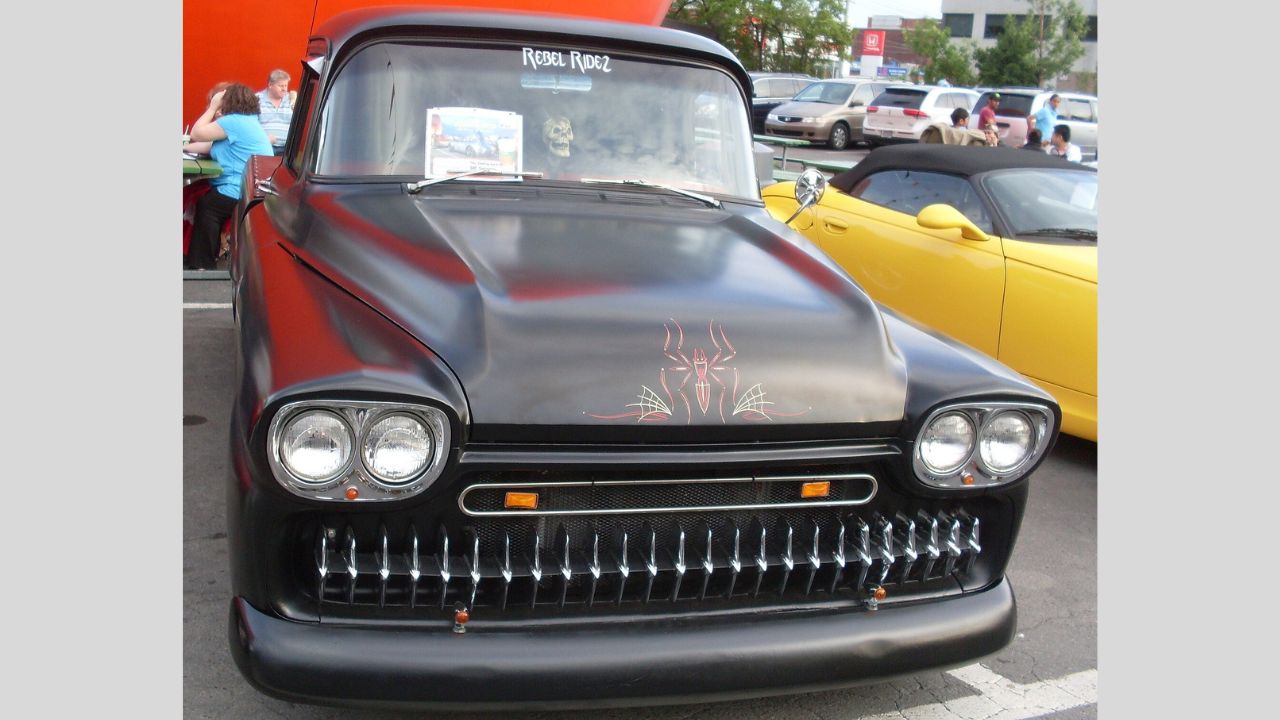
GMC’s Fleetside pickups brought the smooth-sided body style into the brand’s traditionally rugged truck lineup. The result was a truck that looked polished without losing its commercial character. Strong engines and sturdy chassis components made these pickups useful for hauling and towing. Their proportions also remain appealing because the design never became overly complicated.
Ford Ranchero
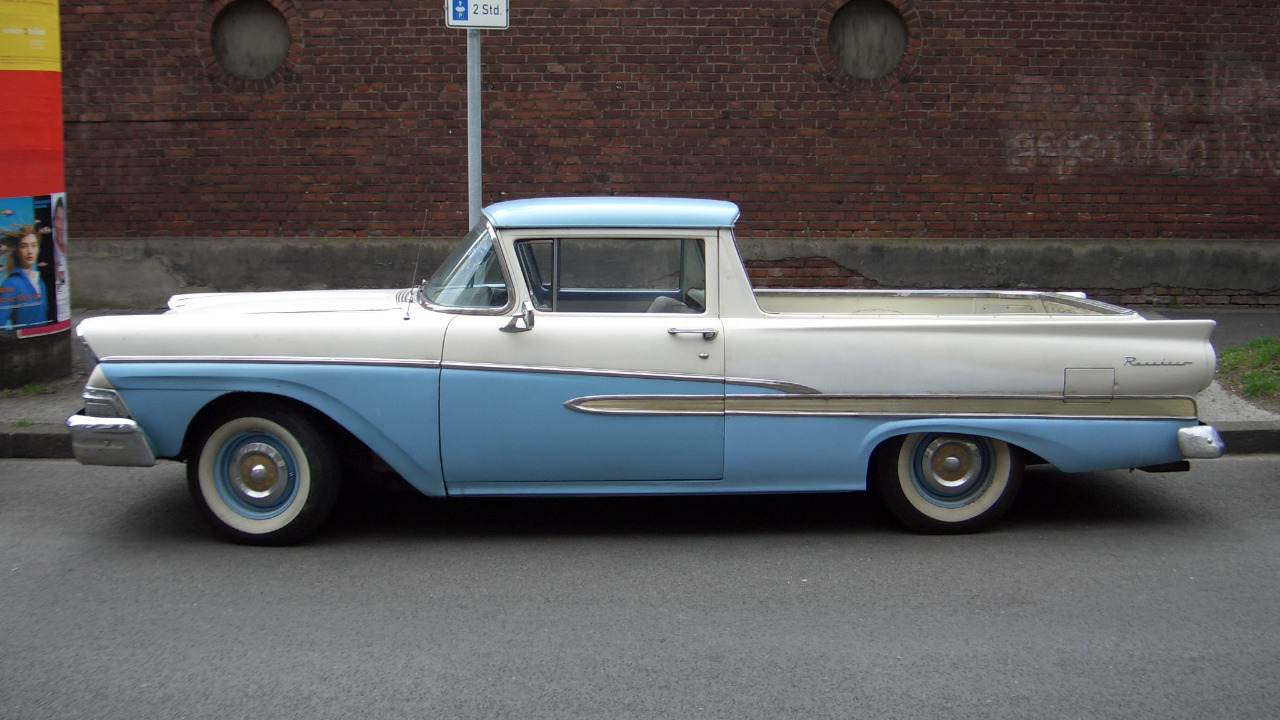
The Ranchero was technically a car-based pickup, but it still carried a strong connection to the American work-truck tradition. Its open bed gave tradespeople and small businesses useful cargo space while its car-based platform made everyday driving easier. Later versions became increasingly powerful and stylish. The Ranchero showed that a vehicle did not have to be a conventional pickup to be useful for work.
Chevrolet El Camino
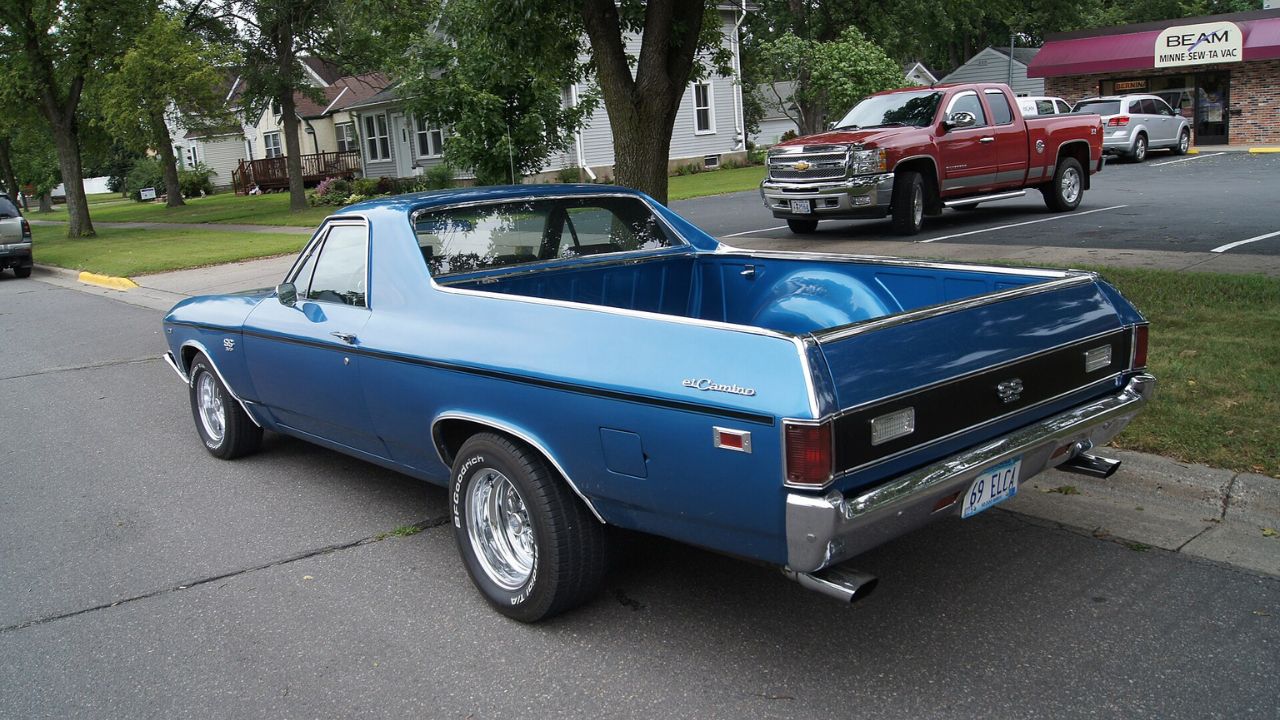
The El Camino followed a similar idea but became an enduring Chevrolet icon. Its car-like driving manners made it appealing to people who needed occasional hauling ability without wanting a traditional truck. Later versions added V8 performance, making the concept even more unusual. Despite its passenger-car roots, a clean El Camino still looks ready to carry equipment or supplies.
Jeep FC-150
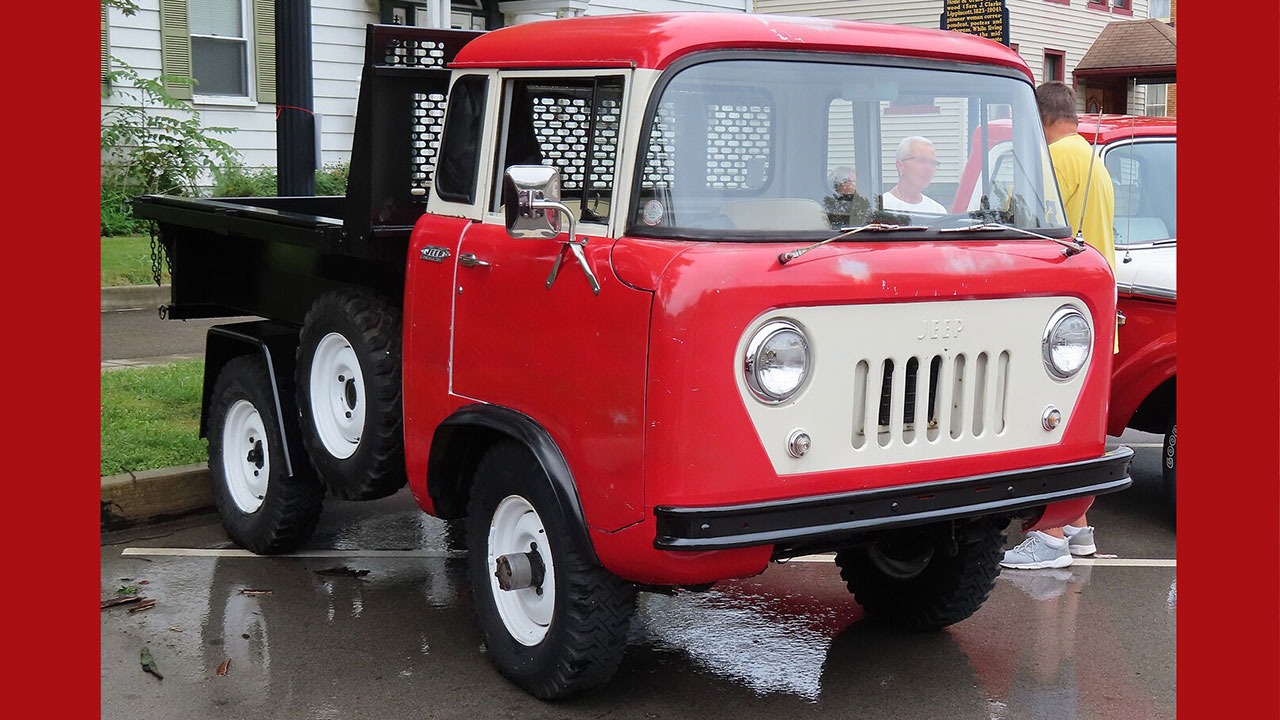
The Forward Control Jeep placed the driver directly over the front axle, creating a compact truck with a surprisingly useful cargo area. Its small dimensions made it practical in tight spaces, while four-wheel drive gave it serious ability away from paved roads. The FC-150 looked unconventional, but its design was highly functional. Even today, it has the appearance of a small machine built specifically to work.
International Harvester Scout 80
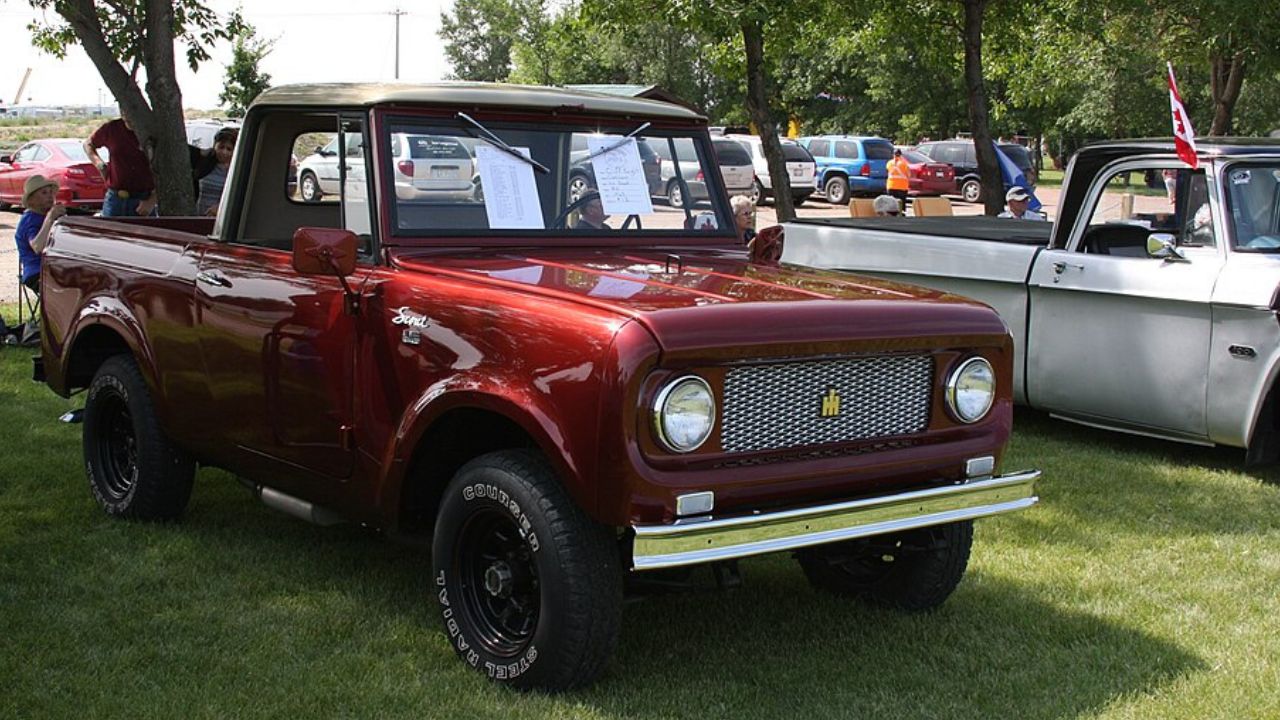
The Scout 80 was primarily an off-road utility vehicle, but its rugged construction and compact pickup-style configurations made it useful for farms, ranches, and outdoor work. Its simple body and short wheelbase gave it excellent maneuverability. The Scout’s straightforward appearance has aged particularly well. It still looks more like practical equipment than a vehicle designed primarily for recreation.
More from Fast Lane Only
- Unboxing the WWII Jeep in a Crate
- 15 rare Chevys collectors are quietly buying
- 10 underrated V8s still worth hunting down
- Police notice this before you even roll window down
*Research for this article included AI assistance, with all final content reviewed by human editors.