American automakers spent the late 1960s and early 1970s building increasingly powerful cars just as federal regulations were beginning to change the rules. Emissions standards, safety requirements, and eventually fuel concerns put enormous pressure on high-performance models. These 20 cars represent some of the most memorable machines from that period, including several that arrived just before the muscle-car era began to change dramatically.
Dodge Charger R/T
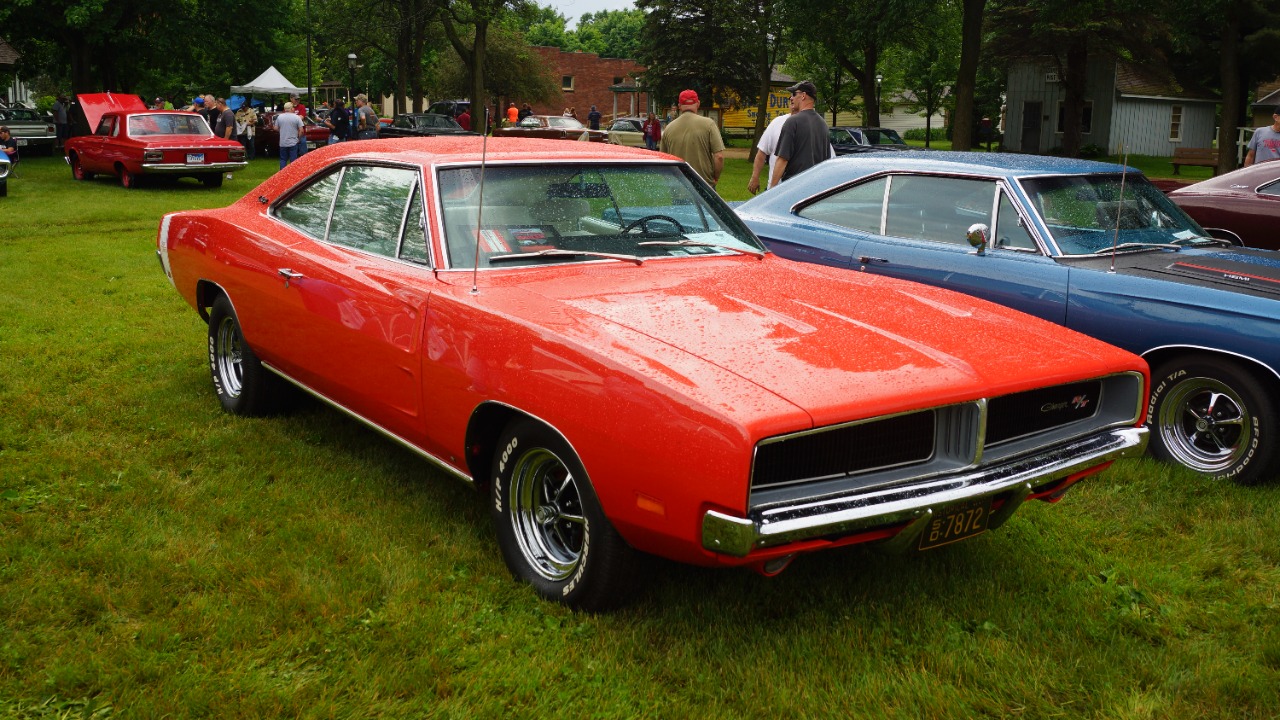
The Dodge Charger R/T became one of the clearest symbols of America’s horsepower race. Buyers could order it with enormous V8 engines, including the legendary 426 Hemi and 440 Magnum, turning the stylish fastback into a serious performance machine. Its aggressive appearance matched its mechanical potential, making it one of the cars most closely associated with the muscle-car era. The Charger arrived during a period when manufacturers were still pushing engine output upward, just before emissions requirements and other regulations began changing the formula.
Plymouth Road Runner
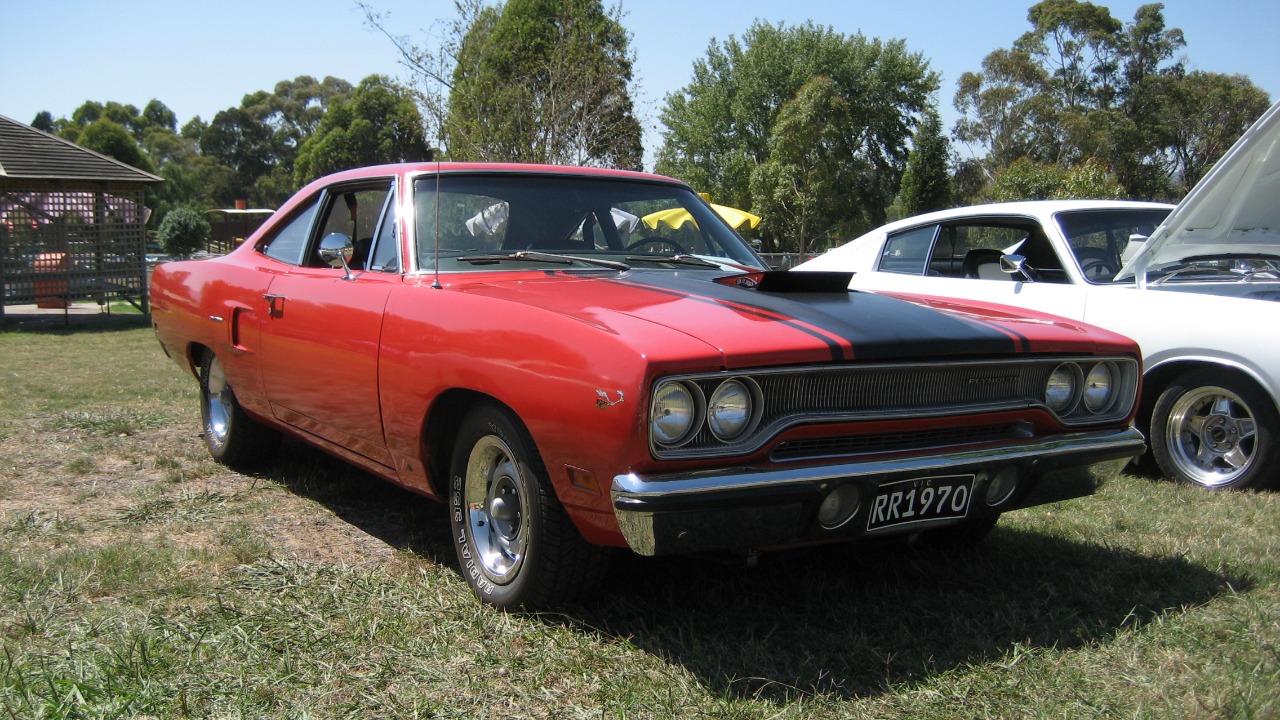
The Plymouth Road Runner was created around a simple idea: give buyers serious performance without loading the car with expensive extras. Its combination of a relatively light body and available big-block V8s made it one of the era’s most effective performance bargains. The Road Runner’s stripped-down personality also helped make it an icon among younger buyers. It represented the muscle-car philosophy at its most direct, delivering substantial power without pretending to be a luxury car.
Chevrolet Chevelle SS 454
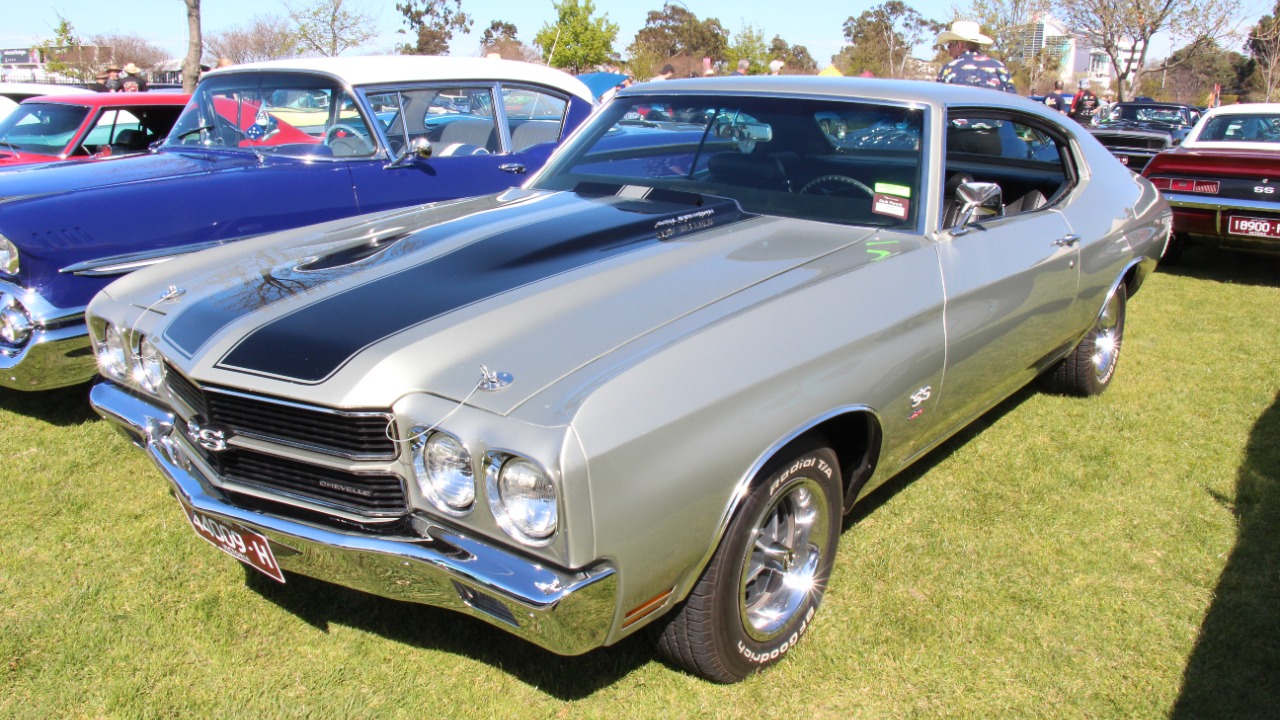
The Chevelle SS 454 represented the high-water mark of Chevrolet’s midsize muscle-car formula. Its big-block V8 offered enormous displacement and abundant torque, giving the car the kind of straight-line performance that made smaller engines seem almost unnecessary. The SS 454 arrived just as the regulatory environment was becoming increasingly difficult for high-output engines. That timing has helped cement its reputation as one of the last truly outrageous traditional muscle cars before the industry began backing away from maximum horsepower.
Ford Mustang Boss 429
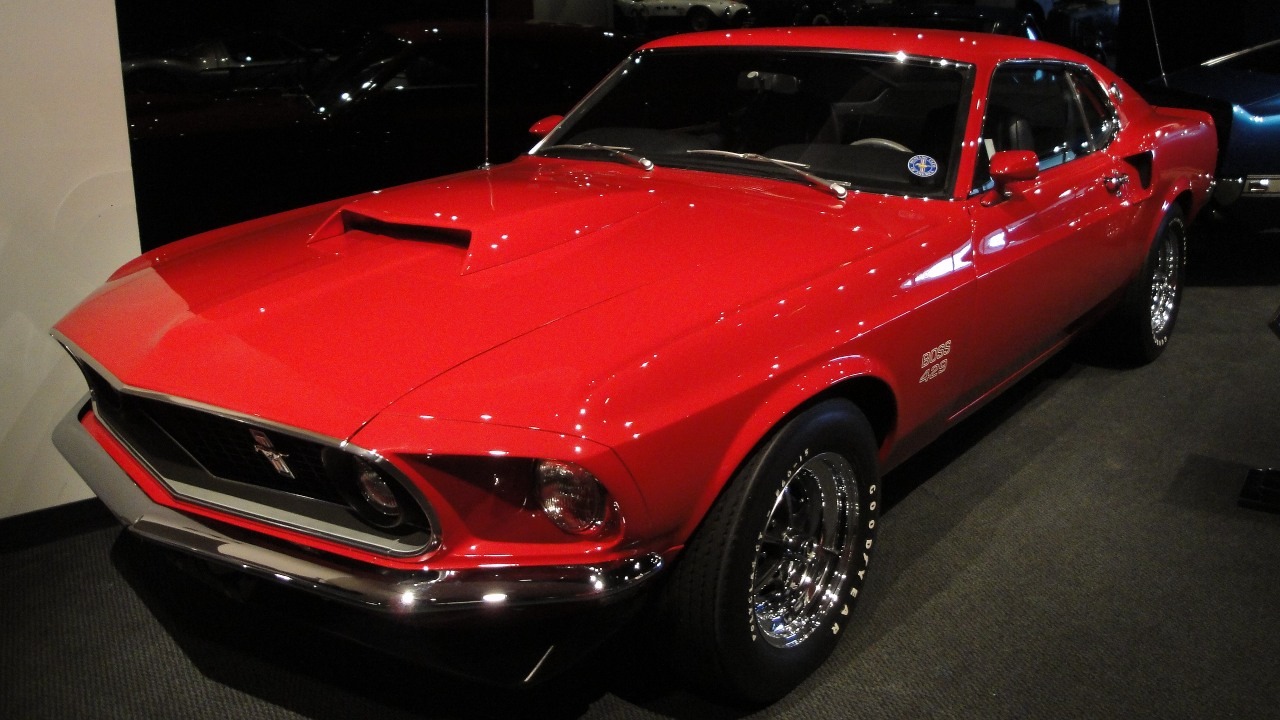
The Mustang Boss 429 was built around one of Ford’s most famous big-block engines and was developed in part to meet NASCAR homologation requirements. The enormous engine barely fit inside the Mustang’s engine bay, requiring extensive changes to the car’s front suspension and body structure. Production numbers were low, and the resulting car was dramatically different from an ordinary Mustang. It remains one of the clearest examples of Ford taking performance engineering to an extreme just before the industry’s priorities changed.
Plymouth Superbird
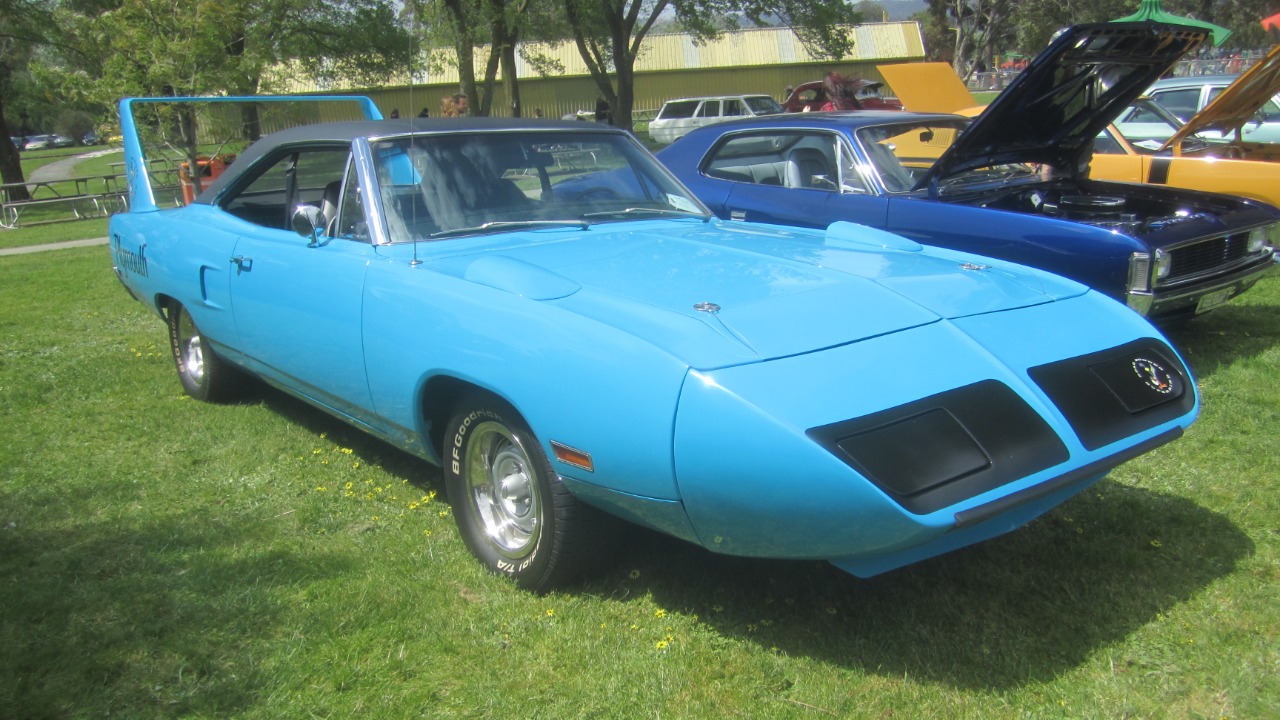
The Plymouth Superbird pushed the boundaries in a different way. Its massive rear wing, aerodynamic nose, and specialized bodywork were created to make the car competitive in NASCAR, while street versions were built to satisfy homologation requirements. The result was one of the most visually extreme American cars of the era. Underneath the dramatic bodywork was serious Mopar V8 power. The Superbird arrived at a moment when automakers were still willing to build specialized road cars for racing purposes, something that soon became much harder to justify.
Dodge Charger Daytona
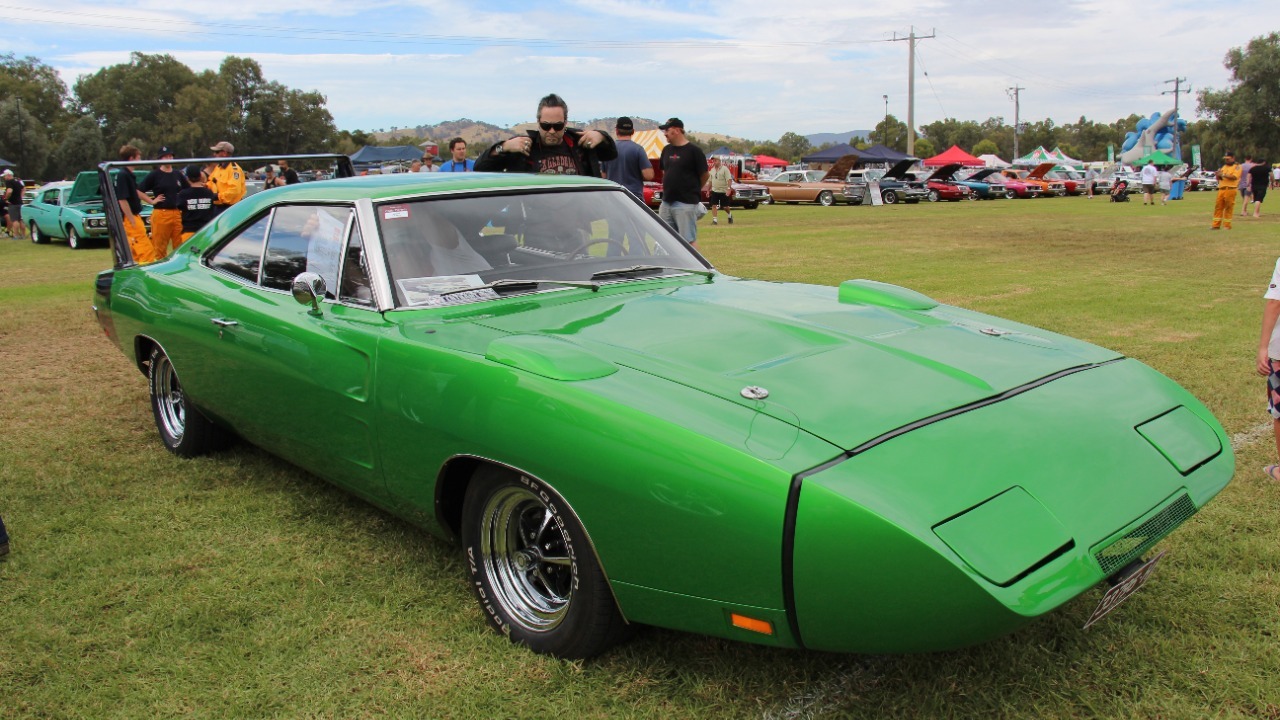
The Dodge Charger Daytona was another homologation special that demonstrated just how far Chrysler was willing to go in pursuit of racing success. Its pointed nose and enormous rear wing were impossible to miss, but they served a specific aerodynamic purpose. Buyers could also choose powerful engines, making the Daytona much more than a styling exercise. Its limited production and extreme design have made it one of the most collectible Mopar performance cars. It represents an era when federal rules had not yet completely changed the relationship between road cars and racing.
Ford Torino Cobra
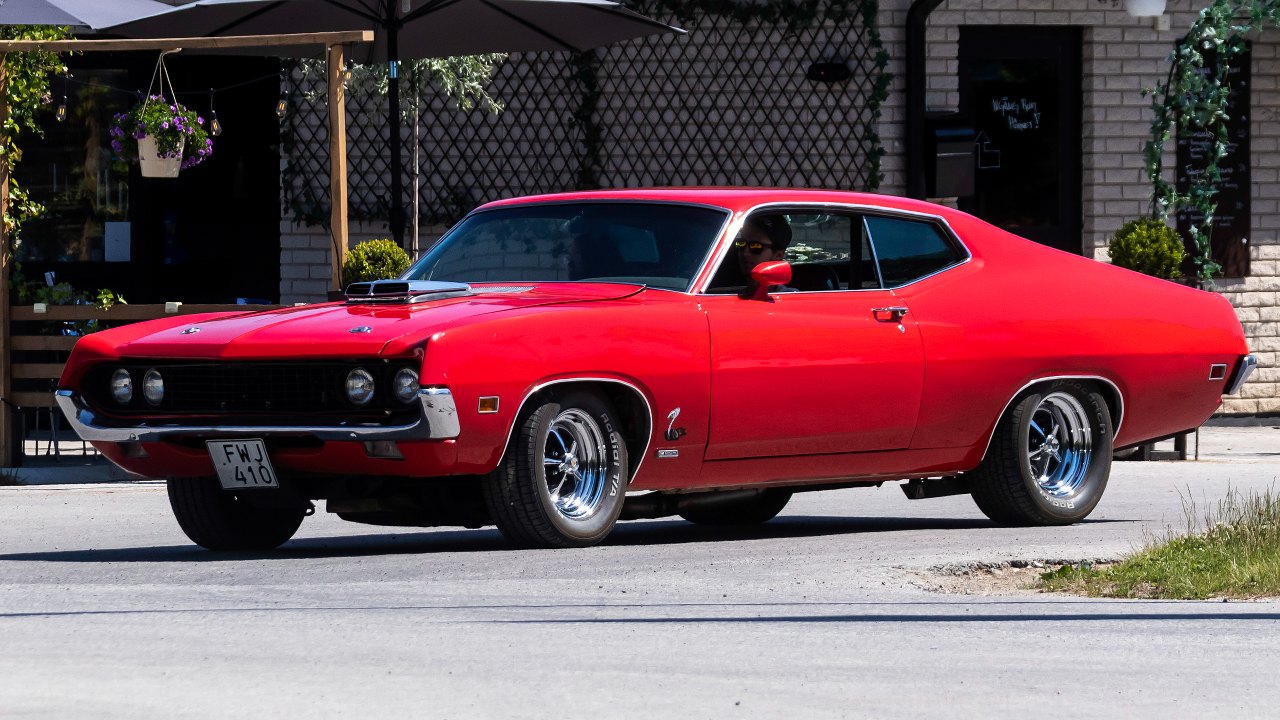
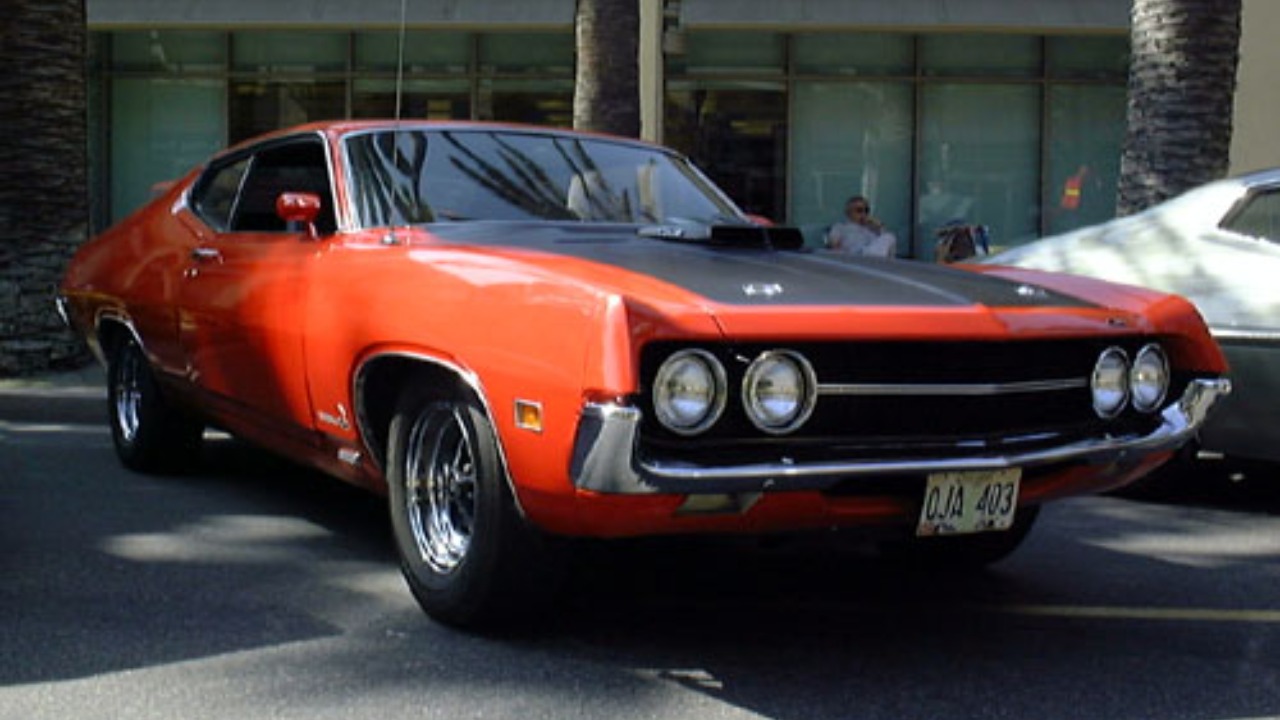
The Ford Torino Cobra combined a midsize body with substantial V8 power and a more aggressive personality than the standard Torino. Available engines included large-displacement options capable of delivering serious acceleration. The car also benefited from Ford’s growing interest in aerodynamic performance for NASCAR. That combination made the Torino Cobra one of the most capable Ford muscle cars of its period. Its timing is particularly important because it appeared just as emissions requirements and changing market conditions were beginning to put pressure on the traditional muscle-car formula.
Oldsmobile 442
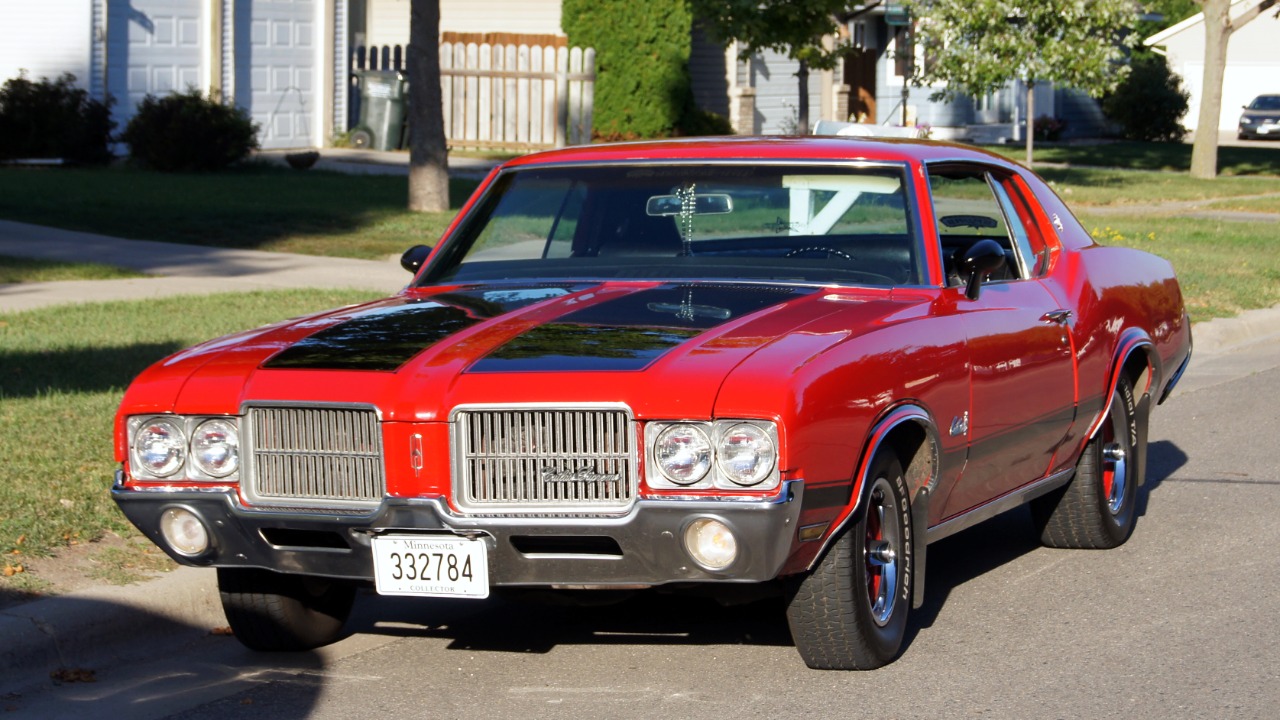
The Oldsmobile 442 proved that performance did not always need to come from Chevrolet or Pontiac. Its combination of a midsize body, strong V8 engines, and a relatively sophisticated presentation gave buyers a muscle car with a slightly more mature personality. Big-engine versions delivered substantial torque and strong acceleration, while the car remained comfortable enough for everyday driving. The 442 became especially important because it continued to represent Oldsmobile performance as the traditional muscle-car era began to fade.
Buick GSX
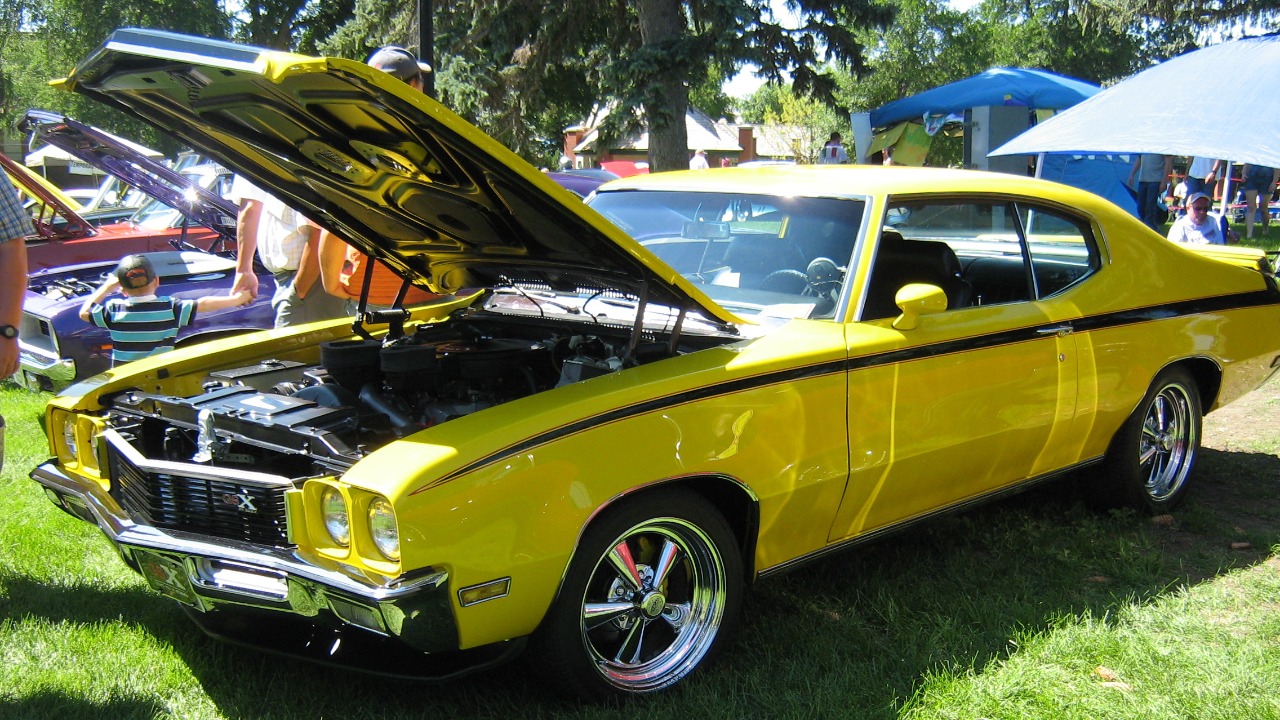
The Buick GSX combined upscale Buick styling with serious performance hardware. Its big V8 produced abundant torque, while the car’s distinctive stripes and spoilers gave it a more aggressive appearance than most Buicks. The GSX was never as common as some Chevrolet or Ford performance models, making surviving examples especially interesting today. It also arrived at the end of the classic horsepower era, when automakers were still willing to offer enormous engines even as federal regulations were beginning to reshape what was possible.
Pontiac Firebird Trans Am
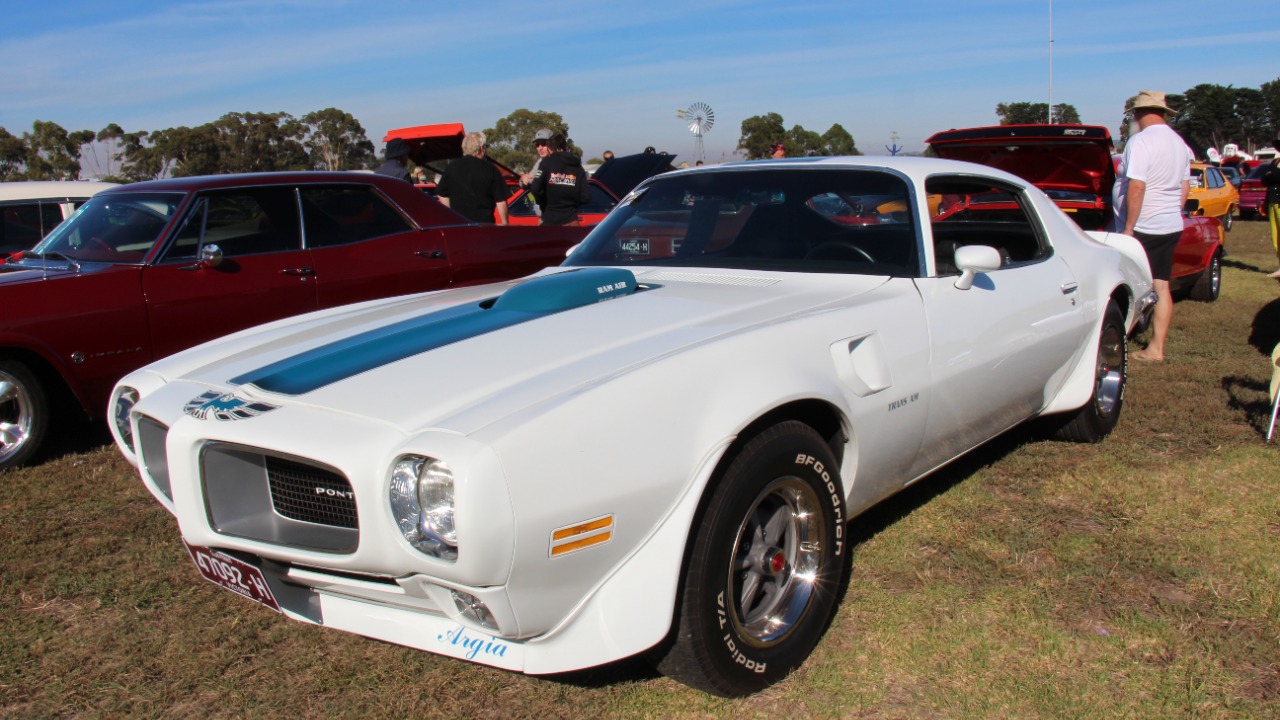
The Pontiac Firebird Trans Am became one of the longest-lasting performance names from the muscle-car era. Early versions could be equipped with powerful V8s, aggressive styling, and performance-oriented suspension equipment. The car’s popularity also helped Pontiac maintain a performance identity as the rest of the industry began downsizing engines. Although later Trans Ams were very different from the original muscle cars, the name remained associated with American performance through several generations.
Chevrolet Camaro Z/28
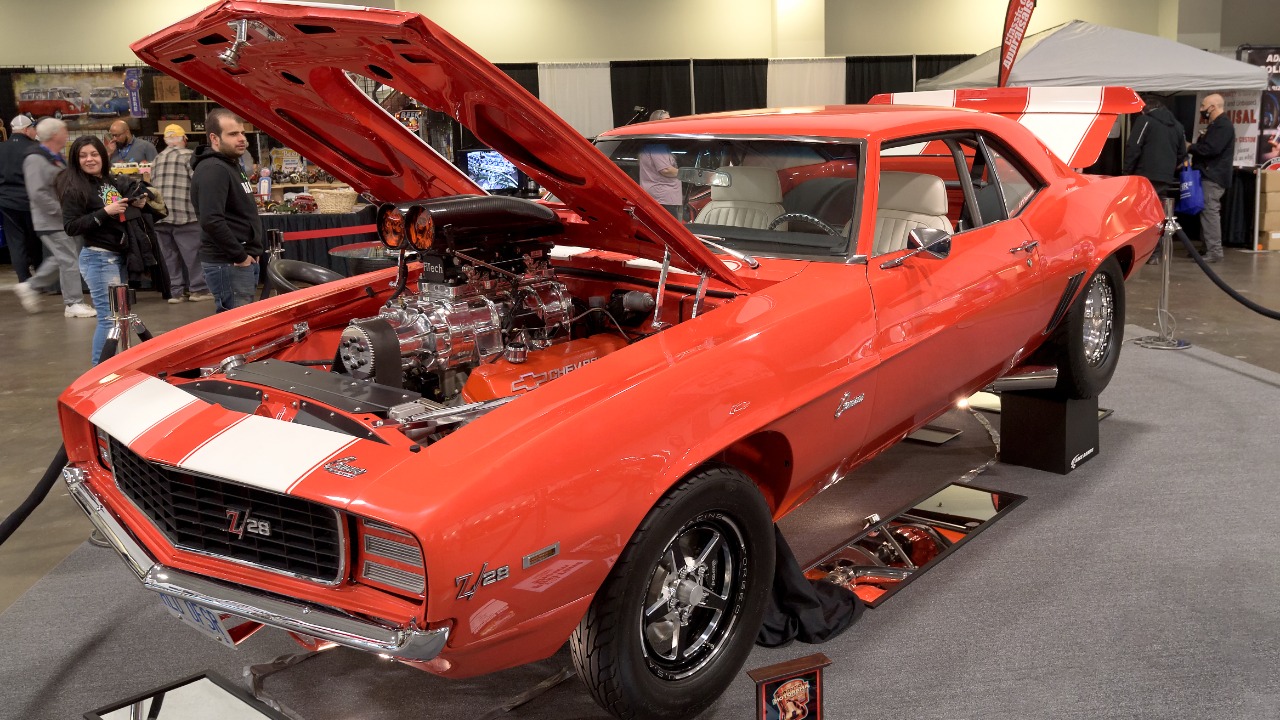
The Camaro Z/28 was developed with racing in mind and quickly became one of Chevrolet’s most respected performance cars. Rather than relying solely on massive displacement, the Z/28 emphasized a high-revving small-block V8, handling improvements, and a balanced performance package. That made it different from big-block muscle cars while still giving buyers serious capability. Its existence showed that American performance could take more than one form, even as emissions and safety requirements were starting to influence vehicle design.
Dodge Challenger R/T
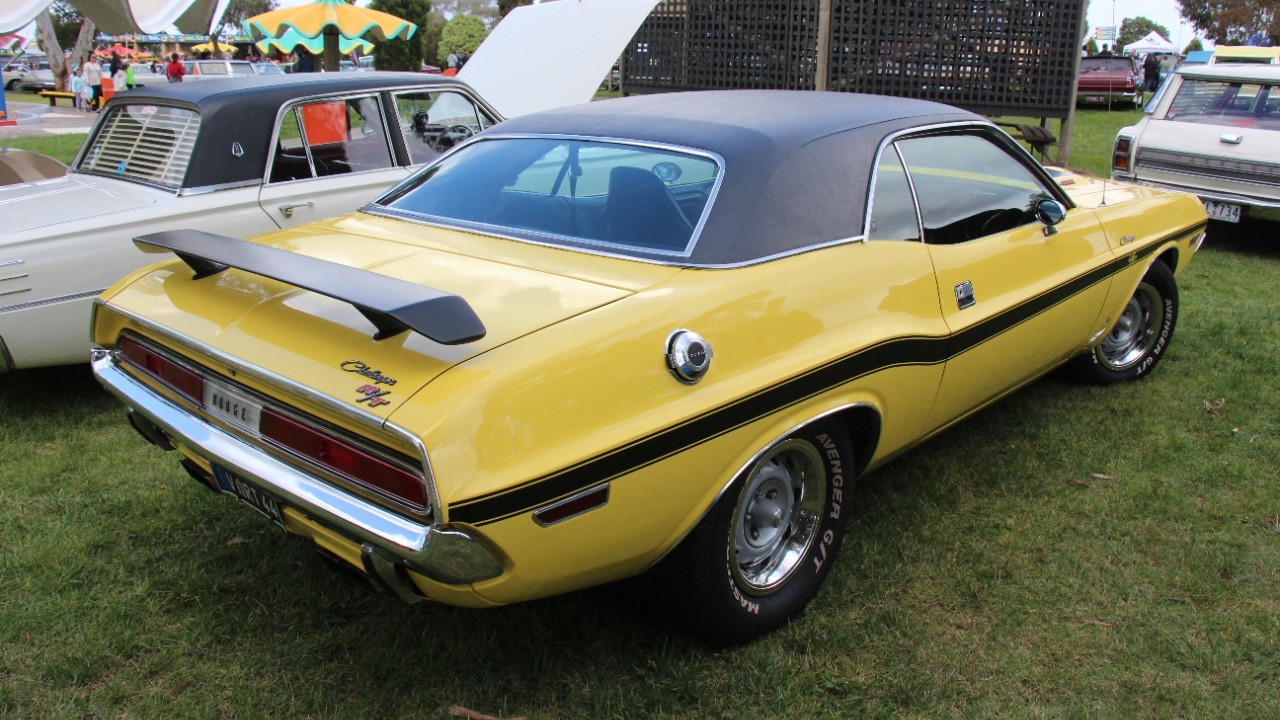
The Dodge Challenger R/T arrived late in the classic muscle-car boom but immediately established itself as one of the era’s most memorable performance cars. Its long hood, short rear deck, and aggressive grille gave it enormous visual presence, while buyers could choose from several powerful V8 engines. The timing was unfortunate for Dodge because the regulatory and economic environment was changing rapidly. Even so, the Challenger R/T became a defining example of Detroit’s final push toward maximum traditional muscle-car performance.
Pontiac GTO Judge
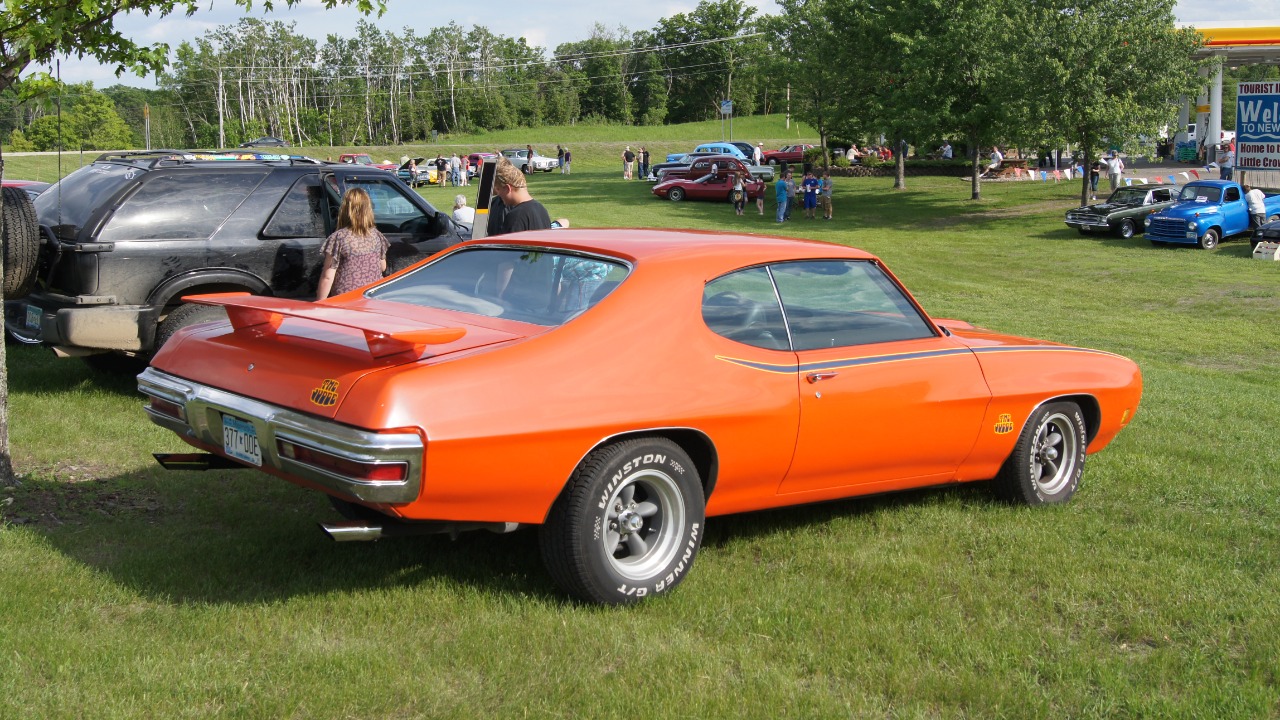
The GTO Judge took Pontiac’s already famous performance formula and added a much more theatrical personality. Bright colors, distinctive graphics, spoilers, and strong V8 options helped turn it into one of the most recognizable muscle cars of its period. The Judge arrived as the traditional muscle-car market was already beginning to change, which makes surviving examples especially interesting. It represents Pontiac’s attempt to keep excitement high even as the industry was moving toward a very different regulatory and economic environment.
Mercury Cyclone Spoiler
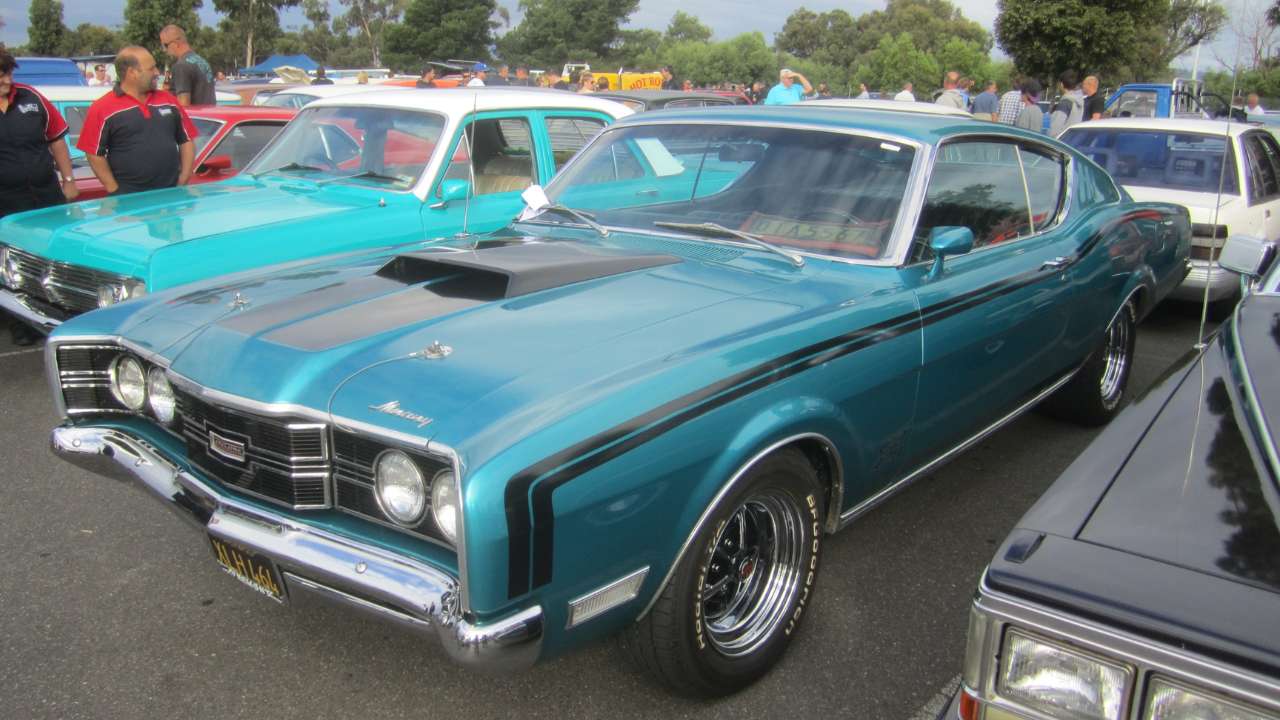
The Mercury Cyclone Spoiler gave Ford’s midsize performance platform a more dramatic personality while retaining access to powerful V8 engines. Its aerodynamic nose and fastback profile made it particularly attractive to buyers interested in both appearance and performance. The Cyclone also benefited from Ford’s involvement in NASCAR, making it part of the same broader aerodynamic competition that produced cars like the Torino Talladega. Today, it remains a less obvious but highly interesting example of how far Mercury’s performance division could go.
AMC Rebel Machine
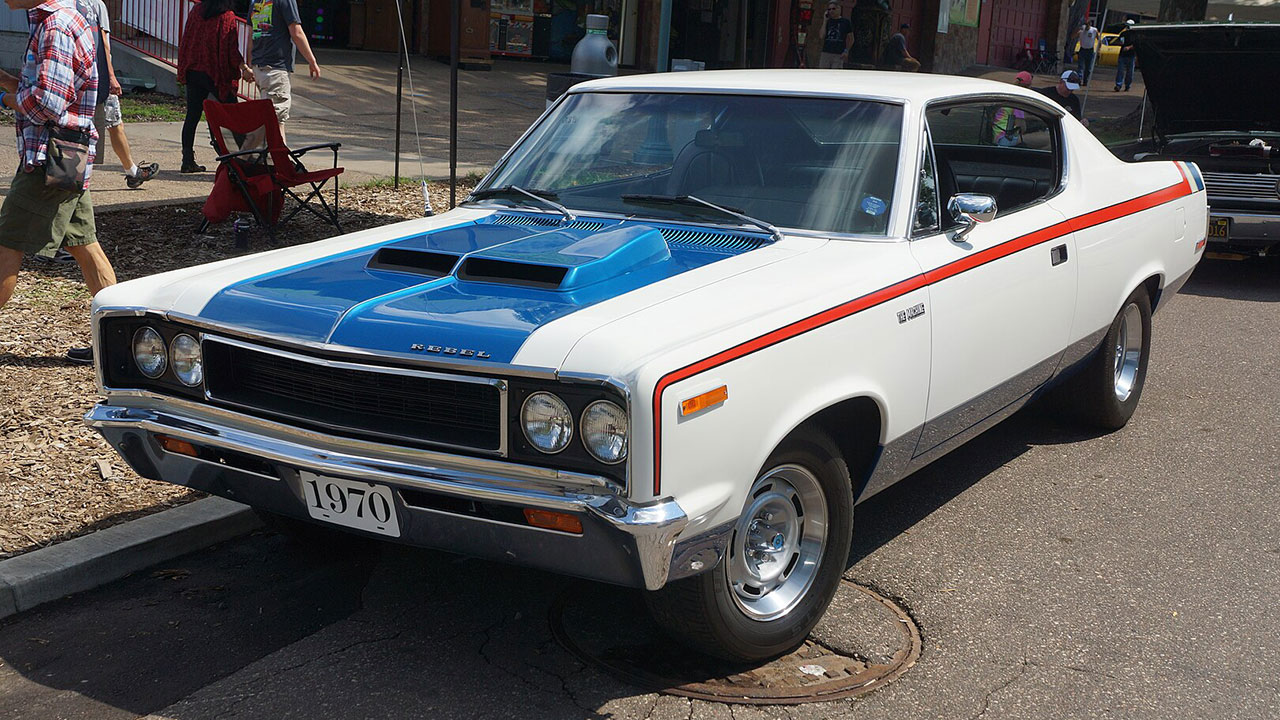
The AMC Rebel Machine proved that serious muscle-car performance was not limited to Detroit’s largest manufacturers. AMC fitted the Rebel with a potent V8, distinctive graphics, performance equipment, and an aggressive stance. Its relatively limited production makes it an appealing collector car today. The Rebel Machine also arrived at a crucial point in the industry, when independent automakers were trying to compete against enormous corporations while regulations were making high-performance cars increasingly expensive to develop.
Dodge Super Bee
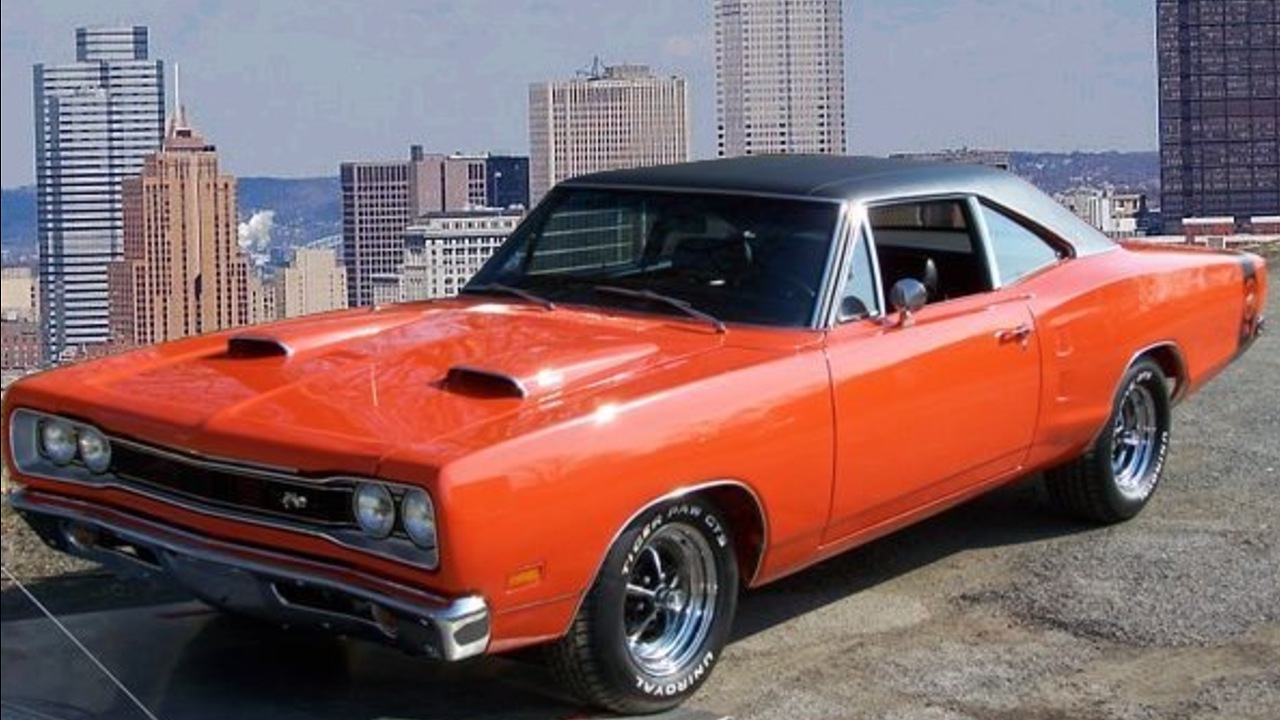
The Dodge Super Bee was built around the idea of affordable performance. It shared much of its mechanical foundation with other Mopar muscle cars but was positioned as a more straightforward alternative. Buyers could choose powerful engines, including big-block V8s, without paying for unnecessary luxury equipment. That made the Super Bee particularly appealing during the height of the horsepower race. Its relatively simple philosophy also made it one of the purest expressions of what muscle cars were supposed to be.
Ford Fairlane Thunderbolt
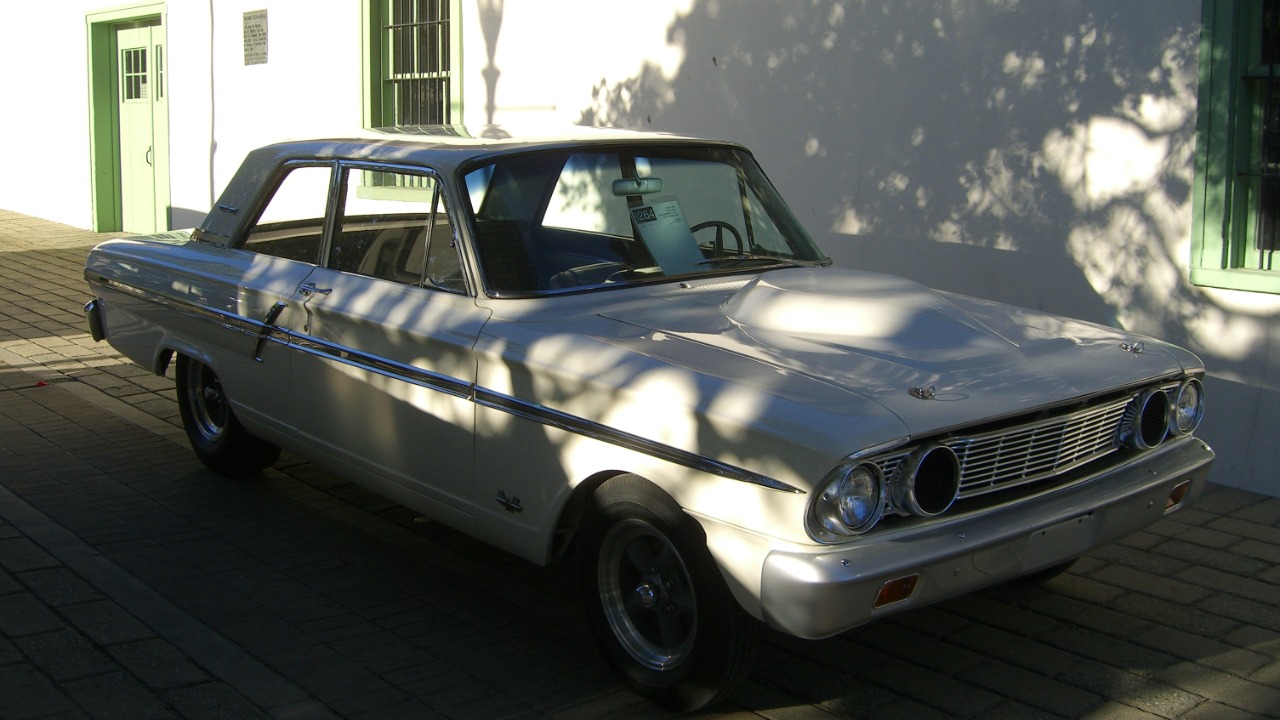
The Ford Fairlane Thunderbolt was an extreme example of Ford using a production-based car for drag racing. Ford combined the relatively compact Fairlane body with a massive V8 and made extensive modifications to reduce weight and improve performance. Only a small number were built, making the Thunderbolt far rarer than conventional muscle cars. It represents a time when automakers could create extraordinary street-legal performance machines with racing clearly in mind. The car’s existence alone shows how different the performance landscape was before regulations tightened.
Chevrolet Nova SS
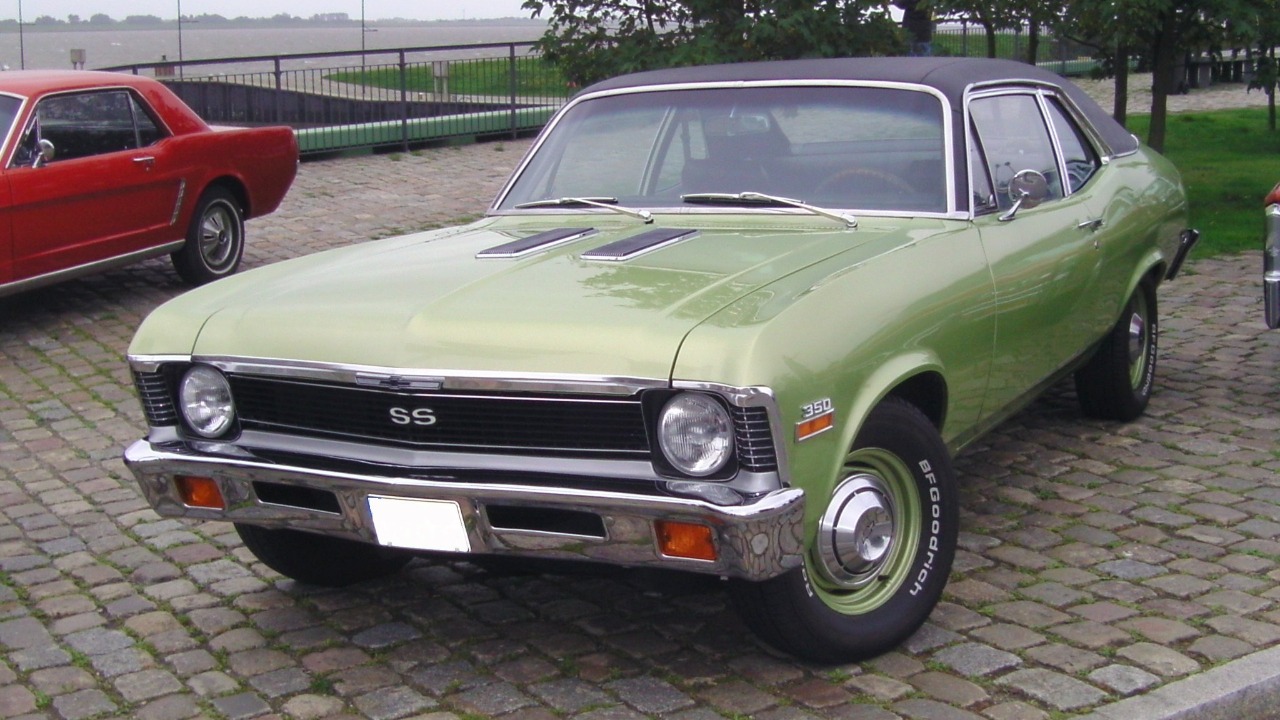
The Chevrolet Nova SS demonstrated how much performance could be extracted from a smaller package. The compact body could accommodate powerful V8 engines, giving the car an impressive power-to-weight advantage. This made the Nova a particularly interesting choice for buyers who wanted acceleration without moving into a large midsize car. As emissions regulations began affecting engine output, compact performance models like the Nova became increasingly important. The Nova SS remains a favorite among collectors who appreciate straightforward, lightweight American performance.
Plymouth Duster 340
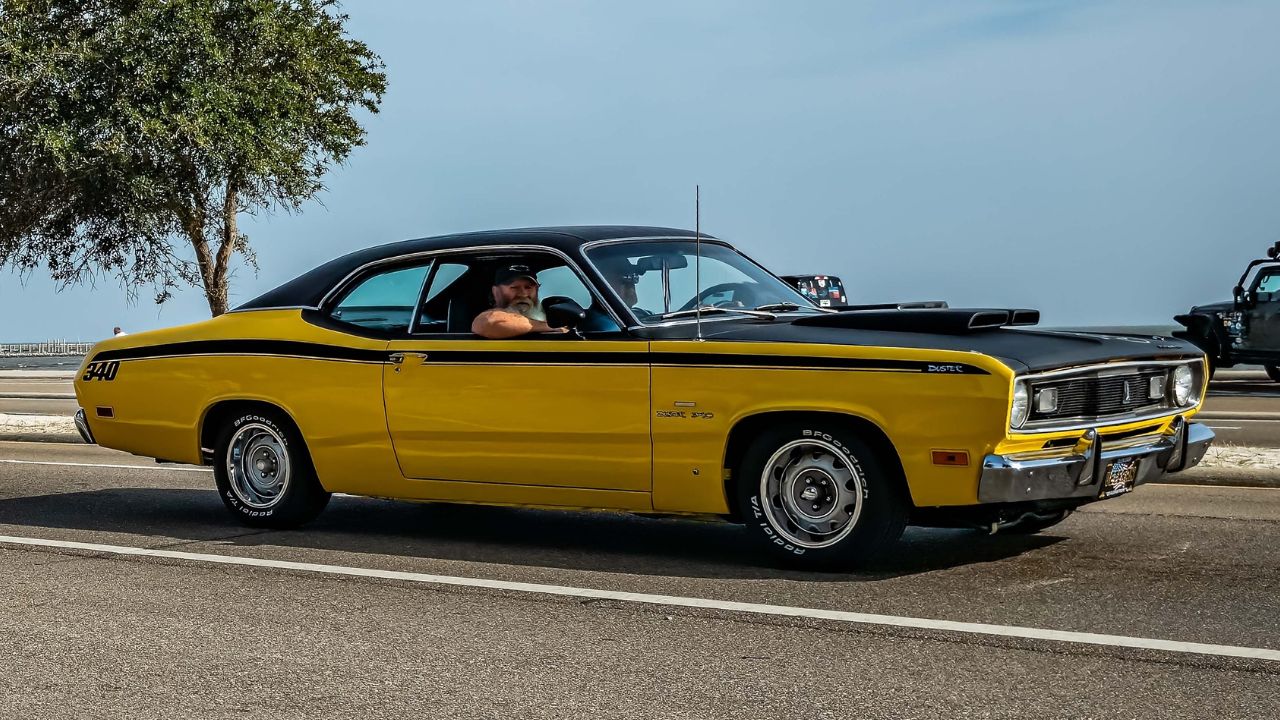
The Plymouth Duster 340 brought muscle-car performance into a smaller and relatively affordable package. Its compact body and small-block V8 created a combination that could surprise larger cars, while the Duster’s simple styling kept costs down. It was never as glamorous as the biggest Mopar names, but that was part of its appeal. The Duster 340 demonstrates how Chrysler could deliver strong performance without relying on a massive body or the largest available engine.
Chevrolet Monte Carlo SS
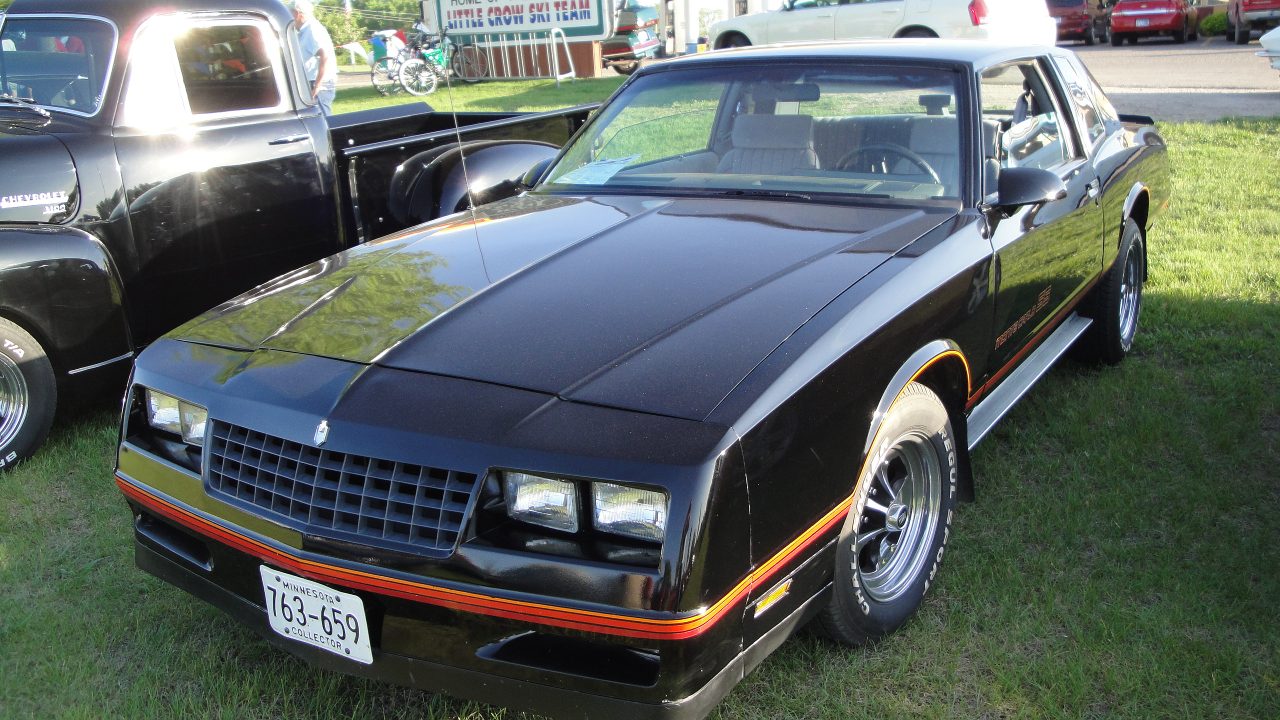
The Chevrolet Monte Carlo SS arrived much later than the classic muscle-car era, but it deserves recognition as an example of American performance surviving after the industry’s golden age had ended. Its front-wheel-drive layout and smaller engine were very different from the big-block formulas of the 1960s and early 1970s, yet the SS badge preserved Chevrolet’s performance tradition. It showed that American manufacturers could still create enthusiast-oriented cars even after emissions, fuel economy, and safety requirements had fundamentally changed the market.
More from Fast Lane Only
- Unboxing the WWII Jeep in a Crate
- 15 rare Chevys collectors are quietly buying
- 10 underrated V8s still worth hunting down
- Police notice this before you even roll window down
*Research for this article included AI assistance, with all final content reviewed by human editors.