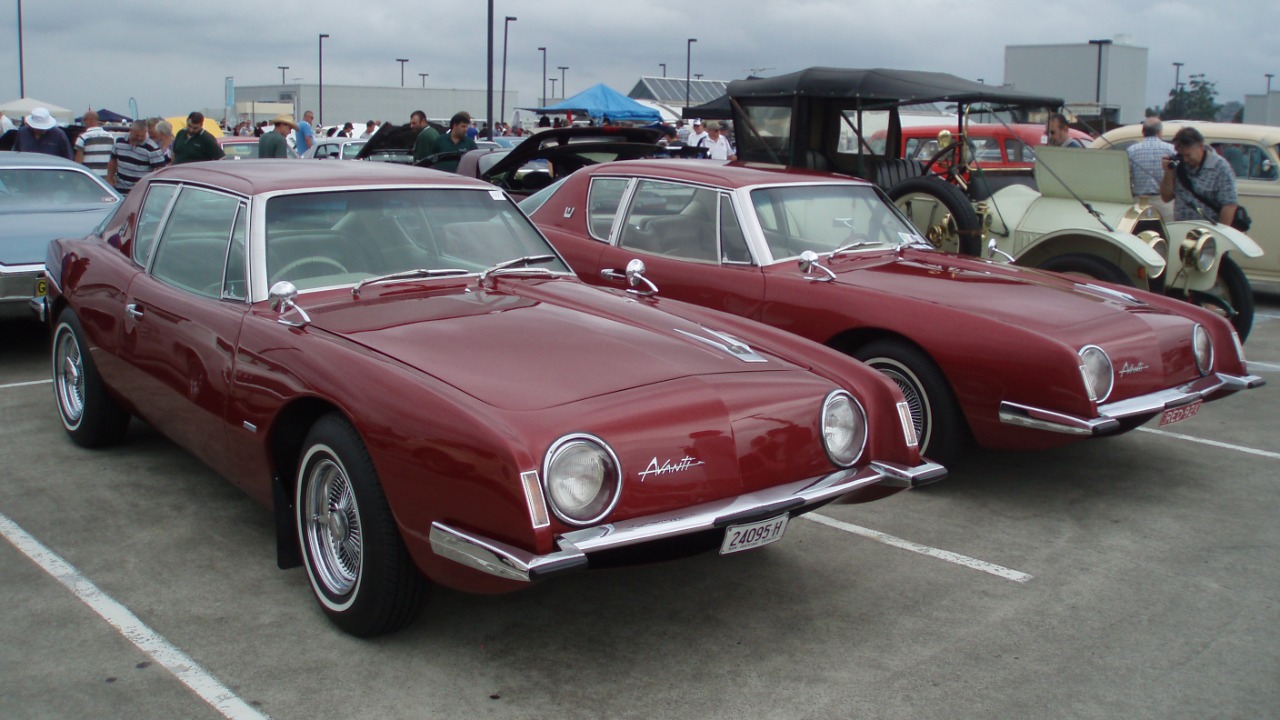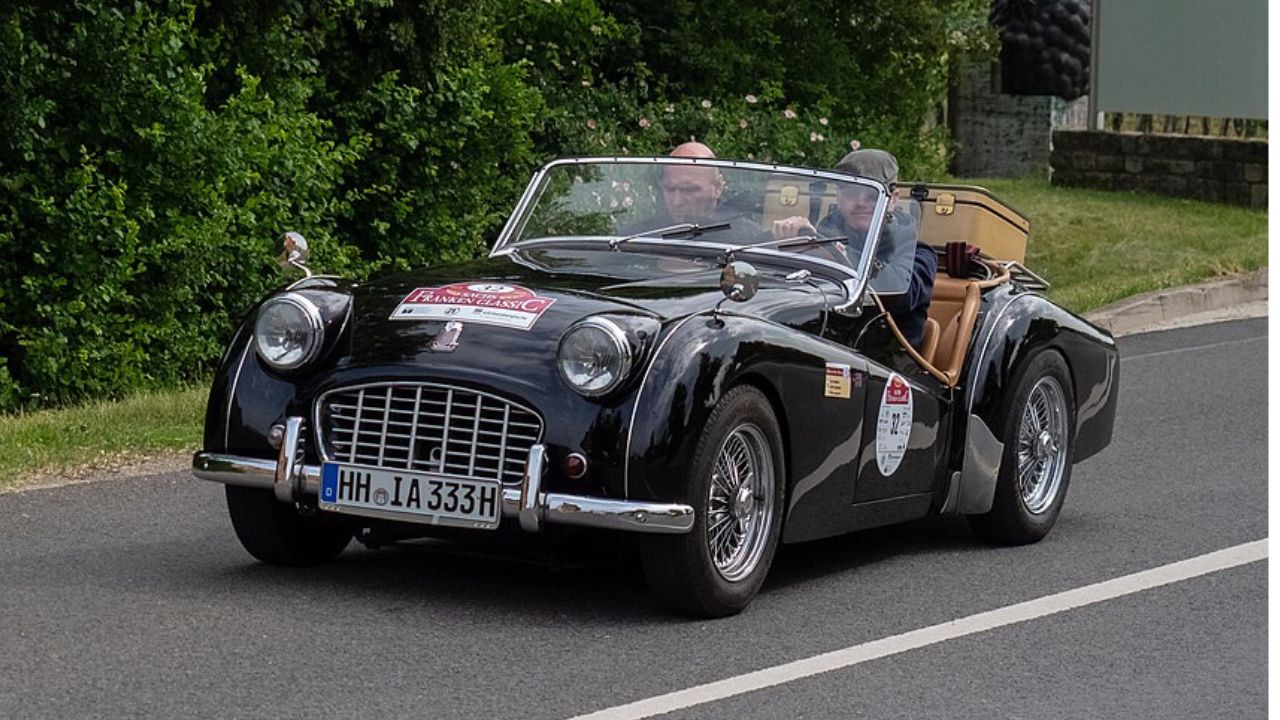
The golden era of open-top driving produced some of the most memorable sports cars ever built. These roadsters focused on light weight, simple mechanicals, responsive handling, and the pleasure of driving with the sky overhead. From British favorites to Italian and American icons, these cars helped establish the formula that still defines the classic roadster today.
MG MGB
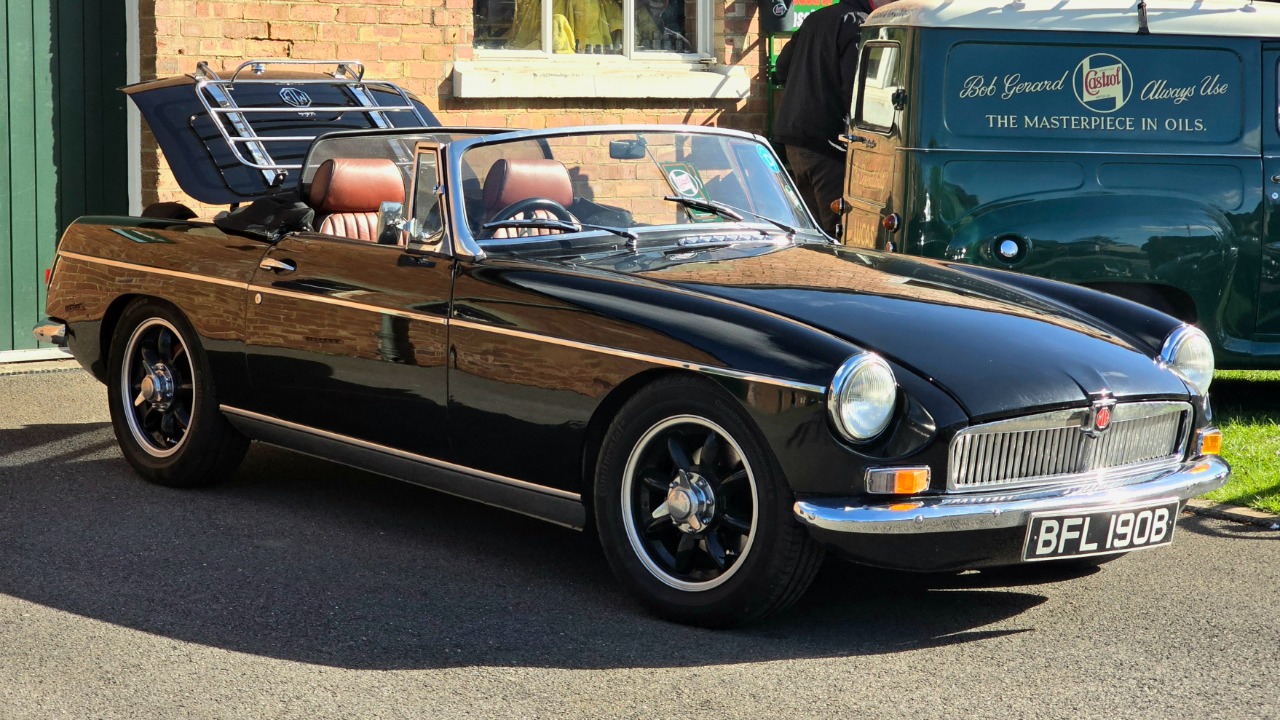
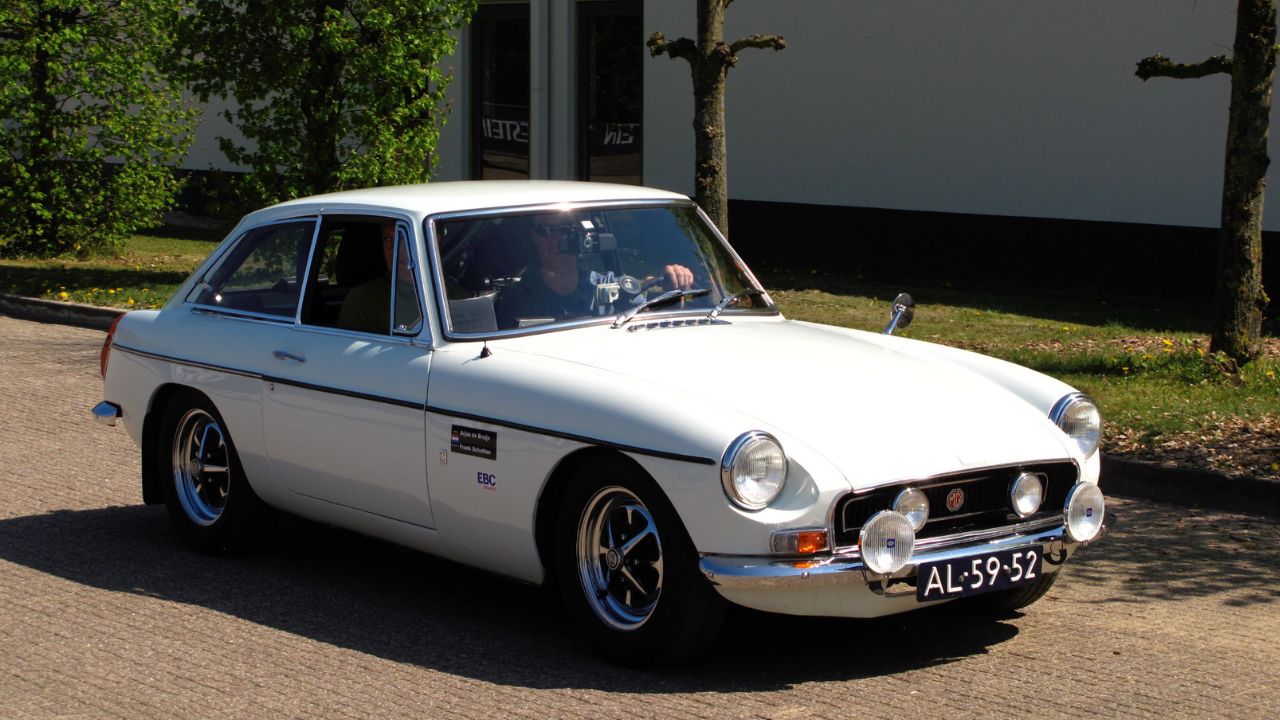
The MGB became one of the most recognizable British roadsters of its generation thanks to its simple design and approachable driving character. Its compact dimensions, four-cylinder engine, and rear-wheel-drive layout made it easy to enjoy on winding roads without requiring enormous power. The folding soft top also made open-air motoring part of everyday ownership. Thousands were built, and that popularity helped establish the MGB as a defining example of the classic British roadster formula.
Triumph TR6
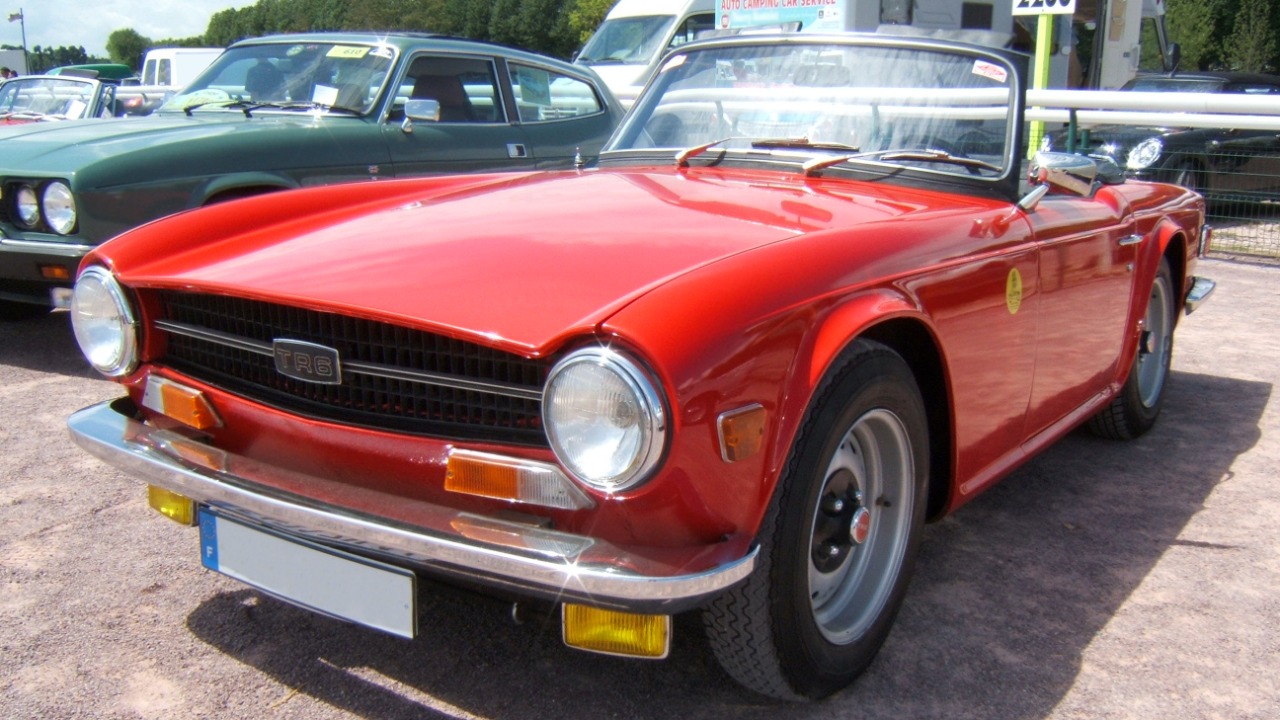
The Triumph TR6 combined traditional British roadster styling with a torquey six-cylinder engine and a more substantial driving experience than smaller Triumph models. Its long hood, short rear deck, and open cockpit gave it the unmistakable proportions enthusiasts associate with classic roadsters. The TR6 was also relatively simple mechanically, making it easier to maintain than many more exotic sports cars. Today, its straightforward character remains a major part of its appeal.
Austin-Healey 3000
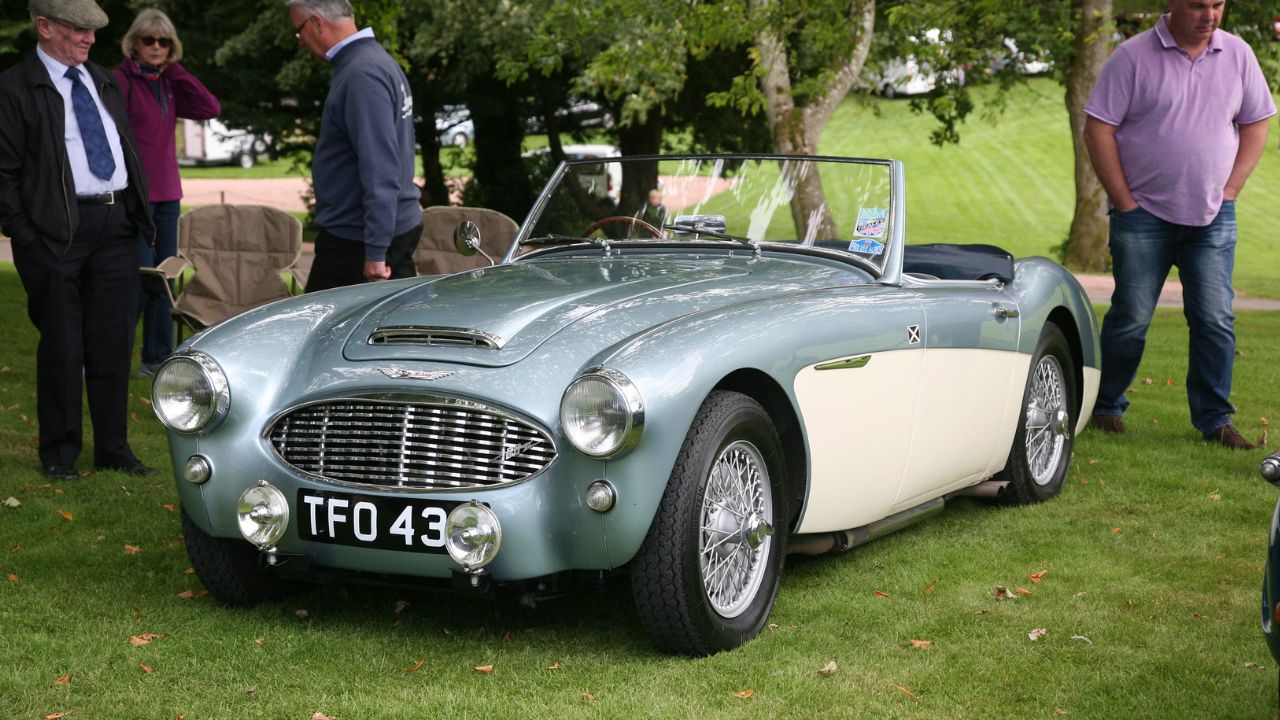
The Austin-Healey 3000 brought a larger engine and more substantial performance to the British roadster formula. Its inline-six provided strong torque, while the low-slung body and open cabin made it ideal for spirited road driving. The car also developed a strong competition reputation, adding credibility to its sporting image. Its combination of mechanical character and elegant proportions helped make the 3000 one of the most respected British roadsters of the period.
Jaguar XK120 Roadster
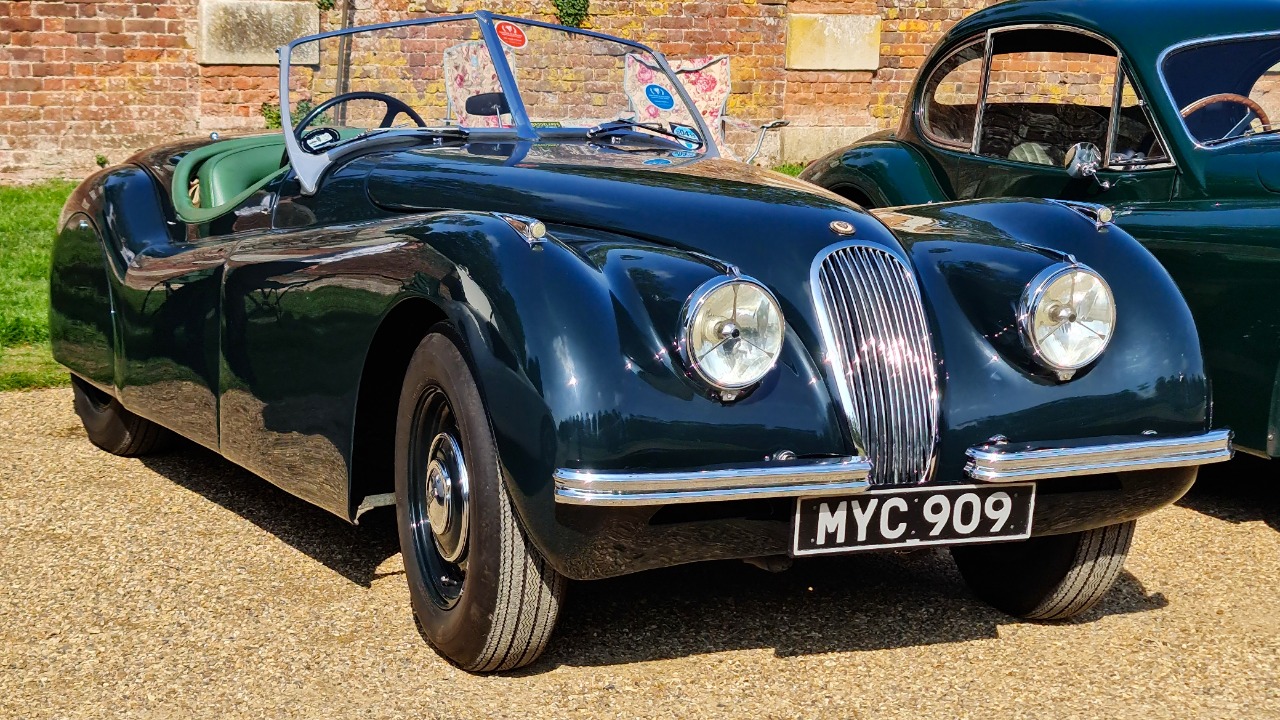
The Jaguar XK120 Roadster introduced a striking combination of performance and elegance. Its smooth inline-six engine gave it impressive performance for its era, while the long hood and low body created an unmistakable profile. The open-top version added even more visual drama. Jaguar positioned the XK120 as a serious sports car with luxury-car appeal, helping it attract attention on both sides of the Atlantic. Today, it remains one of the most recognizable postwar British roadsters.
Triumph TR3
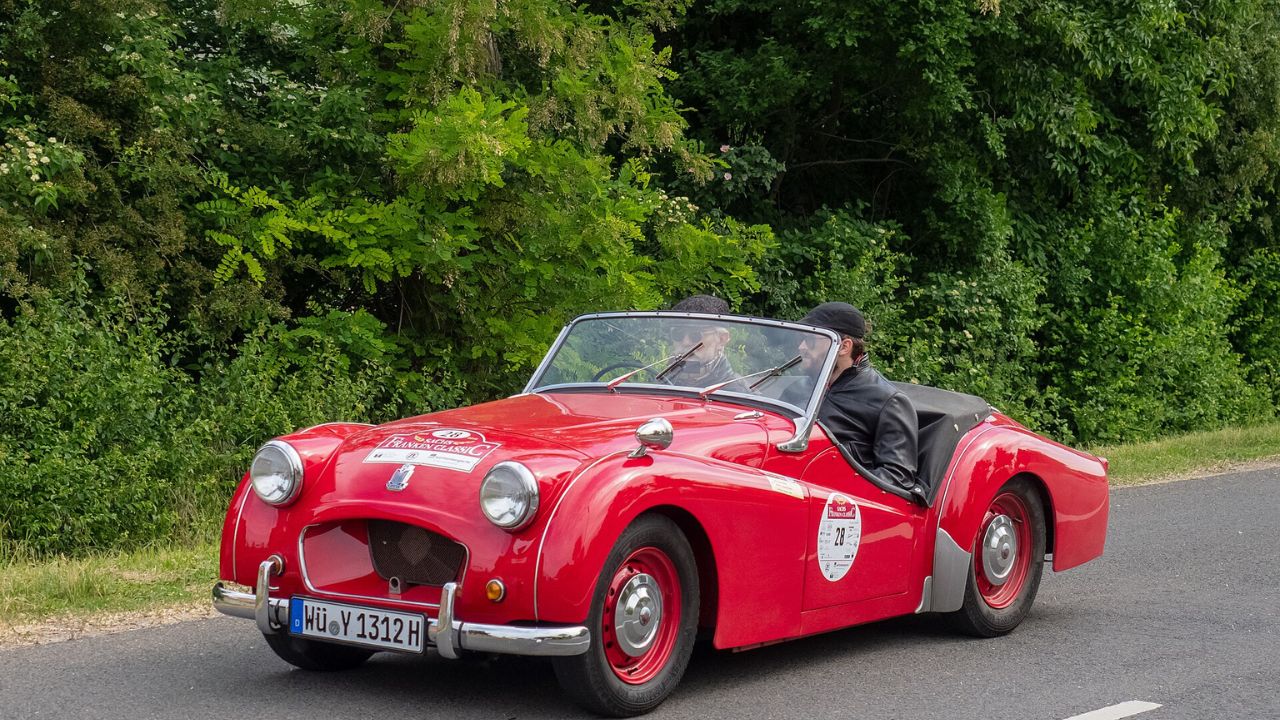
The Triumph TR3 offered a simple, lightweight approach to open-top performance. Its four-cylinder engine provided enough power to make the car lively, while its compact dimensions encouraged drivers to focus on cornering and road feel. The distinctive grille and upright styling made the TR3 instantly recognizable. Its relatively uncomplicated construction also helped keep the car accessible to enthusiasts. The TR3 remains a classic example of how British manufacturers made sports-car ownership attainable.
MG MGA
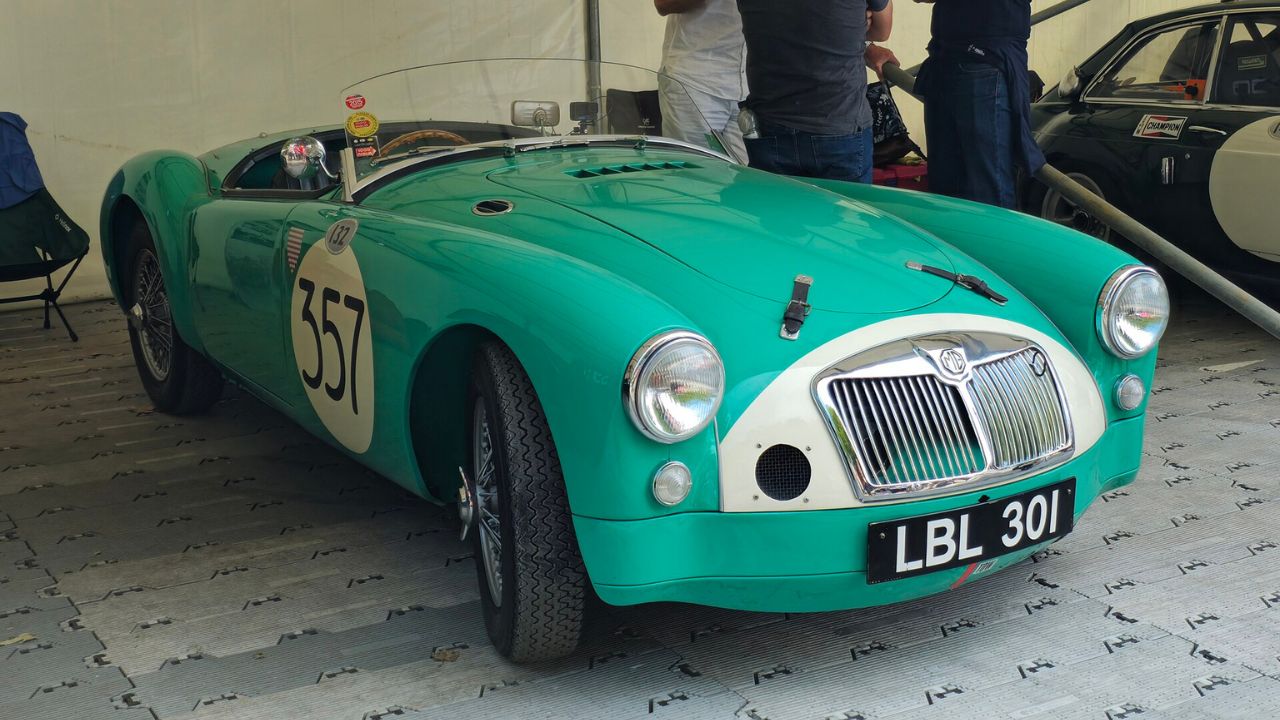
The MG MGA marked a major styling change from earlier MG sports cars. Its smooth, rounded bodywork looked modern when new, while the lightweight chassis and four-cylinder engine kept the driving experience engaging. The car was exported widely, helping establish MG as a major name in affordable sports cars. The MGA’s proportions remain attractive today, and its relatively straightforward engineering makes it a favorite among enthusiasts who want a classic roadster that is enjoyable without being overly intimidating.
Mercedes-Benz 190 SL
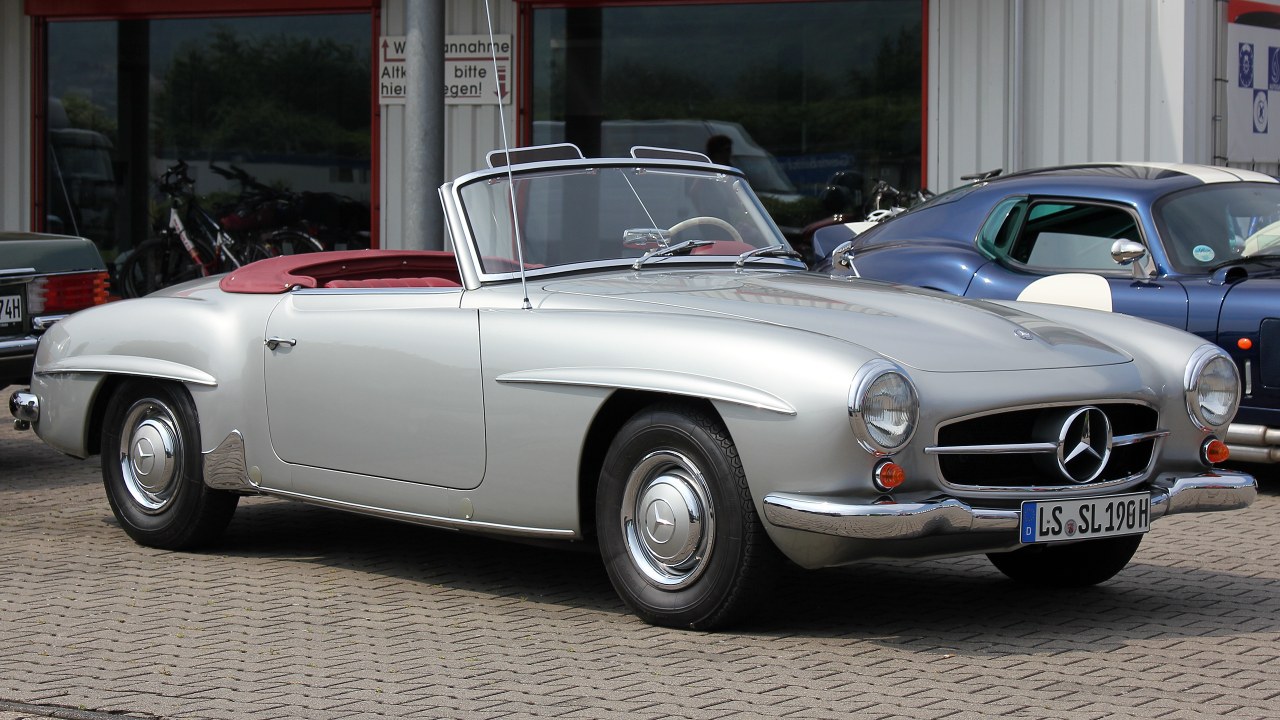
The Mercedes-Benz 190 SL offered open-top driving with a more refined character than many British roadsters. Its elegant bodywork, comfortable interior, and smooth four-cylinder engine made it appealing to buyers who wanted sports-car styling without giving up luxury. It was not intended to be as extreme as the larger 300 SL, but that was part of its appeal. The 190 SL demonstrated that a roadster could be graceful and comfortable while still retaining genuine sporting character.
Porsche 356 Speedster
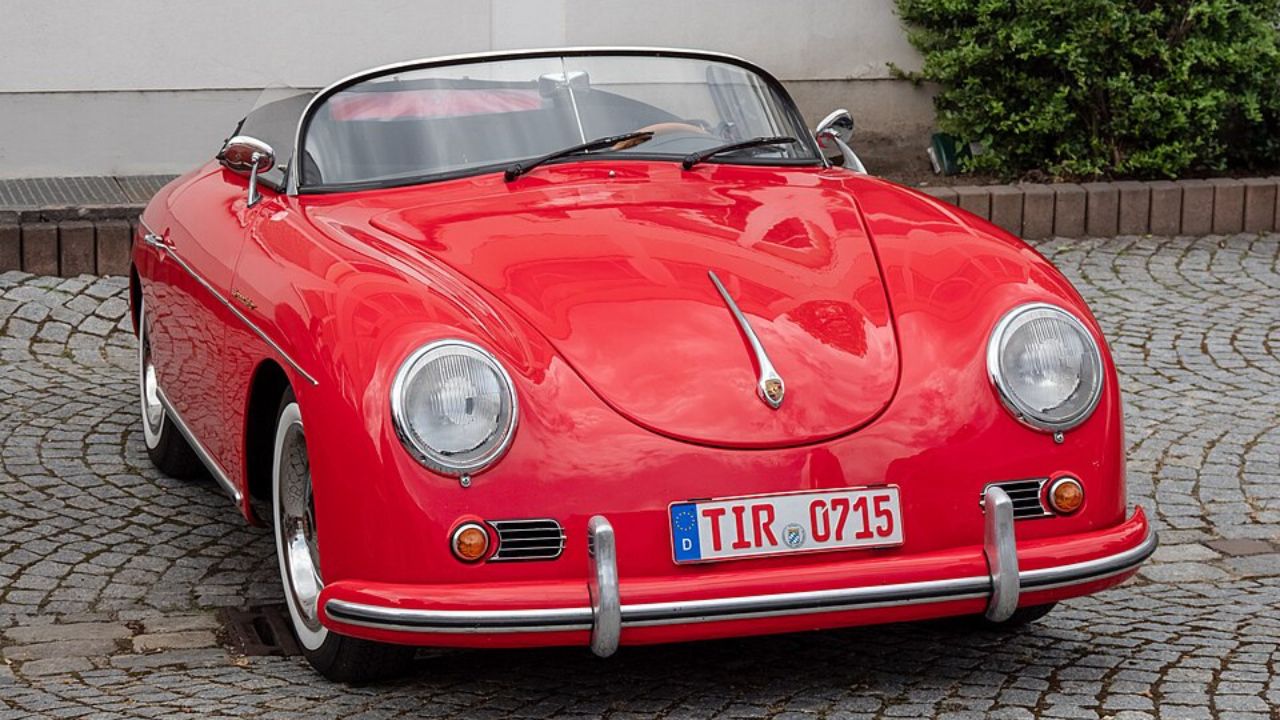
The Porsche 356 Speedster became an icon by reducing the sports-car formula to its essentials. Its lightweight body, low windscreen, simple interior, and rear-mounted flat-four engine created an intimate driving experience. The Speedster was closely associated with enthusiastic driving rather than luxury, and its compact proportions made it particularly enjoyable on winding roads. Today, it is one of the most desirable classic roadsters, valued for both its design and its role in Porsche’s early history.
Fiat 124 Spider
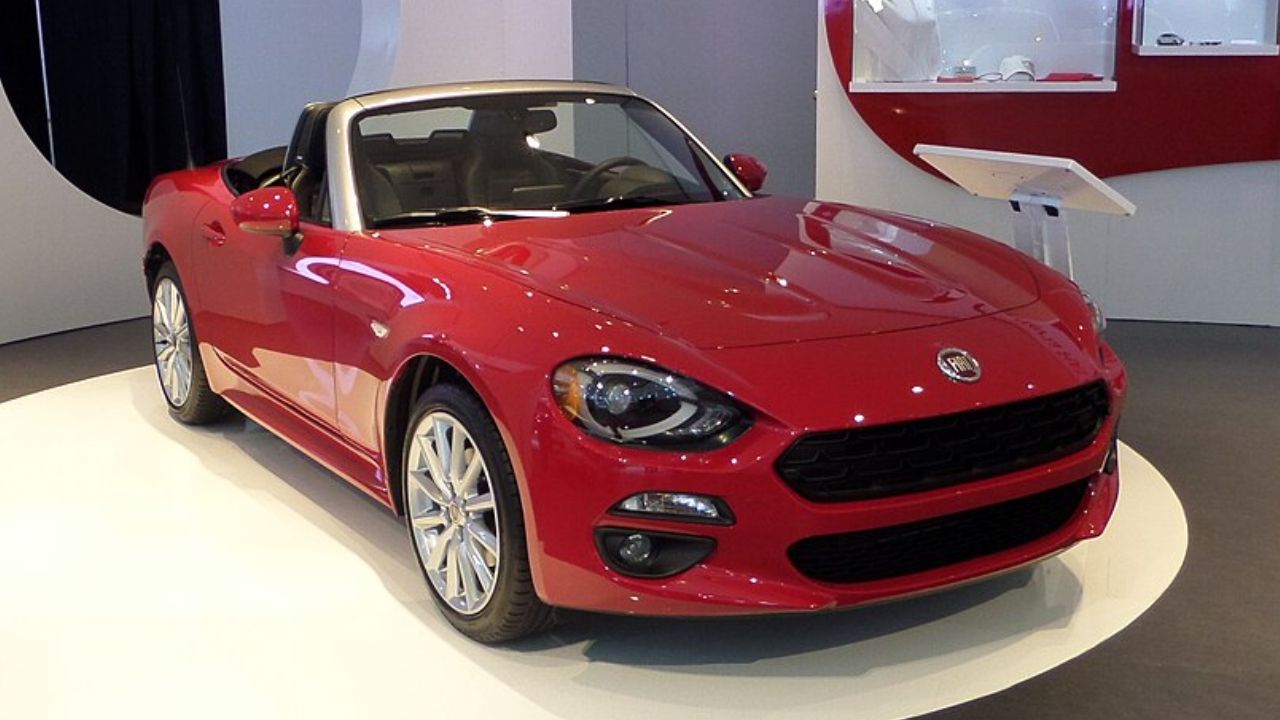
The Fiat 124 Spider brought Italian styling and accessible open-top driving to a broad audience. Designed with elegant proportions and a clean body, it looked considerably more expensive than its price suggested. Its four-cylinder engine and rear-wheel-drive layout gave it a balanced character, while the practical interior made it suitable for everyday use. The 124 Spider remains popular because it combines Italian design with relatively straightforward mechanicals, creating a classic that is both stylish and approachable.
Alfa Romeo Giulietta Spider
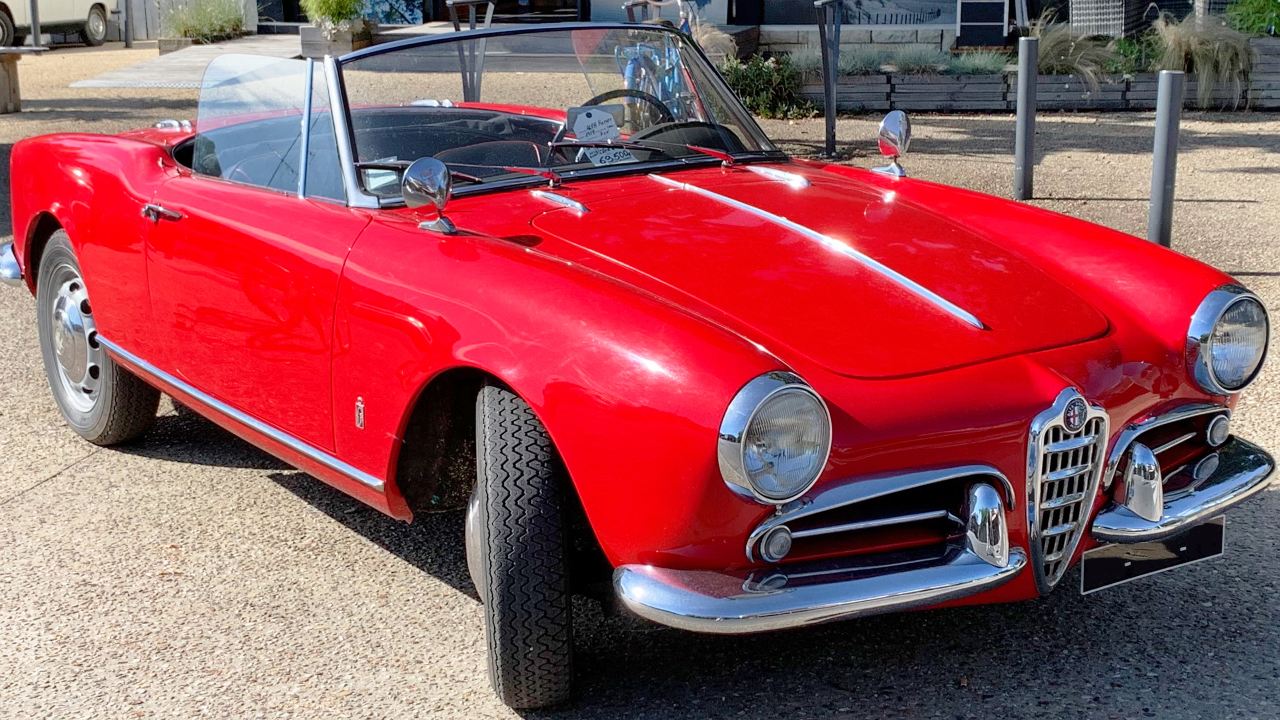
The Alfa Romeo Giulietta Spider captured the light, elegant character that made Italian roadsters so appealing. Its compact body, responsive chassis, and lively four-cylinder engine made it entertaining without needing enormous power. Pininfarina’s styling gave the car a graceful appearance that has aged particularly well. The Giulietta Spider also demonstrated how European manufacturers could combine sporting ability with beautiful design. It remains one of the most charming examples of the classic Italian open-top sports car.
Chevrolet Corvette Convertible
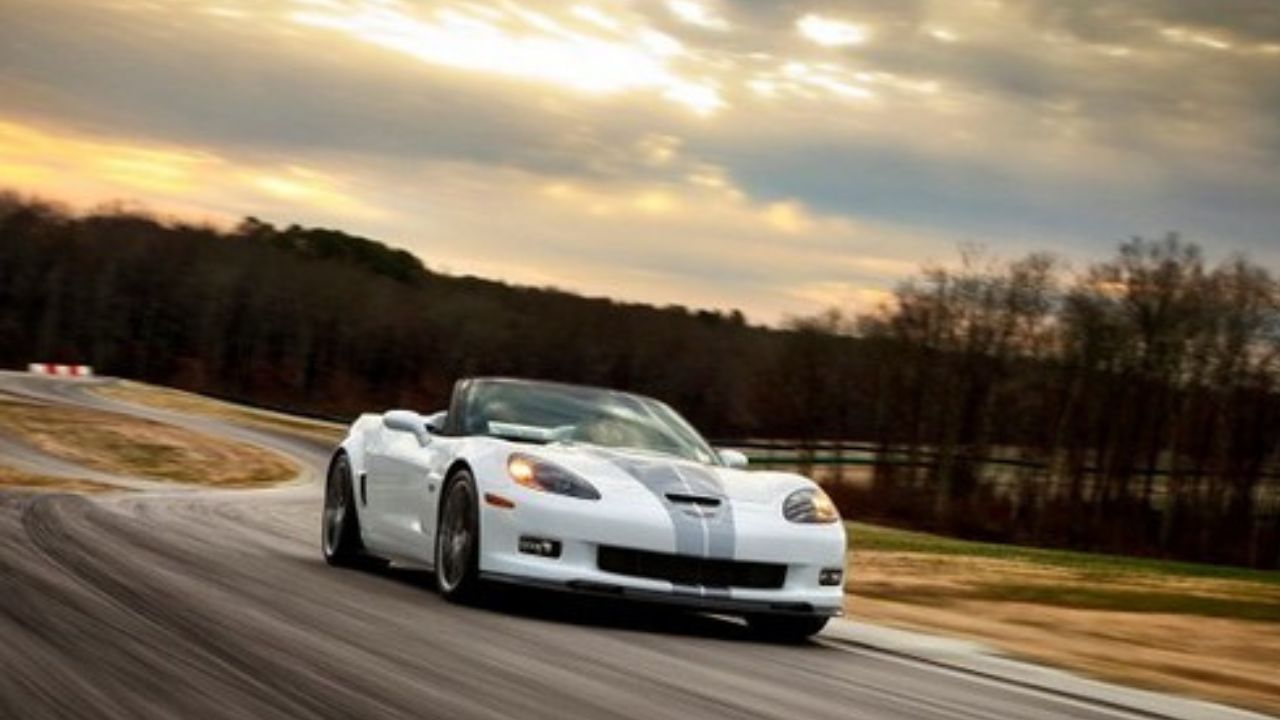
The Chevrolet Corvette Convertible helped establish an American interpretation of the roadster formula. Its fiberglass body, V8 power, and low-slung proportions gave it a very different personality from smaller European sports cars. The Corvette offered substantially more engine performance while retaining the excitement of open-top driving. Over successive generations, the convertible became a central part of the Corvette identity. For American enthusiasts, it remains one of the defining open-air performance cars of the postwar era.
Ford Thunderbird
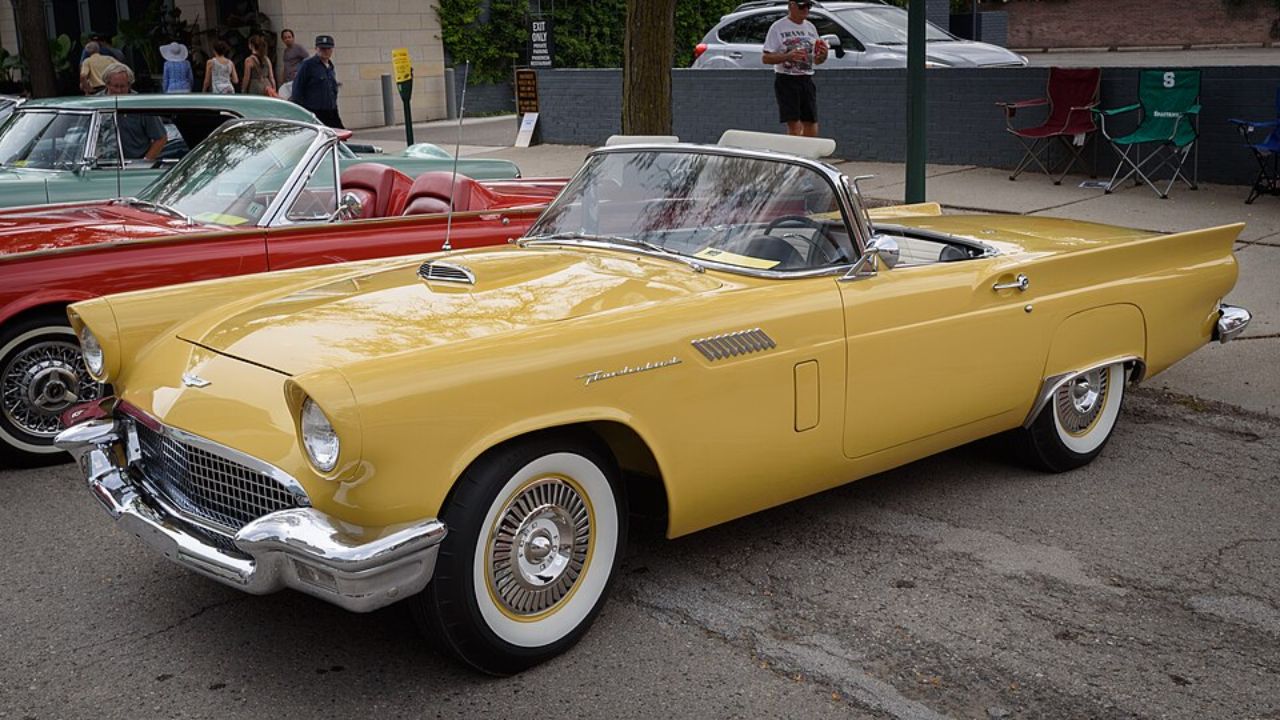
The Ford Thunderbird began as a relatively compact two-seat convertible before evolving into a larger personal-luxury car. Early examples are especially important because they represented Ford’s answer to the growing popularity of European sports cars. V8 power, comfortable seating, and stylish bodywork gave the Thunderbird a distinctly American personality. Its success demonstrated that open-top driving could be combined with greater comfort and stronger performance than many traditional roadsters offered.
Sunbeam Alpine
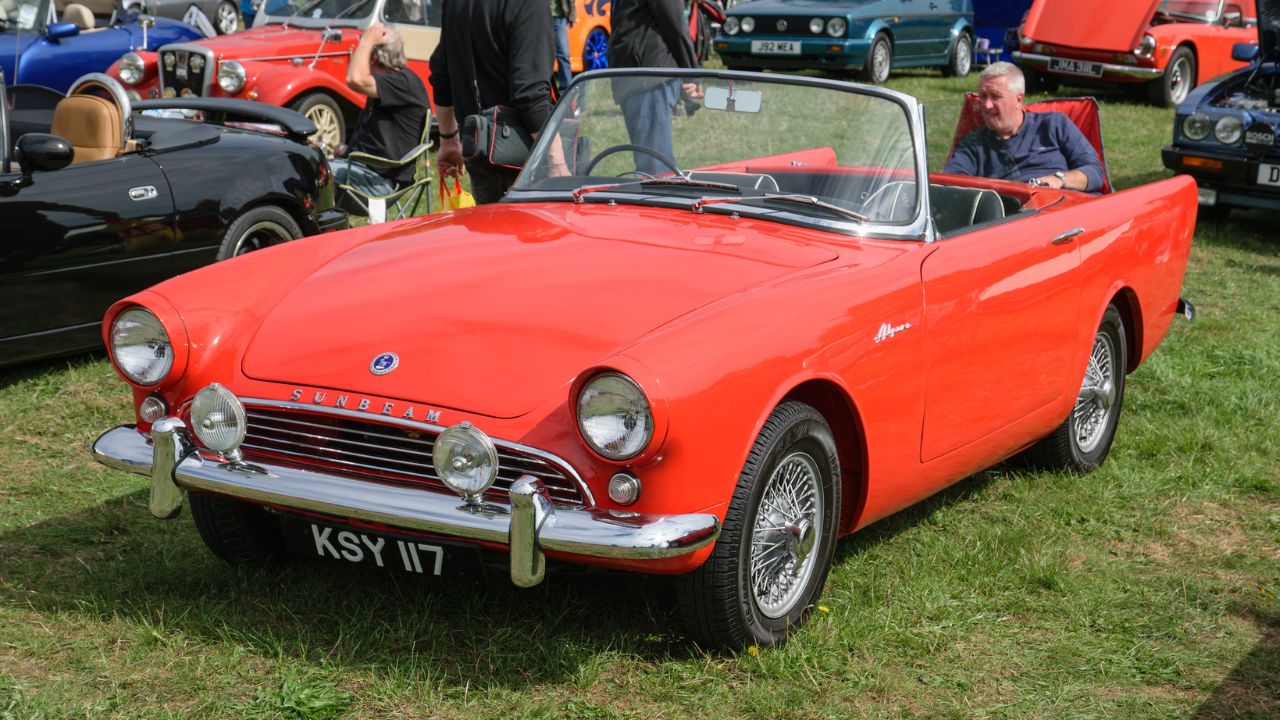
The Sunbeam Alpine offered a friendly combination of British styling, compact dimensions, and open-air driving. Its four-cylinder engine kept the car relatively light, while the roadster body provided the classic proportions enthusiasts expected. The Alpine became particularly recognizable through its appearance in popular culture, but its appeal goes beyond that connection. It was a practical sports car that could be enjoyed on ordinary roads, making it a good example of the accessible roadster philosophy.
Lotus Elan
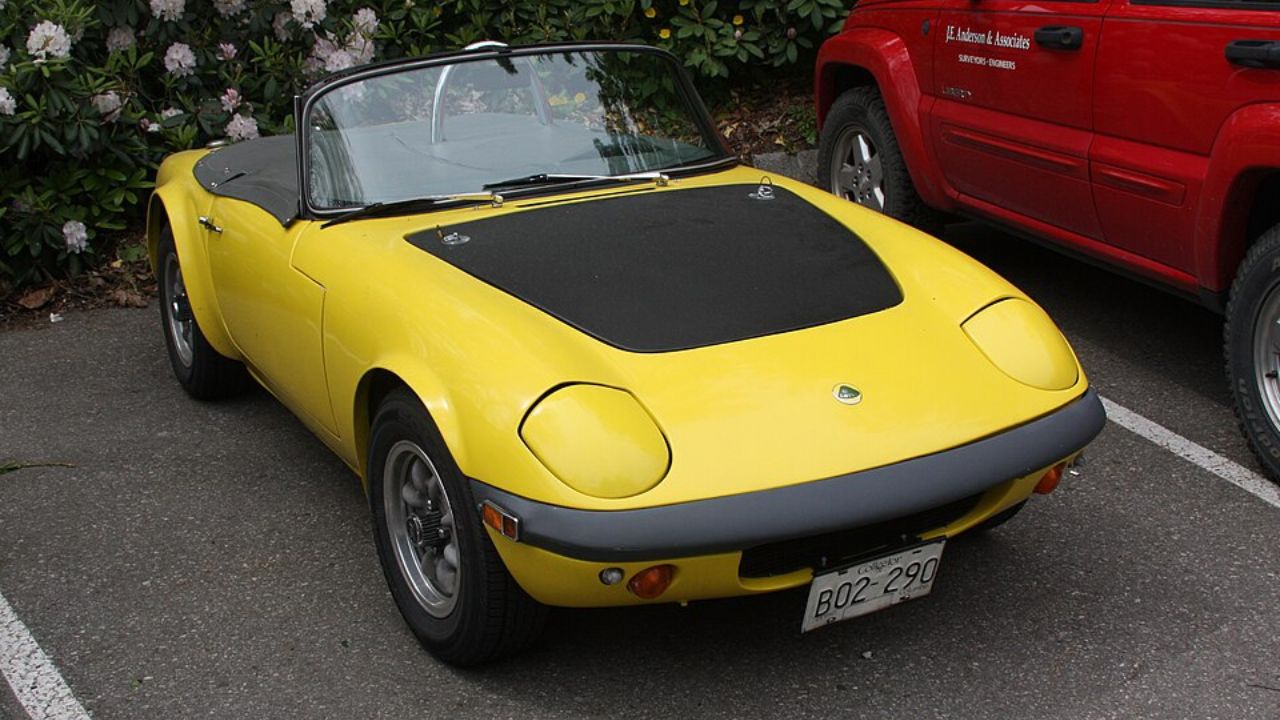
The Lotus Elan followed Colin Chapman’s famous philosophy of keeping weight down rather than simply adding horsepower. Its lightweight construction, independent suspension, and responsive handling gave it an exceptionally focused driving character. The small roadster could feel quick because it did not have much mass to move. Its compact dimensions also made it perfectly suited to winding roads. The Elan remains one of the clearest examples of how clever chassis engineering could matter more than raw engine size.
Triumph Spitfire
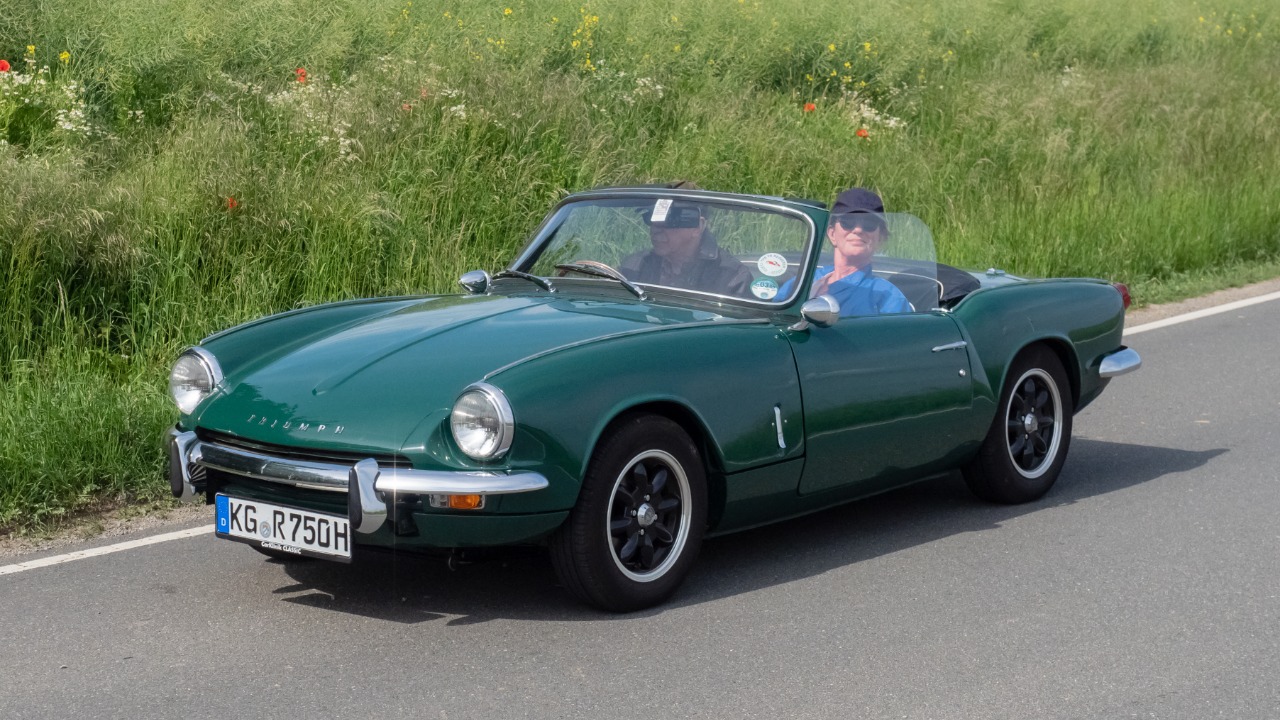
The Triumph Spitfire made classic British roadster ownership accessible to a much wider audience. Its small four-cylinder engine and lightweight body produced modest performance, but the car emphasized fun and simplicity rather than outright speed. The low seating position and open cabin created the feeling of driving a much more serious sports car. Its compact size also made it easy to enjoy on narrow roads. Today, the Spitfire remains a friendly entry point into classic roadster ownership.
MG Midget
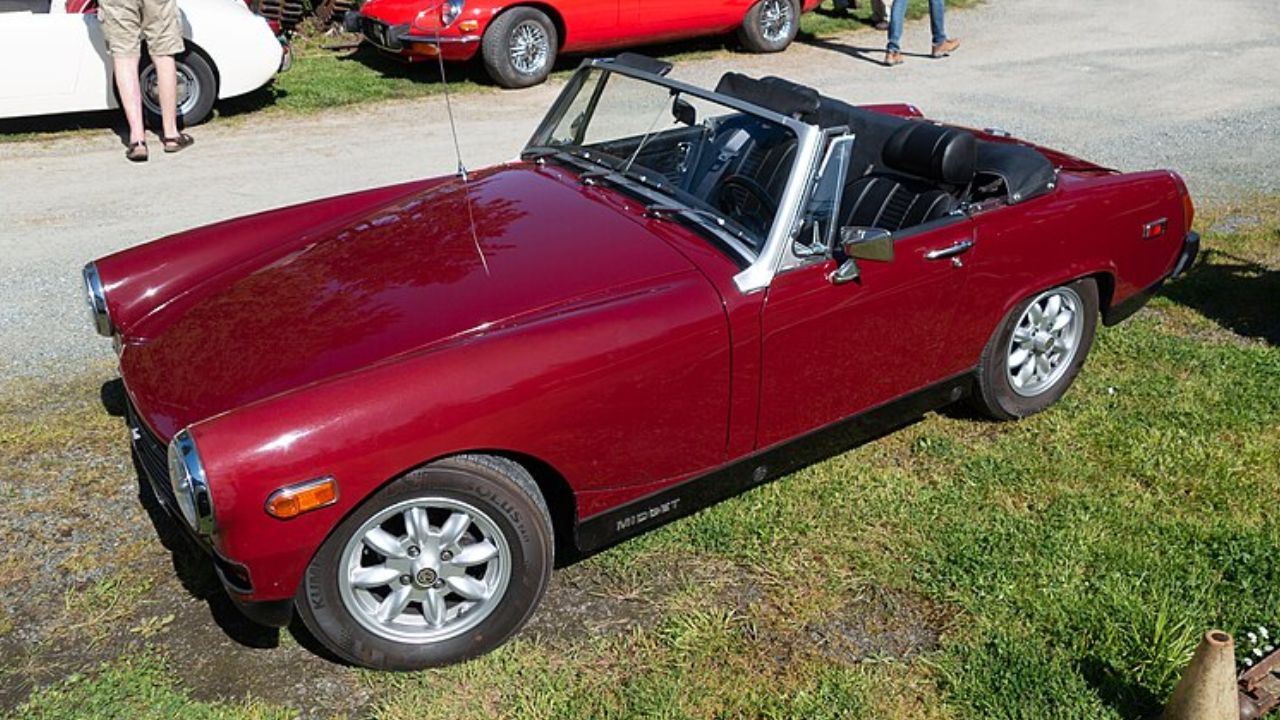
The MG Midget was tiny even by classic roadster standards, but its small dimensions were central to its appeal. Lightweight construction, simple four-cylinder power, and direct handling made it entertaining at ordinary road speeds. The car did not need a huge engine to create a sense of occasion. Its compact footprint also made it relatively easy to maintain and store. The Midget remains popular with enthusiasts who enjoy the pure simplicity that defined affordable British sports cars.
Austin-Healey Sprite
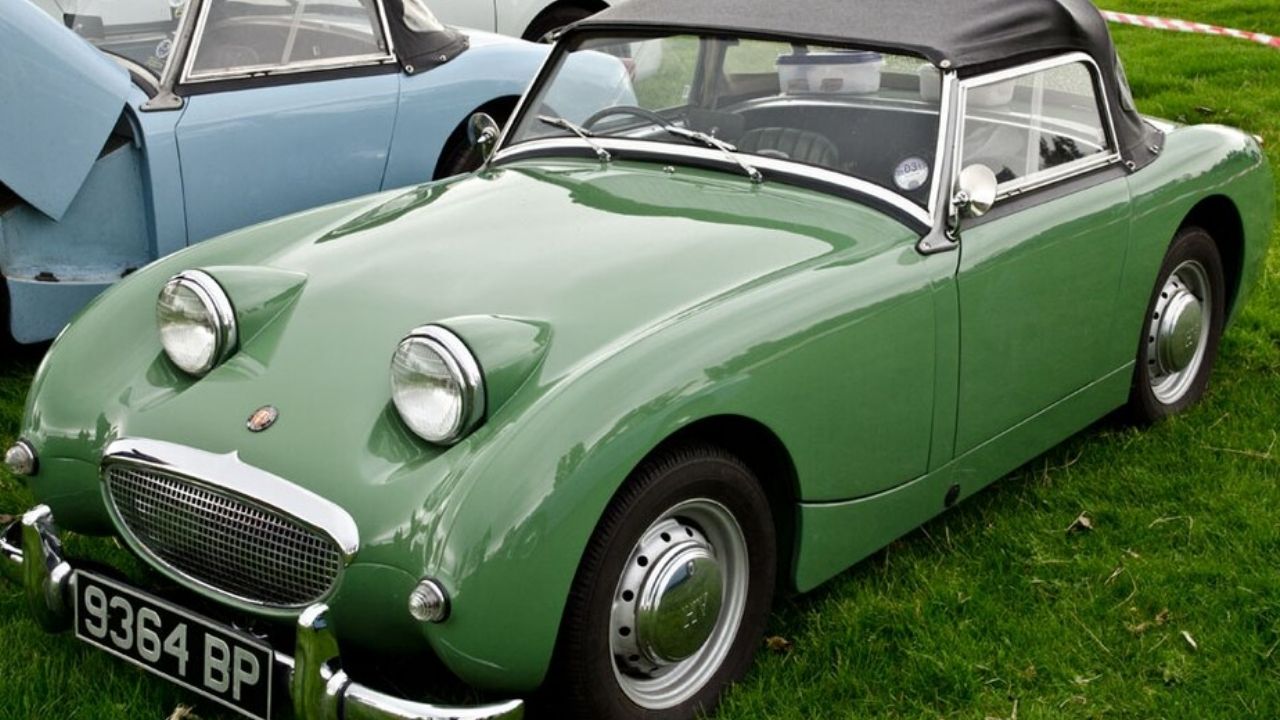
The Austin-Healey Sprite became famous for its compact dimensions and distinctive styling. Its lightweight body and small four-cylinder engine encouraged drivers to carry speed through corners rather than rely on straight-line acceleration. Early versions became especially recognizable because of their unusual front-end design. The Sprite embodied the idea that an enjoyable sports car did not need to be expensive or powerful. It remains one of the most approachable examples of the classic British roadster.
Morgan Plus 4
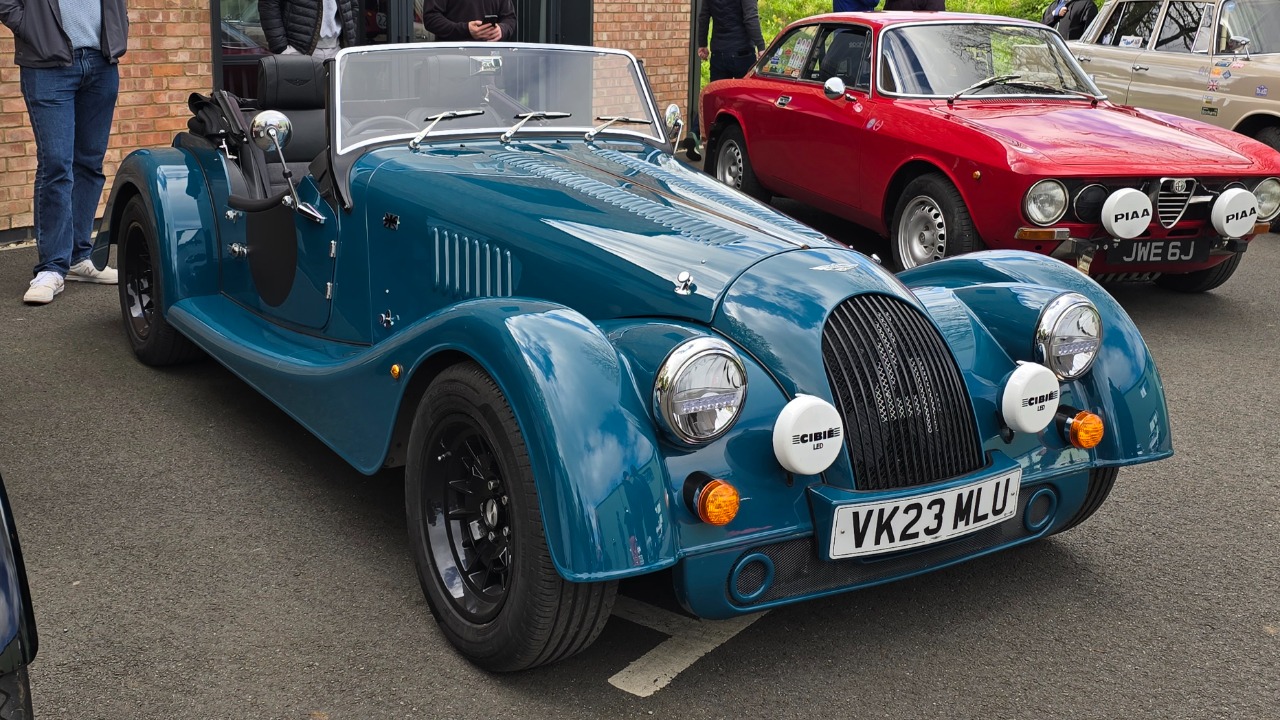
The Morgan Plus 4 retained a remarkably traditional approach to sports-car construction while remaining competitive across several decades. Its low body, open cockpit, and lightweight chassis delivered the kind of direct driving experience that had defined earlier roadsters. Morgan’s continued use of traditional construction techniques also gave the car a character unlike mass-produced competitors. The Plus 4 represents an almost uninterrupted link between early sports cars and modern interpretations of the classic open-top formula.
BMW 507
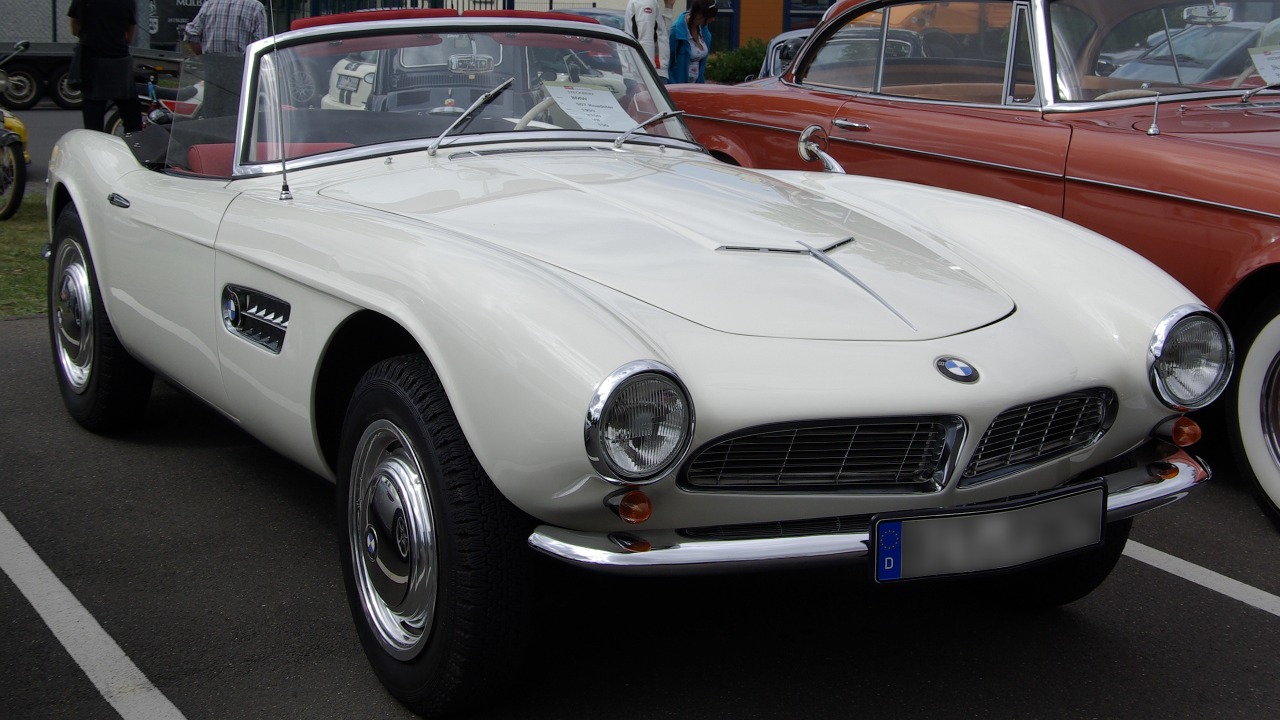
The BMW 507 brought German engineering and Italian-influenced styling together in one elegant roadster. Its V8 engine gave it more sophistication than many smaller European sports cars, while the hand-finished bodywork made it exceptionally exclusive. Production numbers were low, which contributed to its rarity and eventual collector status. Although it was expensive when new, the 507 helped establish BMW’s reputation for combining performance with sophisticated design. Today, it remains one of the most admired roadsters of its era.
Jaguar E-Type Roadster
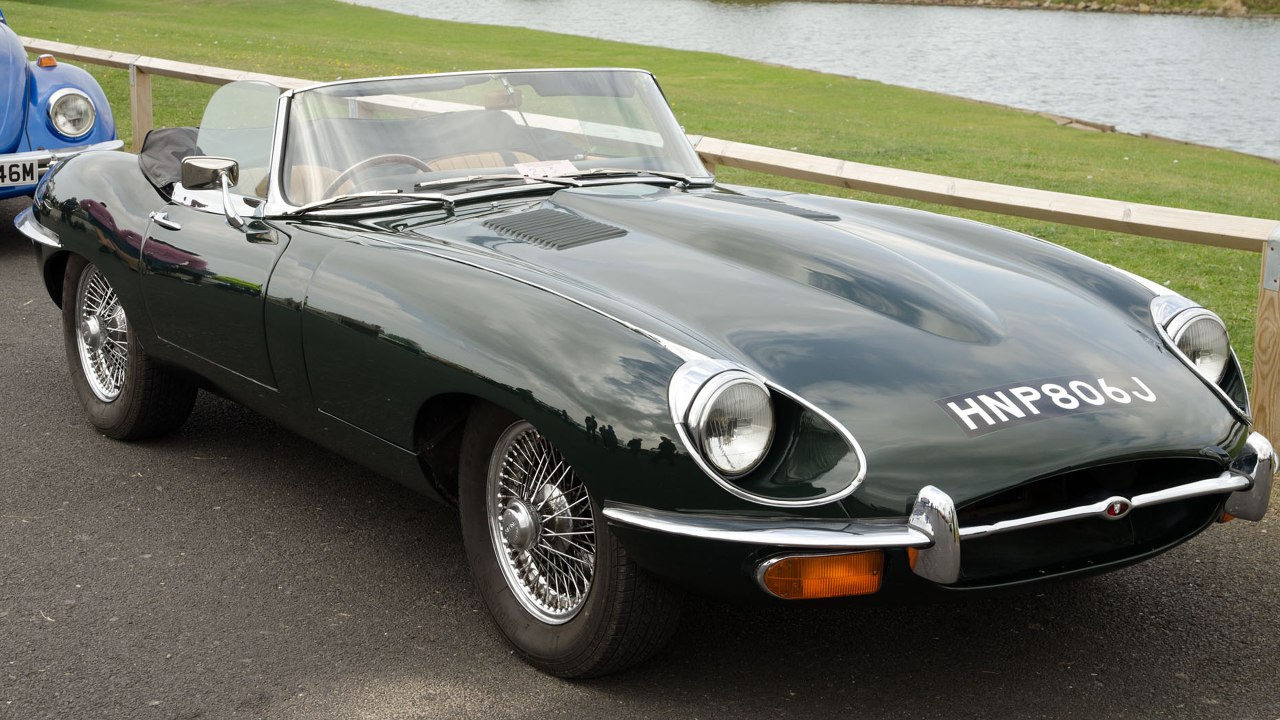
The Jaguar E-Type Roadster became one of the defining images of the classic sports-car era. Its long hood, flowing bodywork, and powerful inline-six created an impressive combination of beauty and performance. The independent suspension also gave the car sophisticated road manners for its time. The open-top version emphasized the dramatic proportions even further. The E-Type remains an enduring symbol of the golden age of roadsters because it brought together engineering, performance, and styling in a remarkably memorable package.
More from Fast Lane Only
- Unboxing the WWII Jeep in a Crate
- 15 rare Chevys collectors are quietly buying
- 10 underrated V8s still worth hunting down
- Police notice this before you even roll window down
*Research for this article included AI assistance, with all final content reviewed by human editors.