The Studebaker Avanti stands as a testament to the innovative spirit of the 1960s and beyond. With its unique design and groundbreaking features, it pushed the boundaries of what a luxury sports coupe could be. From its debut in 1962 to various models that followed, the Avanti has consistently surprised car enthusiasts and collectors alike with its forward-thinking concepts and engineering marvels. Here are eight remarkable examples of the Studebaker Avanti that were so far ahead of their time, they left many questioning the year they were produced.
The Original 1962 Avanti: A Bold Leap in Design
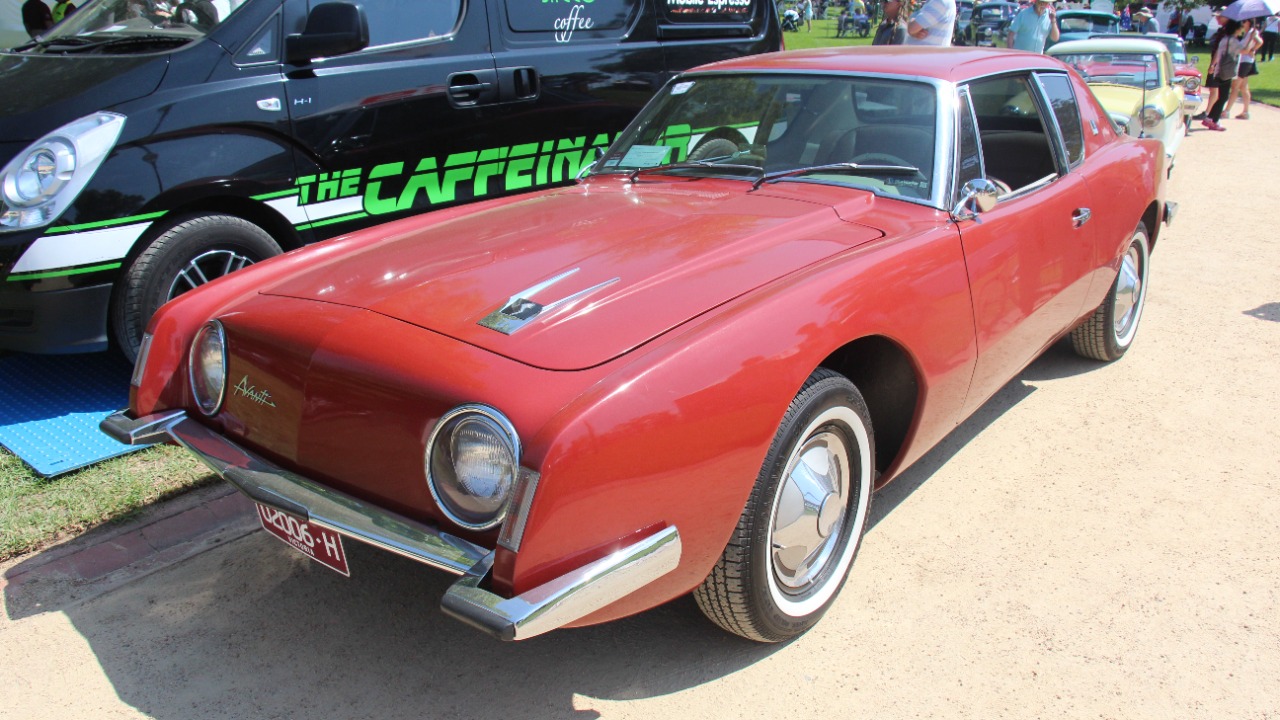
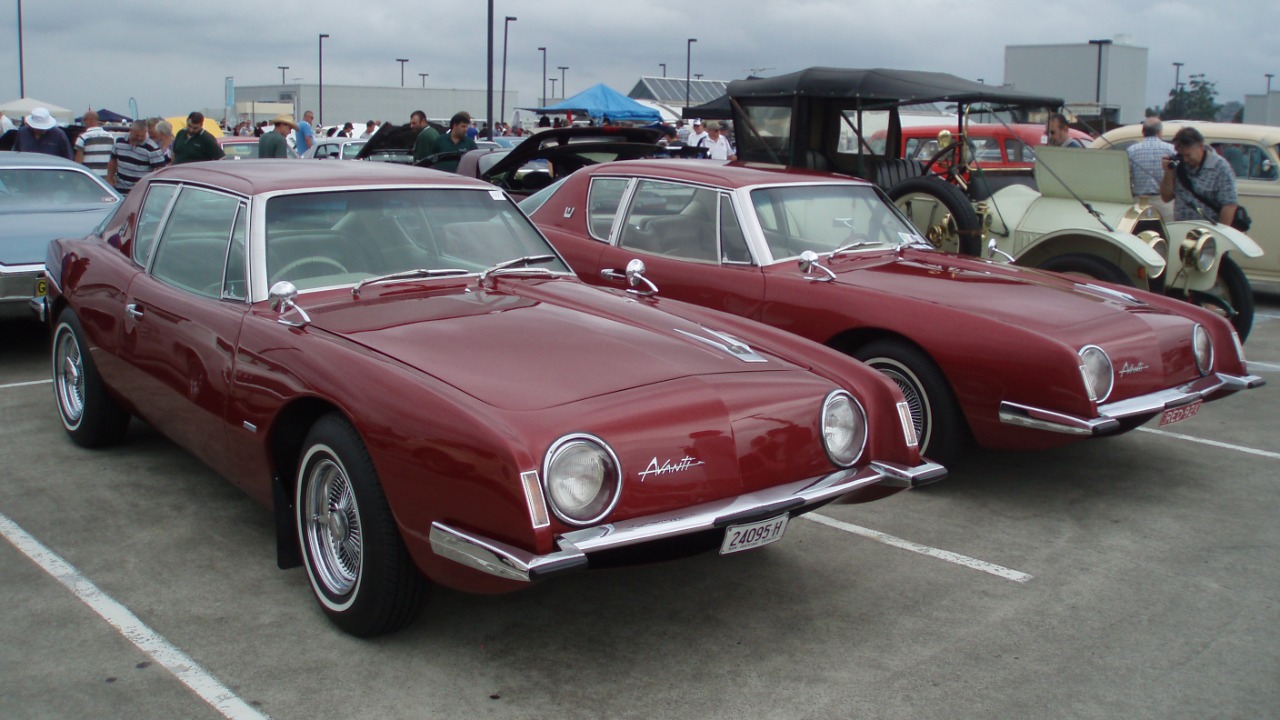
Launched in June 1962, the original Avanti was a striking departure from conventional automobile design. With its sleek lines and distinctive fastback silhouette, it was unlike anything else on the road. The Avanti was created to be a high-performance luxury car, featuring a fiberglass body that reduced weight while enhancing aerodynamics. The car’s design was spearheaded by the legendary Raymond Loewy, whose vision transformed the automotive landscape. It boasted a top speed of 150 mph, a remarkable feat for its time, making it a competitor against European sports cars. The original 1962 Avanti not only redefined aesthetics but also set new standards for performance.
Equipped with a powerful V8 engine, the Avanti offered a thrilling driving experience. Inside, the car’s luxurious interior featured leather upholstery and advanced amenities that were groundbreaking for the era. The combination of style and substance caught the attention of critics, earning the Avanti numerous accolades. As a result, it became a symbol of American ingenuity, making it an enduring classic that collectors still cherish today. You can learn more about the original design in detail on Wikipedia.
The Supercharged R2 Model: Power Meets Performance
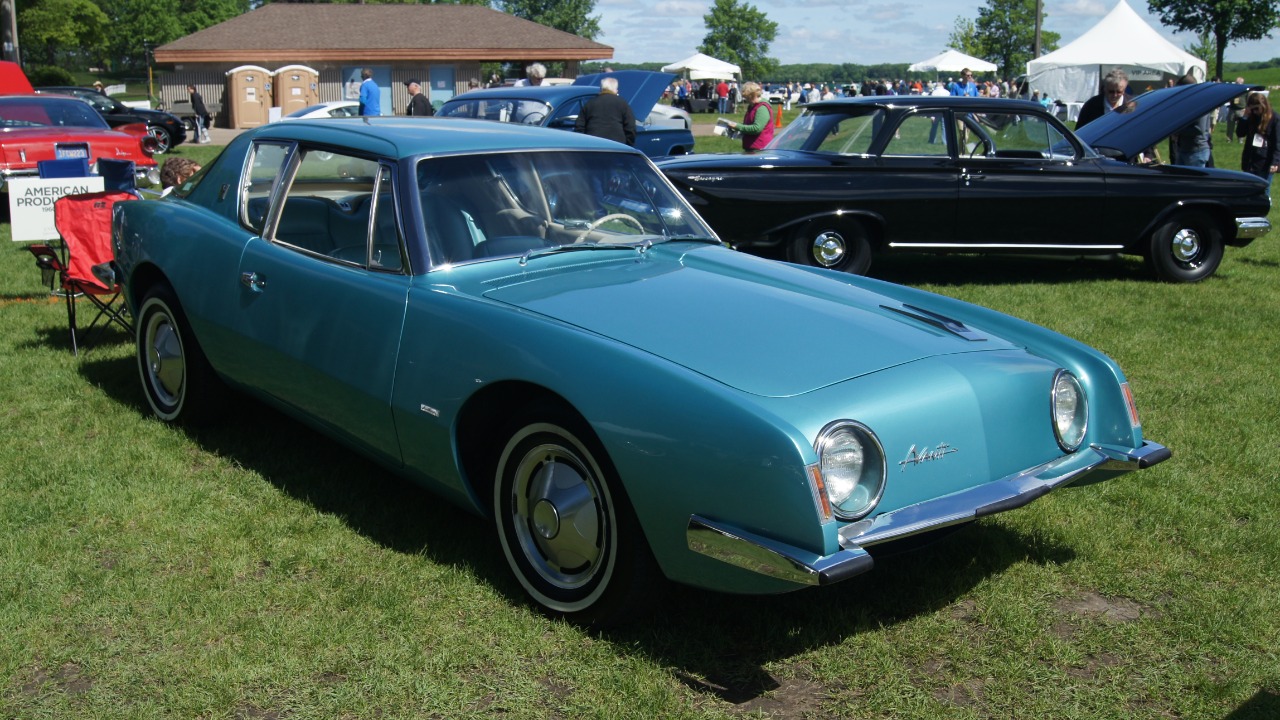
The R2 model of the Avanti, introduced in 1963, took performance to the next level with its supercharged engine. This upgrade provided an additional 50 horsepower, pushing the total output to a remarkable 280 horsepower. This increase in power was not just about speed; it was about creating a driving experience that was exhilarating and responsive. The R2 model was equipped with a unique supercharger that allowed for quicker acceleration and a thrilling performance on the open road. It was a feature that caught the attention of enthusiasts and solidified the Avanti’s position in the performance car market.
Moreover, the R2 model included enhancements to its suspension and braking systems, ensuring that the added power did not compromise safety. By integrating advanced engineering techniques, Studebaker crafted a vehicle that could handle the performance demands of its drivers. The R2 was a testament to how Studebaker was willing to innovate and push boundaries, well before other manufacturers began to embrace supercharging technology. If you’re interested in the impact of this model, you can find discussions on its significance on platforms like Reddit.
The Avanti II: A Revival of Innovation in the 1970s
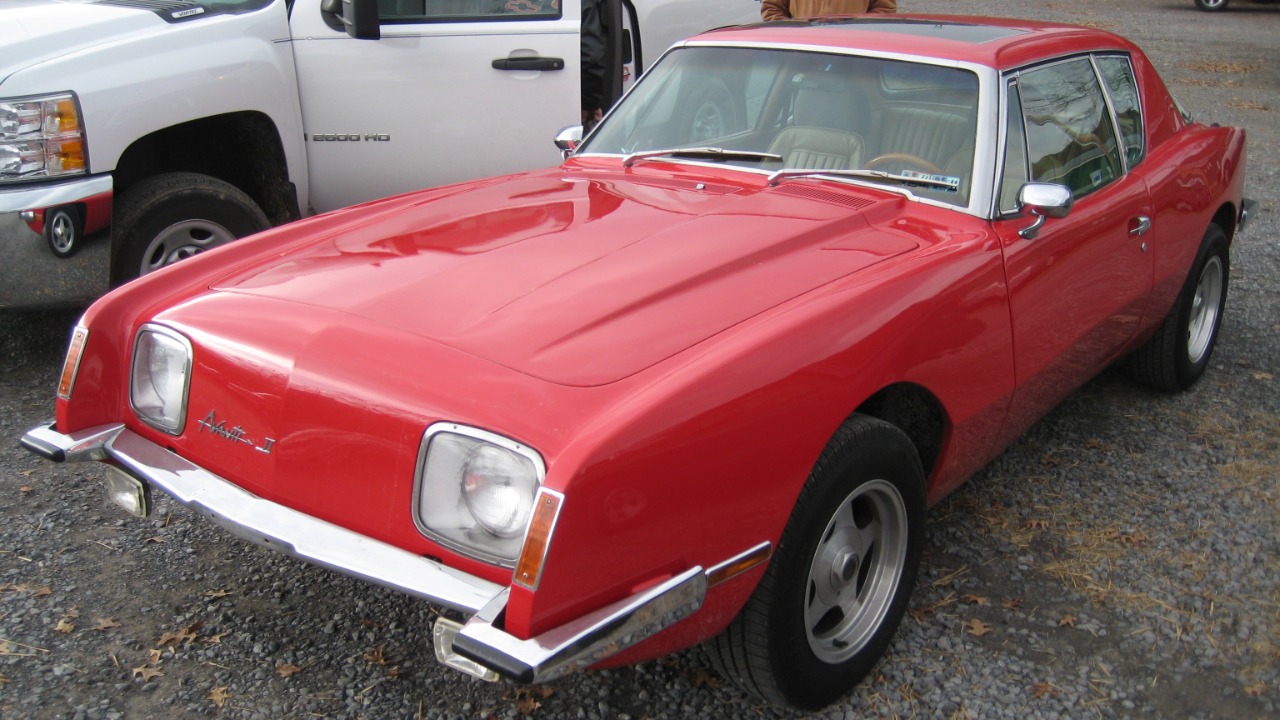
After Studebaker ceased production in 1966, the Avanti name lived on with the introduction of the Avanti II in 1971. This model represented a revitalization of the original concept, featuring updated styling and improved engineering. The Avanti II was produced by a group of enthusiastic former Studebaker employees who were determined to keep the spirit of the Avanti alive. It retained much of the original’s design but included modernized components and enhancements that appealed to a new generation of drivers.
One of the most significant advancements in the Avanti II was its use of a more powerful and reliable engine, which greatly improved performance and drivability. The interior was also revamped, offering more comfort and luxury features, making it a desirable option for those seeking a unique blend of performance and refinement. The Avanti II is a remarkable example of how a classic can be reimagined for a new era, proving that good design and engineering can transcend time. For those interested in the history of the Avanti series, a great resource is Google Books.
The Avanti Prototype: A Glimpse into the Future
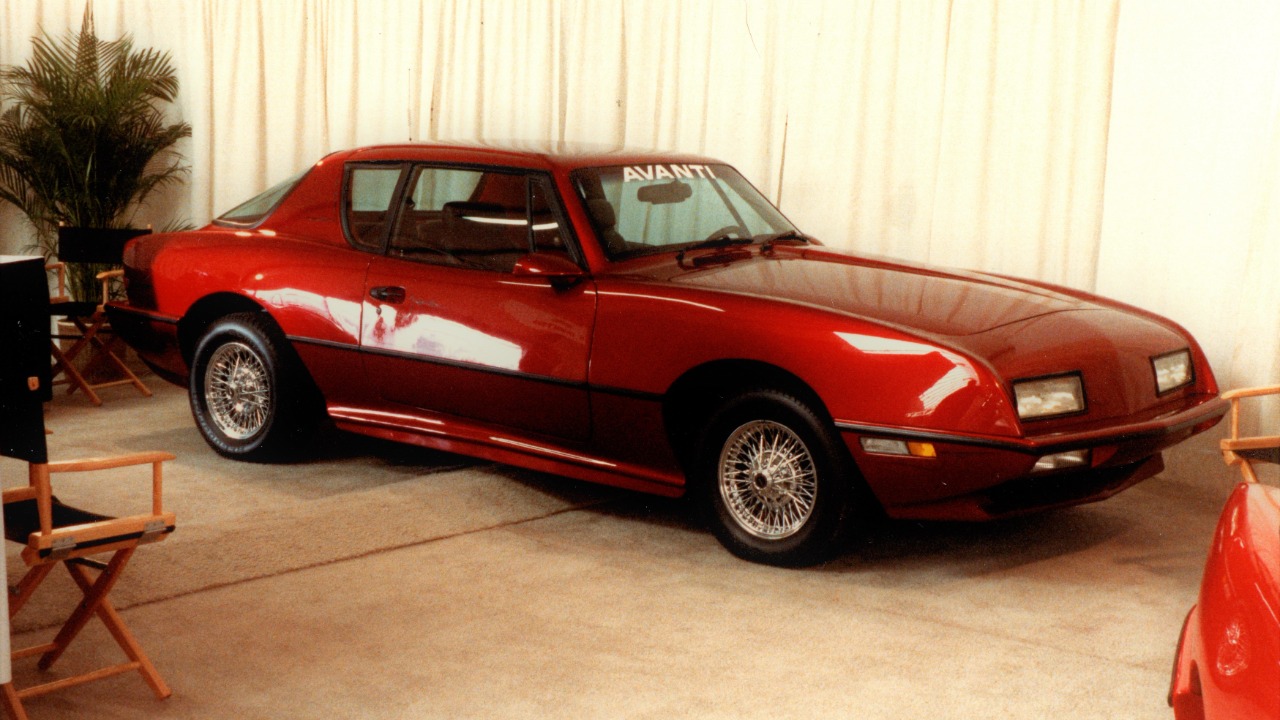
The Avanti Prototype, unveiled at the 1962 New York Auto Show, was an early indication of what was to come. This prototype was a showcase of advanced technology and design, featuring innovations such as a unique suspension system and cutting-edge aerodynamics. The design team focused on creating a vehicle that not only looked futuristic but also incorporated features that would become standard in many cars decades later. For example, the prototype included options for air conditioning and power windows, which were not commonly found in vehicles of that era.
What set the Avanti Prototype apart was its commitment to performance and style. The design was not just about aesthetics; it was engineered to enhance the driving experience. The prototype’s lightweight structure and powerful engine were ahead of their time, paving the way for future iterations of the Avanti. The advancements made in this prototype foreshadowed many features that would later become staples in luxury sports cars. It’s fascinating to look back at how this prototype influenced automotive design and technology.
The Avanti 4-Door: A Revolutionary Take on Luxury
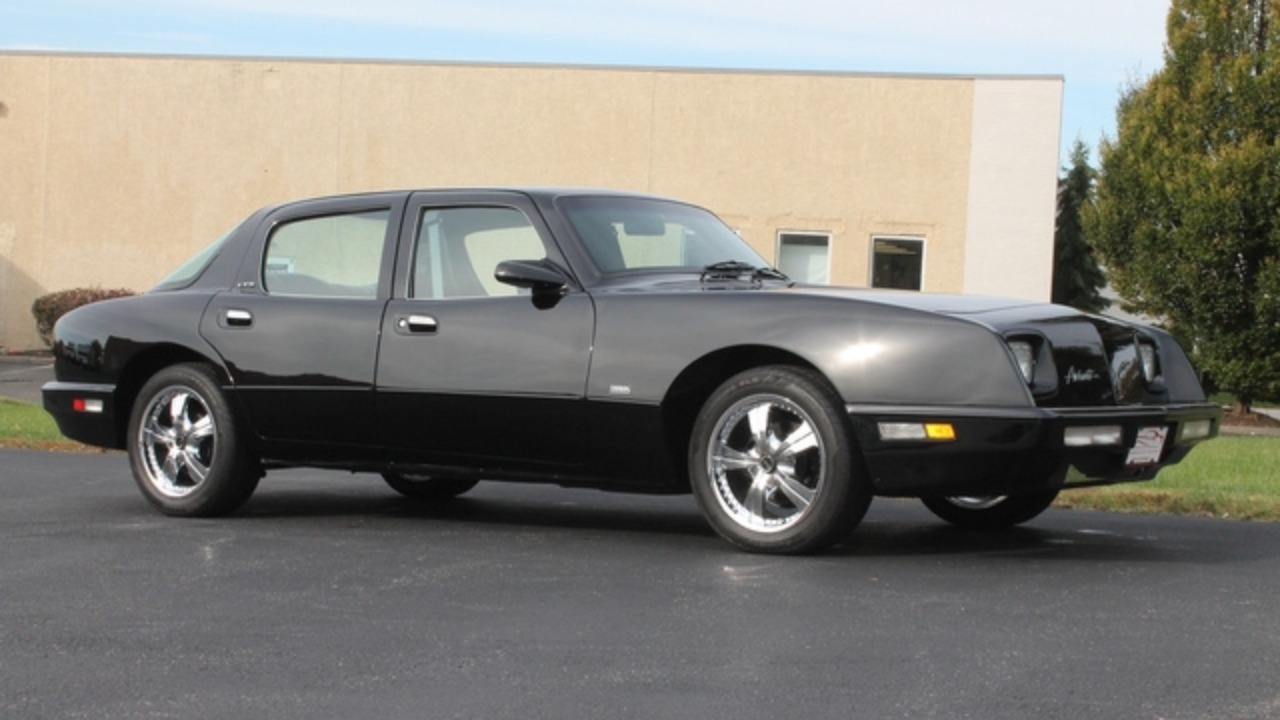
In 1970, Studebaker introduced the four-door Avanti, expanding the model’s appeal to families and luxury car enthusiasts who needed more space. This version maintained the elegant lines and unique styling of the original while adding a level of practicality that was previously absent. The four-door configuration allowed for greater accessibility and comfort, making it an attractive choice for those who desired a luxury vehicle without sacrificing functionality.
The Avanti 4-Door also featured similar performance attributes as its two-door counterpart, ensuring that it delivered a thrilling driving experience. It was equipped with a powerful engine and advanced suspension, making it capable of high-speed cruising and sharp handling. The introduction of the four-door variant was a forward-thinking approach that anticipated the growing demand for versatile luxury vehicles in the market. The Avanti 4-Door remains a unique chapter in the Avanti’s legacy and showcases the brand’s commitment to innovation.
The Avanti with Fiberglass Body: Lightweight and Ahead of Its Time
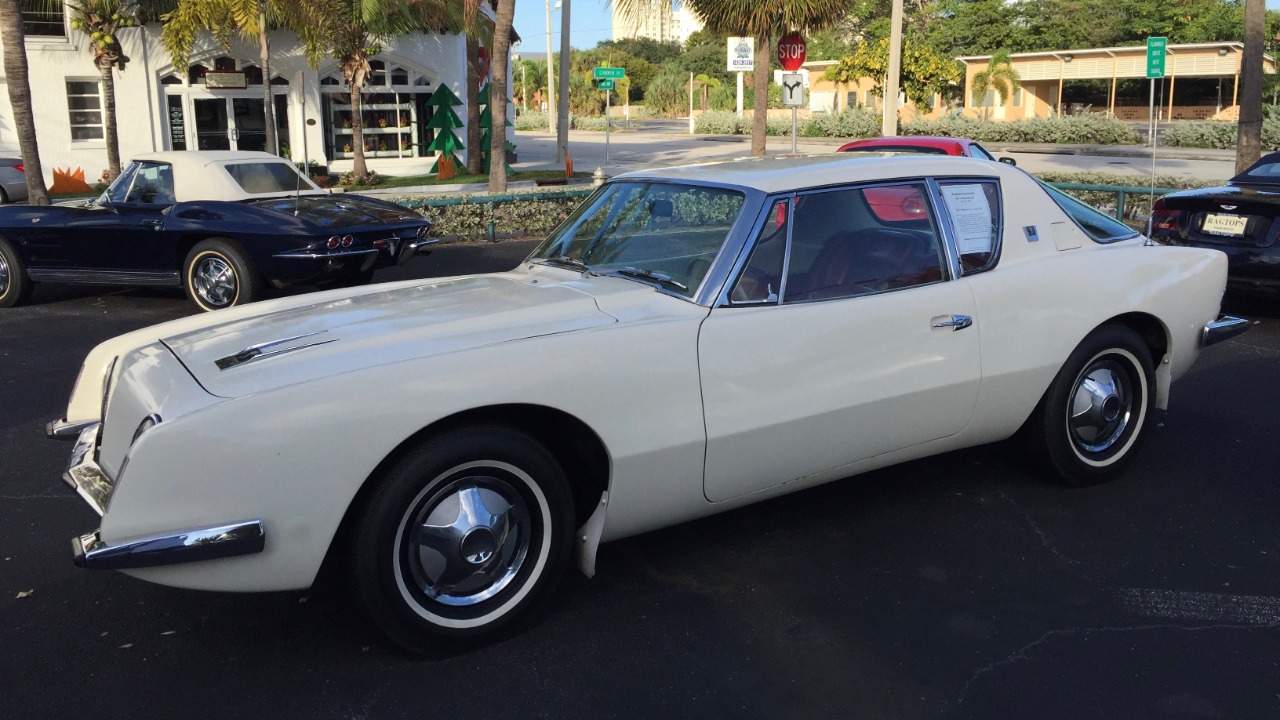
One of the most notable aspects of the original Avanti was its fiberglass body, a feature that set it apart from many of its contemporaries. This choice of material significantly reduced weight, which improved performance and fuel efficiency. At a time when most manufacturers relied on steel for car construction, Studebaker’s decision to use fiberglass was revolutionary. The lightweight body allowed the Avanti to achieve better acceleration and handling, making it a joy to drive.
Fiberglass also offered advantages in terms of manufacturing flexibility and design possibilities. The smooth contours and sleek shape of the Avanti were made possible by the use of this innovative material. Moreover, the fiberglass body contributed to the car’s unique aesthetic, making it instantly recognizable on the road. As automotive technology advanced, the use of lightweight materials became a trend, but the Avanti was a pioneer in this regard, demonstrating the potential of fiberglass in automobile construction.
The 1970 Avanti II: A Bold Fusion of Sport and Elegance
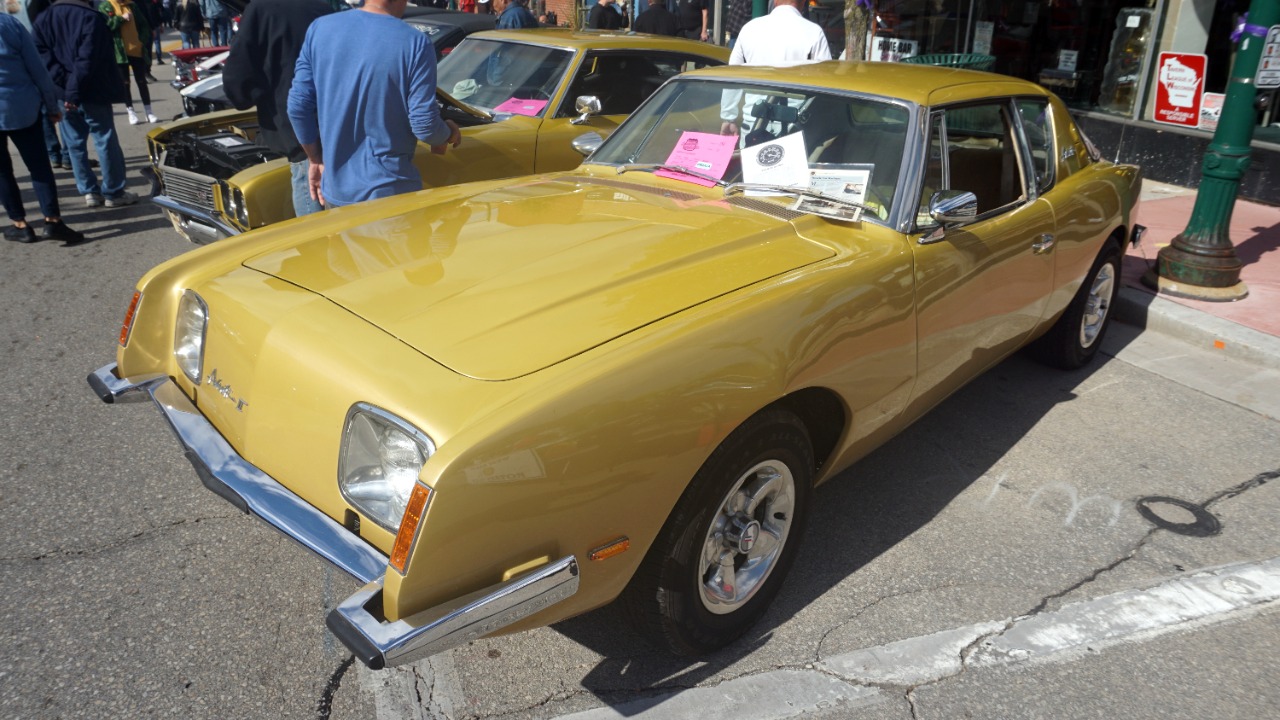
The 1970 Avanti II epitomized the fusion of sportiness and elegance, offering a driving experience that appealed to both performance enthusiasts and luxury seekers. This iteration featured a more robust engine option, providing exhilarating acceleration while maintaining the car’s signature style. The exterior design was refined, showcasing a more aggressive stance that hinted at its performance capabilities.
Inside, the 1970 model continued the tradition of luxurious materials and innovative features, ensuring a comfortable ride for all passengers. The Avanti II became a symbol of personal expression, allowing owners to customize their vehicles to reflect their tastes. The blend of sport and elegance in the 1970 Avanti II has made it a sought-after classic, as enthusiasts continue to appreciate its unique attributes.
The 2001 Avanti: A Futuristic Vision in a Retro Shell
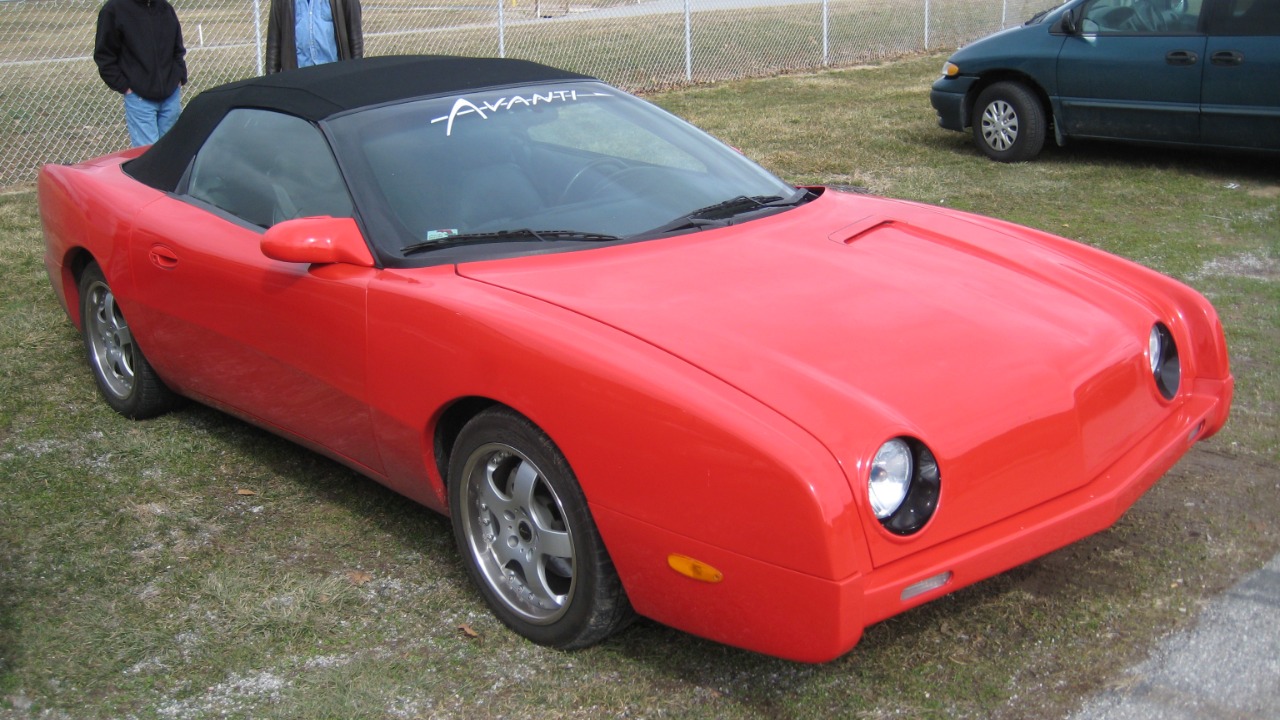
The 2001 Avanti represented a fascinating blend of futuristic vision and retro design. Drawing inspiration from its predecessors, this model featured a contemporary twist on the classic Avanti styling, incorporating modern elements while paying homage to its roots. The design included sharper lines and a more aggressive front end, appealing to a new generation of car enthusiasts.
Under the hood, the 2001 Avanti was equipped with a powerful engine that provided impressive performance capabilities. The interior was updated with high-tech features, including advanced infotainment systems and ergonomic seating, catering to modern luxury demands. This model’s ability to merge classic aesthetics with futuristic technology exemplifies the ongoing evolution of the Avanti brand, a topic explored in various automotive discussions on social media platforms.
More from Fast Lane Only
- Unboxing the WWII Jeep in a Crate
- 15 rare Chevys collectors are quietly buying
- 10 underrated V8s still worth hunting down
- Police notice this before you even roll window down
*Research for this article included AI assistance, with all final content reviewed by human editors.