Sports cars are usually associated with speed, excitement, and weekend drives, but some have proven surprisingly durable over the years. With sensible maintenance and careful ownership, these cars can stay on the road long after their original expected lifespan. Their combination of solid engineering, simple mechanicals, and strong enthusiast support has helped many become genuine long-term survivors.
Mazda MX-5 Miata
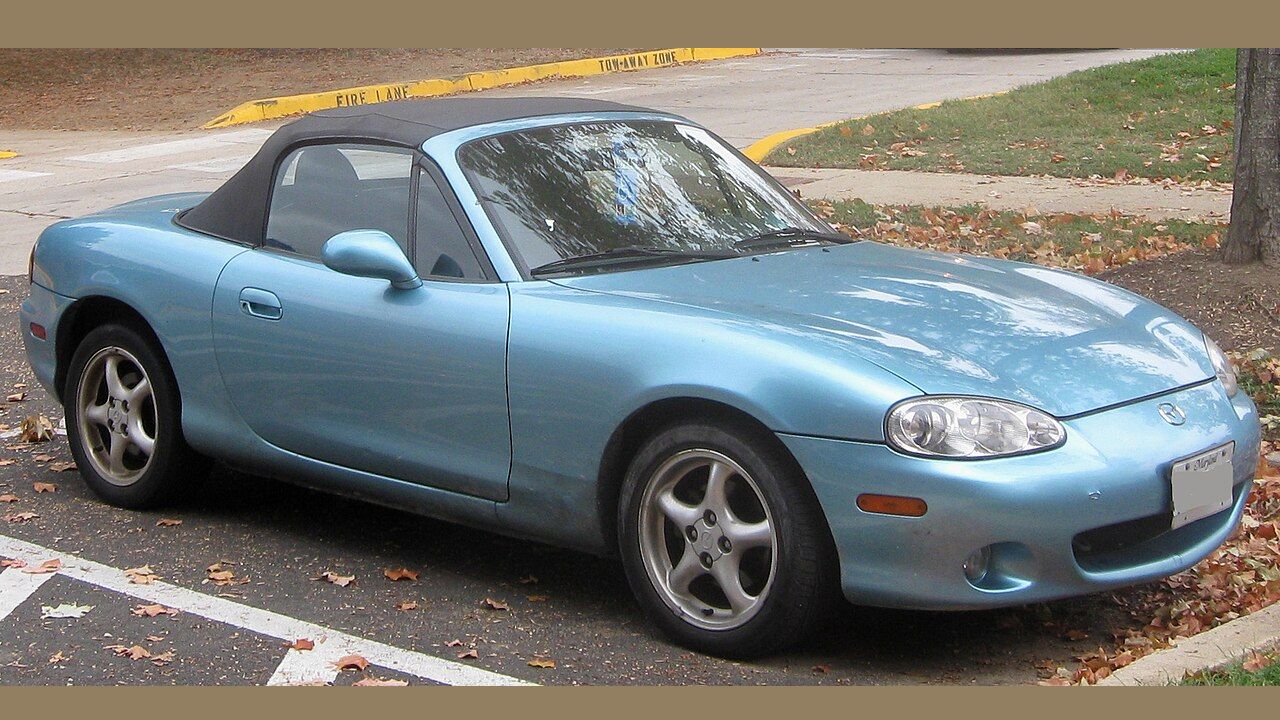
The MX-5 Miata built its reputation around simplicity and lightweight engineering rather than excessive power. Its compact engines, straightforward drivetrain, and relatively simple mechanical layout make it easier to keep running for years. Owners have also benefited from a huge enthusiast community and plentiful replacement parts. Many older Miatas remain daily drivers, proving that a small sports car does not need complicated engineering to have remarkable staying power.
Toyota MR2
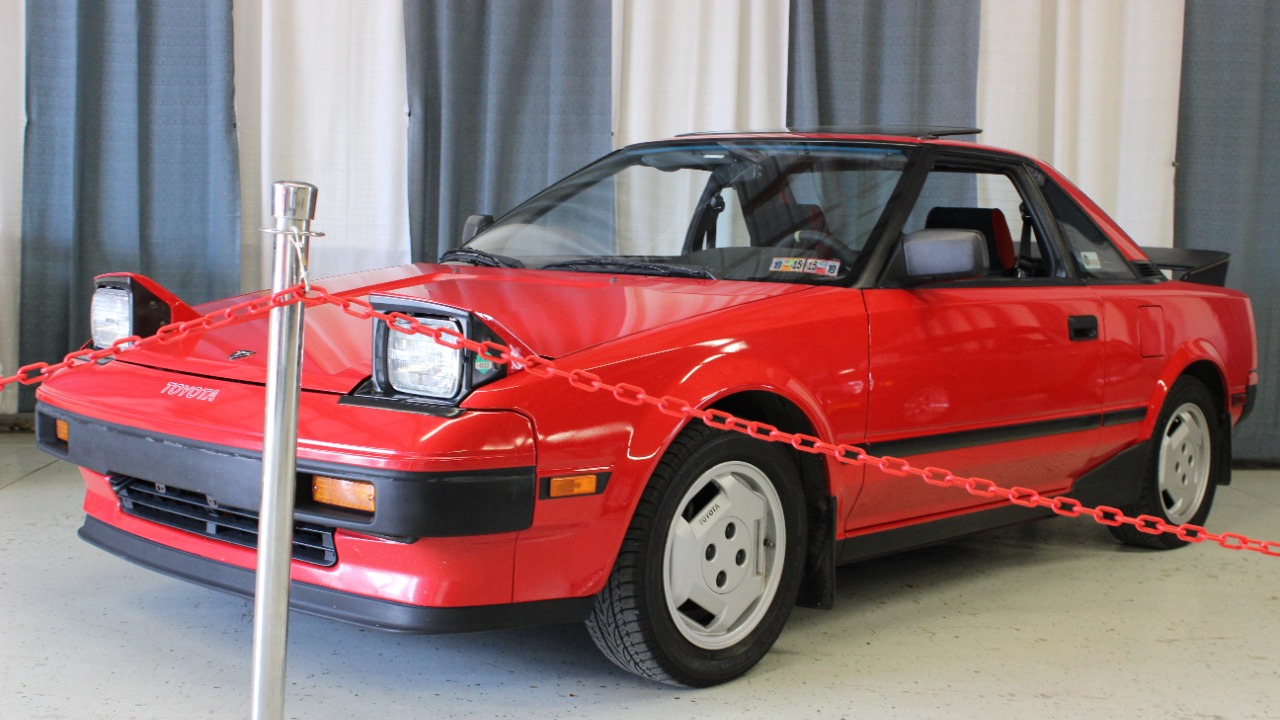
The MR2 showed that a lightweight mid-engine sports car could also be remarkably durable. Toyota’s reputation for dependable mechanical components carried over into the MR2, helping many examples survive decades of use. Different generations offered very different personalities, but the basic formula remained focused and relatively simple. Well-maintained examples have become increasingly appreciated by enthusiasts who want an affordable sports car with genuine long-term potential.
Honda S2000
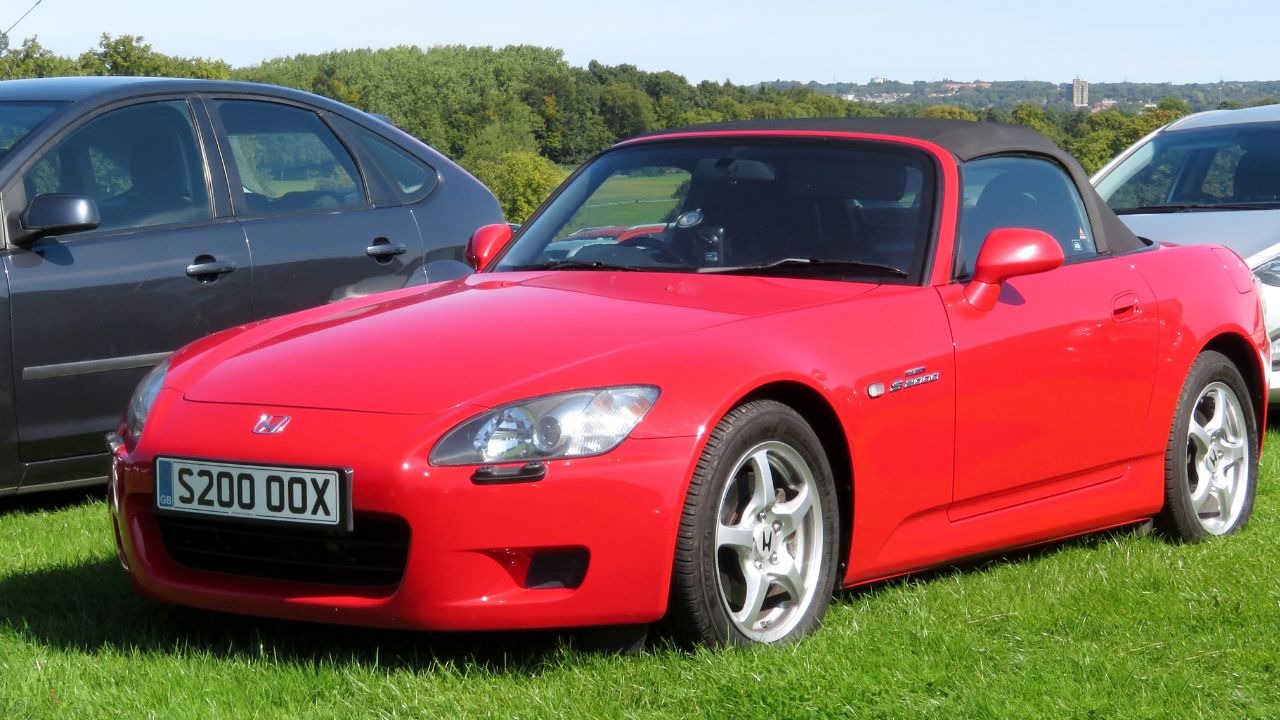
The S2000 combined a high-revving engine with Honda’s reputation for precise engineering. Its naturally aspirated four-cylinder was sophisticated, but careful maintenance can keep these engines running for very high mileage. The car’s strong manual transmission and rear-wheel-drive layout also contribute to its enthusiast appeal. Because owners tend to care for these cars carefully, surviving examples can remain remarkably usable long after their original showroom days.
Toyota Celica
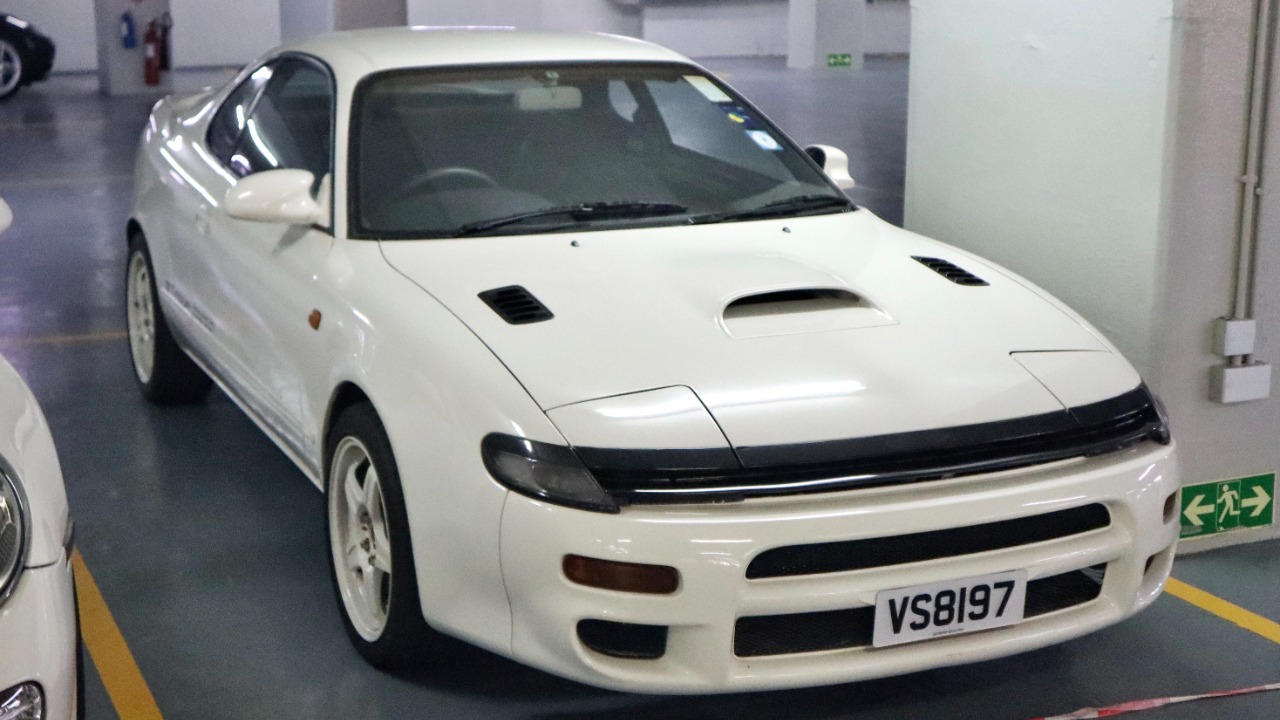
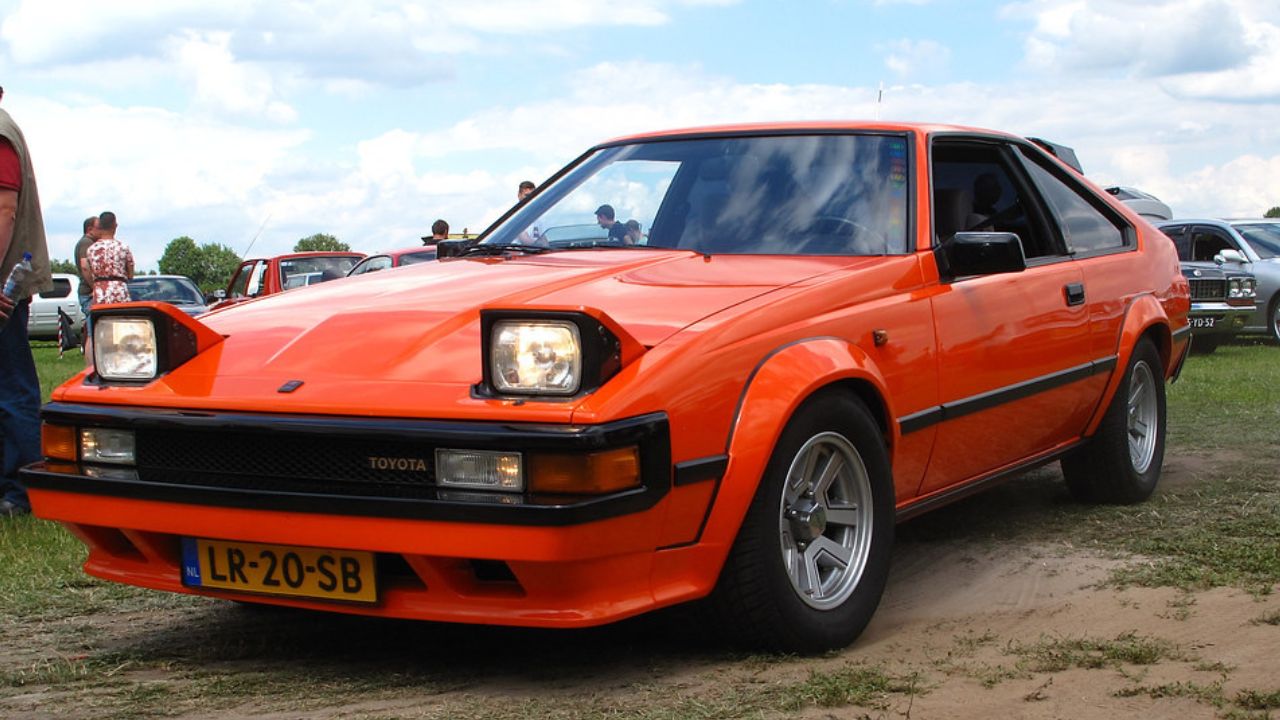
The Celica spent decades proving that a sporty car could also be practical transportation. Several generations offered dependable four-cylinder engines, straightforward mechanical layouts, and relatively modest running costs. Performance versions added excitement without completely abandoning everyday usability. Older Celicas that have avoided neglect can still provide enjoyable driving, while their reputation for durability has helped make clean examples increasingly desirable.
Acura Integra

The Integra combined sporty handling with the dependable mechanical character associated with Honda. Its lightweight construction and efficient four-cylinder engines made it fun without requiring excessive complexity. Many examples accumulated substantial mileage while serving as everyday transportation. Performance versions became especially popular, but even ordinary Integras have developed a strong following because they are relatively easy to maintain and continue to feel engaging on the road.
Porsche 944
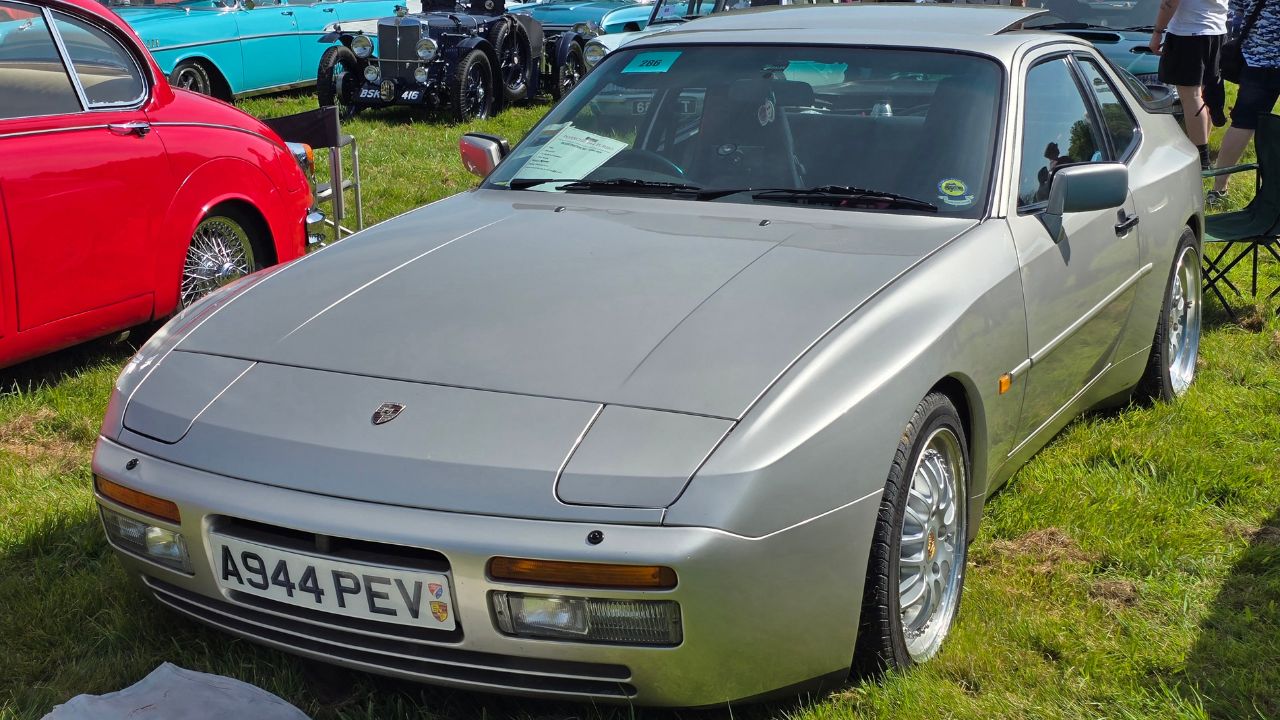
The Porsche 944 proved that a sophisticated European sports car could have an unusually long life with proper care. Its balanced front-engine, rear-transaxle layout gave it excellent handling, while the four-cylinder engine provided a useful combination of performance and efficiency. Maintenance is important, but properly serviced examples can remain enjoyable decades later. The model’s strong parts and enthusiast community also help keep surviving cars on the road.
Nissan 300ZX
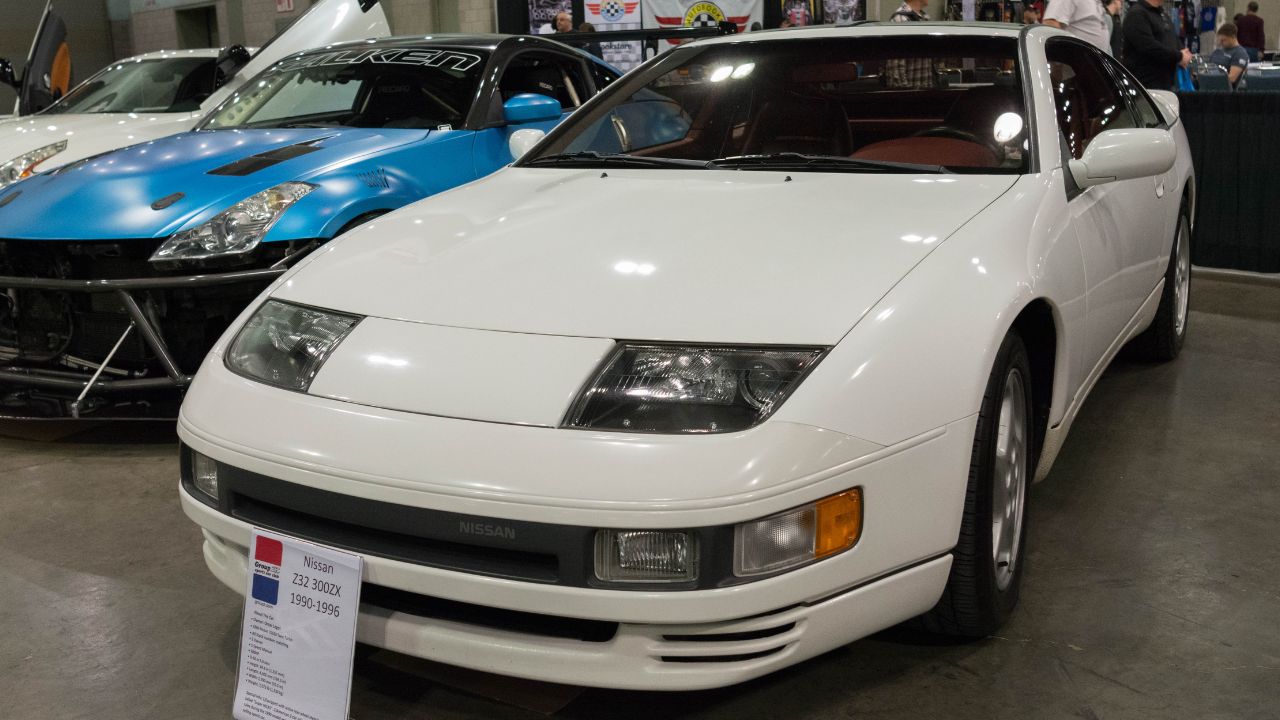
The 300ZX brought serious performance together with Nissan engineering and strong long-term enthusiast support. Naturally aspirated versions can be simpler to maintain than the twin-turbo models, but both versions have demonstrated impressive longevity when properly serviced. Its robust chassis and distinctive styling have also encouraged owners to preserve rather than abandon older examples. Today, a well-maintained 300ZX can still feel like a serious sports car.
BMW Z3
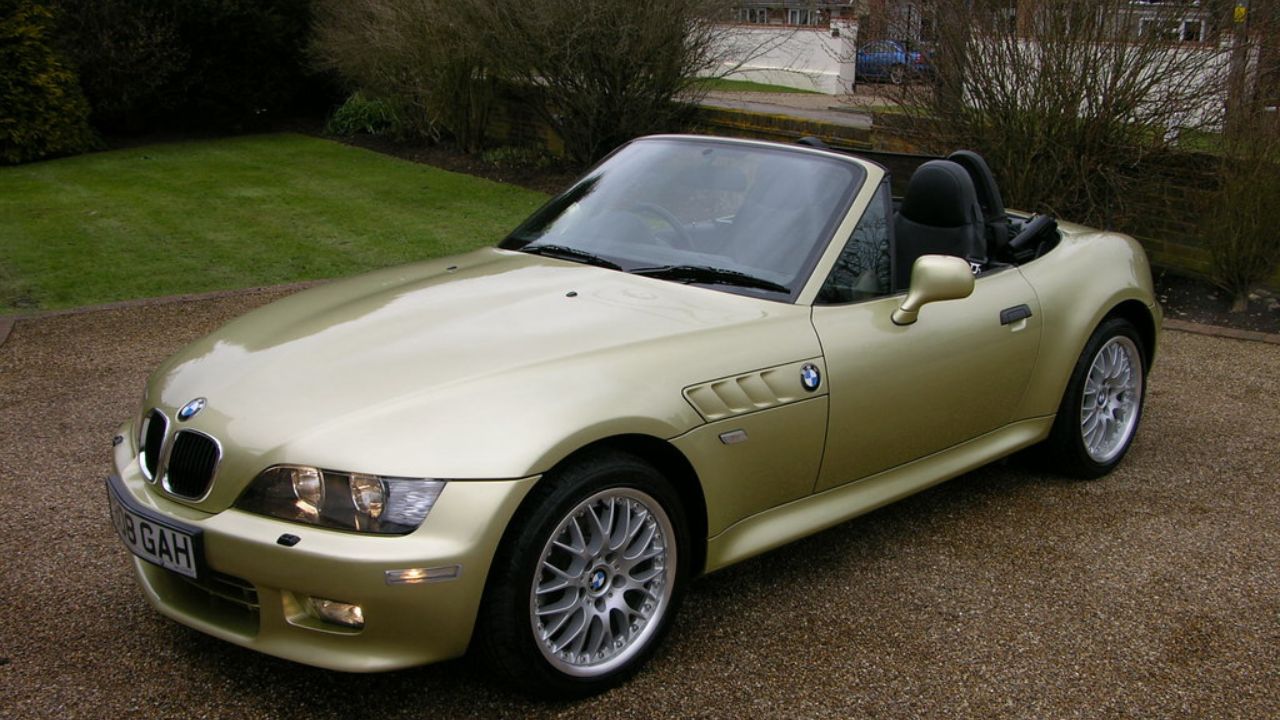
The Z3 offered classic rear-wheel-drive sports-car proportions while using mechanical components shared with other BMW models. That helped provide owners with a relatively familiar mechanical foundation and access to a large parts network. Four-cylinder and six-cylinder versions gave buyers different levels of performance. Proper maintenance remains important, but many Z3s have survived long enough to become affordable modern classics rather than disposable used cars.
Chevrolet Corvette
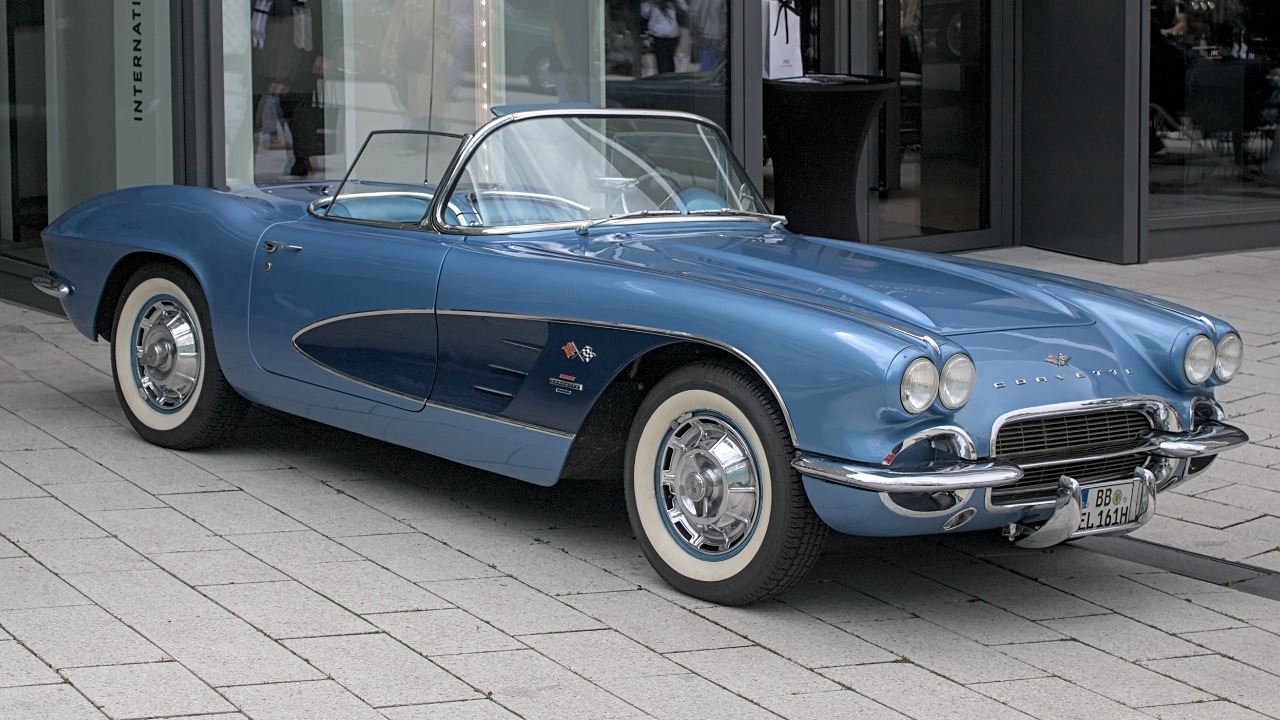
The Corvette has always been built around performance, but many generations also benefited from relatively robust mechanical components. The combination of a strong V8, rear-wheel drive, and an enormous enthusiast community has helped countless examples survive for decades. Parts availability is another major advantage. Older Corvettes can require attention, but their mechanical simplicity compared with many European rivals makes long-term ownership much more achievable.
Ford Mustang
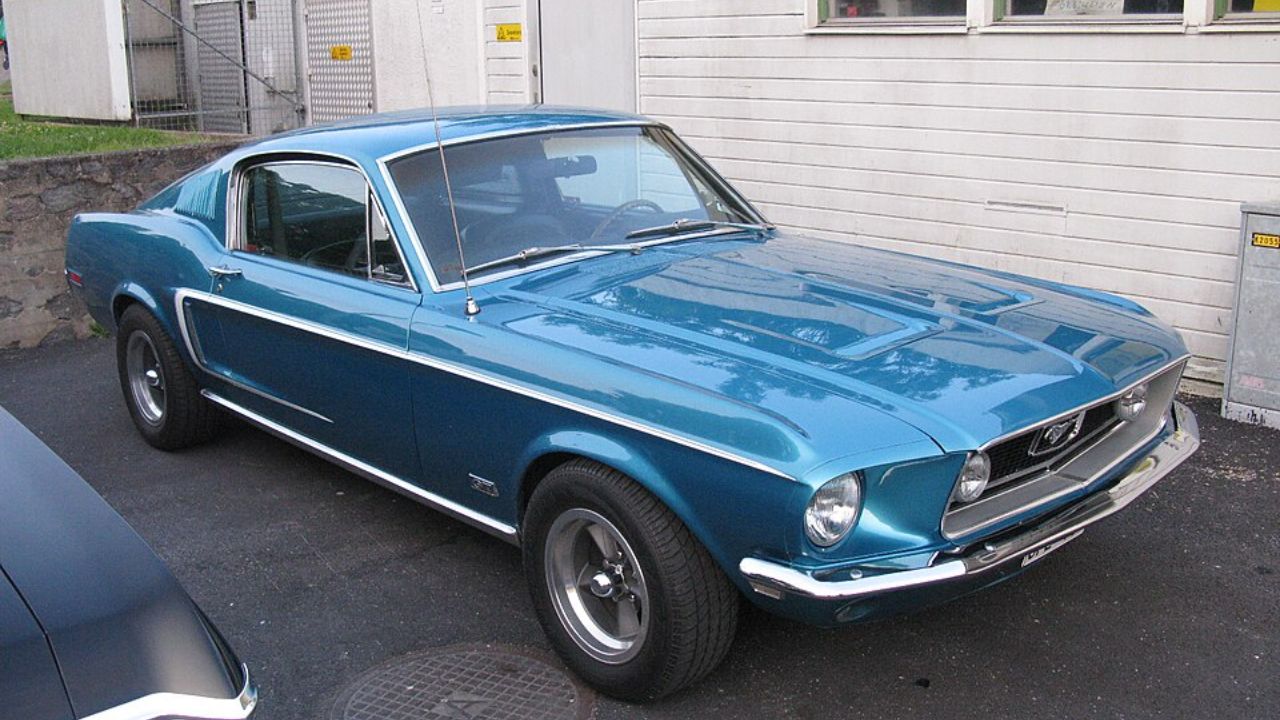
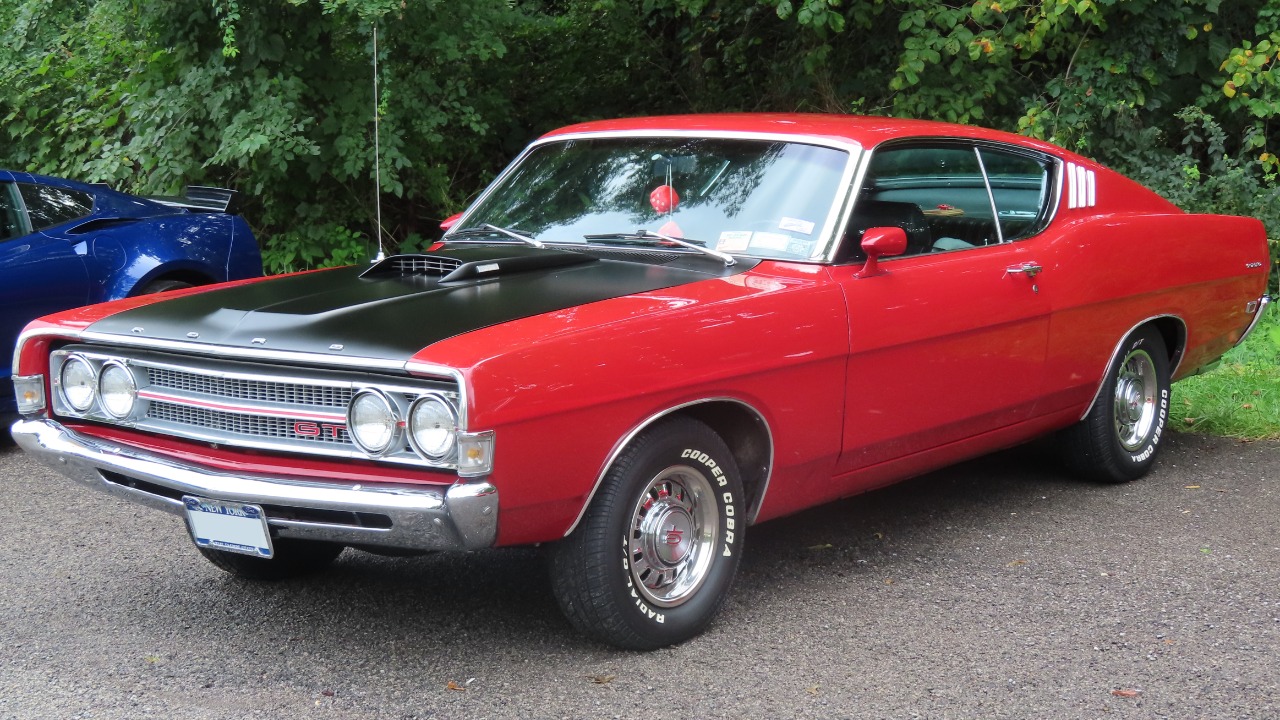
The Mustang’s long production history means there is extensive knowledge surrounding its mechanical systems. Many generations used relatively straightforward engines and drivetrains that could be serviced by ordinary shops. Strong parts availability also helps keep older examples running. From early V8 models to later performance versions, the Mustang has proven that a sports-oriented car can remain usable for decades when owners stay on top of maintenance.
Nissan 350Z

The 350Z combined a naturally aspirated V6 with a straightforward rear-wheel-drive layout. Its mechanical formula was relatively simple compared with many newer performance cars, making it attractive to enthusiasts who wanted modern performance without excessive complexity. The VQ engine family also has a long history across Nissan and Infiniti products. With proper servicing, many 350Zs can continue accumulating miles long after their original owners expected.
Mazda RX-8
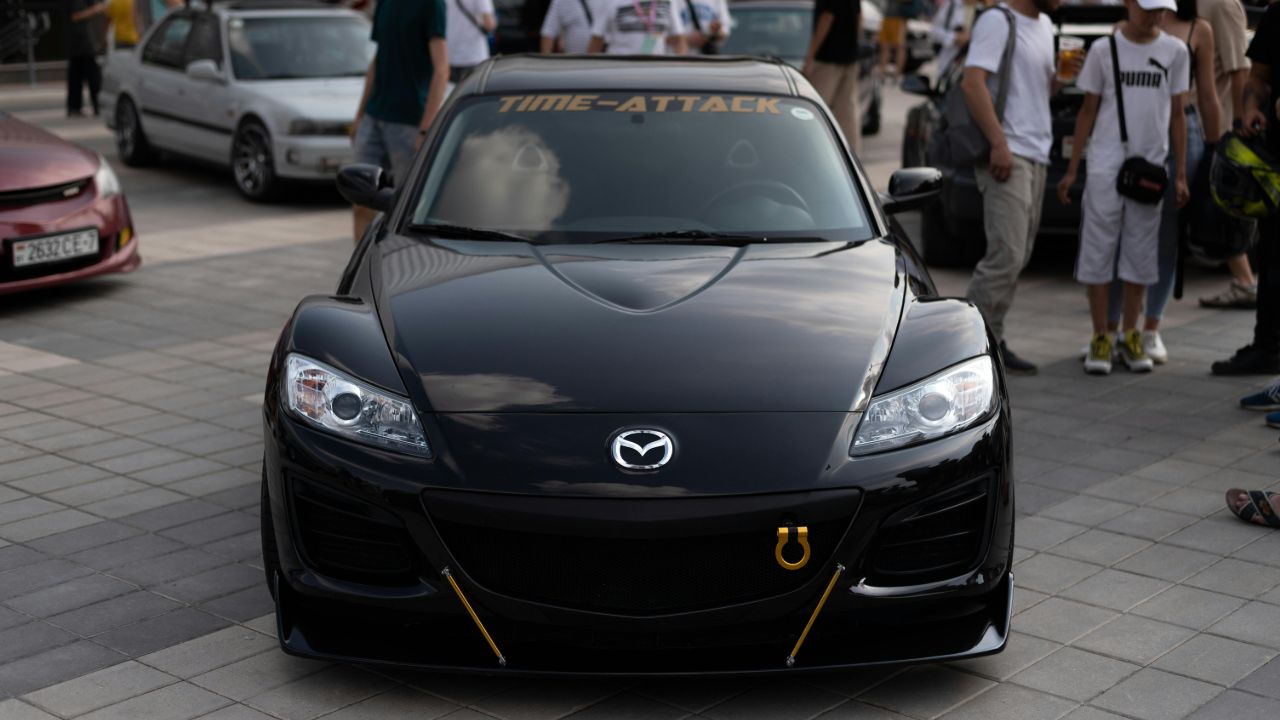
The RX-8 is an unusual choice because its rotary engine requires more specialized care than a conventional piston engine. However, the car itself was engineered as a durable enthusiast platform, and well-maintained examples can remain surprisingly long-lived. Owners who understand rotary-specific maintenance often keep these cars running for years. Its lightweight chassis, balanced handling, and four-door practicality also make it difficult to replace with anything quite like it.
Lotus Elise
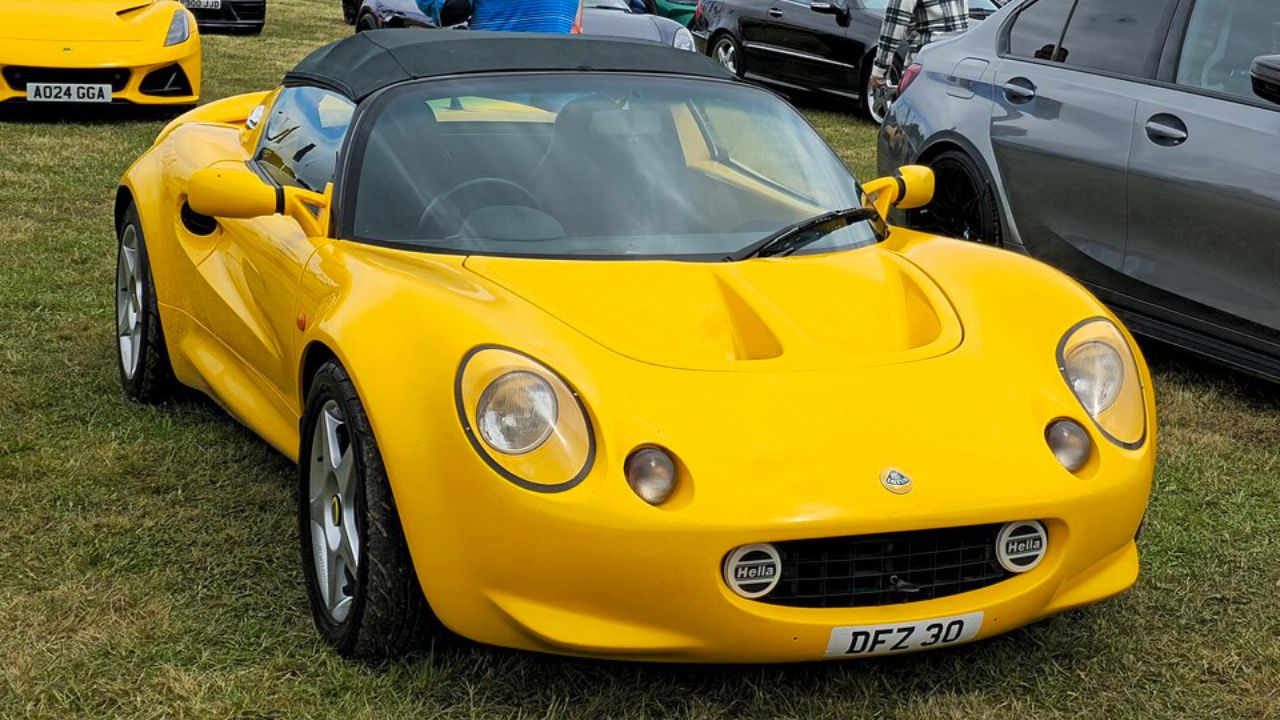
The Elise focused heavily on low weight and mechanical simplicity. Its lightweight aluminum structure and compact engines helped reduce the stresses associated with moving a heavy sports car. Toyota-powered versions are particularly attractive to owners seeking a durable powertrain. The Elise demands more specialized care than an ordinary commuter car, but its basic philosophy has allowed many examples to remain engaging and usable long after newer sports cars have become complicated.
Pontiac Solstice
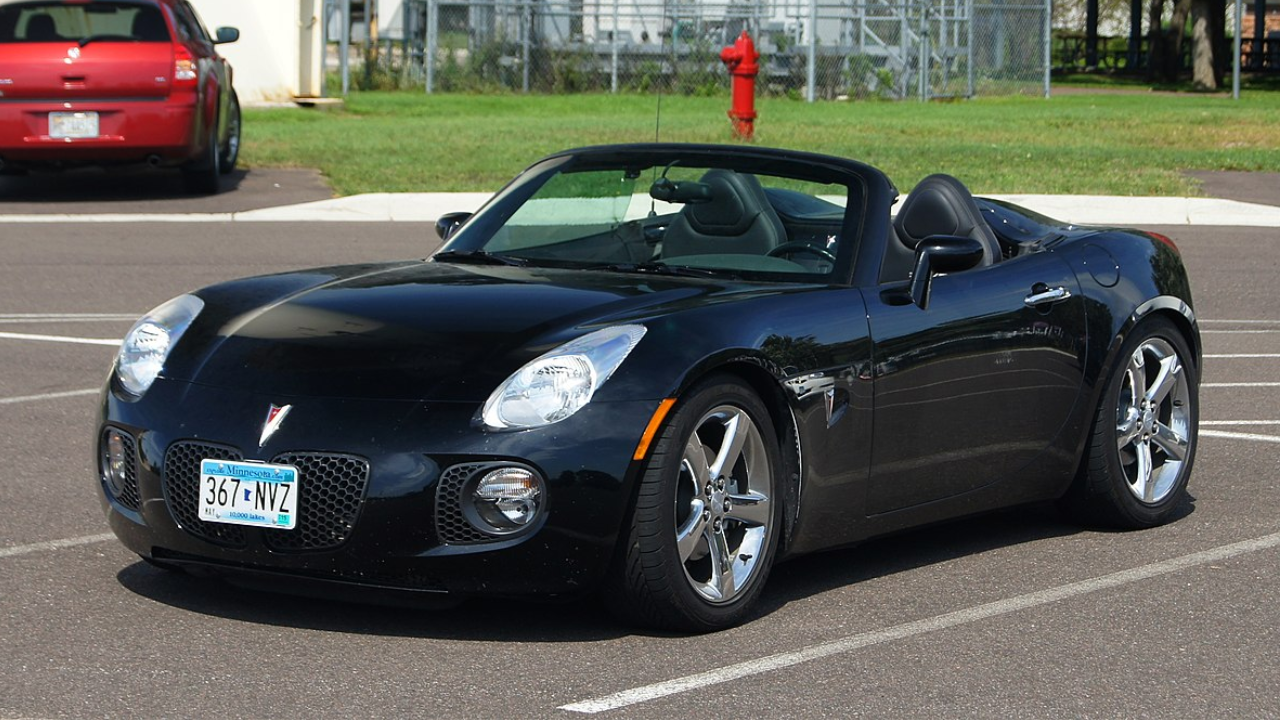
The Solstice gave Pontiac a lightweight rear-wheel-drive sports car with a relatively simple mechanical foundation. Its turbocharged versions added substantial performance, while the standard four-cylinder remained more approachable. Shared components with other General Motors vehicles can make certain maintenance tasks easier. Although production was short-lived, surviving Solstices have developed a following because their distinctive styling and conventional mechanical layout make them interesting long-term enthusiast cars.
Saturn Sky
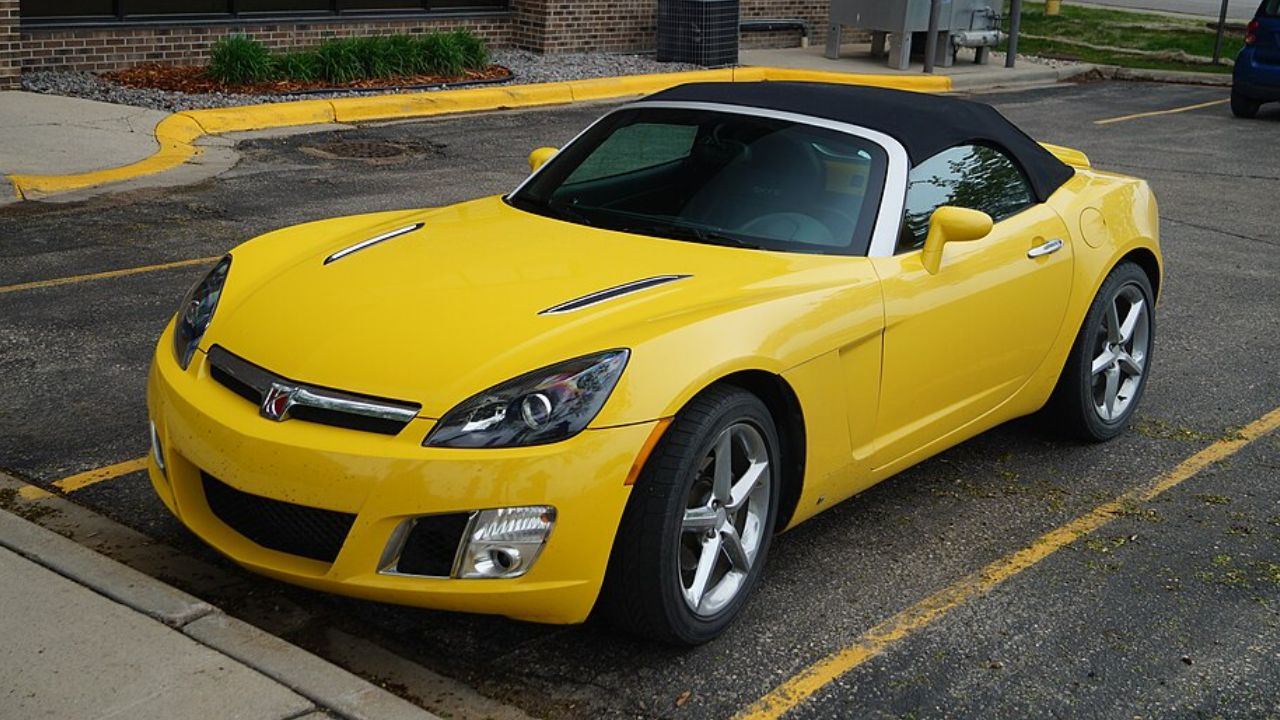
The Saturn Sky shared much of its mechanical architecture with the Solstice but developed its own distinctive personality. Its rear-wheel-drive layout and available turbocharged engine gave it genuine sports-car credentials. The car’s relatively low production numbers have also encouraged owners to preserve good examples. With appropriate maintenance and attention to age-related issues, the Sky can remain a fun roadster long after many similar cars have disappeared.
BMW M3
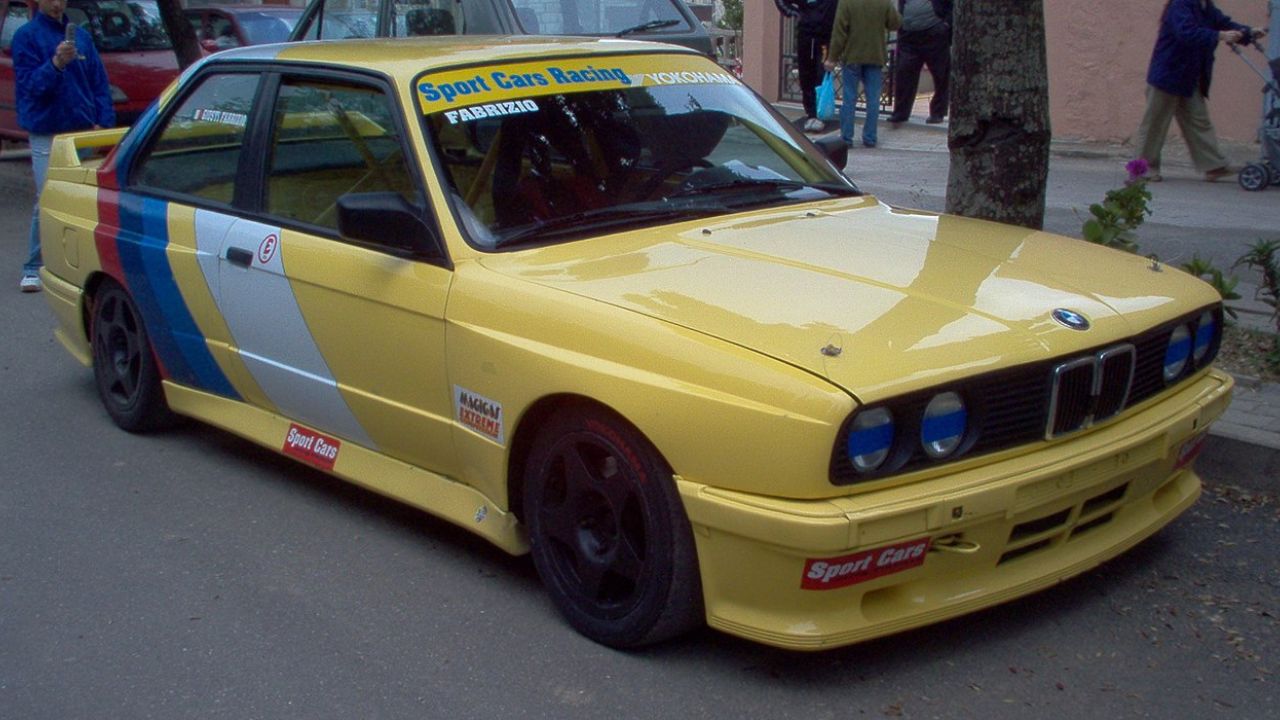
The M3 has always demanded more maintenance than an ordinary BMW, but its performance engineering has also produced engines and drivetrains capable of lasting a long time when properly cared for. Earlier generations are particularly attractive to enthusiasts because they combine strong mechanical character with less electronic complexity. High-mileage examples can still be rewarding when service records are strong and previous owners have treated the car responsibly.
Nissan 240SX
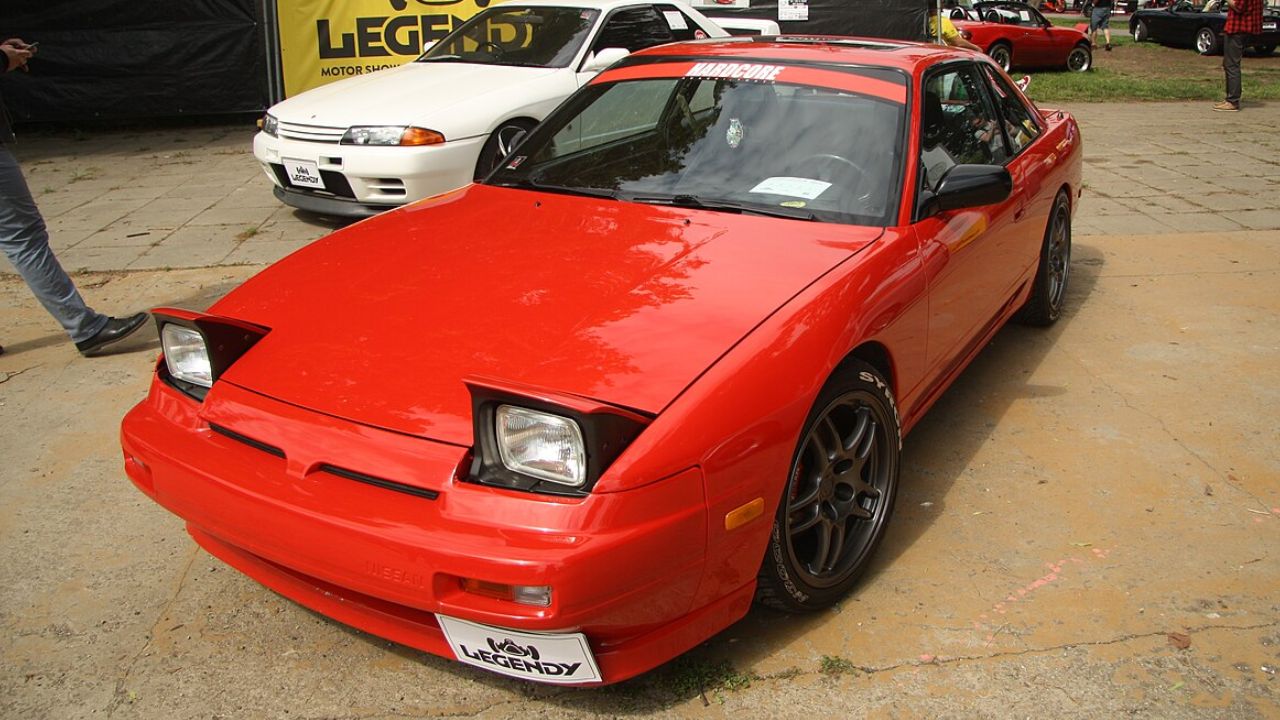
The 240SX became famous among enthusiasts for its rear-wheel-drive layout, lightweight construction, and durable four-cylinder engine. Many examples were heavily modified, raced, or used for drifting, which makes unmodified survivors especially interesting today. The underlying mechanical package has proven capable of handling substantial mileage when maintained correctly. Its simplicity and huge enthusiast community also make it one of the easier older sports cars to keep alive.
Mitsubishi Eclipse
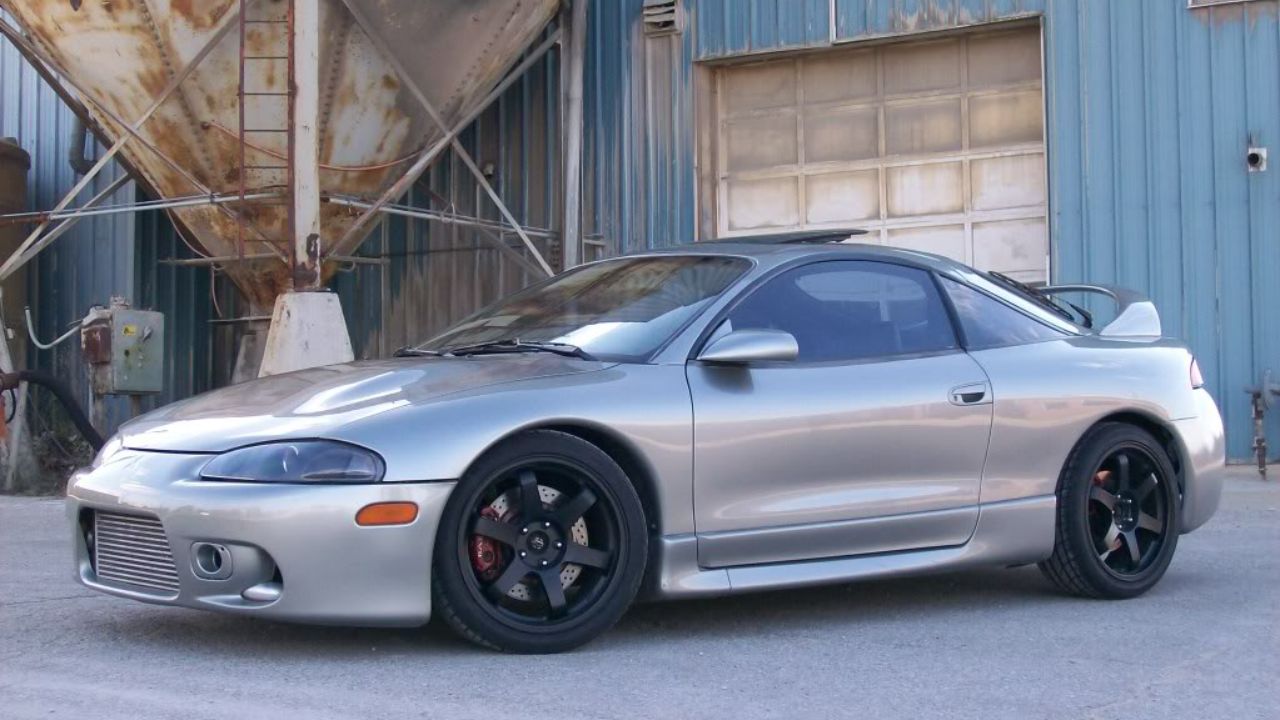
The Eclipse became one of the most recognizable Japanese performance coupes of its era. Early generations combined relatively compact dimensions with turbocharged power and available all-wheel drive, while later versions became more focused on everyday usability. Well-maintained examples can remain surprisingly dependable. Strong enthusiast interest and extensive aftermarket support have also helped keep many surviving Eclipses on the road decades after production began.
Subaru BRZ
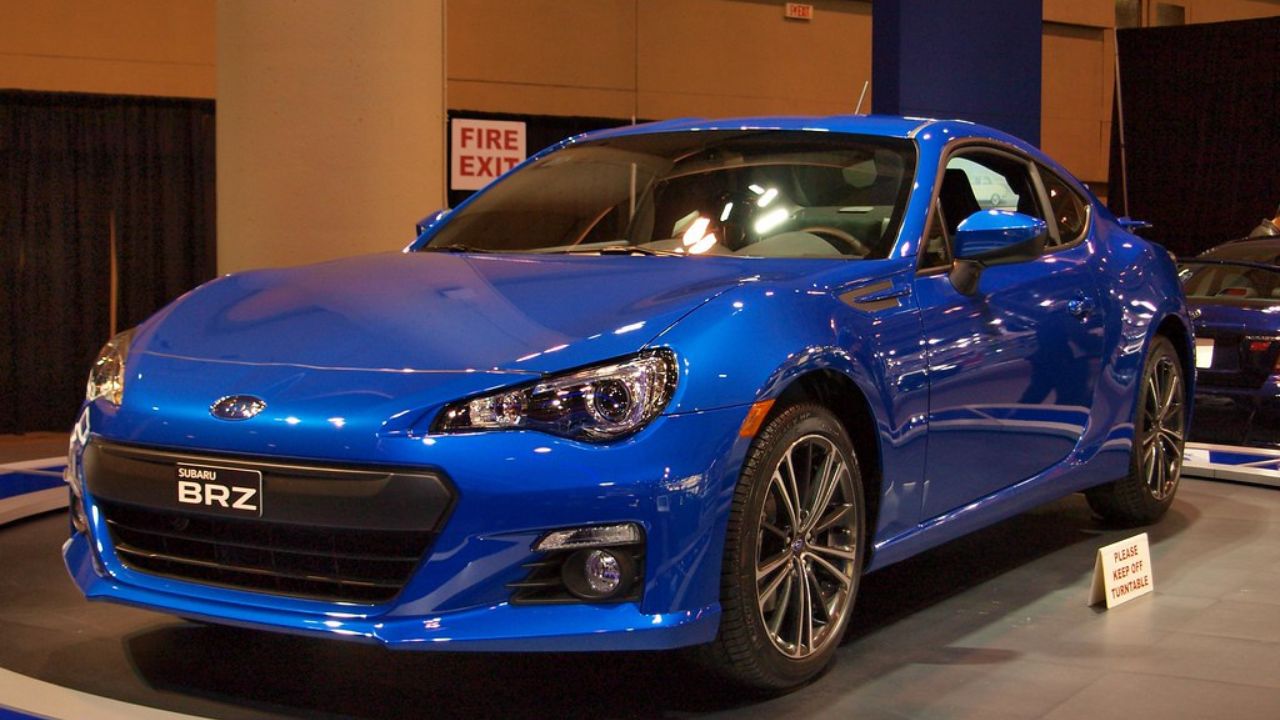
The BRZ was designed around lightweight construction, balanced handling, and a naturally aspirated engine rather than extreme output. That relatively focused formula makes it easier to understand and maintain than many high-powered modern sports cars. Its shared architecture with the Toyota 86 also gives owners access to a broad enthusiast community. With regular maintenance, the BRZ has the ingredients to become a long-term modern classic.
Toyota Supra
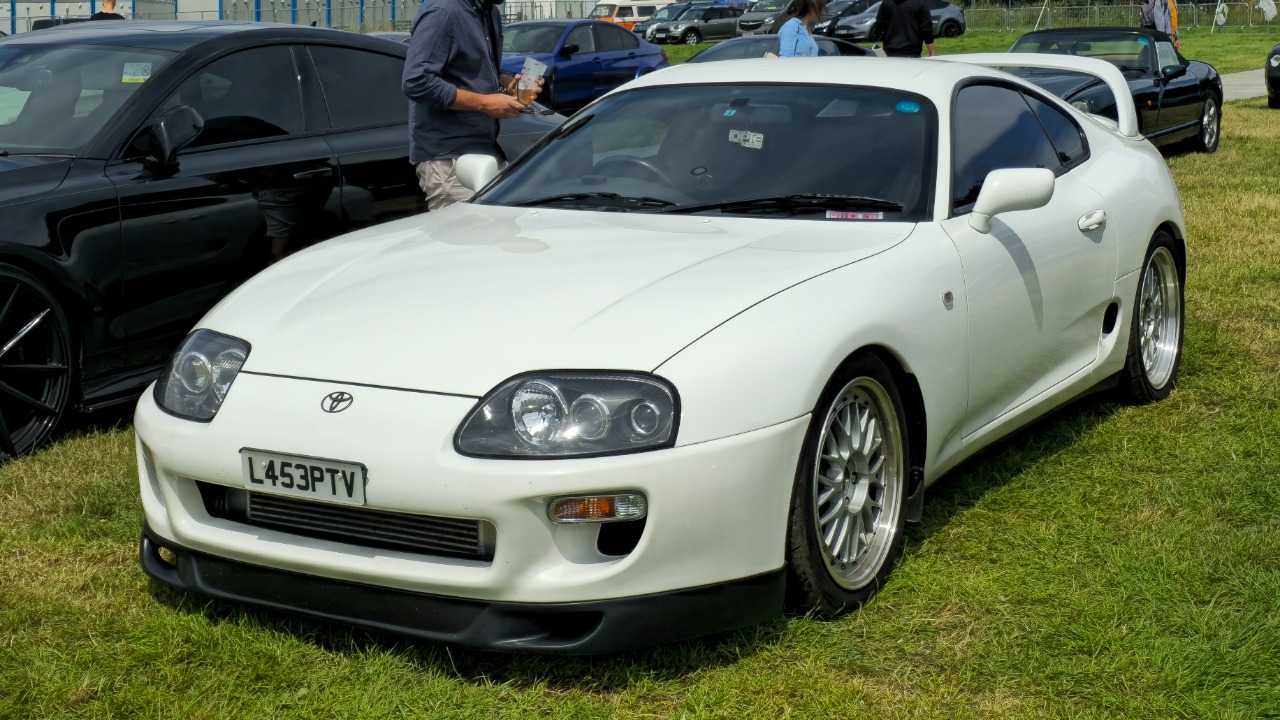
The Supra has developed an enormous reputation for durability, particularly in its earlier generations. Strong engines, rear-wheel drive, and extensive aftermarket support helped many examples survive years of enthusiastic use. Turbocharged versions can require careful maintenance, especially when modified, but the underlying platform has proven remarkably capable. Its combination of performance and longevity explains why clean Supras remain among the most sought-after Japanese sports cars.
More from Fast Lane Only
- Unboxing the WWII Jeep in a Crate
- 15 rare Chevys collectors are quietly buying
- 10 underrated V8s still worth hunting down
- Police notice this before you even roll window down
*Research for this article included AI assistance, with all final content reviewed by human editors.