Some American cars simply refuse to fade away. Their styling remains recognizable, their mechanical character still appeals to enthusiasts, and their place in automotive history keeps them relevant decades after production ended. Whether admired for performance, practicality, luxury, or sheer personality, these classics continue to prove that a great design can outlast changing trends.
Chevrolet Camaro
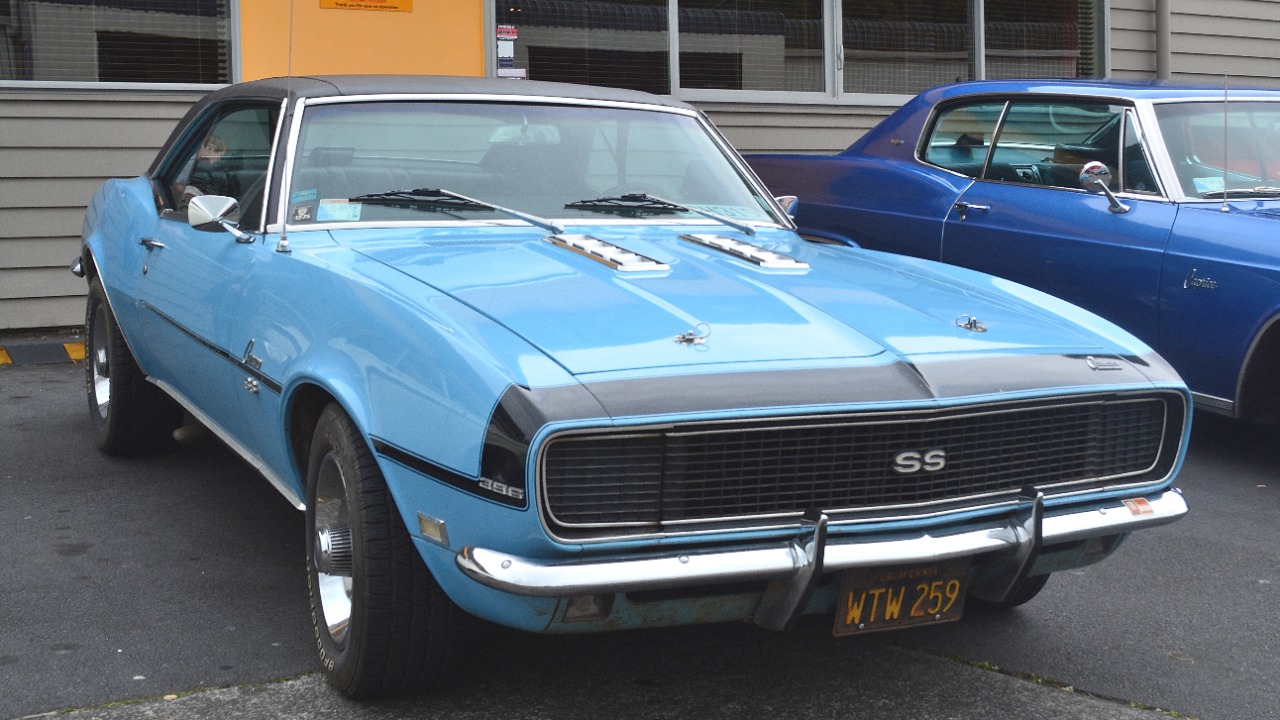
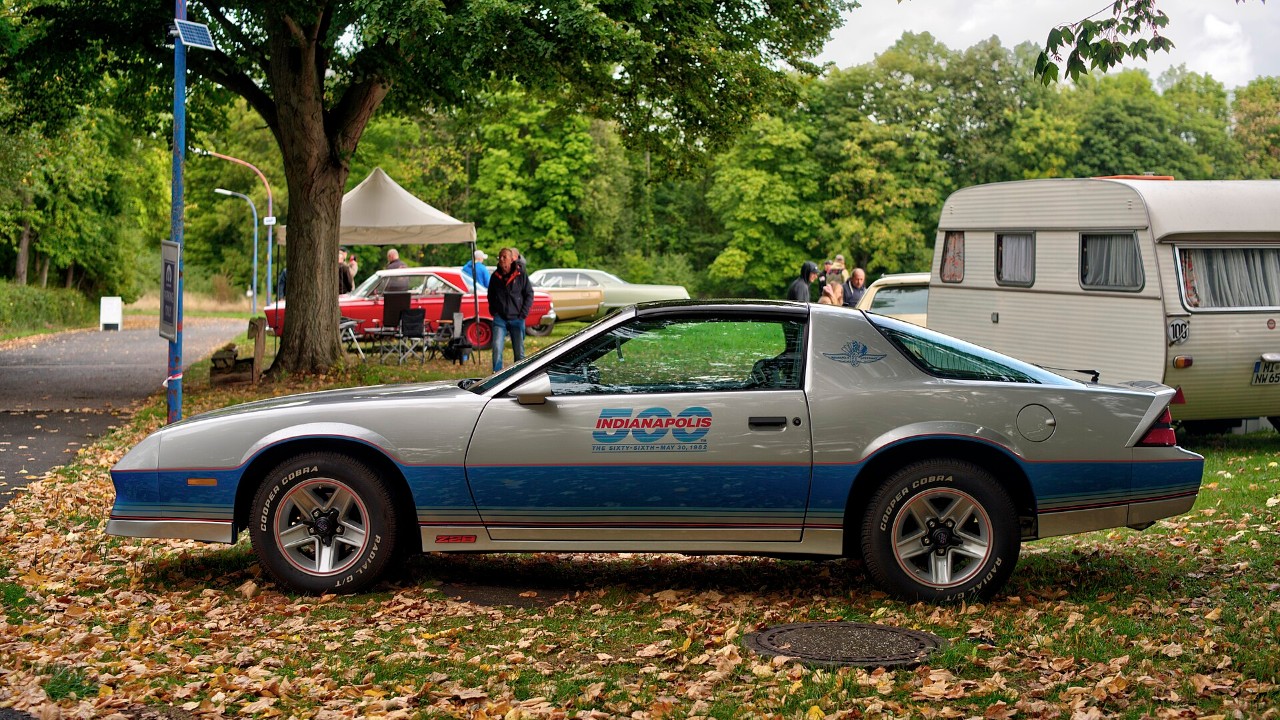
The Camaro remains one of America’s most recognizable performance cars. Its combination of sporty proportions, strong V8 options, and unmistakable styling gave Chevrolet a lasting rival to the Mustang. Different generations changed dramatically, but the basic formula remained appealing. Even older examples still look purposeful rather than outdated, which helps explain why the Camaro continues to attract collectors and enthusiasts.
Ford Mustang
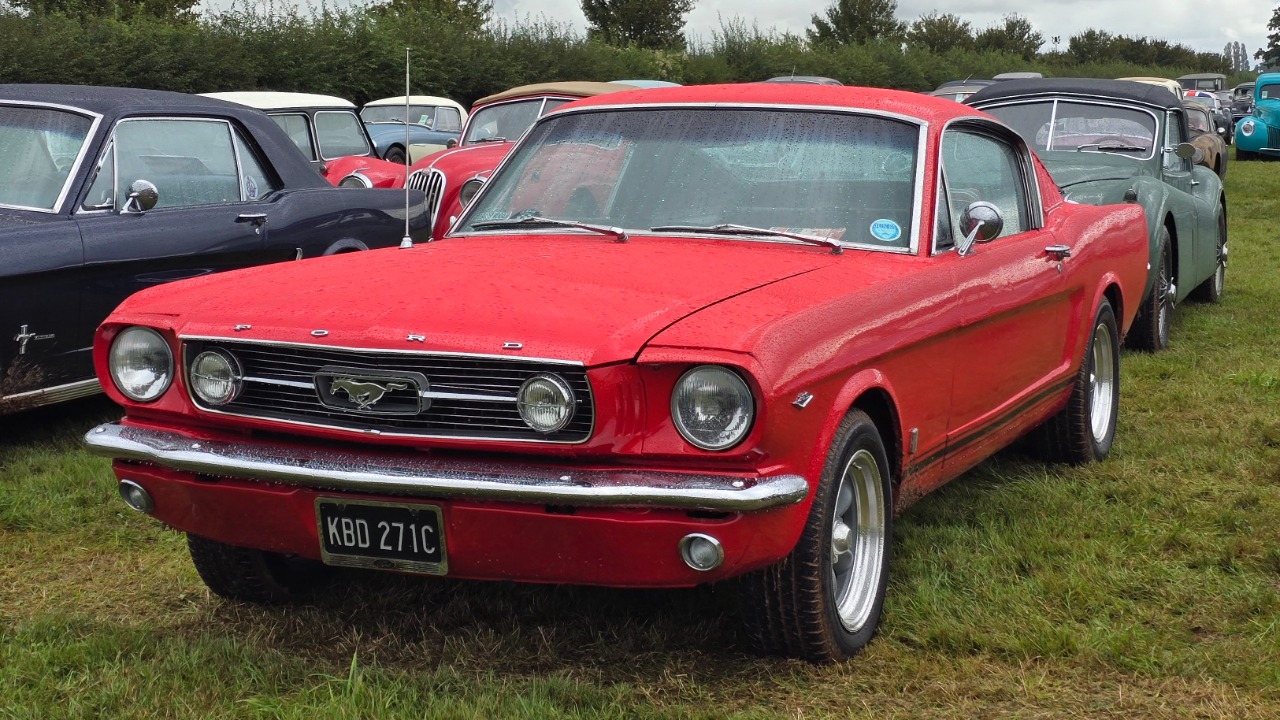
Few American cars have remained as relevant for as long as the Mustang. Its compact proportions, long hood, and sporty character created a formula that influenced an entire generation of performance cars. Early Mustangs remain especially popular because their styling is instantly recognizable. The car’s continued presence in modern showrooms also helps keep its classic predecessors firmly connected to today’s automotive world.
Chevrolet Corvette

The Corvette has evolved dramatically, but its core identity has remained remarkably consistent. It has always represented an American approach to sports-car performance, combining strong engines with distinctive styling and increasingly sophisticated engineering. Earlier generations remain highly desirable because they capture different stages of that evolution. Few American nameplates have maintained such a strong connection between classic and modern performance.
Ford Thunderbird

The Thunderbird successfully combined sporty styling with the comfort American buyers expected. Early two-seat versions became icons, while later generations grew larger and more luxurious. That transformation itself reflects how quickly American tastes changed during the 1950s and 1960s. Yet the Thunderbird never lost its identity as a stylish personal car, which keeps its classic versions relevant today.
Buick Riviera
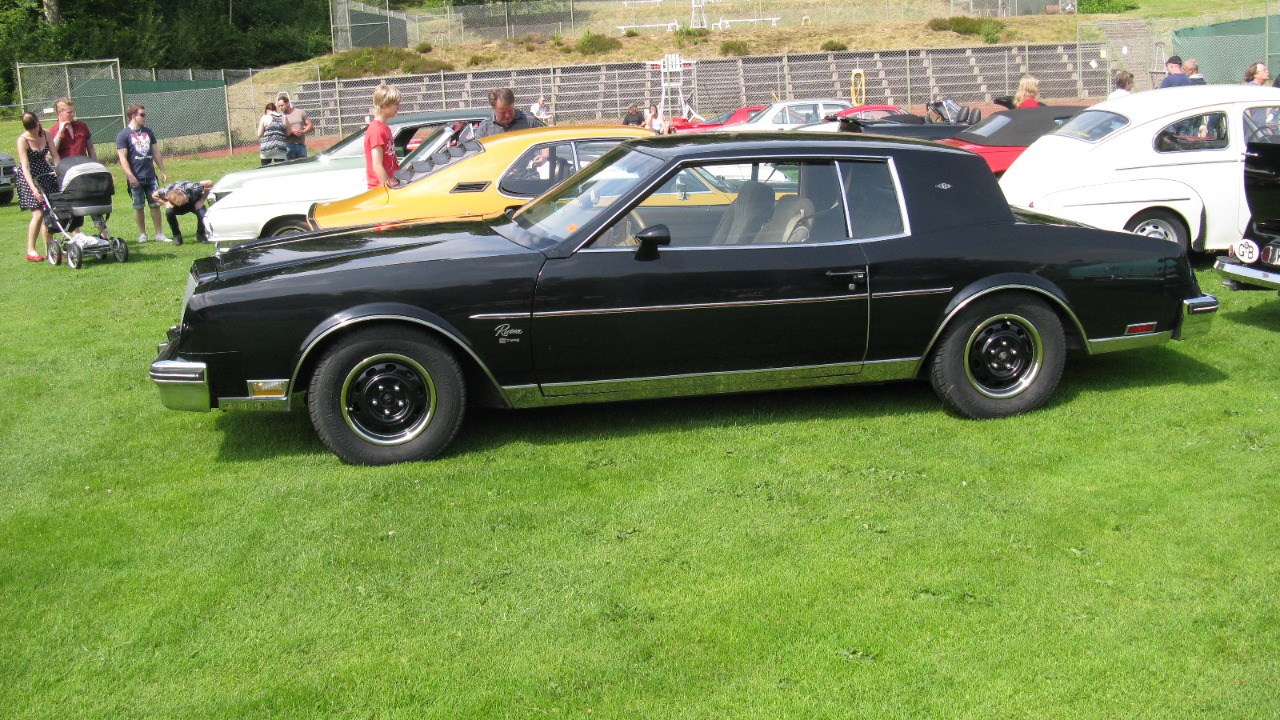
The Riviera showed that American luxury could be elegant without becoming overly flashy. Its long hood, low roofline, and carefully proportioned body gave it a sophisticated appearance. Strong engines also ensured that the car was more than just a comfortable cruiser. The Riviera remains appealing because its design has aged gracefully and still looks appropriate at a classic-car gathering.
Pontiac Firebird
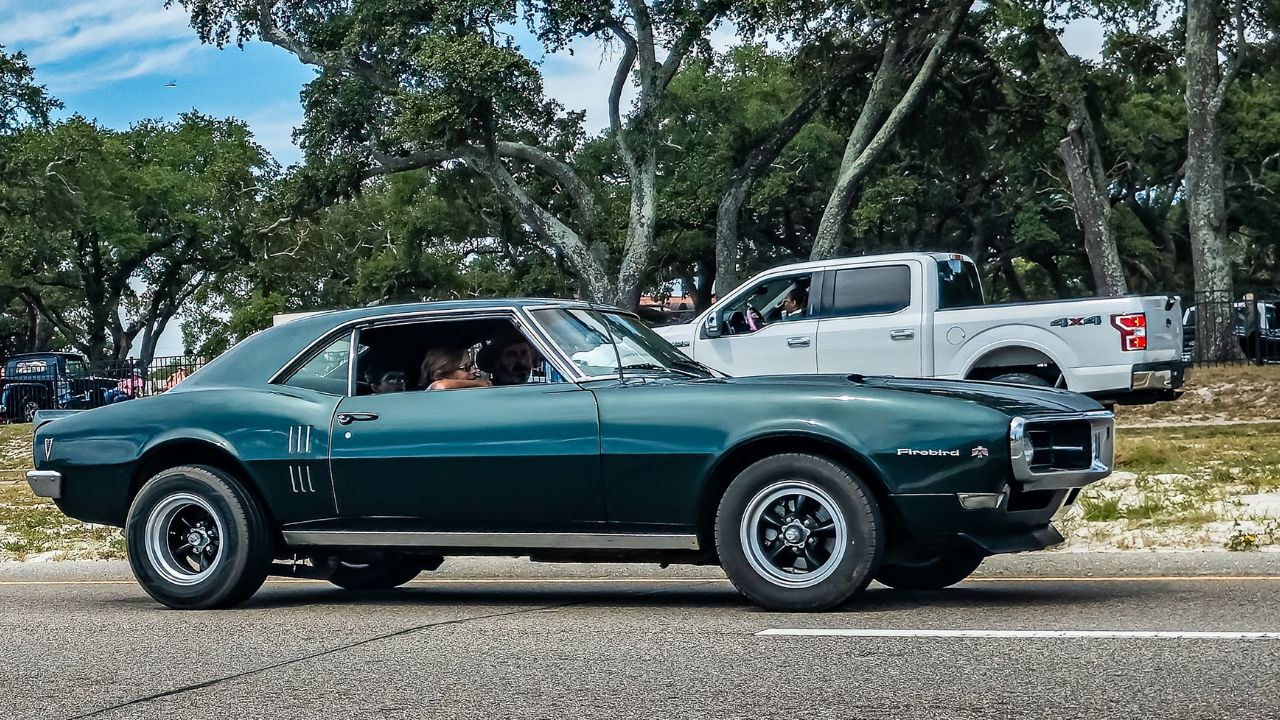
The Firebird became one of Pontiac’s defining performance cars, offering buyers a distinctive alternative to other American pony cars. Its styling changed considerably across generations, but the formula of sporty proportions and available V8 power remained. Trans Am versions became especially famous, yet even standard Firebirds have retained their appeal. The name continues to carry considerable weight among enthusiasts.
Chevrolet Impala

The Impala became one of America’s best-known full-size cars, appearing in countless driveways and family garages. Its long history includes elegant convertibles, powerful V8s, comfortable sedans, and some of the most recognizable styling of the 1960s. Certain generations have become collector favorites because they perfectly capture their era. The Impala remains a symbol of traditional American automotive design.
Ford Galaxie
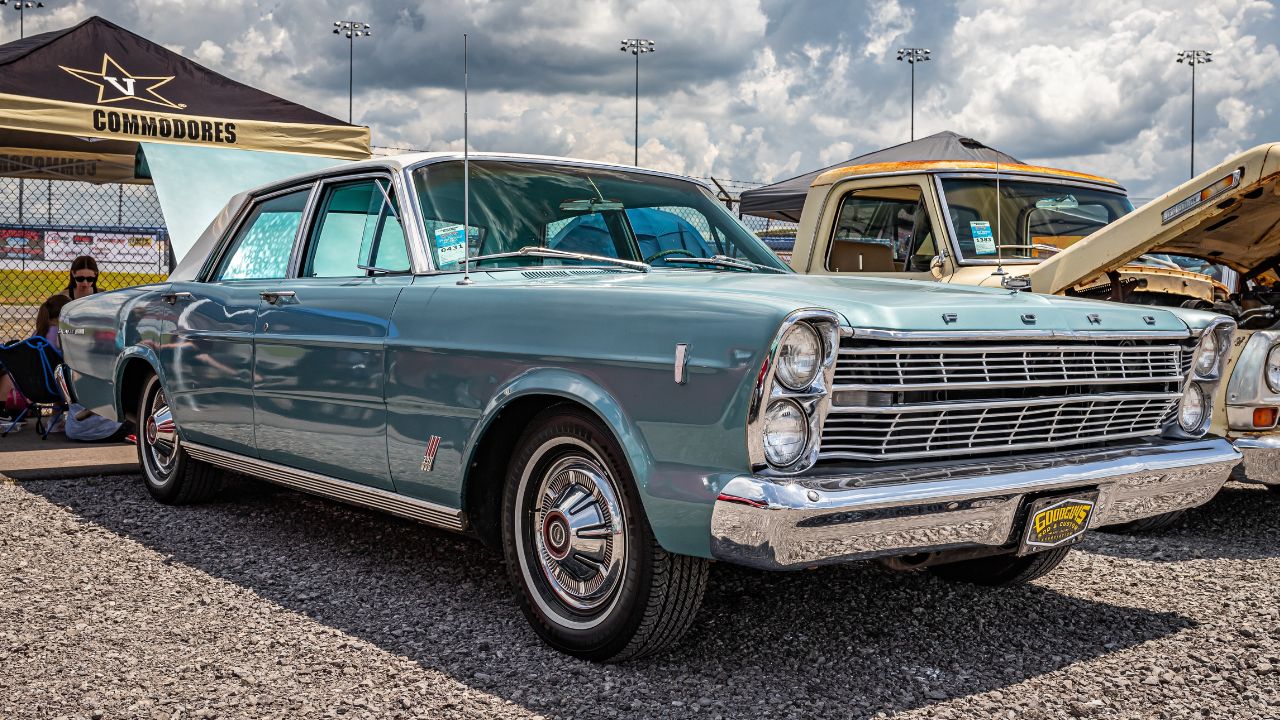
The Galaxie represented the full-size Ford at a time when American cars were growing larger and more ambitious. Its broad body, substantial engines, and spacious cabin made it an ideal highway cruiser. Performance versions also gave the model a more exciting side. Today, the Galaxie’s clean proportions and period styling make it instantly recognizable as a product of classic Detroit.
Pontiac Grand Prix
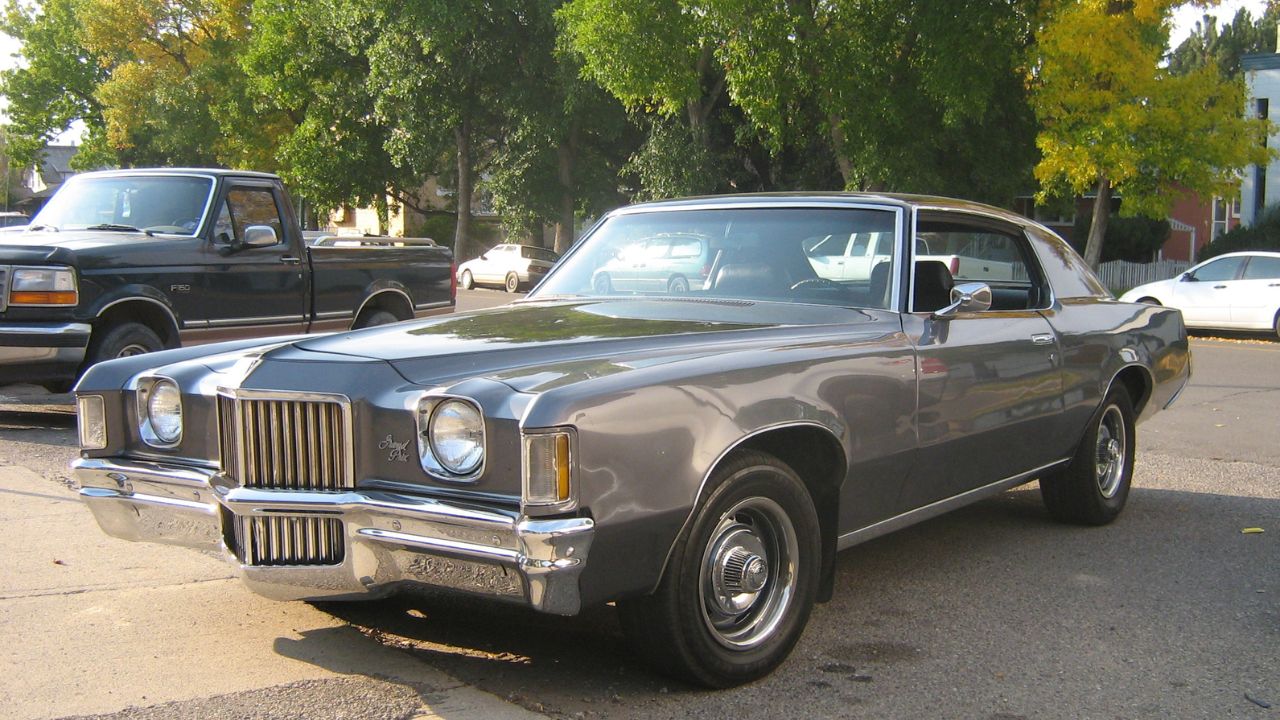
The Grand Prix helped establish Pontiac as a brand that could combine personal luxury with performance. Its sporty rooflines, comfortable interiors, and available V8 engines attracted buyers who wanted more character than a conventional full-size sedan. Over the years, the name appeared on several different types of cars, but the classic versions remain especially appealing because of their distinctive styling and strong presence.
Oldsmobile Cutlass
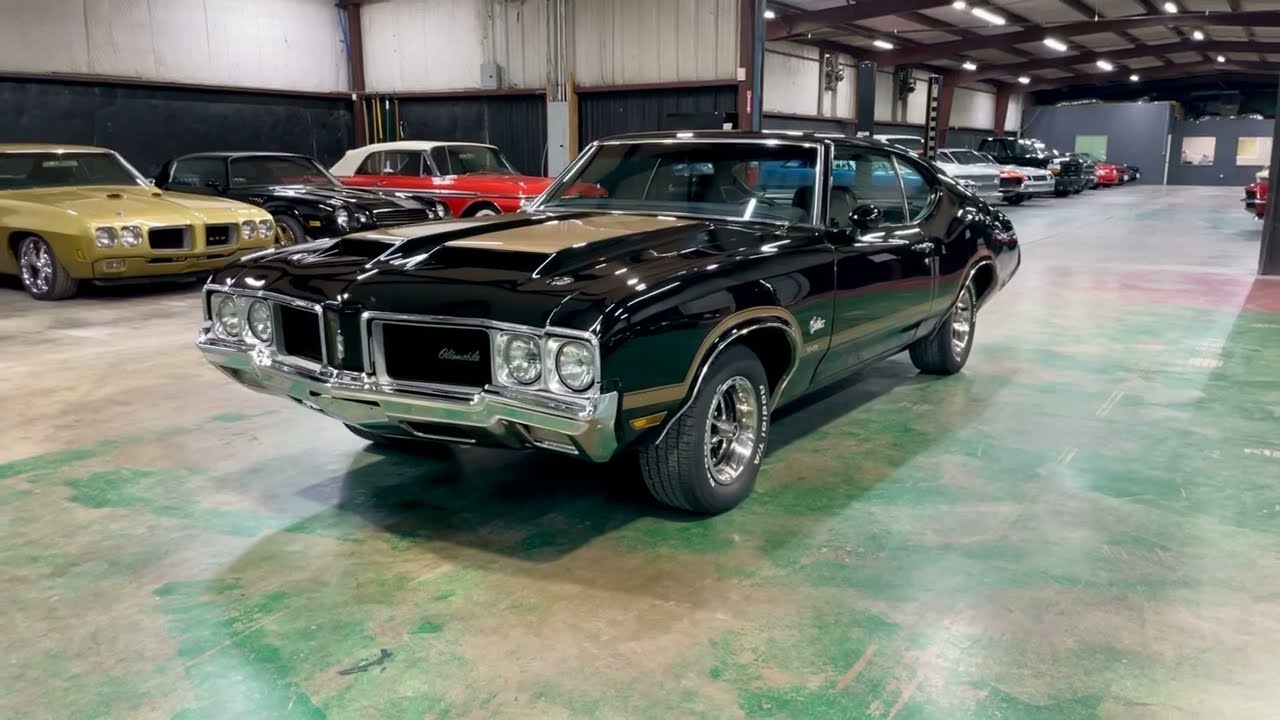
The Cutlass became one of Oldsmobile’s most successful nameplates and remained popular for decades. Its various versions could be comfortable family cars, stylish personal coupes, or surprisingly powerful performance machines. That versatility helped the name survive changing automotive trends. Classic Cutlasses remain easy to recognize and relatively approachable for enthusiasts who want an authentic piece of American automotive history.
Dodge Charger

The Charger became one of the defining names of the American performance era. Its fastback styling, broad stance, and powerful engine options created an image that has survived for decades. Different generations took the name in different directions, but classic Chargers remain among the most recognizable American cars ever produced. Their combination of aggressive design and performance keeps them firmly relevant.
Plymouth Barracuda
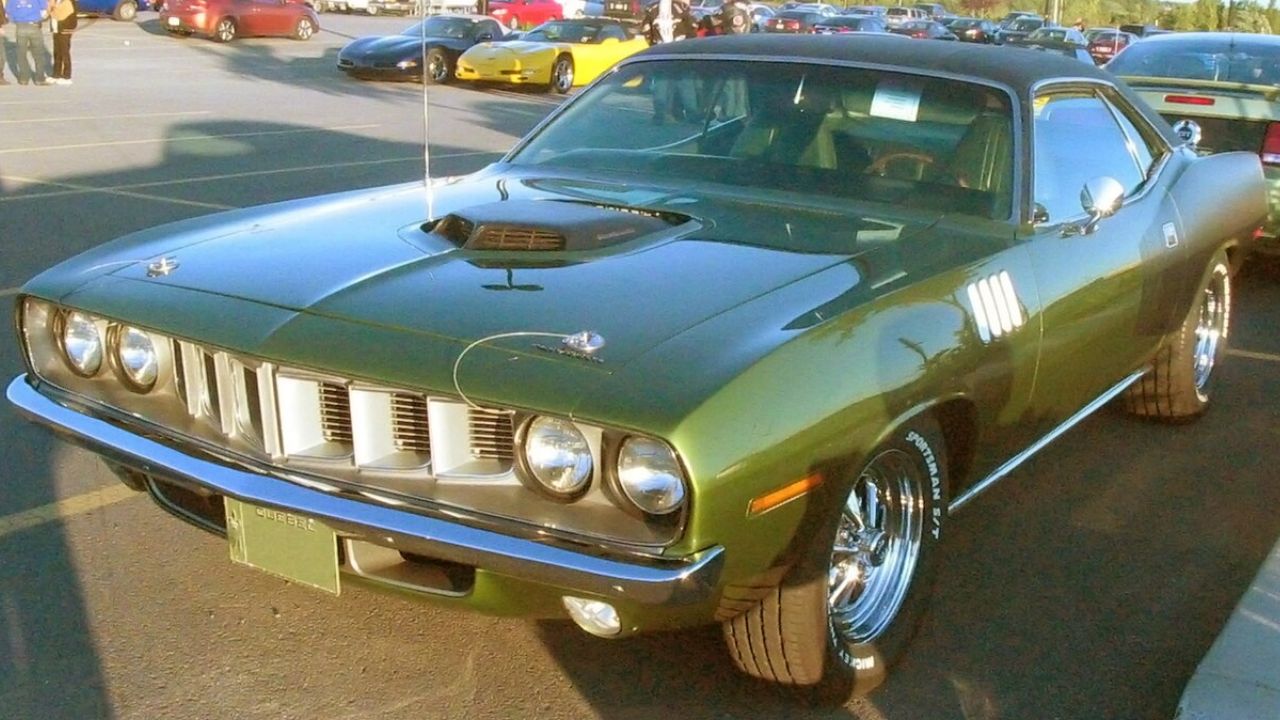
The Barracuda arrived before the classic muscle-car era fully developed and helped establish Plymouth as a serious player in the performance market. Early cars had a distinctive fastback design, while later versions became much more aggressive. The Barracuda’s relatively compact dimensions also gave it a different character from larger muscle cars. Its styling remains unmistakable more than half a century later.
Mercury Cougar
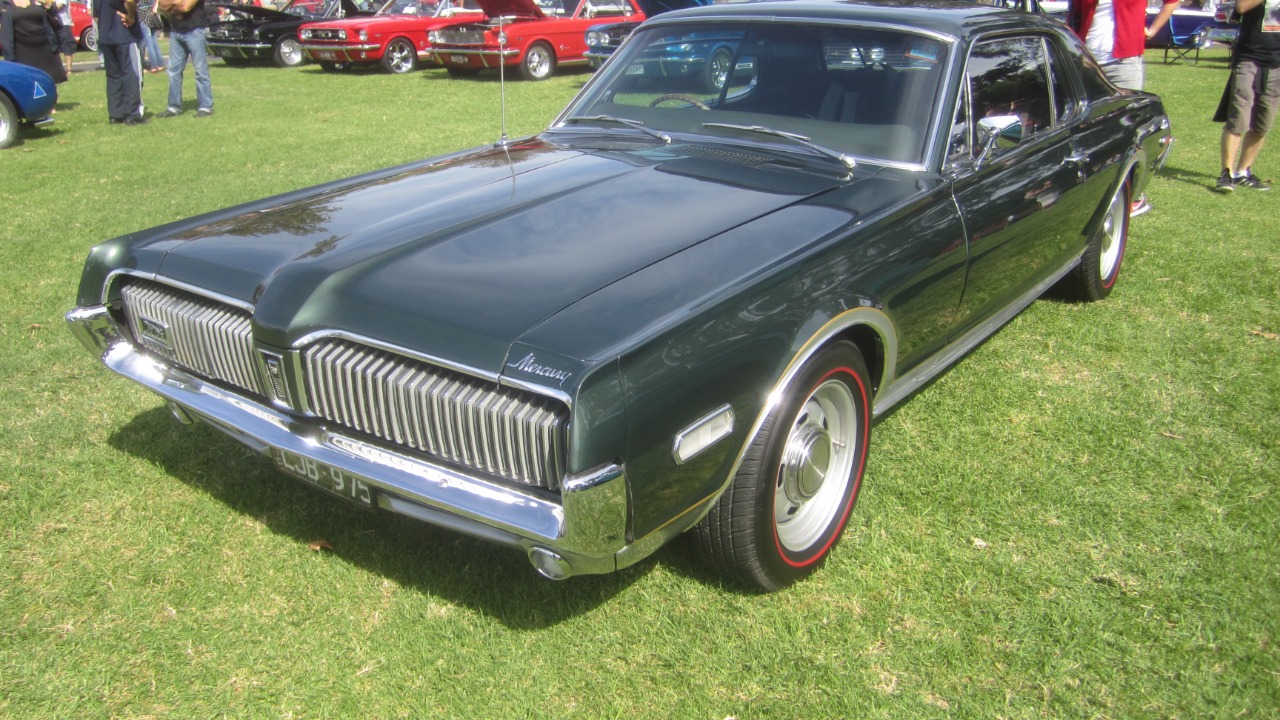
The Cougar gave Mercury a sporty personal coupe with a more refined personality than some of its rivals. Its hidden headlights, long hood, and elegant grille helped distinguish it from the Mustang while sharing some underlying mechanical ideas. The Cougar later evolved considerably, but early versions remain especially desirable. Its distinctive styling has helped prevent it from becoming just another forgotten Ford-based coupe.
Buick GS
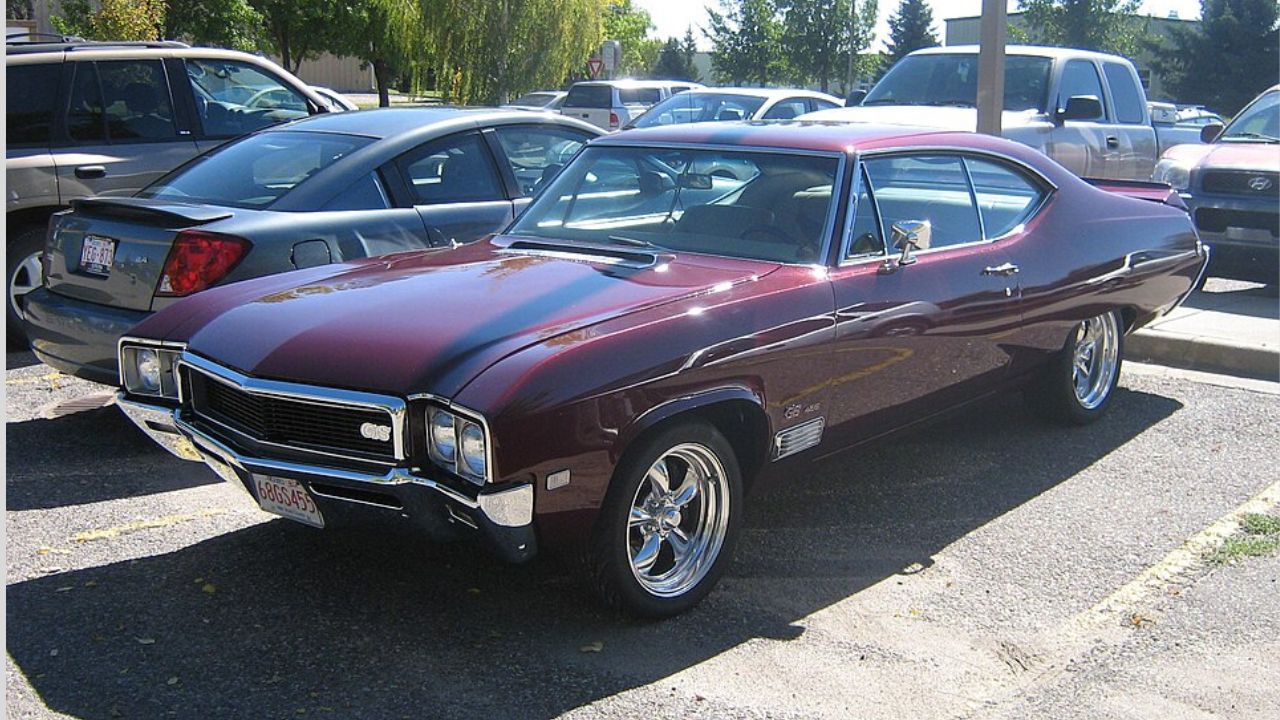
The Buick GS demonstrated that a luxury-oriented brand could produce a serious muscle car. Big V8 engines gave it the performance to challenge more obvious performance machines, while the comfortable cabin retained Buick’s upscale character. That combination made the GS particularly interesting. It remains a favorite among enthusiasts who want muscle-car performance without choosing the most predictable badge.
Oldsmobile 442
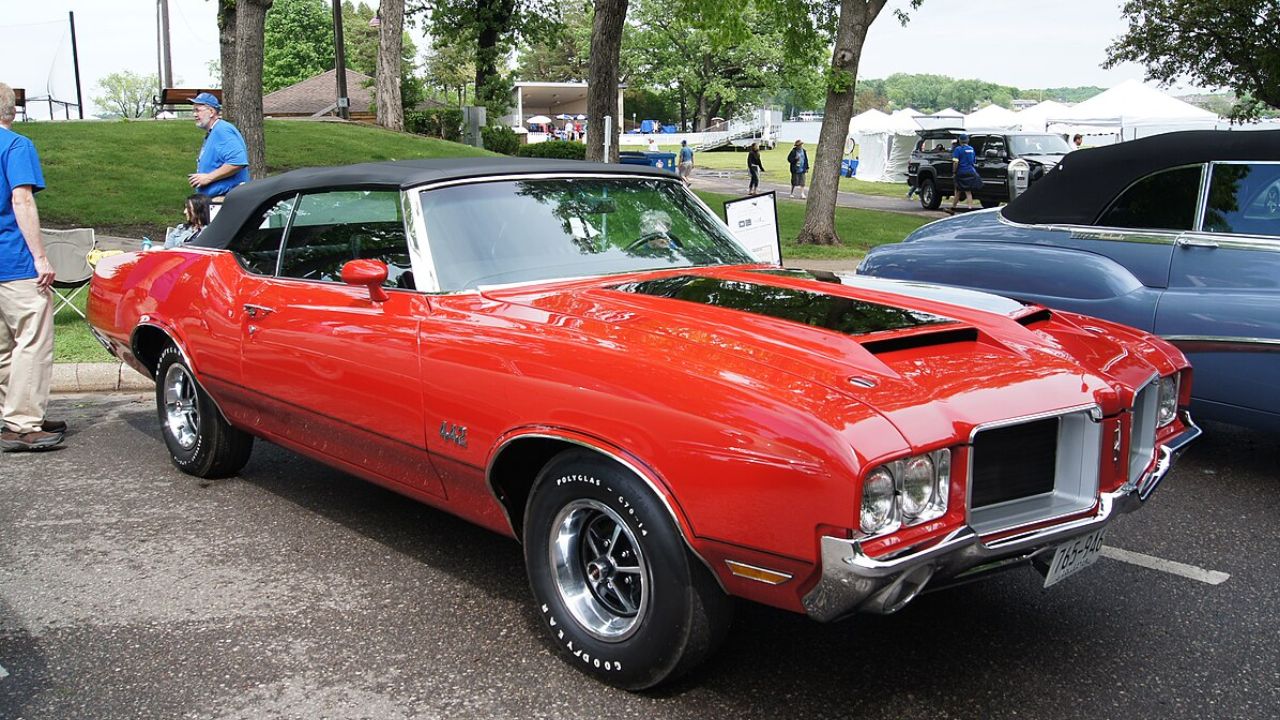
The 442 became Oldsmobile’s answer to America’s growing appetite for serious performance. It combined strong V8 power with a more understated appearance than some rivals, creating a car that could surprise unsuspecting drivers. Its reputation grew throughout the muscle-car era. Today, the 442 remains an important reminder that Oldsmobile could build cars capable of competing with Detroit’s most famous performance machines.
Plymouth GTX
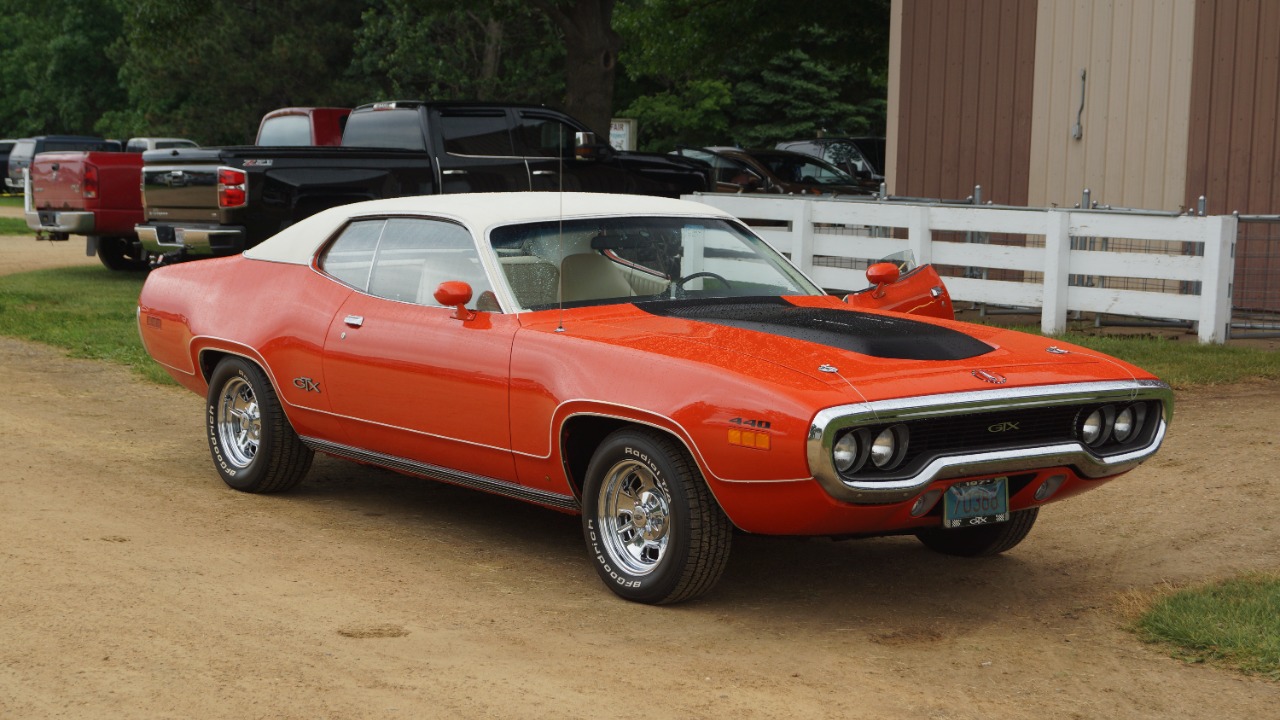
The GTX brought a more upscale approach to Plymouth’s performance lineup. It paired large-displacement V8 power with distinctive styling and a comfortable interior, giving buyers a muscle car that could also function as a capable highway cruiser. Its combination of power and refinement helped distinguish it from more basic performance models. The GTX remains highly recognizable among classic American muscle cars.
Chevrolet Monte Carlo
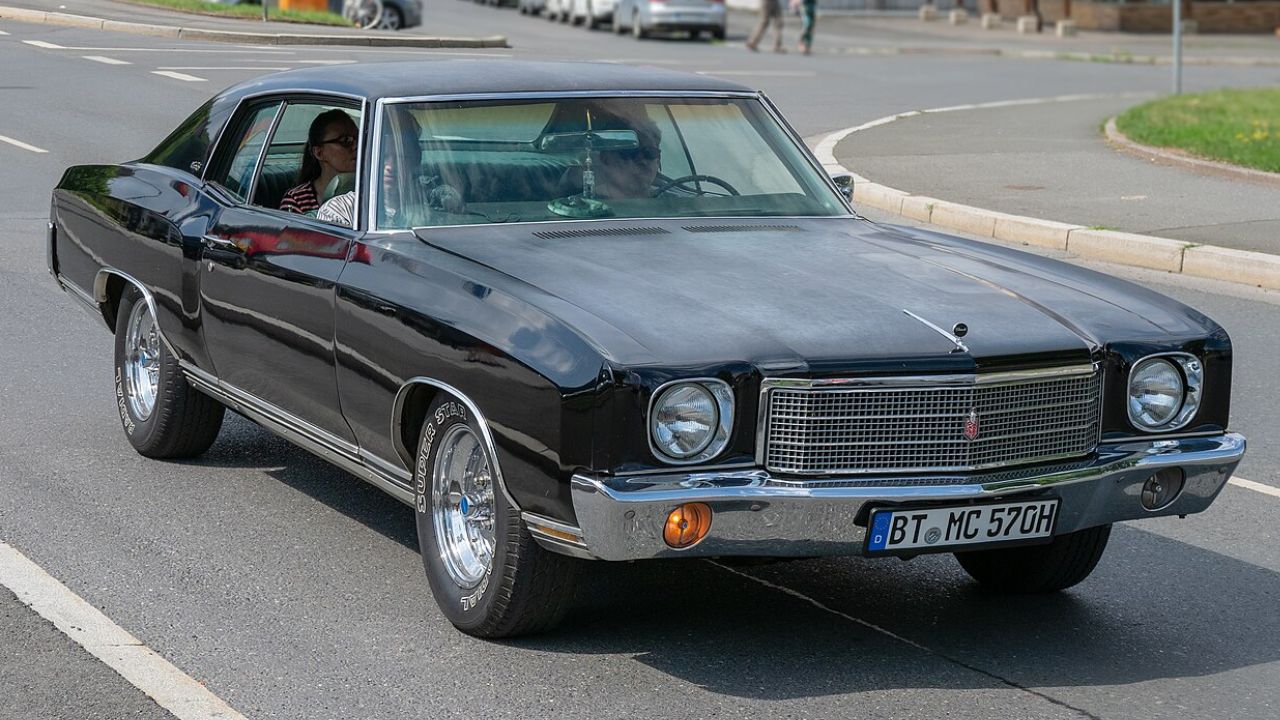
The Monte Carlo represented the personal-luxury side of Chevrolet and became a major part of American automotive culture. Its long hood, formal roofline, and spacious interior made it appealing to buyers who wanted something more stylish than a standard sedan. Performance-oriented versions added another dimension. Classic Monte Carlos still capture the look and feel of a period when personal coupes dominated American roads.
Ford Torino

The Torino evolved from a stylish midsize Ford into a genuine performance contender. Its various body styles allowed buyers to choose between practical transportation and powerful V8-powered versions. The car became particularly famous through performance variants and motorsport connections. Its strong proportions and broad range of configurations make the Torino an excellent example of how versatile American cars could be during the muscle era.
AMC AMX

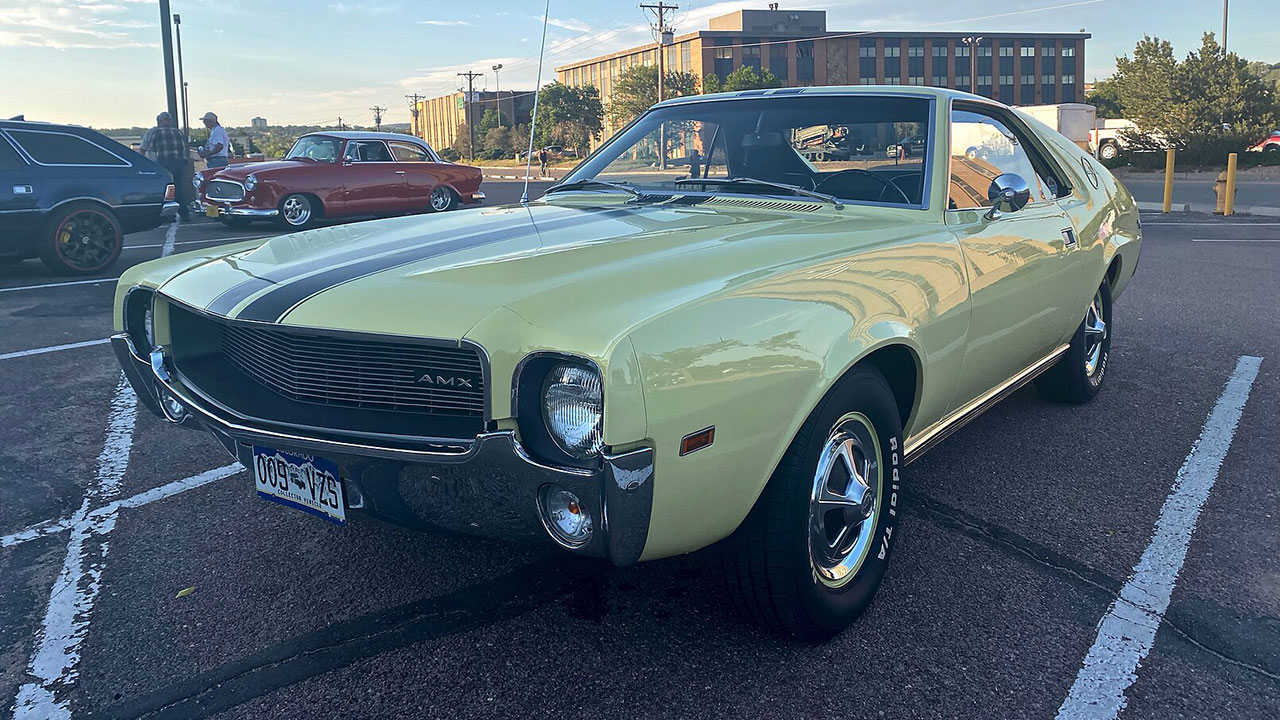
The AMX gave American Motors a compact two-seat performance car at a time when the major manufacturers dominated the segment. Its short wheelbase, long hood, and available V8 power gave it an unmistakable personality. The AMX was never as common as its Chevrolet, Ford, or Dodge rivals, but that scarcity has helped preserve its appeal. It remains one of the most interesting American performance cars of its era.
Lincoln Continental
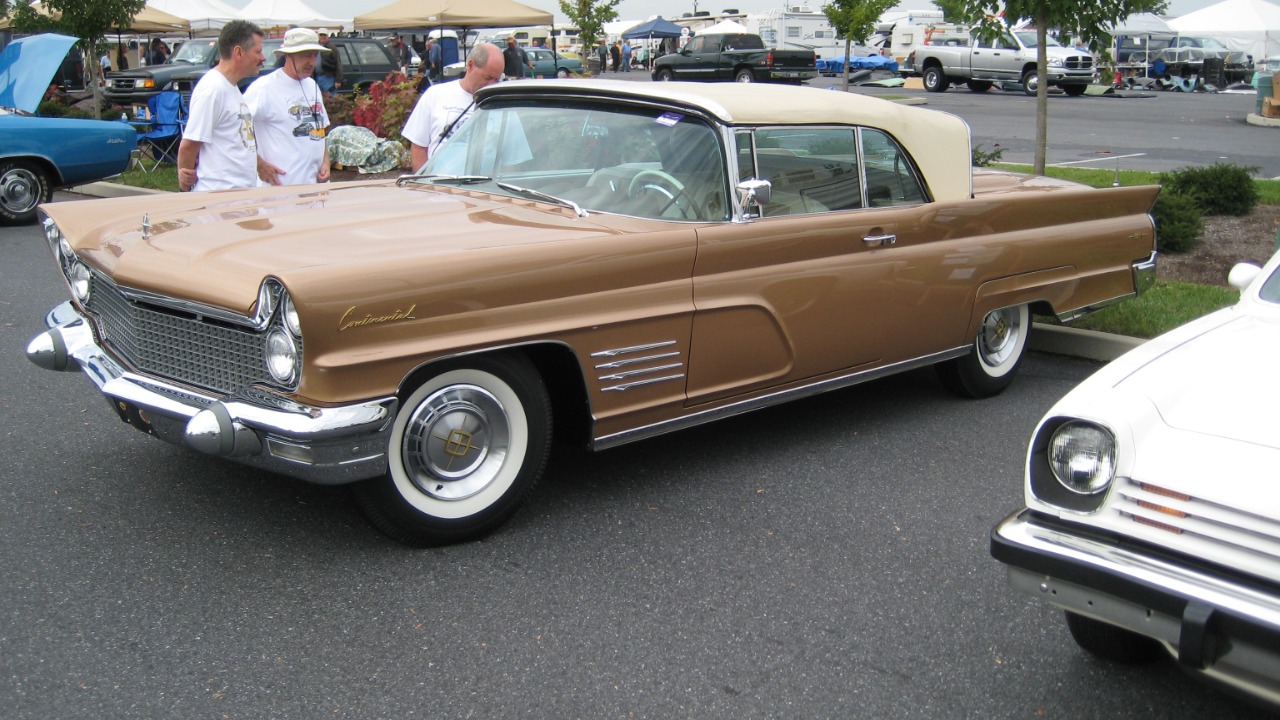
The Continental represents the luxury side of American automotive history and remains recognizable even to people who are not classic-car enthusiasts. Its clean bodywork, spacious cabin, and distinctive rear-hinged rear doors created an unmistakable appearance. The Continental was designed around effortless comfort rather than outright performance, but its presence and elegance have allowed it to remain relevant long after many luxury sedans disappeared.
More from Fast Lane Only
- Unboxing the WWII Jeep in a Crate
- 15 rare Chevys collectors are quietly buying
- 10 underrated V8s still worth hunting down
- Police notice this before you even roll window down
*Research for this article included AI assistance, with all final content reviewed by human editors.