Some vintage cars took decades to become appreciated, while others seemed to capture enthusiasts’ attention almost immediately. Their styling, engineering, performance, or cultural impact gave them a special reputation that grew quickly. These classics stood out when new and became even more memorable as collectors began recognizing what made them different.
Chevrolet Corvette
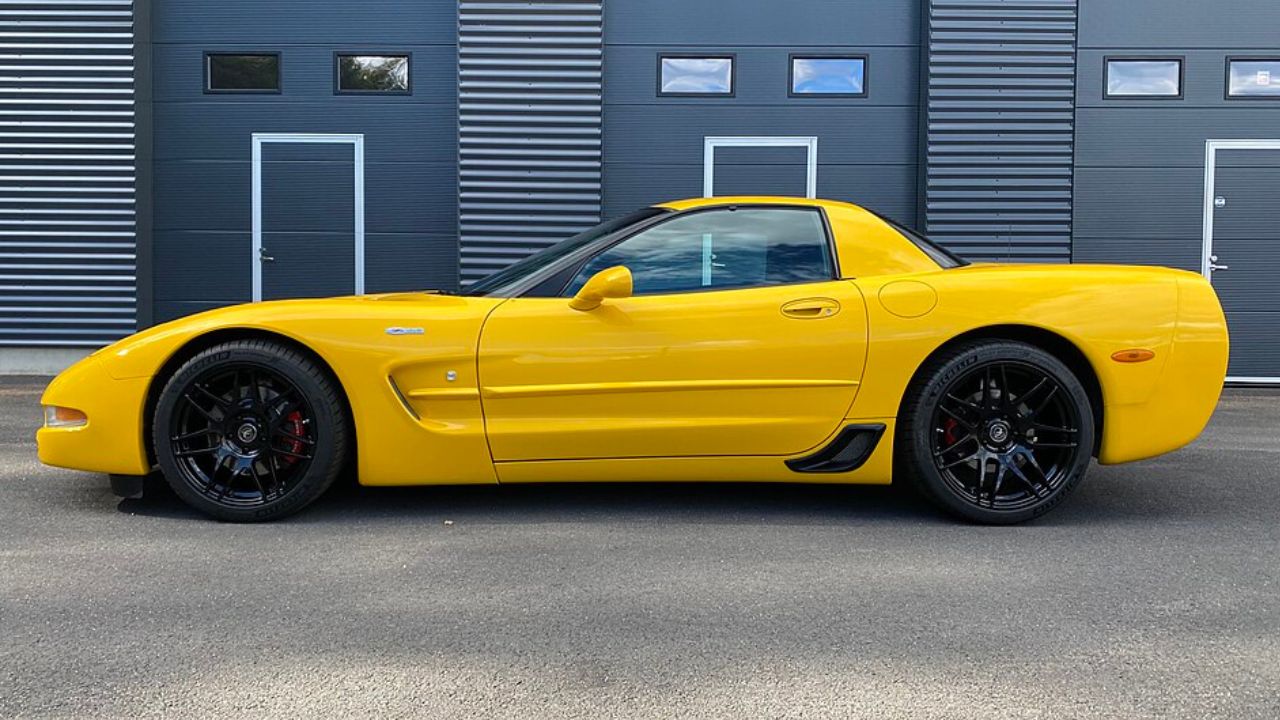
The Chevrolet Corvette quickly established itself as America’s answer to European sports cars. Its fiberglass body, low-slung proportions, and two-seat layout gave it an identity unlike most domestic cars. Early Corvettes were not perfect, but Chevrolet kept improving the formula until the car became a genuine performance icon. The Corvette’s combination of recognizable styling, strong engines, and relatively accessible ownership helped it move from an ambitious experiment to one of the most famous American sports cars.
Ford Mustang
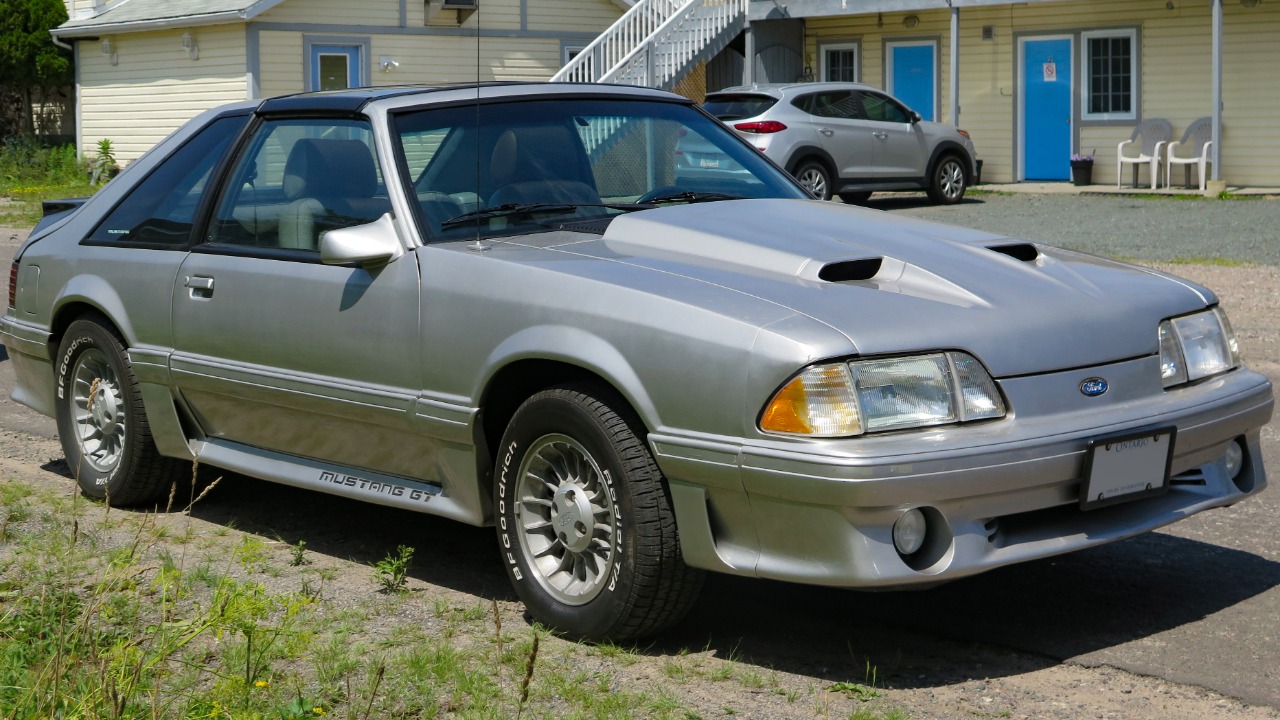
The Ford Mustang changed the American performance-car market almost immediately. Its compact dimensions, sporty styling, and broad range of options allowed buyers to create everything from an affordable cruiser to a serious muscle car. Huge demand helped establish the Mustang as a cultural phenomenon rather than simply another new model. Its long production history also gave it an enormous enthusiast following. Few cars have managed to remain this recognizable across so many generations.
Volkswagen Beetle
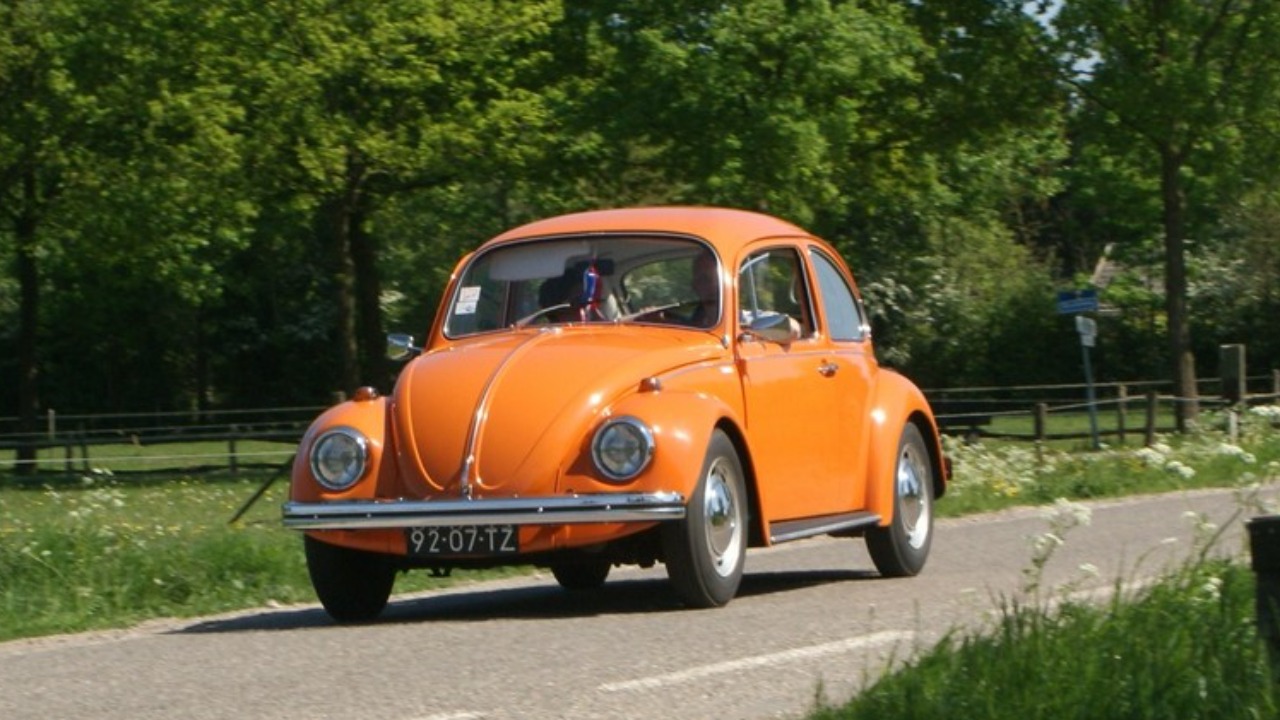
The Volkswagen Beetle became an icon through a combination of unusual styling, simplicity, and practicality. Its rounded body looked unlike conventional American cars, while the rear-mounted engine and compact dimensions gave it a distinct mechanical personality. Millions were sold around the world, turning the Beetle into one of the most recognizable cars ever built. Its association with the counterculture era later added another layer to its identity, helping transform an inexpensive people’s car into a beloved classic.
Porsche 911
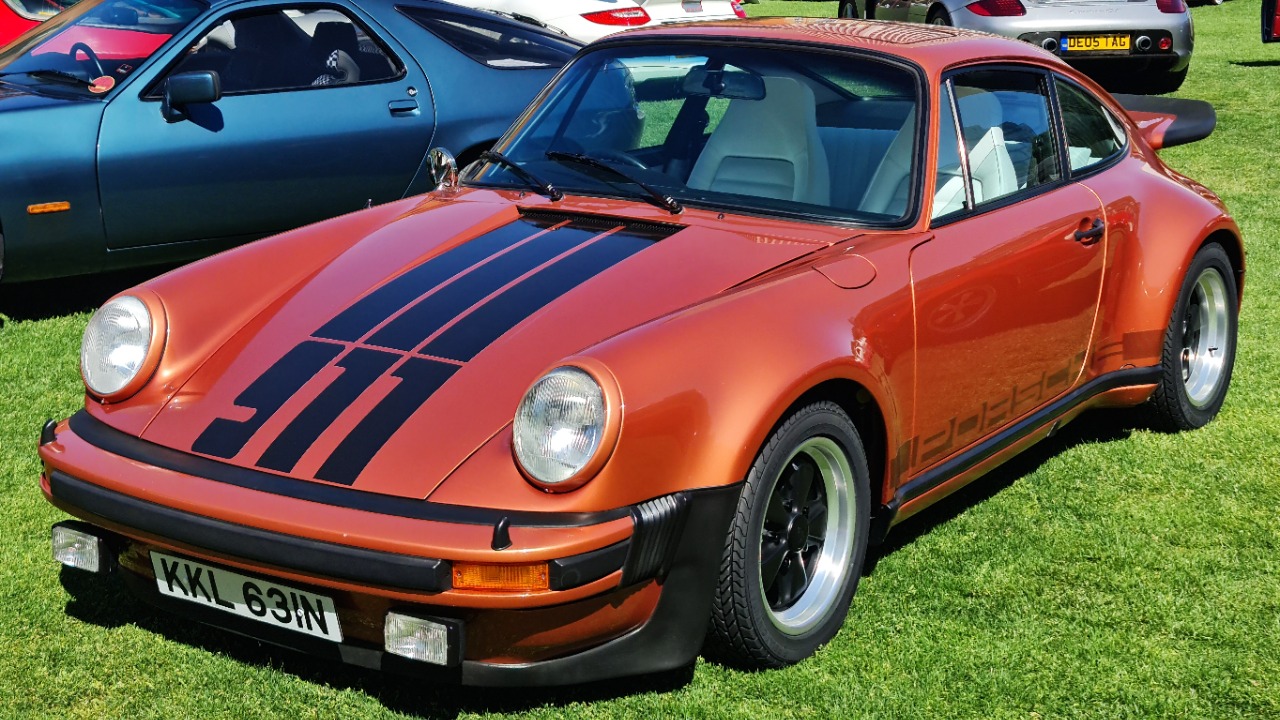
The Porsche 911 established its identity almost immediately with its distinctive shape and rear-mounted engine. Rather than constantly chasing mainstream trends, Porsche refined the same basic formula over generations. That consistency helped the 911 become one of the world’s most recognizable sports cars. Early examples already had the ingredients enthusiasts still associate with the name today: compact dimensions, excellent handling, strong performance, and a design that remained unmistakably Porsche.
Jaguar E-Type
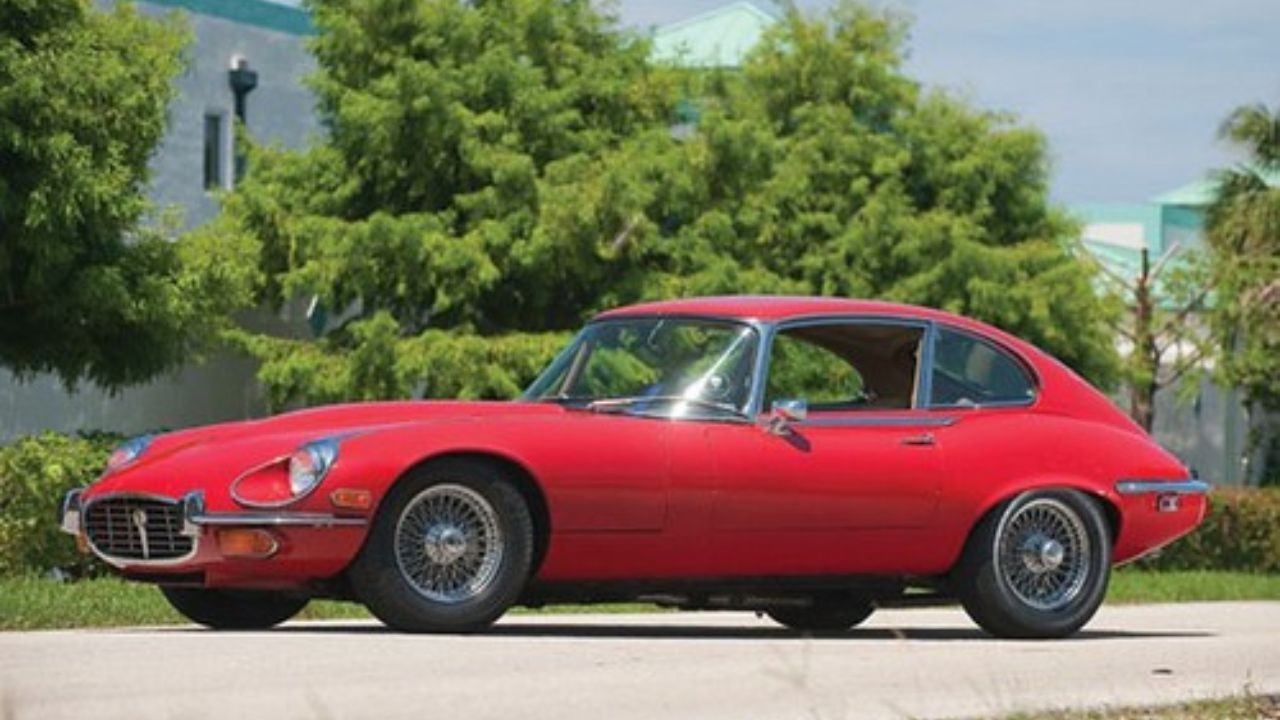
The Jaguar E-Type attracted enormous attention when it arrived because it looked like an exotic sports car without requiring exotic-car money. Its long hood, low nose, and flowing bodywork made it instantly memorable, while its performance gave the styling genuine substance. The E-Type quickly became associated with sophistication and speed, helping establish its place in automotive history. Even decades later, its shape remains one of the easiest classic-car designs to recognize.
Mini Cooper
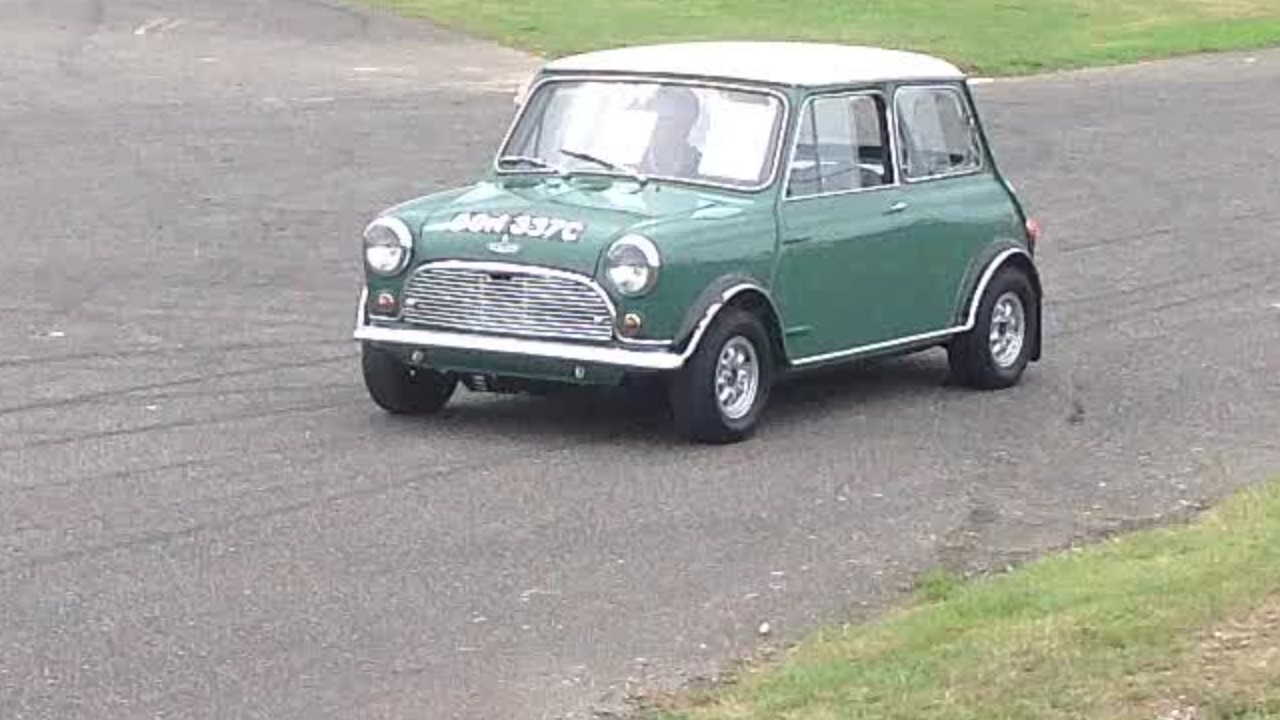
The Mini Cooper transformed the humble Mini into something much more exciting. A small body, front-wheel drive, and clever packaging already made the standard Mini interesting, but the Cooper’s sporting character turned it into a genuine sensation. Its success in competition gave the little car additional credibility and helped create a performance image far beyond its size. The combination of cheeky styling and surprisingly capable handling allowed the Mini Cooper to become an icon remarkably quickly.
Ford Thunderbird
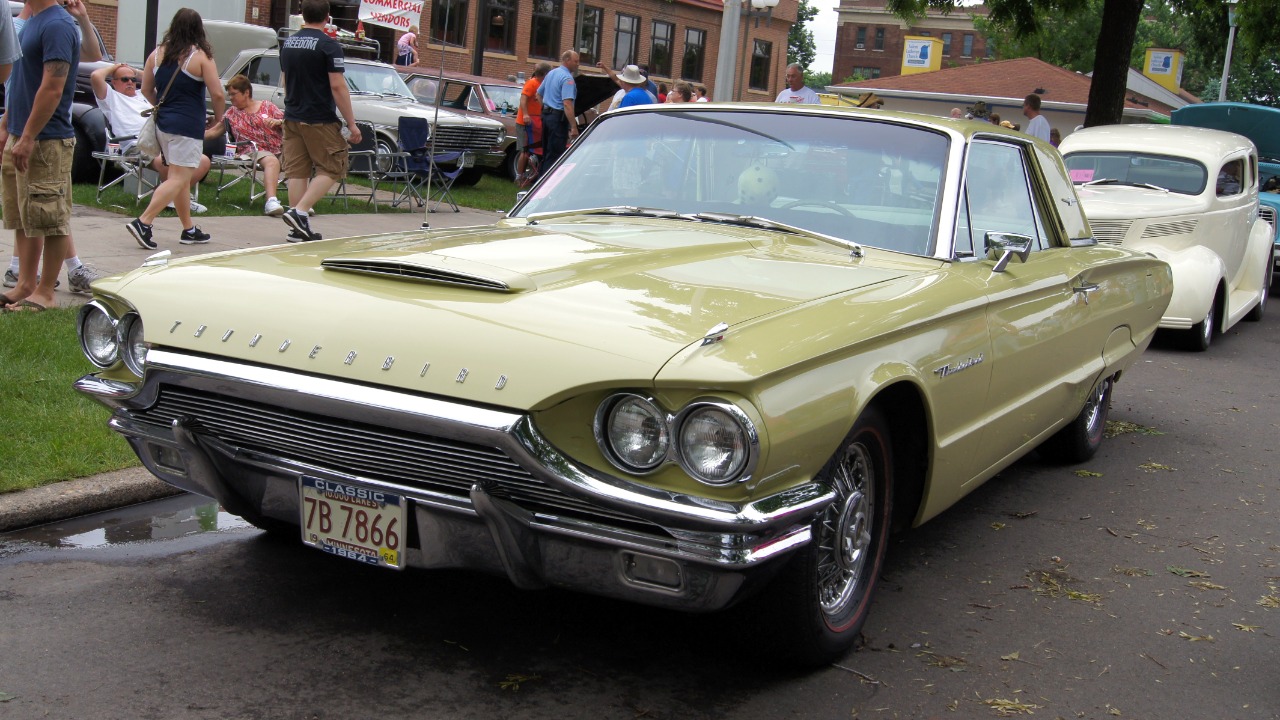
The Ford Thunderbird arrived as a stylish two-seat American cruiser with a strong dose of performance. Its combination of sleek proportions, V8 power, and comfortable features gave it a unique position between a sports car and a luxury automobile. Buyers responded quickly, and the Thunderbird soon became a major part of American automotive culture. Later generations became larger and more luxurious, but the original concept remains particularly admired by collectors.
Chevrolet Bel Air
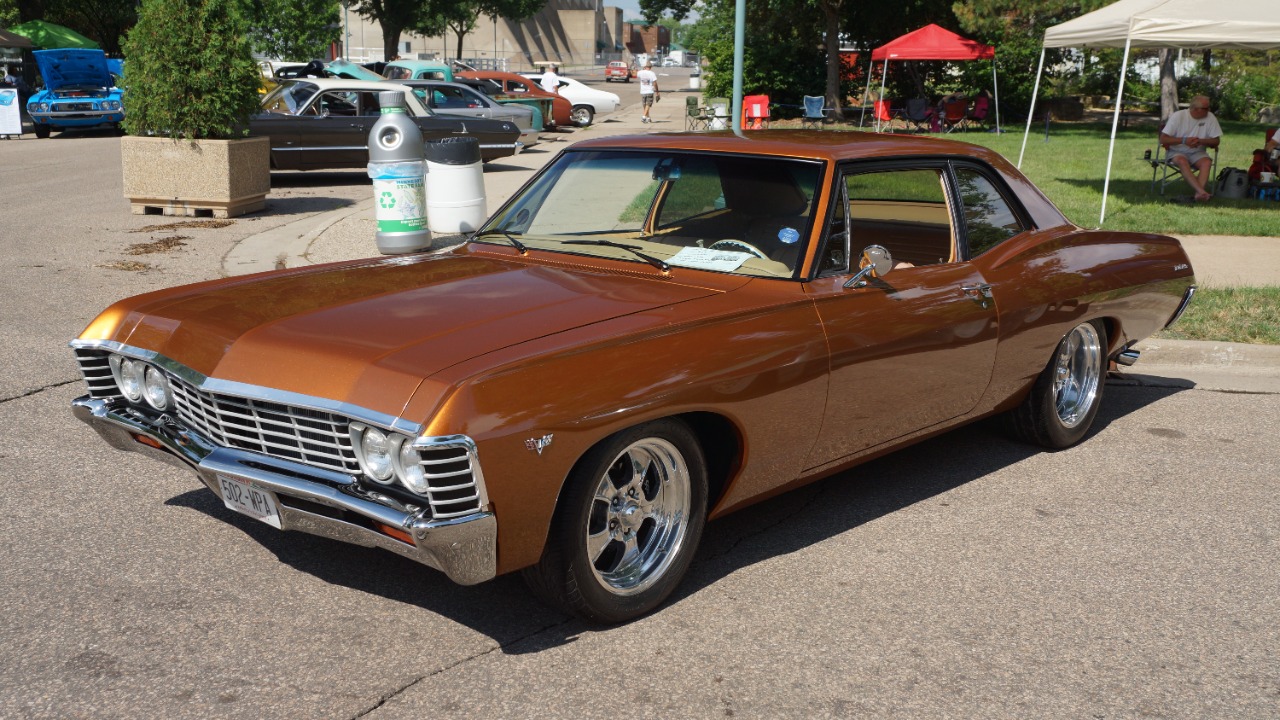
The Chevrolet Bel Air became one of the defining symbols of 1950s American motoring. Its sweeping bodywork, extensive chrome, and bold use of color perfectly captured the optimism of the period. The car was available in several configurations, but the hardtops and convertibles became especially memorable. As American car culture grew, the Bel Air became closely associated with drive-ins, cruising, and postwar prosperity. Its popularity has kept it firmly established as a classic.
Mercedes-Benz 300 SL
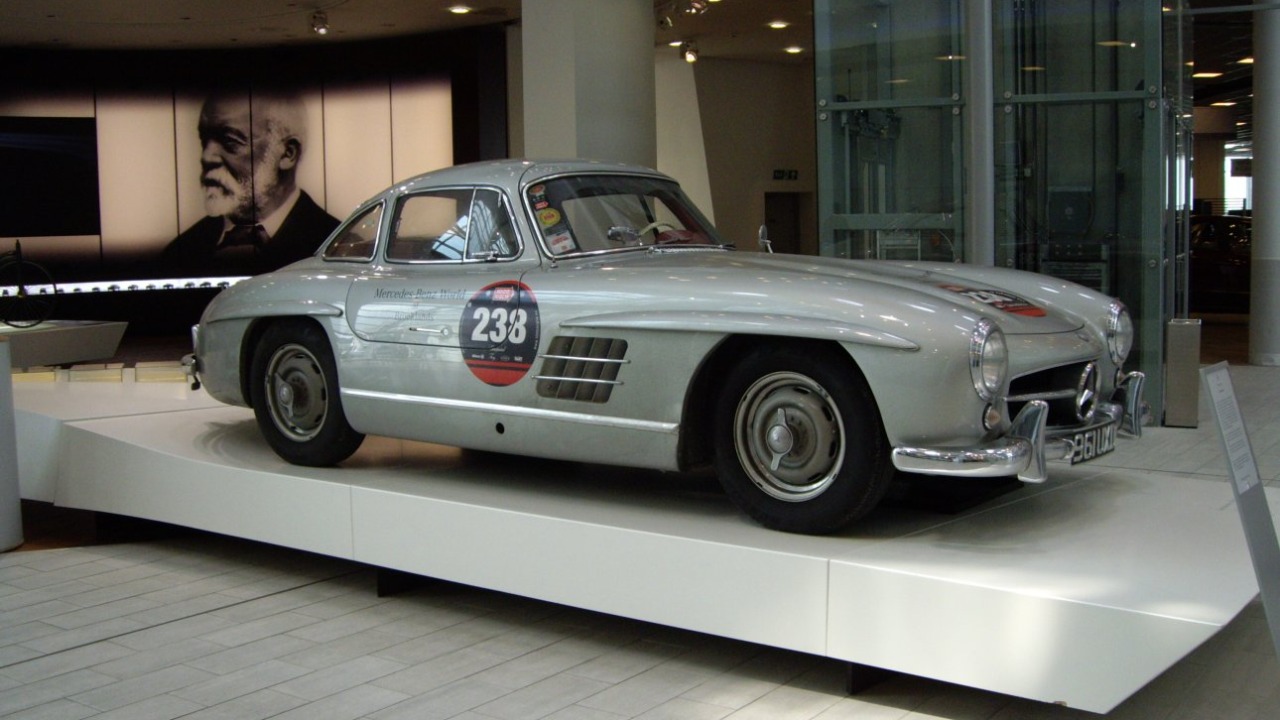
The Mercedes-Benz 300 SL looked like nothing else on the road when it appeared. Its famous gullwing doors immediately attracted attention, but the engineering underneath was just as significant. The lightweight construction, fuel-injected engine, and sophisticated chassis gave the car genuine high-performance credentials. It was expensive and exclusive when new, yet its influence extended far beyond its sales numbers. The 300 SL quickly became a symbol of advanced engineering and exotic European design.
BMW 507
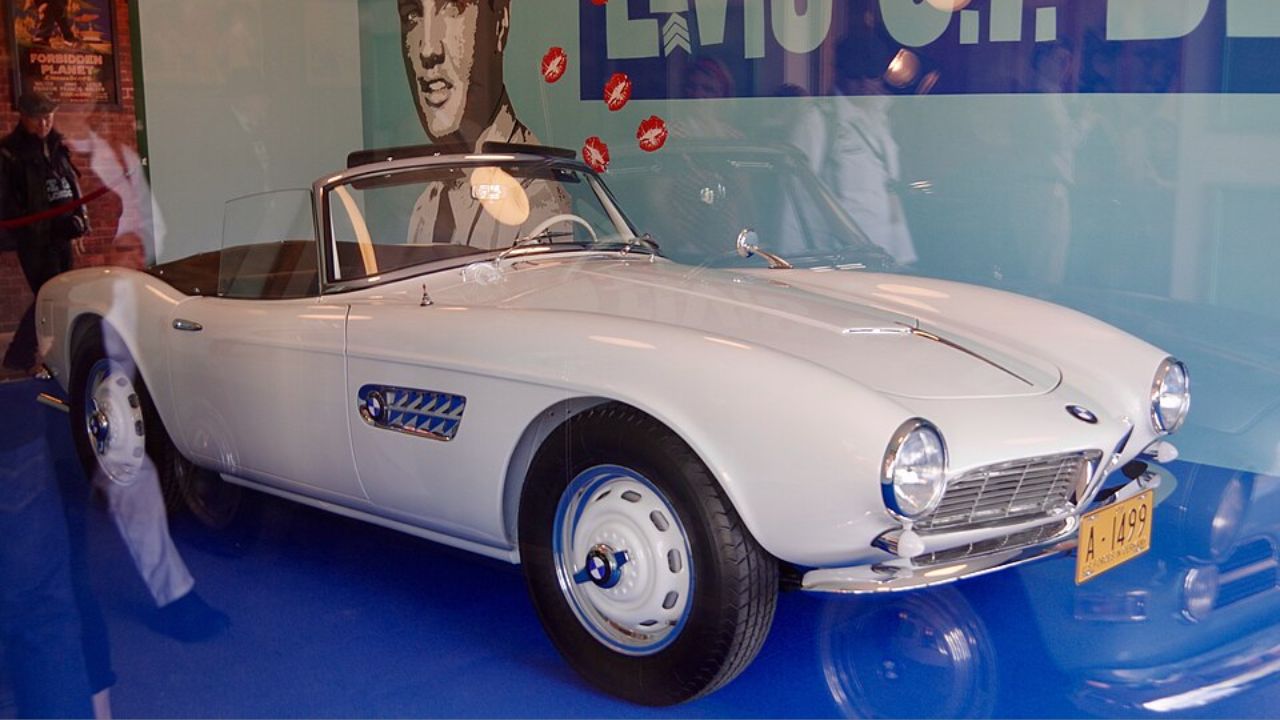
The BMW 507 was produced in limited numbers, but its elegant styling gave it an outsized reputation. Its long hood, low body, and clean proportions made it one of BMW’s most beautiful early sports cars. The car was never a mass-market success, yet that rarity eventually became part of its appeal. Collectors came to appreciate its design and exclusivity, turning the 507 into one of the most recognizable and valuable early BMWs.
Chevrolet Camaro
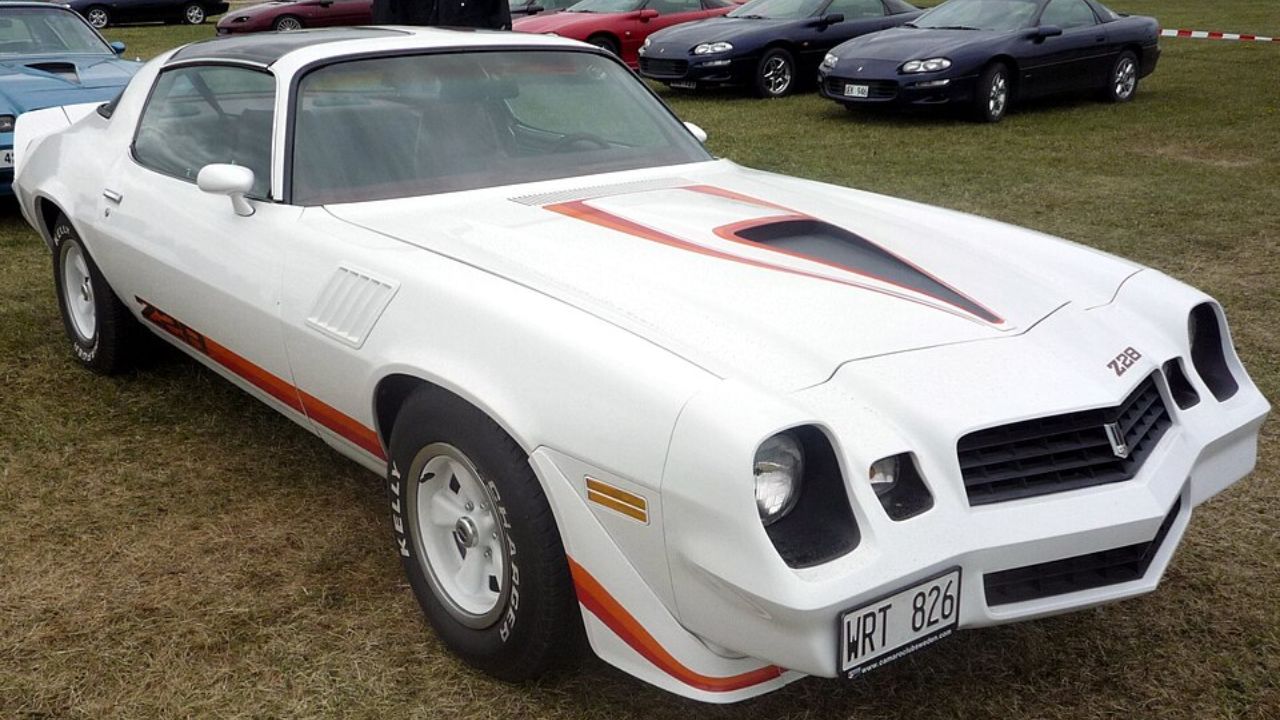
The Chevrolet Camaro entered a market already dominated by the Mustang, but it quickly established its own personality. Aggressive styling, rear-wheel drive, and a wide selection of engines gave buyers plenty of ways to configure the car. High-performance versions added to its reputation, while the Camaro’s appearance helped it stand apart from other pony cars. It became a fixture of American performance culture and has remained one of Chevrolet’s most recognizable names.
Dodge Charger
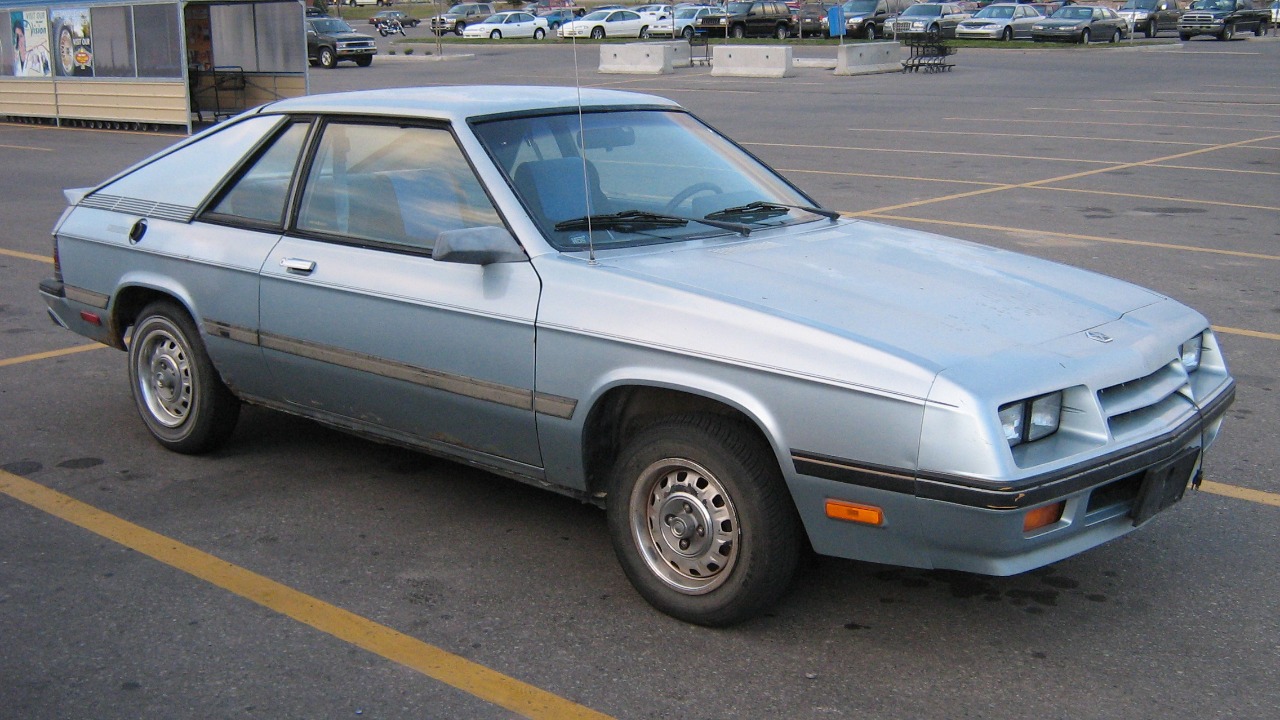
The Dodge Charger made an immediate impression with its fastback roofline and muscular proportions. It combined dramatic styling with a broad range of engines, including versions aimed directly at performance buyers. The Charger also benefited from its presence in popular culture, where its aggressive appearance made it an obvious choice for movies and television. That combination of street performance and visual drama helped turn the Charger into an icon that remains instantly recognizable.
Toyota 2000GT
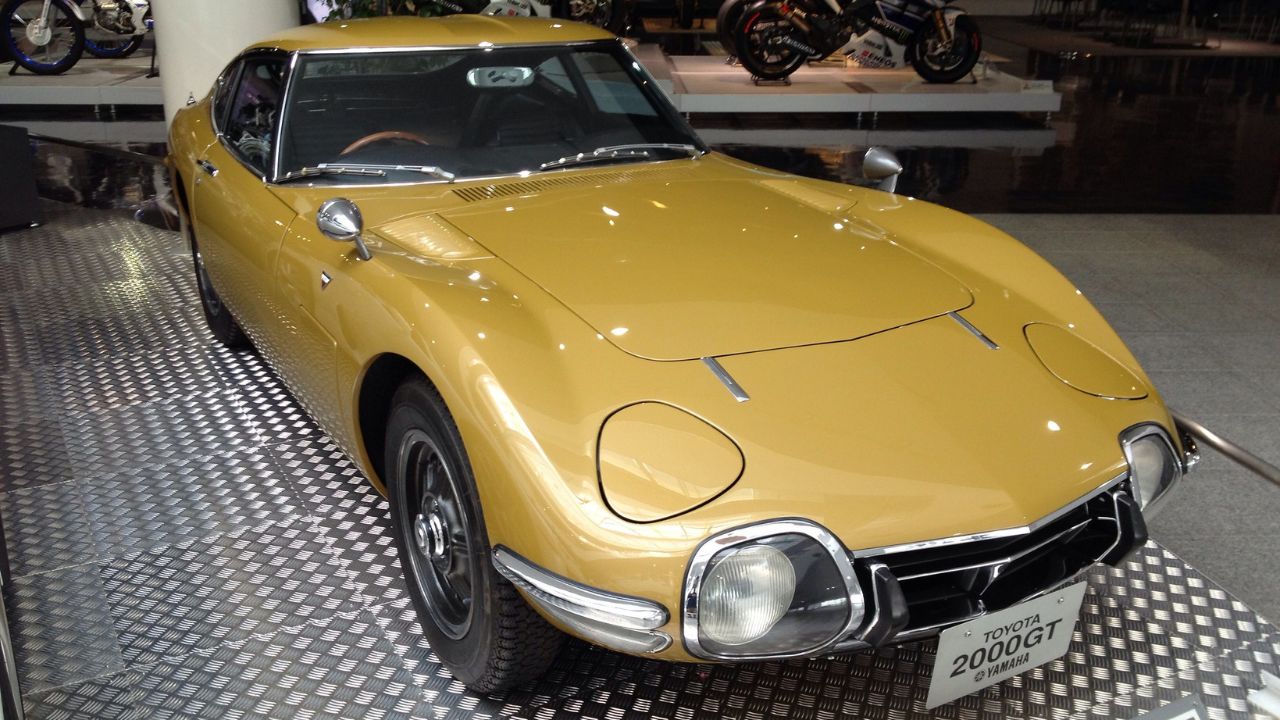
The Toyota 2000GT demonstrated that Japan could produce a sophisticated sports car capable of attracting global attention. Its elegant proportions, carefully detailed interior, and high-revving engine gave it a character very different from the practical Toyotas of the period. Production numbers were extremely low, which helped create a sense of exclusivity. Its appearance in popular culture also increased its visibility, and collectors eventually recognized it as one of Japan’s most important classic sports cars.
Datsun 240Z

The Datsun 240Z arrived with the proportions of a European sports car but at a price far easier for ordinary enthusiasts to justify. Its long hood, short rear deck, inline-six engine, and rear-wheel-drive layout created an appealing combination of style and performance. Buyers quickly embraced the formula, and the 240Z helped change perceptions of Japanese performance cars. Its success also laid important groundwork for the generations of affordable Japanese sports cars that followed.
Alfa Romeo Spider
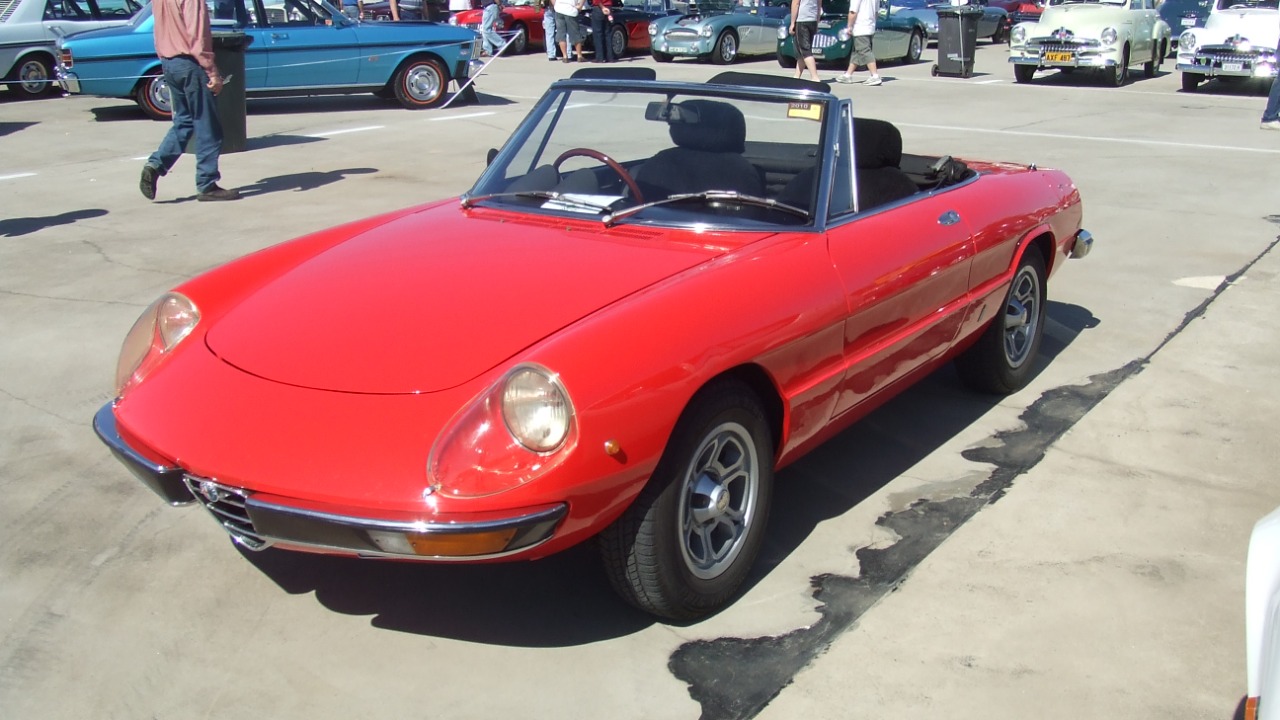
The Alfa Romeo Spider became a recognizable symbol of Italian open-air motoring. Its graceful bodywork gave it an unmistakable presence, while its compact dimensions and responsive driving character made it genuinely enjoyable on winding roads. The Spider gained additional fame through its appearance in popular film, which introduced the car to an even wider audience. Its blend of Italian styling, personality, and relatively accessible sports-car appeal helped make it a lasting classic.
Porsche 356
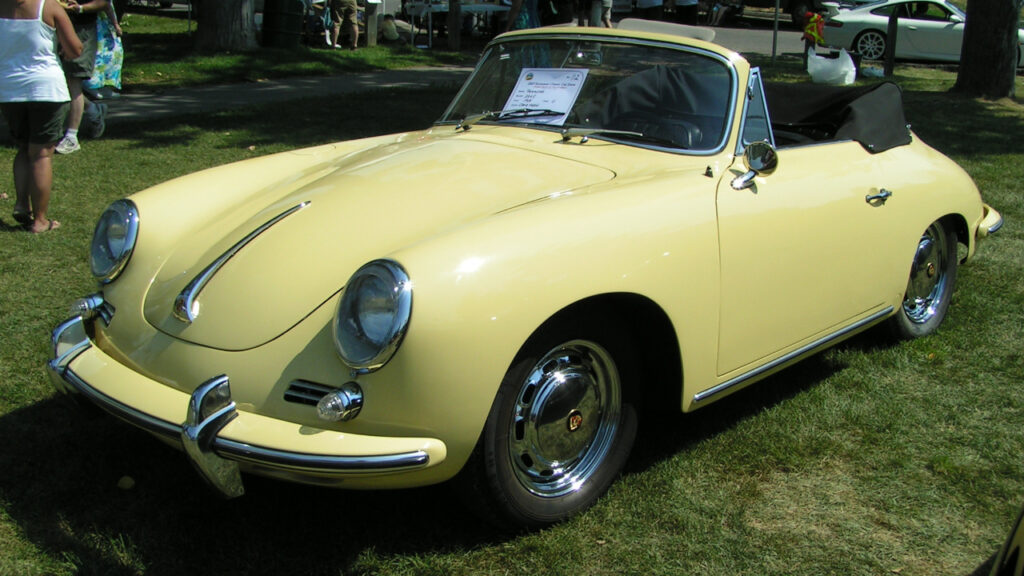
The Porsche 356 established many of the characteristics that would later become closely associated with Porsche. Its compact body, rear-mounted engine, and lightweight construction created a distinctive sports-car experience. Early examples were relatively modest by modern standards, but the car’s balance and engineering gave it a strong following. As Porsche’s reputation grew, so did appreciation for the 356. Today, it represents the beginning of a sports-car lineage that became globally famous.
Citroën DS
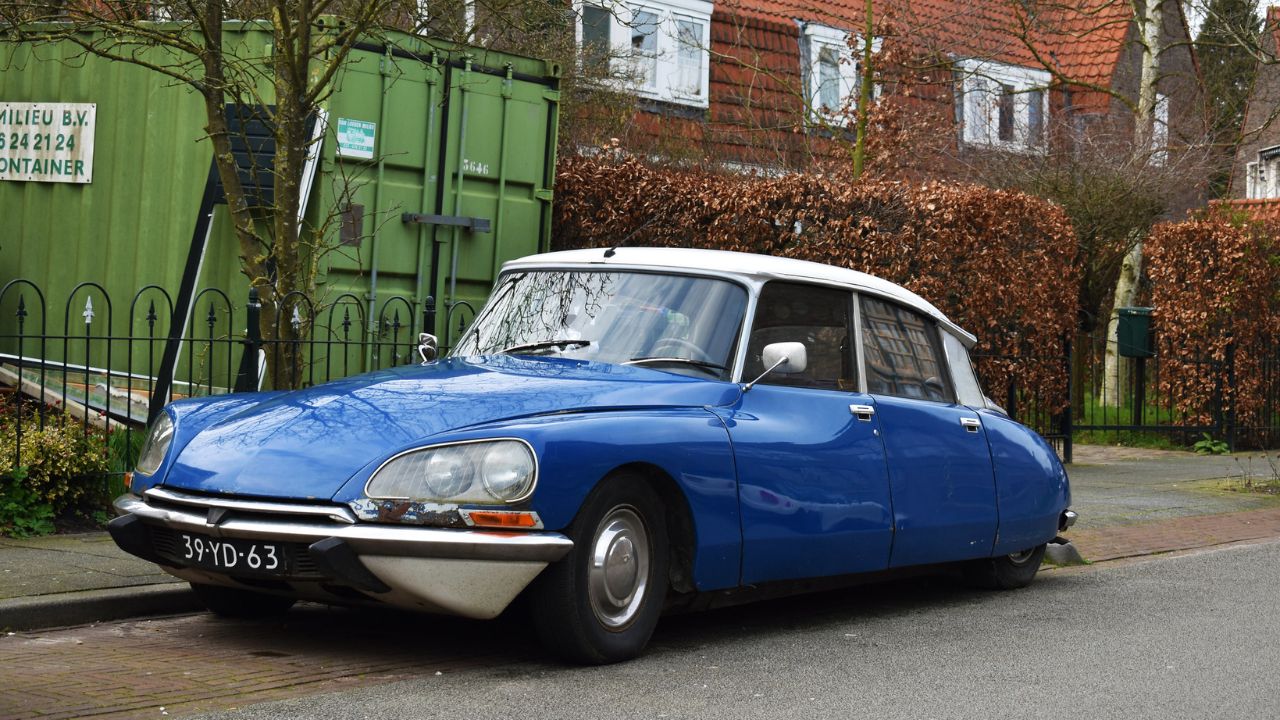
The Citroën DS became an overnight sensation because its design looked years ahead of almost everything around it. Its aerodynamic body was only part of the story, with advanced suspension and innovative engineering adding to its futuristic reputation. The unusual appearance attracted enormous attention when the car debuted, while its comfort and technical sophistication helped sustain interest. The DS eventually became a symbol of French automotive creativity and one of the most distinctive classics of its era.
Austin-Healey 3000
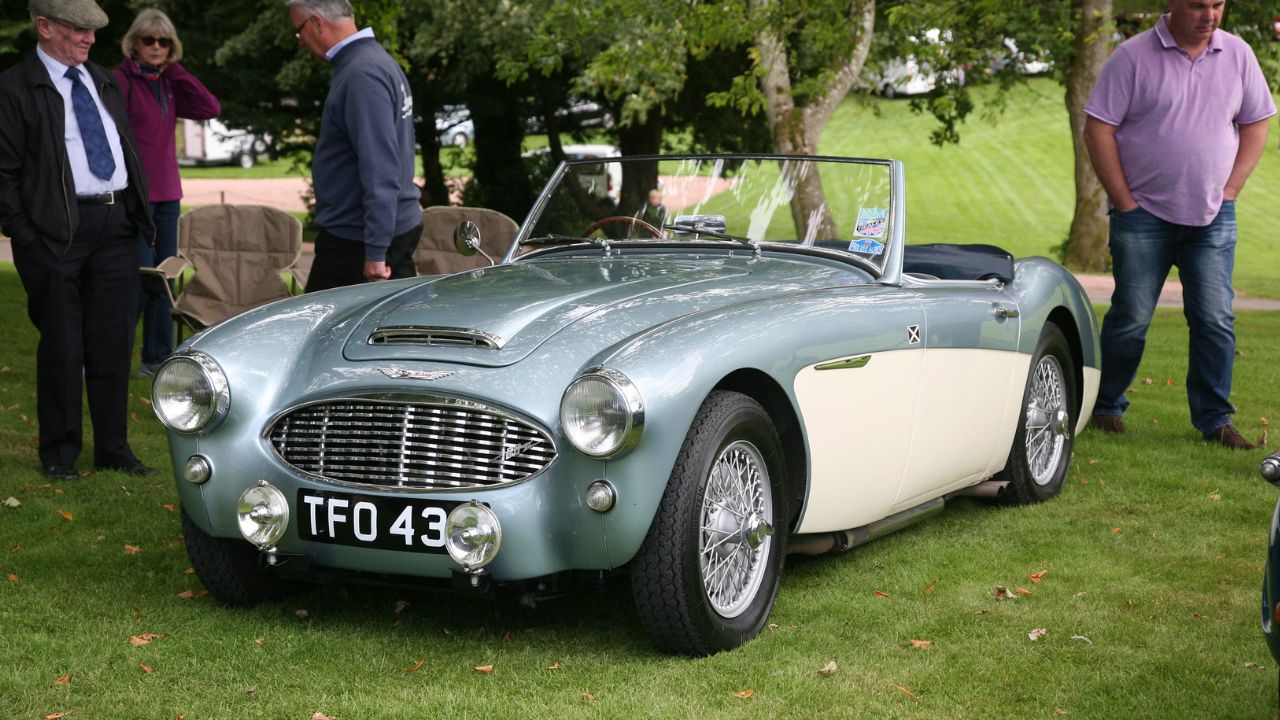
The Austin-Healey 3000 captured the appeal of traditional British sports cars with its long hood, open cabin, and strong six-cylinder engine. It offered enough performance to feel genuinely sporting while retaining the straightforward character enthusiasts expected from a classic roadster. Competition success helped strengthen its reputation, while its appearance made it immediately recognizable. Today, the 3000 remains one of the most sought-after British sports cars from the period.
Buick Riviera
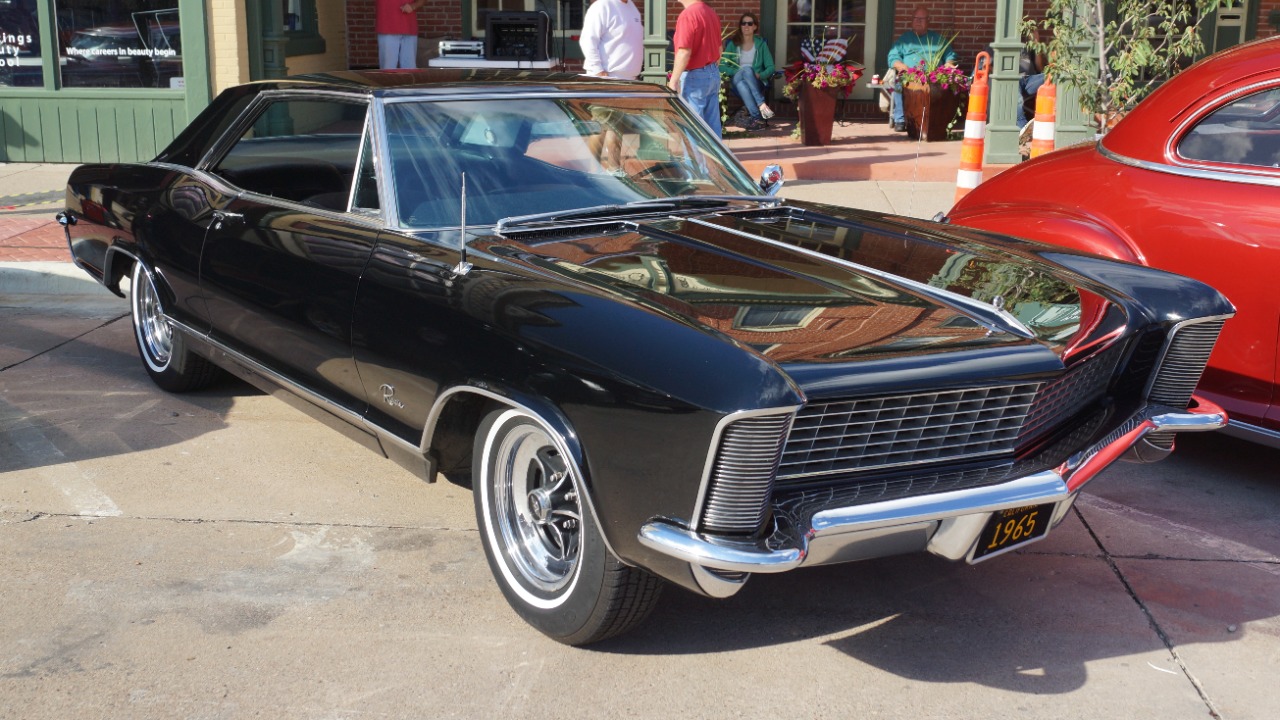
The Buick Riviera showed that a large American luxury coupe could have a strong sporting presence. Its clean bodywork and pillarless profile gave it a sophisticated appearance that separated it from the heavily ornamented cars surrounding it. Inside, buyers received a comfortable and upscale cabin, while V8 power provided effortless performance. The Riviera quickly became a standout design for Buick and later gained a strong following among collectors who appreciate its distinctive styling.
Pontiac GTO

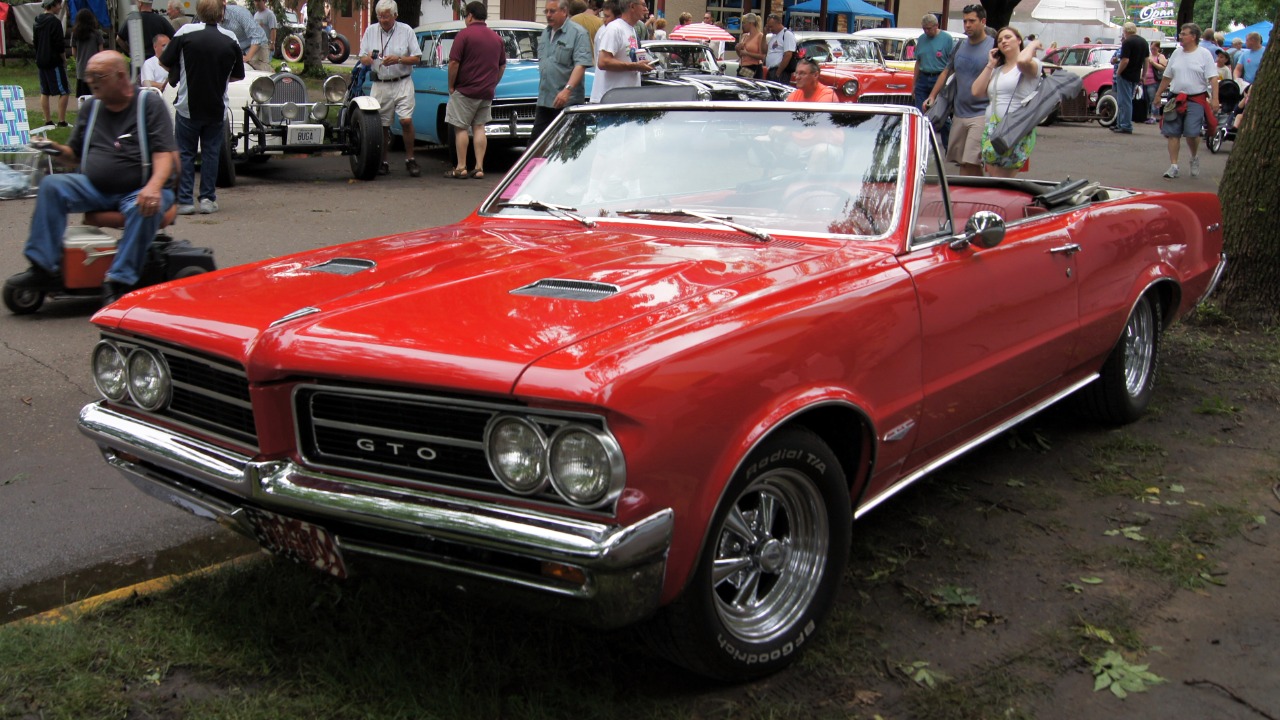
The Pontiac GTO helped turn the muscle car into a major American automotive phenomenon. By placing serious performance hardware into a relatively ordinary intermediate-sized car, Pontiac created a formula that appealed directly to younger buyers. Its combination of V8 power, aggressive styling, and accessible pricing quickly attracted attention. The GTO’s influence extended well beyond Pontiac, encouraging other manufacturers to create their own performance-oriented intermediates and helping define an entire era of American car culture.
More from Fast Lane Only
- Unboxing the WWII Jeep in a Crate
- 15 rare Chevys collectors are quietly buying
- 10 underrated V8s still worth hunting down
- Police notice this before you even roll window down
*Research for this article included AI assistance, with all final content reviewed by human editors.