Some vintage pickups were more than basic workhorses. They introduced compact dimensions, unusual layouts, improved comfort, four-wheel-drive systems, or styling ideas that later became common across the truck market. These trucks were not always appreciated when new, but many introduced concepts that helped shape the pickups drivers know today.
Chevrolet Cameo Carrier

The Chevrolet Cameo Carrier helped blur the line between a working pickup and a stylish personal vehicle. Its smooth rear fenders and car-like appearance made it stand apart from conventional trucks, while the practical cargo bed remained useful. The Cameo showed that a pickup could appeal to buyers who cared about appearance as much as utility. That idea eventually became a major part of the modern truck market, where lifestyle pickups are as important as traditional work trucks.
Ford Ranchero
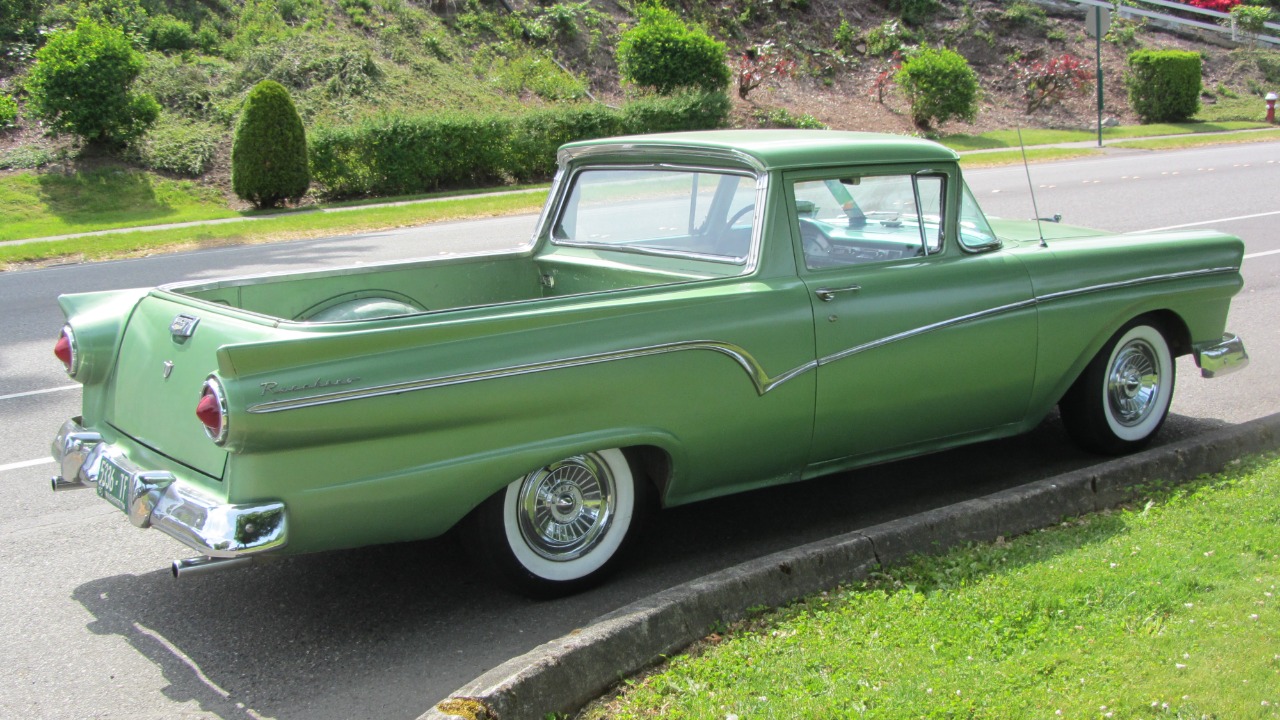
The Ford Ranchero took the idea of a pickup and combined it with a passenger-car platform, creating something that felt very different from a conventional truck. Its lower ride height and car-like handling made it appealing to drivers who wanted cargo-carrying ability without giving up everyday comfort. The concept became influential enough to inspire similar vehicles from competitors. Long before the modern sport-utility pickup became popular, the Ranchero demonstrated that trucks did not have to be purely utilitarian.
Chevrolet El Camino
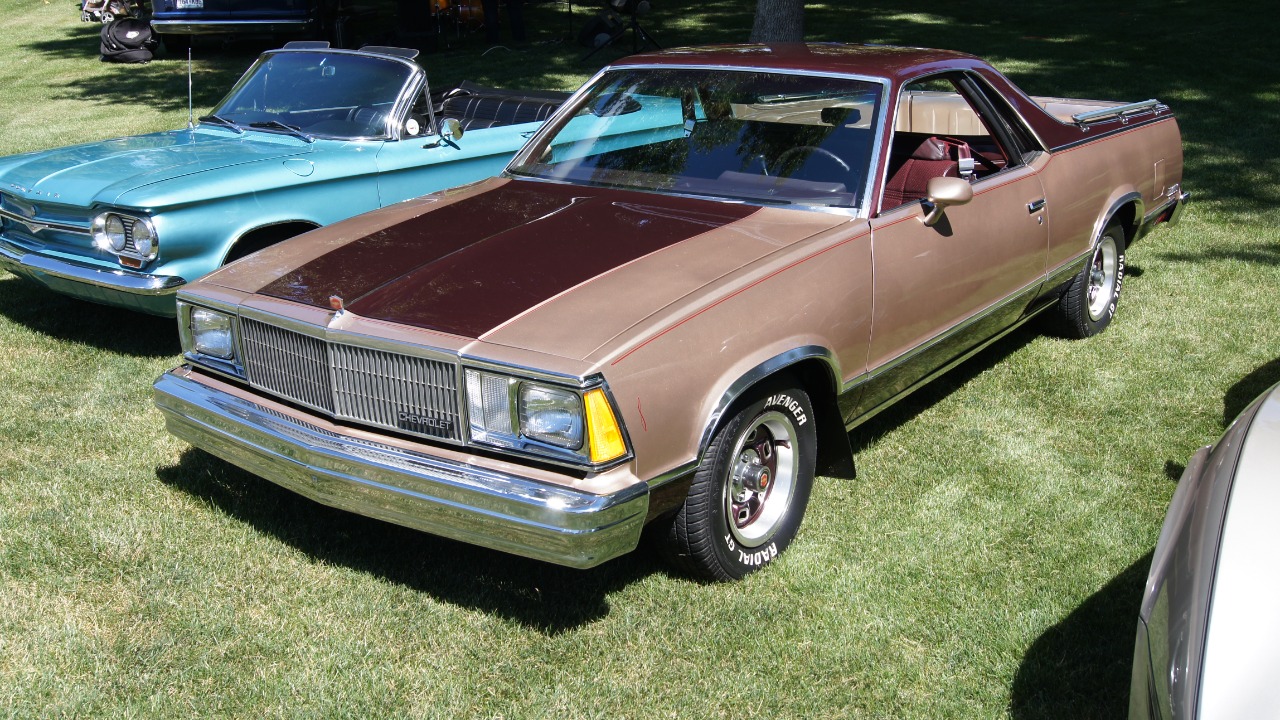
The Chevrolet El Camino pushed the car-based pickup idea even further. It offered the styling and driving characteristics of a passenger car while providing an open cargo bed for hauling smaller loads. That combination appealed to buyers who wanted versatility without the size of a full-size truck. Later versions became especially popular with performance enthusiasts, proving that a pickup could also have genuine muscle-car appeal. The El Camino helped establish an entirely different category of vehicle.
Toyota Land Cruiser Pickup
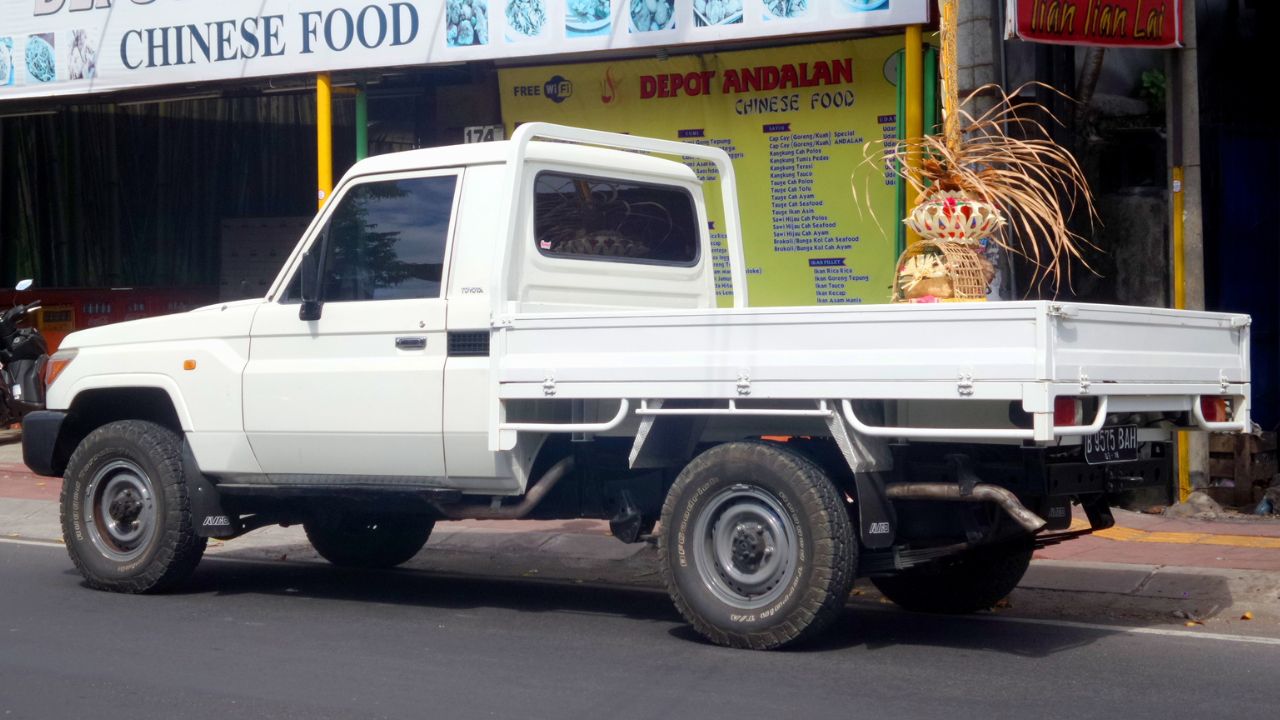
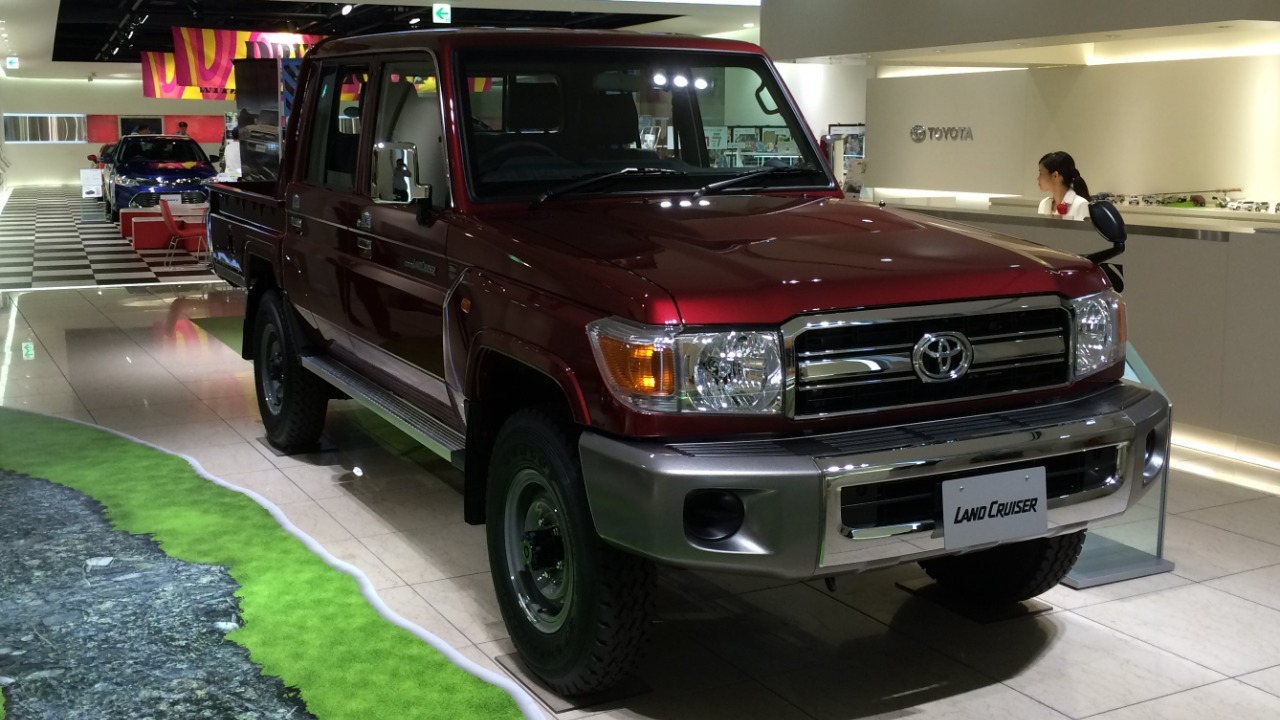
The Toyota Land Cruiser pickup demonstrated that a compact truck could be extremely capable without relying on massive engines or oversized dimensions. Its rugged four-wheel-drive system and durable construction made it useful in demanding environments around the world. The basic formula emphasized reliability, maneuverability, and mechanical simplicity. Those priorities would later become central to the reputation of Japanese pickups. The Land Cruiser pickup was an early example of a truck designed to keep working far from paved roads.
Datsun 520
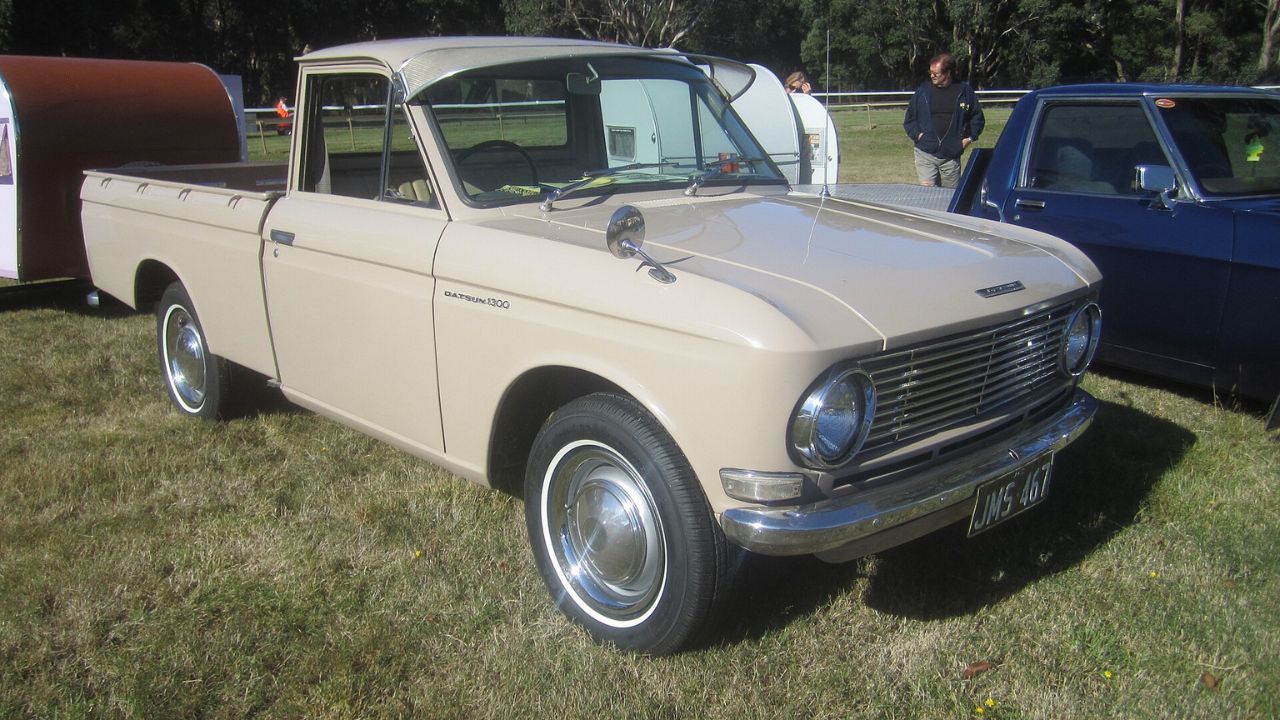
The Datsun 520 helped change American expectations about what a pickup needed to be. It was smaller and more economical than many domestic trucks, yet it offered a useful cargo bed and practical construction. Its compact size made it easier to maneuver, while its efficient engine appealed to buyers facing higher fuel costs and changing driving habits. The 520 demonstrated that a pickup did not have to be enormous to be useful, helping open the door for the growing compact-truck market.
Toyota Stout
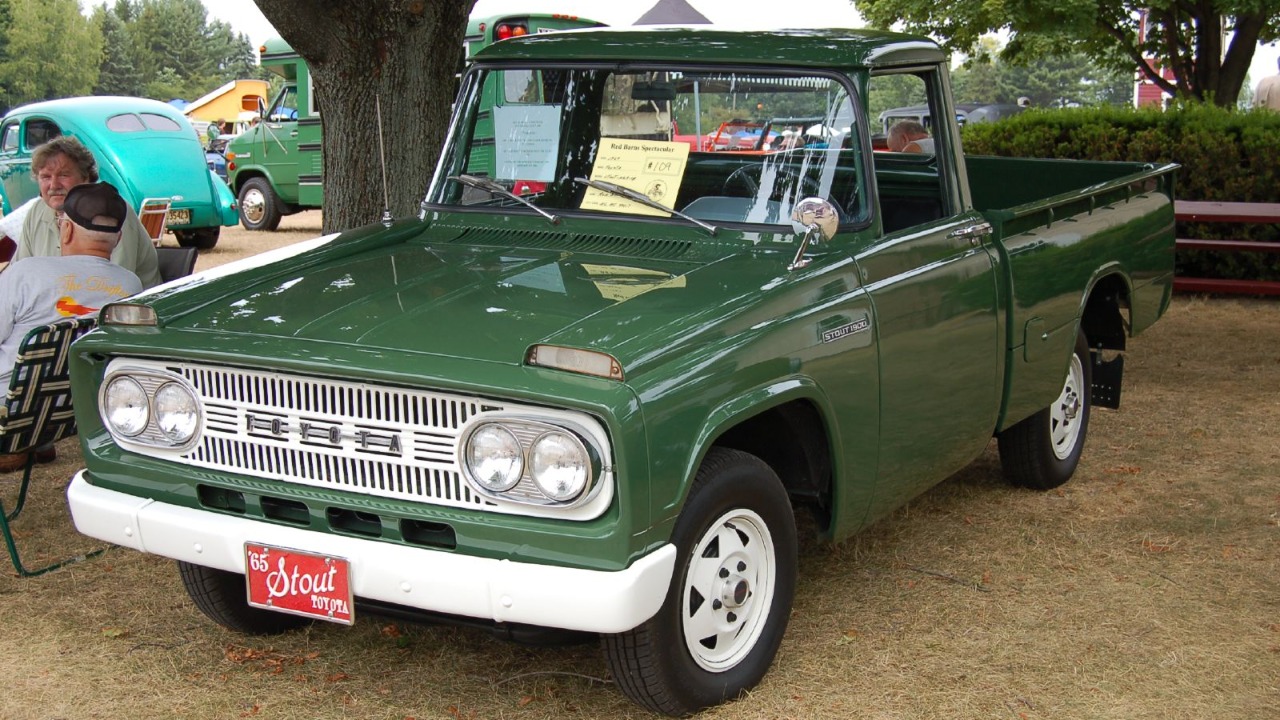
The Toyota Stout was an early example of Toyota applying its practical engineering philosophy to the pickup market. It offered a sturdy chassis, useful cargo capacity, and relatively compact dimensions compared with many American trucks. The Stout was particularly important in markets where maneuverability and operating costs mattered. Its straightforward design anticipated the growing popularity of Japanese pickups, which would eventually become major competitors in North America and other markets.
Ford Courier

The Ford Courier brought compact pickup practicality to buyers who did not need a full-size truck. Its smaller footprint made it easier to operate in crowded areas while still providing a useful bed for tools, supplies, and light equipment. The Courier reflected a shift toward more efficient trucks at a time when American pickups were often becoming larger. Its basic concept would eventually become common, but the Courier arrived before compact pickups were fully established in the mainstream.
Chevrolet LUV
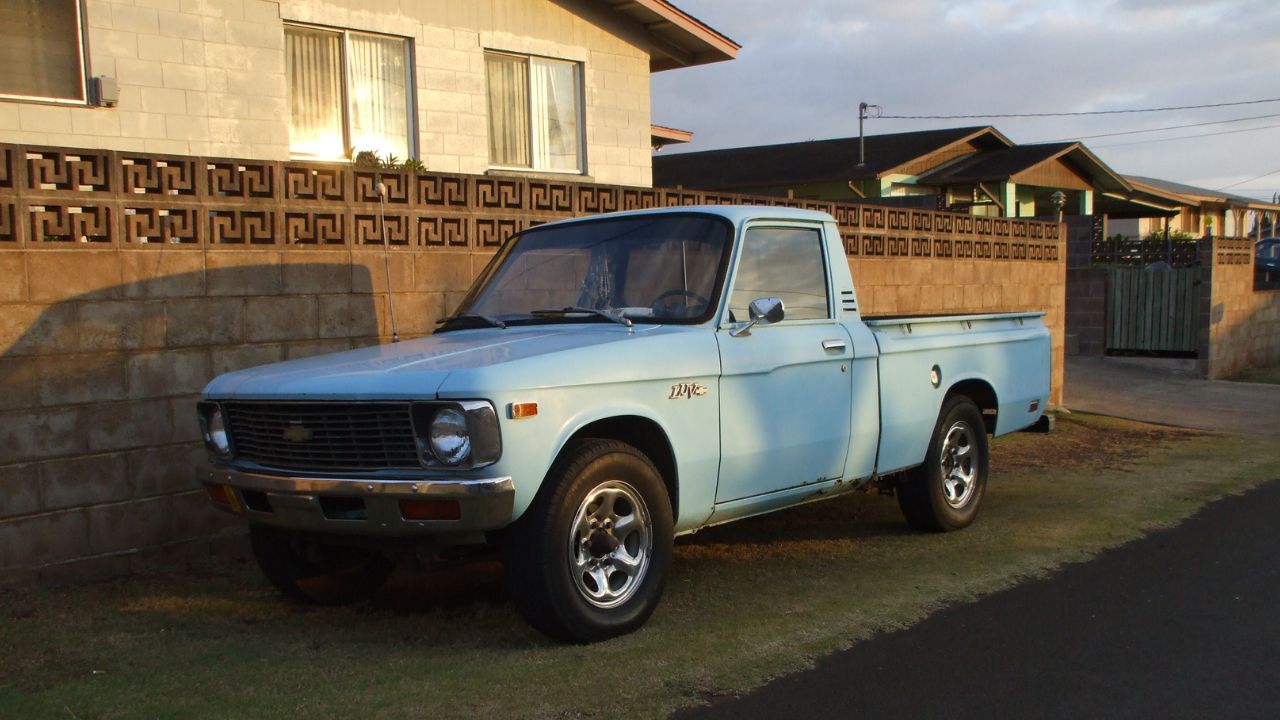
The Chevrolet LUV was another small pickup that challenged the assumption that a useful truck needed a large American engine. Its compact dimensions, economical drivetrain, and practical cargo bed made it attractive to buyers who wanted truck utility without full-size operating costs. The LUV helped Chevrolet compete in a market increasingly influenced by imported pickups. Its existence demonstrated that small trucks could have a meaningful place in the American market.
Ford F-1
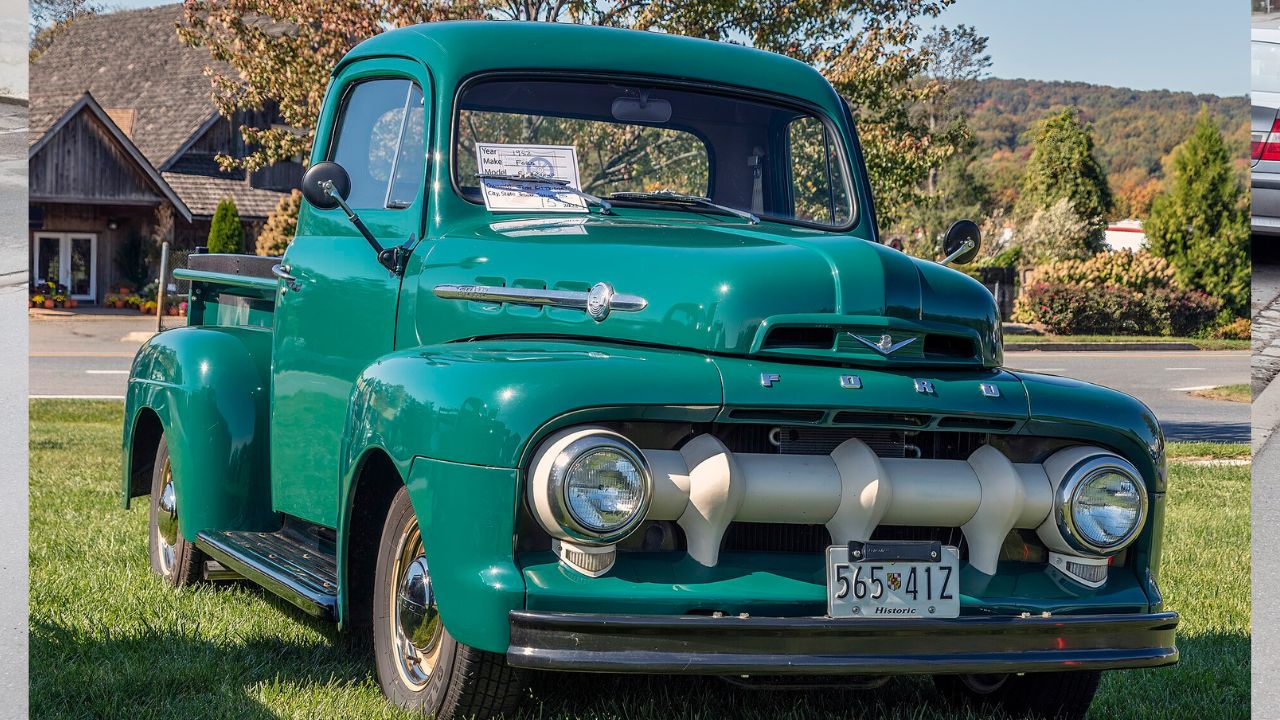
The Ford F-1 represented the beginning of Ford’s modern F-Series pickup lineage. It combined a more integrated cab design with practical cargo capability and a selection of engines suited to different workloads. The truck was designed to serve both commercial users and private owners, establishing a versatile formula that would become central to Ford’s truck business. Its significance comes from how effectively it established the foundation for one of the longest-running pickup families in automotive history.
Chevrolet Advance Design
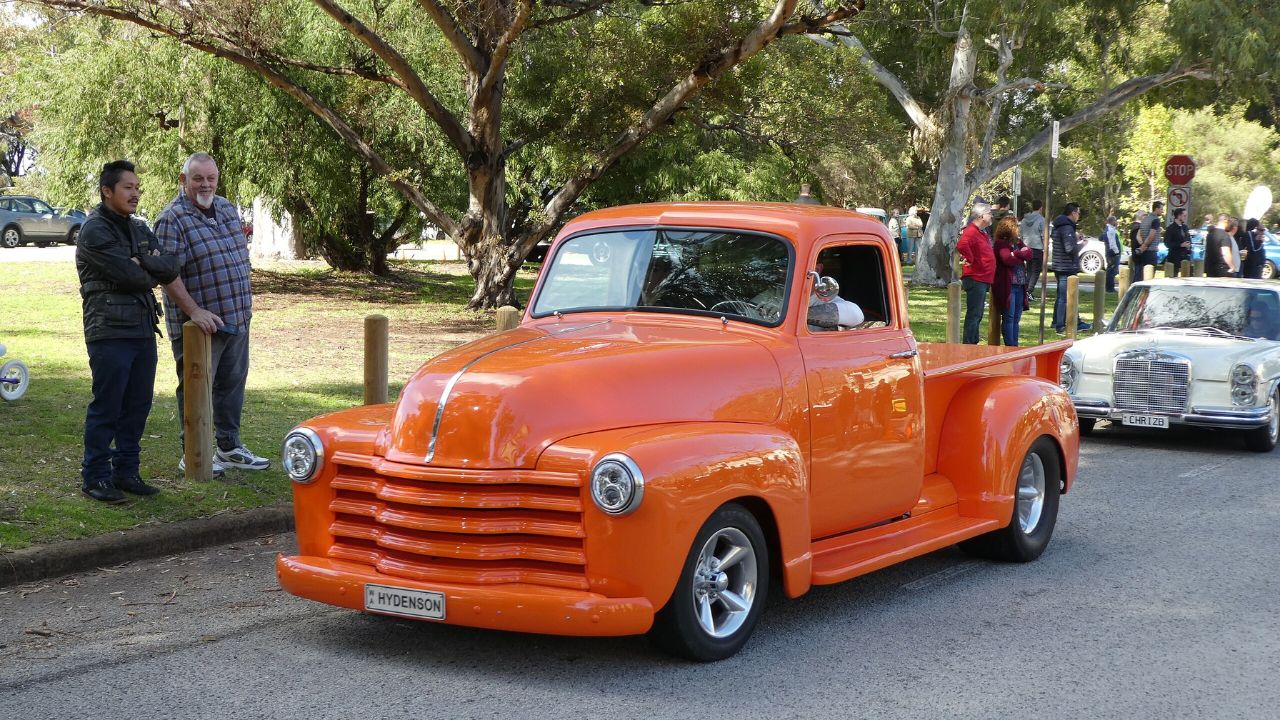
The Chevrolet Advance Design pickups introduced a more modern appearance and greater emphasis on driver comfort after the war. Their rounded bodies looked considerably more refined than the utilitarian trucks they replaced, while the cab offered improved visibility and usability. Chevrolet also built the trucks in numerous configurations to cover different jobs. This combination of work capability and improved presentation helped move pickups toward the broader consumer market they would eventually dominate.
GMC Suburban Carryall
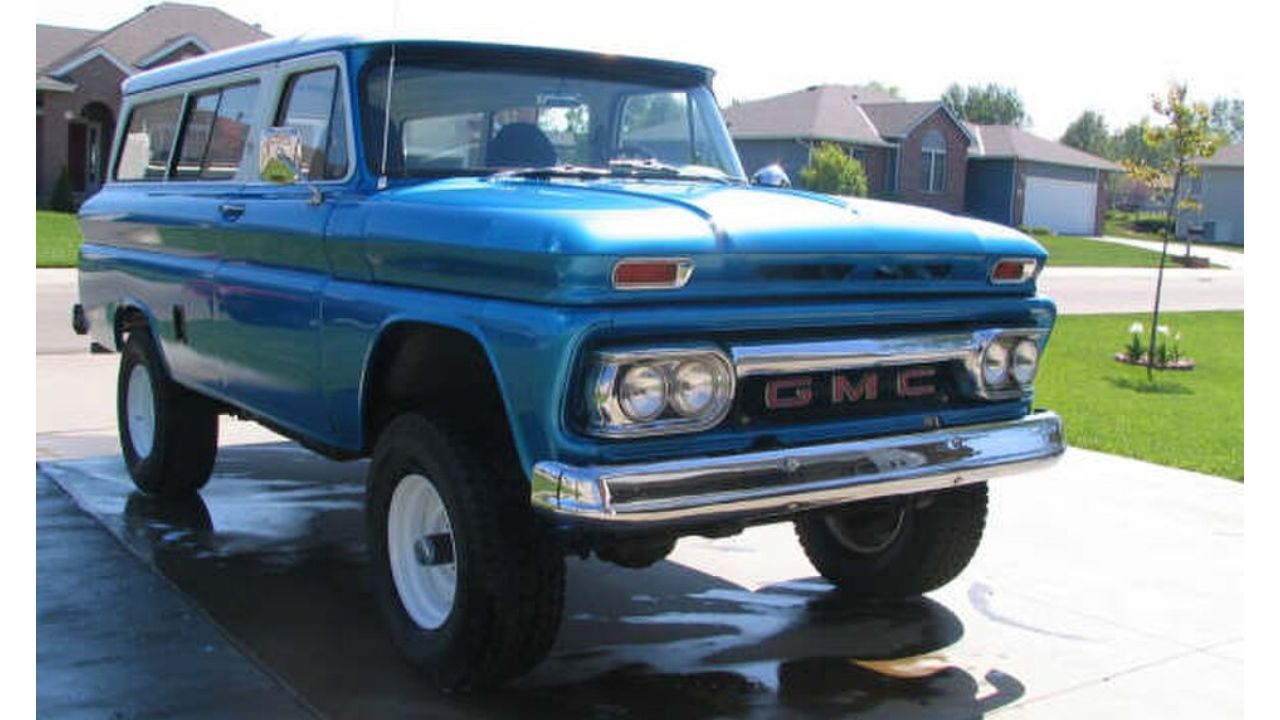
The GMC Suburban Carryall was an early example of a vehicle designed to combine passenger transportation with serious utility. Although it was not a conventional open-bed pickup, its truck-based construction and cargo-focused layout anticipated the multipurpose vehicles that would later become hugely popular. It could carry people and equipment in a single package, making it useful for families, businesses, and rural owners. Its basic concept was remarkably forward-looking for an era when trucks were usually built for one primary purpose.
Jeep Gladiator

The original Jeep Gladiator brought four-wheel-drive capability and Jeep’s rugged off-road reputation into a conventional pickup format. It offered buyers a truck that could handle rough terrain while still providing the practicality of a cargo bed. The Gladiator also introduced a more refined appearance than many traditional utility trucks. Its combination of work capability and recreational potential anticipated the modern market for pickups that are expected to perform equally well on trails, highways, and daily commutes.
International Harvester Scout
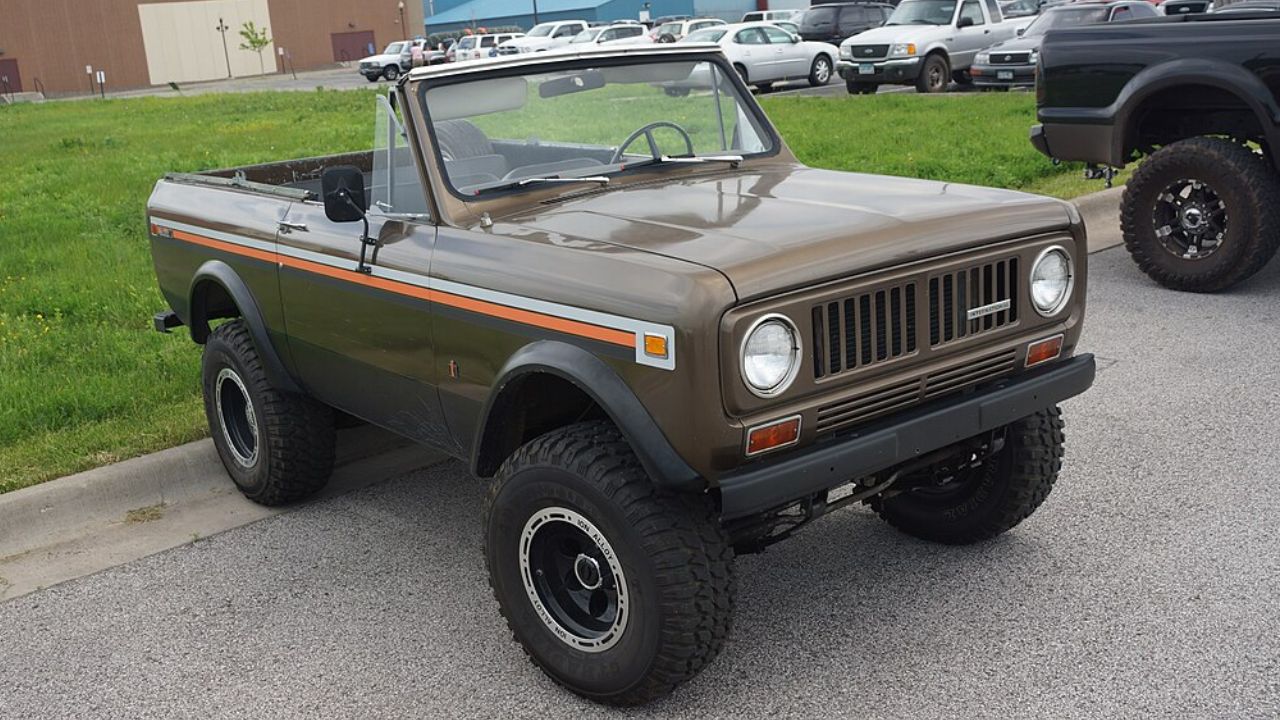
The International Harvester Scout was primarily an off-road utility vehicle, but its pickup-style configurations demonstrated how a compact truck could combine recreational use with genuine working ability. Its relatively small dimensions made it easier to maneuver than larger trucks, while four-wheel drive expanded its usefulness beyond paved roads. The Scout arrived before the modern SUV became a dominant category. Its flexible design showed that buyers might want one vehicle capable of handling work, recreation, and everyday transportation.
Dodge Power Wagon

The Dodge Power Wagon brought serious off-road capability to civilian buyers using engineering influenced by military trucks. Its four-wheel-drive system, high ground clearance, and rugged construction made it exceptionally useful for farms, construction sites, forestry work, and remote roads. At a time when most pickups were designed primarily for ordinary hauling, the Power Wagon offered a much more specialized level of capability. Its basic philosophy would later become central to the heavy-duty four-wheel-drive truck market.
Studebaker E-Series
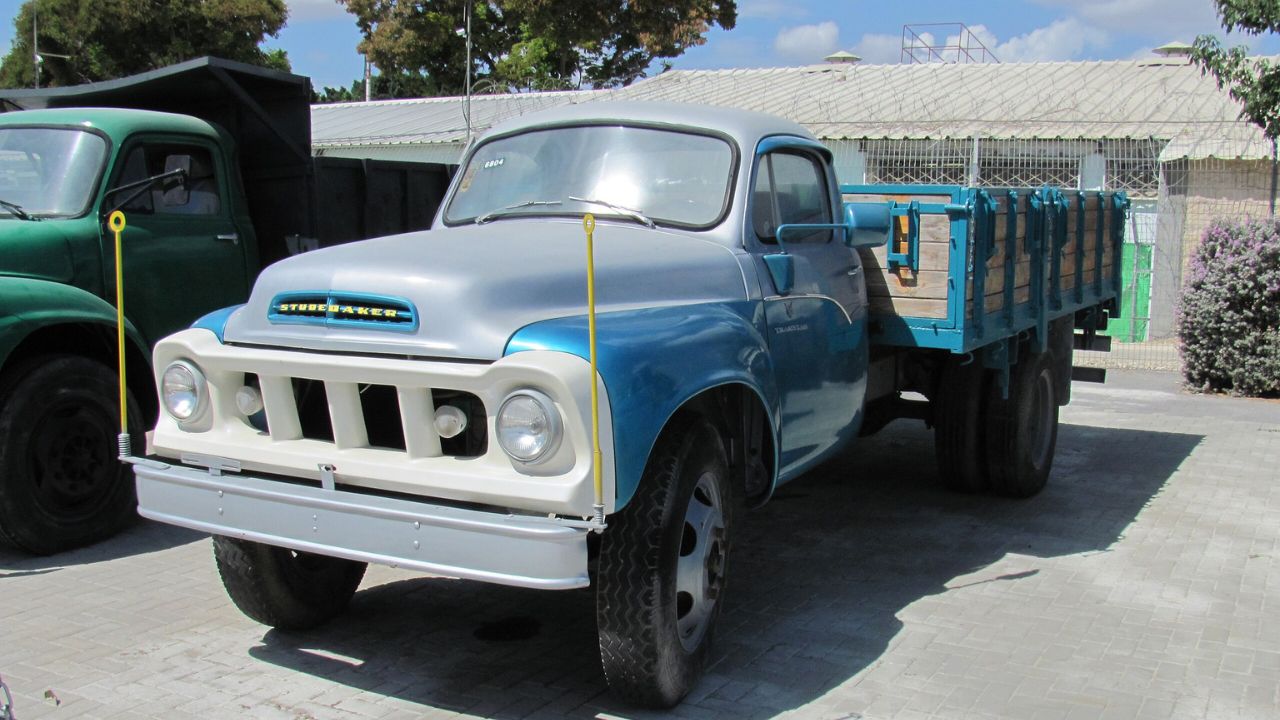
The Studebaker E-Series pickups offered a more streamlined approach to truck styling during a period when many work vehicles remained visually basic. Their relatively modern shapes and comfortable cabs showed that commercial vehicles could receive serious attention to appearance and driver experience. Studebaker also experimented with different configurations as it tried to compete against larger manufacturers. The E-Series remains an interesting example of a company trying to modernize the pickup concept before the market became dominated by a handful of major brands.
Jeepster Commando
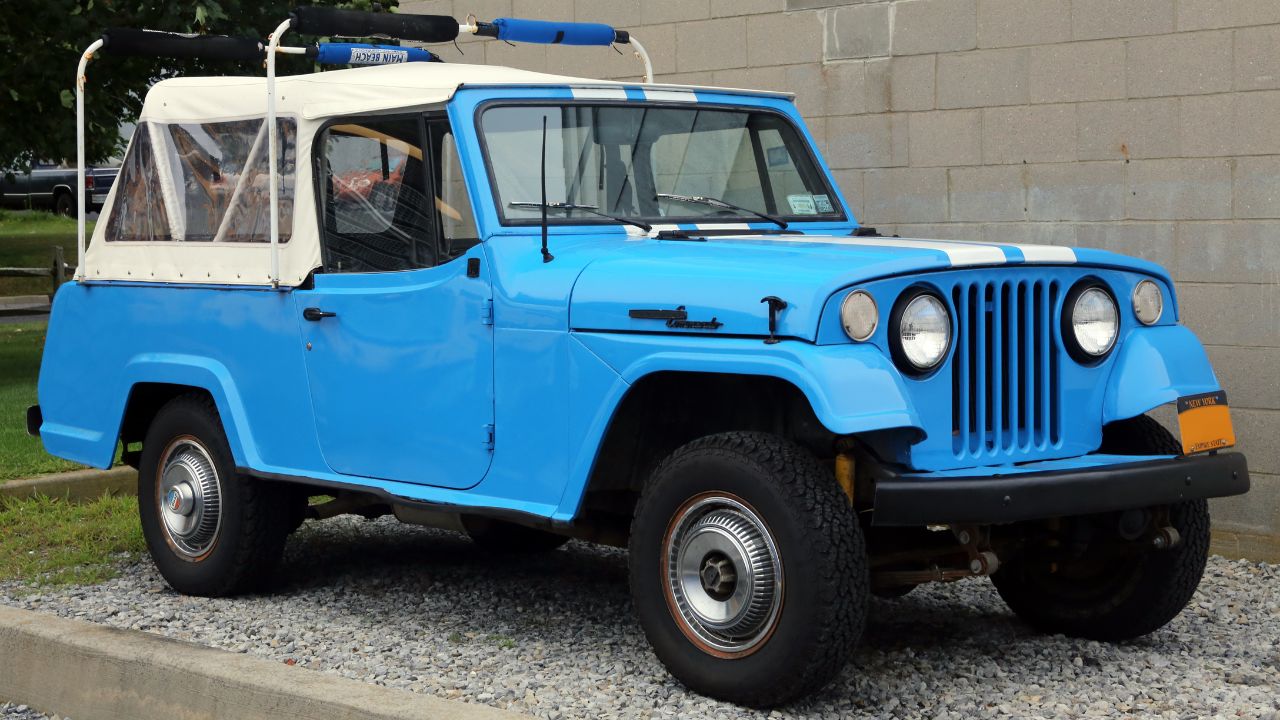
The Jeepster Commando combined open-air recreation with genuine four-wheel-drive utility. It could be configured in several body styles, including pickup-like versions, giving buyers more flexibility than a conventional work truck. Its relatively compact size also made it useful on trails and rural roads. The Commando anticipated the growing demand for vehicles that could serve as both recreational machines and practical transportation. That dual-purpose formula would eventually become one of the most important trends in the truck market.
Subaru Brat
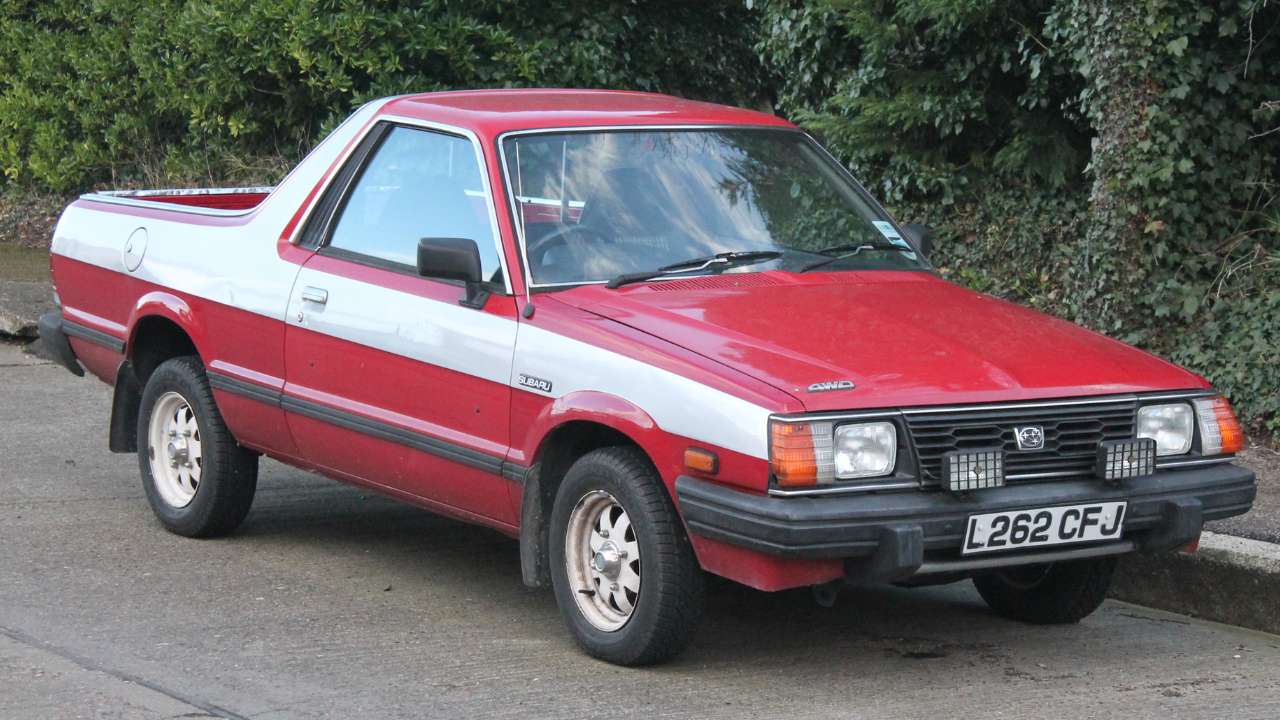
The Subaru Brat was one of the strangest pickups of its era, but its unusual design addressed a real market need. Its compact four-wheel-drive platform provided useful traction while keeping the truck small and relatively economical. The rear-facing seats in the cargo area became its most recognizable feature, giving it a recreational personality that ordinary pickups lacked. The Brat demonstrated that a truck could be designed around lifestyle buyers rather than solely around heavy-duty work.
Mazda B-Series
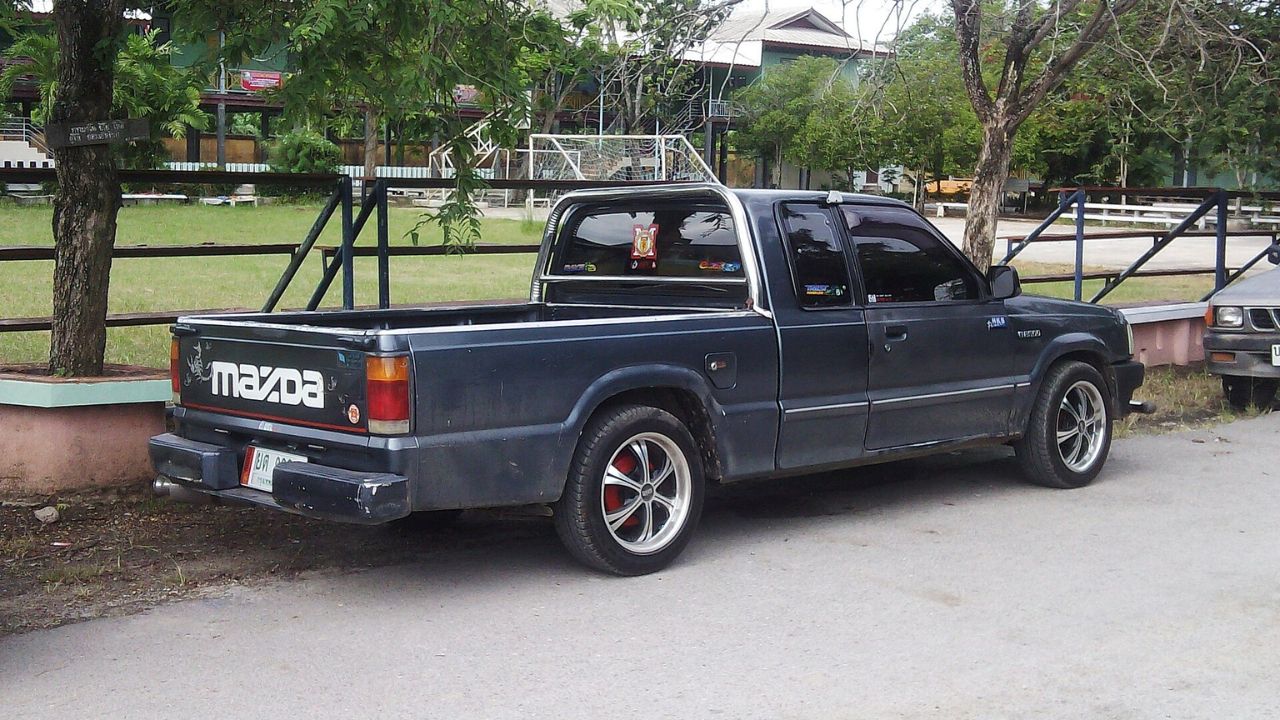
The Mazda B-Series helped establish the compact pickup as a legitimate alternative to larger trucks. Its modest dimensions made it easy to drive and park, while its simple mechanical design offered useful reliability and manageable running costs. Four-wheel-drive versions expanded its usefulness for rural and recreational owners. The B-Series was not built to replace heavy-duty pickups, but it showed that many buyers could accomplish everyday truck jobs with something considerably smaller.
Nissan Junior
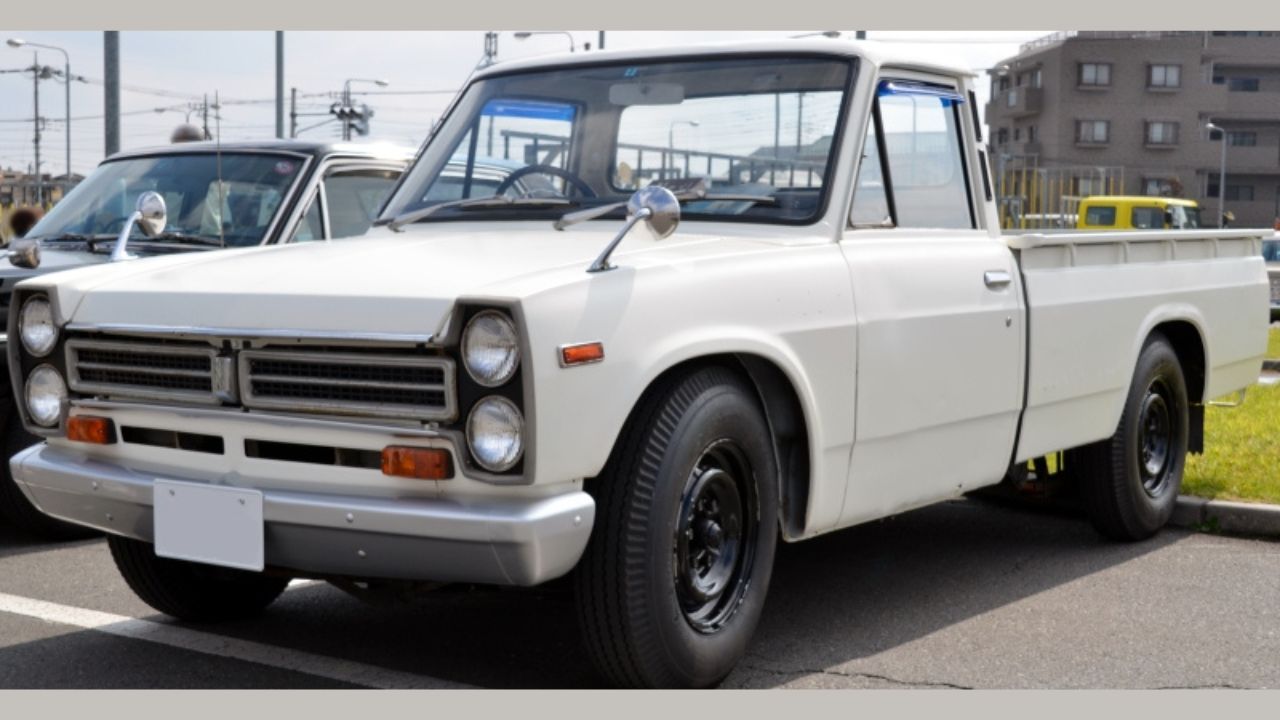
The Nissan Junior was a practical Japanese pickup designed around straightforward utility. Its relatively compact dimensions and simple mechanical construction made it well suited to commercial and agricultural work in markets where large American-style trucks were impractical. The Junior represented an approach to truck design focused on efficiency and usefulness rather than excess. That philosophy would eventually become a major strength for Japanese pickup manufacturers as their trucks gained wider international popularity.
Ford F-Series 4×4
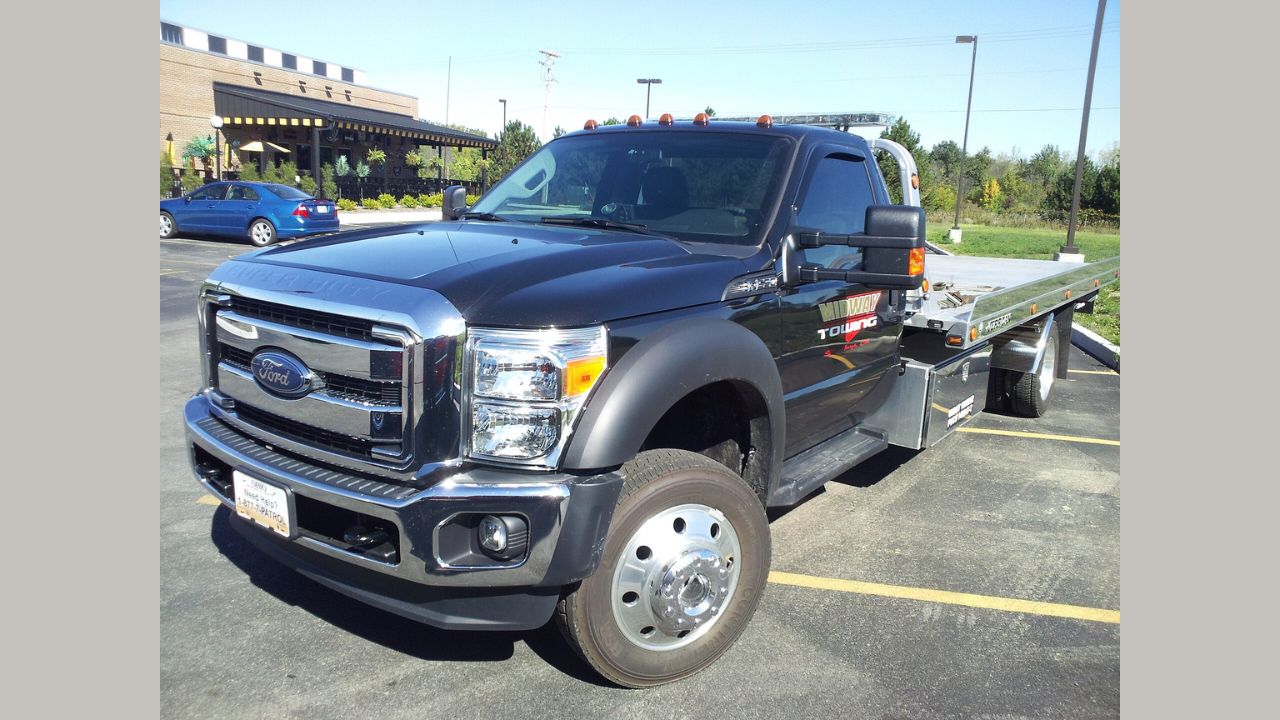
Early four-wheel-drive versions of the Ford F-Series helped make off-road capability increasingly accessible to ordinary pickup buyers. Four-wheel drive transformed the truck from a basic cargo carrier into a vehicle capable of handling mud, snow, rough tracks, and demanding work sites. The technology was not entirely new, but Ford helped bring it into a broader pickup market. That evolution laid important groundwork for today’s trucks, where four-wheel drive is no longer considered a specialty feature.
More from Fast Lane Only
- Unboxing the WWII Jeep in a Crate
- 15 rare Chevys collectors are quietly buying
- 10 underrated V8s still worth hunting down
- Police notice this before you even roll window down
*Research for this article included AI assistance, with all final content reviewed by human editors.