Some vehicles seem disconnected from the era in which they were sold. Their styling, engineering, or sheer personality can make them feel like they arrived from another decade, whether they were surprisingly futuristic or stubbornly old-fashioned. These machines stand out because they offered something so different that they never quite blended into the automotive mainstream.
Citroën 2CV
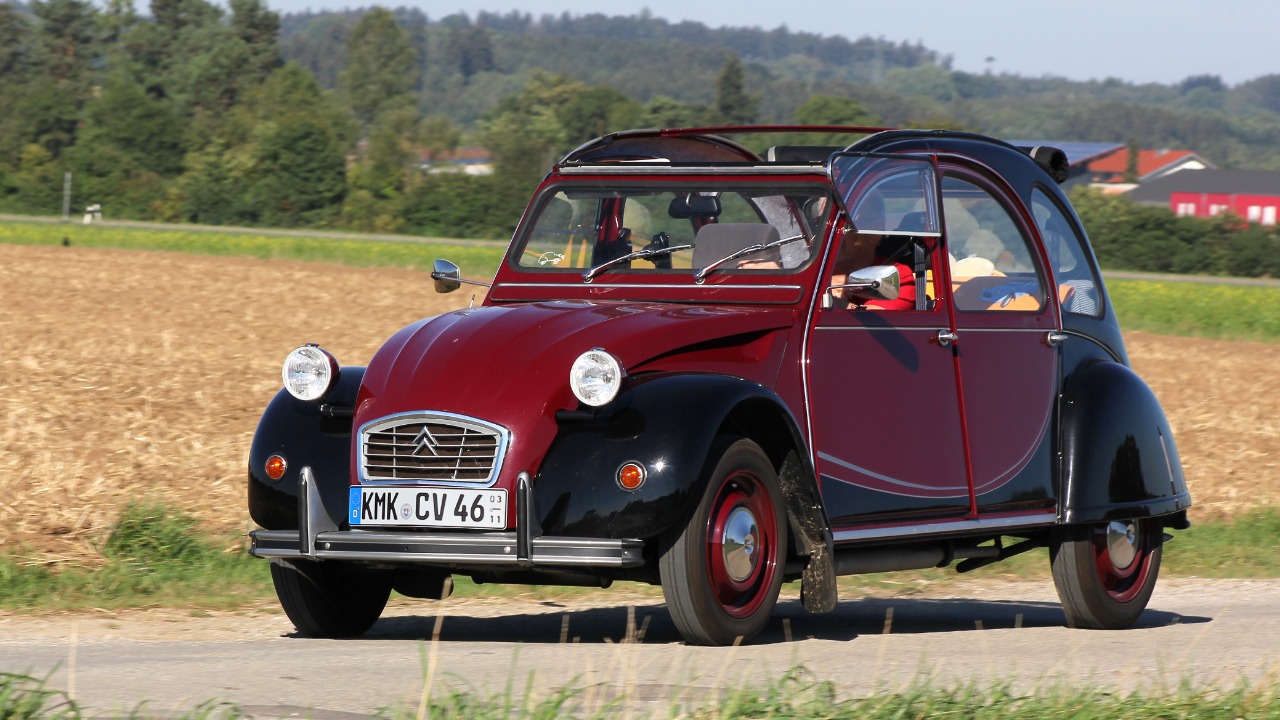
The Citroën 2CV looked remarkably simple even when it was surrounded by more polished European cars. Its tall body, soft suspension, tiny engine, and basic interior reflected a completely different idea of transportation. It was designed around practicality rather than speed or luxury, and that philosophy remained visible throughout its long production life. Driving one today can feel like stepping into another era because almost everything about it prioritizes simplicity, lightness, and mechanical accessibility.
Volkswagen Beetle
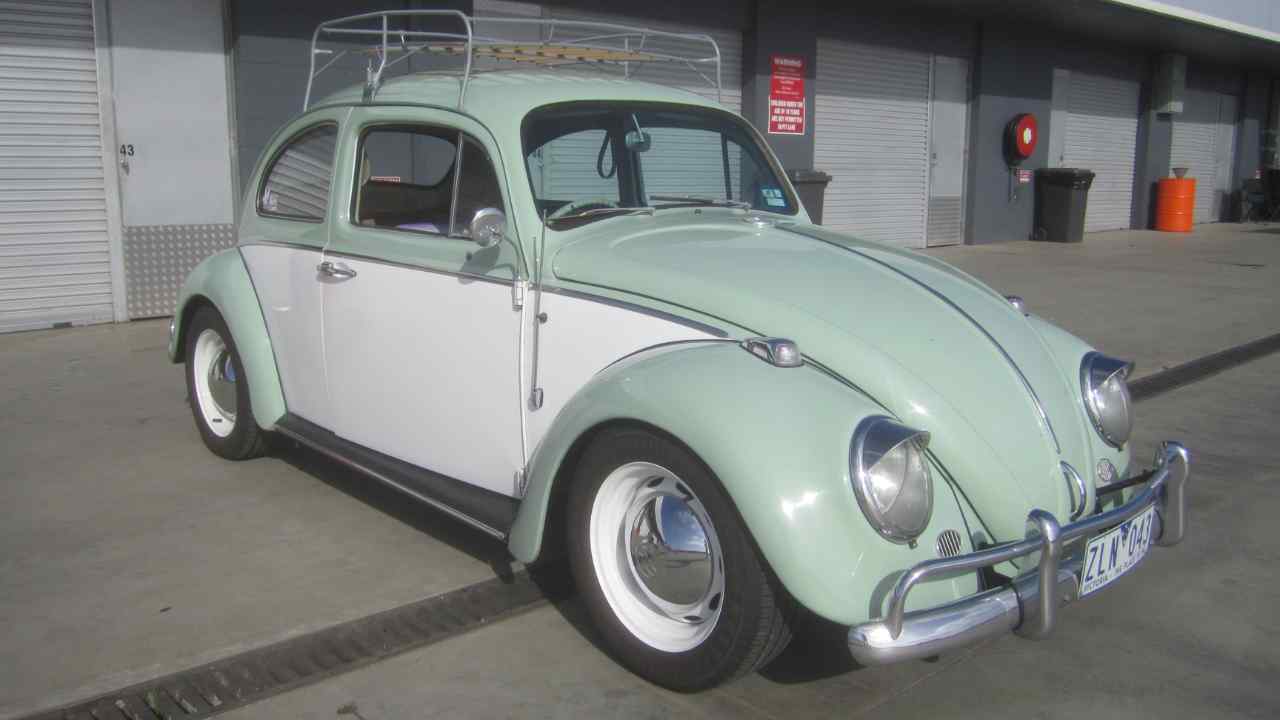
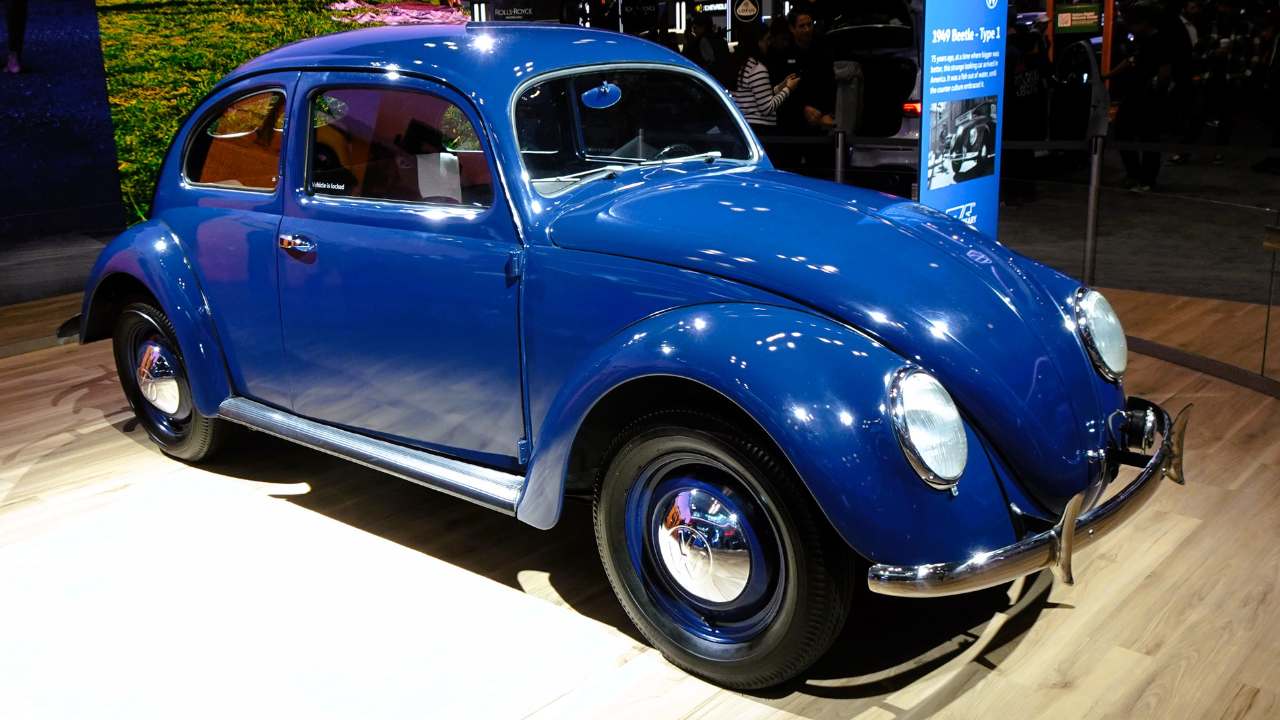
The Volkswagen Beetle retained its basic shape and rear-engine layout for so long that it eventually became almost timeless. Its rounded body, compact cabin, and straightforward controls feel very different from today’s heavily computerized vehicles. The Beetle was inexpensive transportation for millions of people, but its unusual design eventually made it a cultural icon. Even a well-preserved example from the later years of production can feel as though it escaped from an earlier chapter of automotive history.
Mercedes-Benz W123
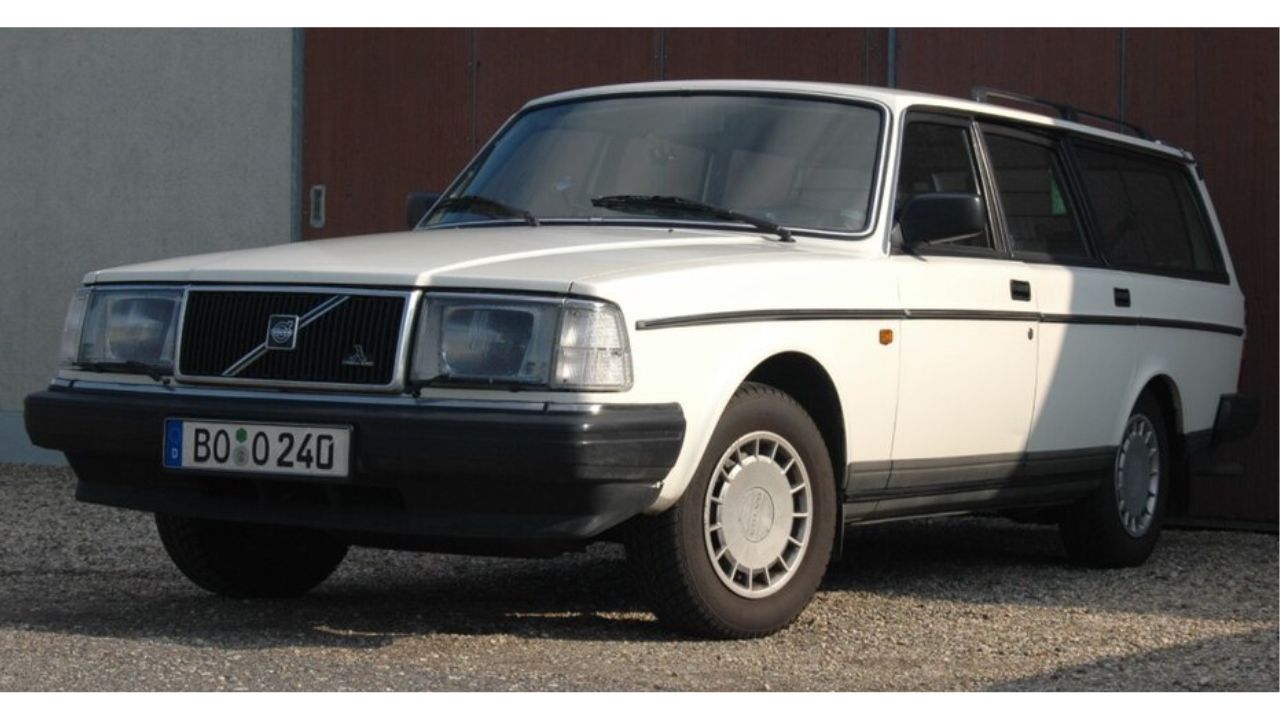
The Mercedes-Benz W123 has an unusually solid and formal character that makes it feel built for a world before disposable transportation. Its heavy doors, straightforward dashboard, durable mechanical components, and conservative styling all contribute to that impression. The car was designed to provide dependable transportation for many years rather than to chase short-term trends. Even now, sitting behind the wheel can make a driver appreciate how different automotive priorities were when longevity and build quality dominated the conversation.
Volvo 240
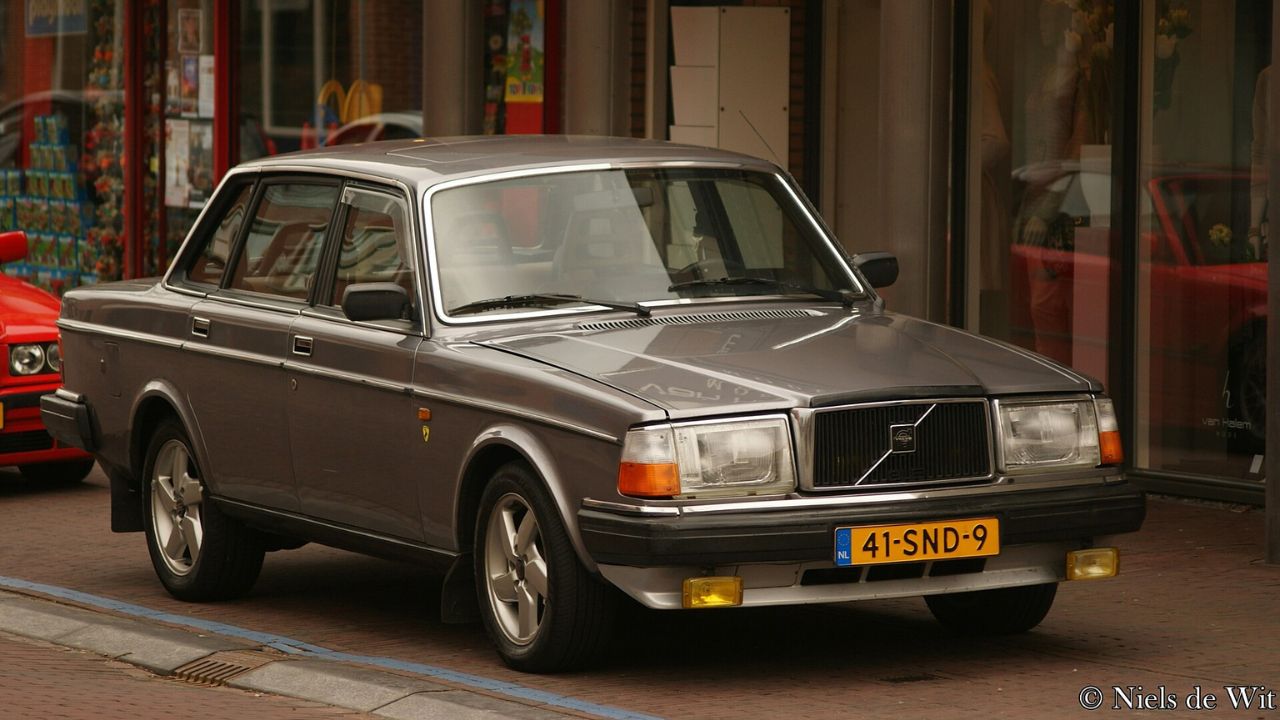
The Volvo 240 is almost a visual definition of old-school automotive engineering. Its boxy body, upright windshield, simple controls, and spacious cabin make it instantly recognizable. More importantly, the car was engineered around durability and safety rather than fashion. Many examples remained in daily service long after newer vehicles had disappeared from the road. The 240 feels like it belongs to an era when a family car could be designed with the expectation that owners might keep it for decades.
Saab 900
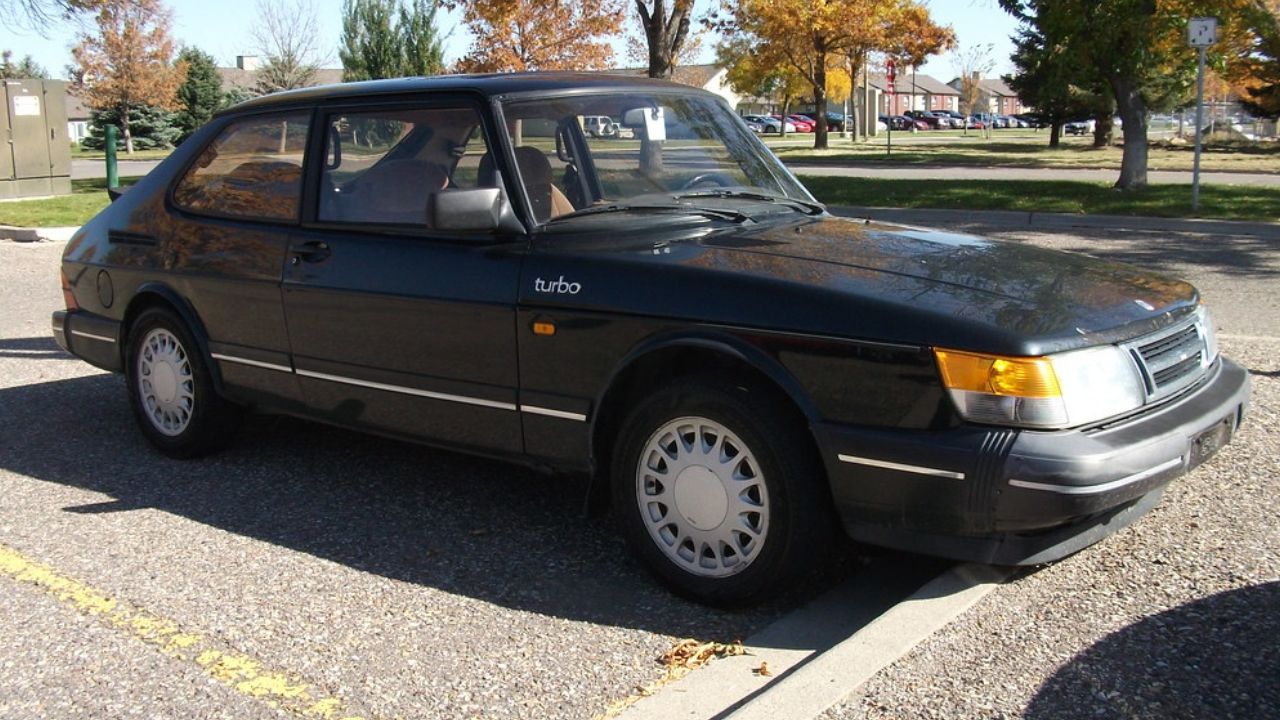
The Saab 900 seemed unusual even when it was new. Its steep windshield, wraparound dashboard, unusual ignition location, and distinctive hatchback shape reflected Saab’s independent approach to vehicle design. Turbocharged versions added another layer of engineering personality. The 900 was not designed to follow mainstream conventions, and that is precisely why it feels so different today. Modern cars have become more standardized, making the Saab’s quirky details seem even more unusual with every passing year.
Toyota Land Cruiser
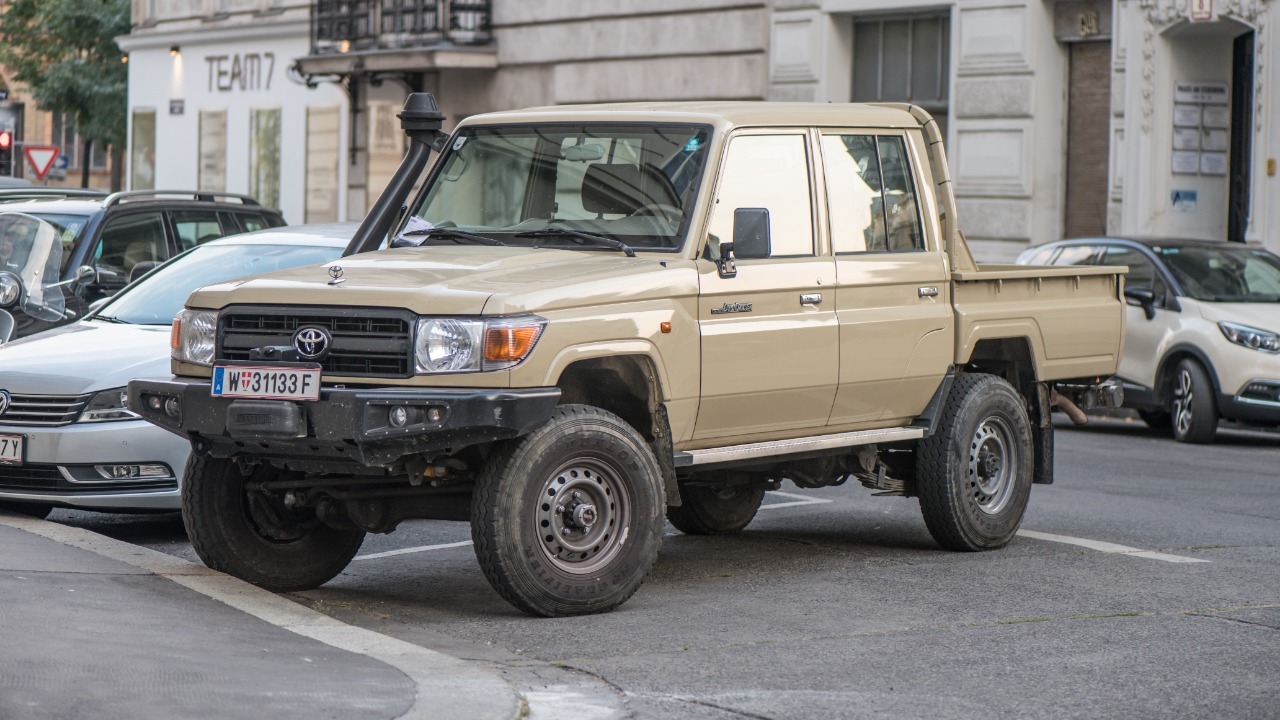
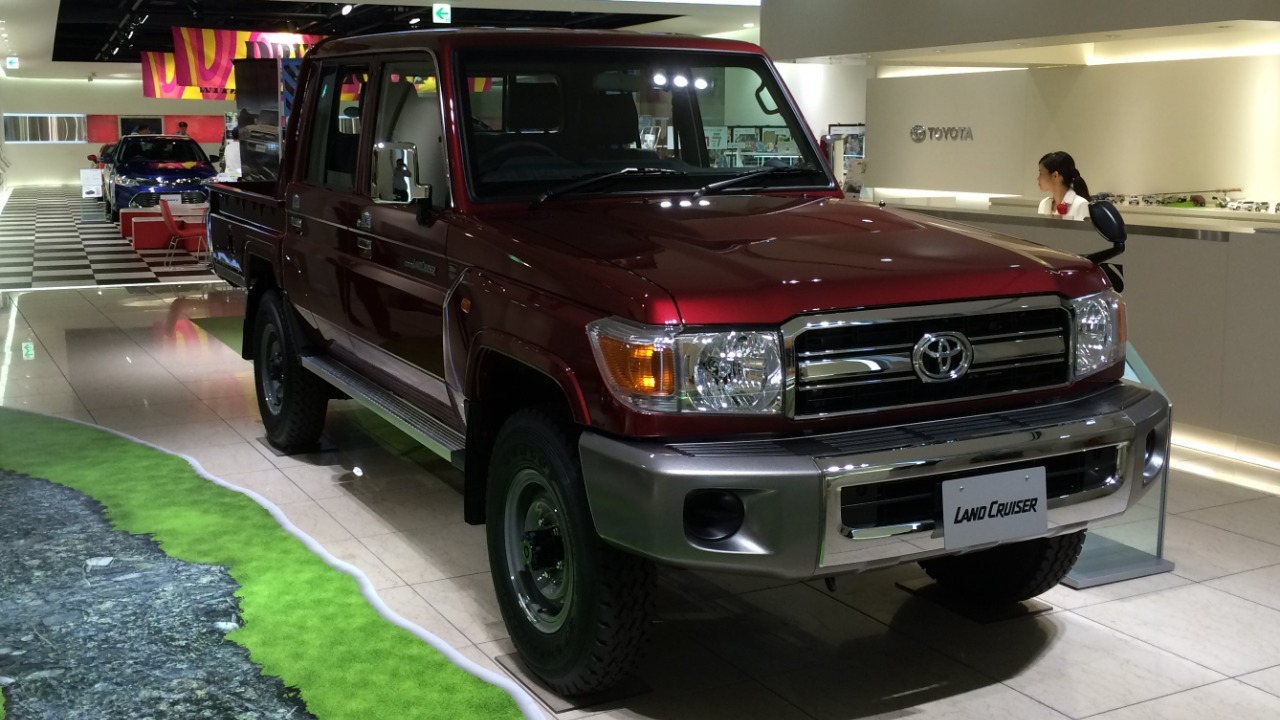
The Toyota Land Cruiser has always carried the feel of equipment rather than fashion. Its rugged body, durable four-wheel-drive hardware, and emphasis on mechanical reliability allowed it to operate in places where ordinary vehicles could not. Older models in particular feel almost industrial compared with modern SUVs. There is something reassuring about the straightforward controls and heavy-duty construction. A classic Land Cruiser can make today’s luxury-oriented SUVs seem like an entirely different category of vehicle.
Jeep Cherokee XJ

The Jeep Cherokee XJ was remarkably compact compared with today’s midsize SUVs. Its upright body, narrow proportions, simple interior, and practical four-wheel-drive system gave it a distinctive character. The unibody construction was also unusual for a rugged off-roader at the time. Despite its relatively basic appearance, the XJ proved highly capable and became a favorite among outdoor enthusiasts. Its proportions now make it look like a vehicle from a completely different automotive era.
Renault 4
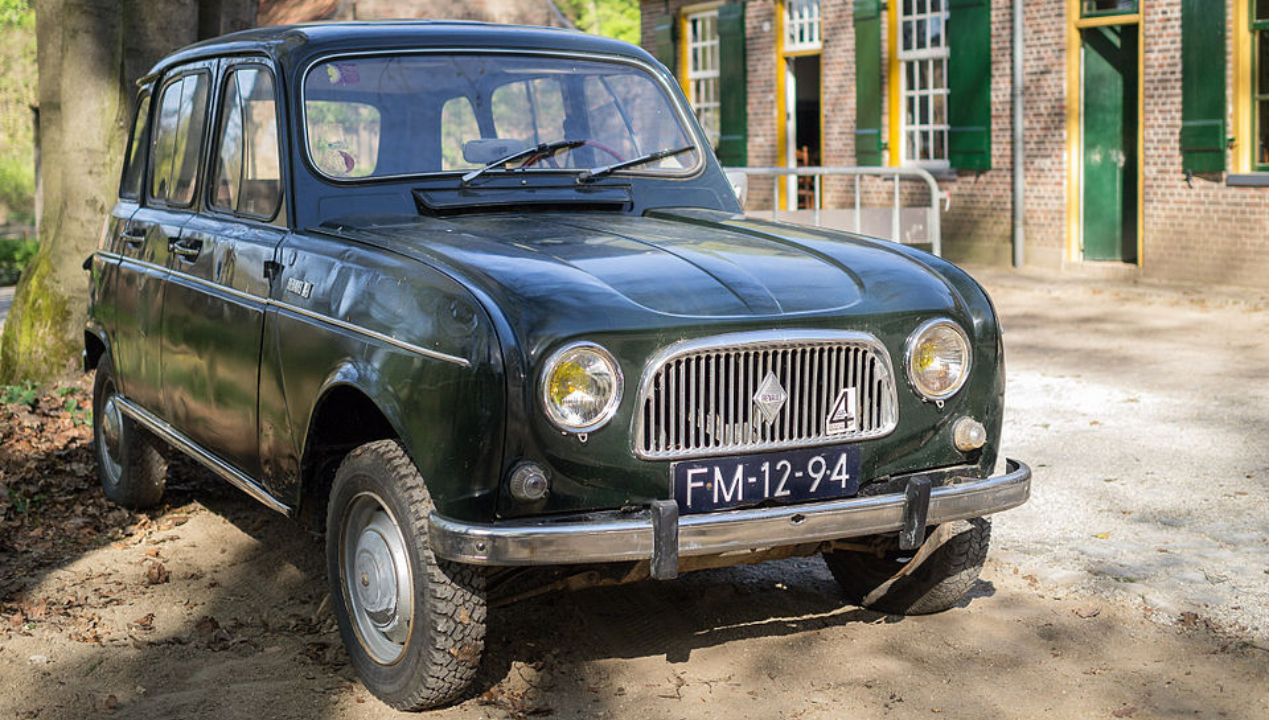
The Renault 4 was built around an idea that modern manufacturers rarely pursue: maximum practicality with minimum complexity. Its tall roof, simple hatchback body, front-wheel drive, and compact engine created an incredibly useful little vehicle. The suspension was designed to cope with rough roads, while the interior could be adapted for different loads. It feels distinctly old-fashioned today because every feature seems focused on utility rather than technology, styling trends, or performance.
Fiat Panda
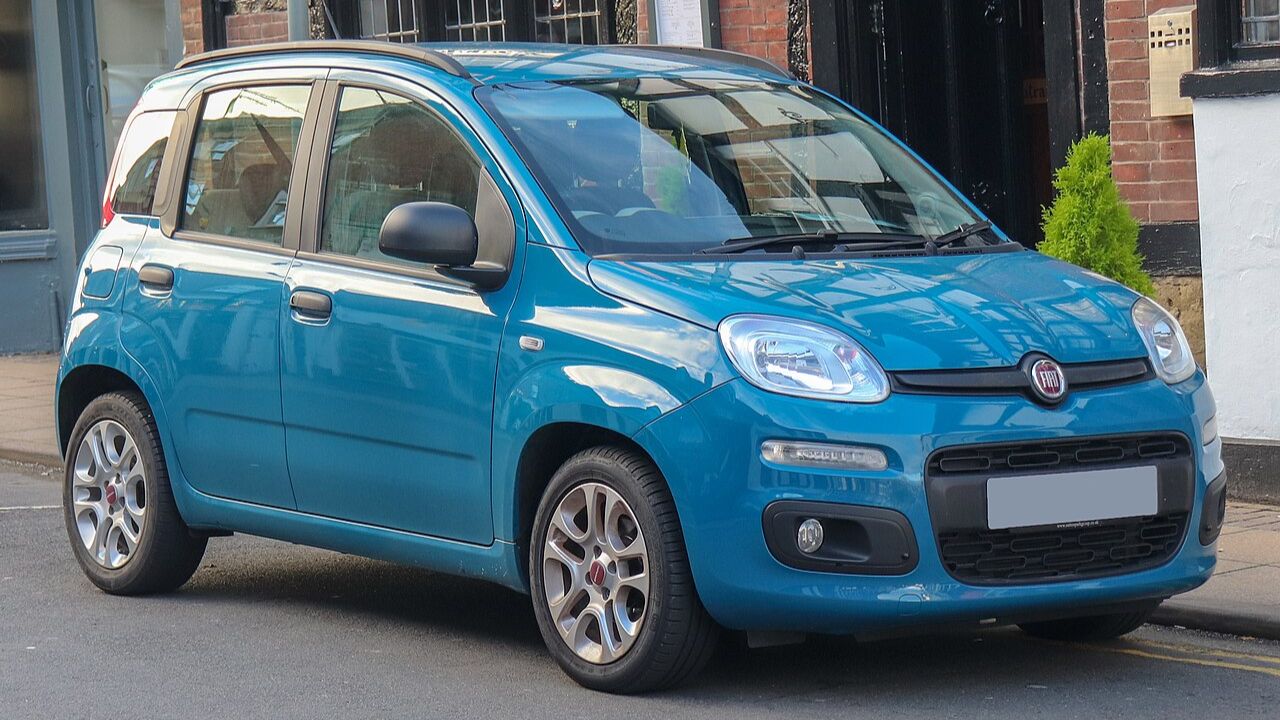
The original Fiat Panda was another example of clever simplicity. Its boxy body created surprising interior space while keeping the car small and inexpensive. The interior used straightforward materials and controls, emphasizing practicality over luxury. Four-wheel-drive versions added even more versatility. The Panda’s design was so focused on basic transportation that it can feel almost experimental compared with today’s small cars, which tend to be packed with technology and increasingly complex equipment.
Ford Crown Victoria

The Ford Crown Victoria feels like a surviving example of the traditional American sedan. Its body-on-frame construction, rear-wheel-drive layout, large cabin, and naturally aspirated V8 made it increasingly unusual as the industry moved toward smaller and more efficient vehicles. Police departments and taxi companies kept the platform alive for years because of its durability and straightforward serviceability. Even ordinary civilian versions now have an unmistakable old-school character that is difficult to find in a modern sedan.
Lincoln Town Car
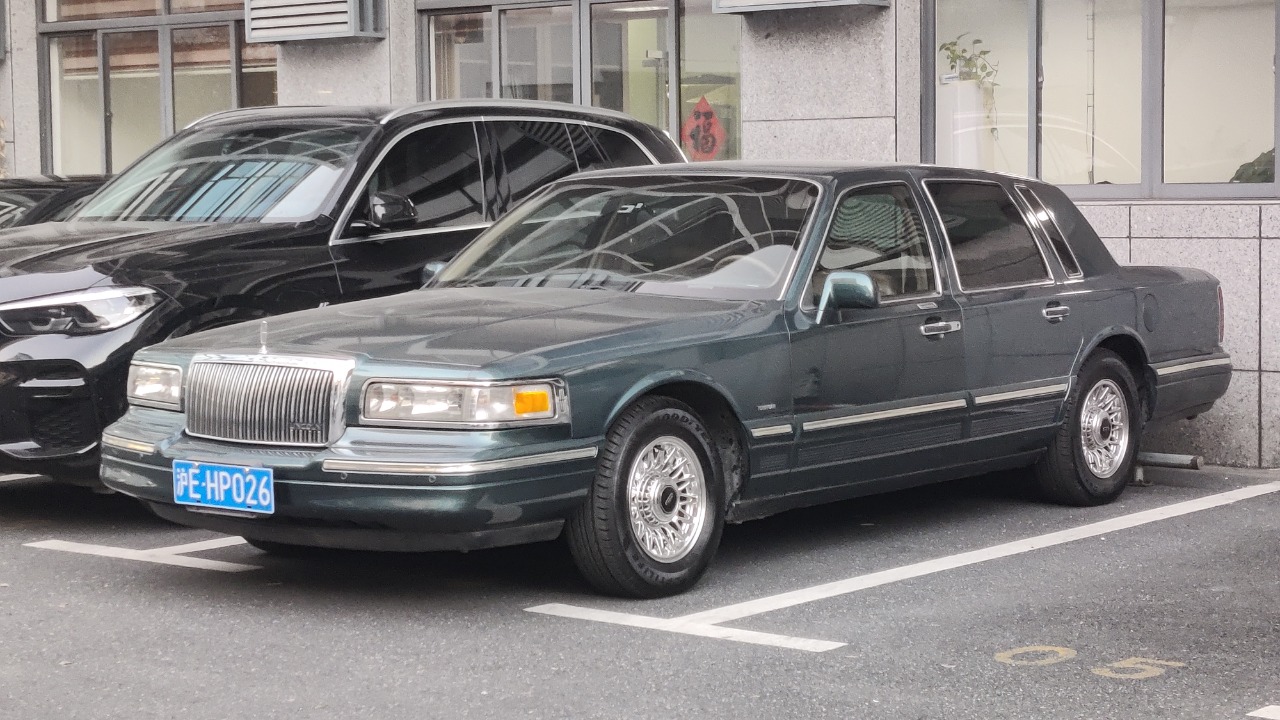
The Lincoln Town Car represented an approach to luxury that emphasized space, comfort, and a relaxed driving experience. Its large body, soft suspension, generous seating, and traditional V8 power created an experience very different from today’s performance-oriented luxury sedans. The Town Car was designed to absorb long highway journeys rather than attack corners. Sitting in one today can feel like entering a period when American luxury meant a huge cabin, a smooth ride, and plenty of room.
Chevrolet El Camino
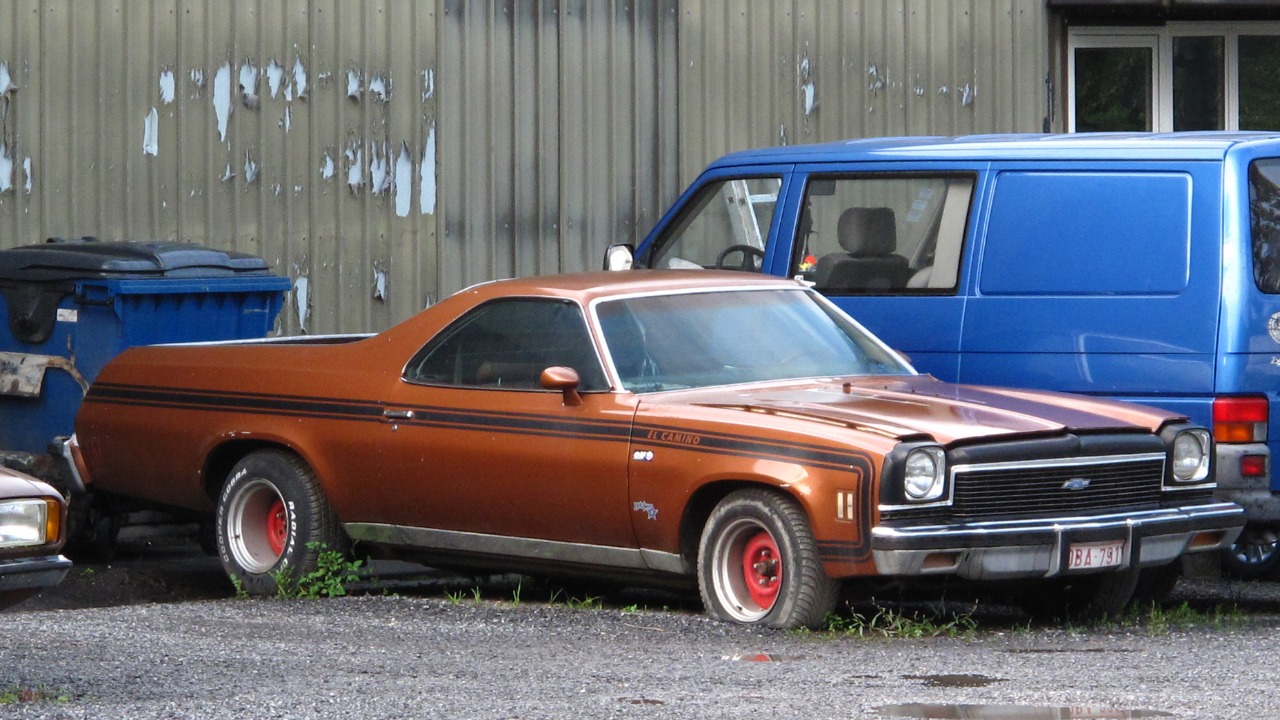
The Chevrolet El Camino blurred the line between passenger car and pickup in a way that modern manufacturers rarely attempt. Its car-based chassis made it easier to drive than a conventional truck, while the open rear bed provided genuine utility. The result was practical enough for work but stylish enough for cruising. Its unusual proportions and simple controls make it feel like a product of a time when automakers were much more willing to experiment with unusual body styles.
Subaru Brat
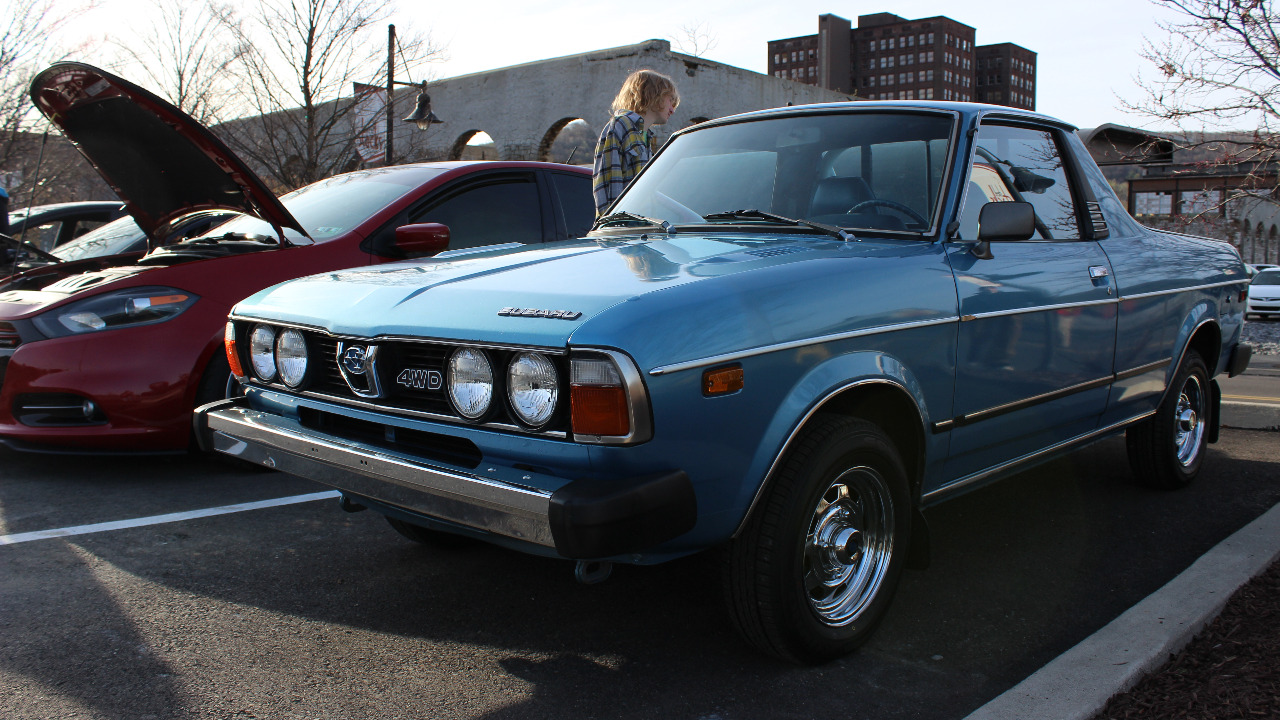
The Subaru Brat took the small pickup concept in an unexpected direction. Its compact four-wheel-drive platform made it useful on rough roads, but the unusual rear-facing seats in the cargo area gave it a personality unlike almost any conventional pickup. The Brat reflected an era when manufacturers could create highly specific vehicles for niche buyers. Today, its tiny proportions and quirky design make it look almost impossible to have come from a major automaker.
Suzuki Samurai
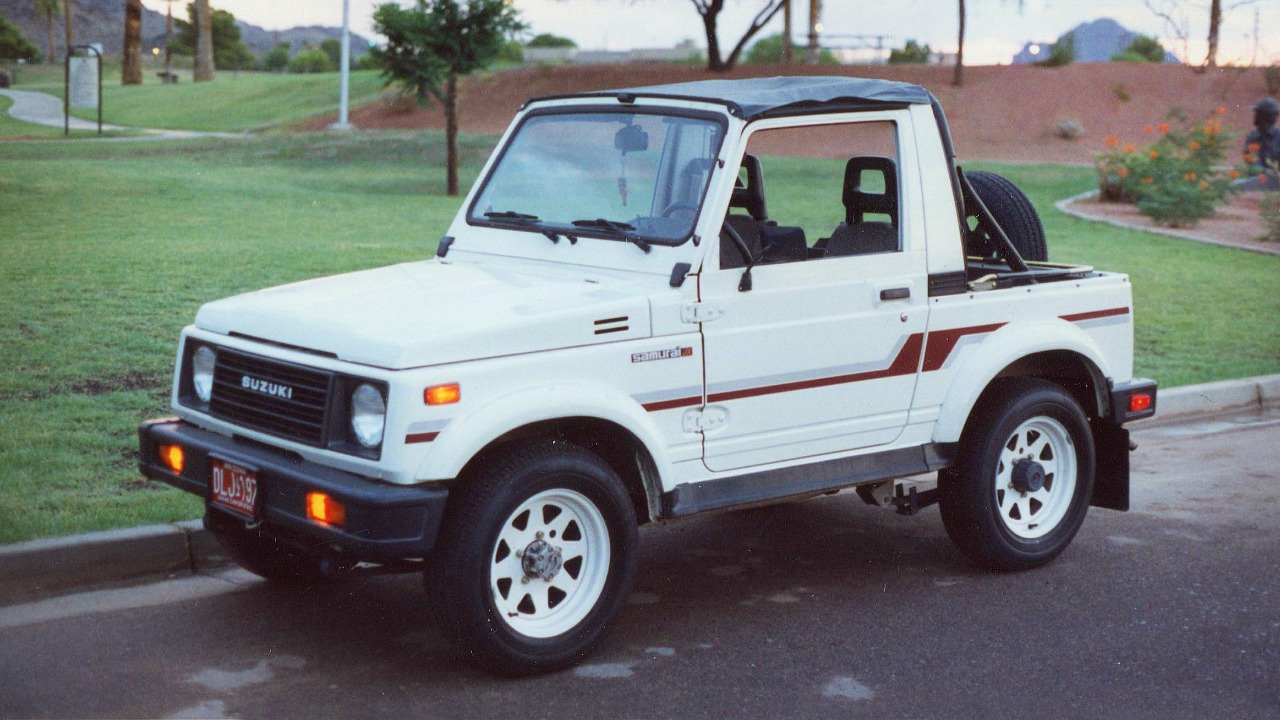
The Suzuki Samurai was a tiny four-wheel-drive vehicle that prioritized simplicity and off-road ability over comfort. Its narrow body made it particularly useful on tight trails, while its lightweight construction allowed it to go farther than its size might suggest. Inside, there was little unnecessary equipment. Compared with today’s large, heavily equipped SUVs, the Samurai feels almost miniature. That simplicity is precisely what has kept it popular among enthusiasts who want a vehicle that feels mechanical and direct.
Plymouth Prowler
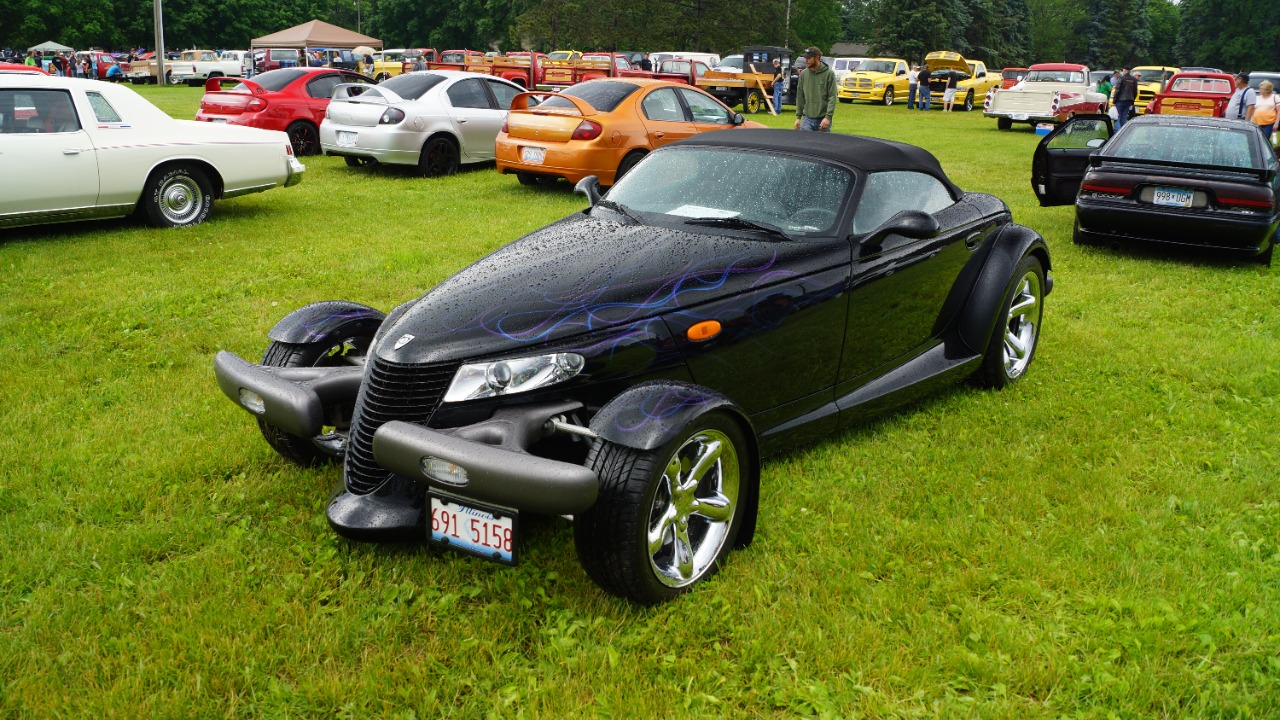
The Plymouth Prowler looked like it had escaped from a hot-rod show and somehow reached a production line. Its exposed front suspension, narrow front tires, long hood, and dramatically shaped body made it unlike ordinary contemporary vehicles. Chrysler took a major styling risk by building such an unconventional car. Although its performance was not as extreme as its appearance suggested, the Prowler’s design alone gives it the sensation of belonging to an alternate automotive timeline.
DeLorean DMC-12
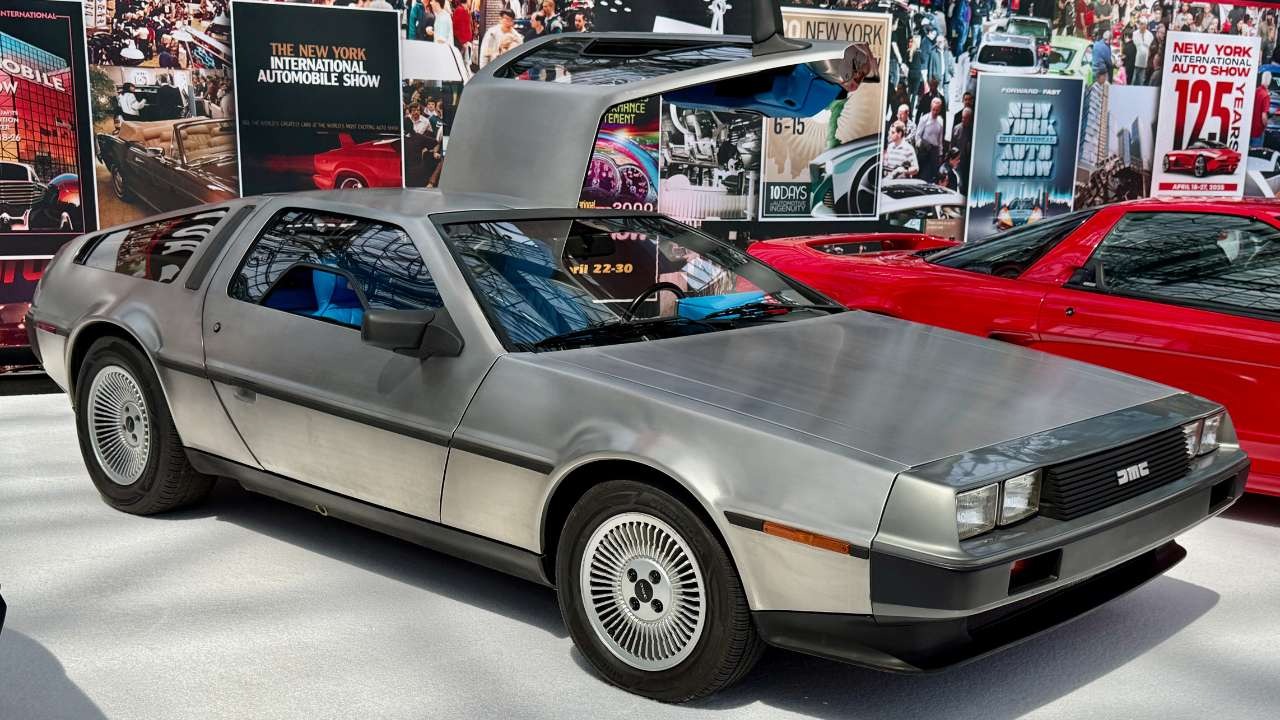
The DeLorean DMC-12 looked futuristic even when it was new. Stainless-steel body panels, gullwing doors, sharp wedge-shaped styling, and an unusual low-slung profile gave it an appearance unlike mainstream sports cars. Its fame from film eventually became inseparable from its identity, but the car was already visually distinctive before that. Today, the DMC-12 feels even more unusual because few production vehicles have ever combined such radical styling with such a recognizable silhouette.
AMC Pacer
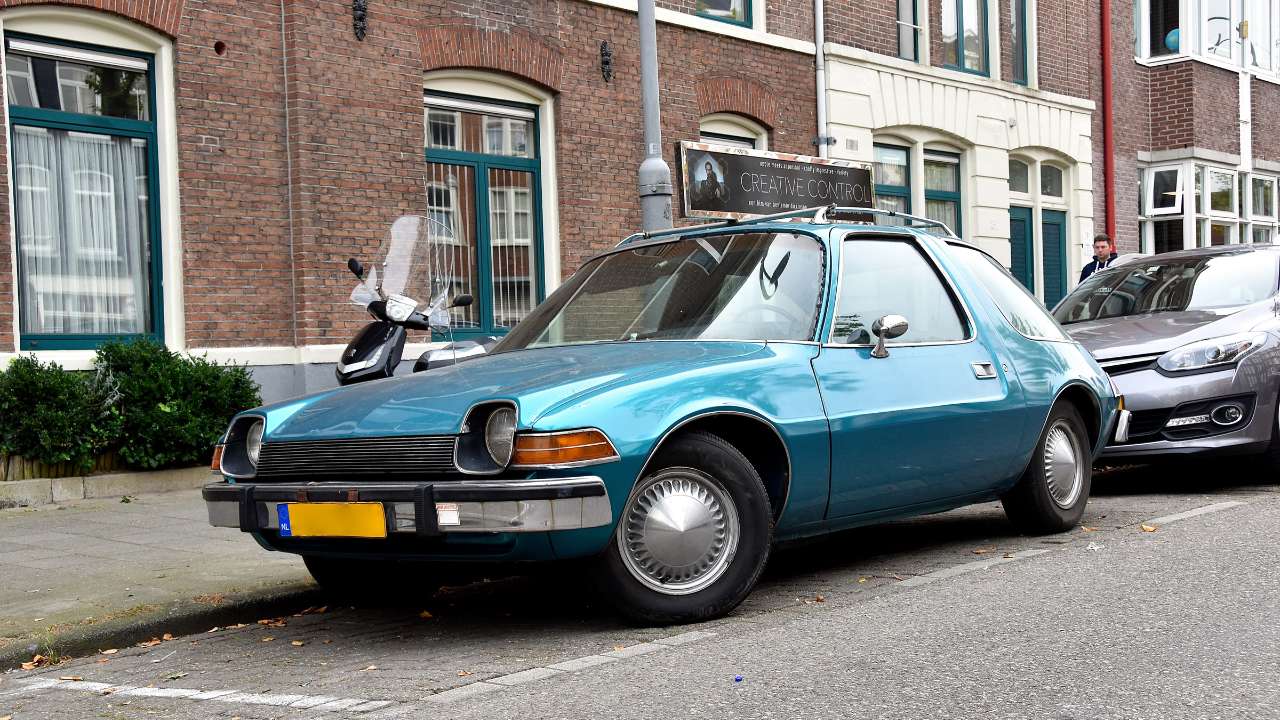
The AMC Pacer was intentionally different from conventional American cars. Its rounded glass-heavy body, unusual proportions, and asymmetrical door design made it stand out immediately. AMC wanted to create a compact car with exceptional interior visibility and a distinctive shape, and the result certainly achieved the second goal. The Pacer eventually became a cultural curiosity, but its design still feels strange today. In some ways, it looks less like an old car than a prediction of an alternate automotive future.
Volkswagen Type 2
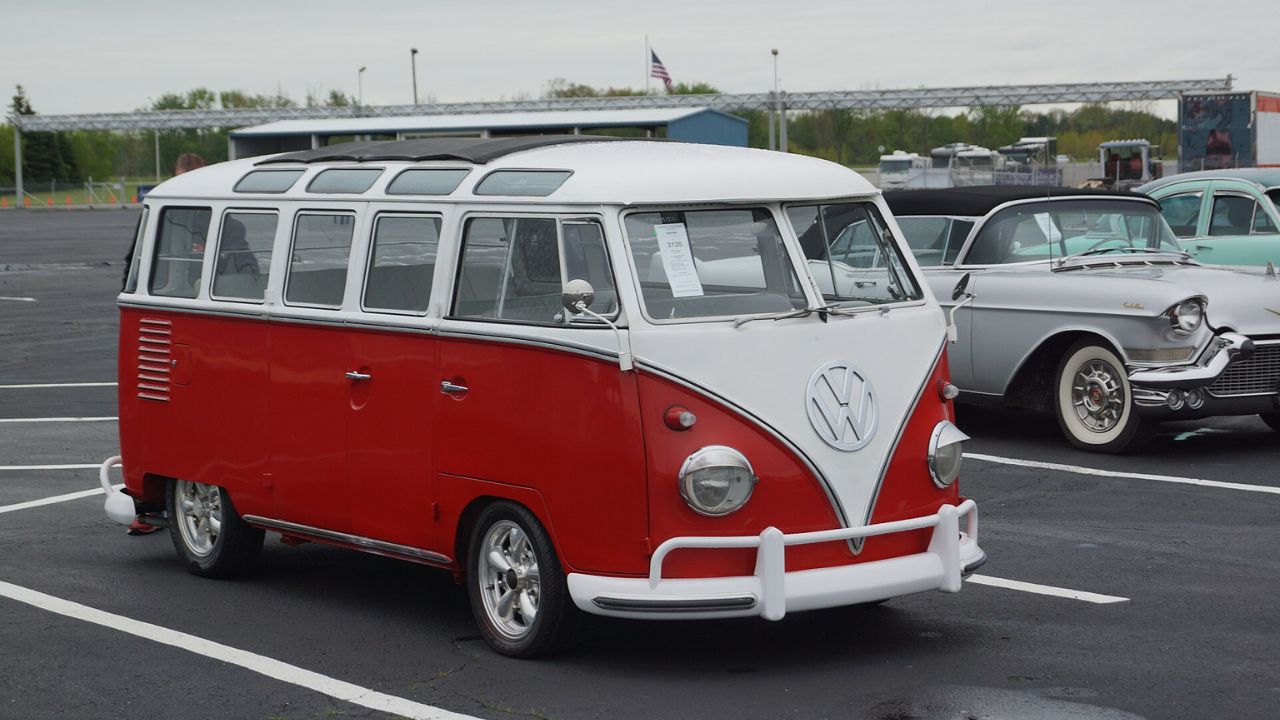
The Volkswagen Type 2 became a symbol of practical transportation, but its engineering also gave it a distinctive personality. The rear-mounted engine, forward-control layout, enormous usable cabin, and simple mechanical systems made it unlike conventional vans. Versions were used for everything from commercial work to camping. The driving position and unusual proportions feel completely foreign compared with modern vans. A classic Type 2 is therefore more than an old vehicle; it is a reminder of a very different approach to transportation.
Toyota FJ Cruiser
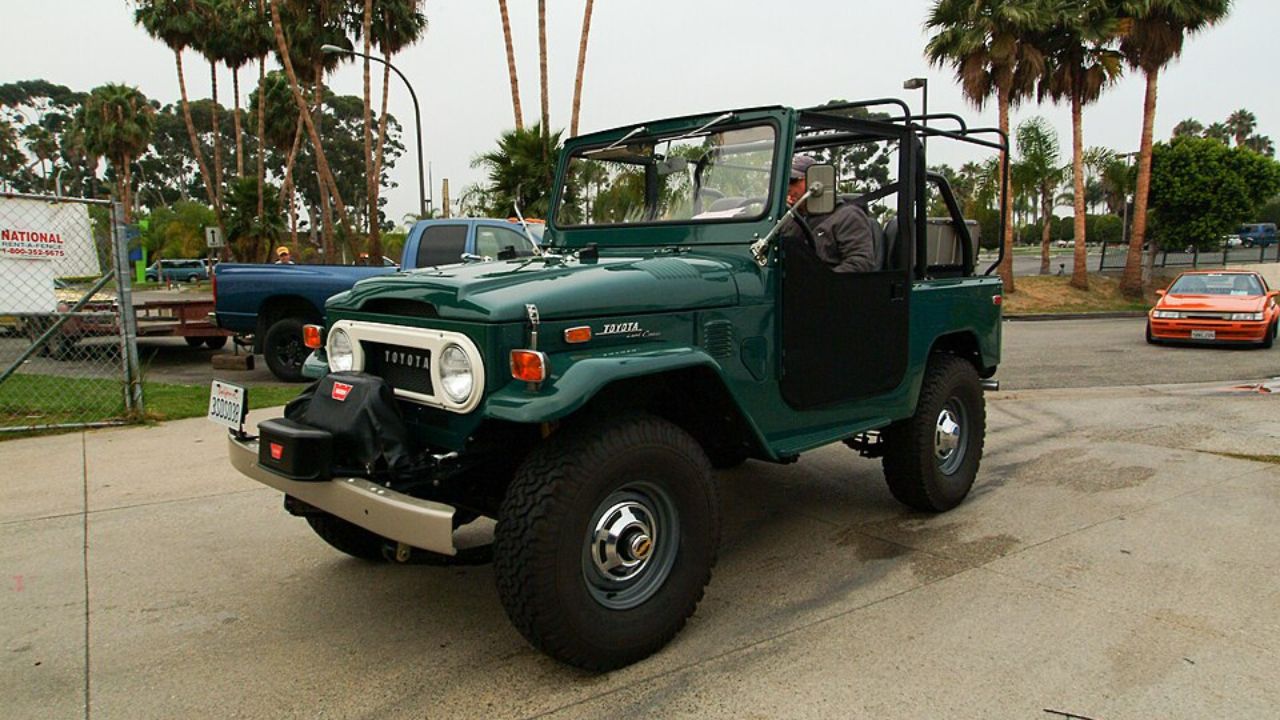
The Toyota FJ Cruiser arrived in a modern market but deliberately borrowed heavily from an earlier design philosophy. Its upright windshield, white roof, round headlights, exposed hinges, and rugged bodywork were clearly inspired by classic Toyota off-roaders. Unlike many retro-styled vehicles, however, it retained genuine four-wheel-drive capability. The result feels like a modern vehicle wearing the clothes of an older one. Its unusual appearance has helped it remain distinctive long after most contemporary SUVs began to blend together.
Hummer H1
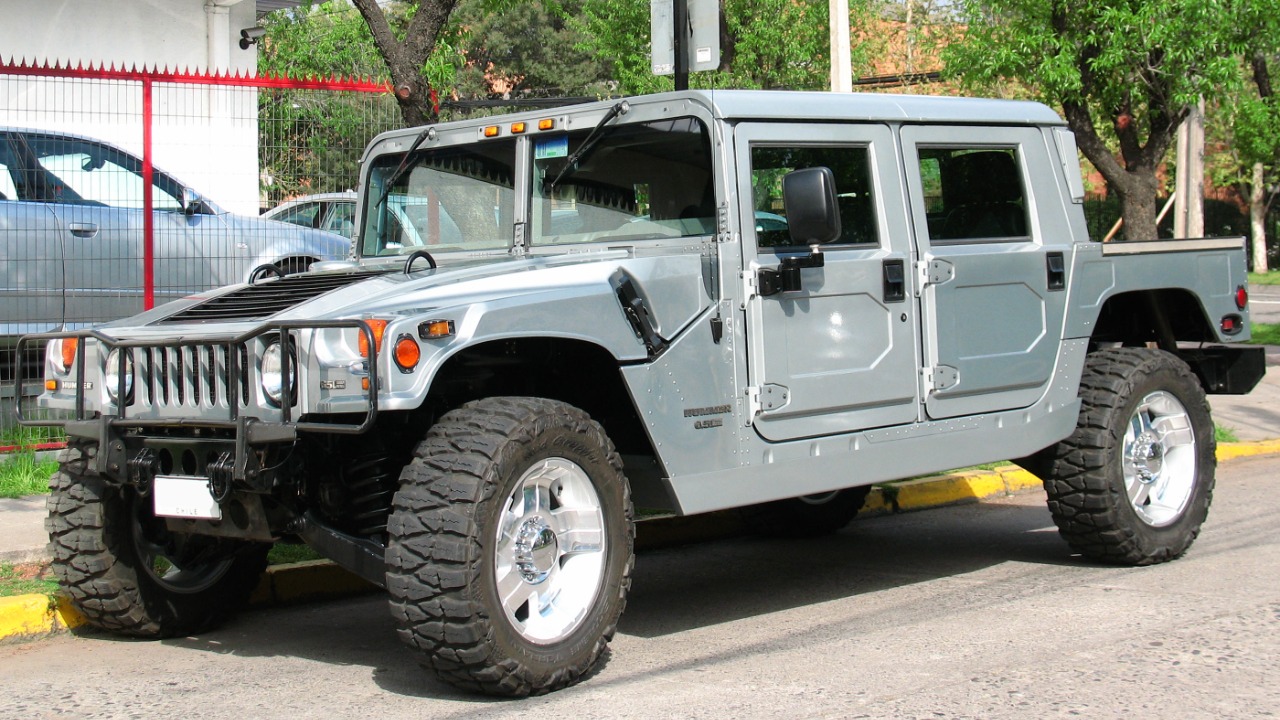
The Hummer H1 was never subtle. Its enormous width, high ground clearance, exposed hardware, and military-inspired design made ordinary SUVs look almost delicate. It was developed from a military vehicle rather than from the typical passenger-car platform, giving it an unmistakable sense of purpose. The H1 feels especially out of place today because modern SUVs are increasingly focused on efficiency, comfort, and urban convenience. The Hummer seems to come from an era when capability was measured in sheer physical toughness.
More from Fast Lane Only
- Unboxing the WWII Jeep in a Crate
- 15 rare Chevys collectors are quietly buying
- 10 underrated V8s still worth hunting down
- Police notice this before you even roll window down
*Research for this article included AI assistance, with all final content reviewed by human editors.