The 2027 Nissan Z arrives as a carefully judged response to its loudest critics, trading its fussy front end for a cleaner, more cohesive face while layering in meaningful performance and usability tweaks. Rather than a ground-up redesign, Nissan has focused on the details that matter most to enthusiasts, from the reshaped grille to a long-awaited transmission option in the flagship Nismo. The result is a sports car that looks more resolved, feels more focused, and finally aligns its spec sheet with the expectations its styling has always promised.
What stands out to me is how targeted this refresh is: Nissan has not chased headline power figures or radical bodywork, but instead has refined the Z where it was weakest and doubled down where it was already strong. The updated nose, new color and trim choices, and a more serious Nismo package suggest a company listening closely to its core audience and willing to make surgical changes rather than cosmetic distractions.
A front end that finally fits the rest of the car
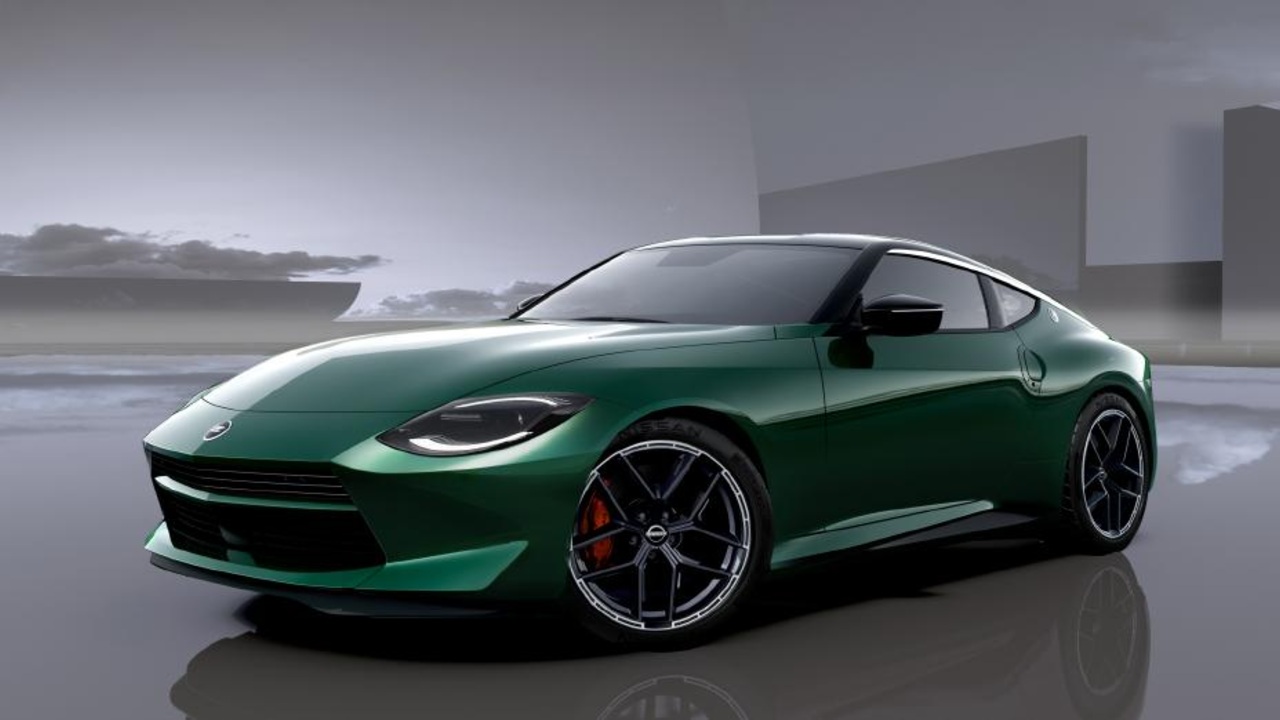
The most immediate change on the 2027 Nissan Z is its reworked front fascia, which finally brings the nose in line with the car’s otherwise handsome proportions. The previous model’s tall, rectangular opening with awkward vertical slits divided opinion from the moment it appeared, and it quickly became the single most common complaint about the car’s design. For 2027, those vertical elements are gone, replaced by a more sculpted lower section and a body-colored crossbar that visually splits the intake into two cleaner pieces, creating a lower grille that looks wider, lower, and far better integrated with the bumper and headlights.
This new two-piece grille does more than tidy up the styling; it also reconnects the Z with its own heritage. The updated Fairlady Z front end closely echoes the treatment used on the 2024 Z Heritage Edition, but the latest version is more smoothly integrated into the standard bumper and reads as a cohesive production design rather than a limited-run homage. The result is a face that still nods to classic Z-cars yet avoids the cartoonish severity that dogged the outgoing nose, addressing what Nissan itself has effectively acknowledged as the car’s biggest design misstep.
Retro cues, new color, and a more premium cabin
Beyond the reshaped grille, the 2027 Z leans further into its retro-modern brief with subtle but effective visual updates. The new front treatment, with its divided intake and softer lower corners, gives the car a more classic sports-car stance, especially when paired with updated 19-inch wheels that fill the arches more convincingly. The standout change, however, is a striking new Unryu Green paint option, a lush, deep shade that flatters the Z’s long hood and fastback roofline and immediately distinguishes the refreshed model from earlier cars finished in more conventional hues.
Inside, Nissan has taken the opportunity to address complaints that the cabin felt more parts-bin than premium. The 2027 Z introduces a richer tan leather interior option that lifts the perceived quality, especially when combined with new bi-tone finishes that break up the darker plastics. In the Nismo, the focus shifts to performance, with heavily bolstered seats trimmed in suede with red stitching and other motorsport-inspired touches that underline its role as the most serious Z in the range. These changes do not transform the interior architecture, but they do move the car closer to the level of polish buyers expect in a modern performance coupe.
Mechanical fundamentals stay familiar, with smarter tuning
Under the hood, Nissan has wisely left the core mechanical package of the Z intact. The 3.0-liter twin-turbo V6 remains the heart of the car, delivering its familiar blend of strong midrange torque and a character that suits both relaxed cruising and hard driving. Buyers can still choose between a six-speed manual and a nine-speed automatic in the standard car, a flexibility that has been central to the Z’s appeal and that Nissan has not tampered with in this refresh.
Where the 2027 update does move the needle is in the supporting hardware and calibration. The Z Nismo continues with its uprated brakes, using four-piston Akebono calipers painted bright red that clamp larger discs, now paired with a two-piece rotor design aimed at better heat management and reduced unsprung mass. Suspension tuning has also been revisited to sharpen body control without tipping the car into the kind of harshness that some earlier setups were criticized for, an attempt to align the chassis with the extra grip and braking performance that the Nismo hardware can generate.
Manual Nismo: the enthusiast box finally ticked
The headline mechanical news for 2027 is not a power bump but a gearbox. After sustained pressure from enthusiasts, Nissan has finally given the Z Nismo the option of a manual transmission, answering what had quickly become the second major complaint about the car after its front-end styling. The Manual Nismo specification transforms the flagship Z from a fast but somewhat detached track special into a more involving driver’s car, one that allows owners to fully engage with the twin-turbo V6 and make the most of the chassis revisions.
This change is more than a token gesture. By pairing the Nismo’s uprated engine, brakes, and suspension with a six-speed manual, Nissan is signaling that it still sees the Z as a car for people who care about the process of driving, not just the numbers. The manual Nismo will return alongside the automatic version, giving buyers a clear choice between outright convenience and maximum involvement, and it arrives as part of a broader package of refinements that includes the updated aero, wheels, and interior details specific to the Nismo variant.
Positioning the refreshed Z in a tightening sports-car field
With these updates, the 2027 Nissan Z enters a sports-car market that is both more competitive and more precarious than when the current generation first appeared. Rivals are increasingly defined by turbocharged four-cylinders, hybrid assistance, or a pivot toward grand touring comfort, while the Z continues to offer a relatively traditional formula: a front-mounted twin-turbo V6, rear-wheel drive, and a choice of manual or automatic transmissions across the range. By focusing its refresh on design corrections, a more serious Nismo, and incremental hardware improvements rather than a wholesale reinvention, Nissan is betting that there is still a substantial audience for that classic layout.
From my perspective, the strategy feels measured and pragmatic. The sleeker nose removes a major barrier for buyers who liked the Z on paper but could not get past the front end, the richer color and trim palette gives the car more showroom appeal, and the manual Nismo finally aligns the top model with enthusiast expectations. None of these changes radically alter the Z’s identity, but together they make the 2027 car the version that should probably have launched in the first place, a more coherent expression of what a modern Fairlady Z is meant to be.
More from Fast Lane Only: