Horsepower figures rarely tell the full story of a classic sports car. Chassis tuning, weight, gearing and driver confidence can let modestly powered machines embarrass bigger numbers on paper. Here are five classics that, according to period testing and race results, consistently punched far above their stated horsepower ratings.
Porsche 356C (1964)

The 1964 Porsche 356C produced about 90 horsepower, yet period testing described it as “the best handling car in the world,” a verdict that came after direct comparison with stronger rivals on challenging roads. In contemporary coverage, the 356C was praised for outpacing higher horsepower cars such as the Jaguar E-Type on tight, twisty routes, where its balance, steering precision and compact footprint mattered more than straight-line thrust, as documented in a detailed 1964 review. That combination of modest power and exceptional control set a template for later lightweight sports cars.
I see the 356C’s reputation as a reminder that engineering focus on suspension geometry, weight distribution and braking can redefine performance expectations. For enthusiasts and engineers, its success showed that a carefully tuned platform could deliver real-world speed and driver confidence that raw output figures could not predict, influencing how later German and Japanese manufacturers approached small-displacement sports models.
Austin-Healey Sprite Mark I (1959)
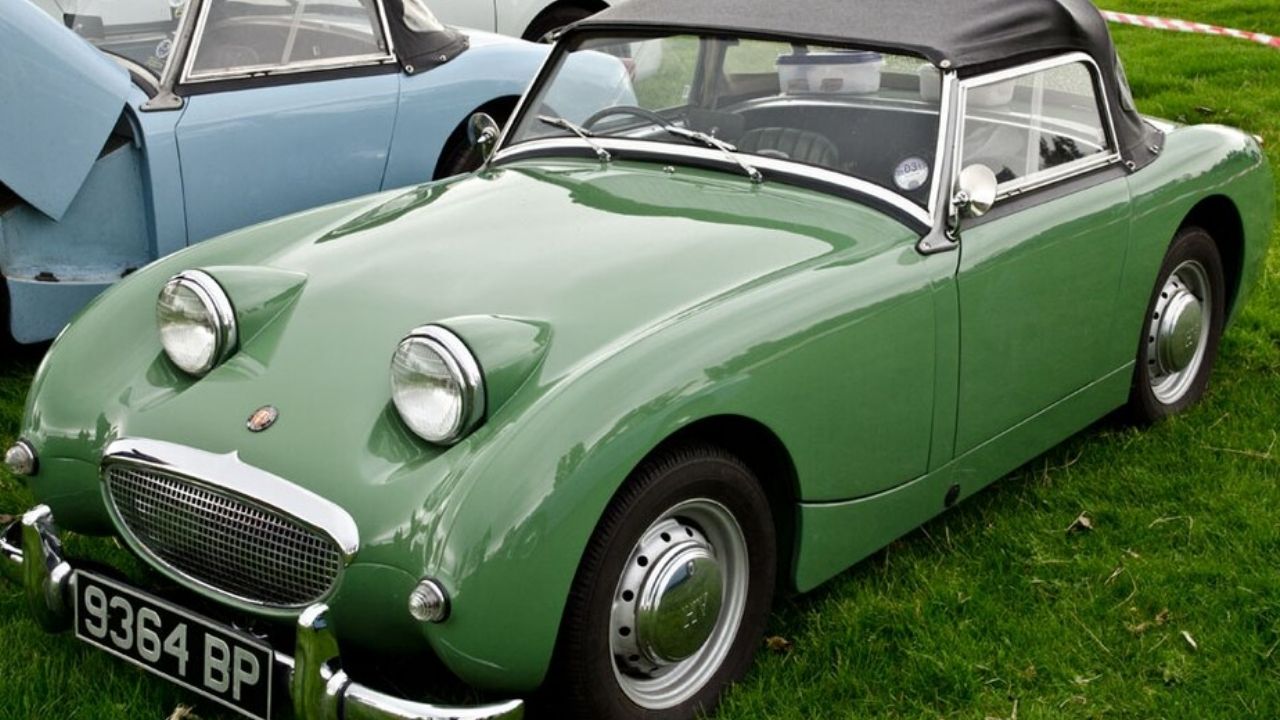
The 1959 Austin-Healey Sprite Mark I, the so-called “Frogeye,” made only 43 horsepower from its 948 cc engine, yet it captured a class win at the 1959 Sebring 12 Hours. Period race reports note that the Sprite beat competitors with roughly double the power, relying on low weight, simple mechanicals and remarkable agility, as highlighted in a contemporary Sebring report. Over hours of endurance running, its modest engine output became an asset, easing stress on components while the chassis carried speed through corners.
To me, the Sprite’s Sebring result underlines how endurance racing can reward efficiency and predictability over brute force. Privateer teams and budget-conscious drivers took notice, seeing that a lightly tuned small car could deliver serious results when driven smoothly, helping to popularize grassroots sports car racing built around accessible, low-power platforms.
Mazda RX-7 First Generation (1979)
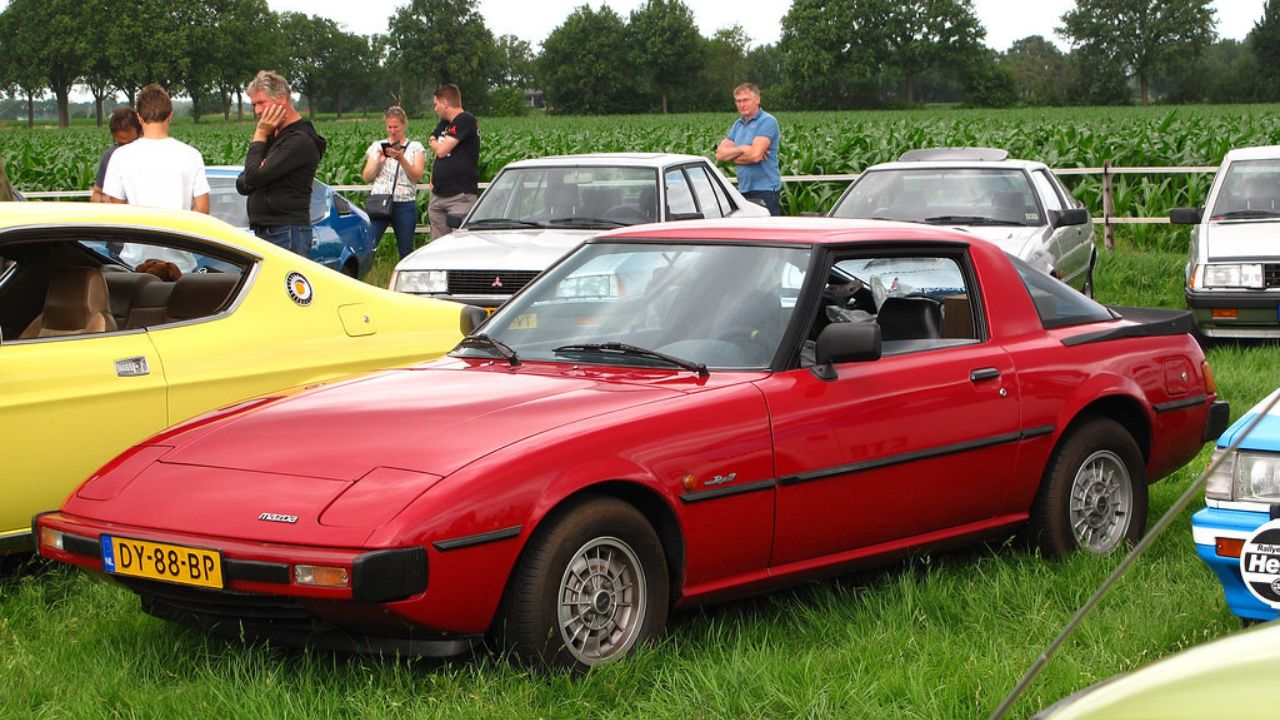
The first-generation Mazda RX-7, introduced for 1979, used a rotary engine rated at roughly 100 horsepower, yet it quickly became a dominant force in autocross and club competition. A widely cited 1980 road test remarked that the RX-7 “punches way above its weight in cornering” when stacked against heavier V8 muscle cars. Its light rotary, low center of gravity and responsive steering let drivers carry speed through slaloms and tight transitions where raw torque mattered less than balance and grip.
I view the RX-7’s success as a pivotal moment for Japanese sports cars, proving that unconventional engines and careful chassis tuning could challenge traditional American performance formulas. For sanctioning bodies and competitors, its autocross dominance forced rethinking of class structures and handicaps, since a 100-horsepower rating no longer guaranteed a lower-performance bracket.
Alfa Romeo Giulietta Sprint Veloce (1962)
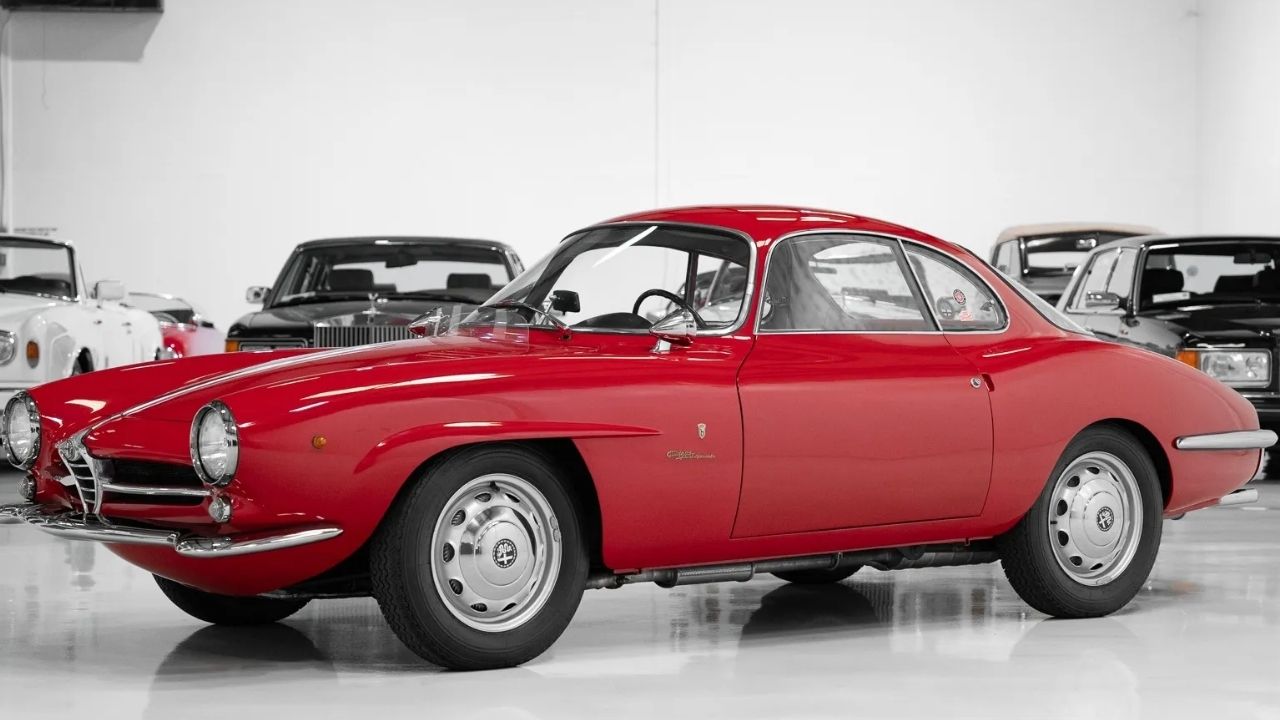
The 1962 Alfa Romeo Giulietta Sprint Veloce produced about 90 horsepower, yet it set notable lap records at the Nürburgring in 1963. Period coverage describes how the car’s poise and grip allowed it to post times that embarrassed more powerful machinery, including stock Ferrari 250 models, during intense competition at the circuit, as detailed in a contemporary Nürburgring report. Enzo Ferrari was quoted as saying, “The Alfa handles like a dream on the ’Ring,” a striking compliment from a rival manufacturer.
Those records, in my view, crystallized the idea that a relatively small-displacement Italian coupe could be a serious track weapon. For buyers and racers, the Sprint Veloce demonstrated that sophisticated suspension tuning and high-speed stability on a demanding circuit could outweigh the prestige and power advantage of larger, more expensive grand tourers.
Mercedes-Benz 300SL Gullwing (1955)
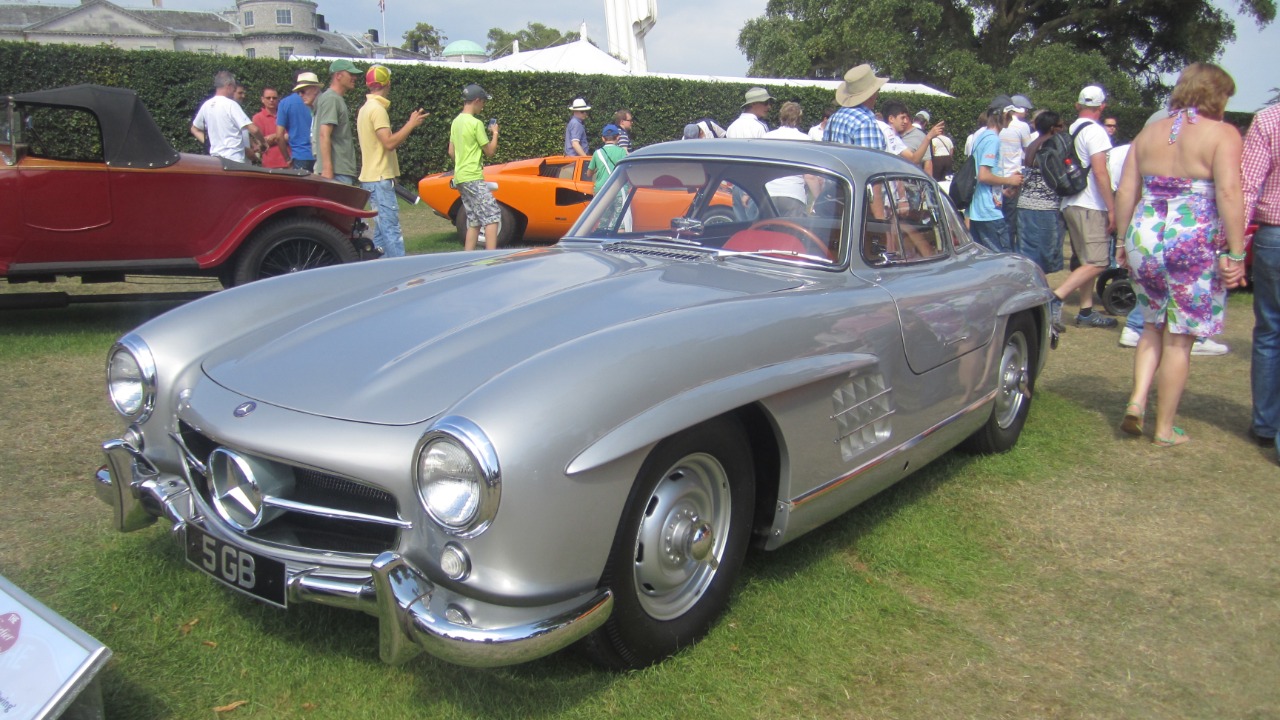
The 1955 Mercedes-Benz 300SL Gullwing is often remembered for its styling, but its 215-horsepower, fuel-injected straight-six and low weight delivered results that exceeded even that impressive figure. In the 1955 Mille Miglia, a 300SL recorded an average speed of 101.1 mph over public roads, a statistic preserved in official race data. That pace allowed it to outdistance American V8 rivals such as the Chrysler 300, which carried more peak power but struggled with mass, aerodynamics and braking over the brutal Italian route.
I see the 300SL’s Mille Miglia performance as a turning point in how manufacturers approached high-speed endurance. Its combination of advanced fuel injection, careful weight control and aerodynamic efficiency foreshadowed the priorities of later GT racing and showed that integrated engineering could let a “mere” 215 horsepower dominate far stronger opposition.
More from Fast Lane Only: