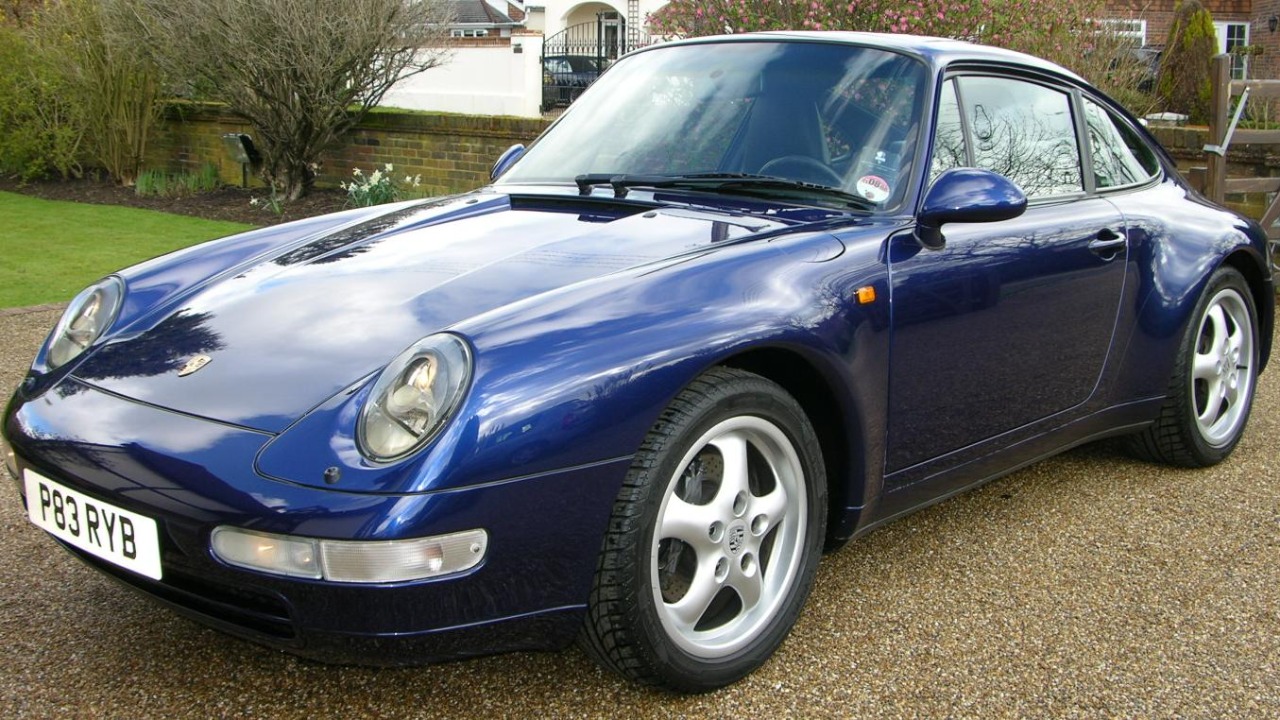
A massive transfer of wealth is beginning to reshape the collector car world as aging baby boomers prepare to pass down, sell, or liquidate classic vehicle collections accumulated over decades. Industry analysts estimate that hundreds of billions of dollars tied up in vintage automobiles may enter the market in the coming years, potentially transforming prices, demand, and the future of car collecting itself.
The shift is forcing collectors, auction houses, and automakers to rethink which vehicles will remain valuable as younger generations develop different tastes and priorities from the enthusiasts who built today’s classic car market.
What happened
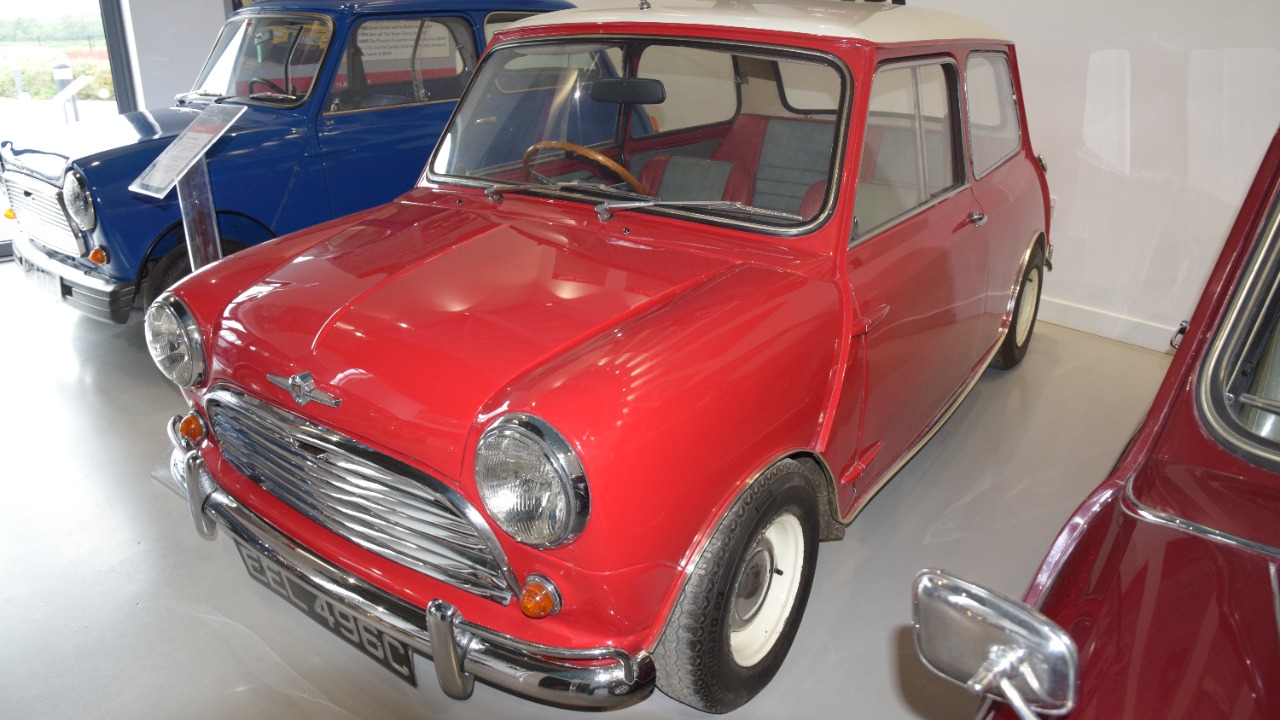
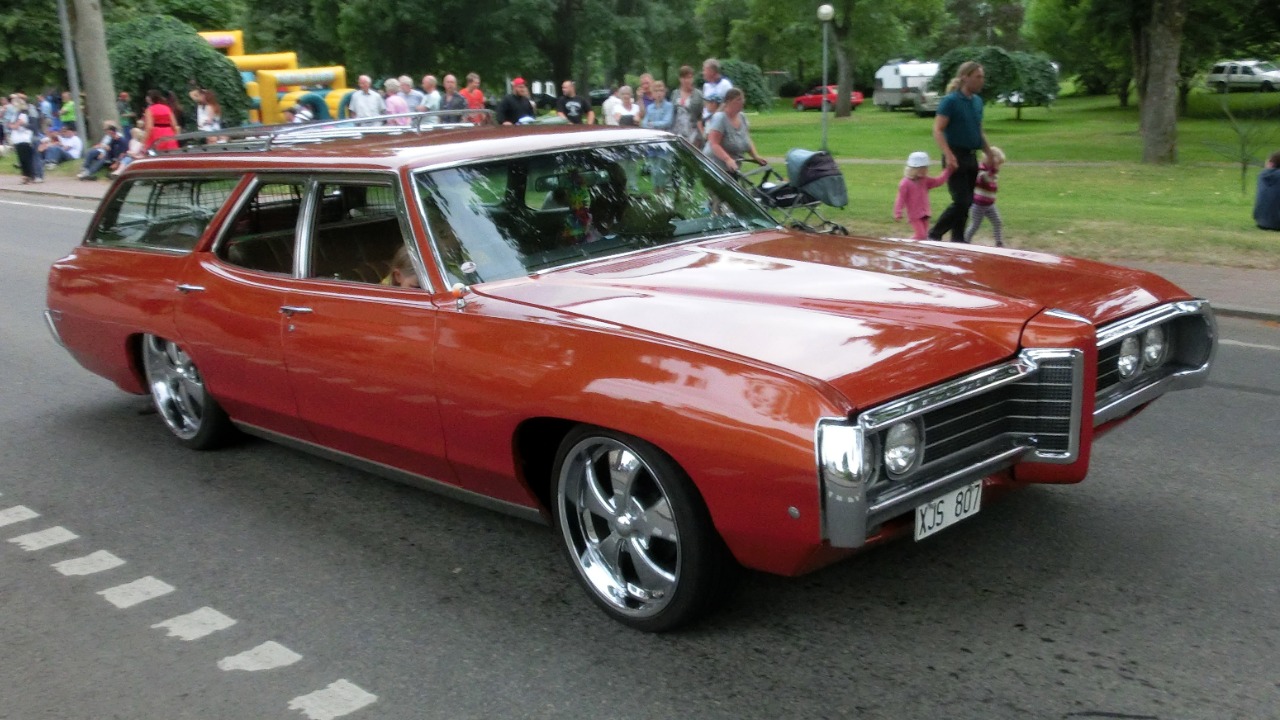
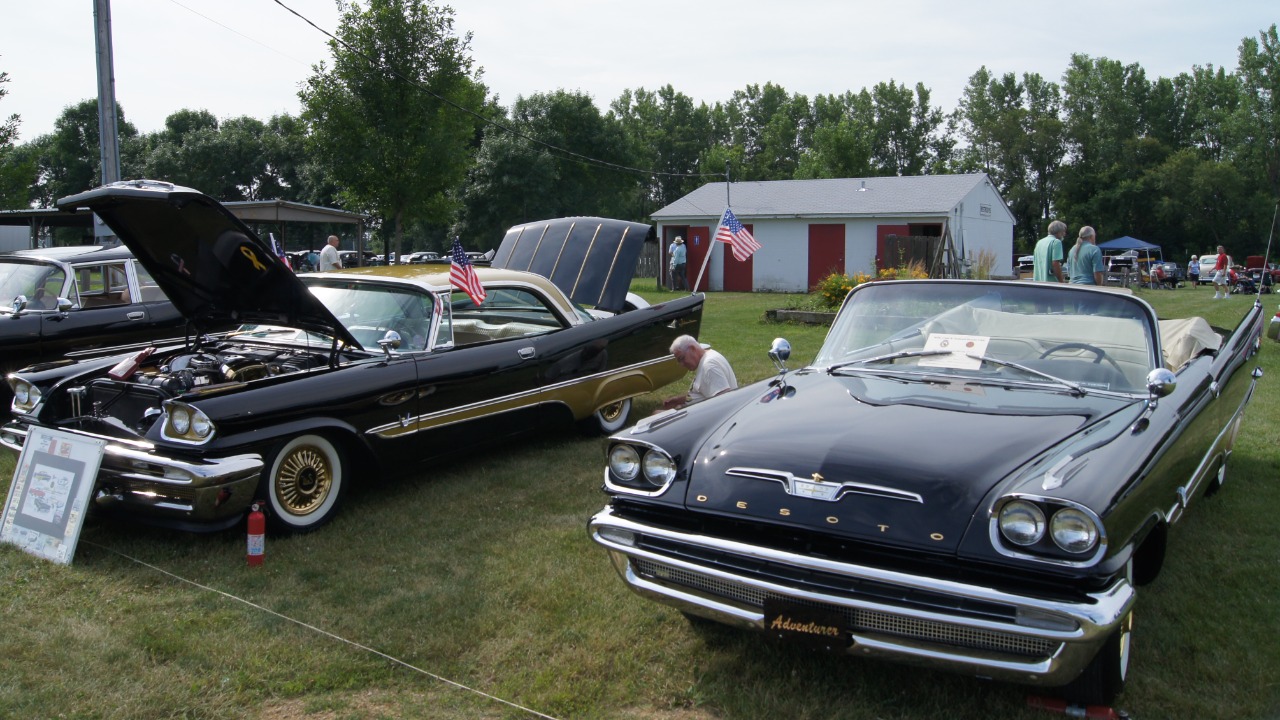
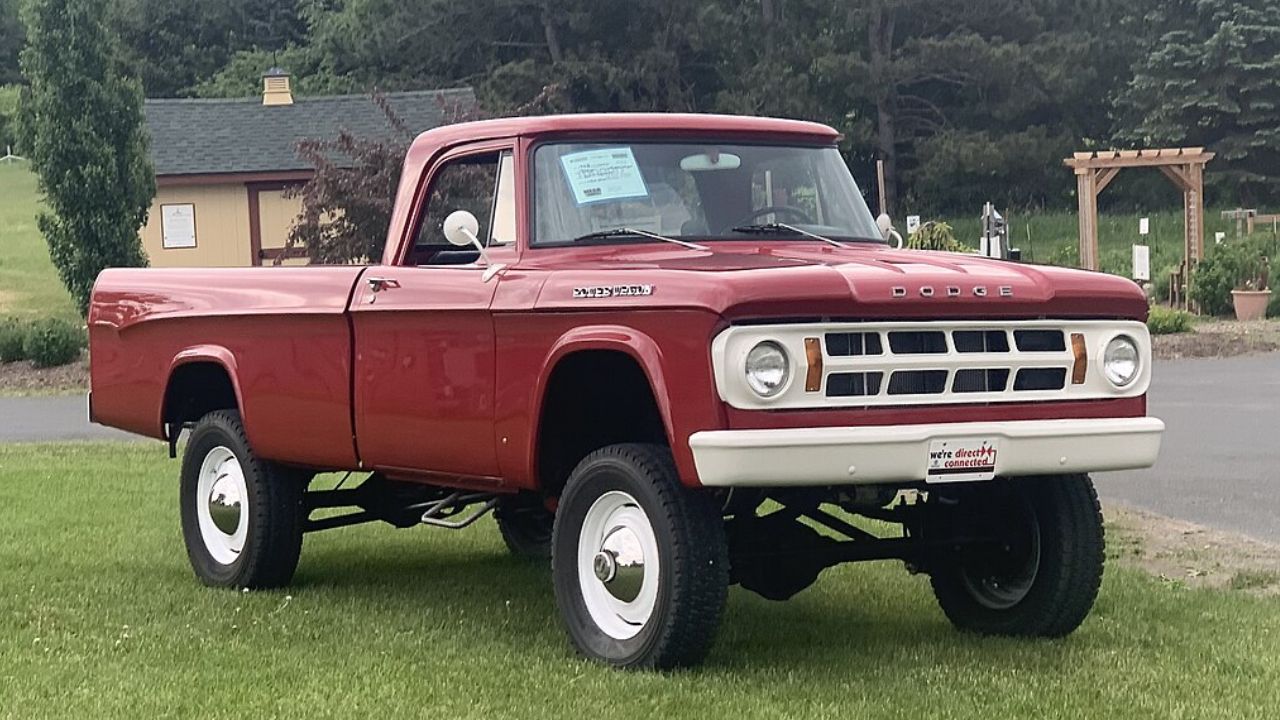
Many of the world’s most valuable collector car collections are currently owned by baby boomers who spent decades buying muscle cars, European exotics, vintage trucks, and rare postwar classics during the rapid growth of the collector vehicle industry. As that generation ages, a growing percentage of those vehicles are expected to return to the market through estate sales, private auctions, dealer consignments, and inheritance transfers.
Market researchers and collector car analysts estimate the combined value of these aging collections could exceed $570 billion globally, creating one of the largest ownership shifts the automotive hobby has ever experienced. The transition is already beginning to appear at major auction events, where long-term private collections are increasingly being sold in large numbers.
The change comes after years of rising values for many traditional collector vehicles, especially American muscle cars from the 1960s and 1970s, air-cooled European sports cars, and limited-production performance models. Vehicles once purchased as affordable enthusiast cars have become major investment assets, with some rare examples selling for millions of dollars at high-profile auctions.
Younger buyers, however, are entering the market with different preferences. While older collectors often focused on chrome-era classics and big-displacement V8s, younger enthusiasts are showing growing interest in 1980s, 1990s, and early-2000s performance cars, including Japanese imports, analog sports cars, and limited-production tuner icons.
Auction companies and restoration businesses are adapting to those changes by expanding focus toward newer enthusiast vehicles alongside traditional classics. Models once overlooked by older collectors are now drawing strong interest from millennials and Gen Z buyers who grew up around Japanese sports cars, European performance sedans, and early modern supercars.
Why it matters
The looming ownership transition could significantly affect collector car values over the next decade. If large numbers of older classics enter the market faster than younger buyers are willing to absorb them, some traditionally valuable vehicles could soften in price while demand shifts toward newer generations of enthusiast cars.
That generational divide is already visible in parts of the market. Certain prewar vehicles and large luxury classics have struggled to attract younger collectors, while analog-era performance cars from the 1990s continue climbing rapidly in value. Enthusiasts increasingly prioritize vehicles tied to their own childhood memories and cultural experiences rather than the cars admired by previous generations.
The shift also has broader implications for restoration shops, parts suppliers, museums, and auction houses. Businesses built around aging collector demographics may need to adjust inventories and services to remain relevant as ownership preferences evolve. Shops specializing in carbureted muscle cars, for example, could face different demand patterns than businesses focused on Japanese performance tuning or modern electronics restoration.
Technology is influencing the market as well. Younger collectors are generally more comfortable with digitally connected communities, online auctions, and social-media-driven trends. Viral interest can rapidly increase attention around previously overlooked vehicles, helping certain models gain collector status far faster than in earlier decades.
There is also emotional significance tied to the transition. Many collections represent lifelong passions built over decades, often reflecting personal histories, family traditions, and automotive eras that may never return. As these vehicles change ownership, the collector market is undergoing not only a financial shift but also a cultural one.
What to watch next
The next several years will likely reveal which segments of the classic car market remain strongest as generational turnover accelerates. Vehicles with broad cultural relevance, limited production numbers, and strong enthusiast communities may continue appreciating even as the overall market evolves.
Japanese sports cars, analog supercars, and early modern performance vehicles are expected to remain especially important as younger collectors gain spending power. Models from the 1980s through early 2000s increasingly represent the emotional “dream cars” of emerging buyers entering the market.
Auction trends will also be closely watched. Large estate sales and collection liquidations may create temporary increases in supply for certain segments, potentially reshaping pricing across muscle cars, vintage luxury vehicles, and European classics.
Automakers themselves are paying attention to these trends. Heritage programs, continuation models, factory restorations, and retro-inspired designs all reflect growing recognition that nostalgia remains a powerful force in automotive culture — even if the definition of a “classic car” is beginning to change.
More from Fast Lane Only