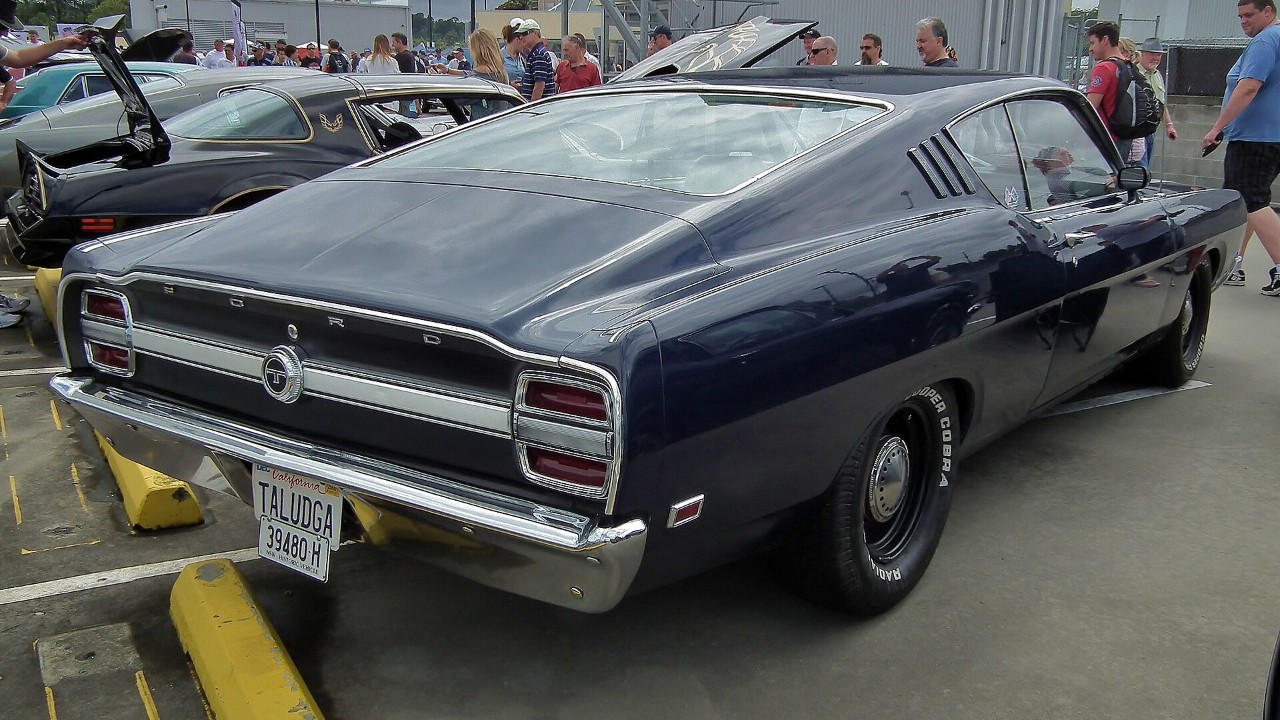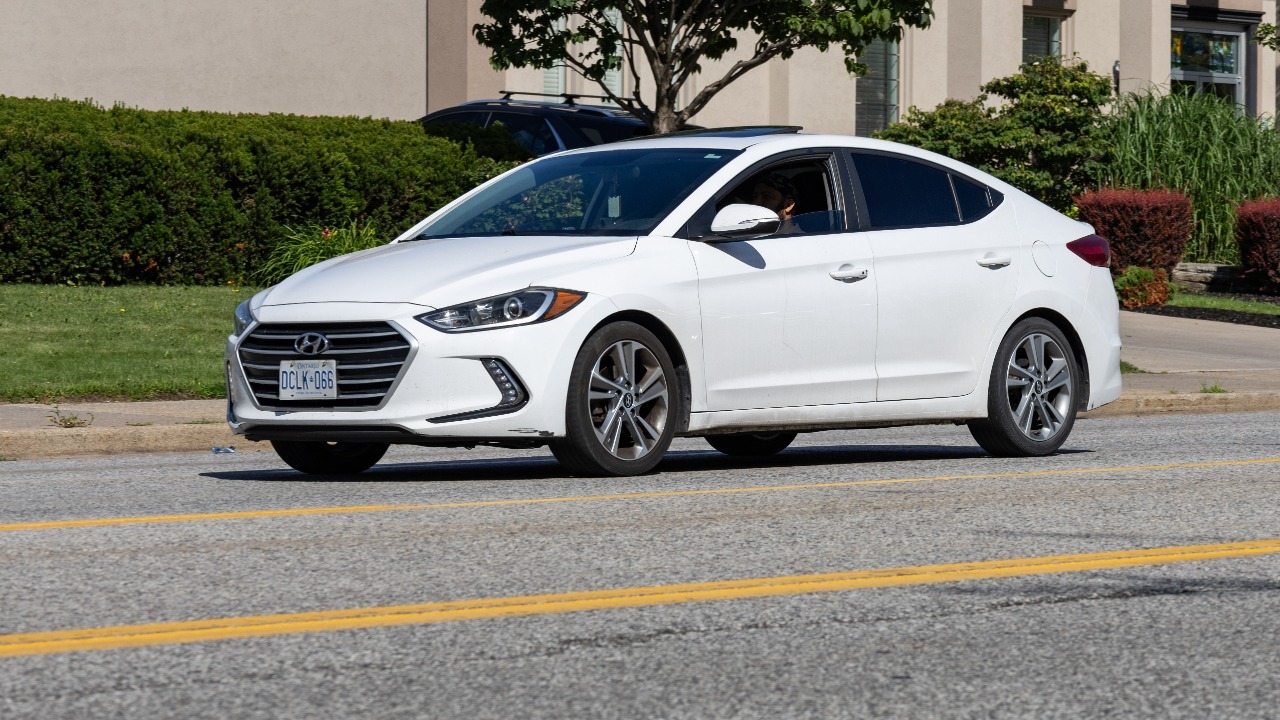
A growing number of younger car buyers are beginning to shift attention back toward sedans as years of SUV dominance start to create signs of fatigue in the market. While crossovers still lead global sales, changing tastes around driving feel, affordability, styling, and fuel efficiency are helping traditional passenger cars regain relevance with a new generation of enthusiasts and daily drivers.
The trend reflects a broader change in how younger consumers view car ownership. Instead of prioritizing size and ride height above everything else, many are now placing more value on design, handling, lower ownership costs, and a driving experience that feels more connected than the average family SUV.
What happened
Automakers and industry analysts have recently noticed renewed interest in sedans among younger buyers, particularly compact and midsize models that balance technology, sporty styling, and affordability. After more than a decade of SUVs steadily overtaking passenger cars in nearly every major market, some consumers are beginning to view crossovers as overly common, oversized, and expensive for everyday use.
Social media trends and enthusiast communities have also helped push sedans back into the spotlight. Platforms like TikTok, Instagram, and YouTube have amplified interest in sport sedans, modified imports, and affordable performance cars that feel more engaging than many mainstream SUVs. Younger drivers who grew up during the peak crossover boom are increasingly treating sedans as a refreshing alternative rather than an outdated format.
Automakers appear to be responding to that renewed demand. Brands including Hyundai, Honda, Toyota, and Nissan continue investing in modern sedan designs with aggressive styling, larger infotainment systems, hybrid technology, and improved safety features aimed at younger shoppers. Performance-oriented trims and hybrid variants are also gaining attention among buyers looking for practicality without sacrificing personality.
Rising vehicle prices are another factor driving the shift. Many compact SUVs now cost significantly more than equivalent sedans while delivering only modest gains in interior space or ride height. Younger buyers facing tighter budgets and higher financing costs are finding that sedans often provide better fuel economy, lower monthly payments, and more value for the money.
Fuel efficiency has become especially important as urban drivers deal with congestion and rising ownership costs. Sedans typically weigh less and sit lower than SUVs, helping improve efficiency and handling. For commuters and first-time buyers, that combination is becoming increasingly attractive in crowded cities where large vehicles can feel unnecessary.
Why it matters
The renewed interest in sedans could influence how automakers balance future product lineups after years of aggressively discontinuing passenger cars. Many manufacturers scaled back sedan development during the SUV boom, assuming long-term demand would continue shrinking. If younger buyers continue embracing smaller and more driver-focused vehicles, companies may reconsider how much attention they give to the segment.
The trend also highlights changing attitudes toward automotive identity. SUVs became dominant partly because they projected versatility and practicality, but their popularity eventually made many models feel interchangeable. Sedans, especially sporty or visually distinctive ones, are starting to stand out again simply because they are less common on the road.
For younger enthusiasts, sedans also represent accessibility. Affordable sport sedans and compact cars often provide a gateway into car culture through customization, performance tuning, and motorsports communities. That emotional connection can be harder to replicate in vehicles primarily designed around utility and family hauling.
Environmental concerns may further strengthen the shift. Smaller sedans generally require fewer materials to build and consume less fuel than heavier SUVs, making them easier to adapt for hybrid and electrified platforms. As governments tighten emissions standards, automakers could see sedans as a more efficient way to balance performance, affordability, and sustainability.
Insurance and maintenance costs are another overlooked advantage. Sedans typically cost less to insure and maintain than larger SUVs, especially for younger drivers. In an economy where ownership expenses continue rising, practical savings can play a major role in purchasing decisions.
What to watch next
The key question is whether sedan demand becomes a lasting market correction or simply a temporary reaction to SUV saturation. Automakers will closely monitor whether younger buyers continue prioritizing affordability, efficiency, and driving enjoyment over the elevated seating position and cargo space that helped SUVs dominate for years.
Hybrid sedans could become especially important moving forward. Manufacturers are increasingly pairing traditional sedan layouts with fuel-efficient hybrid systems that appeal to commuters and environmentally conscious drivers without requiring a full transition to electric vehicles.
Design will also play a major role. Carmakers that successfully combine sleek styling, modern technology, and engaging driving dynamics may be best positioned to capitalize on growing sedan interest. Brands that abandoned passenger cars entirely could face pressure if consumer tastes continue evolving away from oversized crossovers.
At the same time, SUVs are unlikely to disappear from the mainstream anytime soon. Family buyers still value cargo capacity, versatility, and elevated visibility. But as younger consumers search for vehicles that feel more personal and less predictable, the sedan may finally be finding its way back into the conversation.
More from Fast Lane Only