Low-production performance cars have become a quiet currency among the world’s wealthiest collectors, who increasingly hoard the rarest examples out of public view. I look at six models built in tiny numbers whose auction results and private trades show how scarcity, heritage, and technology are turning them into long-term vault assets.
McLaren F1 (1992-1998)
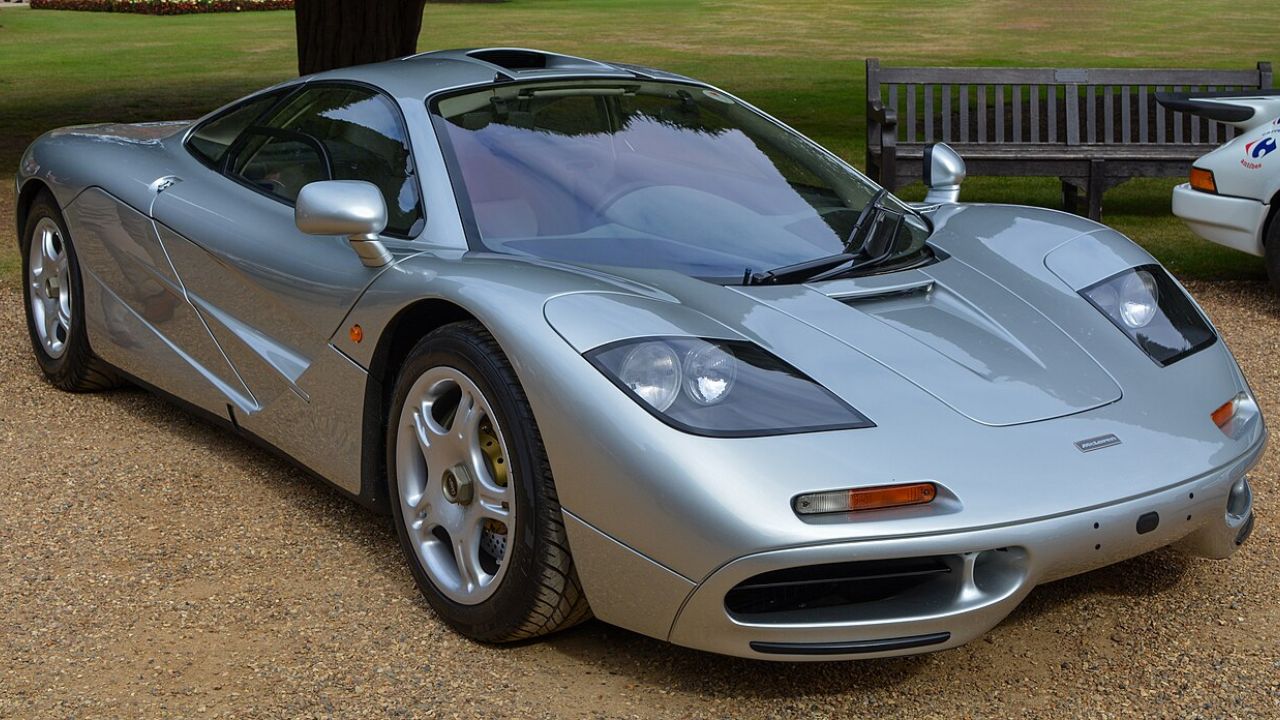
The McLaren F1 is the archetype of a hoarded modern supercar, with only 106 cars produced between 1992 and 1998. Recent auction results cited in 2023 show individual examples exceeding 20,000,000 dollars, a level that effectively removes them from regular trading. Collectors treat the F1 as a “holy grail” because of its central driving position, naturally aspirated V12 and record-setting performance, so each public sale tends to reset expectations higher.
As values climb, owners have strong incentives to hold rather than flip, which concentrates cars in a small circle of private collections. That hoarding effect reduces supply for museums and younger enthusiasts, and it also turns the F1 into a benchmark for pricing other 1990s halo models that aspire to similar blue-chip status.
Ferrari 250 GTO (1962-1964)
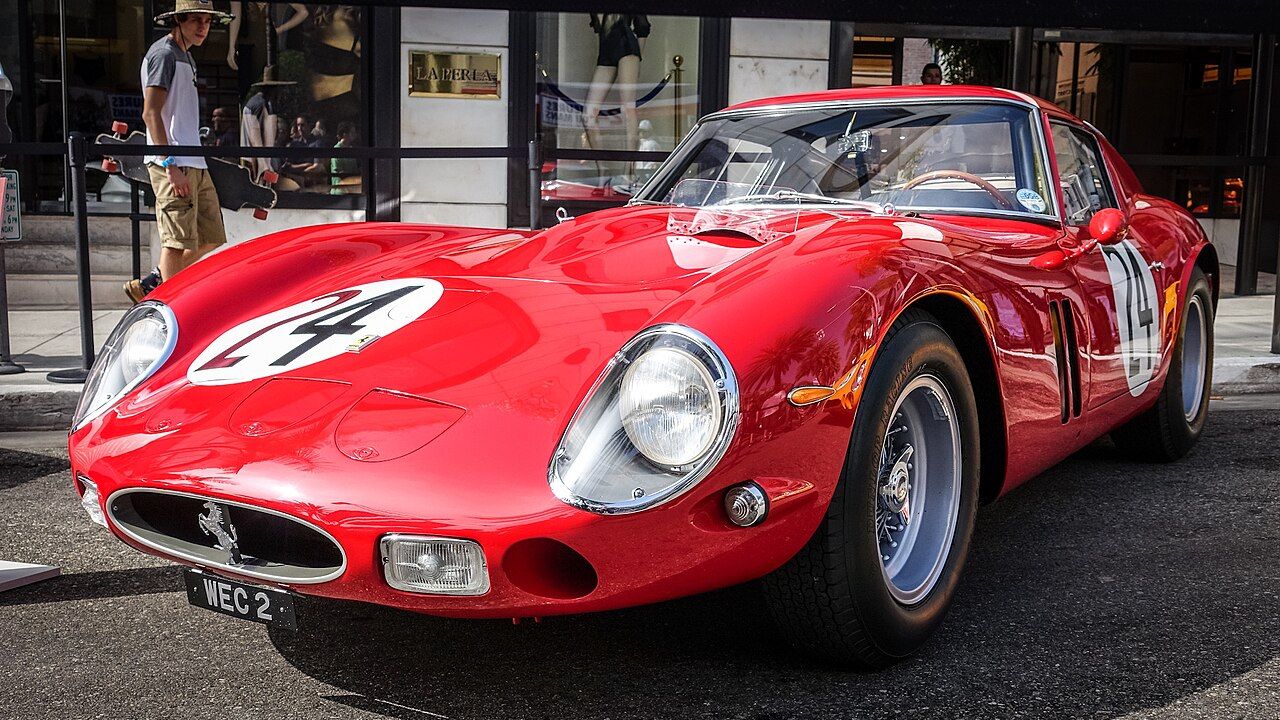
The Ferrari 250 GTO is the classic-era counterpart to the F1, with only 36 cars built from 1962 to 1964. Its reputation as the ultimate 1960s GT racer was reinforced when one example sold for 48,400,000 dollars at an RM Sotheby’s auction in 2018, a figure that signaled to owners that they were holding one of the most valuable objects in the automotive world. That sale confirmed the GTO’s role as both a competition icon and a financial instrument.
In practice, such pricing encourages long-term hoarding, often through discreet trusts or family collections that rarely release cars. The result is a market where a handful of transactions can move global indices for historic Ferraris, and where access is largely limited to buyers already embedded in that tight network of owners and brokers.
Porsche 959 (1986-1988)
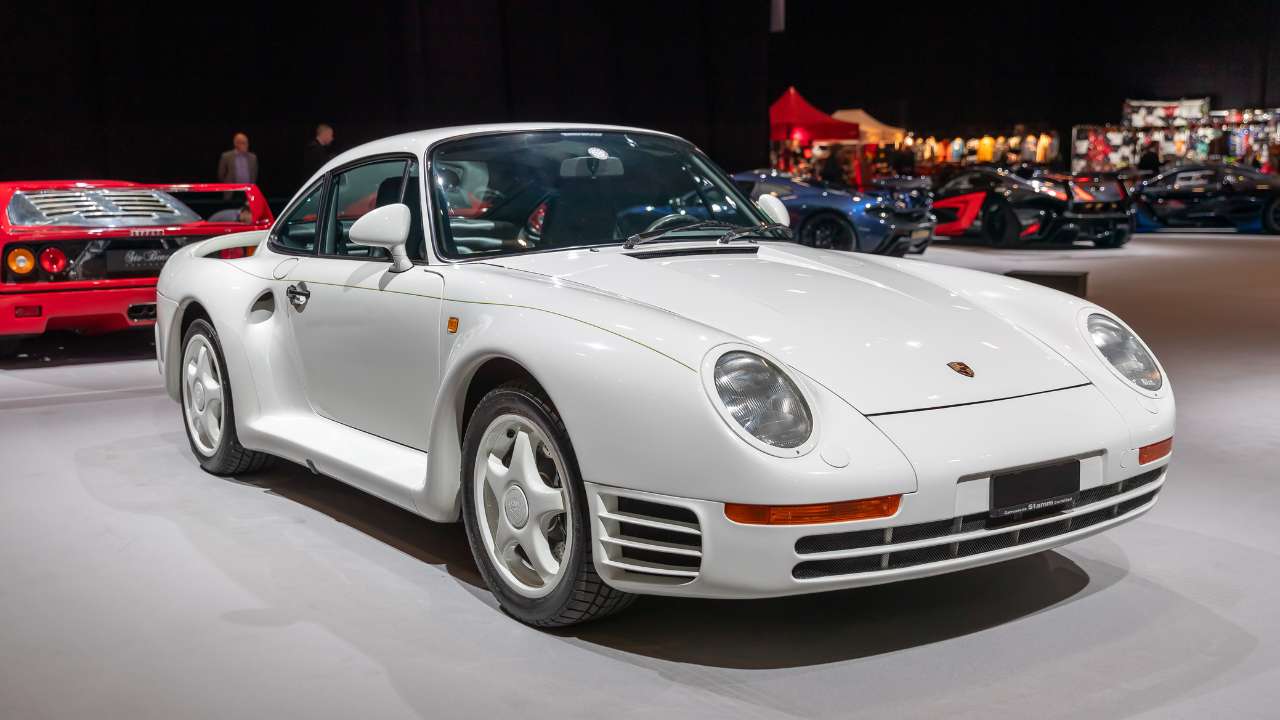
The Porsche 959 illustrates how limited production and technology can push a homologation special into hoarding territory. Only 292 road cars were built between 1986 and 1988, and a 1987 example brought 1,500,000 dollars at a 2022 Gooding & Company sale. That result reflects growing recognition of the 959’s advanced all-wheel drive, composite materials and twin-turbo flat-six, which made it a landmark for later supercars.
As values rise, many 959s migrate into climate-controlled storage rather than regular use, especially in markets where import rules and service expertise are obstacles. Collectors who already own multiple Porsches often treat the 959 as a keystone piece, tightening supply for drivers who might otherwise seek one as a usable classic.
Bugatti Type 57SC Atlantic (1936-1938)
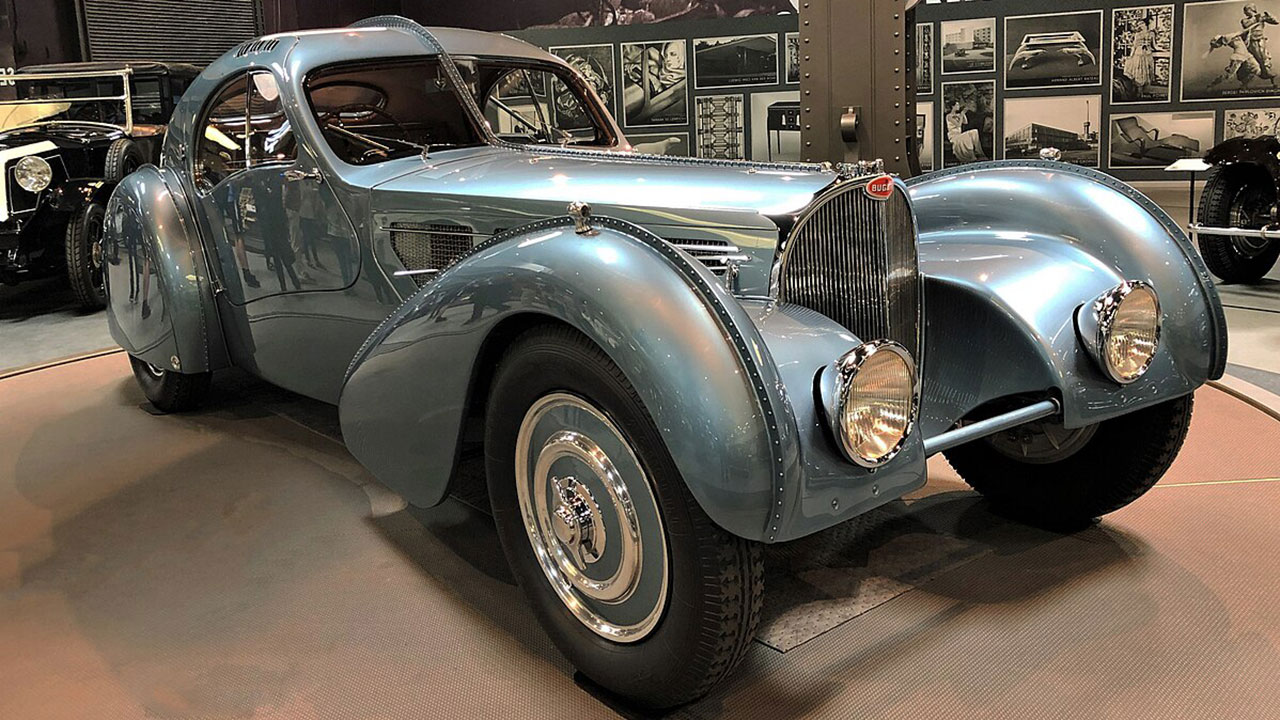
The Bugatti Type 57SC Atlantic sits at the extreme end of scarcity, with only four cars produced between 1936 and 1938. According to reporting on the model’s market history, two surviving examples have changed hands in private deals for more than 30,000,000 dollars each as of 2021. Those figures place the Atlantic among the most expensive cars ever traded, reflecting its hand-formed bodywork and status as a prewar design landmark.
At this level, ownership is effectively limited to a handful of ultra-high-net-worth collectors and institutions, which means each car is guarded as a cultural asset as much as a financial one. The hoarding dynamic here has broader implications, concentrating one of automotive history’s most significant designs in private spaces and making public appearances exceptionally rare.
Lamborghini Miura P400 SV (1971-1973)

The Lamborghini Miura P400 SV represents the most coveted evolution of the original mid-engined V12 Miura line. Only 150 units were built from 1971 to 1973, and a 1972 car sold for 3,400,000 dollars at a 2020 Mecum auction. That result underscores how the SV’s mechanical upgrades and wider rear stance have turned it into the preferred specification for serious Miura collectors.
As SV prices separate from earlier Miura variants, owners increasingly treat them as long-term investments rather than weekend drivers. The hoarding trend tightens supply of top-condition cars, pushes restoration standards higher and influences how other 1970s exotics are appraised relative to their most developed, low-volume iterations.
Vector W8 (1989-1993)
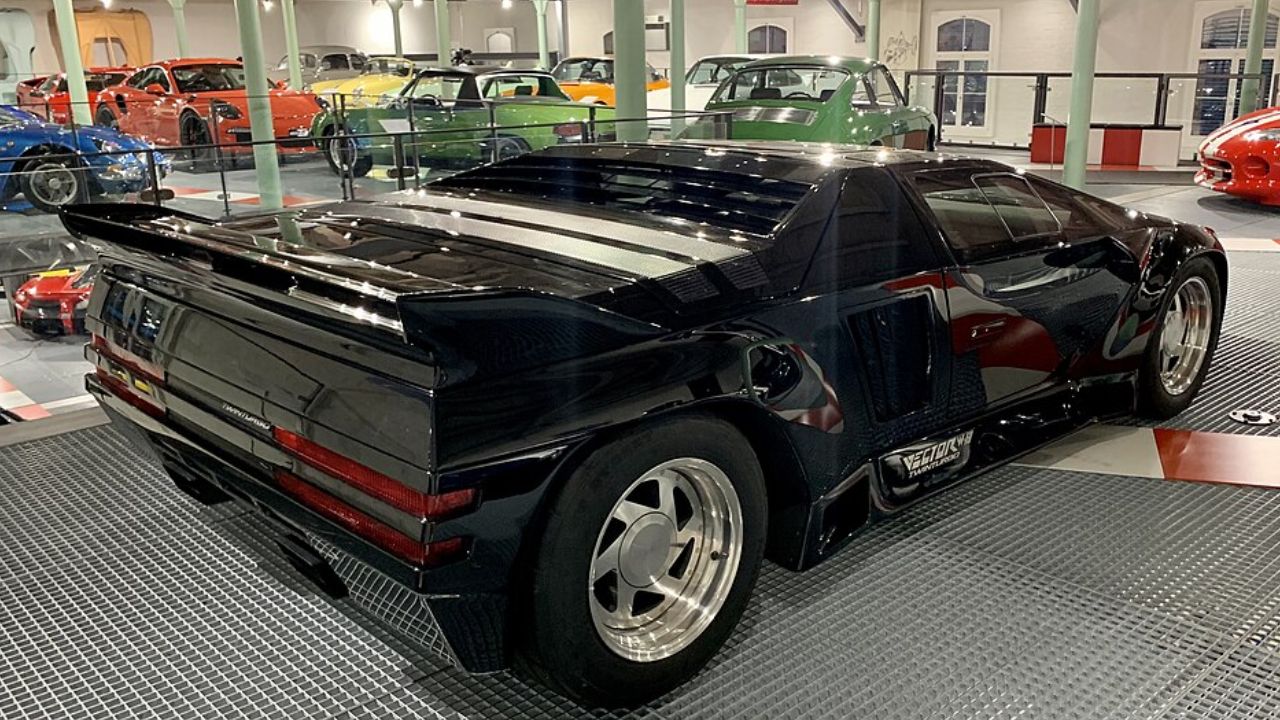
The Vector W8 shows how even a controversial supercar can become a hoarding target when production is tiny. Only 17 production cars were built between 1989 and 1993, and a 1990 example sold for 1,100,000 dollars at a 2022 Barrett-Jackson auction. That seven-figure price reflects renewed interest in the W8’s aerospace-inspired styling and twin-turbo V8 performance, which once aimed to rival established European brands.
Because so few cars exist, each one that enters a major collection further reduces the pool available to trade publicly. The W8’s trajectory illustrates how 1980s and 1990s niche supercars are being re-evaluated, with collectors quietly locking away the rarest survivors before broader market recognition fully catches up.
More from Fast Lane Only