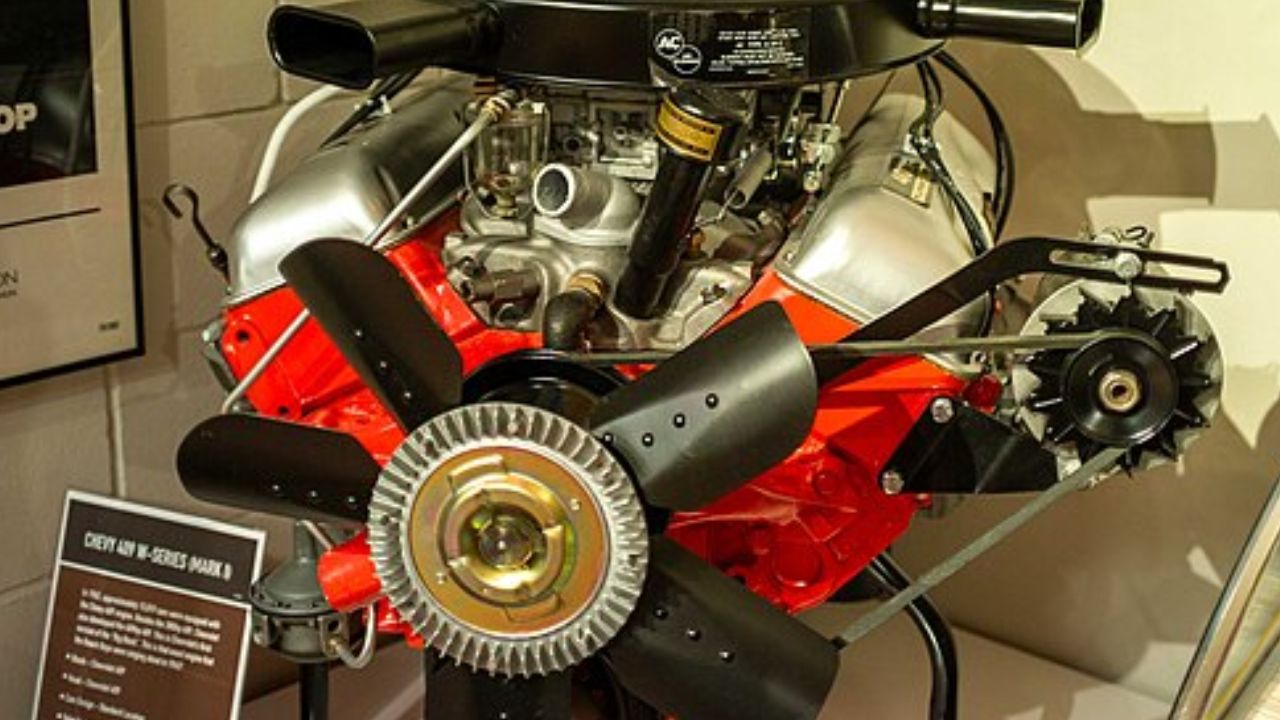
Big-block V8s earned their reputations through enormous displacement, strong torque, and impressive durability. From Chevrolet’s Mark IV engines to Ford’s FE family and Chrysler’s legendary RB motors, these engines powered some of America’s most memorable performance cars. Many remain respected today because their mechanical designs could handle serious power and demanding use.
Chevrolet 409
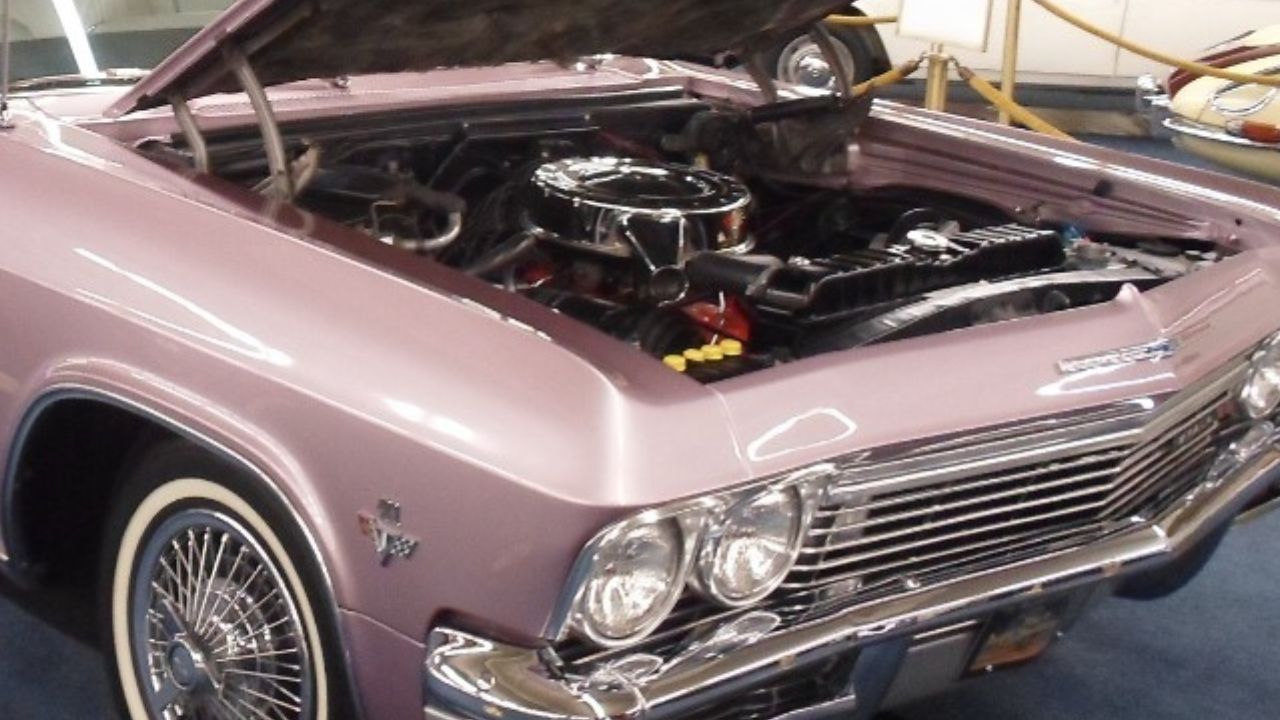
The Chevrolet 409 became famous through both muscle-car history and popular culture. Its large displacement and strong factory performance made it a serious engine during the early 1960s. Available in different power levels, the 409 could deliver substantial torque and high-speed performance. Its distinctive W-Series architecture also made it one of the most recognizable big-block Chevrolet engines of its generation.
Chevrolet 396
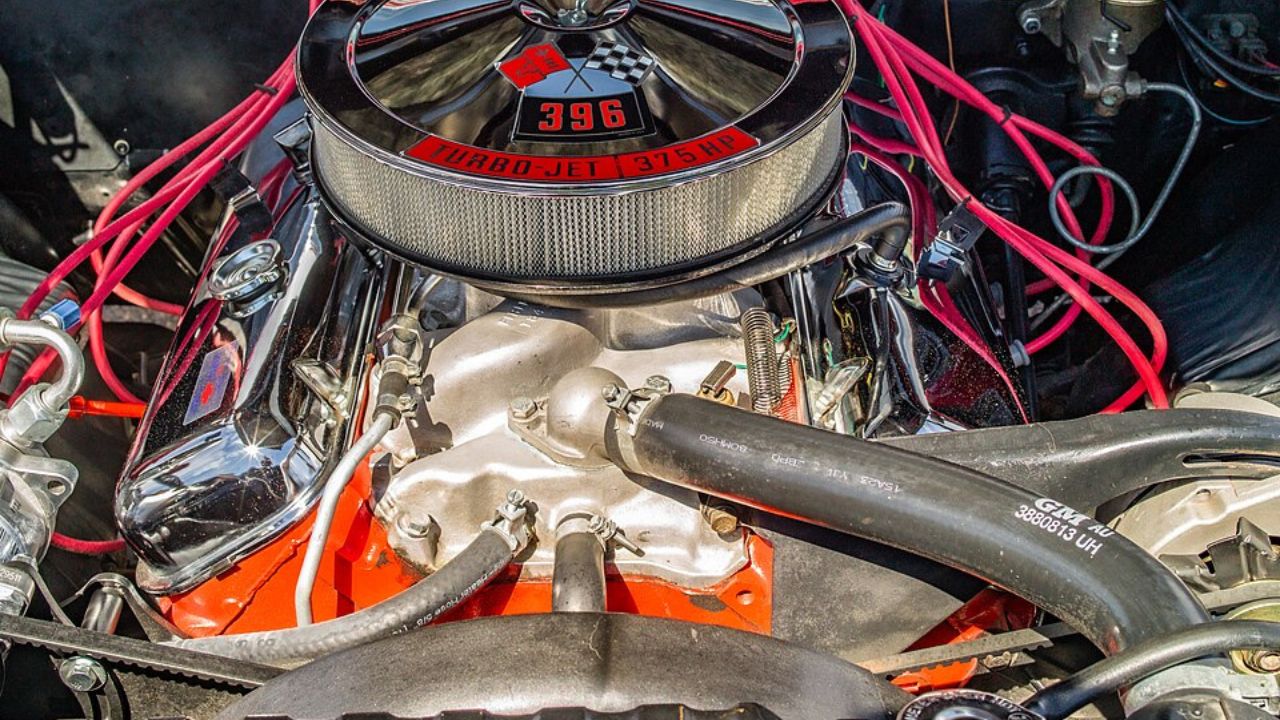
The Chevrolet 396 was part of the Mark IV big-block family and became closely associated with the muscle-car era. It offered a strong combination of displacement, torque, and relatively compact dimensions for a big-block. Chevrolet installed it in models such as the Chevelle, Camaro, and Nova. Its widespread availability also helped make the 396 a favorite among performance builders.
Chevrolet 427
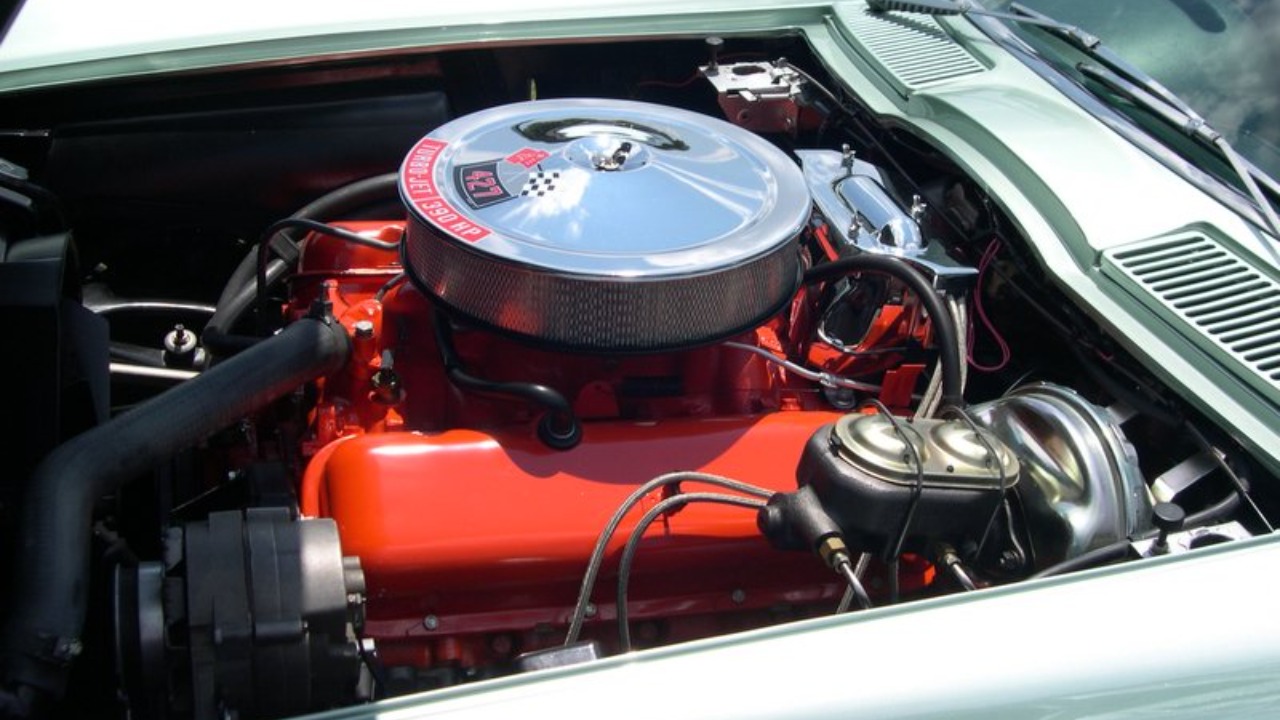
The Chevrolet 427 became one of the most respected big-blocks of the 1960s. Available in numerous configurations, it powered everything from full-size Chevrolets to the Corvette. High-performance versions used specialized components and aggressive specifications, while other versions emphasized durability and torque. The engine’s enormous aftermarket reputation comes from its ability to support serious performance when properly built.
Chevrolet 427
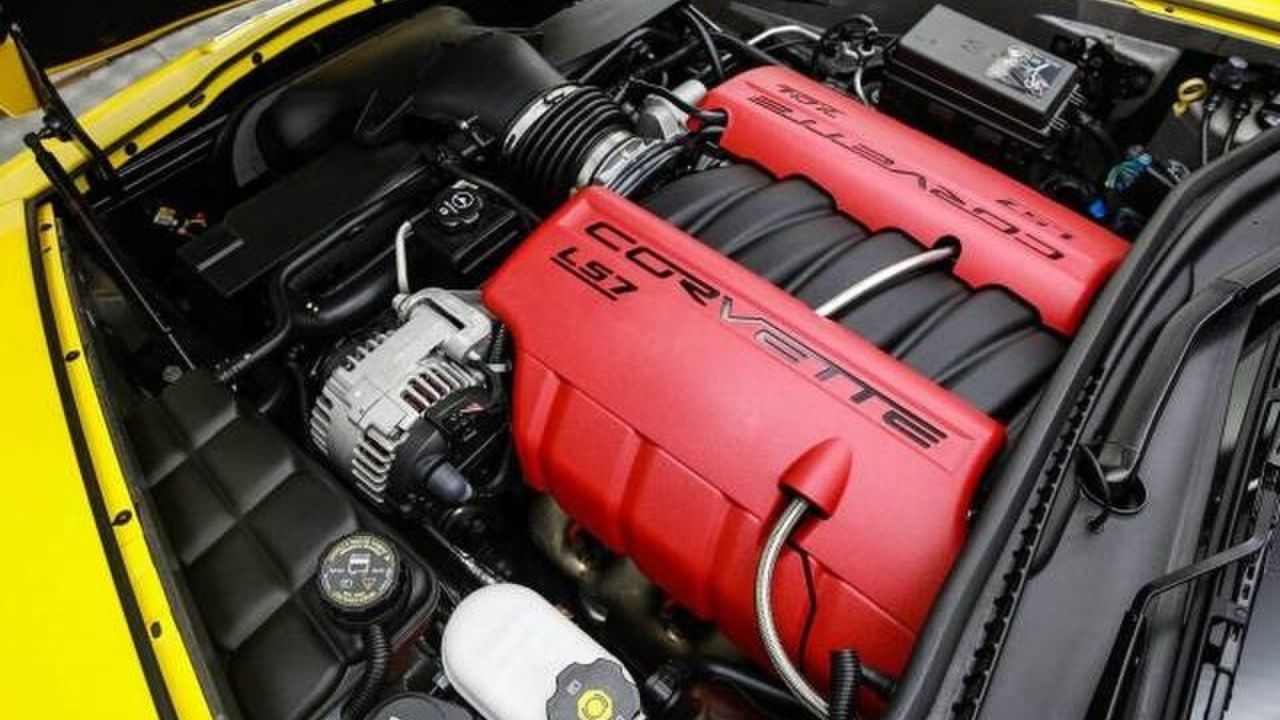
The Chevrolet 454 became one of America’s best-known big-block V8s. Introduced for the 1970 model year, it offered tremendous torque and remained useful in both performance cars and trucks. High-performance versions such as the LS6 became legendary, while later truck applications demonstrated the engine’s ability to handle demanding workloads. Its long production history has kept the 454 popular with builders.
Chevrolet 502
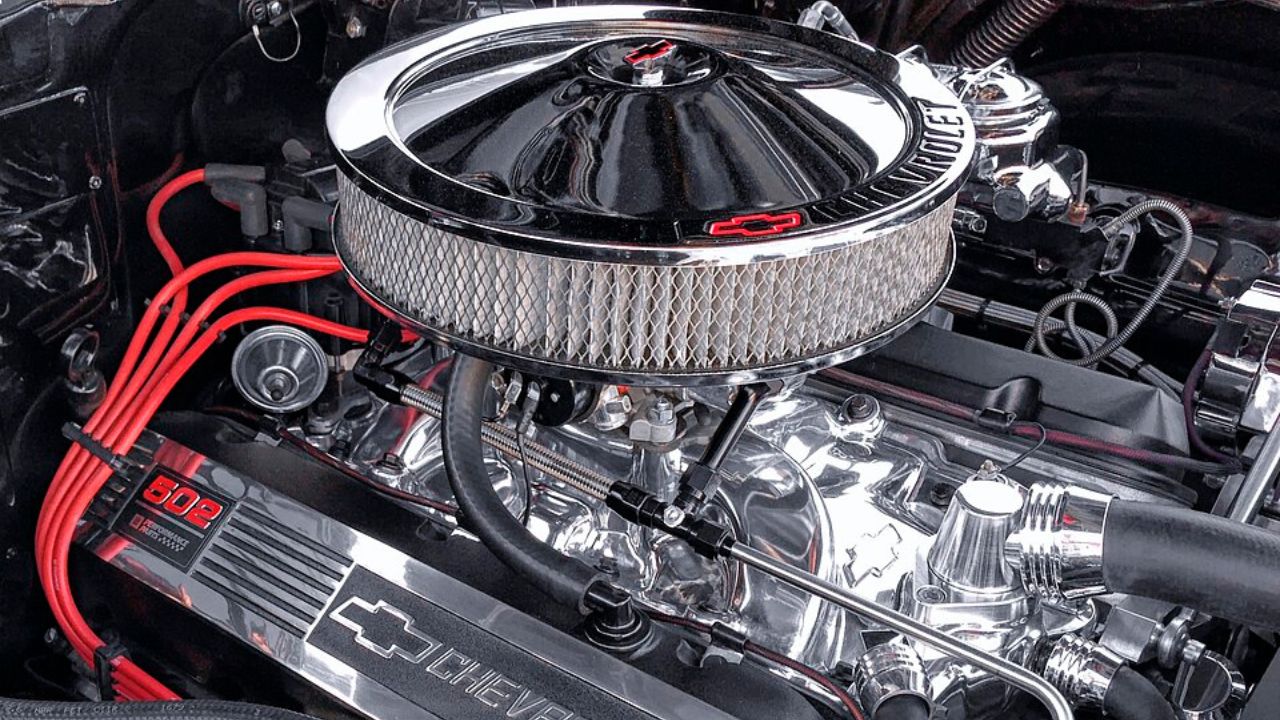
The Chevrolet 502 represents the later evolution of Chevrolet’s big-block tradition. Produced as a high-performance crate engine, it provided enormous displacement and substantial torque without requiring an exotic engine design. Its availability as a crate motor made it attractive to hot rodders and custom builders. The 502 remains popular because it delivers traditional big-block character with modern aftermarket support.
Chevrolet 427 L88

The Chevrolet 427 L88 was an extremely serious high-performance version of the Mark IV big-block. Developed with racing in mind, it used specialized cylinder heads, high-compression internals, and an aggressive specification. Chevrolet built very few examples, and the engine’s competition pedigree makes it one of the most famous high-performance big-blocks in Corvette history.
Ford 427 FE

The Ford 427 FE became legendary through both street performance and motorsports. It powered competition-oriented versions of the Galaxie and was also used in the Shelby Cobra and Ford GT40 program. Different versions featured substantially different specifications, but the engine consistently earned a reputation for serious performance. Its racing history has made the 427 FE one of Ford’s most celebrated big-blocks.
Ford 428 Cobra Jet
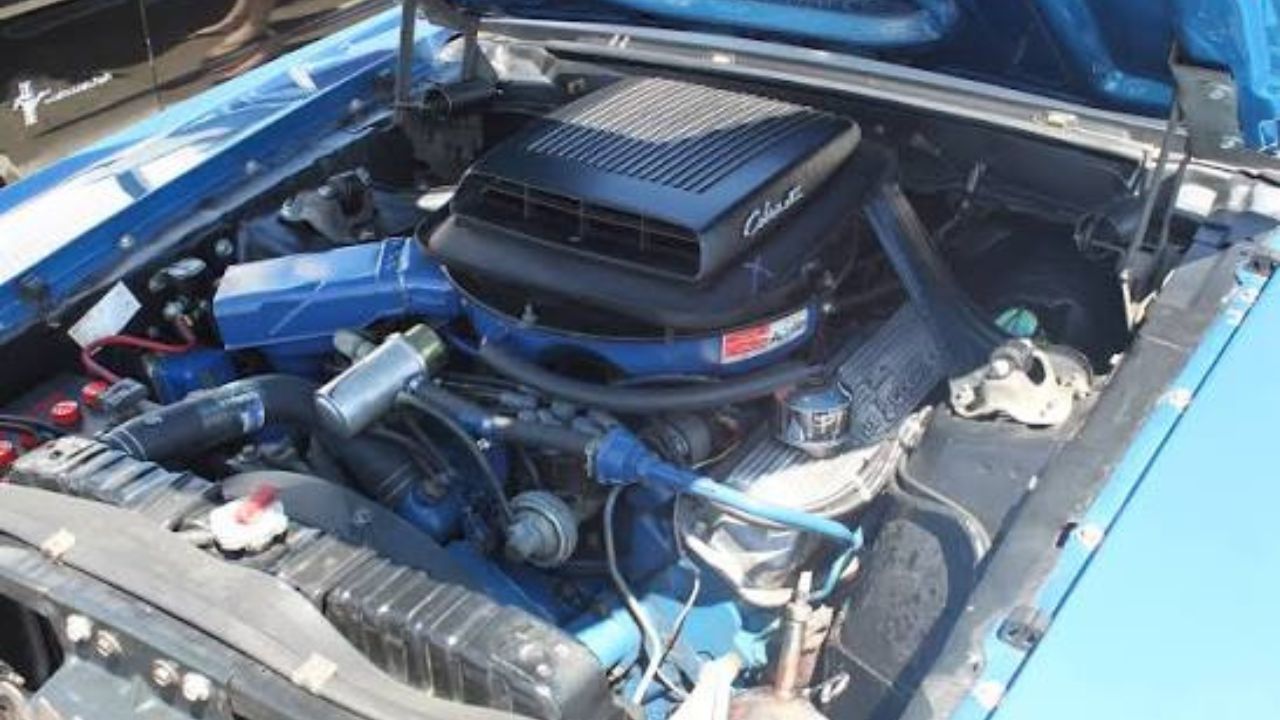
The Ford 428 Cobra Jet brought serious big-block performance to the muscle-car market in 1968. It combined large displacement with a performance-oriented induction system and strong torque production. Mustangs, Fairlanes, Torinos, and other Ford products benefited from the engine. Its combination of street manners and quarter-mile performance made the Cobra Jet one of the most respected factory Ford engines.
Ford 429 Cobra Jet
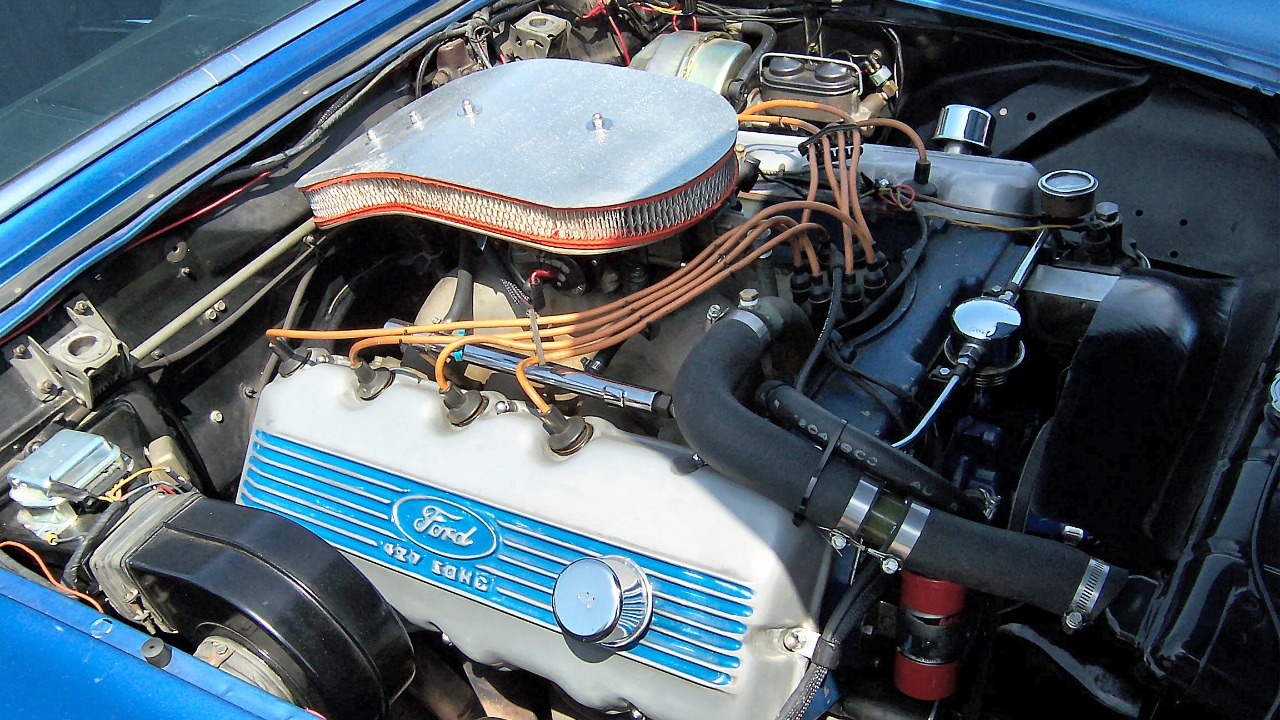
The Ford 427 SOHC was one of the most ambitious engines of the muscle-car era. Its single-overhead-cam design was developed for racing and gave Ford a powerful alternative to conventional pushrod engines. The massive engine became famous for drag racing, where its high-rpm capability and enormous displacement made it a formidable competition weapon.
Ford 460
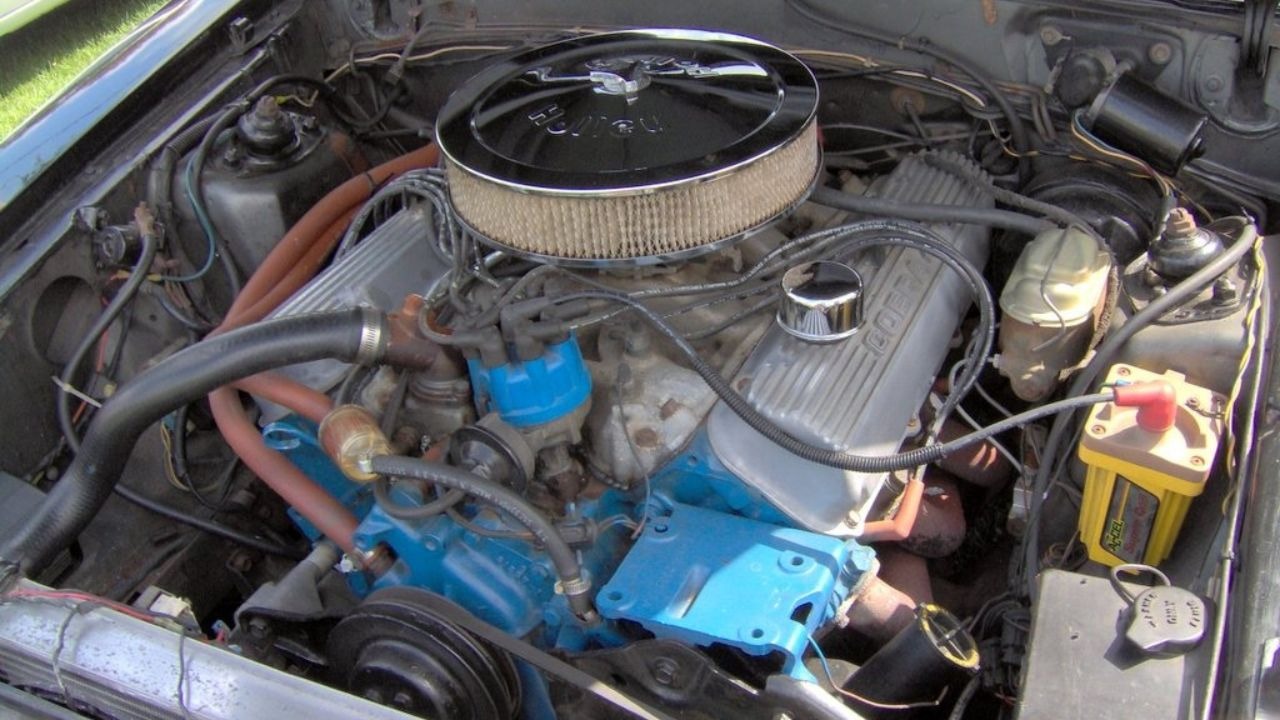
The Ford 460 became one of Ford’s most enduring large-displacement V8s. While it was available in performance applications, its enormous torque also made it valuable in large cars, trucks, and recreational vehicles. The engine’s substantial displacement and durable architecture made it popular with builders seeking reliable big-block power. Its long production history also helped create a large supply of parts.
Chrysler 413
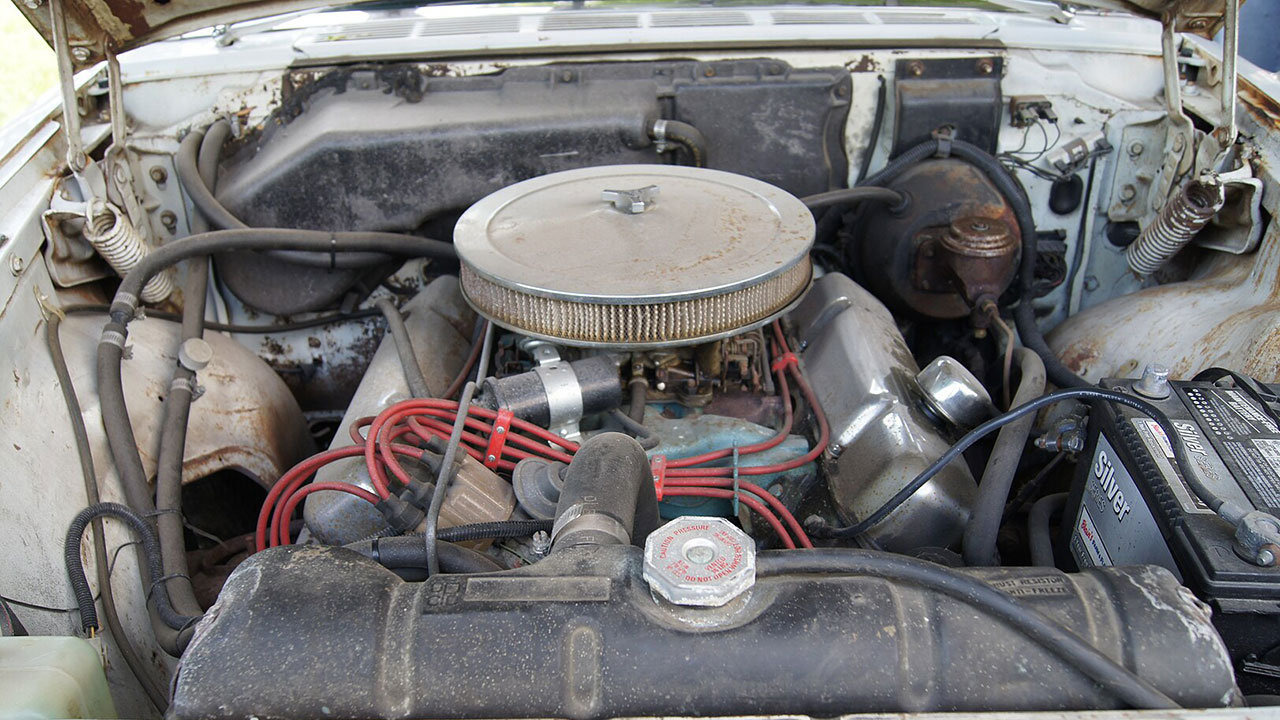
The Chrysler 413 was one of the company’s early big-block wedge engines and helped establish the foundation of the later RB family. It powered a wide range of Chrysler, Dodge, and Imperial vehicles during the 1960s. Its combination of large displacement and strong torque made it particularly effective in heavy American cars, while its architecture provided a platform for later high-performance engines.
Chrysler 426 Hemi
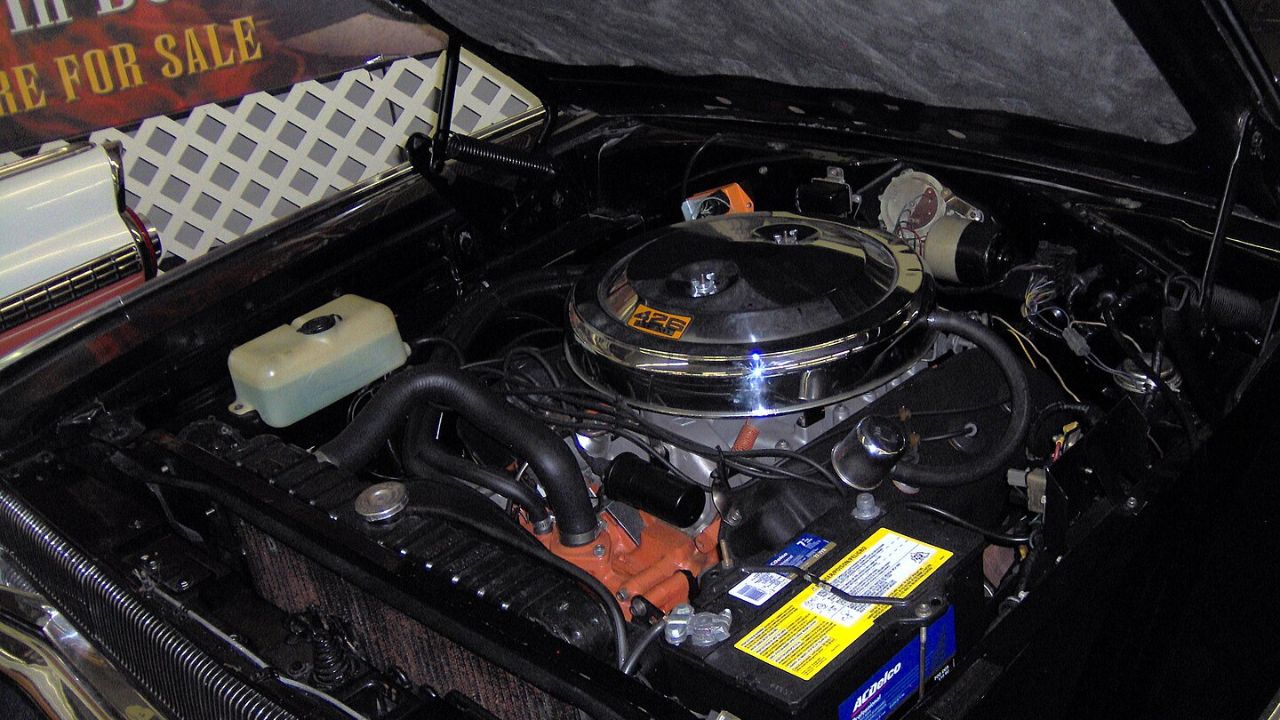
The Chrysler 426 Hemi became one of the most famous American performance engines ever produced. Its hemispherical combustion chambers, large valves, and powerful induction system helped it dominate drag racing and NASCAR-era competition. Street versions were also formidable. The engine’s combination of racing success and limited production made the 426 Hemi a benchmark for high-performance American V8s.
Chrysler 440 RB
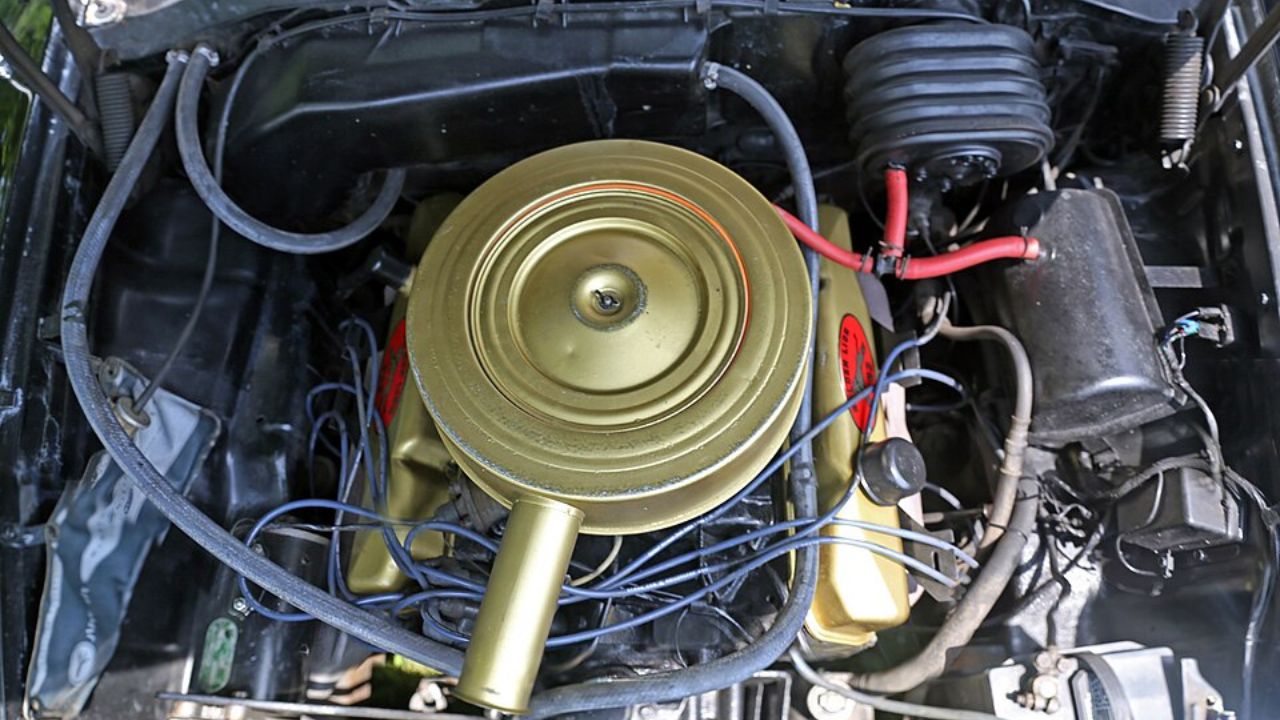
The Chrysler 440 RB became famous for delivering enormous torque without the complexity of the 426 Hemi. Its large displacement made it ideal for heavy muscle cars and full-size performance vehicles. High-performance versions such as the 440 Six Pack became particularly desirable. Mechanics and builders continue to appreciate the 440 because its straightforward architecture provides a strong foundation for substantial power.
Pontiac 421
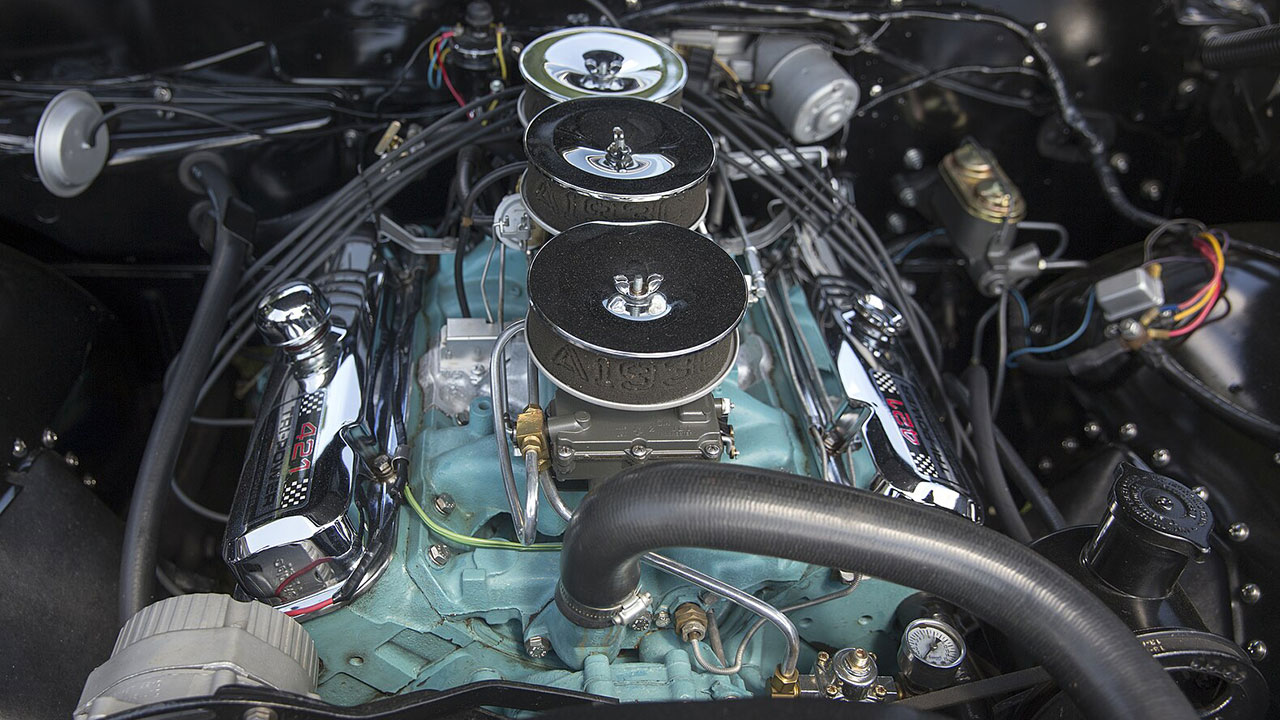
The Pontiac 421 was one of the brand’s most important big-block performance engines of the early 1960s. It combined large displacement with strong torque and became available in increasingly powerful configurations. High-output versions helped establish Pontiac as a serious performance division before the GTO era. Today, original 421-powered cars are particularly interesting because of the engine’s place in Pontiac’s development.
Chevrolet 427 COPO
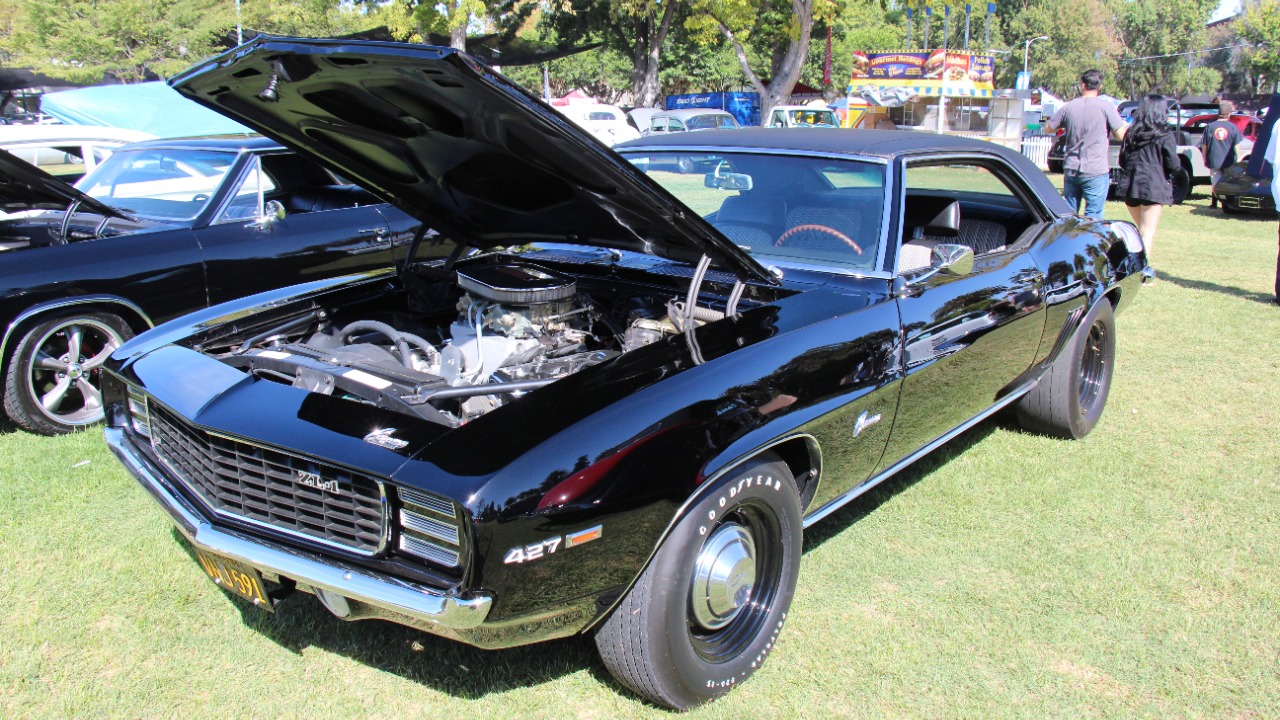
The Chevrolet 427 COPO engines were part of Chevrolet’s special-order performance program. These engines allowed dealers and customers to obtain combinations that were unavailable through ordinary ordering channels. Some were installed in lightweight Chevelles, Camaros, and other performance models. Their limited availability and unusual specifications make original COPO big-blocks particularly significant among Chevrolet collectors.
Buick 455
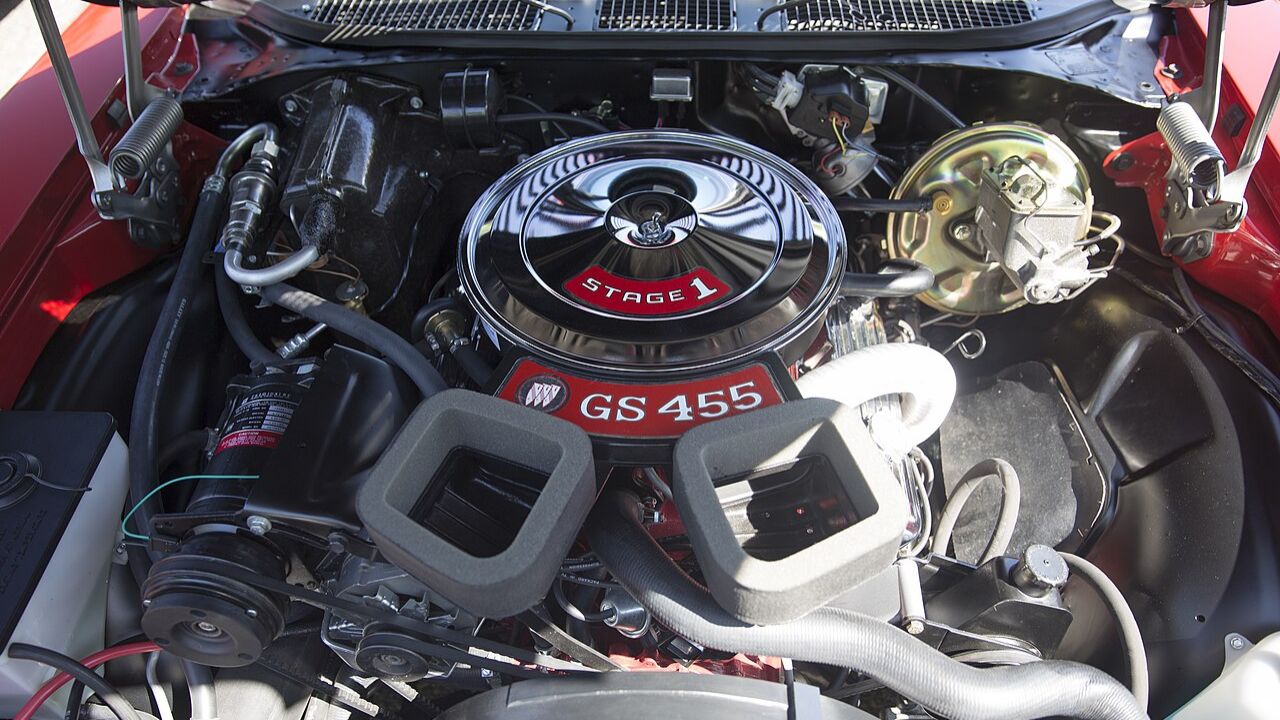
The Buick 455 was known for producing huge torque from a relatively lightweight big-block design. Its large displacement and efficient architecture made it particularly effective in Buick’s performance cars. The GSX Stage 1 demonstrated what the engine could accomplish with high-performance components and tuning. Today, the Buick 455 remains a favorite among builders who appreciate strong torque and unusual engineering.
Oldsmobile 455
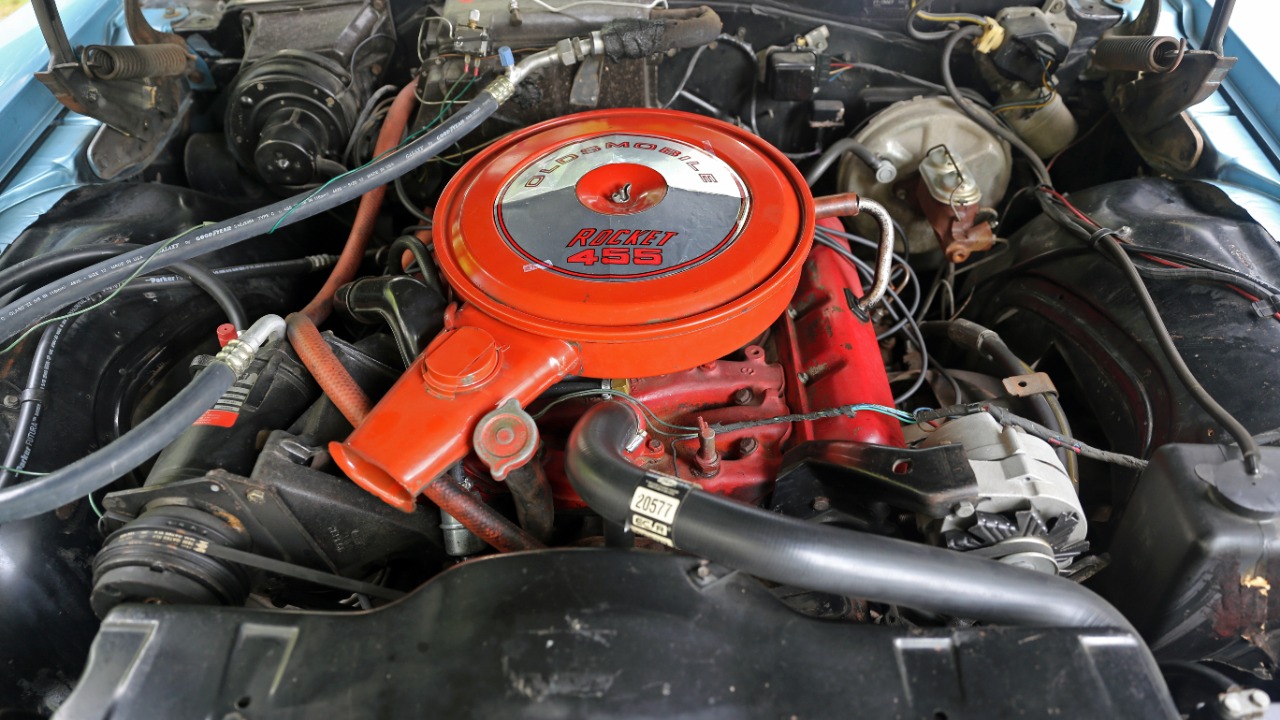
The Oldsmobile 455 became one of the division’s most important performance engines. It powered muscle cars such as the 442 and was available in several performance configurations. The W-30 version became particularly famous for its combination of torque and drivability. Its relatively strong low-end performance made the 455 well suited to both street driving and serious acceleration.
Buick 430
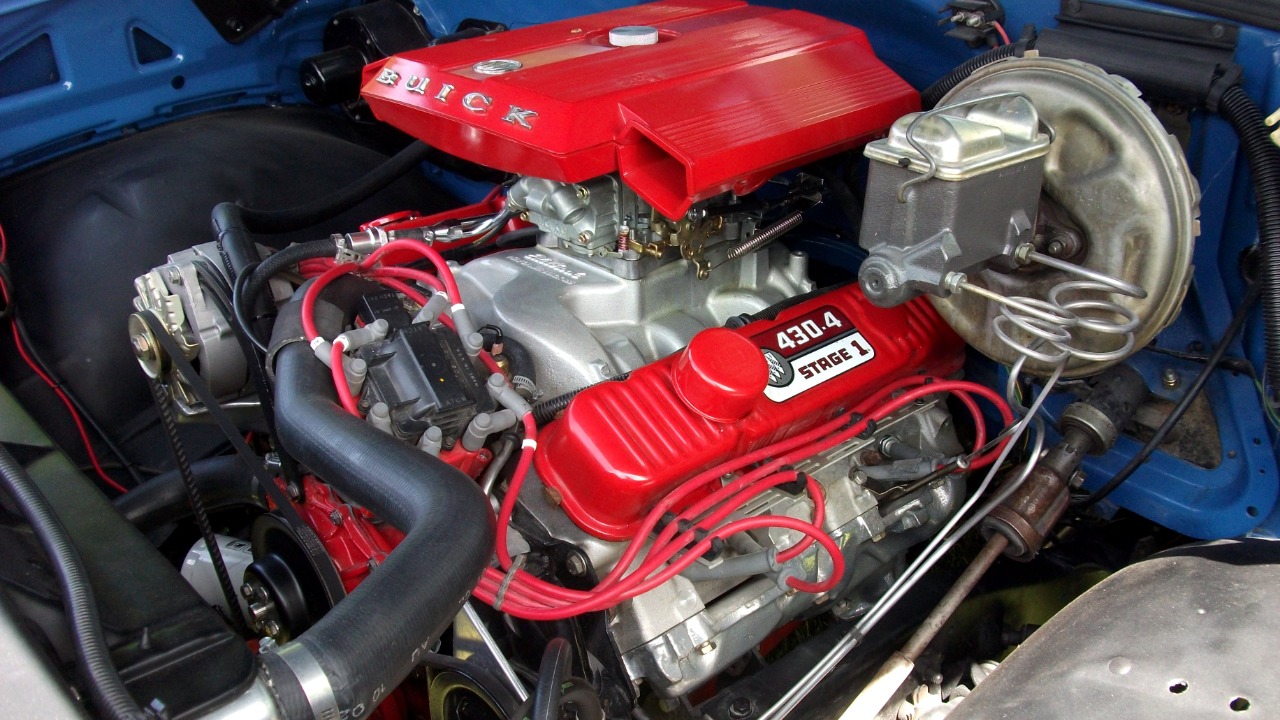
The Buick 430 was a large-displacement V8 produced during the late 1960s. It combined substantial displacement with Buick’s distinctive engineering approach and was used in full-size models and performance-oriented applications. The engine offered strong torque and became an important step toward Buick’s later 455. Today, original 430 engines are considerably less common than Chevrolet and Ford big-blocks.
More from Fast Lane Only
- Unboxing the WWII Jeep in a Crate
- 15 rare Chevys collectors are quietly buying
- 10 underrated V8s still worth hunting down
- Police notice this before you even roll window down
*Research for this article included AI assistance, with all final content reviewed by human editors.