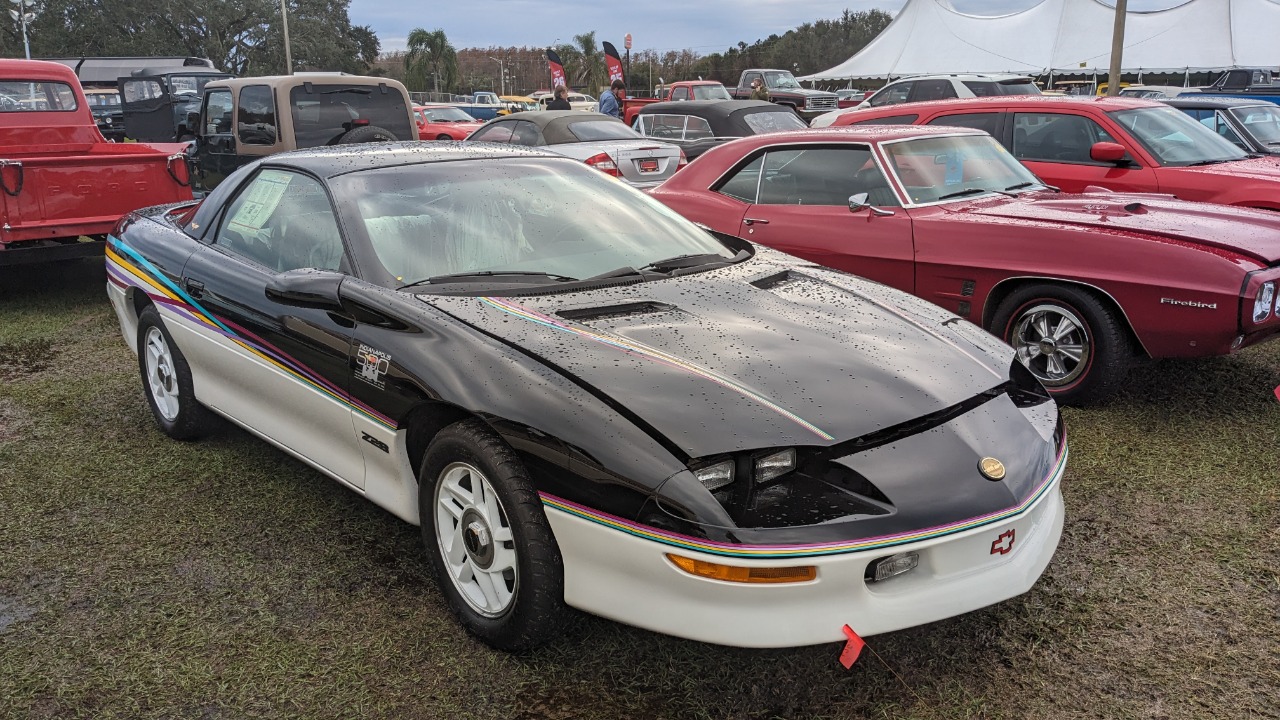
When it comes to classic cars, few names evoke as much passion as the Chevrolet Camaro. However, not all Camaros are created equal, especially when it comes to restoration potential. While some models are revered and command high prices, others simply don’t hold the same value or desirability. In this list, I will highlight seven Camaros that, for various reasons, aren’t worth the time, effort, or money to restore.
1975 Chevrolet Camaro
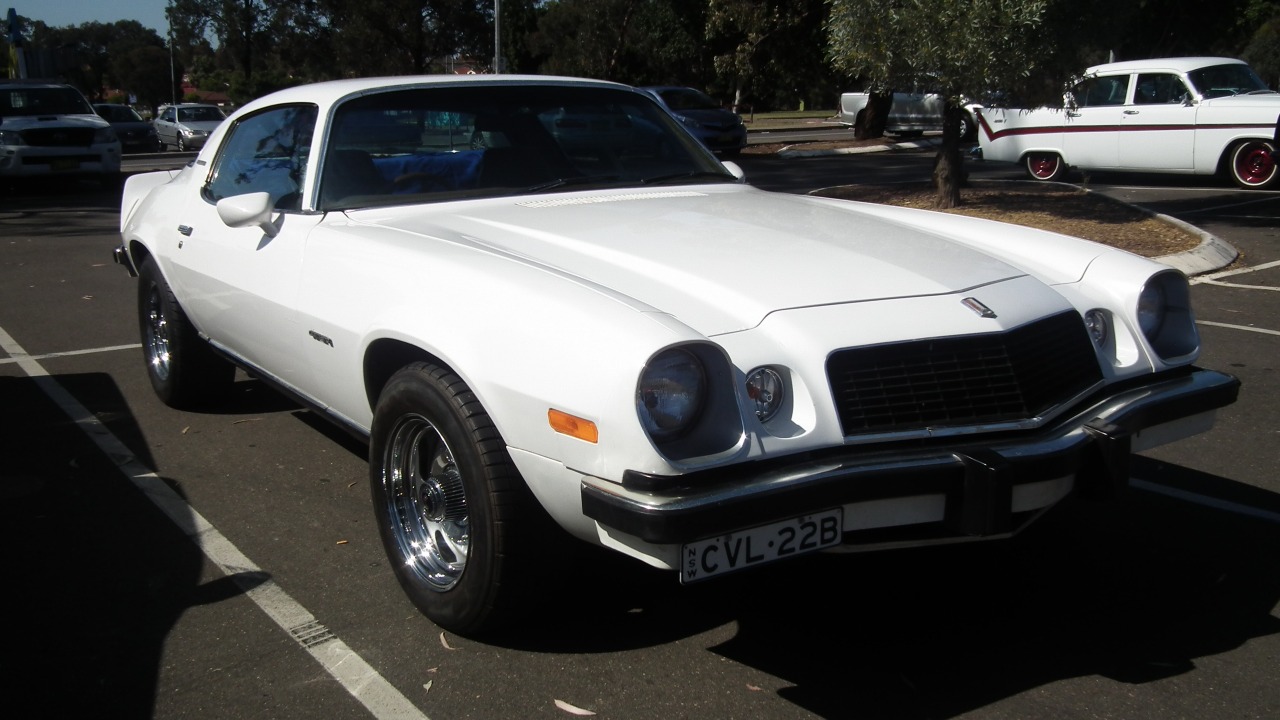
The 1975 Chevrolet Camaro is often overlooked due to its lack of performance and distinctive styling. As the first model year of the second-generation Camaro, it ushered in a more rounded design that many enthusiasts find unappealing. With stricter emission regulations introduced in the mid-1970s, the engine options were significantly toned down, resulting in a lack of power. The base model featured a meager 250 cubic inch inline-six engine, which simply doesn’t excite those looking for a classic muscle car experience.
Additionally, the market for the 1975 Camaro is limited, as most collectors seek the more powerful models of the second generation. The restoration costs often outweigh the potential resale value. If you’re considering a project car, you might find better options among the more popular years. For more insights on classic car restoration, check out this guide.
1980 Chevrolet Camaro
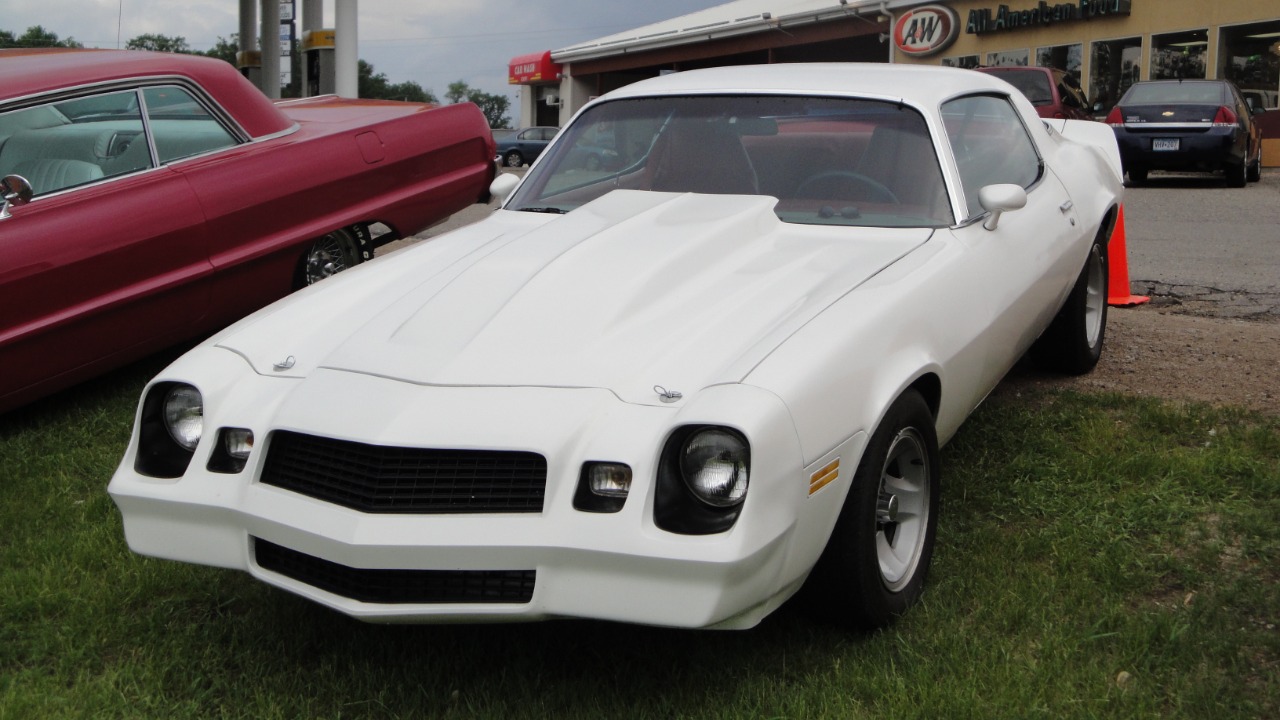
The 1980 Chevrolet Camaro faced many of the same issues as the 1975 model. By this time, the focus was on fuel efficiency rather than performance, causing a decline in horsepower across the board. With options for only a 305 cubic inch V8, this Camaro lacked the punch that enthusiasts craved. The body style also became less aggressive, contributing to its waning popularity. The overall design didn’t resonate well with fans of earlier models, which makes it less desirable among collectors today.
Additionally, the aftermarket support for the 1980 Camaro isn’t as robust as for other models, meaning finding parts can be a challenge. With restoration costs often exceeding the car’s market value, it’s wise to steer clear of this model if you’re looking for a worthwhile project. To deepen your understanding of the Camaro’s history, consider reading this book.
1981 Chevrolet Camaro
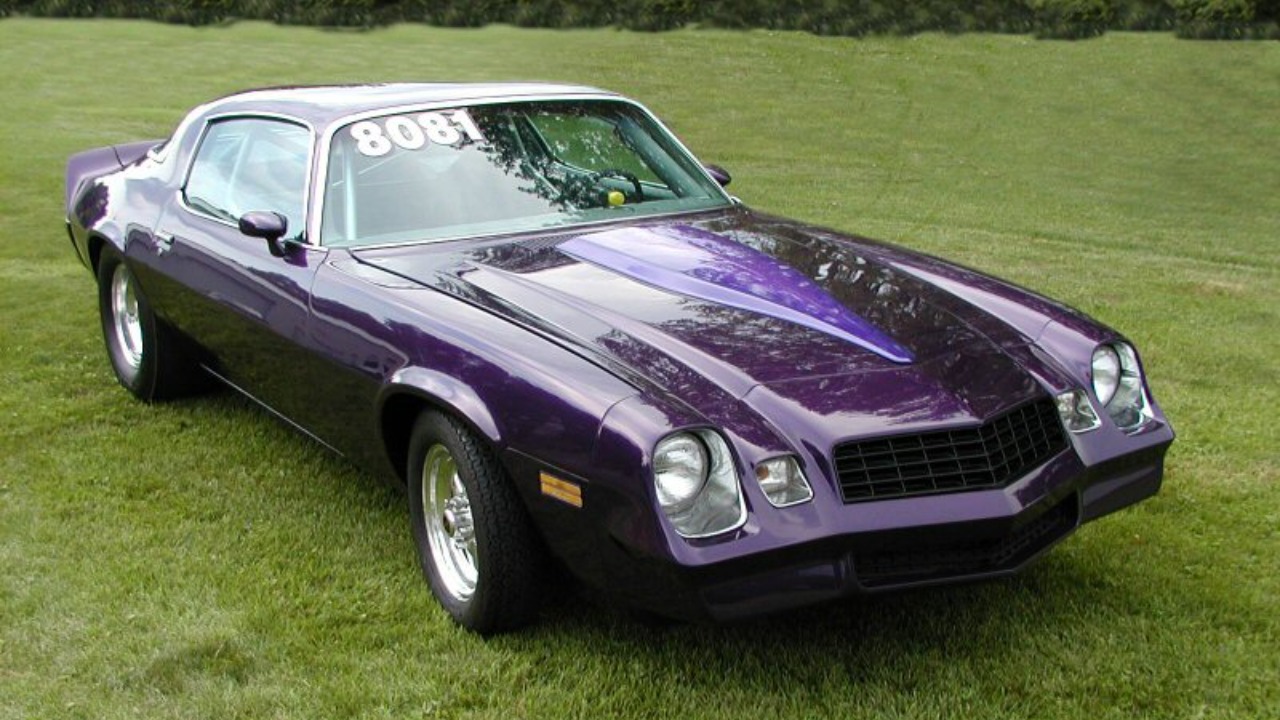
The 1981 Chevrolet Camaro continued the trend of underwhelming performance and styling. While it introduced some new features, like a slightly updated interior and a revised rear-end design, it still suffered from the same issues as the 1980 model. The performance remained lackluster, with no real improvements in engine options. Most enthusiasts find the 1981 Camaro to be a transitional model that lacks the iconic status of earlier generations.
Moreover, the overall market for this model is weak. Many car collectors focus on the high-performance Z28 models from the earlier years or the later, more powerful third-generation models. As a result, investing in a 1981 Camaro for restoration can often lead to disappointment, as the potential return on investment is quite low. If you’re keen to dive into Camaro history, you might find useful information in this research paper.
1993 Chevrolet Camaro
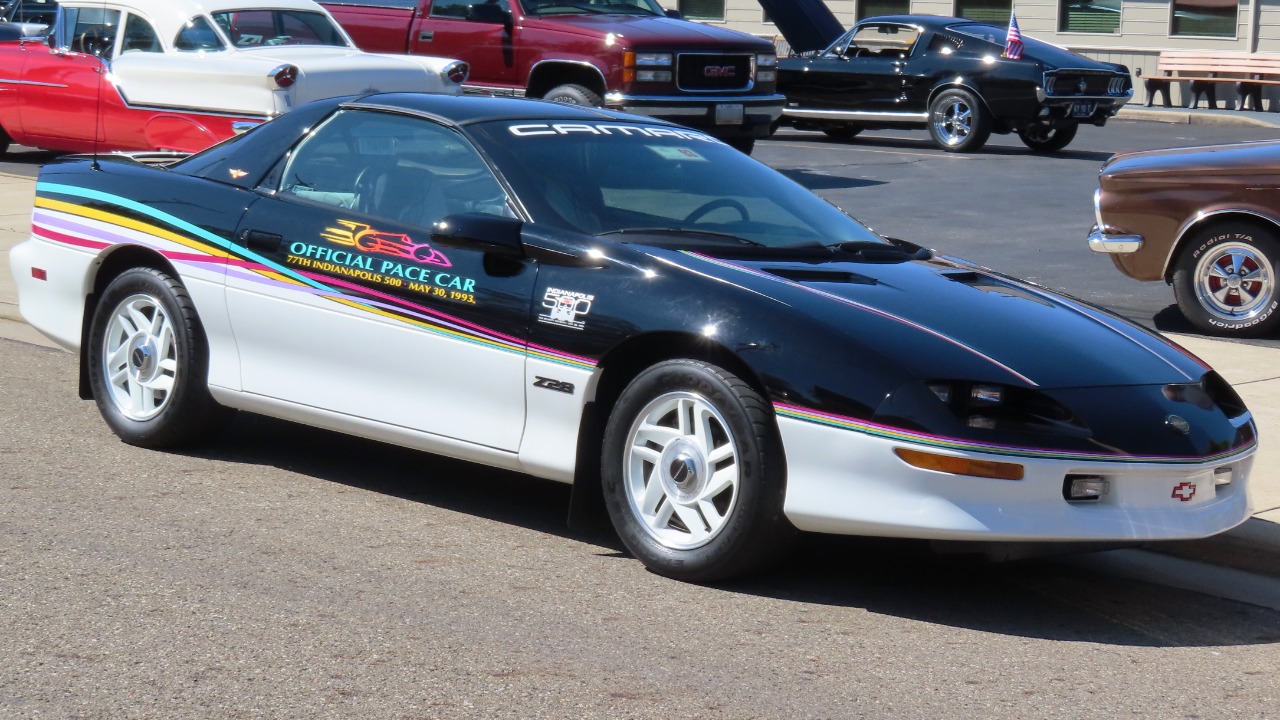
The 1993 Chevrolet Camaro marked the beginning of the fourth generation, but it wasn’t a standout year. While it featured a more modern design, the performance didn’t live up to the legacy of earlier models. The 305 cubic inch engine was still underwhelming, and the more powerful LT1 engine didn’t arrive until the following year. As a result, the 1993 Camaro is often seen as a missed opportunity, lacking the punch and excitement that fans expected from a Camaro.
Furthermore, this model year doesn’t hold significant collector value compared to its predecessors or successors. Many enthusiasts prefer the later fourth-generation models, which offered better performance and more appealing aesthetics. Investing in a 1993 Camaro for restoration often leads to frustration, as the potential return on investment is low. If you’re curious about the Camaro’s evolution, I recommend checking this resource.
1994 Chevrolet Camaro
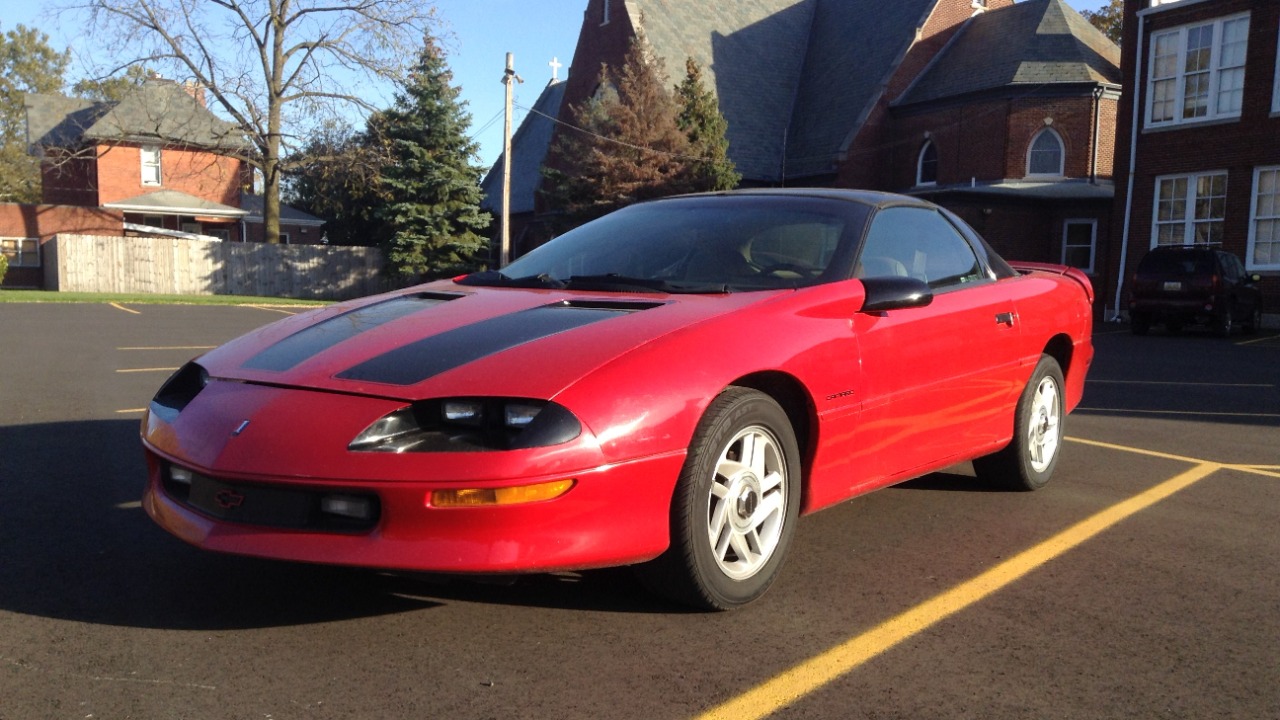
Following closely behind the 1993 model, the 1994 Chevrolet Camaro didn’t offer much improvement in terms of performance or desirability. Although it featured some cosmetic updates, the engine options remained largely the same, continuing to plummet in performance. With a standard 3.4-liter V6, many enthusiasts found this model lacking the punch that made Camaros famous in the muscle car era.
Moreover, the market for the 1994 Camaro is particularly weak, making it a less attractive choice for restoration. Most collectors are focused on earlier models with more robust performance or later models that pack a bigger punch. As such, the financial return on a restoration project for the 1994 Camaro is often disappointing. If you want to explore better investment options, consider reading articles on classic car restorations to make informed choices.
1999 Chevrolet Camaro
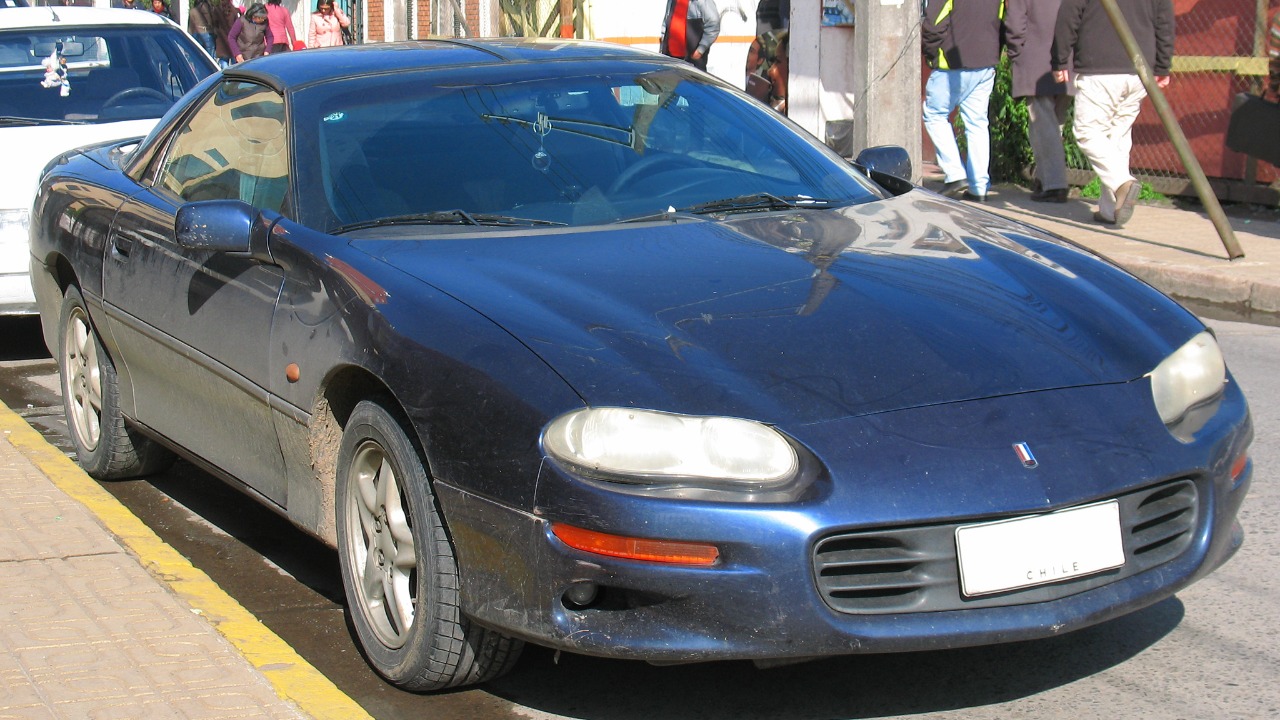
The 1999 Chevrolet Camaro represents the twilight of the Camaro’s fourth-generation run. While the performance options did improve slightly with the inclusion of the LS1 engine, which offered enhanced horsepower, the overall desirability of the 1999 model remains limited. The decline in popularity for the Camaro in the late 1990s led to a disinterest in models from this era, as many fans gravitated toward emerging sports cars.
Additionally, by this point, the Camaro was facing stiff competition from other manufacturers, making it less appealing to collectors and enthusiasts. The market for the 1999 model is relatively weak, and restoration costs can outweigh potential resale value. It’s advisable to consider other years that offer better performance and market demand for restoration projects.
2002 Chevrolet Camaro

The 2002 Chevrolet Camaro is the last model year of the fourth generation, and while it has some nostalgic value, it’s not considered worth restoring. The production was limited, and there are enthusiasts who appreciate its significance, but the performance levels have not aged well. Engine options were decent but didn’t deliver the exhilarating experience one expects from a Camaro.
Moreover, the market for the 2002 Camaro is saturated with more desirable options from earlier years, making it difficult to justify a restoration. Many collectors are focused on models that have more performance pedigree and historical significance. If you’re looking to invest in a classic car project, it’s best to look at other years that have a stronger following and resale value.
More from Fast Lane Only
- Unboxing the WWII Jeep in a Crate
- 15 rare Chevys collectors are quietly buying
- 10 underrated V8s still worth hunting down
- Police notice this before you even roll window down
*Research for this article included AI assistance, with all final content reviewed by human editors.