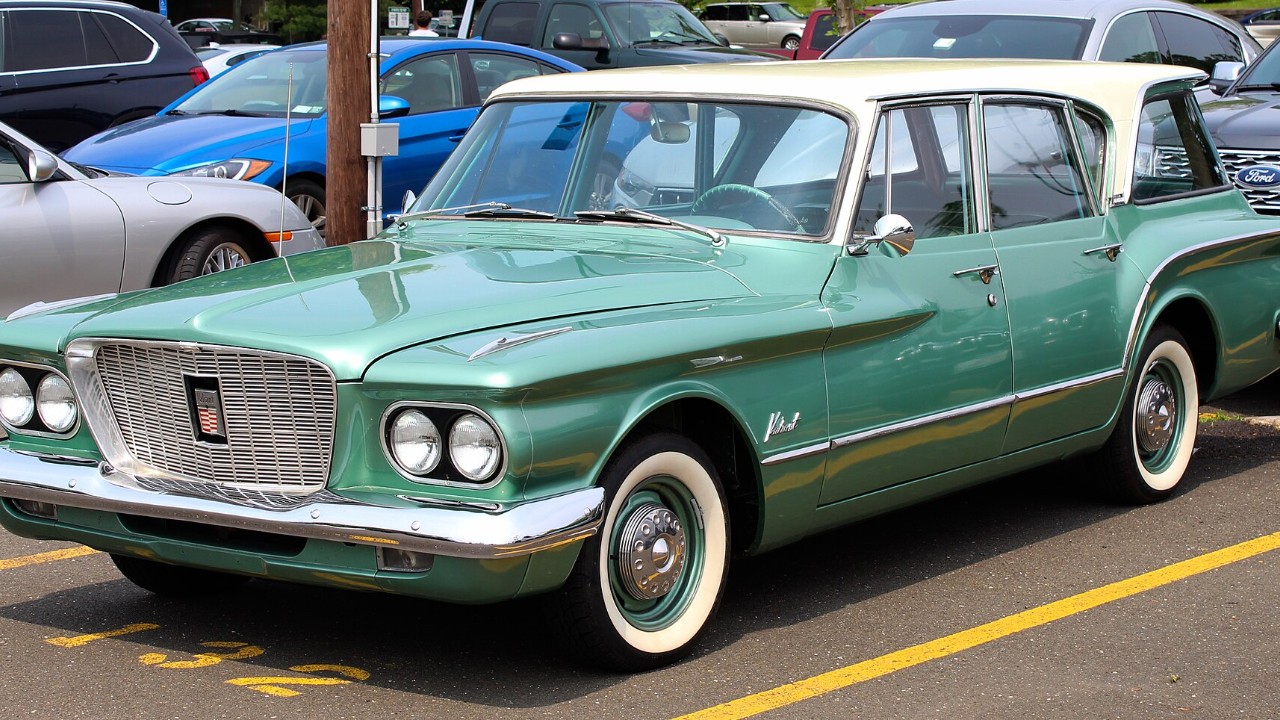
The Plymouth Valiant arrived for 1960 as Chrysler’s answer to the compact car boom, and it did not look like anything else in the showroom. Virgil Exner gave it a long hood, a short deck and a shape that seemed borrowed from a sports car. For its first year, it wasn’t even sold as a Plymouth.
That forward-looking streak ran through the Valiant’s whole life. It also crossed an ocean. In Australia, Chrysler built its own Valiants from 1962 to 1981, and some of them looked nothing like the American cars.
These ten are our picks for the Valiants that looked like the future when they were new. The verdict is our opinion. Meanwhile, the years, engines and sales figures come from club histories, period road tests and auction-house research, and we’ve ordered the cars by year.
1. 1960 Valiant V-200
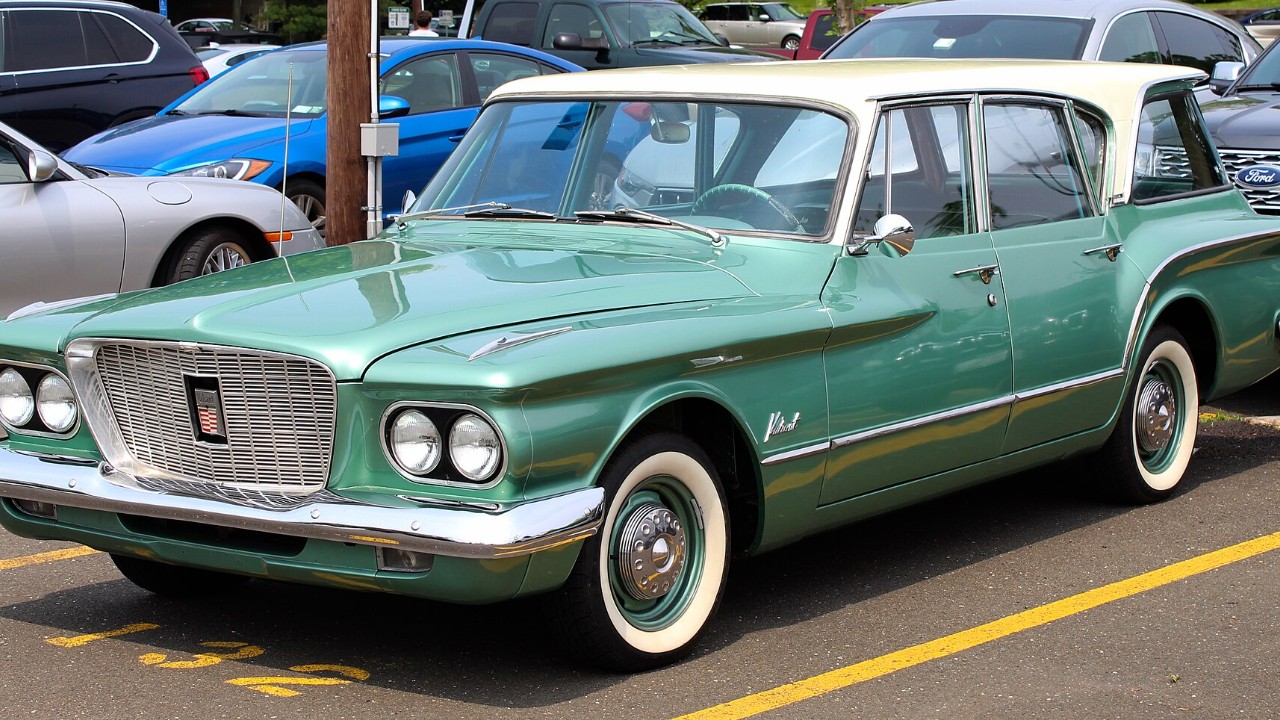
The first Valiant was its own make for 1960, badged only as a Valiant rather than a Plymouth. Exner’s styling skipped big fins and added sports car cues instead. According to Valiant.org, the car rode a 106.5-inch wheelbase with a 184-inch body. That proportion gave it the long-hood, short-deck look that set it apart from the other new compacts.
Underneath, the engineering was just as new. The car was Chrysler’s first true full unibody, according to a history at Curbside Classic. Its 170-cubic-inch slant six made 101 horsepower, compared with 85 from the Falcon’s 144-cubic-inch six. It also used an alternator rather than a generator, a feature Valiant.org links to technology fresh from the space program.
The V-200 was the upscale trim, and it showed in the details. It brought color-keyed carpet instead of rubber mats and a two-tone steering wheel with a bright horn ring. Our take: this is the car that started it all, and it still looks unusual parked next to anything else from 1960. If you want one, the V-200’s nicer interior is worth seeking out.
2. 1961 Plymouth Valiant V-200 hardtop
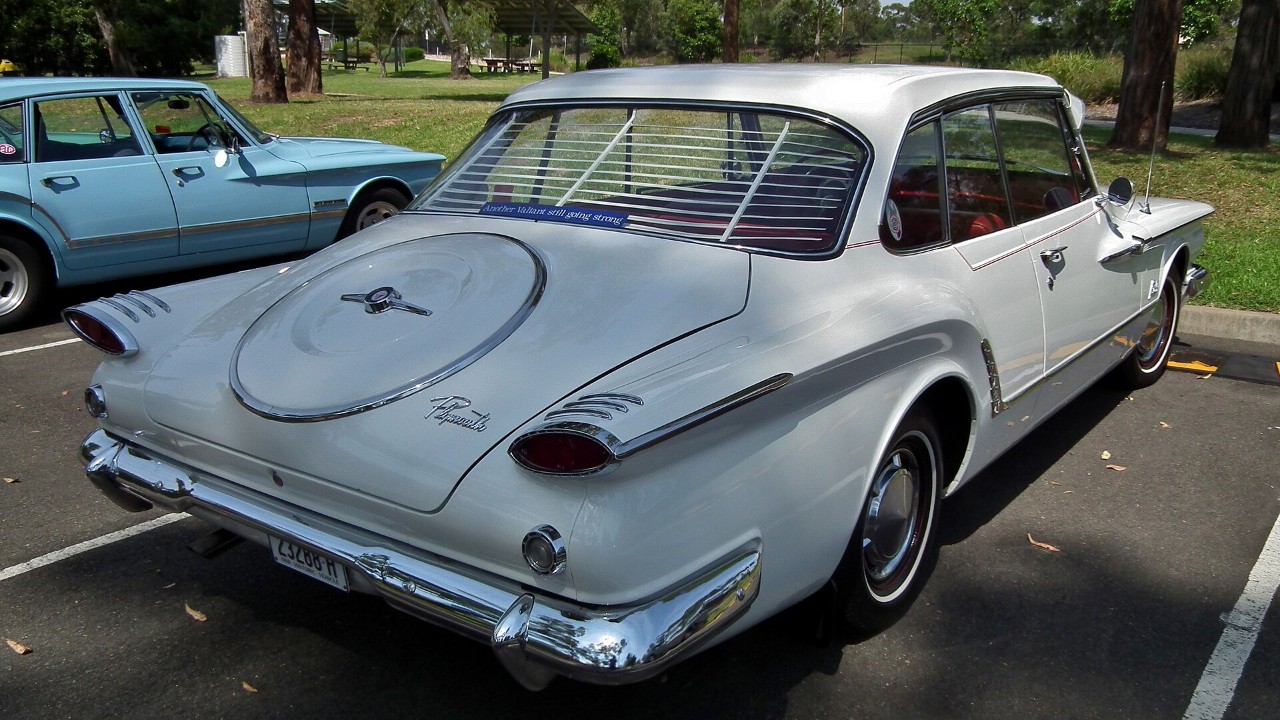
For 1961, the Valiant officially became a Plymouth, and the range grew. New two-door sedan and hardtop body styles joined the lineup. To our eyes, the pillarless hardtop made the compact look longer and lower than the sedan. Then, midway through the year, the bigger 225-cubic-inch slant six became an option on the V-200.
The Valiant also had a reputation for speed. The dealer-installed Hyper-Pak kit added a four-barrel carburetor and raised the 170 six to 148 horsepower. In fact, Hyper-Pak cars took the first seven places in NASCAR’s compact race at Daytona in January 1960. Tom McCahill also noted that in 1961 the Valiant “swept the field at Daytona in the compact class.”
Sales dipped slightly to 143,078 for 1961, according to the Valiant chronology at Valiant.org. In our view, though, the hardtop is the best-looking of the early cars. It took Exner’s angular design and gave it the clean roofline it needed. Even today, it reads as a sportier car than its six-cylinder spec sheet suggests. A V-200 hardtop with the 225 is the one we’d want, because it pairs that shape with the stronger engine.
3. 1962 Plymouth Valiant Signet 200
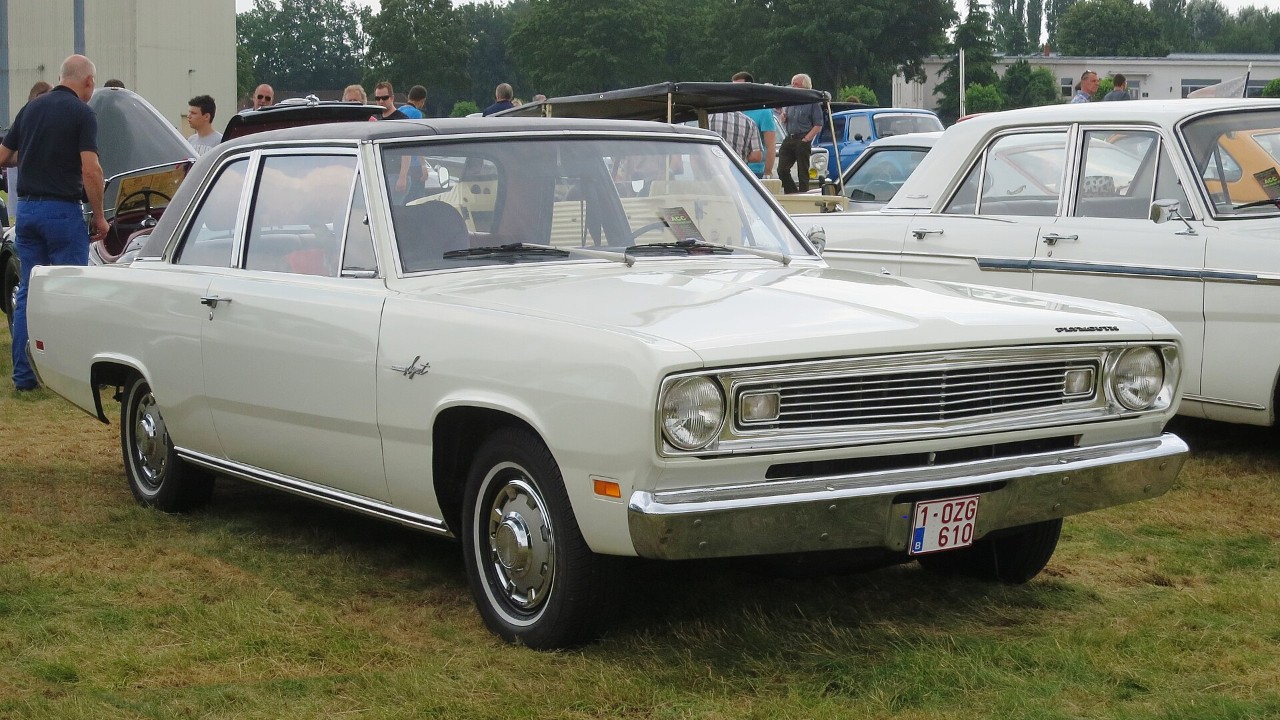
The Signet 200 put a new name at the top of the Valiant range for 1962. It was a two-door hardtop, and it brought bucket seats to the Valiant for the first time. The seats came in pleated, leather-like vinyl, with custom interior trim to match.
Exner’s design also won recognition outside the car world. The Society of Illustrators gave Exner its 1962 Styling Award for the Signet 200. That’s quite an honor for a six-cylinder compact. Meanwhile, buyers kept coming, and Valiant sales rose to 154,294 for the year.
Our take: the Signet 200 is the moment the Valiant stopped being only a sensible car. It became a small car you might buy because you liked the way it looked. The bucket seats and hardtop roof made it feel more personal than the family sedans around it. If you’re looking at one today, check that the special Signet interior trim is complete, because that’s what separates it from a regular V-200 hardtop.
4. 1962 Chrysler Valiant S-series
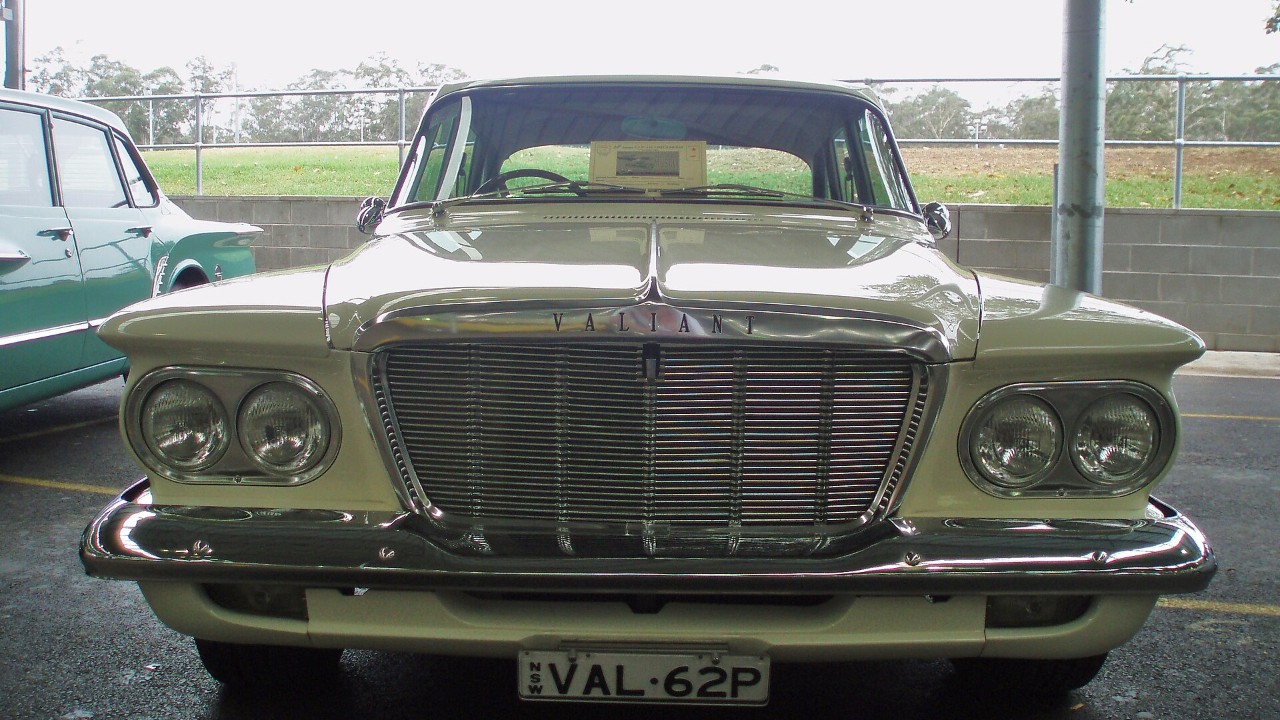
Australia got the Valiant in 1962, and it made a big impression. Chrysler Australia’s first locally assembled Valiant, the R-series, came together at Mile End in South Australia. It used the 225 slant six, rated at 145 brake horsepower. Then, in March 1962, the S-series replaced it, carrying the American 1962 styling on the same body shell.
The S-series sold 10,009 cars in its short run, which was a strong start for a brand-new name in that market. Of those, 5,496 were automatics and 4,513 had manual gearboxes. To our eyes, the S-series must have looked like it had arrived from another planet, with Exner’s sharp creases and its slanted engine.
In our view, this is one of the most important Valiants ever built, because it gave Chrysler a foothold in Australia that lasted almost two decades. It also proved the Valiant’s look worked outside America. Australian Valiant production did not end until August 1981, after Mitsubishi took over Chrysler’s operations there. Every later Australian Valiant on this list traces back to this car.
5. 1963 Plymouth Valiant Signet 200 convertible
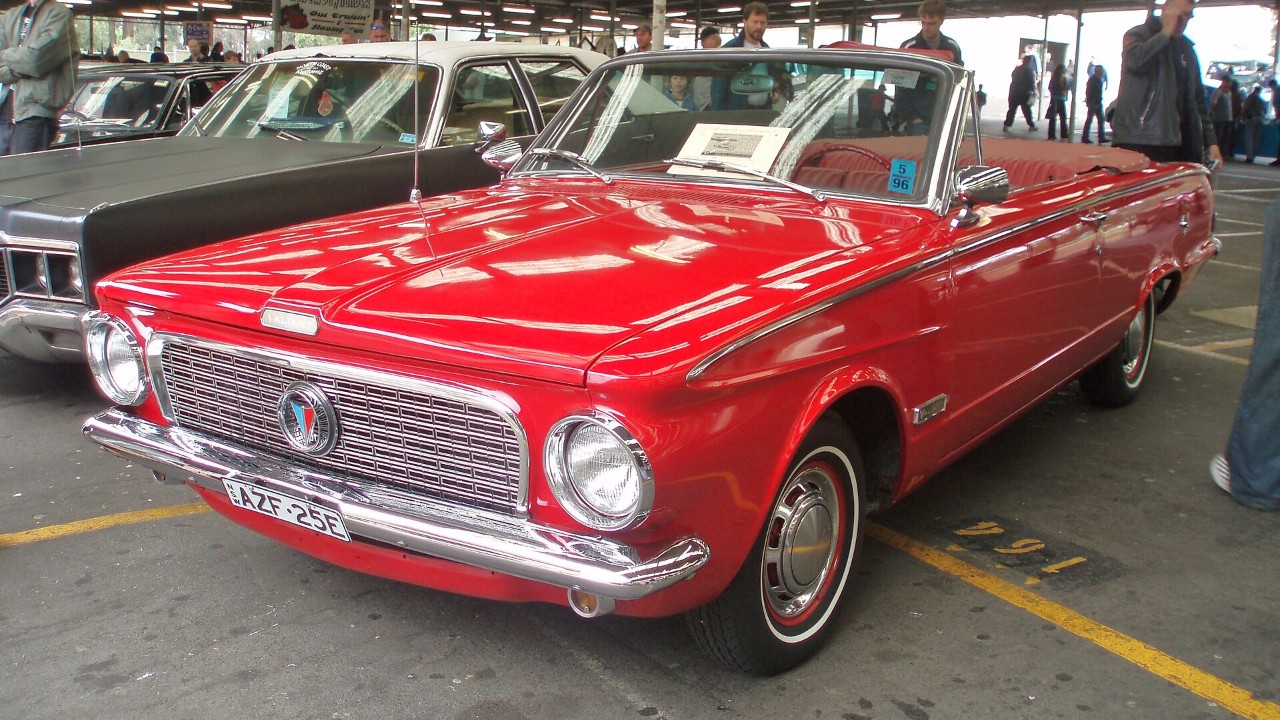
For 1963, Plymouth totally reskinned the Valiant. The new body was crisper and more conventional, on a wheelbase half an inch shorter than before. Also new was a convertible, offered only in V200 and Signet trim. Buyers could pick a manual top or an optional power top.
The public responded at once. Valiant sales jumped to 225,056 for the year, according to the Valiant.org chronology. That was a huge rise over 1962. At the same time, Dodge replaced its Lancer with the new Dart.
Our take: the 1963 Signet convertible looked like the future of the American compact, because it showed a small car could be stylish and easy to own. Where the 1960 car was daring, this one was confident. We’d look for a Signet with the power top, since that convenience suited the car’s upscale role. After all, the convertible was only offered in the two better trims. Make sure the top mechanism works before you buy, because a convertible’s value depends on it.
6. 1964 Plymouth Valiant Barracuda
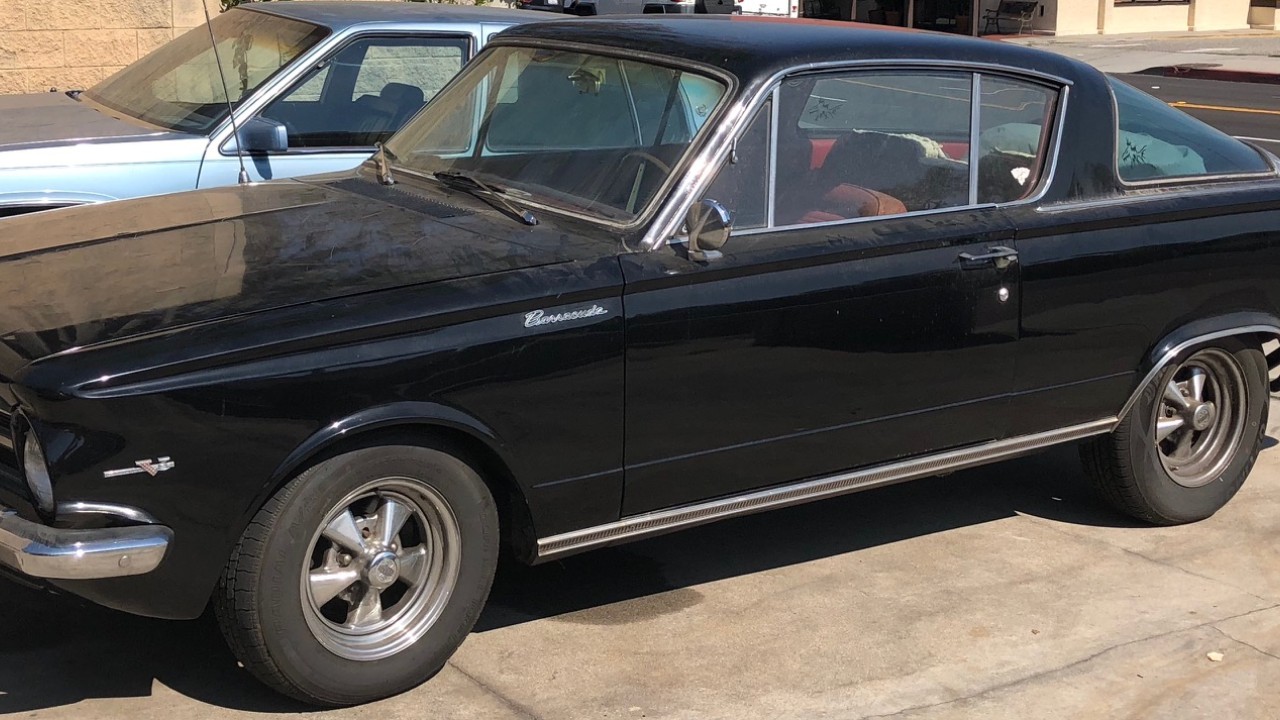
The first Barracuda was a Valiant with a dramatic glass fastback. Plymouth released it on April 1, 1964, two weeks before Ford’s Mustang. It used the Valiant’s 106-inch wheelbase, hood, windshield, quarter panels and bumpers. On top sat a huge rear window measuring 14.4 square feet. As a result, the Barracuda looked like a show car built from familiar parts.
The Barracuda began life as part of the Signet line. Valiant.org notes that most references list it as a 1965 model, even though it went on sale in 1964. Also in mid-1964, a 273-cubic-inch V8 became optional across the Valiant range, rated at 180 horsepower. Total Valiant sales hit 227,585 that year, the car’s U.S. peak.
In our view, the Valiant Barracuda is the clearest case on this list of a car that looked ahead of its time. Our earlier piece on why the 1964 Barracuda arrived before buyers were ready covers how the market reacted. If you shop for one, inspect that rear glass carefully, since it is the car’s signature.
7. 1967 Plymouth Valiant Signet
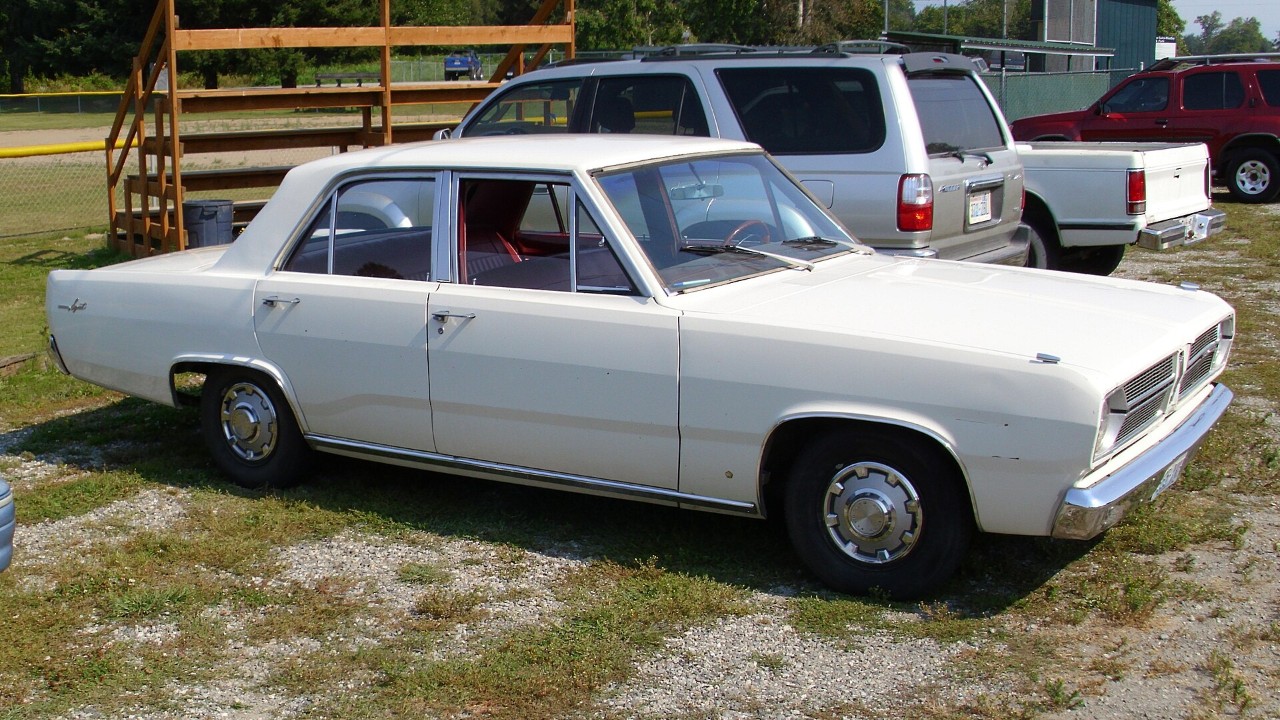
For 1967, Plymouth gave the Valiant all-new bodies. According to Valiant.org, the product planners called it a “mini Mercedes.” The wheelbase grew two inches to 108, and the body grew two inches wider. Curved side glass also arrived, which was new for a compact.
The Signet stayed at the top of the range. However, it came only as a two-door or four-door sedan, because the sporty hardtops and convertibles moved over to the Barracuda. Options included bucket seats and a four-speed manual with a V8. Buyers could also choose two 273 V8s, a 180-horsepower two-barrel and a 235-horsepower four-barrel Commando.
Our take: the 1967 Signet looked more formal and more European than any Valiant before it, which suited its new role as Plymouth’s formal compact. Historian Don Butler called the styling “graceful,” and we agree. It also won the Mobil Economy Run against 41 competitors. If you want the sportiest version, look for a Signet with buckets and the Commando V8. Our story on the Valiant Signet 273 and its values has more on that engine.
8. 1969 Chrysler Valiant VF Pacer
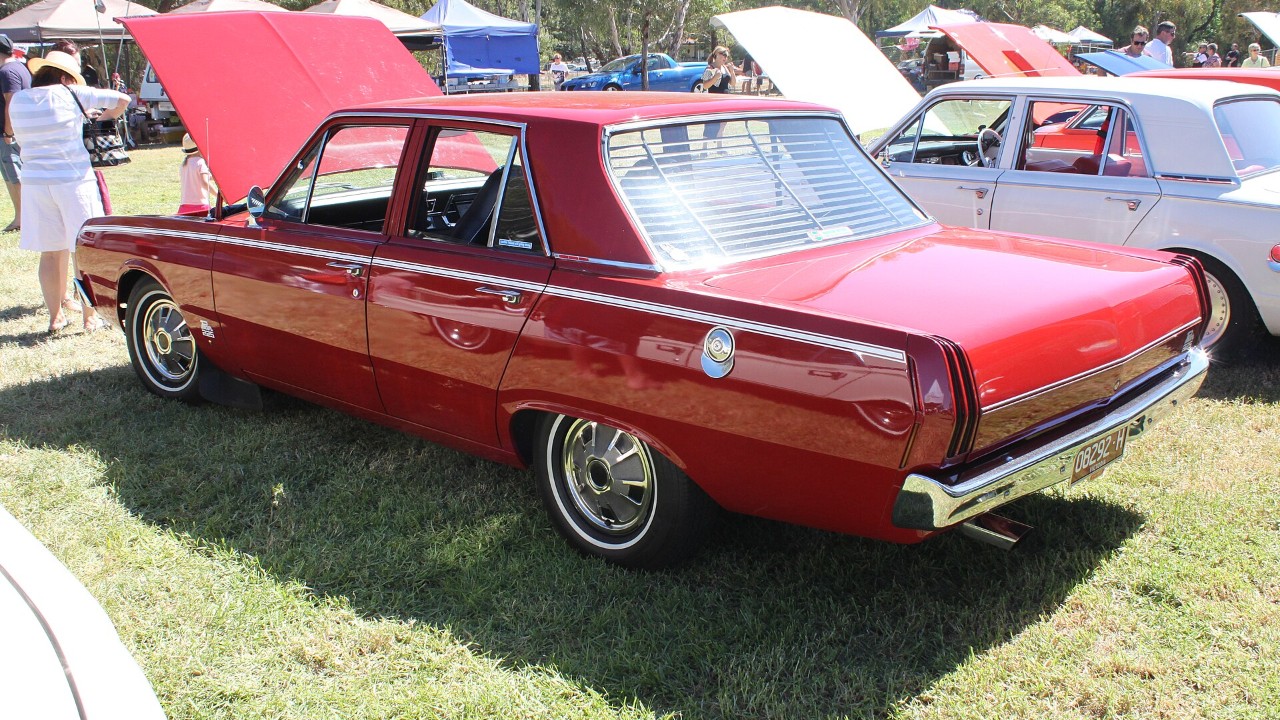
Back in Australia, Chrysler wanted a sporty sedan to sell to younger buyers. According to Shannons, the VF Pacer launched in March 1969. It used a high-compression 175 bhp version of the 225 slant six. That made it, in Shannons’ words, the most powerful six-cylinder engine built in Australia at the time.
The Pacer was also a hit with the eye. It wore racing stripes, special wheel covers and a range of bright paint colors. Inside, a tachometer told you it meant business. Shannons adds that the Pacer could run sub-18-second standing quarter miles, despite a tall 2.95:1 first gear in its three-speed floor-shift manual.
In our view, the VF Pacer is the Australian Valiant that best predicted the 1970s. It offered muscle-car style in a practical four-door body that was affordable to own and insure. If you want one, a genuine Pacer with its original stripes and tachometer is the one to chase. Be wary of tributes, and ask for documentation that proves it left the factory as a Pacer.
9. 1971 Chrysler Valiant Charger R/T
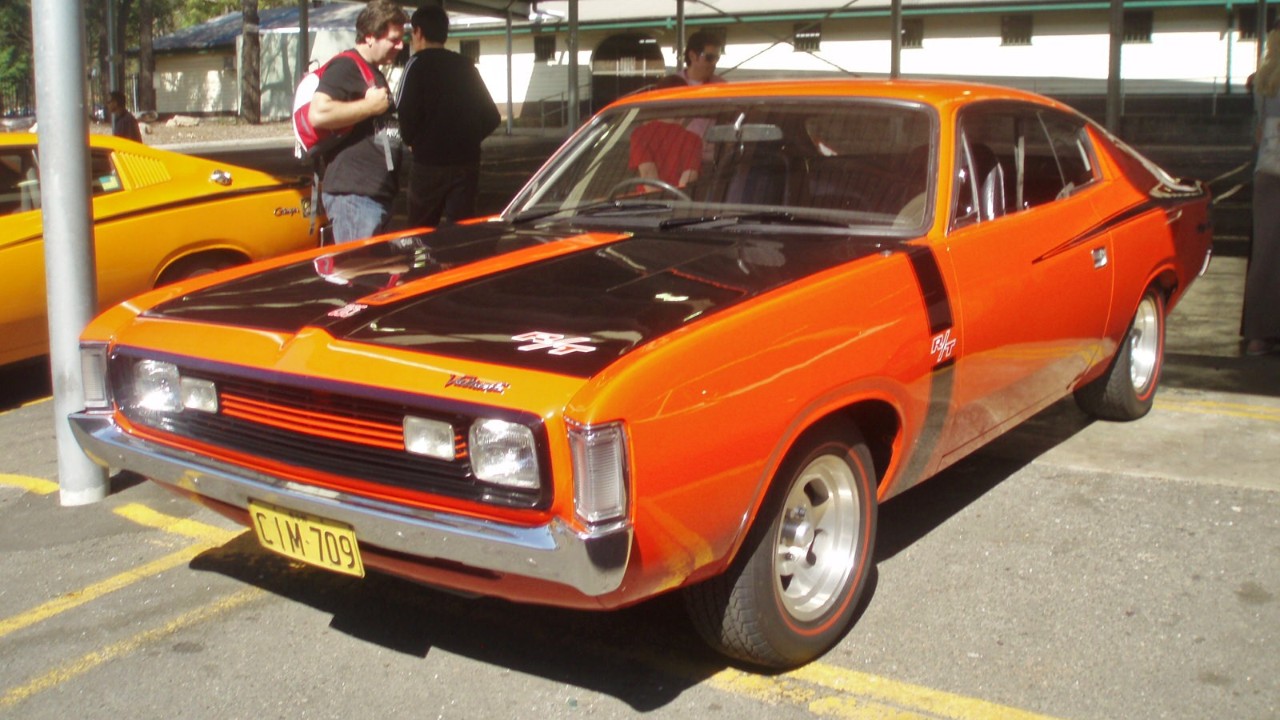
The Valiant Charger was a short-wheelbase, two-door hardtop coupe introduced by Chrysler Australia in 1971. Its shape looked very different from any American Valiant. In fact, the Charger won the Wheels Car of the Year award for 1971. The base car cost $2,795 with a 215-cubic-inch six rated at 140 bhp.
The R/T was the performance model. Its top engine option, the E38, was a 265-cubic-inch Hemi six rated at 280 bhp, and an E38 Charger cost $3,975. According to Unique Cars and Parts, triple dual-throat Webers fed the engine. The same source says it could run the quarter mile in 14.8 seconds on a non-skid surface.
Our take: the R/T is the most futuristic-looking Valiant ever built, and it did not just look fast. At one point, Chargers made up 80% of all Australian Valiant production. If you’re shopping for an R/T, verify its engine and build details, because the E38 package is the one buyers pay for. Above all, get the paperwork before you get excited.
10. 1976 Chrysler Valiant CL
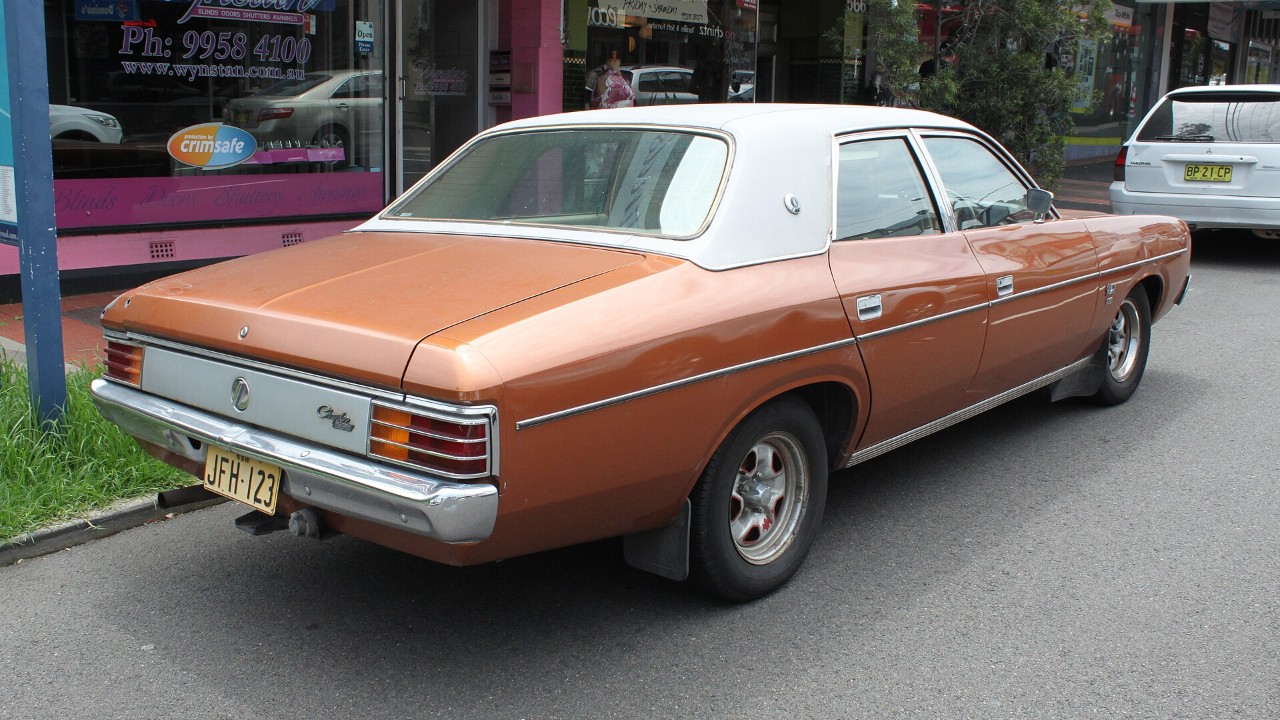
The CL was the last new Australian Valiant, introduced in November 1976. It used the same body shell as the earlier VK range, with restyled front and rear ends. Up front, quad round headlamps flanked a central grille. Under the hood, buyers chose between low- and high-compression versions of the 245-cubic-inch Hemi six or a 318 V8.
The V8 came with something genuinely forward-looking: Chrysler’s Electronic Lean Burn emissions control system. Its name alone told buyers the CL was looking ahead. That made it one of the few Valiants whose future-looking features went beyond styling.
In our view, the CL is the Valiant that tried hardest to stay modern as the end approached. It also included the last of the Chargers. If you find a V8 car, ask whether the Lean Burn system is original and working. Chrysler built 36,672 CL Valiants before the line ended.
More from Fast Lane Only