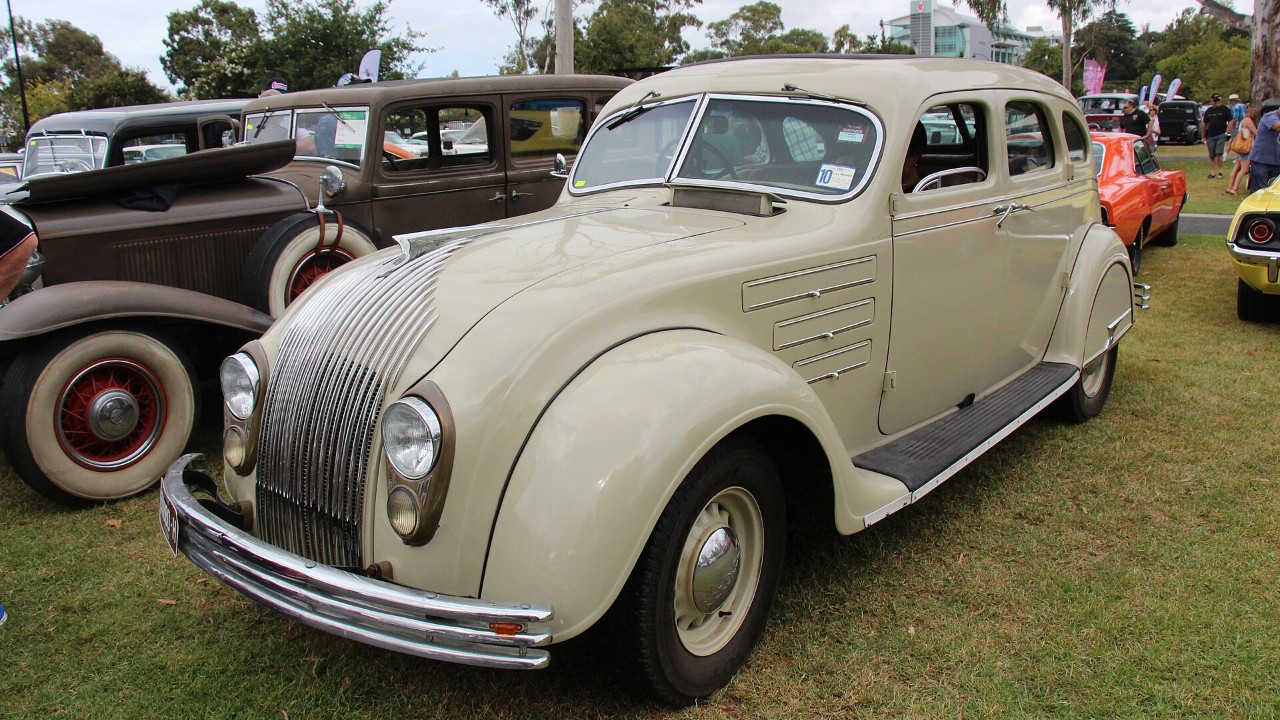
For most of its history, the Chrysler Imperial was the company’s way of saying it could build a luxury car to rival anyone’s. The name sat at the top of the Chrysler range from the 1920s. Then, for 1955, Chrysler went further and registered Imperial as a separate make. That ambition produced some remarkable cars.
However, Chrysler’s best luxury work was never only about the Imperial badge. Sometimes the company proved its point with a wind-tunnel shape or a hot engine in a family body. Other times it simply added more leather, more chrome and more horsepower than buyers expected.
These seven are our picks for the cars that showed what Chrysler could do when it aimed high. Every choice here is our opinion. Meanwhile, the figures behind them, from production counts to auction results, come from marque histories, club records and auction house listings.
1. 1934 Chrysler Imperial Airflow CW
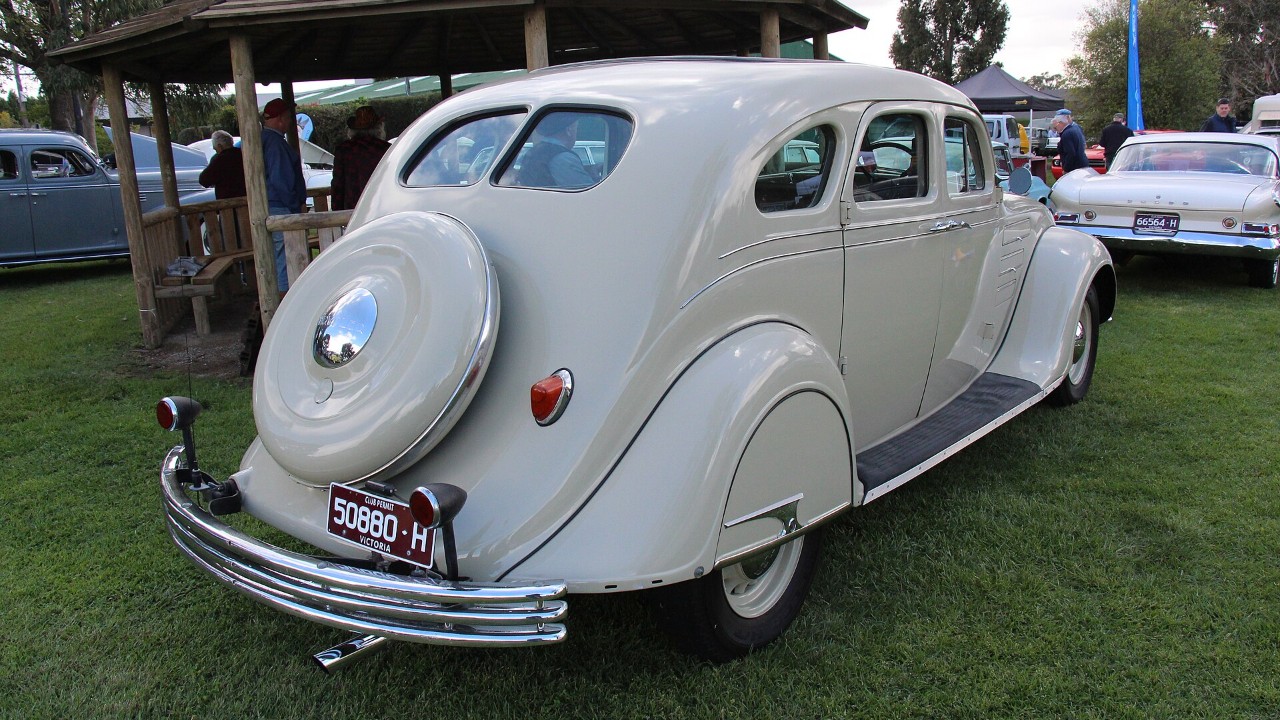
The Airflow was Chrysler’s big gamble on streamlining, and the CW was its most extravagant form. According to a detailed history at Ate Up With Motor, the CW rode a 146.5-inch wheelbase. It also weighed more than 6,000 pounds. Under the hood sat a 385-cubic-inch straight eight with nine main bearings, rated at 150 gross horsepower.
LeBaron built the bodies as semi-customs, and the price ran past $5,000. That made the CW the most expensive Airflow of 1934, priced against a Cadillac V-12. It also wore a curved, one-piece windshield, which the same history calls the first on any American production car. By the generally published figure, only 67 CWs left the line for 1934.
Buyers were less brave than the engineers. In fact, Chrysler’s conventional cars outsold the Airflow by roughly 2.5 to one in its first year. Our take: the CW is the purest statement on this list. It put Chrysler’s most radical idea under its most expensive coachwork. It was a commercial miss, yet it showed exactly how far the company was willing to go. Today, if you ever see one at a concours, take a long look at that windshield, because you may not see another.
2. 1939 Chrysler Custom Imperial

By 1939, Chrysler had stepped back from radical styling and focused on size and comfort. The Chrysler Custom Imperial rode a 144-inch wheelbase, according to a 1939 Custom Imperial history from the Imperial Club. Buyers could choose a five-passenger sedan, a seven-passenger sedan or a limousine with a crank-down divider window. The same history notes that Chrysler introduced its Fluid Drive coupling on this car, along with standard overdrive.
Production was tiny. The Imperial Club article quotes the Standard Catalog of Chrysler: 117 limousines, 88 five-passenger sedans and 95 seven-passenger sedans. In addition, a handful of open Derham-bodied cars sat at the very top of the range.
Derham built one of those parade phaetons for the 1939 New York World’s Fair. It carried King George VI and Franklin D. Roosevelt, according to Gooding & Company. The auction house sold it for $192,500 in Scottsdale in 2010. In our view, that’s the moment Chrysler’s flagship shared a stage with the great American luxury cars of the day. It also shows how seriously the company took the Imperial name, even after the Airflow stumbled.
3. 1951 Chrysler Saratoga
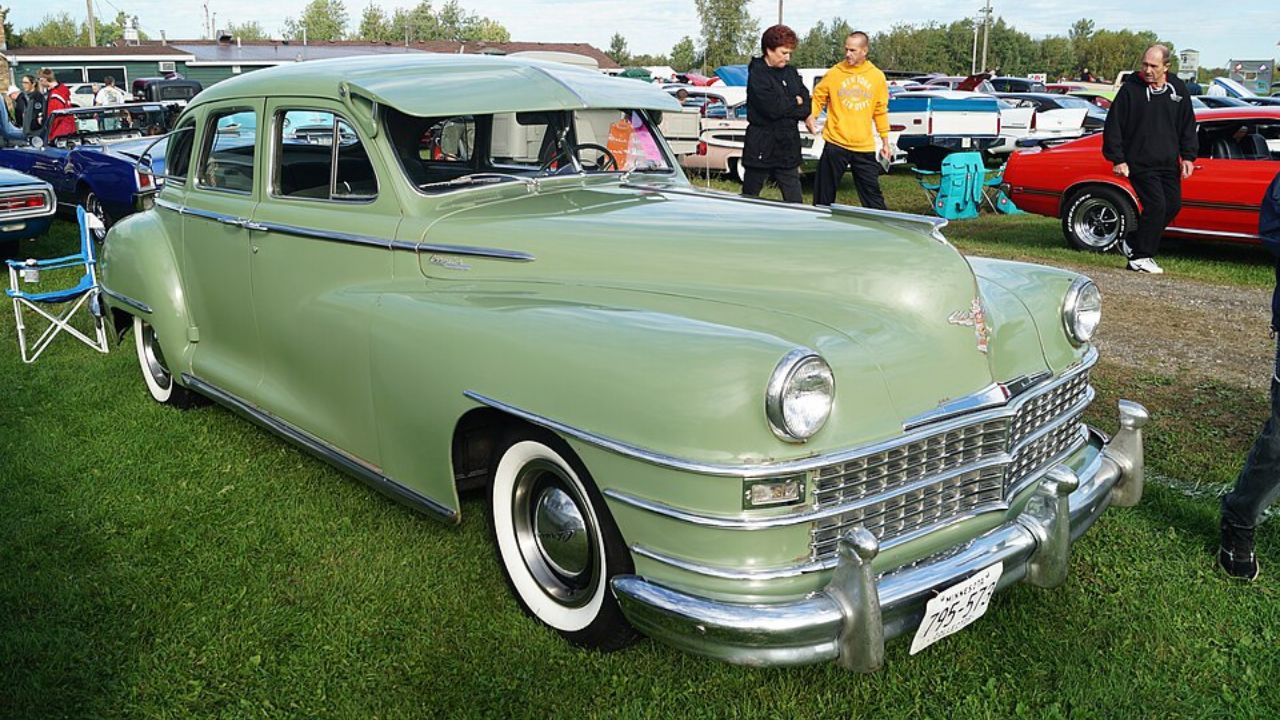
The Saratoga made the list for a different reason. It showed Chrysler’s luxury engineering could also win races. For 1951, Chrysler put its new FirePower Hemi V8 into the smaller, lighter Windsor chassis. According to Old Cars Weekly, the 331.2-cubic-inch Hemi made 180 horsepower. That matched the top rating in the entire industry.
As a result, the Saratoga Club Coupe weighed 200 pounds less than a New Yorker coupe with the same engine. Even with an automatic, Motor Trend got a 10-second 0-to-60 run out of a Saratoga. Then came the Carrera Panamericana. There, Bill Sterling finished third overall in his Chrysler and first among the strictly stock cars, by the same account.
Chrysler built 34,806 Saratogas in 1951, so this is not a rare car by the standards of the list. We like it anyway, because it looks like a sensible family Chrysler and drives like something much more serious. It also proved the Hemi worked on real roads over real distances. For a buyer today, that combination of plain clothes and big power is the whole appeal.
4. 1957 Imperial Crown Southampton
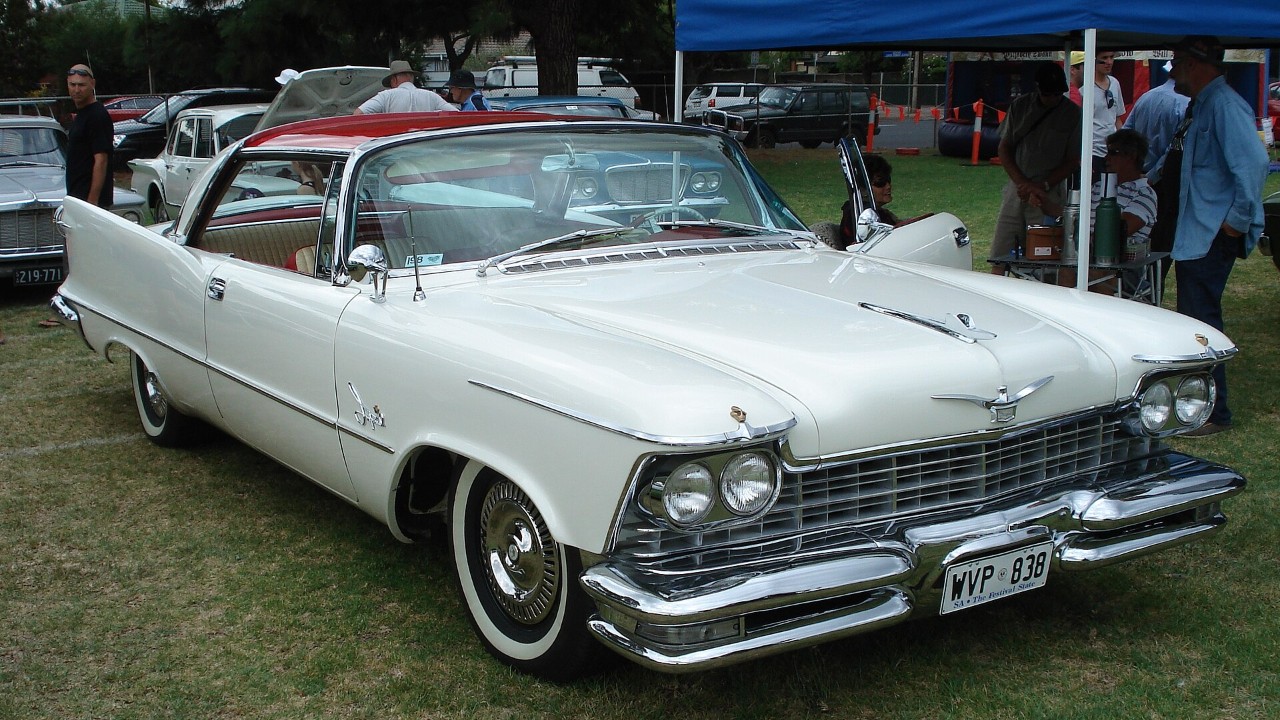
For 1957, Imperial got its own body, separate from the rest of the Chrysler range. Virgil Exner’s Forward Look design gave it tall fins and a low, wide stance. It also introduced curved side glass, a first for a U.S. production car. Meanwhile, the Southampton name marked the pillarless hardtops, in two-door and four-door form.
Buyers responded. Imperial built 37,593 cars that year, its best model year ever. A history at Curbside Classic lists the curved side glass among the features that made the car more advanced than its rivals. That same history also notes that Consumer Reports criticized the body rigidity of Chrysler’s 1957 lines.
In our view, the 1957 Crown Southampton is the high-water mark for Imperial as its own brand. The car was not perfect, and the rigidity complaint was fair. Even so, for one year it looked newer than anything from Cadillac or Lincoln. The sales numbers show buyers noticed, too. A four-door Southampton with its pillarless side view is, for us, the best way to see what Exner had in mind.
5. 1959 Chrysler 300E
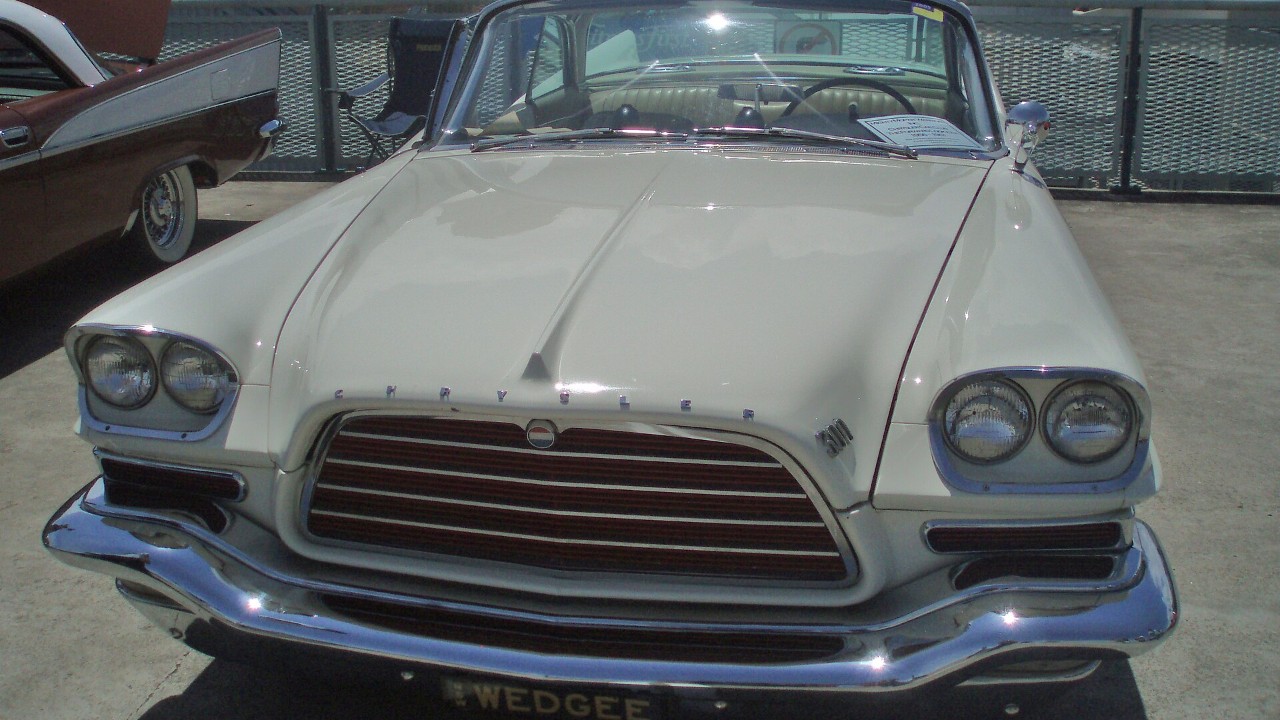
The letter-series 300 was Chrysler’s hand-built luxury hot rod, and the 1959 300E marked a turning point. Chrysler dropped the Hemi that year. In its place came a new 413-cubic-inch wedge V8, the Golden Lion, rated at 380 horsepower. The new engine weighed 103 pounds less and also cost less to build.
The 300E kept the luxury touches, too. Power swivel front seats came standard, and they turned toward the door as it opened. Chrysler priced the hardtop at $5,319 and the convertible at $5,749. As a result, very few people bought one. Production came to 522 hardtops and 125 convertibles, or 647 in all.
Our take: the 300E proved Chrysler could build a big, fast, beautifully trimmed car without its famous Hemi. Only a few hundred people got to own one new, which is why a convertible is such a rare find today. If you want the wider story of the series, our look at how Chrysler’s 300 letter cars became collectibles covers the full run, from the first car to the last.
6. 1966 Imperial Crown convertible
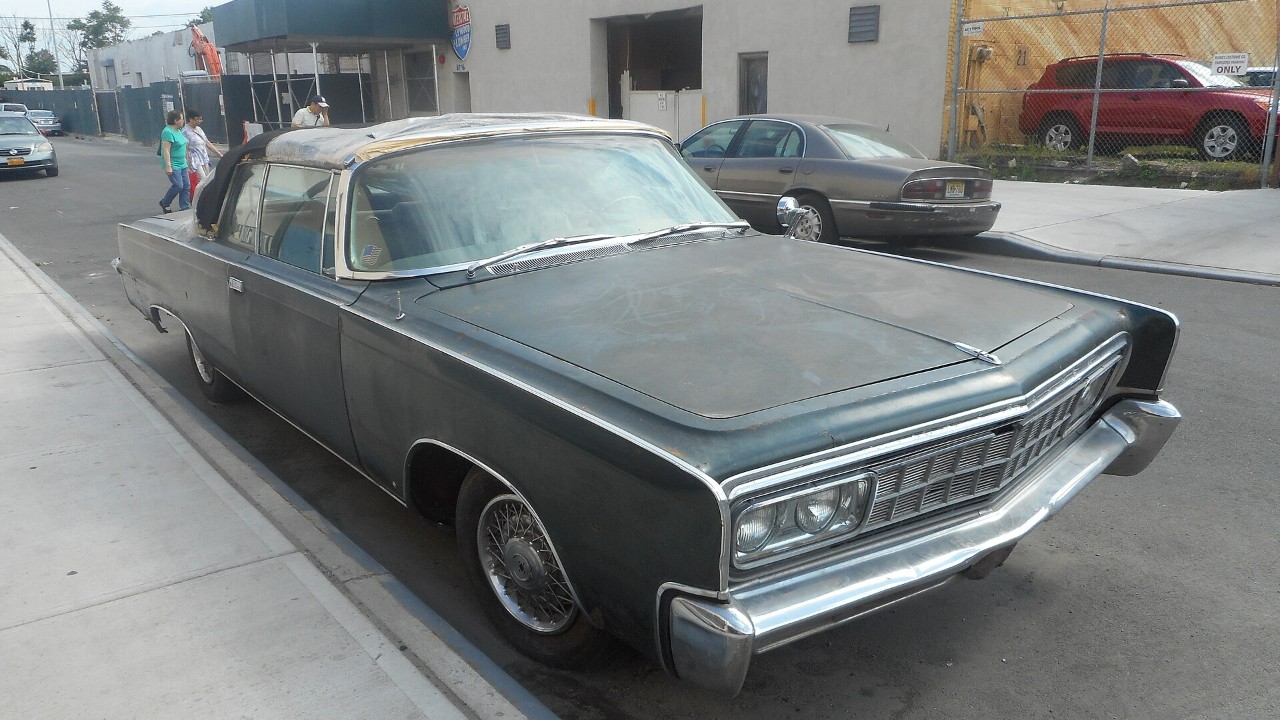
Elwood Engel’s Imperials of 1964 to 1966 took a cleaner, more formal look than the finned cars before them. For 1966, the Imperial swapped its 413 for a 440-cubic-inch V8 rated at 350 horsepower. It was also the last Imperial built body-on-frame. For 1967, by contrast, the car moved to a unibody shared with other big Chrysler products.
The convertible was the rarest body style. According to Hyman Ltd., Imperial built only 514 Crown convertibles for 1966. That dealer’s listing also notes that even a base Imperial came with power steering, power brakes and power windows. The whole Imperial line totaled 13,752 cars that year, so the open car made up less than 4% of production.
In our view, this is the best-looking way to see the end of an era for the body-on-frame Chrysler Imperial. The big 440 gave it effortless pace, and the low production makes one a rare sight today. If you like the hardtop version too, we covered why the Imperial Crown Coupe turns heads in an earlier piece.
7. 1981 Imperial FS
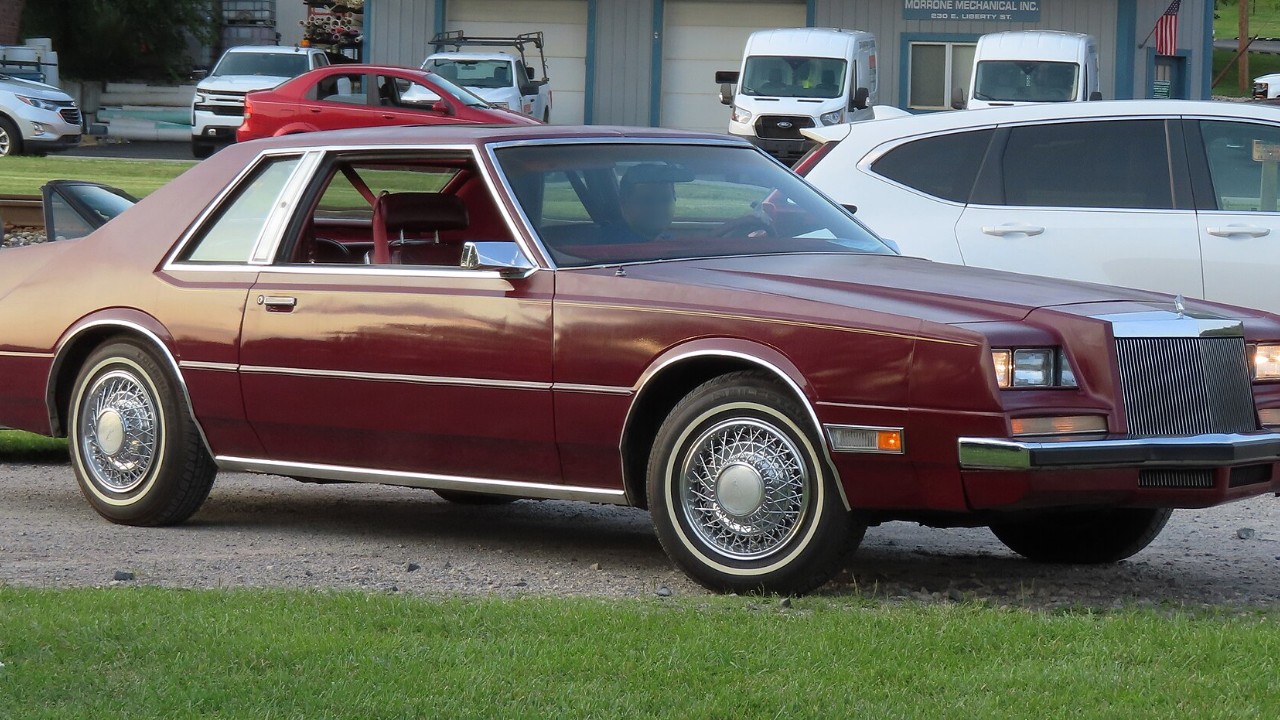
The final Imperial returned for 1981 as a two-door personal-luxury coupe based on the Cordoba. Every one used Chrysler’s 318 V8 with electronic fuel injection, rated at 140 horsepower. The fuel injection proved troublesome, though. As a result, some 1981 cars got carburetors instead, either under warranty or later at the owner’s request.
The FS was the Frank Sinatra edition. For example, the Imperial Club lists its signature details: Glacier Blue paint and light blue leather or cloth. It also came with a set of Sinatra cassette tapes in a Mark Cross leather case. The option added $1,078 to a $20,988 base price.
Our take: it is the most unusual way Chrysler ever sold luxury. It worked as a statement, even if the car underneath had flaws. If you shop for one, ask whether it keeps the original injection, since that changes how the car drives and what it needs. Chrysler built just 148 FS cars in 1981 and 279 more in 1982. Across all three years, total production for the 1981 to 1983 Imperial came to 12,385.
More from Fast Lane Only