The 1960s was a decade full of bold ideas in the auto industry. Designers were not afraid to experiment with new shapes, advanced technology, and eye-catching details that made many cars look like they came from tomorrow instead of today. Some introduced hidden headlights, flowing fastback bodies, or futuristic interiors that stood out from everything else on the road. While some designs became timeless classics, others showed just how creative automakers could be during one of the most exciting periods in automotive history.
Chevrolet Corvette Sting Ray (1963)
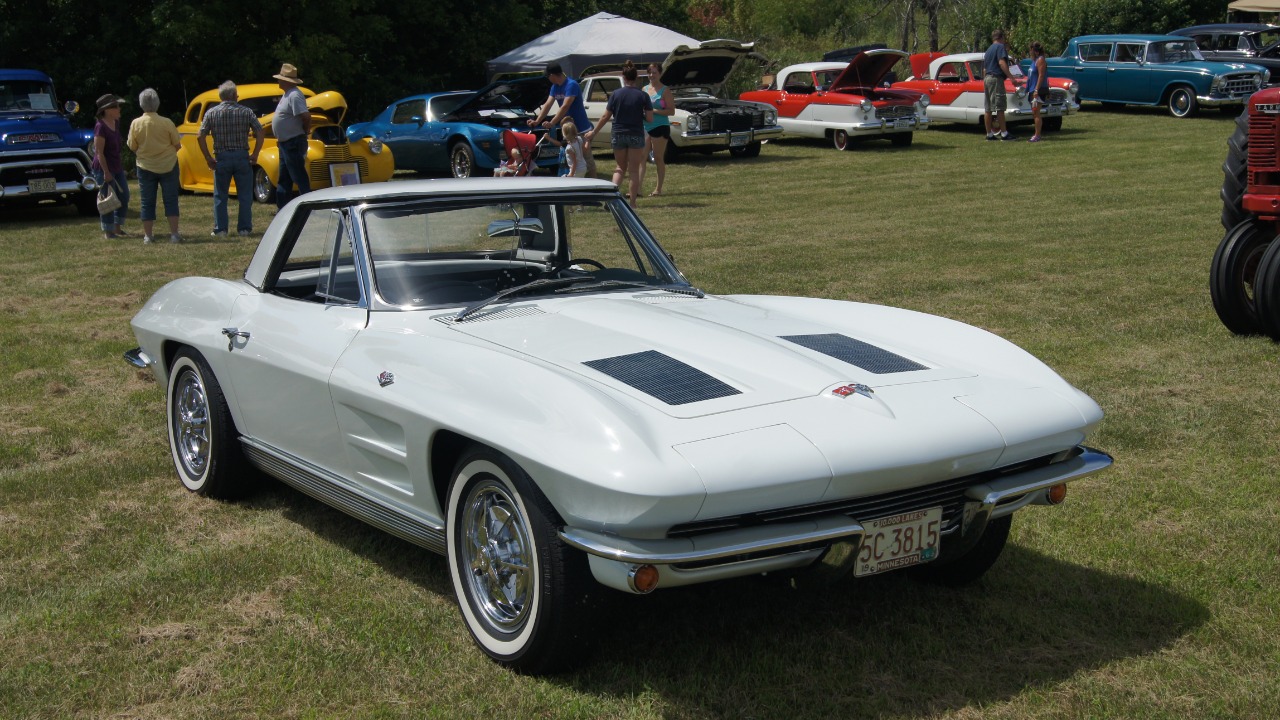
The 1963 Chevrolet Corvette Sting Ray completely changed how American sports cars looked. Its sharp body lines, pointed front end, hidden headlights, and dramatic split rear window gave it an appearance unlike anything that had come before. Even people who were not interested in sports cars noticed its futuristic styling. The sleek shape was also designed with performance in mind, proving that a car could look modern while delivering impressive speed and handling for its time.
Citroën DS

The Citroën DS looked decades ahead of its rivals when it arrived, with its smooth body, covered rear wheels, and aerodynamic shape. It was just as advanced underneath the body thanks to its hydropneumatic suspension, which gave it an incredibly smooth ride. The futuristic dashboard and unusual steering wheel added to the feeling that this was a car from another era. Even many modern vehicles still seem ordinary when parked beside a well-preserved DS.
Buick Riviera (1963)
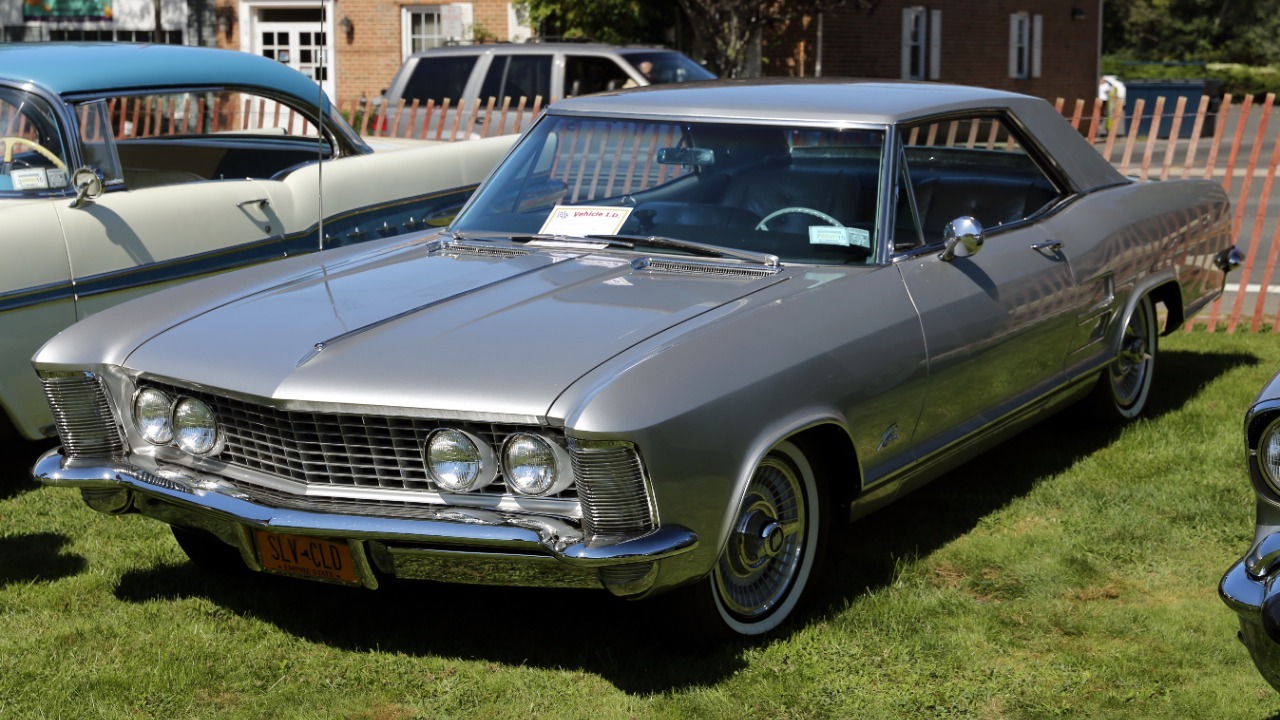
The first-generation Buick Riviera proved that luxury cars could be elegant without relying on oversized fins or excessive chrome. Its clean body lines, sharp front end, and restrained styling gave it a fresh and modern appearance that still looks impressive today. Unlike many American cars of the early 1960s, the Riviera focused on simple proportions and refined details. Its timeless design influenced many luxury coupes that followed during the rest of the decade.
Oldsmobile Toronado (1966)

The Oldsmobile Toronado was one of the most innovative American cars of the decade. Its bold front-wheel-drive layout attracted attention, but its styling was equally impressive. The long hood, hidden headlights, wide stance, and flowing fastback roof made it look unlike anything else on American roads. The clean, muscular body gave the Toronado a futuristic personality that matched its advanced engineering, helping it become one of the most memorable personal luxury cars ever built.
Alfa Romeo Carabo (1968)
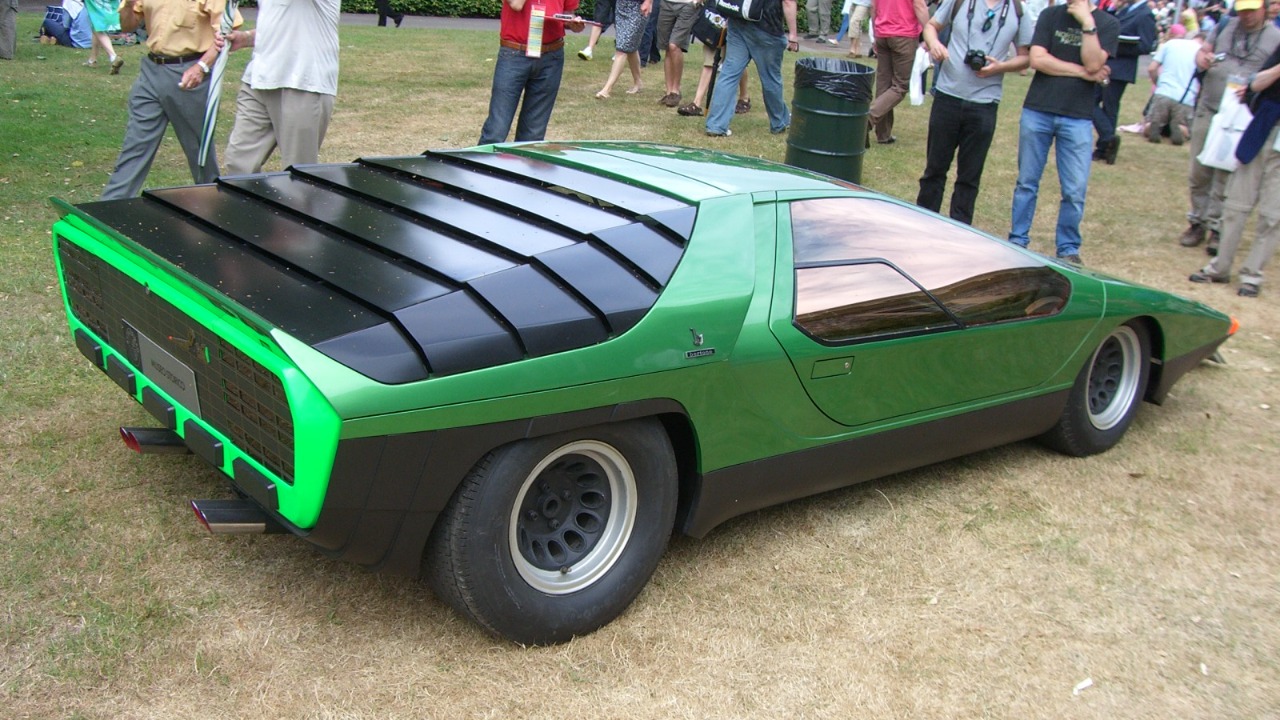
The Alfa Romeo Carabo looked more like a spacecraft than a road car when it debuted. Designed by Marcello Gandini at Bertone, it featured a low wedge-shaped body and dramatic scissor doors that would later influence many famous supercars. Bright colors and sharp angles made it impossible to ignore. Although it remained a concept, its styling inspired future production models and helped establish the wedge design trend that became popular during the 1970s.
Lancia Stratos Zero (1970 concept introduced at the end of the 1960s design era)
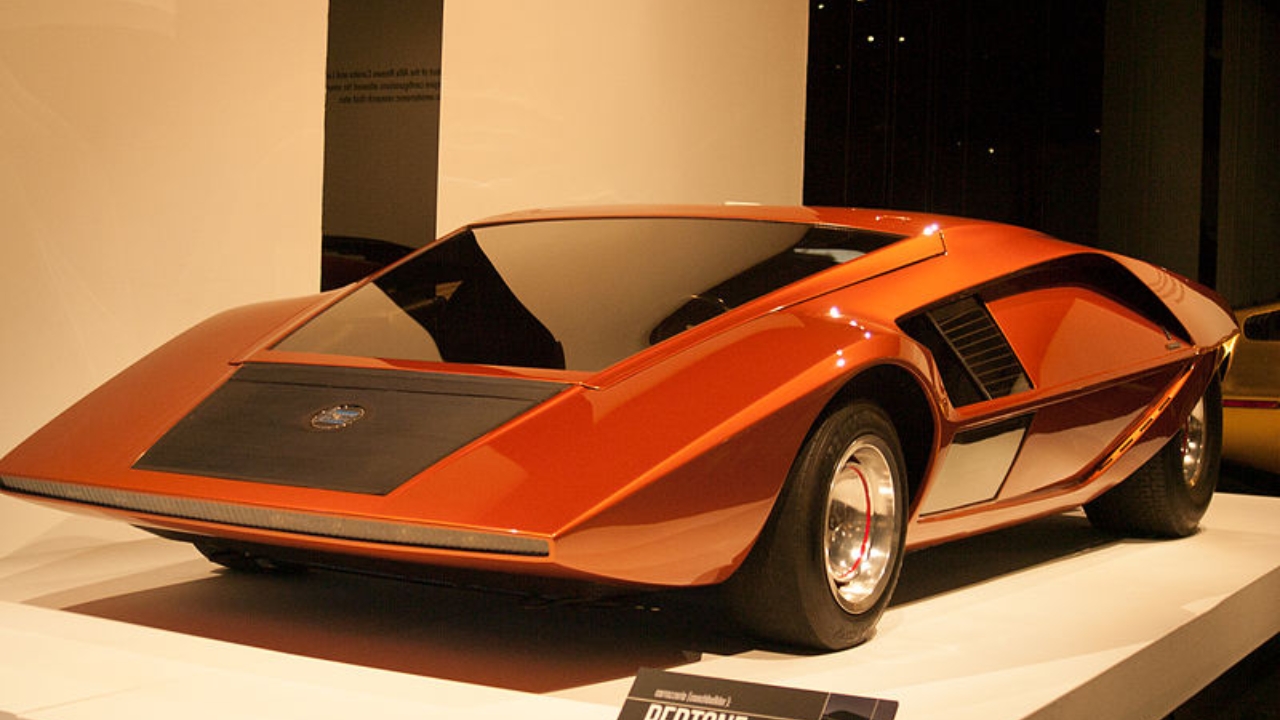
Although officially unveiled in 1970, the Lancia Stratos Zero was developed from design ideas that emerged during the late 1960s and reflected the era’s fascination with futuristic styling. The extremely low wedge-shaped body, large windshield, and dramatic proportions made it look like nothing else on the road. It pushed automotive design in a bold new direction and inspired many concept cars and production sports cars that appeared throughout the following decade.
Dodge Charger Daytona (1969)
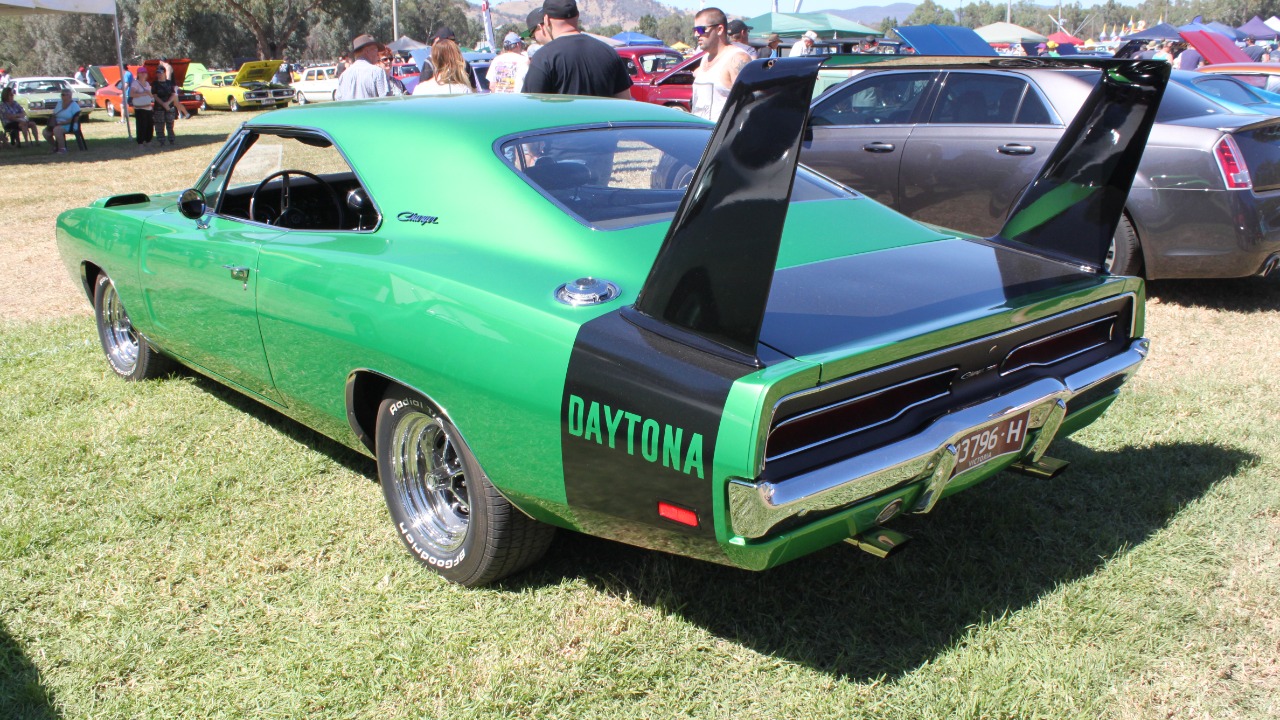
The Dodge Charger Daytona looked like it had been built for space-age racing. Its pointed aerodynamic nose cone and enormous rear wing made it one of the most recognizable muscle cars ever created. While these features were designed to improve high-speed performance on NASCAR tracks, they also gave the car a futuristic appearance that shocked many people in 1969. Today, its unusual shape remains one of the boldest designs ever produced by an American automaker.
More from Fast Lane Only
- Unboxing the WWII Jeep in a Crate
- 15 rare Chevys collectors are quietly buying
- 10 underrated V8s still worth hunting down
- Police notice this before you even roll window down
*Research for this article included AI assistance, with all final content reviewed by human editors.