Many cars throughout history have become icons not through commercial success, but by leaving an indelible mark on automotive culture. These vehicles, while not warmly embraced by consumers initially, have captivated enthusiasts and collectors alike. Let’s explore seven cars that have achieved legendary status despite their commercial struggles.
DeLorean DMC-12

The DeLorean DMC-12 is perhaps most famous for its starring role in the “Back to the Future” movies, but its actual sales were far less impressive. Produced from 1981 to 1983, the DeLorean struggled with quality control issues and a high price point, leading to its commercial failure. However, its unique stainless-steel body and gull-wing doors have ensured its place in automotive history.
Though the DeLorean Motor Company went bankrupt after producing only about 9,000 units, the DMC-12 has become a beloved collector’s item. Its distinctive design and cultural significance have cemented its status as an icon far beyond its brief production run.
Tucker 48

Preston Tucker’s dream car, the Tucker 48, was packed with innovative features like a rear-mounted engine and a safety-focused design. Despite its groundbreaking attributes, only 51 units were produced before the company shuttered in 1949 amid legal and financial troubles.
The Tucker 48’s story is one of ambition and controversy, yet it remains a symbol of innovation in the automotive world. Collectors and historians continue to celebrate the Tucker 48 for its forward-thinking design and the fascinating story behind its creation.
Pontiac Fiero

Introduced in 1984, the Pontiac Fiero was General Motors’ attempt to create a small, sporty car that could compete with European imports. Early models faced criticism for lackluster performance and reliability issues, which hampered its sales potential.
Despite these challenges, the Fiero developed a passionate fan base and saw significant improvements in performance and quality by its final years of production in 1988. Today, it’s admired for its unique mid-engine layout and holds a special place in the hearts of its enthusiasts.
Bricklin SV-1

The Bricklin SV-1, produced from 1974 to 1975, was a car focused on safety with its integrated roll cage and energy-absorbing bumpers. However, quality control issues and production delays resulted in only about 3,000 units being built before the company went under.
Despite its commercial failure, the Bricklin SV-1 has gained a cult following. Its bold design and the story of its ambitious creator, Malcolm Bricklin, have kept the car relevant among collectors and automotive enthusiasts.
Edsel Corsair
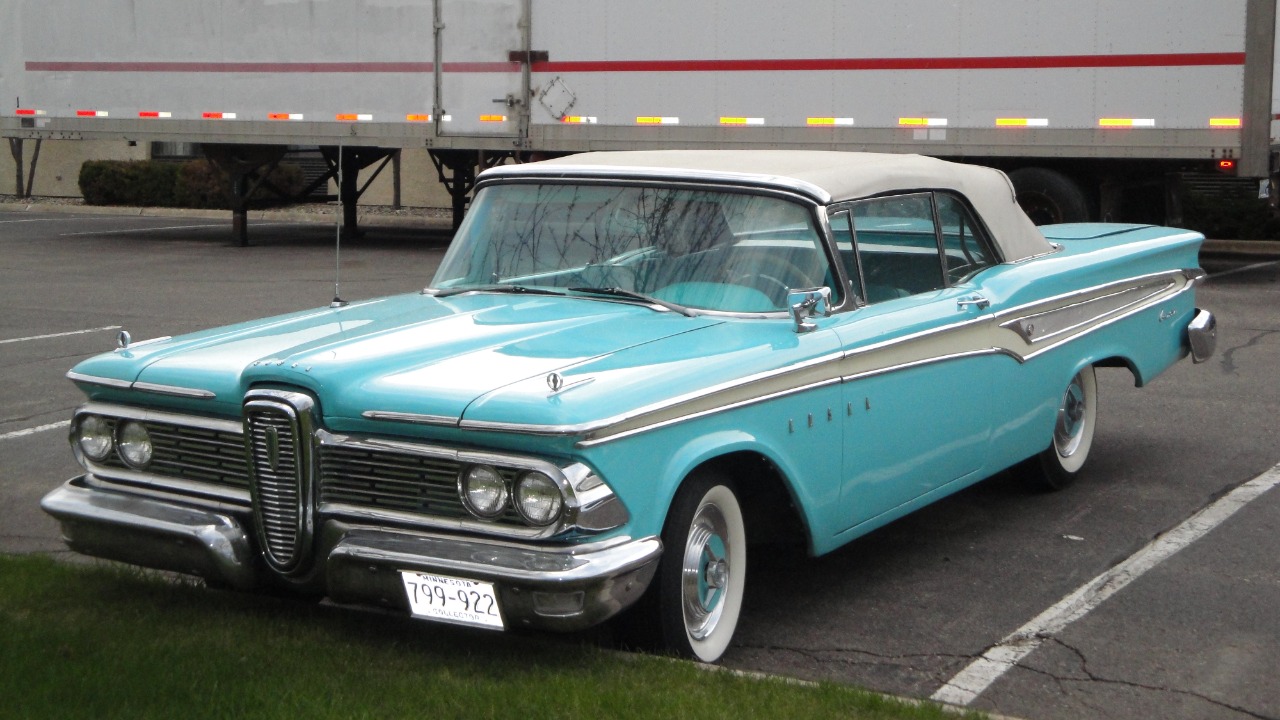
The Edsel Corsair, part of Ford’s ill-fated Edsel brand launched in 1958, was supposed to revolutionize the automotive market. Unfortunately, styling missteps, poor marketing, and economic factors led to dismal sales and the brand’s demise by 1960.
While initially a symbol of failure, the Edsel Corsair has become a collectible item. Its distinctive design and the lessons learned from its commercial flop continue to intrigue car historians and collectors.
AMC Pacer
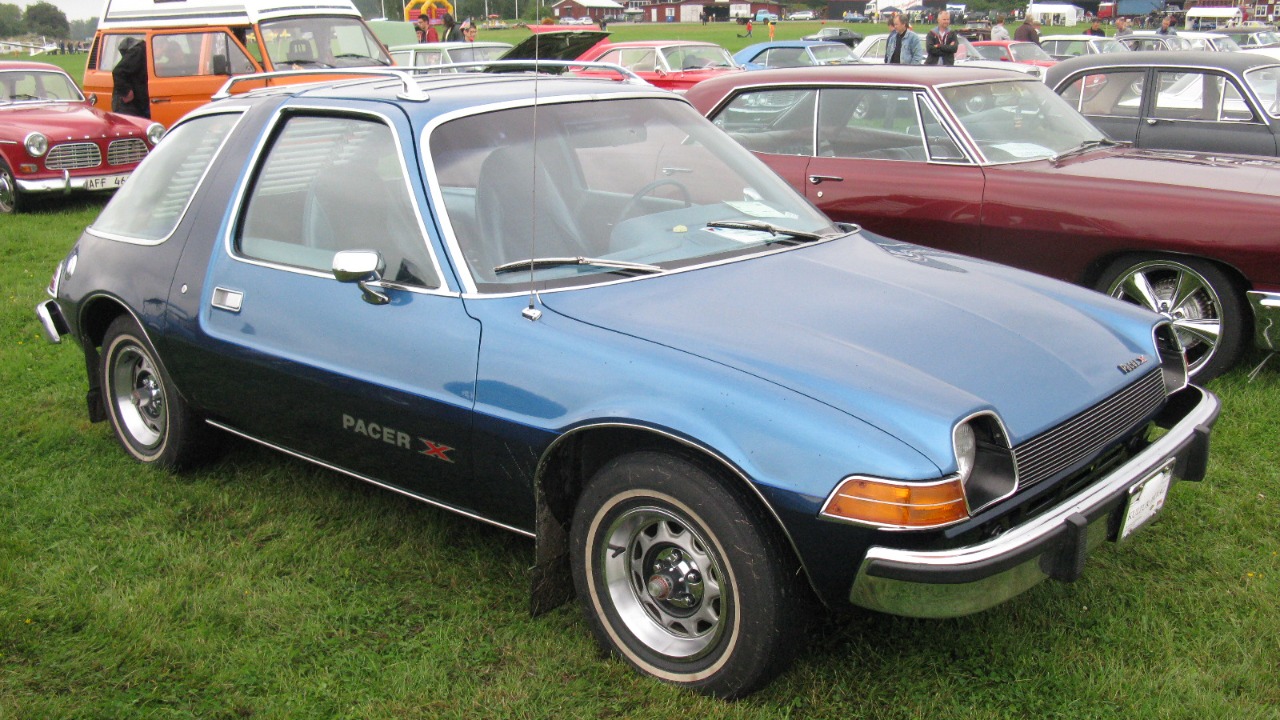
The AMC Pacer, produced from 1975 to 1979, was an attempt to create a small, fuel-efficient car that stood out from the crowd. Known for its unusual shape and expansive glass surface area, the Pacer’s design was polarizing, leading to mixed market reception.
Despite its commercial challenges, the Pacer has become a pop culture icon, often celebrated for its quirky aesthetics and appearances in movies like “Wayne’s World.” It’s a reminder of the daring design choices of the 1970s.
Studebaker Avanti
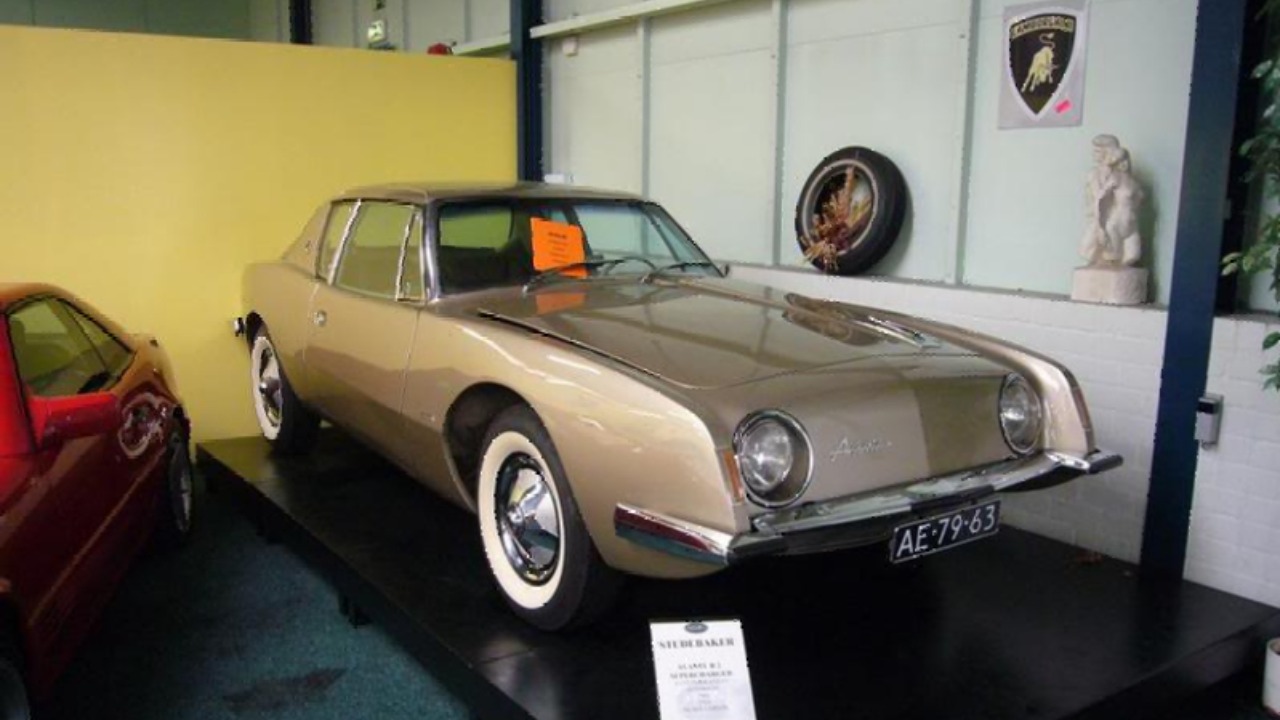
The Studebaker Avanti, introduced in 1962, was a sleek, fiberglass-bodied car that aimed to rejuvenate the Studebaker brand. While praised for its styling and performance, production delays and company financial woes hindered its success.
Although Studebaker ceased operations in 1963, the Avanti lived on through various revivals and remains a celebrated classic. Its timeless design and the innovation it represented have ensured its place in automotive lore.
More from Fast Lane Only