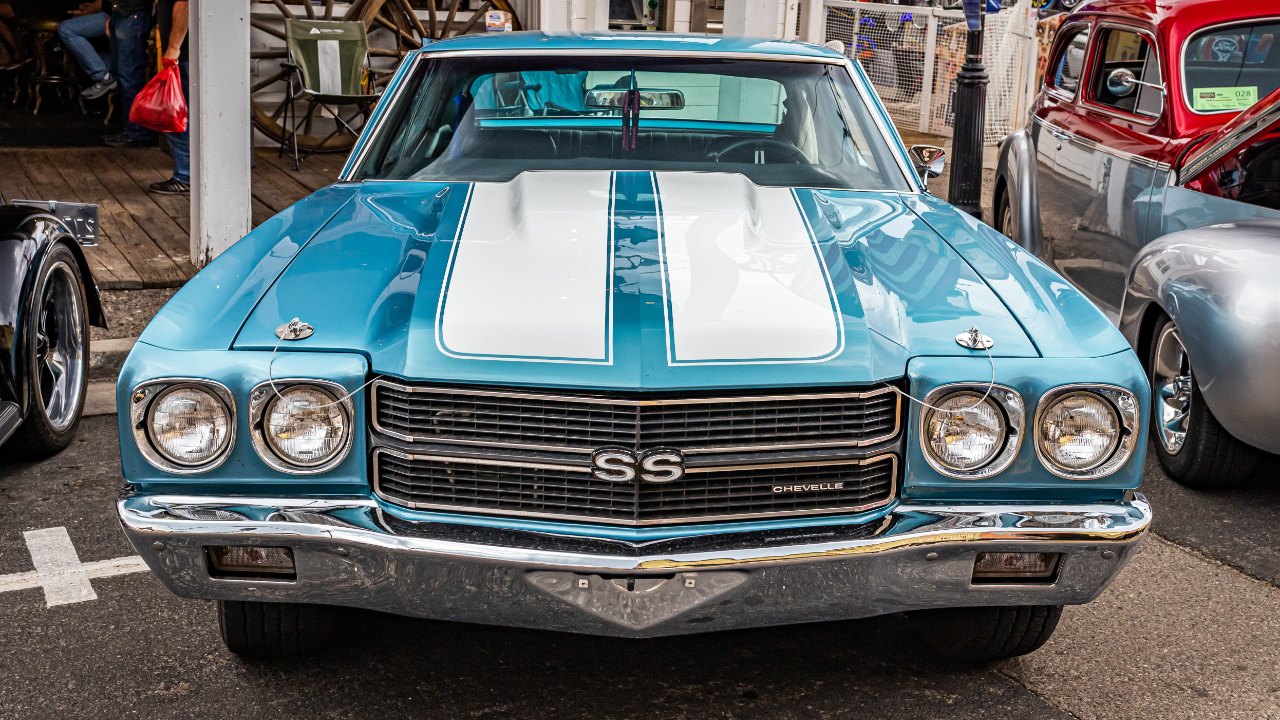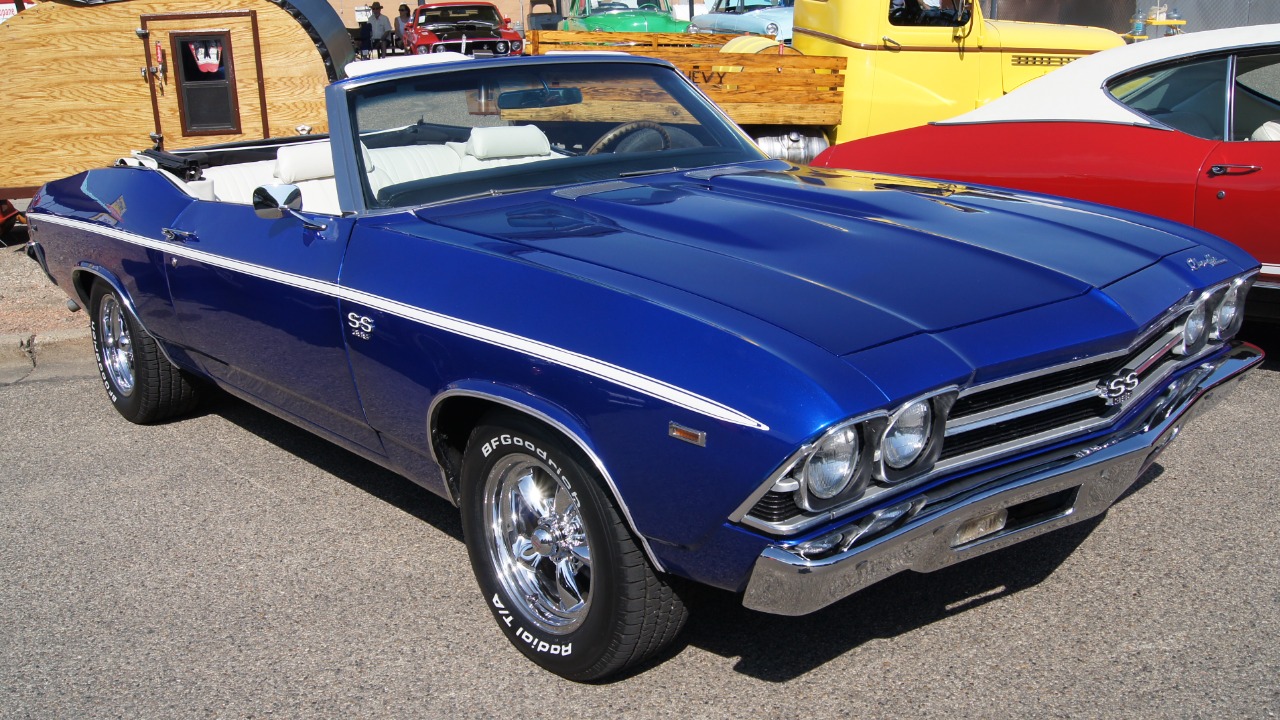
The 1967 Chevelle SS 396 sits in a rare sweet spot where production volume, performance, and cultural memory all work in its favor. Even as the broader muscle car market cycles through peaks and corrections, this particular Super Sport continues to attract buyers willing to pay a premium for the right car.
Strong prices are not just nostalgia at work. They reflect a combination of documented values, distinctive design and engineering, and a deep enthusiast base that keeps demand high for both driver-quality cars and top-tier restorations.
Muscle car values that refuse to fade
Market data shows that mid‑size Chevelles have held up better than many peers, and the 1967 SS 396 benefits directly from that resilience. Collector‑car analysts note that clean Chevelles in general still bring money consistent with much rarer muscle machines, a sign that buyers see them as more than entry‑level classics. That pattern helps explain why the SS 396, which sits near the top of the Chevelle hierarchy, continues to command strong prices even as some other 1960s nameplates soften.
Valuation guides for the 1967 Chevelle SS 396 track a clear spread between tired drivers and well‑restored examples, with the best cars trading at a significant premium. Broader analysis of Chevelles points out that “cool is always in demand,” and that this ongoing desirability keeps prices for solid cars in line with more limited‑production muscle. When a model is both widely recognized and still seen as aspirational, it tends to avoid the steep drops that hit more obscure or fad‑driven classics.
Production numbers, rarity and the L78 halo
One reason the 1967 SS 396 market is so durable is that it balances accessibility with genuine scarcity. The car was not a one‑off homologation special, but it was not built in overwhelming numbers either. Reporting on the model notes that “more than 60,000 1967 Chevelle SS’s were built,” a figure that ensures there are still cars to buy, restore and drive without turning the SS into a commodity.
Within that production run, however, a tiny subset has become a halo for the entire line. Fewer than 700 cars were optioned with the ultra‑high‑performance L78 396 cubic inch engine, according to reporting dated Oct 1, 2024. That combination of “more than 60,000” total cars and “less than 700” top‑spec examples creates a clear hierarchy inside the market. The existence of such a rare, desirable configuration pulls attention and money toward the entire SS 396 family, since many buyers who miss out on an L78 car will still pay up for a well‑equipped big‑block Super Sport.
Design and performance that still feel special
Values are also propped up by the way the 1967 Chevelle SS 396 looks and drives compared with other muscle cars of its era. Contemporary and retrospective coverage alike describe it as a classic American muscle car with a cigar‑shaped body, forward‑thrusting front fenders and a distinctive grille that set it apart from more slab‑sided rivals. That styling update, highlighted in analysis of The Chevrolet Chevelle SS in 1967, sharpened the look without losing the clean lines that make the car easy to live with visually.
Under the hood, the SS 396 delivers the kind of performance that still feels honest and engaging. Enthusiast write‑ups describe the 1967 Chevelle Super Sport 396 as “Pure Muscle, All Grit,” emphasizing the 396 cubic inch big‑block, heavy‑duty driveline and driver‑focused gauges that “screamed performance.” Social posts on the Chevelle Super Sport from Jun 11, 2025, and related coverage of the Super Sport highlight how the car’s bold styling and blacked‑out trim still resonate with modern enthusiasts. When a car’s appearance and driving character continue to feel purposeful rather than dated, buyers are more willing to stretch on price.
Pricing history and what buyers pay today

Period pricing set the stage for the SS 396’s modern value story. Coverage of the model’s original options notes that the most powerful 375 horsepower big‑block package added a substantial surcharge to the window sticker, reflecting how Chevy positioned the car as a serious performance upgrade rather than a cosmetic trim line. Reports on the 1967 SS 396 from Mar 23, 2015, describe how that top engine option cost hundreds of dollars on top of a standard Chevelle, a meaningful jump in the late 1960s that limited how many buyers stepped up.
Modern pricing analysis shows that the market has rewarded those who did. A detailed look at Here is How Much a 1967 Chevrolet Chevelle SS Is Worth Today, published Feb 24, 2024, notes that By 1967, Chevy knew people were willing to pay good money for a well‑optioned Super Sport and that the SS model now costs significantly more than a base car in the collector market. Separate reporting on Chevrolet Chevelle Values underscores the gap between V‑8 equipped performance models and more modest configurations. That spread is a key reason the SS 396 continues to post strong sale prices while lesser Chevelles remain relatively attainable.
Cultural cachet and an active enthusiast base
Beyond numbers, the 1967 Chevrolet Chevelle SS has become a shorthand for the late‑1960s American muscle ideal, and that cultural weight feeds directly into its valuation. Enthusiast communities describe the 1967 Chevrolet Chevelle SS as a “true muscle car legend,” a “standout muscle car” and a “true icon of the muscle car era,” language that appears repeatedly in posts from May 29, 2025, and May 3, 2025, focused on the Chevrolet Chevelle SS and Chevelle SS Super Sport. When a car is framed not just as a collectible but as a symbol of an era, it tends to attract buyers who are motivated as much by identity and memory as by investment logic.
That emotional pull is reinforced by a very practical factor: parts support and community knowledge. Broader market commentary on Chevelles points out that a robust supply of reproduction components and an active network of owners help keep these cars on the road. That ecosystem lowers the barrier to entry for new buyers, who know they can maintain and improve an SS 396 without chasing unobtainable parts. When ownership feels achievable, more people are willing to pay a premium to join the club.
Why the 1967 SS 396 still looks like a smart buy
Looking across the reporting, I see a consistent pattern: the 1967 Chevelle SS 396 is not just riding a nostalgia wave, it is supported by fundamentals that collectors watch closely. The car offers big‑block performance, distinctive styling and a clear place in muscle car history, all backed by production numbers that are high enough to keep the scene vibrant but low enough to preserve desirability. The presence of ultra‑rare configurations like the L78, with fewer than 700 built out of more than 60,000 SS cars, adds a halo that lifts the entire model range.
At the same time, current value guides and pricing analyses show that buyers are still willing to pay a meaningful premium for well‑documented, correctly restored examples. Coverage from Feb 24, 2024, on How Much a Chevrolet Chevelle SS Is Worth Today, combined with detailed valuation tools, confirms that the SS 396 sits near the top of the broader Chevelle market. When I weigh that data against the car’s enduring cultural cachet and the strength of its enthusiast community, it is clear why this Super Sport continues to bring strong money and why many collectors still see it as a cornerstone of any serious American muscle collection.
More from Fast Lane Only