Dodge has been a staple in the American automotive landscape, known for producing muscle cars and family vehicles alike. However, not every model has managed to leave a lasting impression. Here’s a look at seven Dodge models that, over the years, have quietly faded into obscurity.
Dodge Rampage
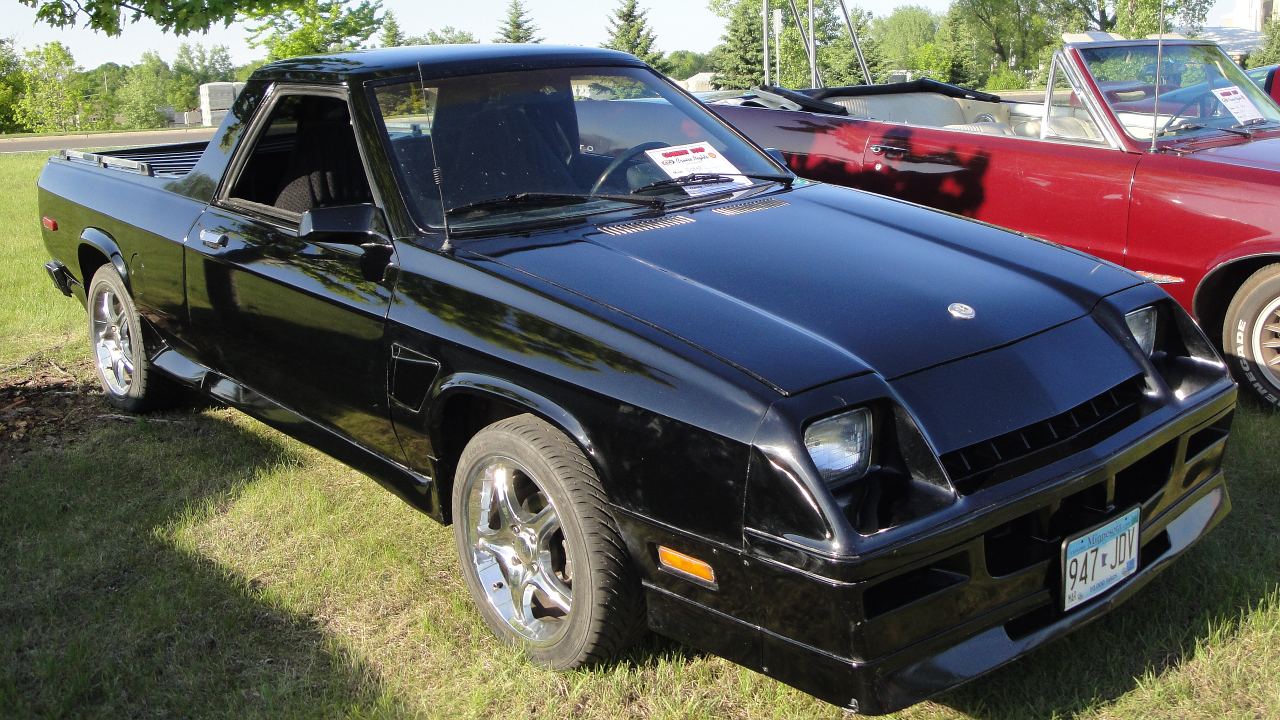
The Dodge Rampage was introduced in 1982 as a compact, car-based pickup truck. Designed to offer the utility of a truck with the comfort and fuel efficiency of a car, the Rampage was part of Dodge’s attempt to break into the burgeoning market for smaller, more economical pickups. Equipped with a 2.2-liter engine, it was not exactly a powerhouse but offered adequate performance for its class.
Despite its innovative concept, the Rampage struggled to capture the attention of consumers who preferred traditional pickup trucks with more power and towing capability. After only three years on the market, the Rampage was discontinued in 1984, largely due to its inability to carve out a niche against more robust competitors.
Dodge St. Regis
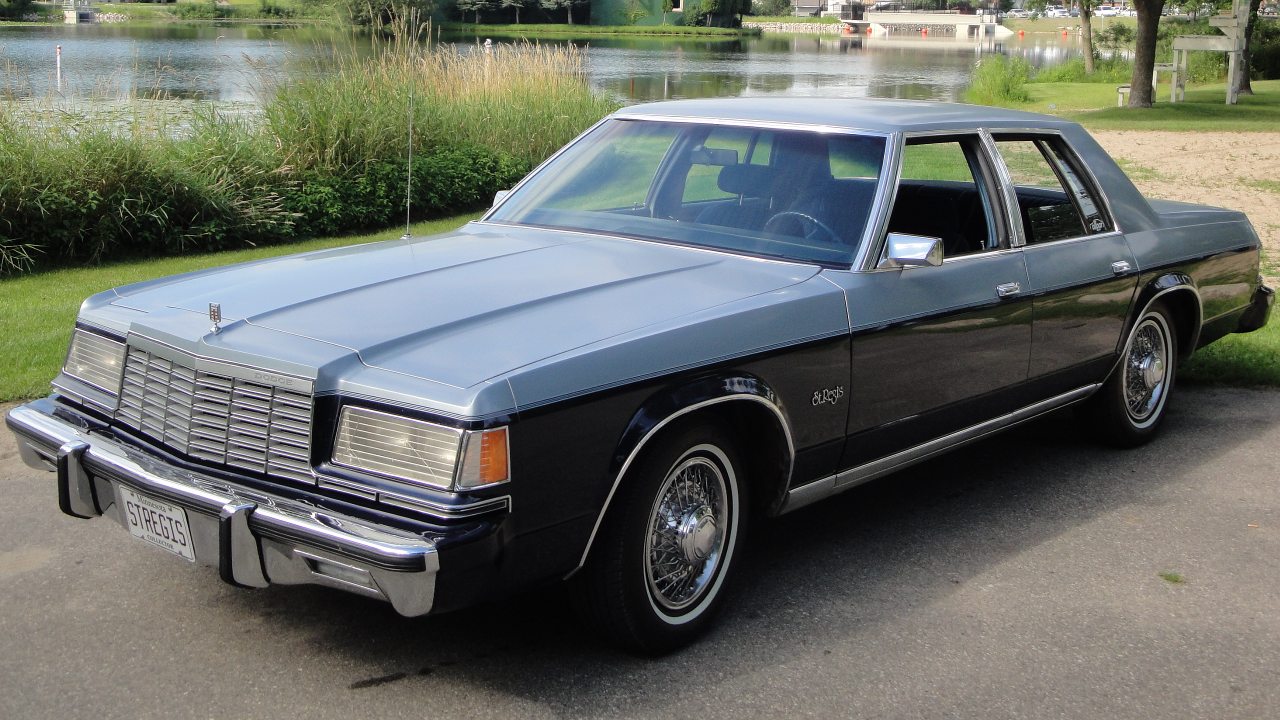
The Dodge St. Regis debuted in 1979, positioned as a full-sized sedan. It was Dodge’s flagship model, designed to offer spacious interiors and a comfortable ride. Notably, the St. Regis featured Chrysler’s “Lean Burn” system, aimed at improving fuel efficiency amid the energy crises of the late 1970s.
Unfortunately, the St. Regis faced stiff competition from other full-sized sedans, and its boxy design did little to attract buyers who were increasingly interested in more fuel-efficient and compact vehicles. Production ceased in 1981, marking its quick departure from the market.
Dodge Aspen
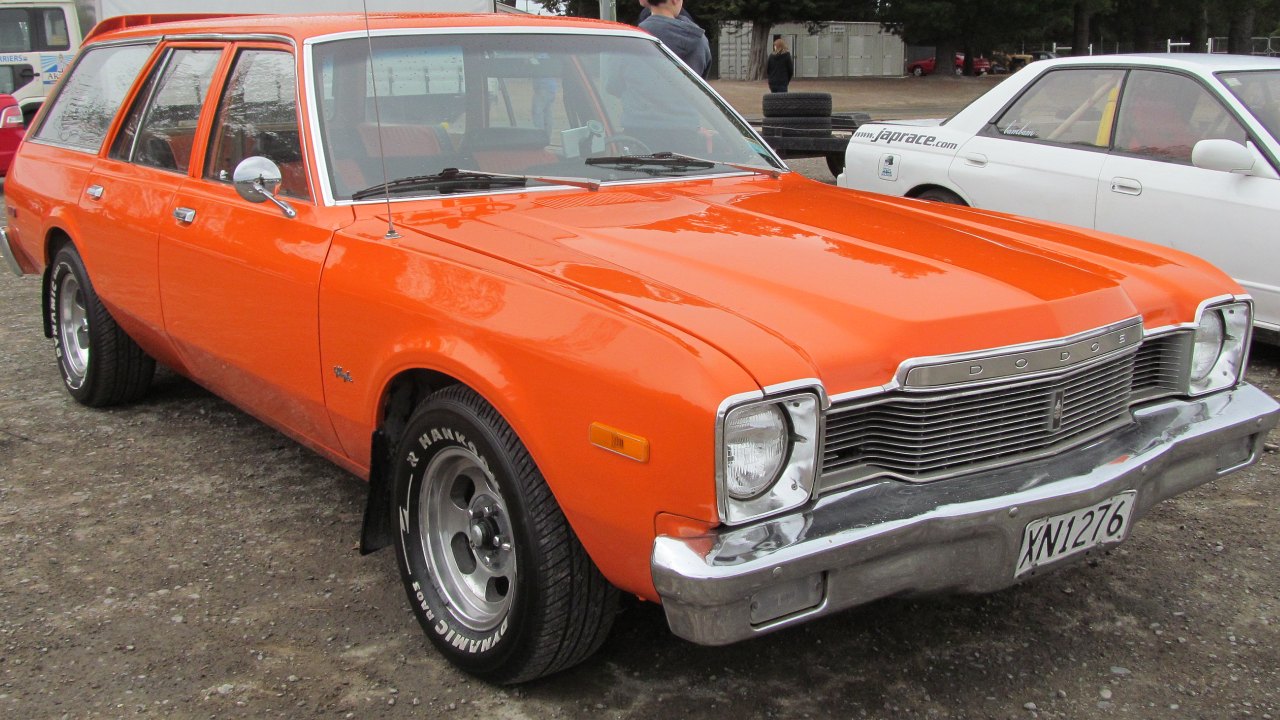
Introduced in 1976, the Dodge Aspen was a mid-sized car that promised comfort and practicality. Available in coupe, sedan, and station wagon variants, the Aspen was designed to appeal to a broad audience. It even earned the 1976 Motor Trend Car of the Year award.
However, the Aspen soon gained a reputation for quality issues, including rust problems and mechanical failures. The negative press overshadowed its initial success, and by 1980, the Aspen was replaced by the Dodge Aries, which was part of the new wave of front-wheel-drive cars.
Dodge Monaco
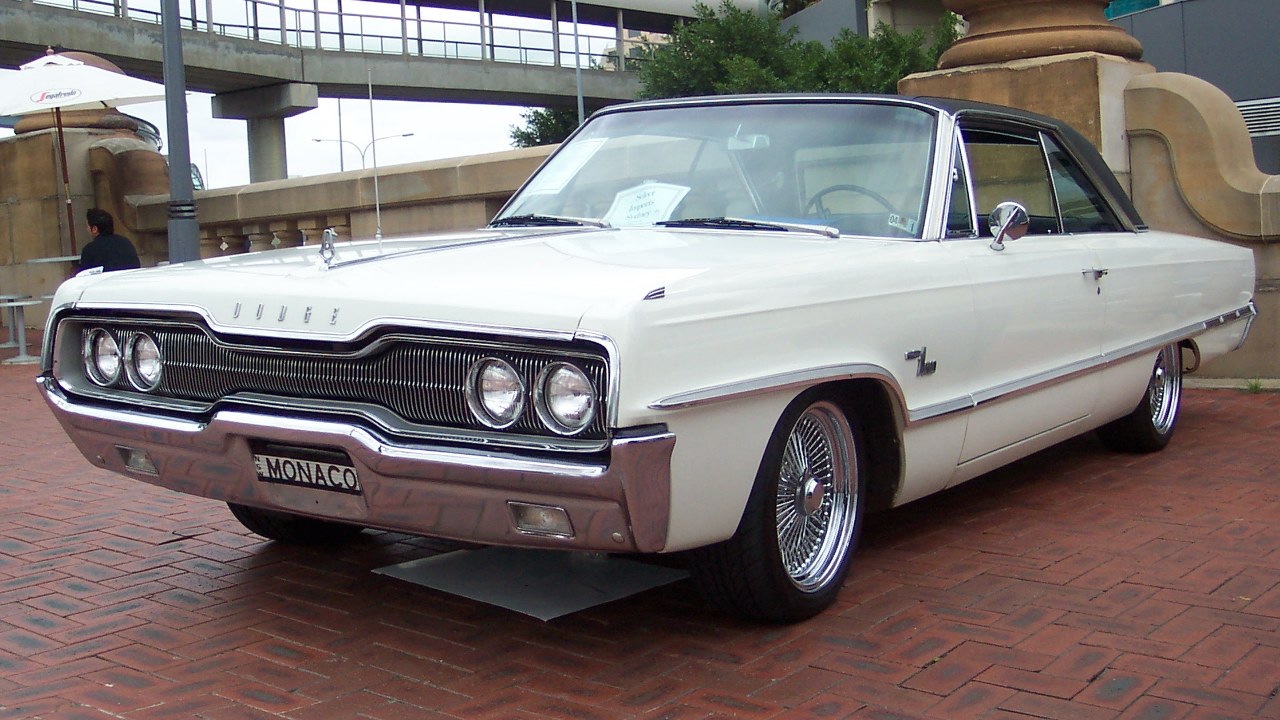
The Dodge Monaco first appeared in 1965 as a full-sized luxury car and underwent several transformations over the years. By the 1970s, it had become a popular choice for law enforcement agencies due to its size and power.
Despite its initial popularity, the Monaco’s appeal waned as the automotive market shifted toward smaller, more efficient vehicles. The Monaco nameplate was eventually retired in 1978, only to be briefly revived in the early 1990s as a rebadged version of the Eagle Premier, which also failed to capture significant market share.
Dodge Omni
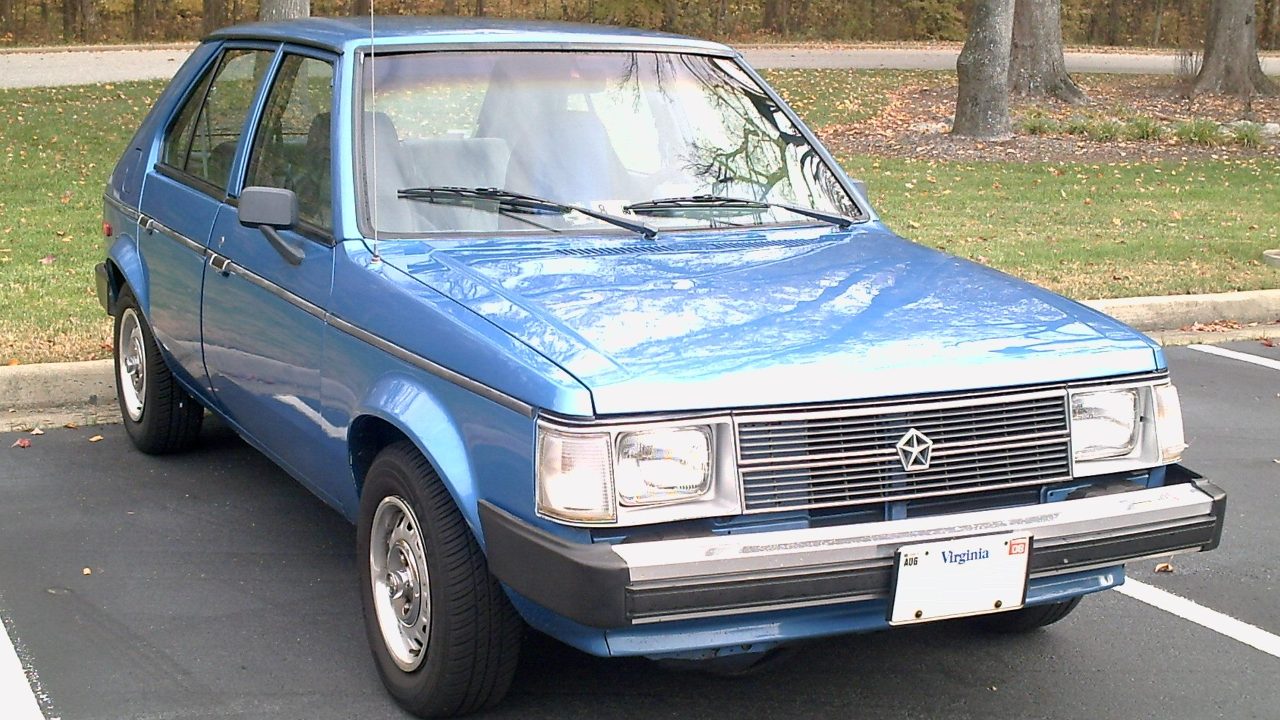
Launched in 1978, the Dodge Omni was a compact, front-wheel-drive hatchback that represented a new direction for Dodge. It was one of the first American cars to adopt the front-wheel-drive layout, which provided better fuel efficiency and interior space.
While the Omni enjoyed a degree of success during the energy-conscious era of the late 1970s and early 1980s, it struggled to compete against the influx of Japanese imports that offered superior build quality and reliability. Production of the Omni ended in 1990, as Dodge shifted its focus to newer models.
Dodge Mirada
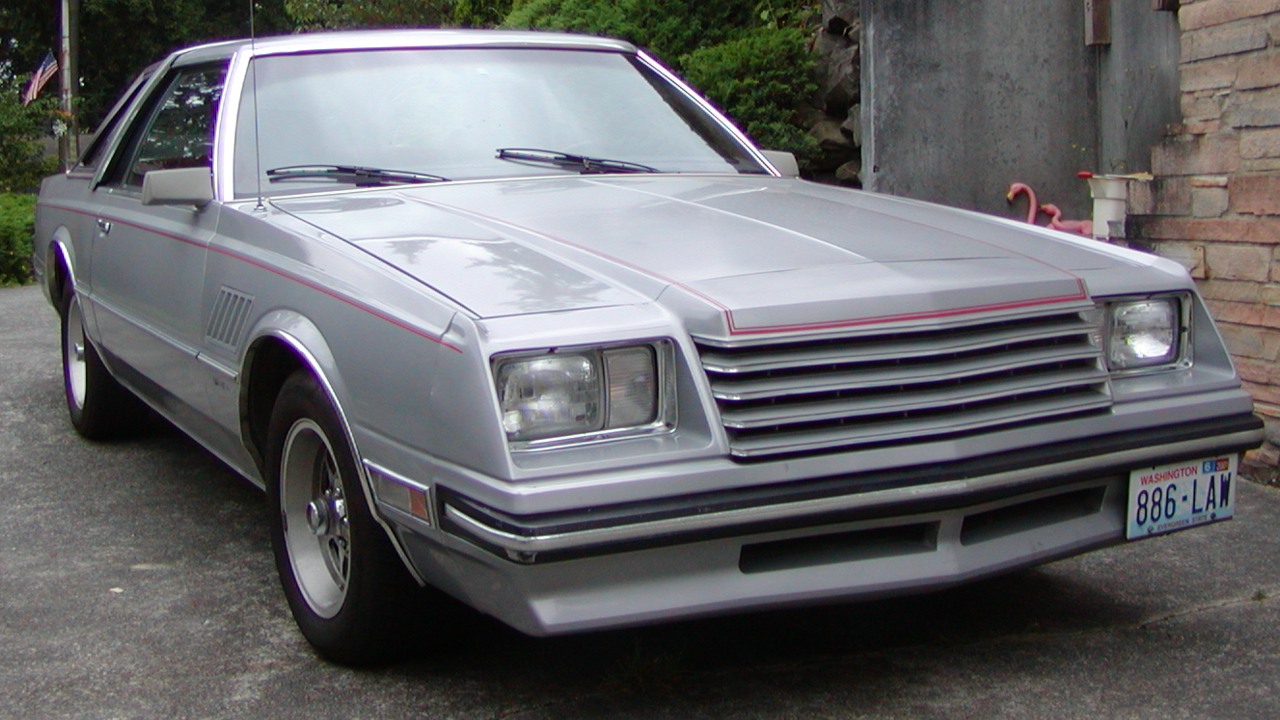
The Dodge Mirada was introduced in 1980 as a personal luxury coupe. With its sleek lines and available T-top roof, the Mirada was Dodge’s attempt to capture consumers interested in stylish, two-door coupes.
However, the Mirada faced an uphill battle against rivals that offered better performance and luxury features. Its production run was short-lived, lasting only until 1983. The lack of a powerful engine option and increasing competition led to its early exit from the market.
Dodge Shadow
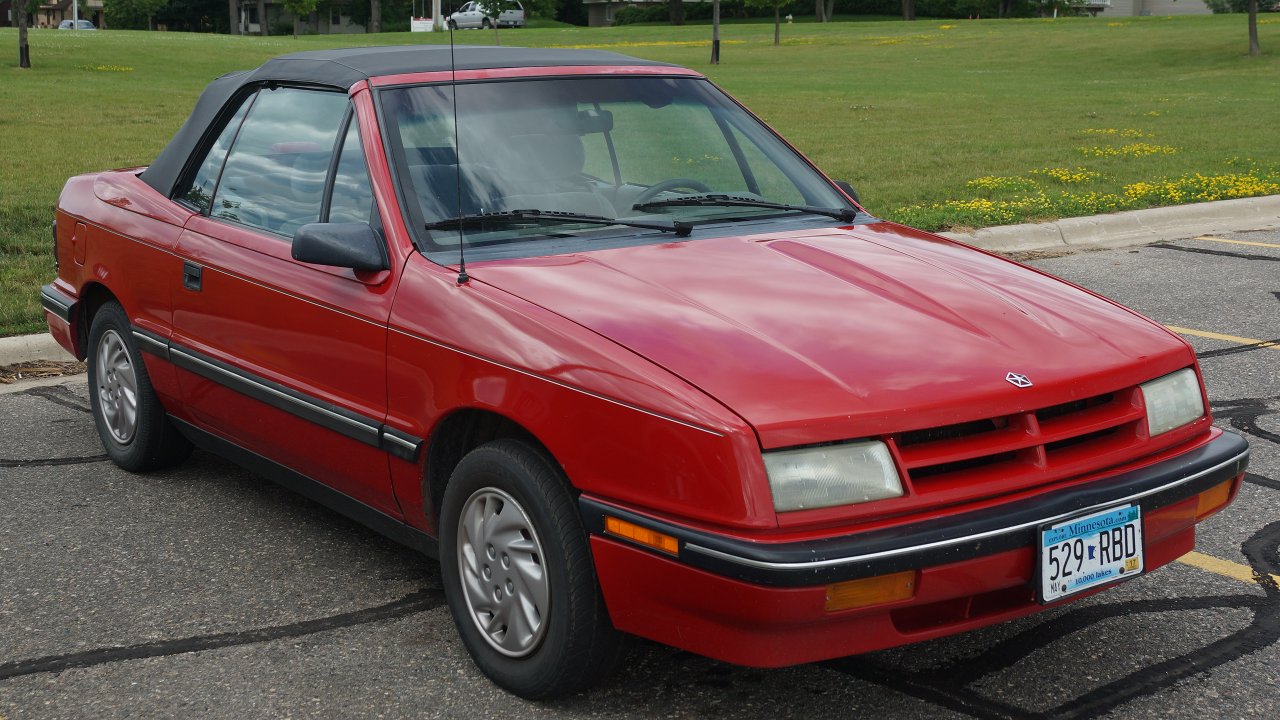
Released in 1987, the Dodge Shadow was a compact car available in both hatchback and convertible forms. It was part of Dodge’s effort to offer an affordable, entry-level vehicle that could appeal to a wide range of buyers.
Although the Shadow was popular in the late 1980s and early 1990s, offering a balance of economy and style, it eventually fell out of favor as automotive design evolved. By 1994, the Shadow was replaced by the Dodge Neon, which offered a more modern look and improved features.
Like Fast Lane Only’s content? Be sure to follow us.
Here’s more from us:
*Created with AI assistance and editor review.