Many cars from the 1970s have been overshadowed by more iconic models or fallen into obscurity. However, a closer look reveals that several vehicles from this era offer more than just a nostalgic trip down memory lane. These cars combine style, performance, and innovation, making them worth revisiting and appreciating today.
Pontiac Firebird Trans Am

The Pontiac Firebird Trans Am was immortalized by its starring role in the “Smokey and the Bandit” films. With its muscular V8 engine and distinctive styling, the Trans Am delivered impressive performance that still garners admiration. Models from the late ’70s, like the 1977 version, are particularly sought after for their blend of power and style, featuring a 6.6-liter engine and the iconic “screaming chicken” decal on the hood.
Despite its popularity in pop culture, some car enthusiasts tend to overlook the Trans Am’s engineering achievements. The handling and ride quality were ahead of their time, thanks to advanced suspension systems. The Firebird Trans Am remains a symbol of American muscle car prowess.
Datsun 280Z
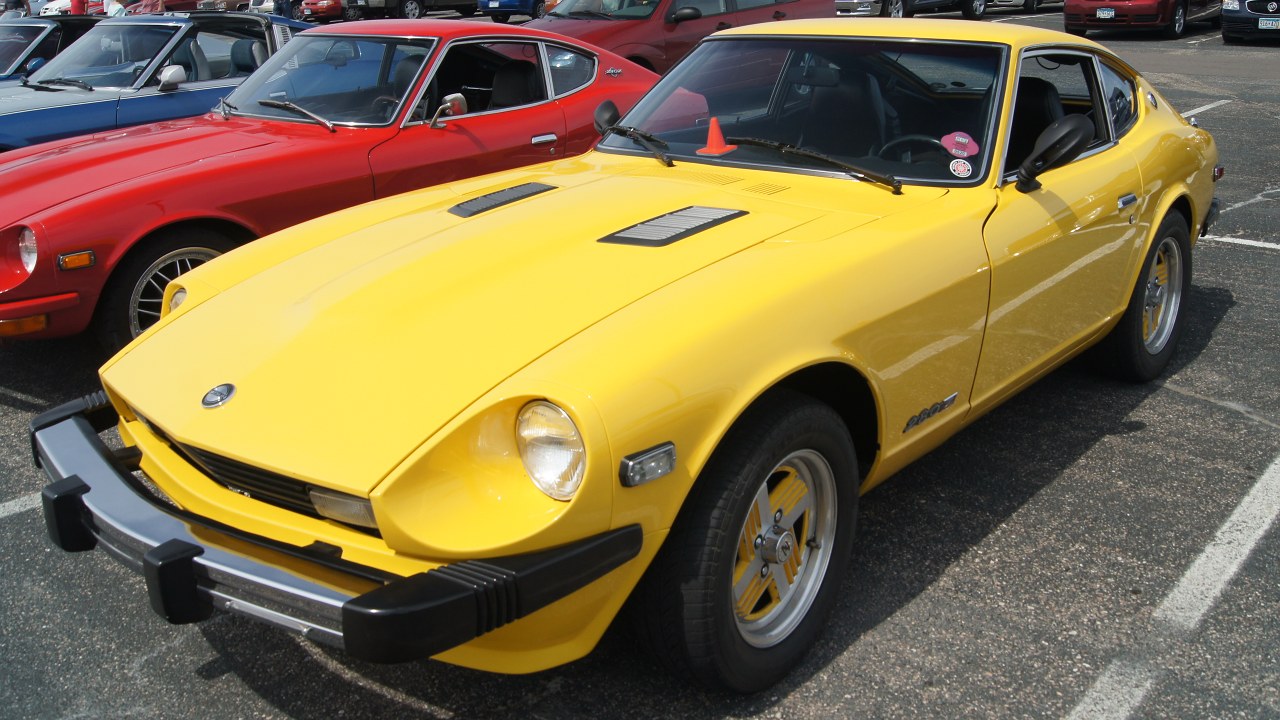
The Datsun 280Z, part of the Nissan Z-car family, was a revolutionary sports car in the 1970s. Known for its sleek design and robust inline-six engine, the 280Z offered both performance and reliability. The 1975 model, in particular, introduced fuel injection, enhancing efficiency and performance.
Many people forget how the 280Z helped redefine the sports car segment, offering an affordable yet thrilling driving experience. Its lightweight build and precise handling made it a favorite among enthusiasts then and now, and it remains a classic example of Japanese innovation in the automotive world.
Ford Capri
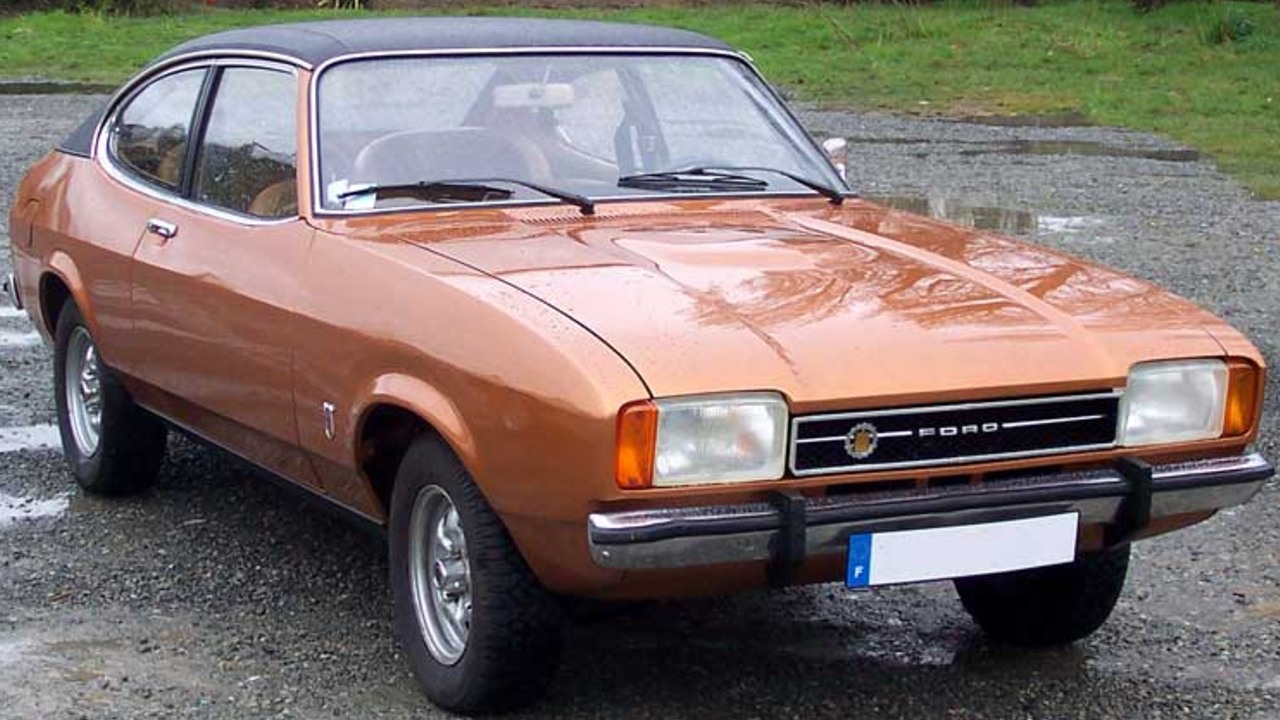
The Ford Capri was marketed as the “European Mustang” and lived up to that title with its sporty looks and performance. Launched in 1969, the car gained popularity throughout the ’70s, offering various engines and trim levels. The 1973 Ford Capri RS3100, with its powerful V6 engine, is particularly memorable.
Despite its success in Europe, the Capri never quite captured the same attention in the United States. However, its sharp handling, diverse engine options, and stylish design make it a classic worth appreciating. The Capri’s influence is evident in the development of later Ford models.
BMW 2002 Turbo
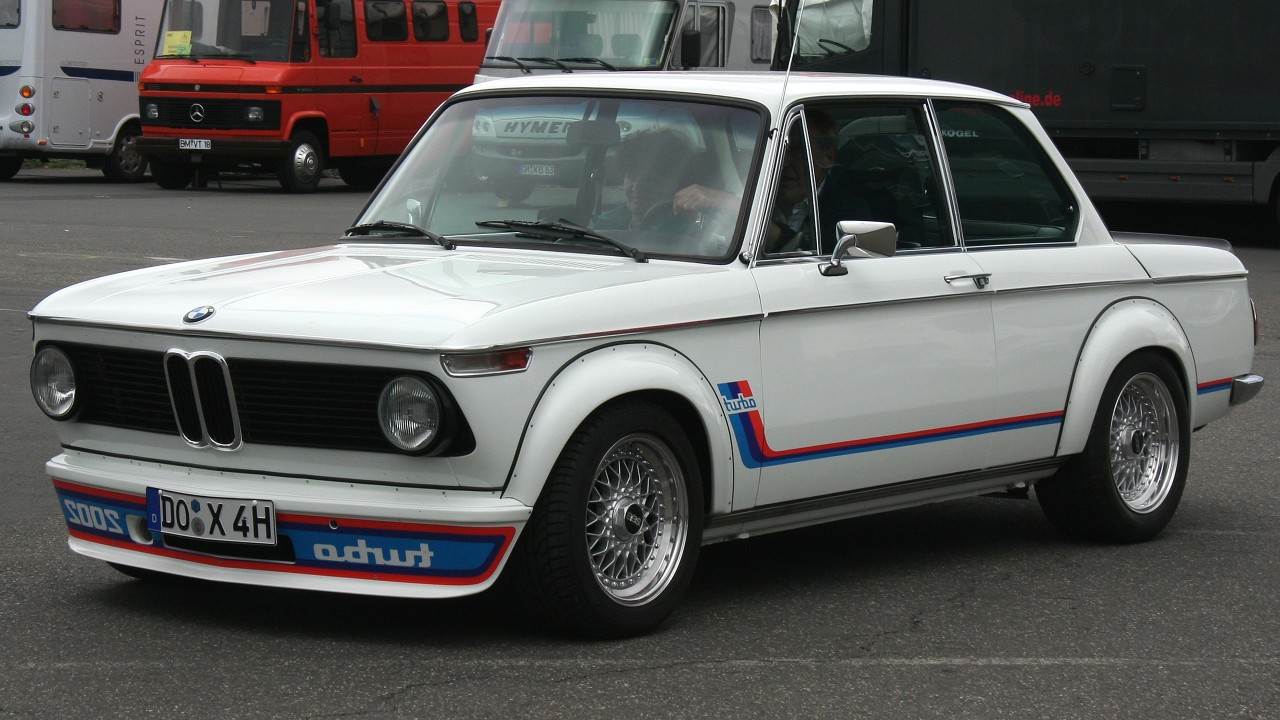
The BMW 2002 Turbo was the first turbocharged production car from the German automaker, making it a significant milestone in automotive history. Introduced in 1973, this model featured a 2.0-liter turbocharged engine producing 170 horsepower, a remarkable figure for the era.
Enthusiasts often remember the 2002 Turbo for its spirited performance and handling, but it was also a trailblazer in turbo technology. The car’s unique styling, with its bold fender flares and reverse script “Turbo” badge on the front spoiler, contributed to its cult status among BMW fans.
Chevrolet Chevelle Laguna S-3
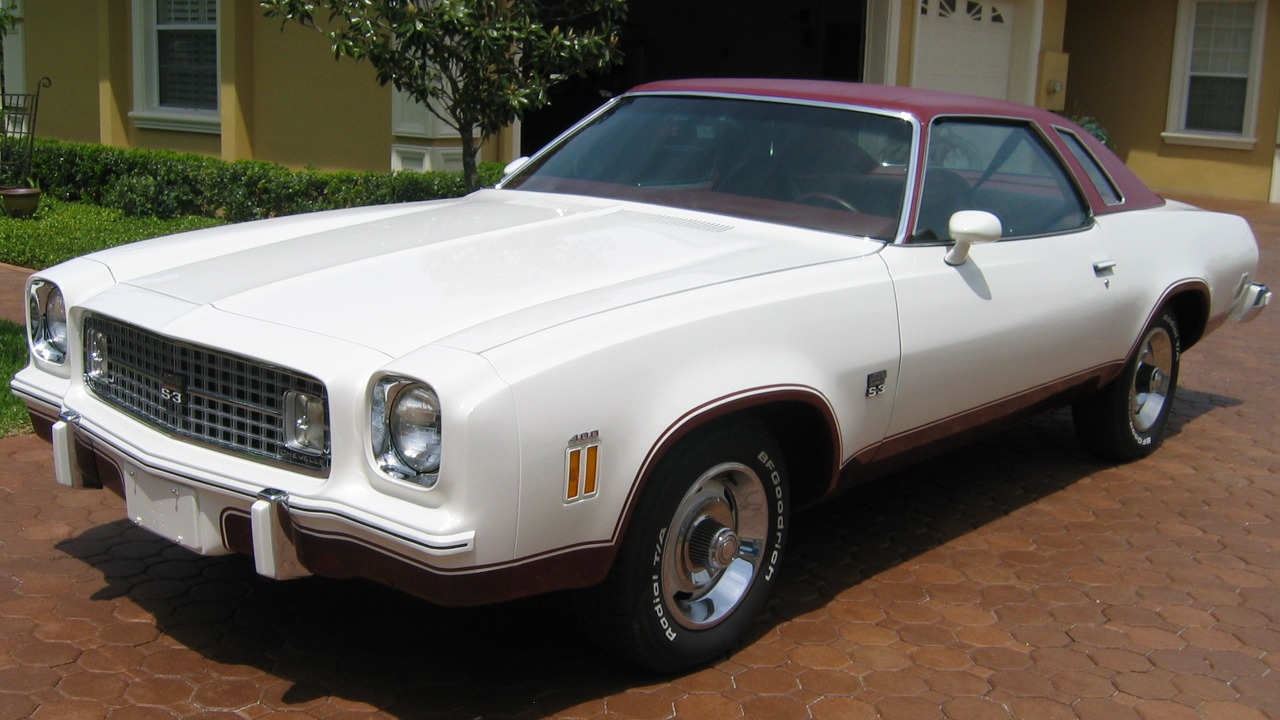
The Chevrolet Chevelle Laguna S-3 was a high-performance variant of the Chevelle series that gained fame in the NASCAR circuit. Produced between 1974 and 1976, the Laguna S-3 featured aerodynamic improvements and a powerful V8 engine that made it competitive on the track.
While it may not be as well-known as other Chevelle models, the Laguna S-3’s racing pedigree and unique design elements, such as the sloping front end and urethane nose, make it a standout choice. It’s a reminder of Chevrolet’s strong presence in motorsports during the ’70s.
Lancia Stratos
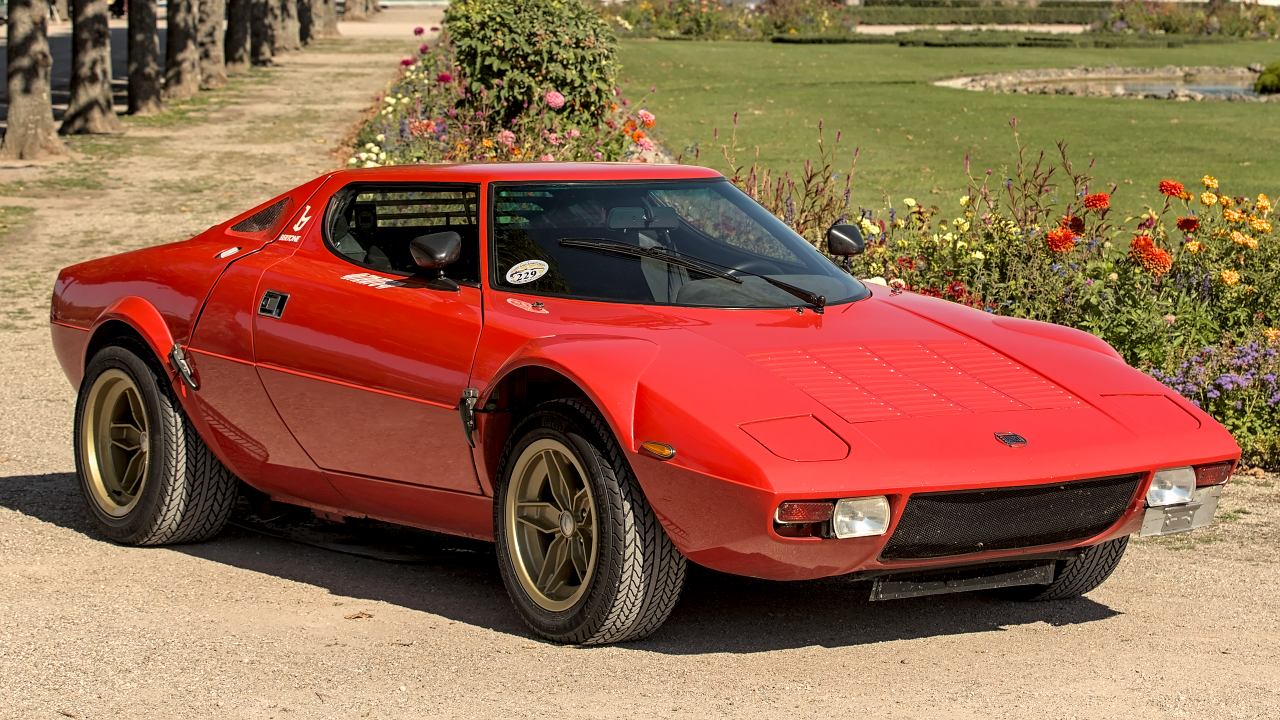
The Lancia Stratos is an iconic rally car that dominated the World Rally Championship in the 1970s. Its distinctive wedge shape and mid-engine layout set it apart from competitors. Powered by a Ferrari V6 engine, the Stratos combined agility and power for unparalleled rally performance.
Though primarily known for its rally successes, the Stratos was also available as a road-going version. Its advanced design and engineering, coupled with its racing heritage, make it a highly coveted classic today. The Stratos remains a testament to Lancia’s innovation and competitive spirit.
AMC Javelin
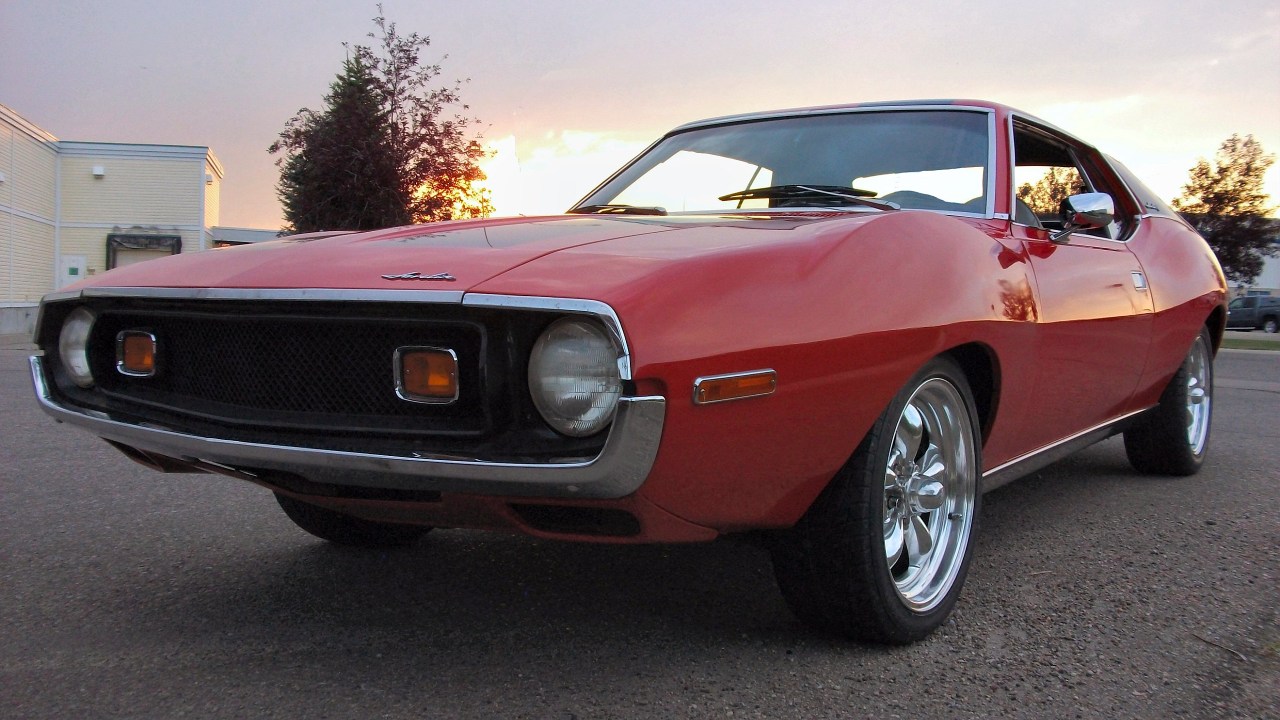
The AMC Javelin was American Motors Corporation’s entry into the pony car market, competing with the likes of the Ford Mustang and Chevrolet Camaro. The 1971 Javelin AMX, with its 401 cubic inch V8 engine, was a standout model that offered both performance and distinctive styling.
Despite AMC’s smaller market presence, the Javelin made a mark with its unique design and competitive performance. Its success in Trans-Am racing added to its appeal, and today, it’s appreciated for its rarity and the bold approach AMC took in the muscle car arena.
Mazda RX-3
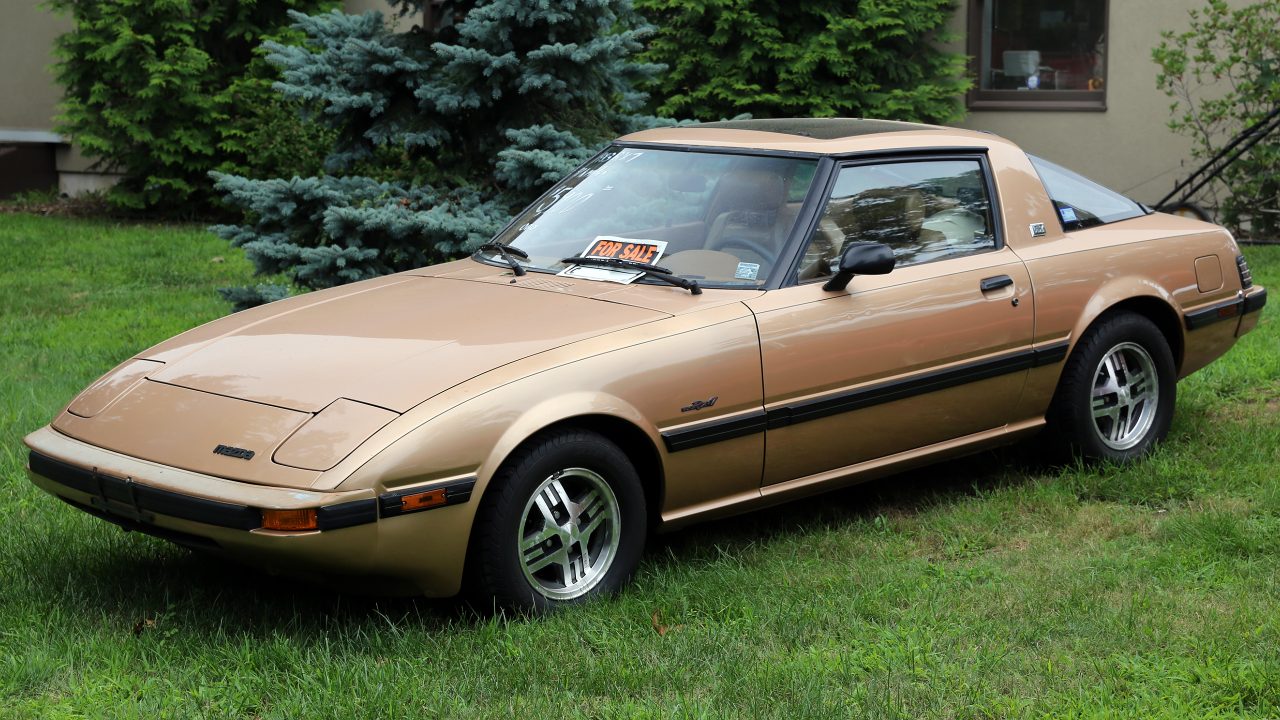
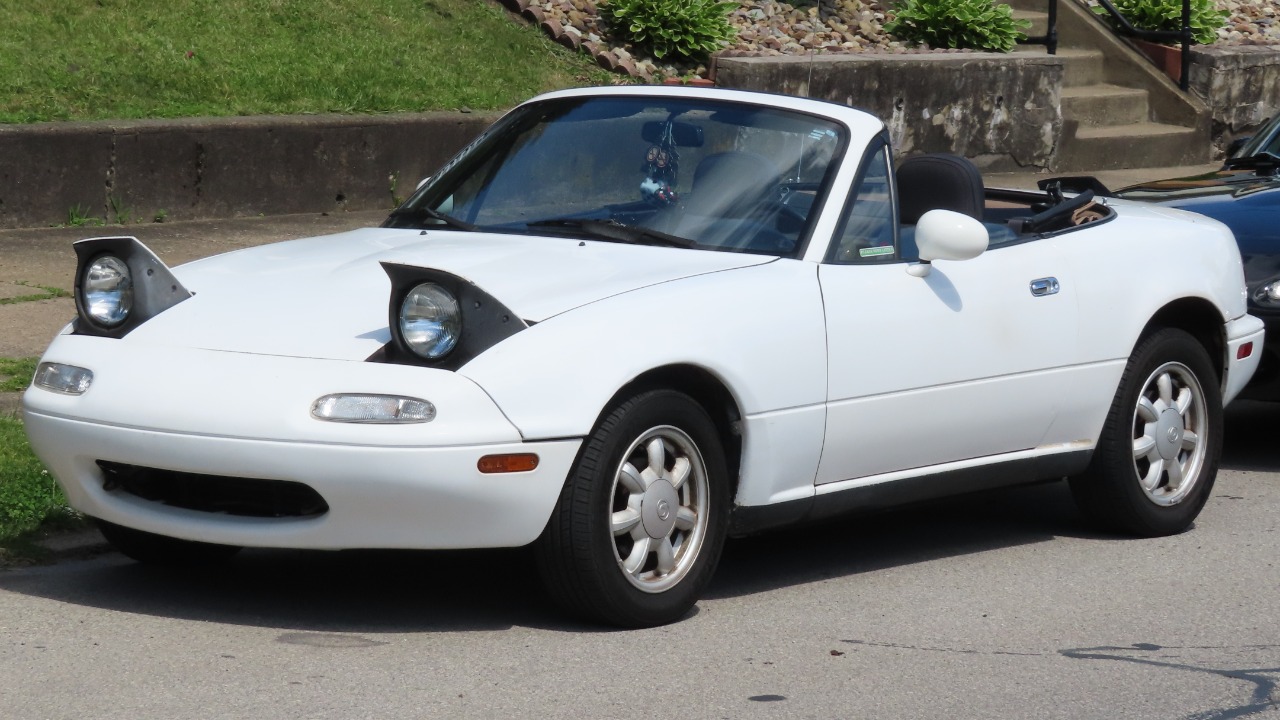
The Mazda RX-3 was one of the first cars to feature Mazda’s innovative rotary engine, which became a hallmark of the brand. Released in 1971, the RX-3 offered a combination of lightweight design and a rev-happy engine that made for an engaging driving experience.
While the RX-3 was overshadowed by the later RX-7, it played a crucial role in establishing Mazda’s reputation for engineering excellence. Its success in motorsports, particularly in endurance racing, highlighted the rotary engine’s potential, and it remains a beloved classic among Mazda enthusiasts.
Volvo 1800ES
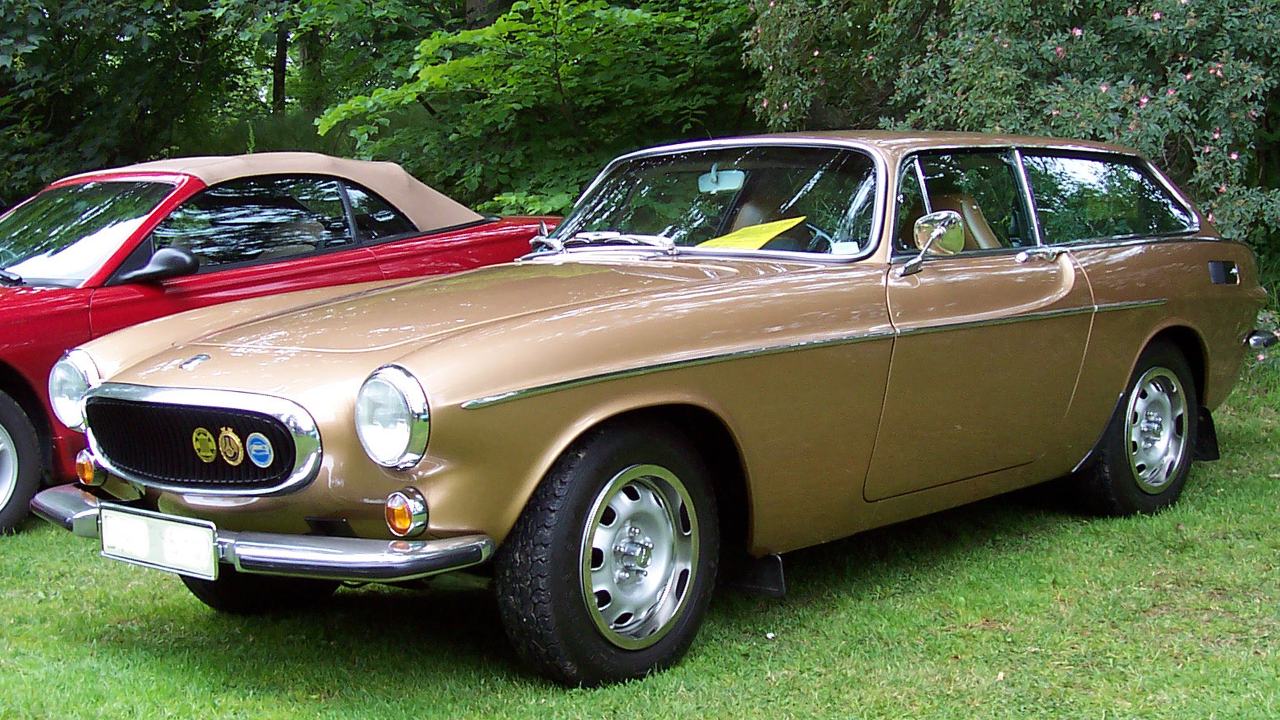
The Volvo 1800ES, introduced in 1972, was the shooting brake version of the popular P1800 sports car. Known for its distinctive glass tailgate and elegant design, the 1800ES combined sporty looks with practicality, offering more cargo space than its coupe counterpart.
Though Volvo is often associated with safety and durability, the 1800ES brought a flair of European style to the brand’s lineup. It maintained the P1800’s reputation for reliability while adding a unique aesthetic that continues to attract collectors and enthusiasts.
Dodge Challenger R/T
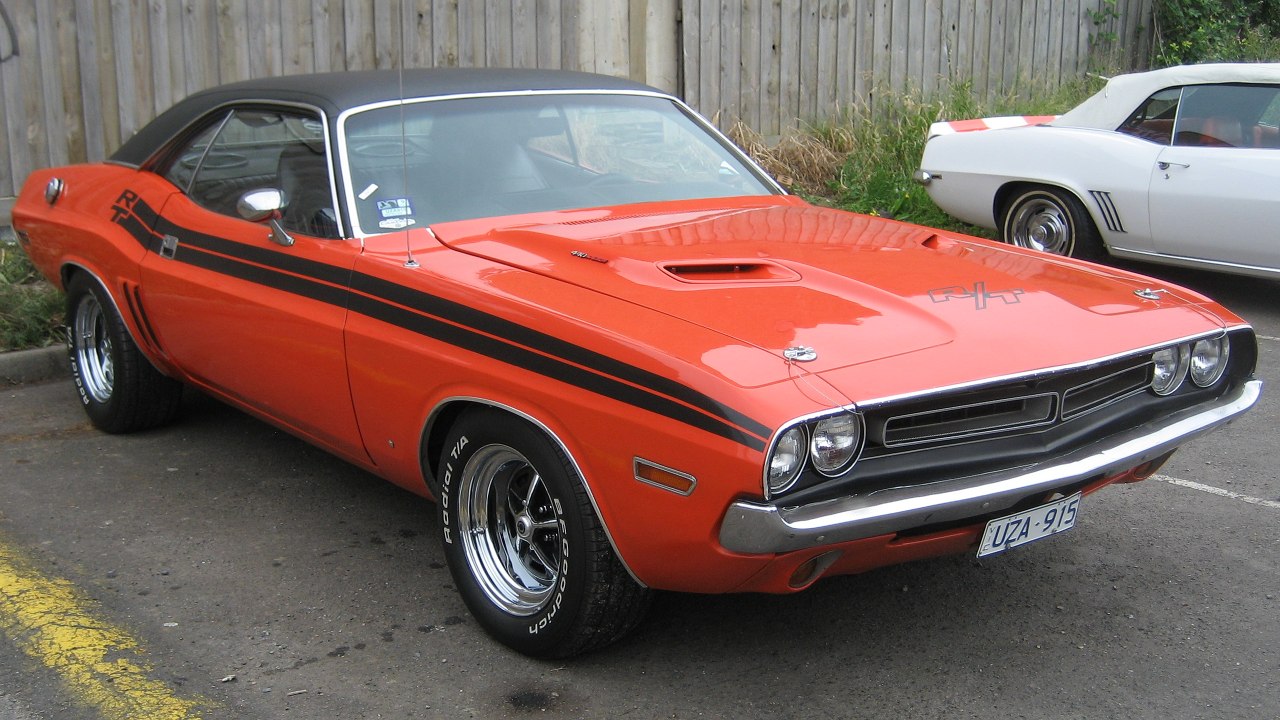
The Dodge Challenger R/T was a quintessential muscle car of the 1970s, known for its aggressive styling and powerful engine options. The 1970 model, in particular, offered a 426 Hemi V8 engine that delivered breathtaking performance on the road and track.
While the Challenger nameplate has been revived in recent years, the original R/T models from the ’70s hold a special place in automotive history. Their combination of style, power, and presence embodies the spirit of the American muscle car era, making them highly desirable among collectors.
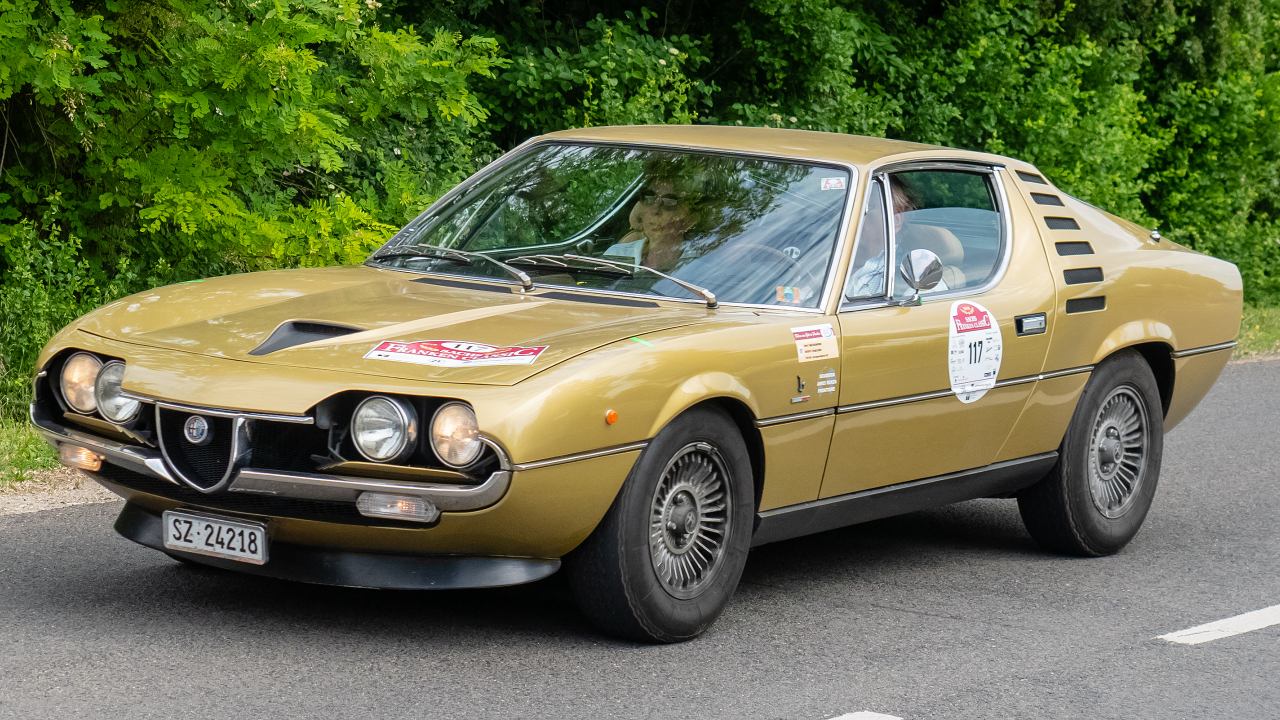
Alfa Romeo Montreal
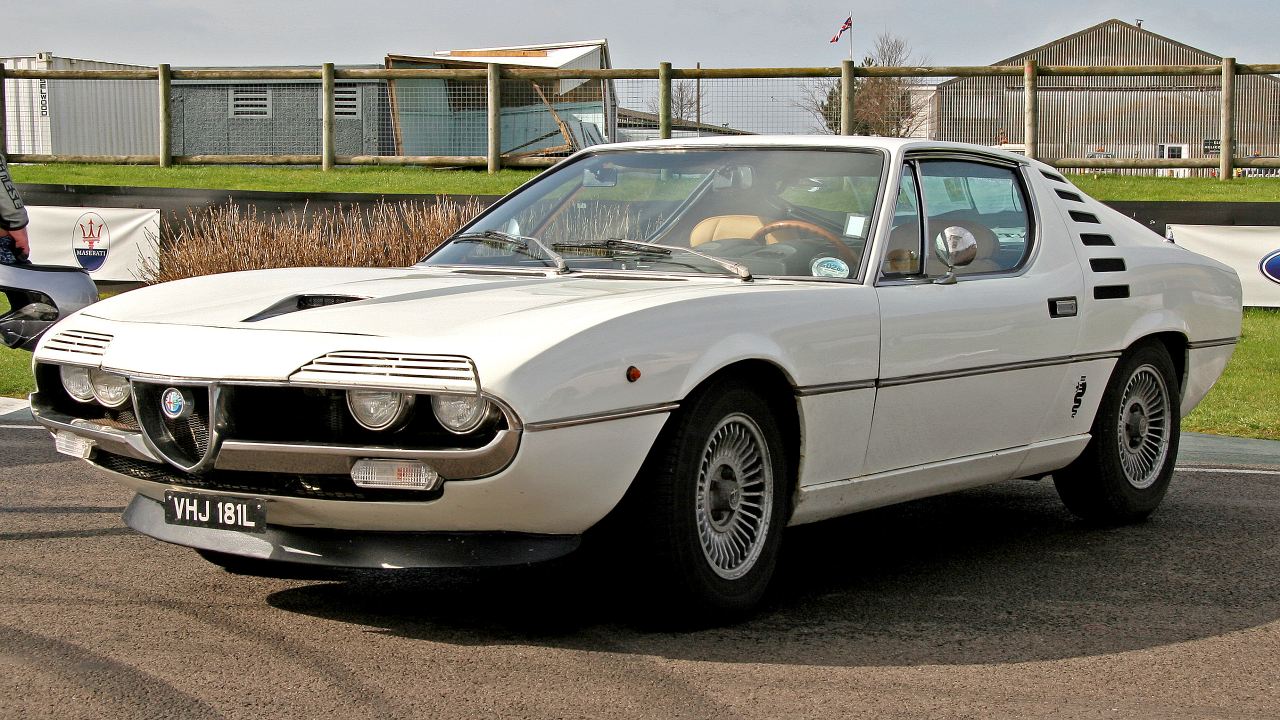
The Alfa Romeo Montreal, introduced in 1970, was a striking GT car with a design by Marcello Gandini. Its 2.6-liter V8 engine, derived from Alfa’s racing program, provided a thrilling driving experience, coupled with the car’s lightweight construction.
Despite its performance and design credentials, the Montreal was often overlooked in favor of its contemporaries. However, its unique blend of Italian style and engineering excellence has earned it a dedicated following. The Montreal remains a testament to Alfa Romeo’s flair for creating captivating sports cars.
Volkswagen Scirocco
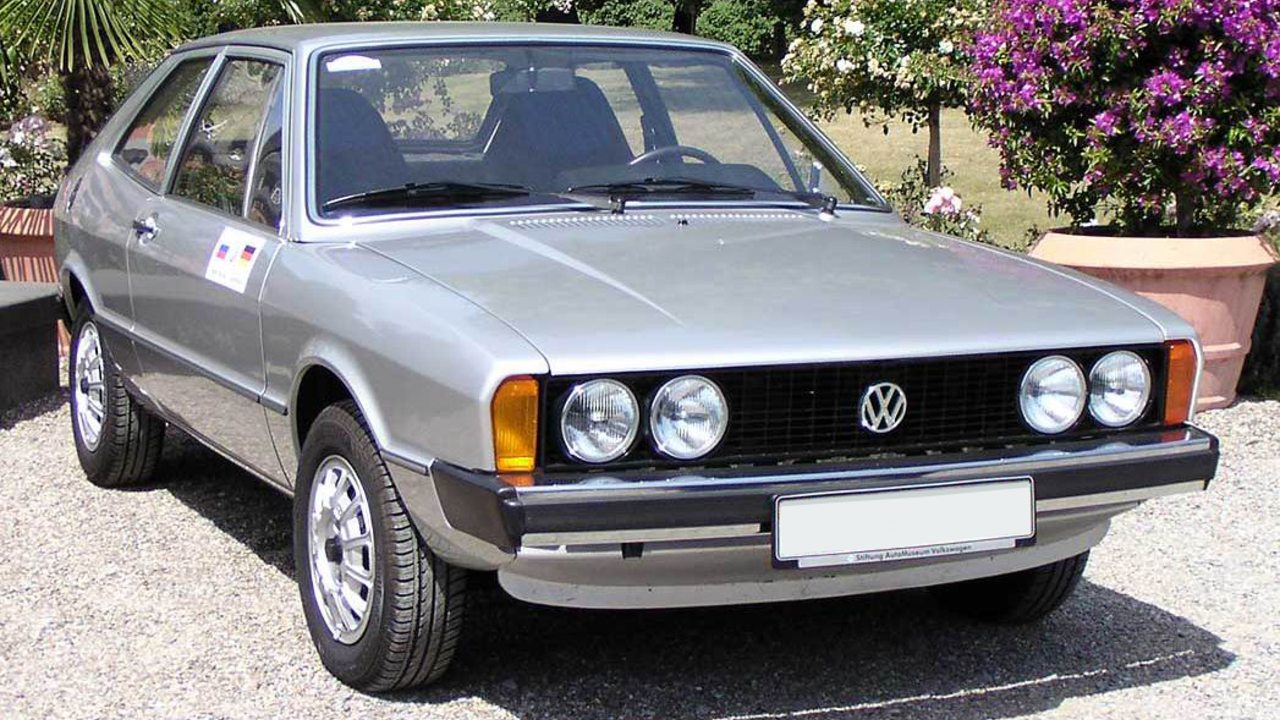
The Volkswagen Scirocco, launched in 1974, was a sporty coupe that set the stage for VW’s future performance models. Based on the Golf platform, the Scirocco offered nimble handling and a range of efficient engines, including the 1.6-liter fuel-injected version.
While the Scirocco may not have the same cultural impact as the Beetle or Golf, it was a critical step in Volkswagen’s evolution. Its sharp design and engaging driving dynamics contributed to its popularity, and it remains a beloved classic for those who appreciate VW’s sporty side.
Like Fast Lane Only’s content? Be sure to follow us.
Here’s more from us:
*Created with AI assistance and editor review.