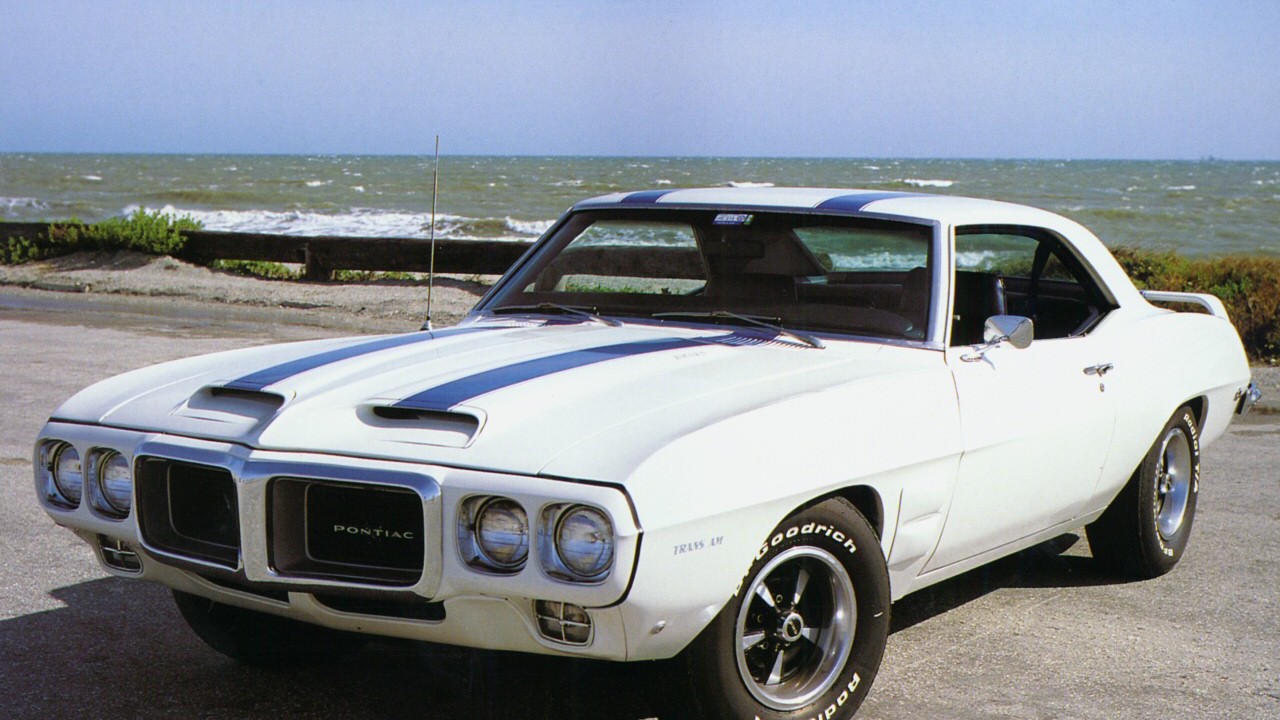
The muscle car era is a celebrated chapter in automotive history, characterized by powerful engines, aggressive styling, and a thrilling driving experience. Several factory-built rockets stand out as pivotal models that set the stage for future generations of performance vehicles. Each of these cars not only pushed engineering boundaries but also captured the hearts of enthusiasts and casual drivers alike. Let’s dive into seven iconic muscle cars that forever changed the landscape of American automotive culture.
1964 Pontiac GTO: The Birth of the Muscle Car Era

The 1964 Pontiac GTO is often credited with igniting the muscle car movement. It combined a lightweight body with a potent 389 cubic-inch V8 engine that churned out 325 horsepower. This car was a game-changer, offering performance that rivaled sports cars but at a more accessible price point. It was marketed as a “regular” car with a powerful twist, and its success led to a surge in similar models across the industry.
With features like a three-speed manual transmission and sporty styling, the GTO appealed to a younger demographic eager for speed and style. Its success prompted automakers to enter the muscle car race, marking the beginning of an era defined by performance. The GTO’s legacy continues to influence muscle car design and performance standards. For a deeper dive into its impact, check out this detailed book.
1966 Ford Mustang GT350: The Pony Car Revolution
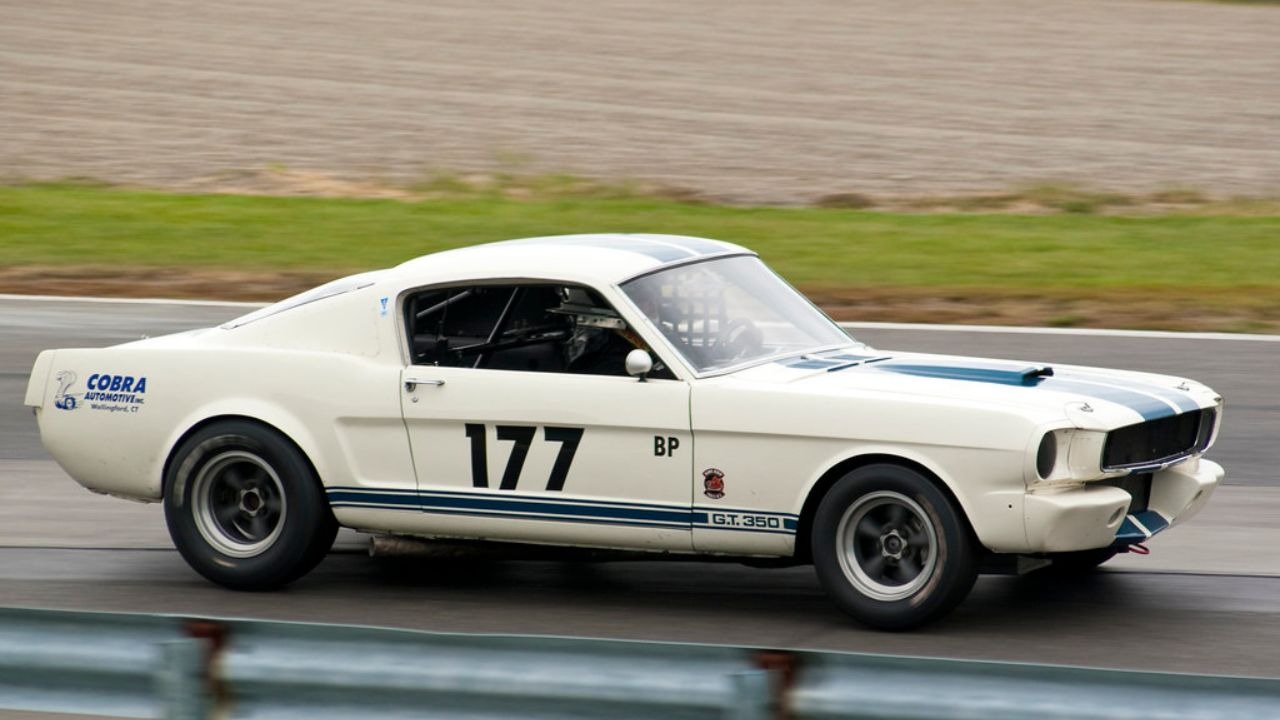
The 1966 Ford Mustang GT350 marked a significant evolution in the pony car segment. Developed by Carroll Shelby, this model packed a high-performance 289 cubic-inch V8 engine capable of delivering 306 horsepower. Its lightweight design, coupled with a racing heritage, made it a favorite among enthusiasts and racers alike. The GT350 was not just about brute power; it featured upgraded suspension, better brakes, and distinctive styling cues that set it apart from the standard Mustang.
The Mustang GT350’s racing success further solidified its status, paving the way for future performance-oriented versions of the Mustang. Its influence can still be seen today, as the Mustang remains a symbol of American automotive spirit. Explore more about the legendary cars that broke the mold at HotCars.
1969 Chevrolet Camaro ZL1: Power Meets Performance
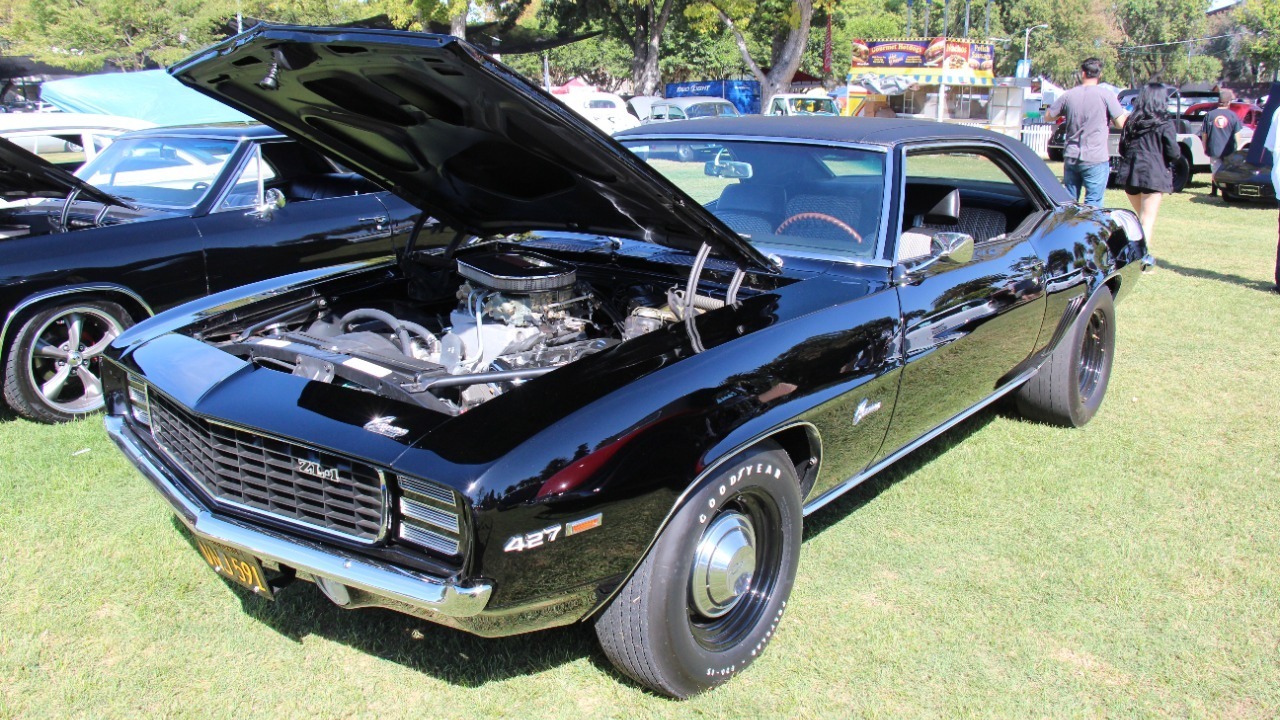
The 1969 Chevrolet Camaro ZL1 was a formidable player in the muscle car arena. Powered by a 427 cubic-inch V8 engine, it produced an astounding 430 horsepower, making it one of the most powerful production cars of its time. This limited-production model was designed for drag racing and featured lightweight components that enhanced its performance on the track.
Its aggressive styling, complete with a distinctive front grille and wide stance, made the ZL1 not just a powerhouse but also a visual icon. The combination of its power and sleek design has made it a sought-after classic among collectors. For those interested in the evolution of performance cars, check out this insightful resource here.
1970 Dodge Challenger R/T: The Ultimate American Icon
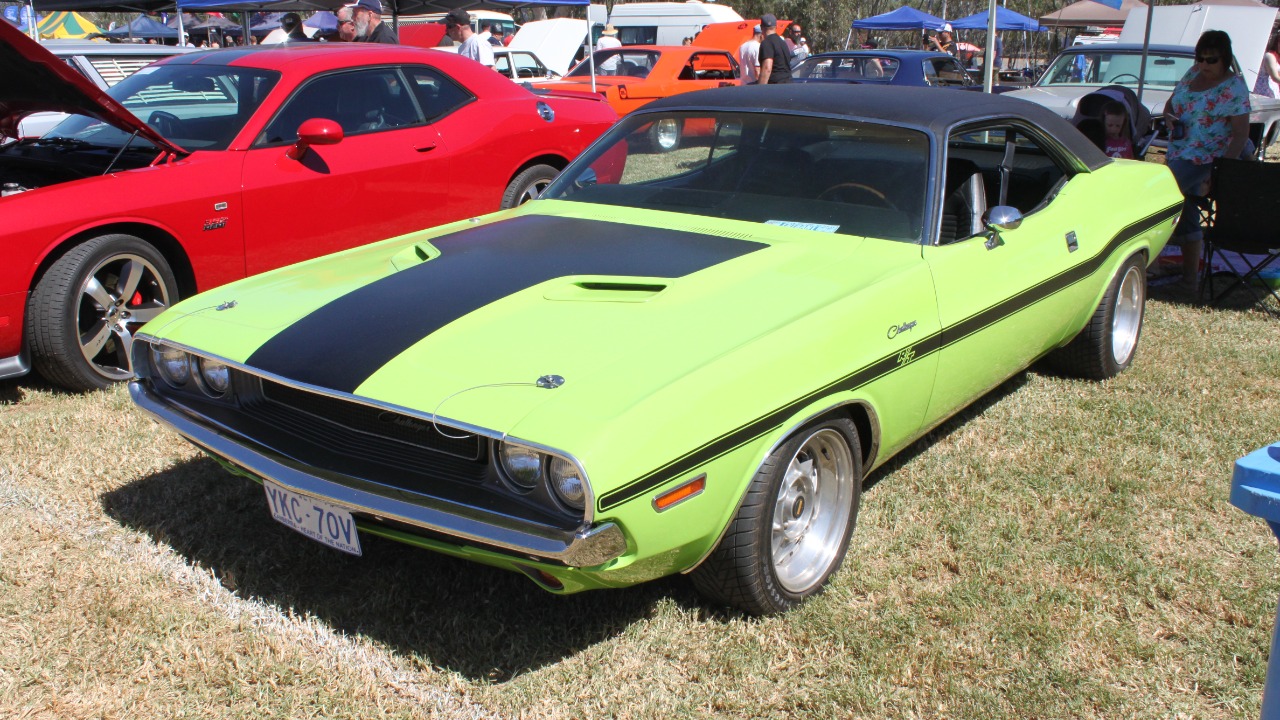
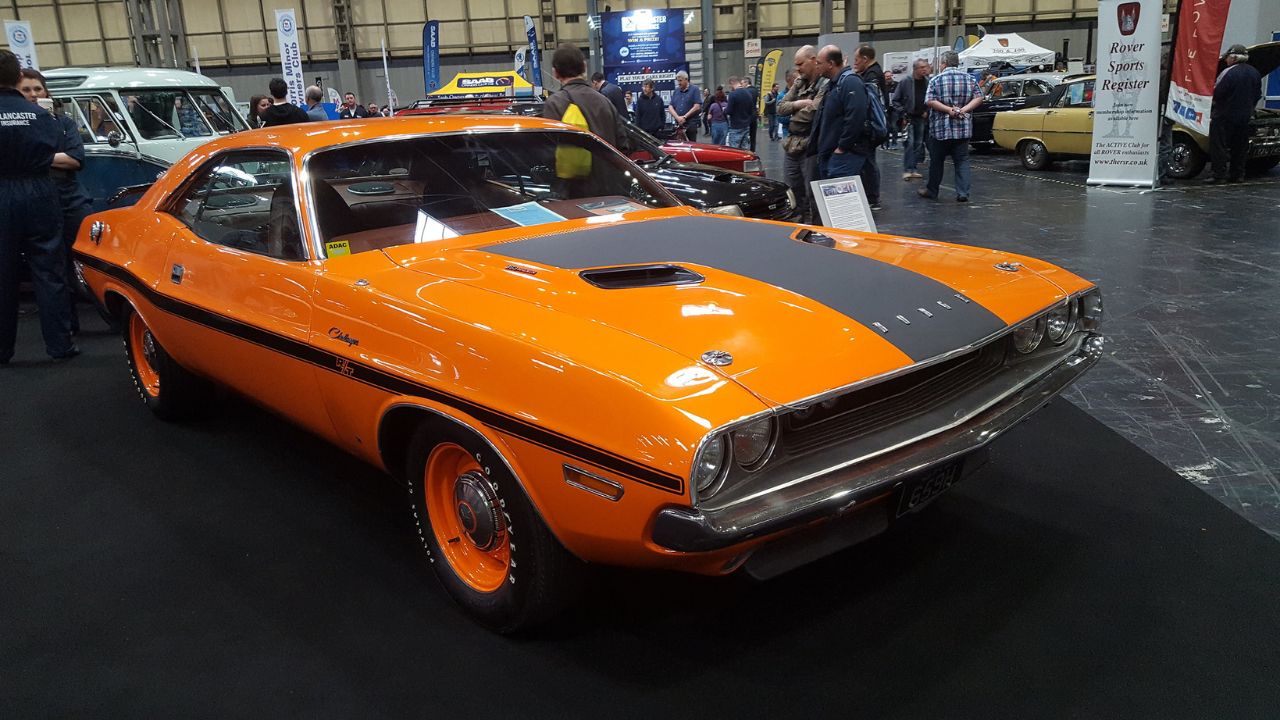
The 1970 Dodge Challenger R/T is often hailed as the quintessential muscle car. With its bold design and a range of powerful engine options, including the iconic 426 Hemi, the Challenger R/T was built for performance. It provided not just speed but also an exhilarating driving experience that became synonymous with the muscle car era.
Its styling was aggressive and eye-catching, with a long hood and short deck that exuded power. The Challenger R/T also had customizable options that allowed buyers to tailor their vehicles to their preferences, further enhancing its appeal. Today, the Challenger R/T stands as a symbol of American automotive heritage, cherished by enthusiasts and collectors alike.
1970 Plymouth Superbird: Aerodynamics and Speed
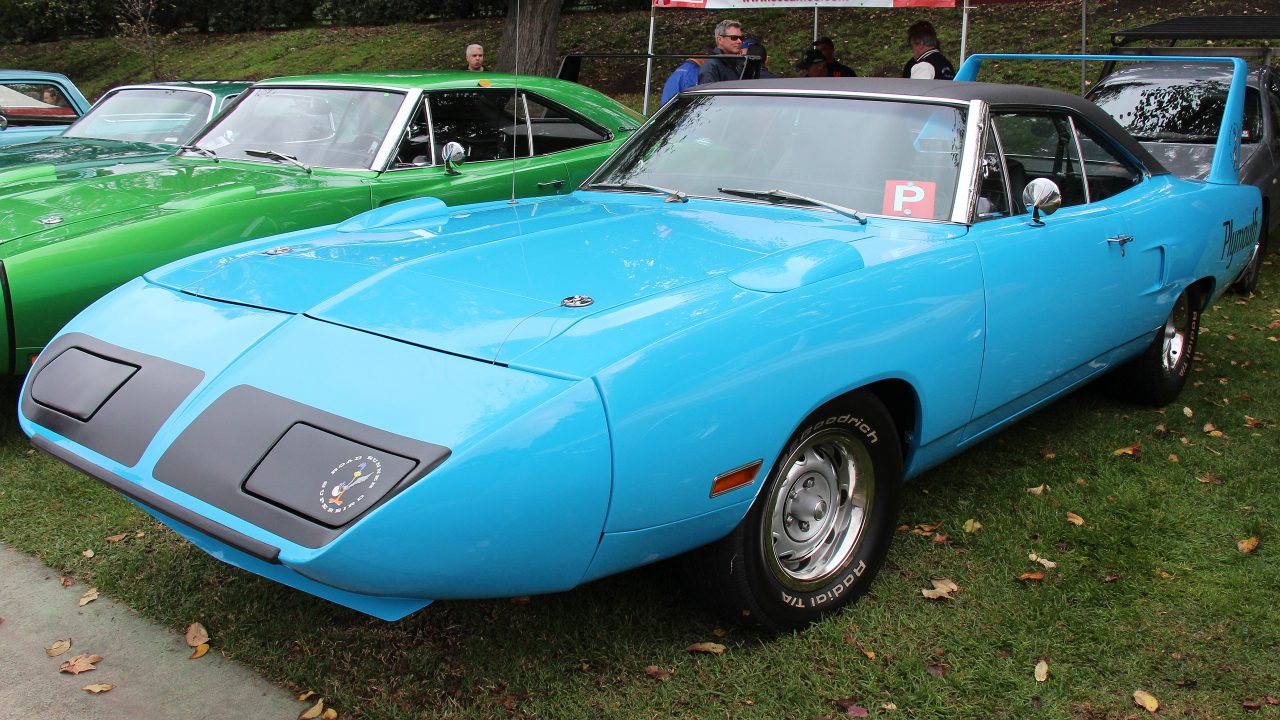
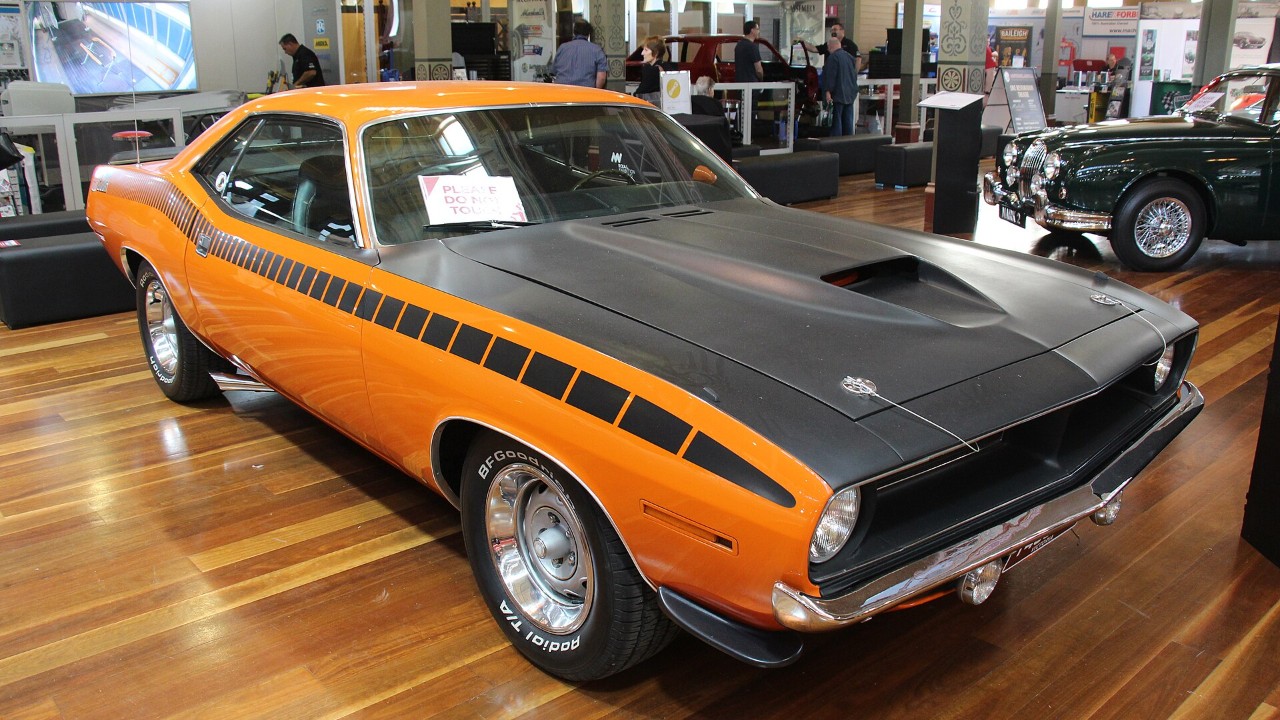
The 1970 Plymouth Superbird was designed for one purpose: to dominate NASCAR. Its unique aerodynamic features, such as a pointed nose and an enormous rear wing, were revolutionary for the time. Under the hood, it offered a choice of powerful engines, including the legendary 426 Hemi, ensuring blistering speeds on both the track and the street.
While it was initially controversial due to its radical styling, the Superbird has since gained cult status among muscle car aficionados. Its limited production numbers and racing pedigree contribute to its desirability today. For those interested in the technical aspects of this iconic vehicle, you can find a wealth of information in this comprehensive book here.
1971 Buick GSX: The Luxury Muscle Car
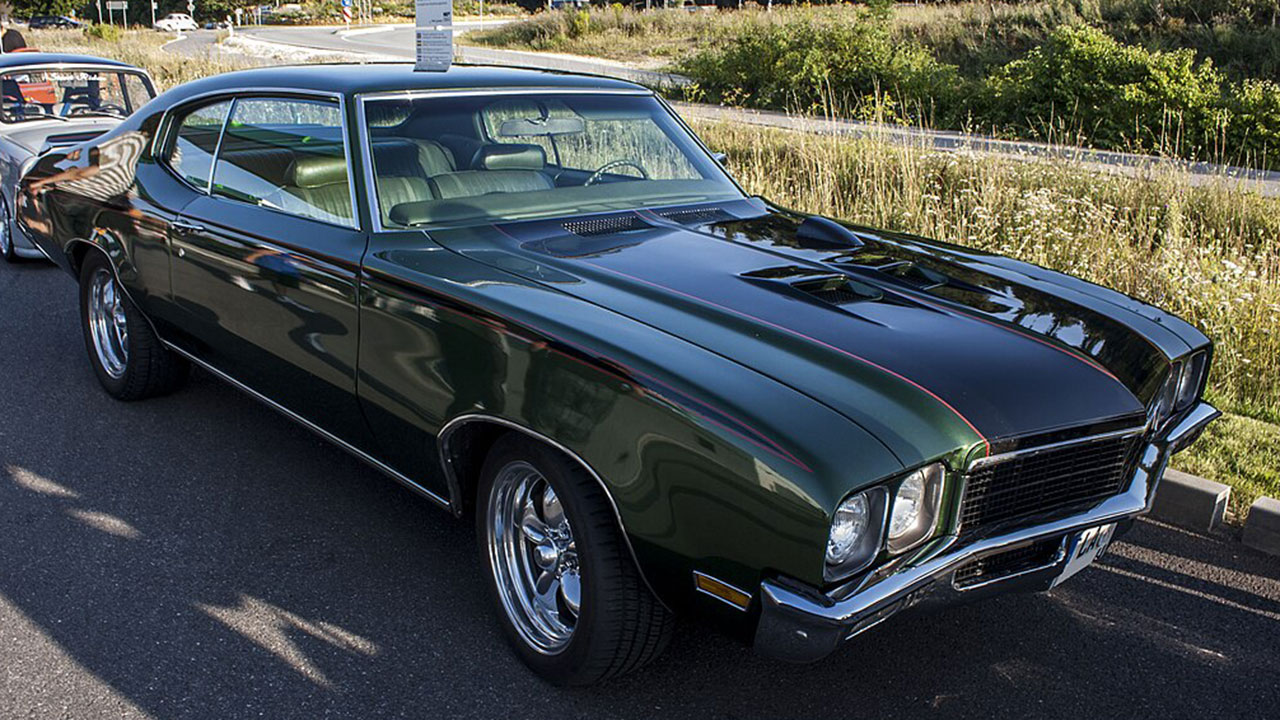
The 1971 Buick GSX was a unique entry in the muscle car landscape, blending luxury with performance. Equipped with a powerful 455 cubic-inch V8 engine, the GSX delivered 360 horsepower while maintaining a level of comfort and refinement not typically associated with muscle cars. Its bold styling, featuring distinctive stripes and a muscular stance, set it apart on the road.
What made the GSX particularly appealing was its attention to detail and high-quality interior, making it a comfortable ride for both daily use and spirited driving. The combination of luxury and performance has made the GSX a sought-after classic, admired for its distinctive character in the muscle car world.
2013 SRT Viper: A Modern Take on Classic Muscle
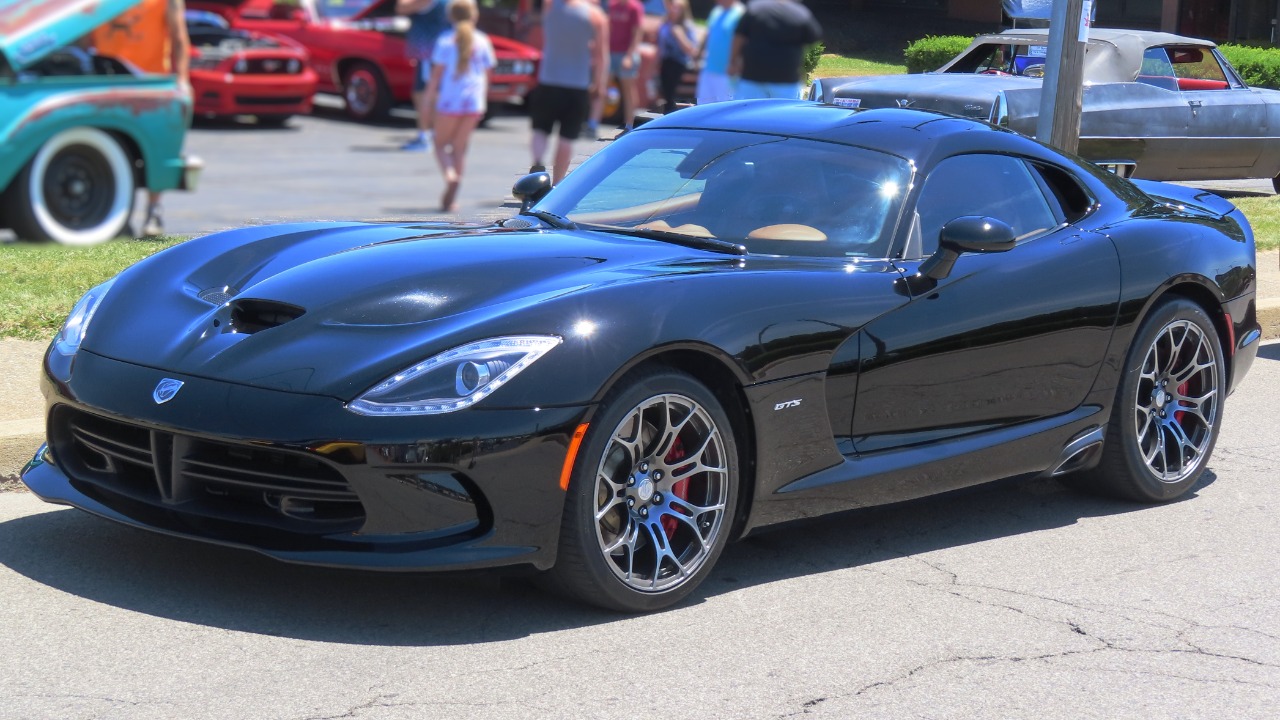
The 2013 SRT Viper is a modern interpretation of the classic muscle car ethos. With a monstrous 8.4-liter V10 engine producing 640 horsepower, the Viper is designed for performance enthusiasts who crave raw power and speed. Its sleek, aerodynamic design pays homage to the original Viper while incorporating cutting-edge technology and engineering.
The Viper’s performance capabilities are further enhanced by its lightweight construction and advanced suspension, making it a true contender on the track. It embodies the spirit of muscle cars while pushing the boundaries of modern automotive engineering. Exploring its features and performance is a must for any car enthusiast looking to understand the evolution of muscle cars.
More from Fast Lane Only
- Unboxing the WWII Jeep in a Crate
- 15 rare Chevys collectors are quietly buying
- 10 underrated V8s still worth hunting down
- Police notice this before you even roll window down
*Research for this article included AI assistance, with all final content reviewed by human editors.