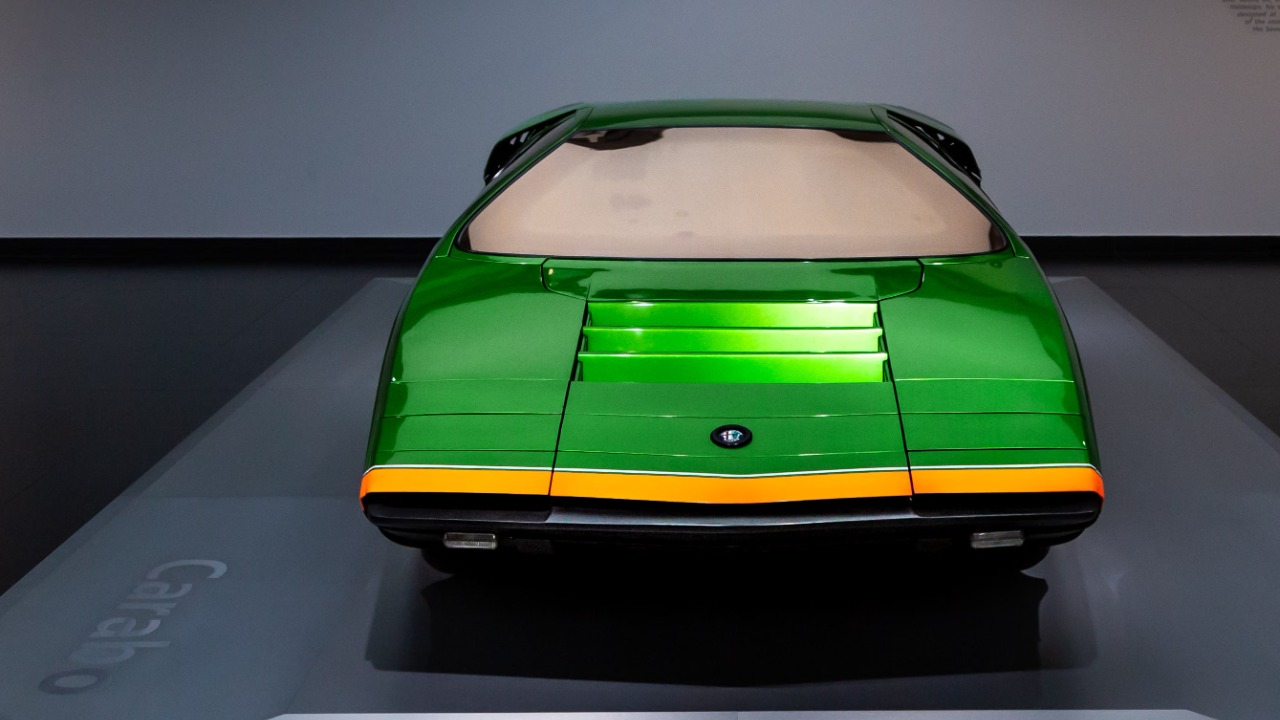
Concept cars have often served as rolling experiments for ideas that seemed unrealistic when first shown. Some disappeared from public memory, only for their designs and technologies to become familiar years later. These seven forgotten concepts explored ideas involving aerodynamics, electric power, digital controls, advanced materials, and futuristic packaging long before those features became common on production vehicles.
Buick Centurion
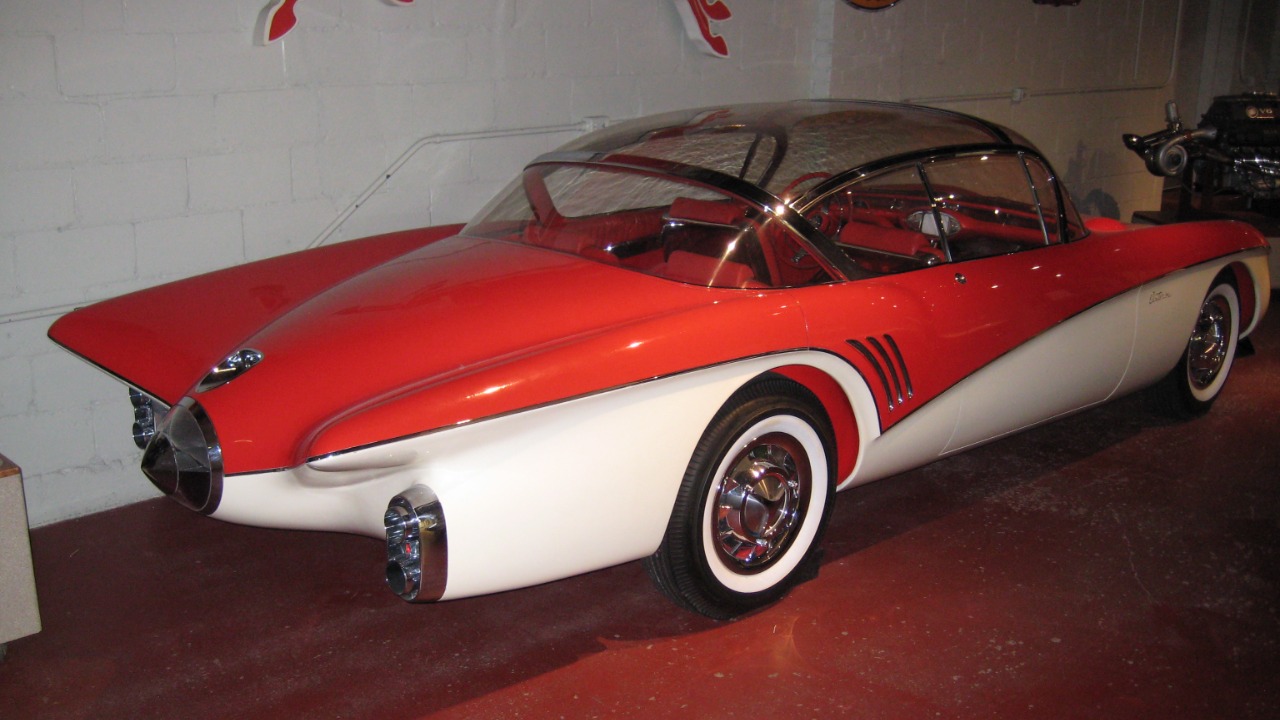
The Buick Centurion debuted in 1956 with a futuristic approach that looked far removed from conventional American cars. Its aircraft-inspired styling included a transparent roof section and an unusual rear-mounted television camera intended to improve visibility. The camera idea was especially remarkable because modern vehicles now use rear-view cameras as standard equipment. Although the Centurion never reached production, its experimentation with electronic driver assistance anticipated technology that would eventually become commonplace.
Ford Gyron
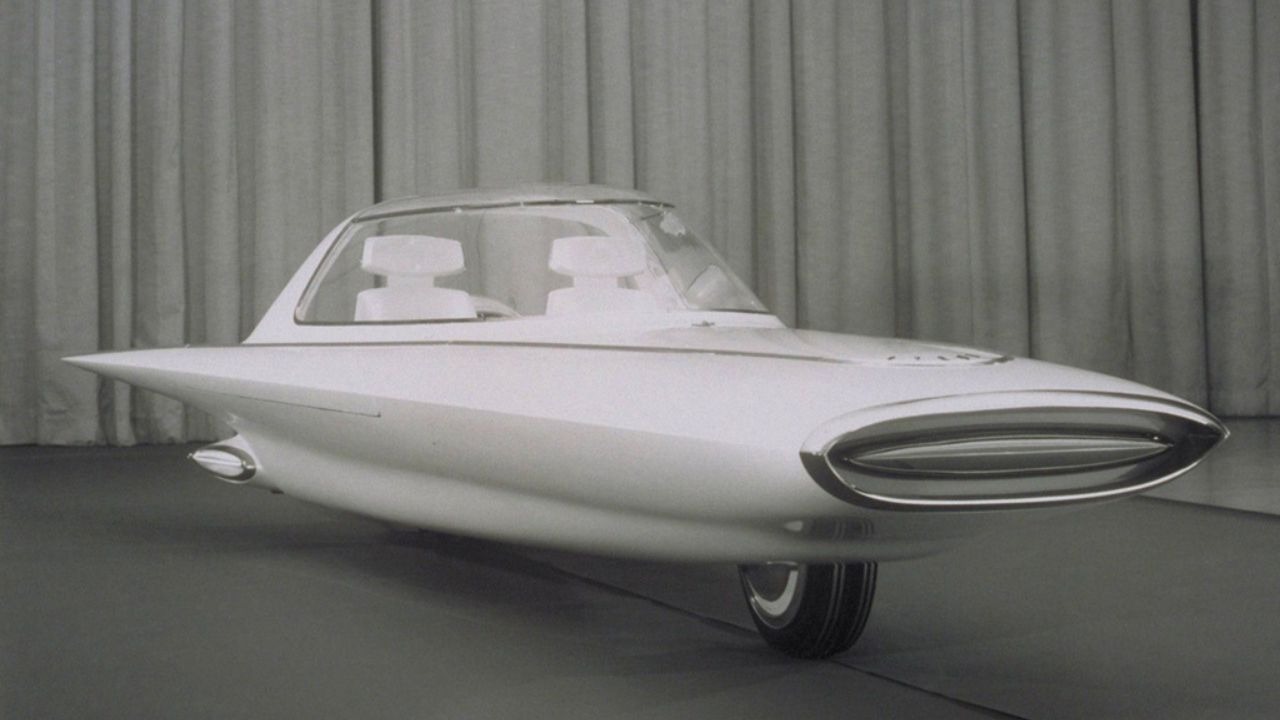
The Ford Gyron was a dramatic two-wheeled concept introduced in 1961 that imagined a radically different form of personal transportation. Gyroscopic stabilization was intended to keep the narrow vehicle upright while its futuristic cockpit emphasized technology over traditional automotive design. The concept never became practical transportation, but its vision reflected an emerging fascination with computerized vehicle control and alternative packaging. Today, its influence can be seen more clearly in experimental mobility projects than conventional cars.
Chevrolet Corvair Monza GT
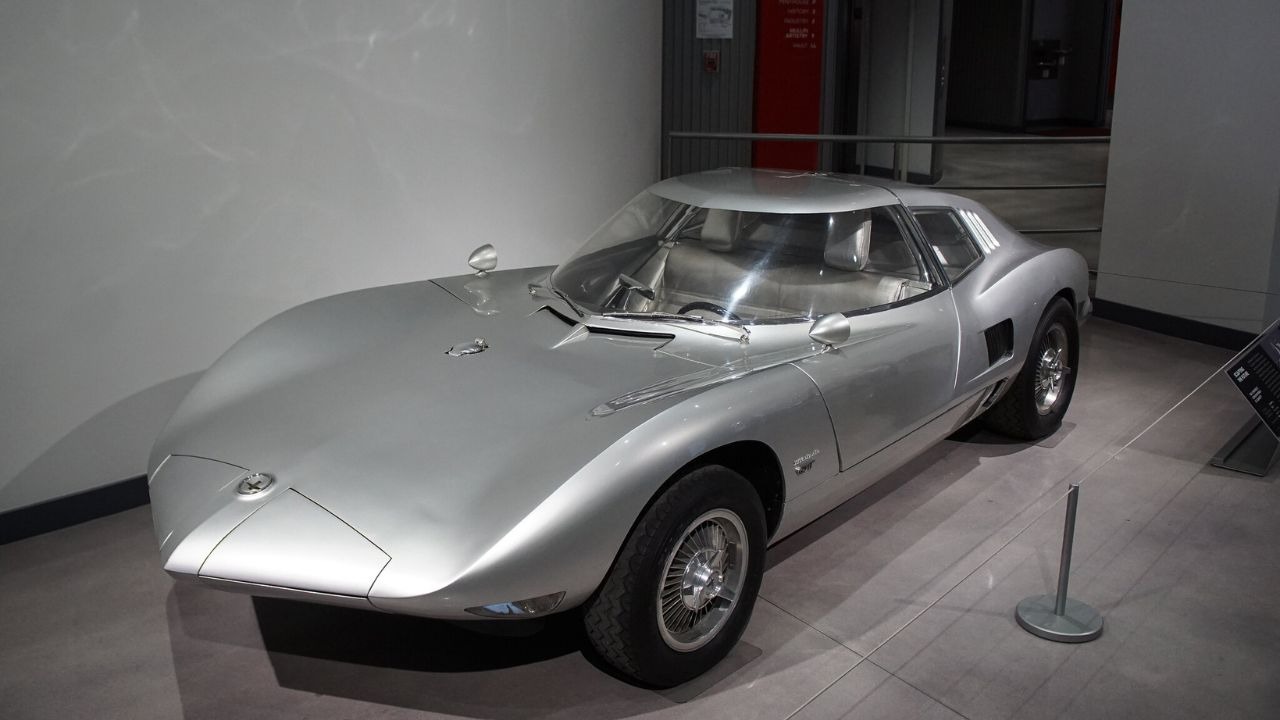
The Chevrolet Corvair Monza GT demonstrated how radically different sports-car proportions could be achieved through innovative packaging. Introduced in 1962, it used a mid-engine layout and a compact fastback body that looked remarkably modern for its era. Its emphasis on low weight, aerodynamic efficiency, and rear-biased packaging anticipated principles later embraced by numerous performance cars. Although it remained a concept, the Monza GT proved that Chevrolet was already exploring ideas that would shape future sports-car design.
Alfa Romeo Carabo
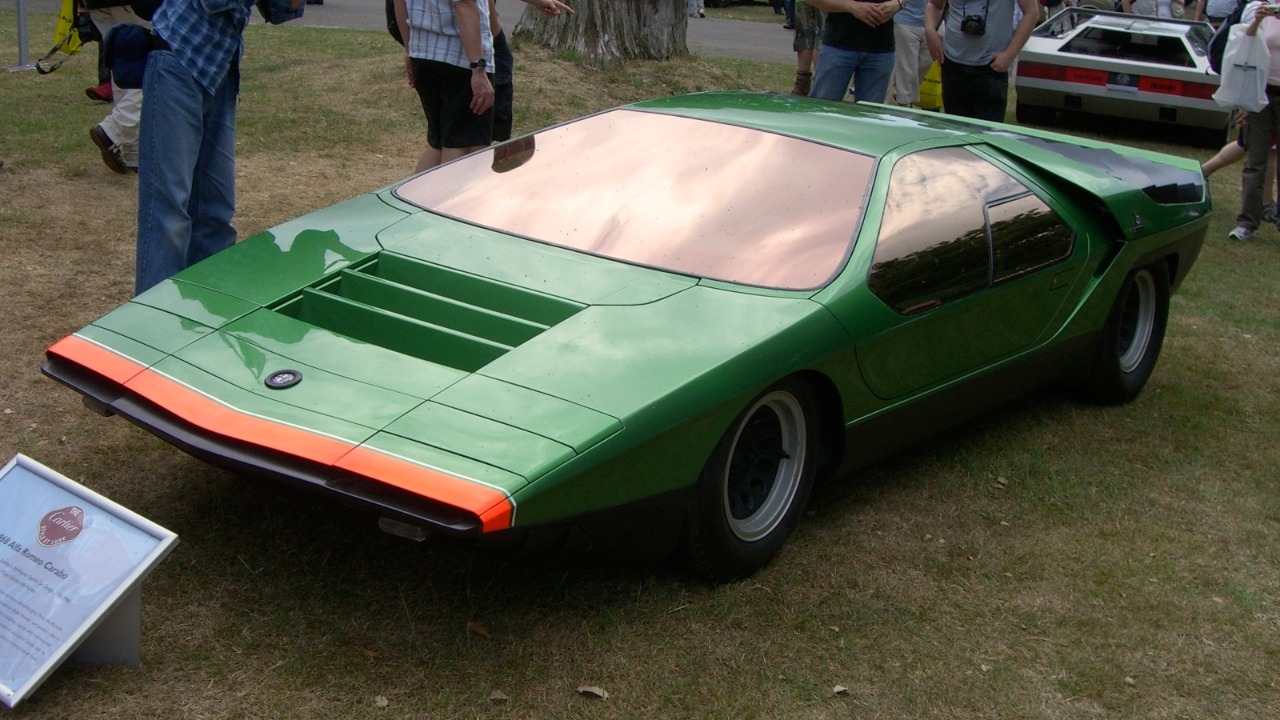
The Alfa Romeo Carabo appeared in 1968 with styling that seemed almost alien compared with the rounded sports cars of the period. Its sharply creased body, wedge profile, scissor-style doors, and bold geometric details became influential among later performance-car designers. The Carabo demonstrated that automotive styling could move toward dramatic angular forms without abandoning functionality. Many production supercars of the 1970s and 1980s eventually adopted variations of the wedge-shaped philosophy it helped popularize.
Volvo ECC
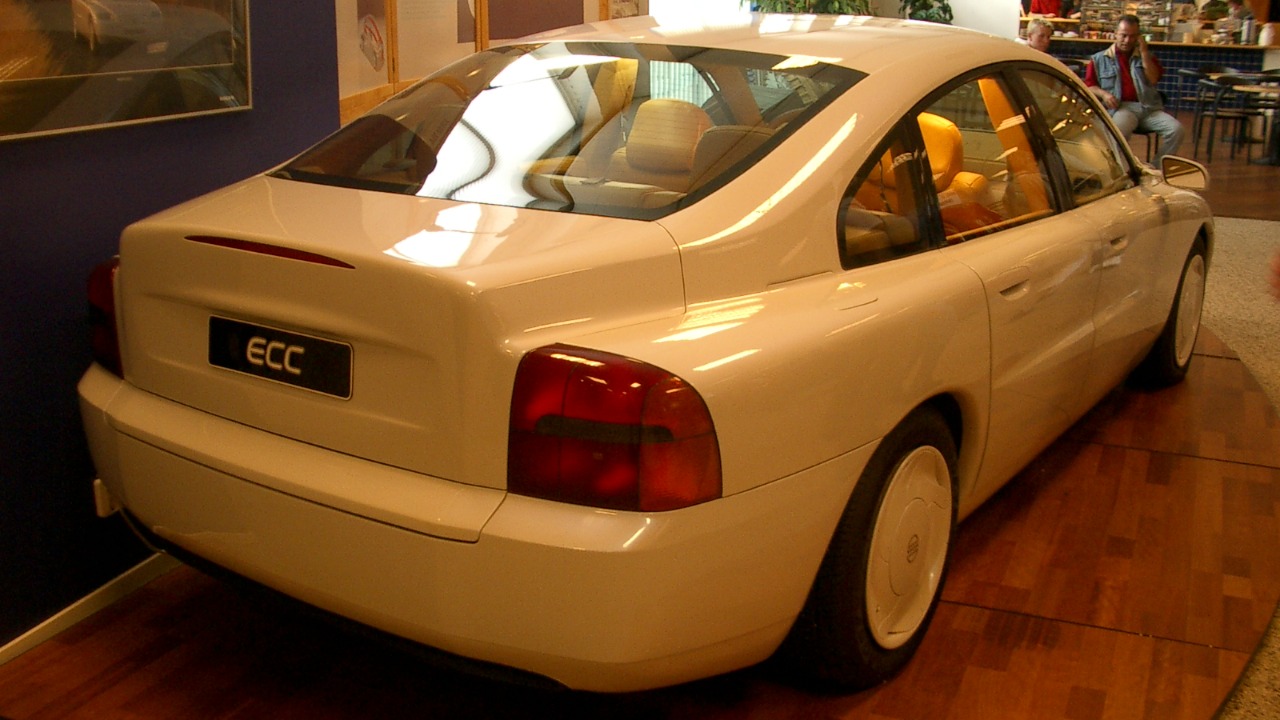
The Volvo ECC, unveiled in 1992, explored a cleaner and more efficient vision of the family car well before electrification became a mainstream industry priority. It combined a gas-turbine range extender with an electric drivetrain, demonstrating an early attempt to address the limitations of battery range. Its aerodynamic body and efficiency-focused engineering also reflected concerns that would become central to modern vehicle development. The concept’s hybrid approach now looks remarkably familiar in hindsight.
GM EV1 Impact Concept
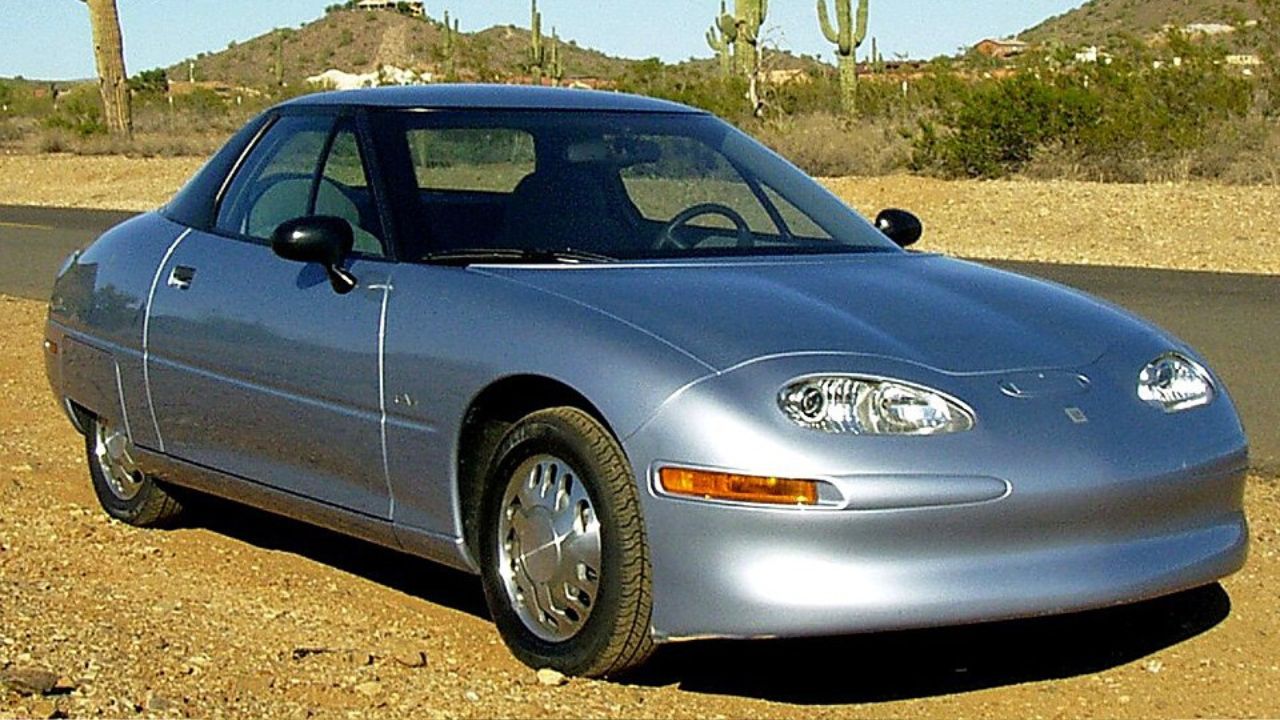
The GM EV1 Impact concept represented an important early step toward modern electric vehicles. Revealed in the 1990s, it showcased a highly aerodynamic body designed around the demands of electric propulsion rather than adapting an existing gasoline-car platform. Its streamlined shape and dedicated electric architecture anticipated several principles now used by modern EV manufacturers. Although the production EV1 remained limited in availability, the concept demonstrated that electric cars could be engineered as purpose-built vehicles.
BMW E1
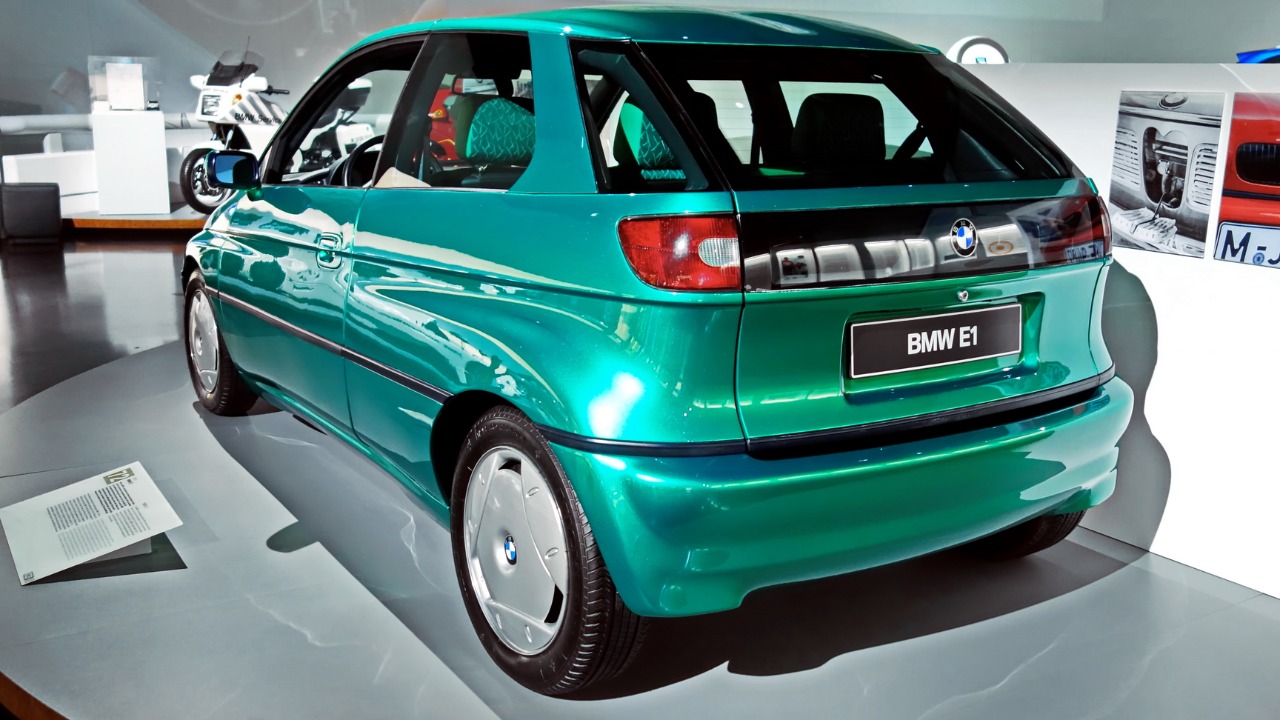
The BMW E1 was an early electric-car concept that challenged the assumption that an electric vehicle had to be large or experimental-looking. Introduced in the late 1980s, it combined compact dimensions with an electric powertrain and practical urban-car packaging. Its emphasis on lightweight construction, efficiency, and everyday usability closely resembles priorities found in today’s city-focused EVs. At a time when electric transportation remained a niche idea, the E1 offered a surprisingly realistic preview of where urban mobility could go.
More from Fast Lane Only
- Unboxing the WWII Jeep in a Crate
- 15 rare Chevys collectors are quietly buying
- 10 underrated V8s still worth hunting down
- Police notice this before you even roll window down
*Research for this article included AI assistance, with all final content reviewed by human editors.