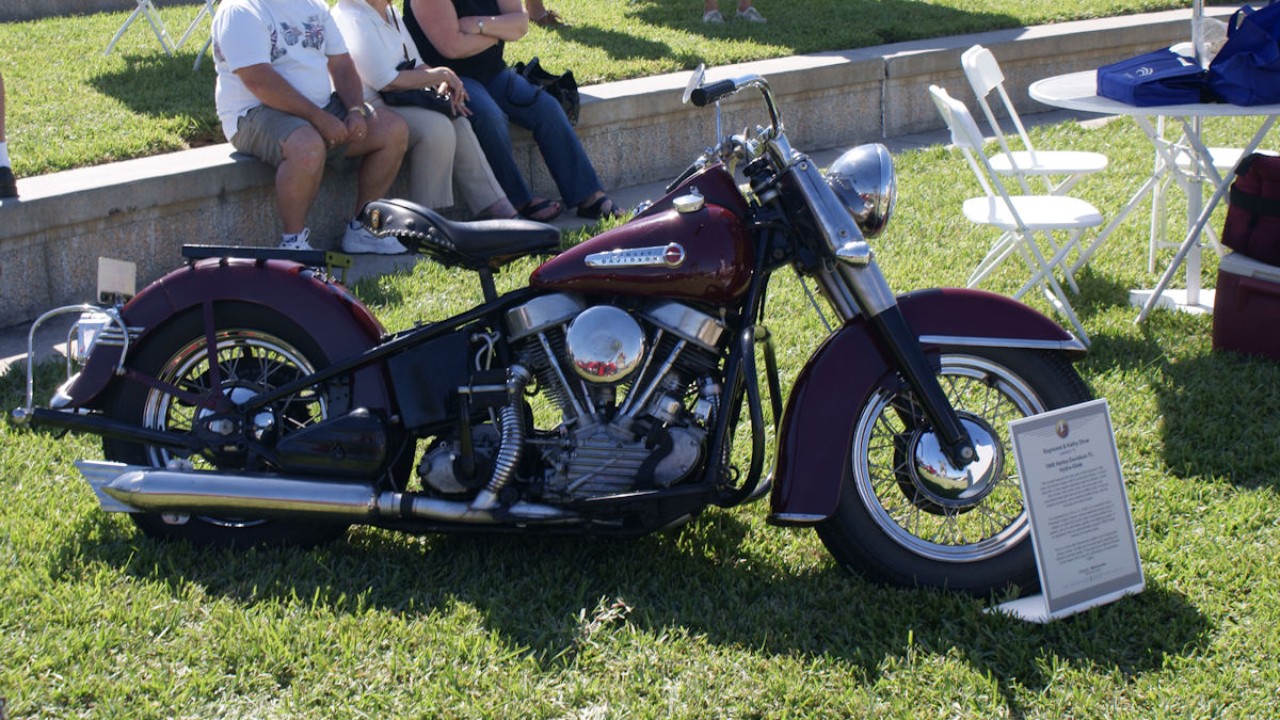
Woodie wagons became legendary symbols of American surf culture, but not every wooden wagon survived long enough to enjoy that fame. Many were family haulers and work vehicles that suffered from years of weather, neglect, and heavy use. These 7 rare woodies disappeared in surprising numbers, leaving only a small number of survivors for today’s collectors.
Ford Model T Depot Wagon
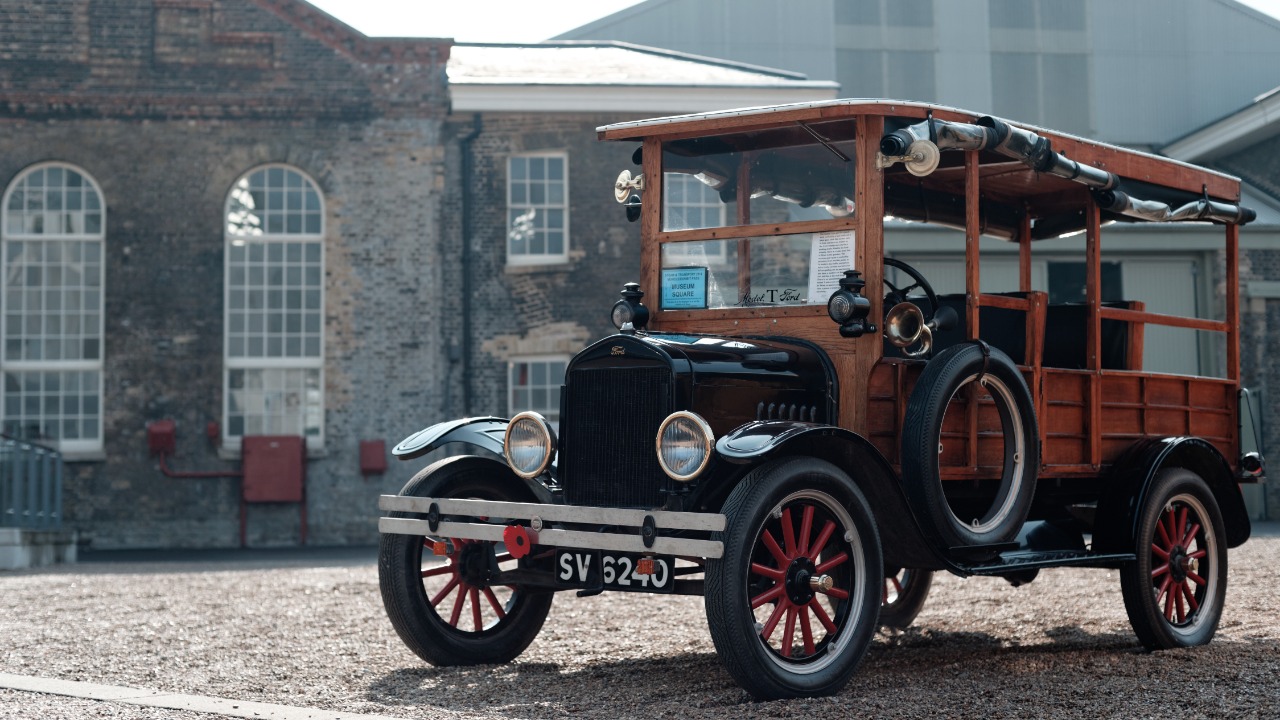
The Ford Model 18 Station Wagon arrived during an era when wooden-bodied wagons were still valued primarily for practicality. Built on Ford’s 1932 platform, it combined the famous V8-powered chassis with a distinctive wood-bodied design. Most examples spent their lives working hard rather than being preserved as collectibles. Today, surviving examples are exceptionally interesting because they represent an early stage of the woodie tradition that later became associated with surf culture.
Ford Model 48 Station Wagon
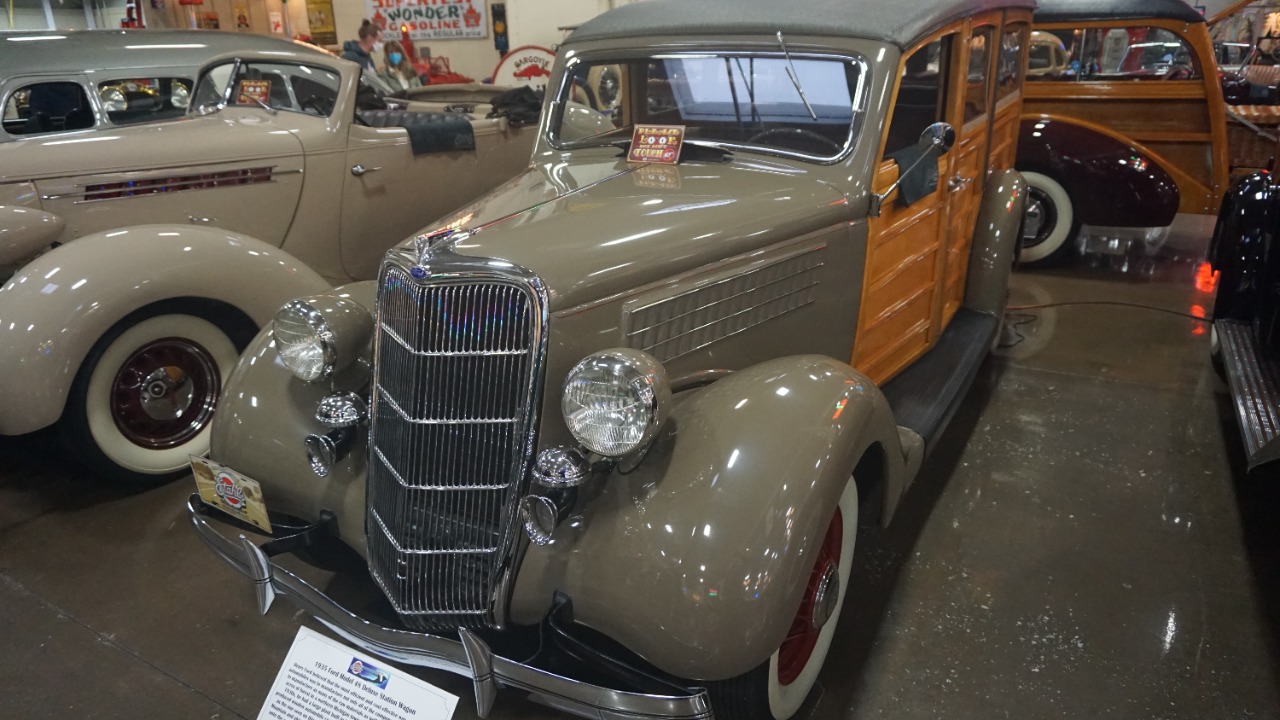
The Ford Model 48 Station Wagon brought the woodie formula into the late 1930s with smoother styling and more refined proportions. Its wooden body gave it the traditional appearance that would eventually become iconic among beach communities. Unfortunately, these wagons were rarely treated as valuable classics when they became old. Exposure to moisture and years of everyday use eliminated many survivors, making original examples considerably harder to find today.
Chevrolet Suburban Carryall
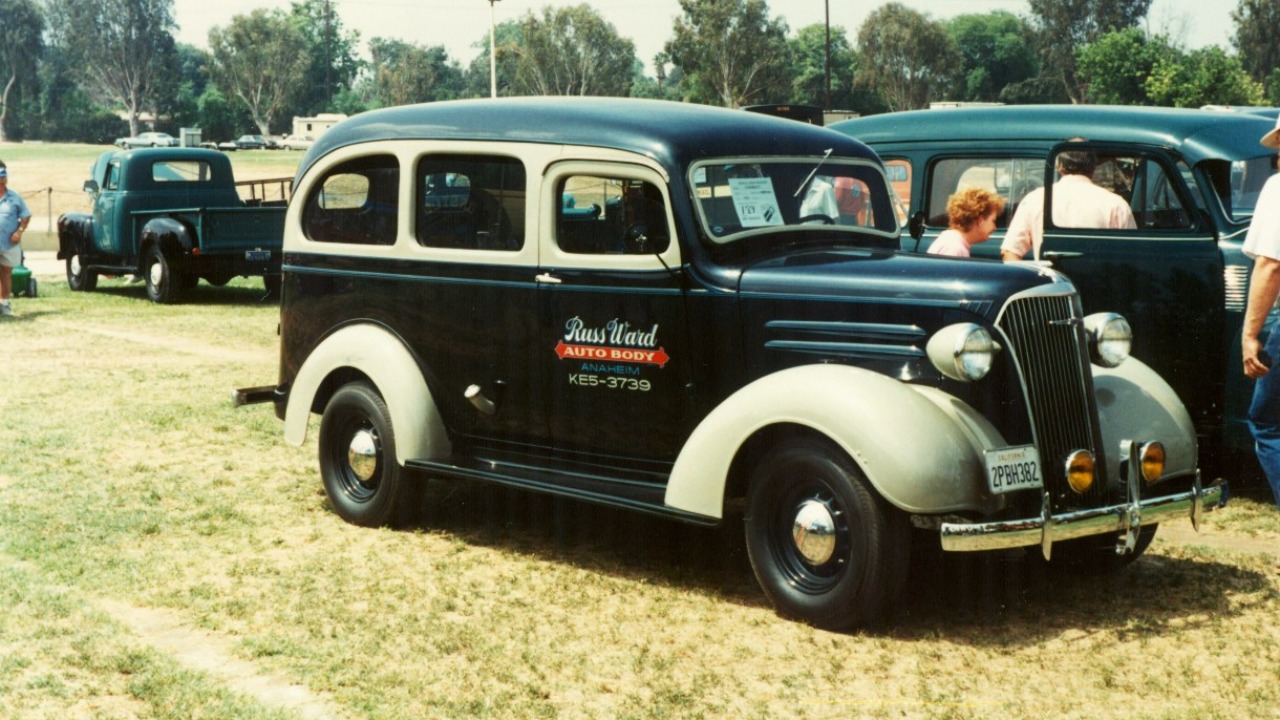
The early Chevrolet Suburban Carryall was designed primarily as a rugged utility vehicle rather than a lifestyle icon. Its early body construction and boxy proportions gave it a distinctive appearance, but its working life was often harsh. Many were used for hauling passengers, equipment, or goods until they were worn out. The later association between vintage wagons and surf culture came too late to save most of these early Suburbans from disappearing.
Pontiac Streamliner Station Wagon
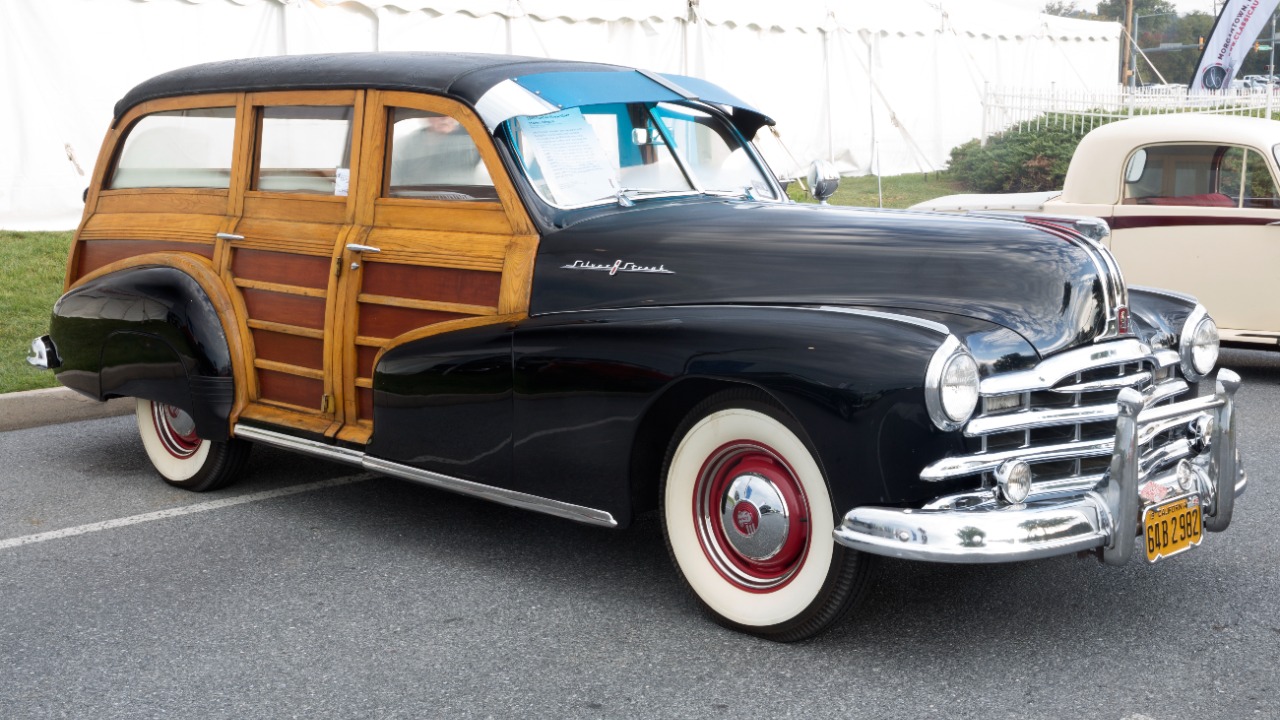
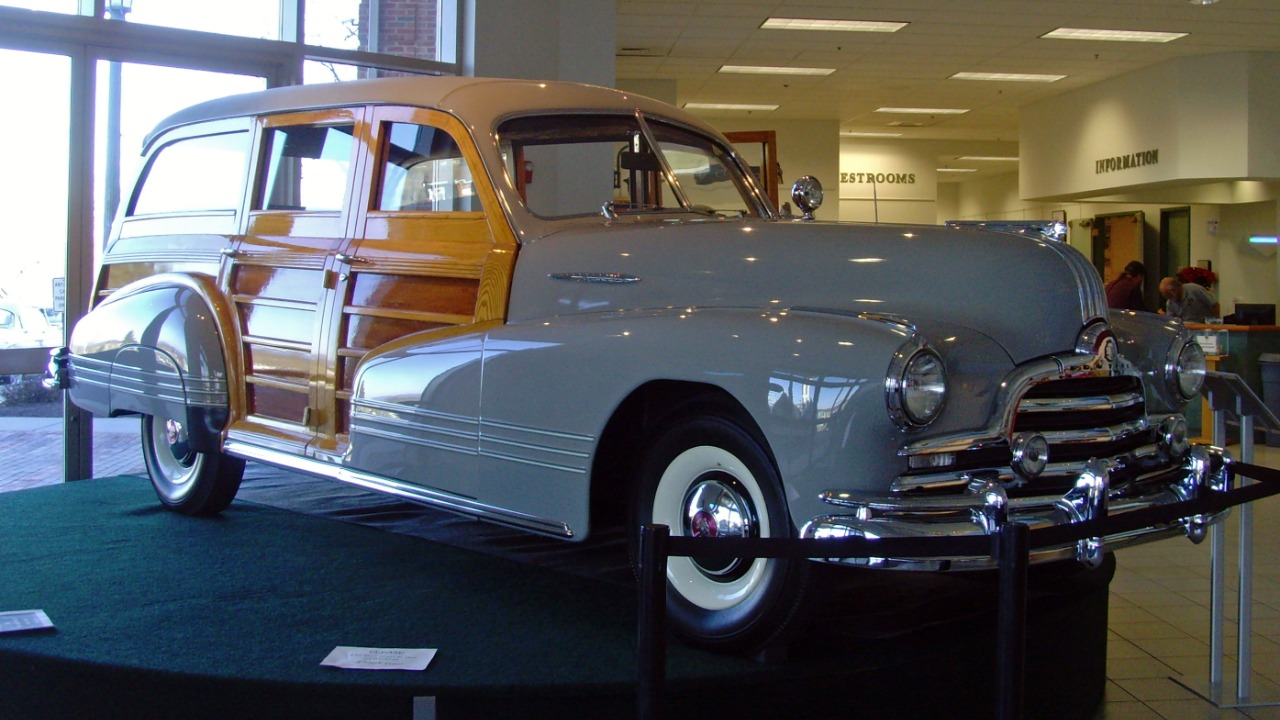
The Pontiac Streamliner Station Wagon offered a more stylish interpretation of the traditional American woodie during the prewar period. Its long body and extensive wooden construction made it both practical and visually distinctive. Like many wagons of the era, however, it was treated as transportation rather than an investment. Years of weather exposure and expensive wood repairs took their toll, leaving surviving examples especially valuable to collectors interested in unusual prewar wagons.
Mercury Eight Station Wagon
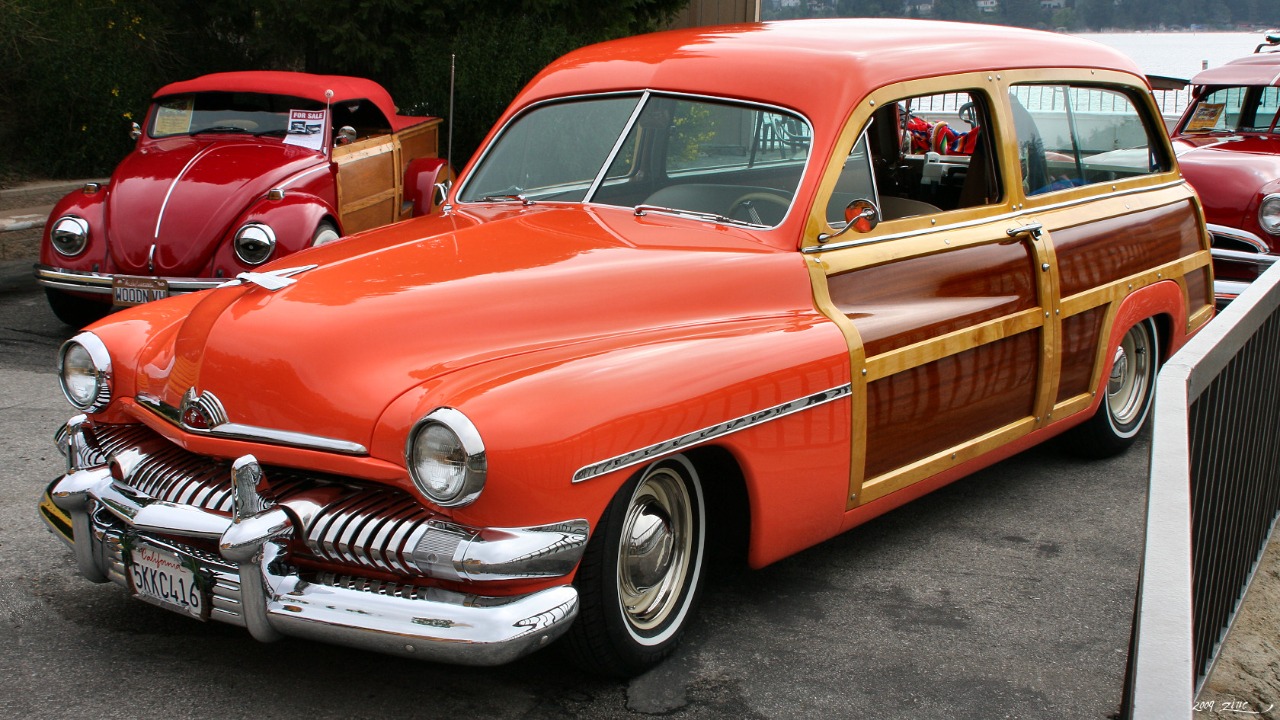
The Mercury Eight Station Wagon combined Ford’s woodie tradition with the longer, more substantial proportions of Mercury’s lineup. Its elegant bodywork eventually made the model attractive to customizers, but many original wagons disappeared before collectors recognized their importance. Wooden components could deteriorate badly after years outdoors, while the cars themselves were often modified or scrapped. A surviving example with authentic woodwork therefore represents a particularly rare piece of Mercury history.
Buick Special Estate Wagon
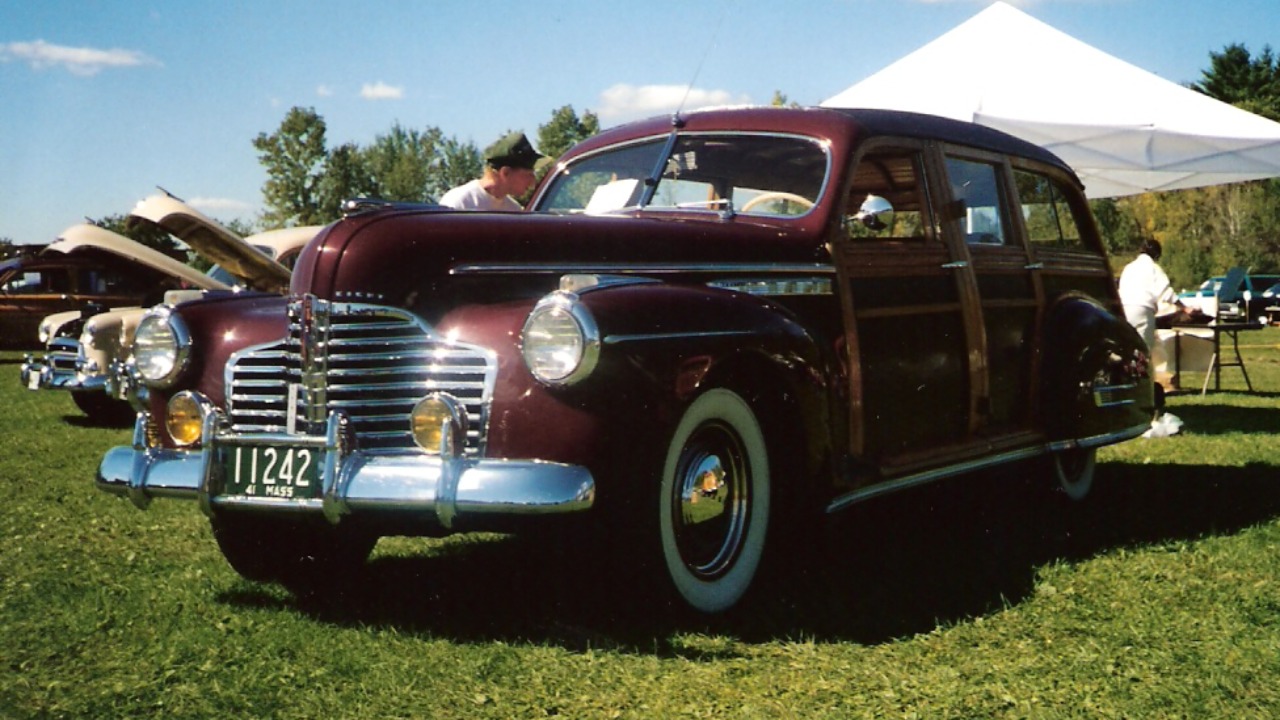
The Buick Special Estate Wagon brought upscale styling and a substantial chassis to the wood-bodied wagon formula. It offered the practicality of a family wagon while retaining the imposing appearance expected from a Buick. Unfortunately, its wooden construction made long-term survival difficult, particularly for cars that spent decades exposed to the elements. Surf culture eventually gave classic woodies a new image, but relatively few Buick examples survived to benefit from that renewed interest.
Chrysler Town and Country
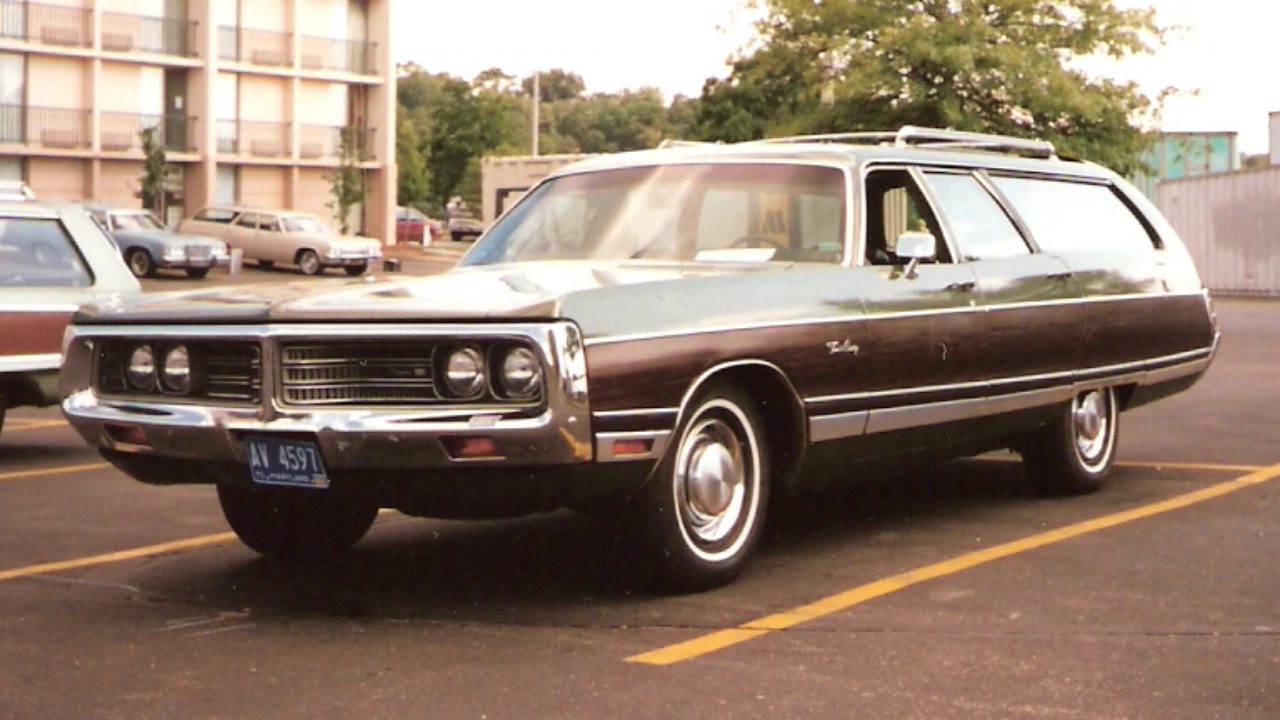
The Chrysler Town and Country became one of the most famous names in American woodie history, but early examples were still surprisingly vulnerable to disappearing. Its combination of Chrysler engineering and extensive genuine wood bodywork made it expensive and complicated to maintain as the cars aged. Many were neglected or dismantled before the collector market fully appreciated them. The surviving cars ultimately became some of the most recognizable and desirable American woodies ever produced.