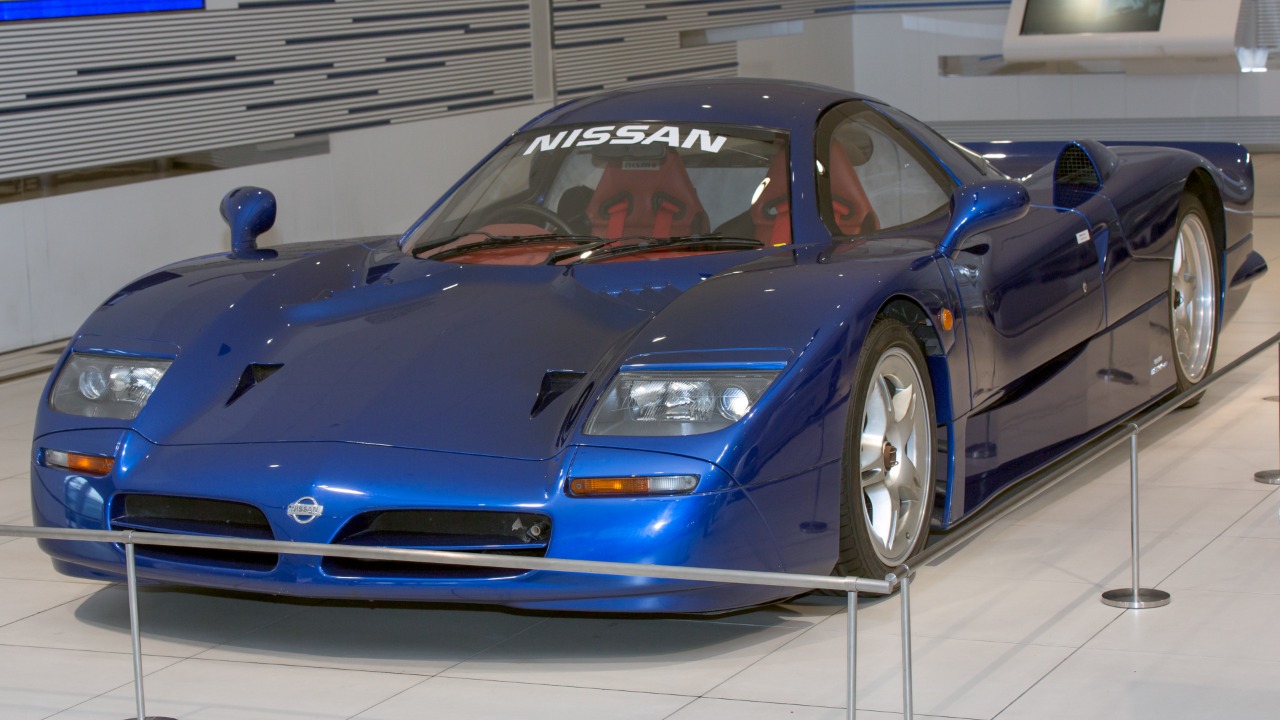
Motorsport history tends to celebrate champions, but many brilliant race cars never received the results their engineering deserved. Some were undermined by reliability problems, bad timing, limited funding, or stronger factory-backed competition. Others introduced ideas that later became standard despite failing to dominate during their own era. These forgotten machines may not have collected endless trophies, but they left lasting impressions on engineers, drivers, and dedicated racing fans who understood their potential.
Chaparral 2J
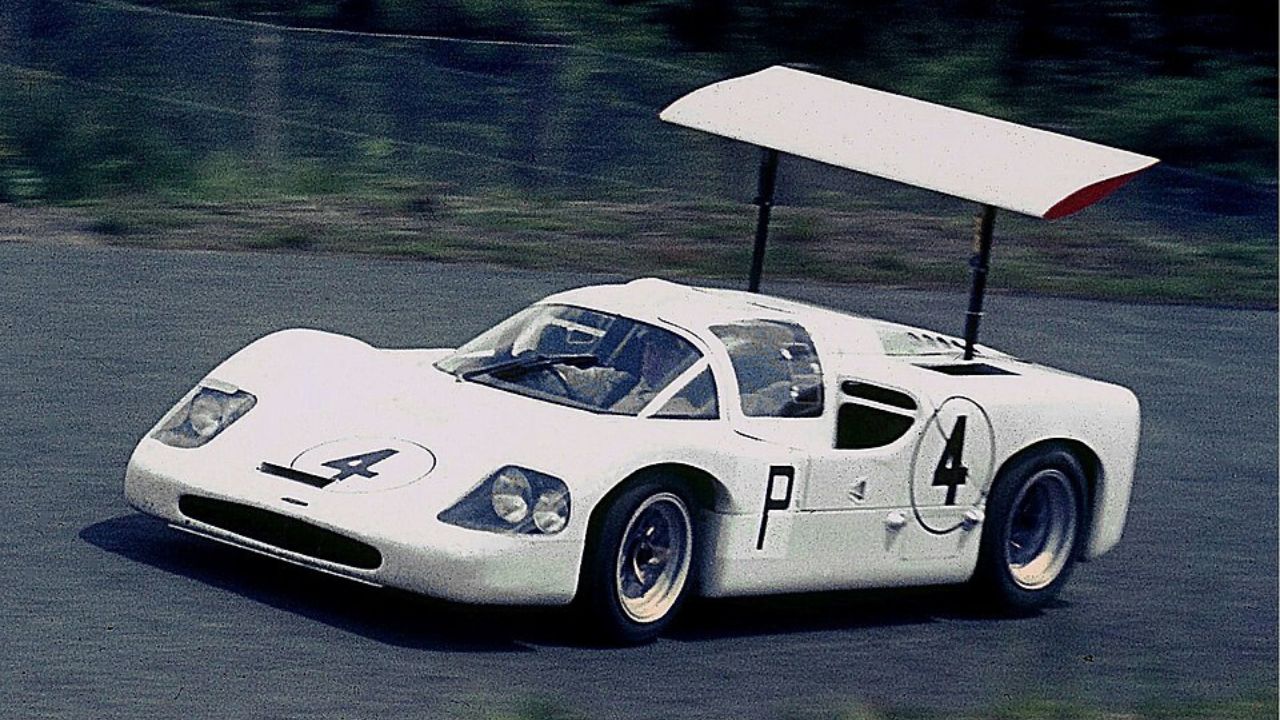
The Chaparral 2J became infamous for its radical fan-generated downforce system that effectively vacuumed the car to the track surface. Powered by auxiliary engines driving rear-mounted fans, it produced immense grip regardless of cornering speed. Rivals immediately protested its legality because the performance advantage looked almost unfair. Reliability issues and political pressure prevented the car from reaching its full competitive potential before rule changes ended the experiment. Despite its short lifespan, the 2J introduced aerodynamic concepts far ahead of its time. Modern motorsport still reflects ideas pioneered by this controversial and brilliantly unconventional Can-Am machine.
Lancia LC2
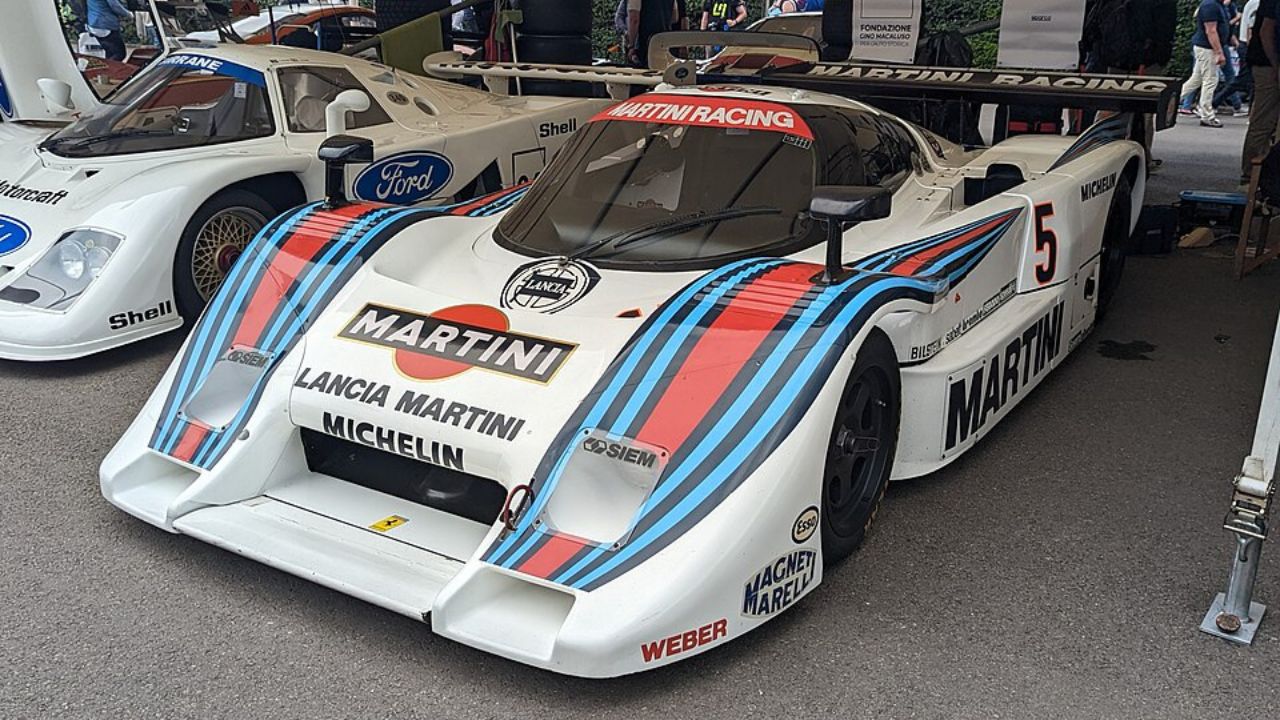
The Lancia LC2 possessed extraordinary speed thanks to its Ferrari-derived twin-turbocharged V8 and sleek aerodynamic profile. On pure pace, it often challenged Porsche’s dominant Group C machines during qualifying sessions. Unfortunately, reliability problems repeatedly destroyed its chances in long-distance endurance events like Le Mans. Fuel consumption and mechanical fragility prevented the LC2 from converting raw speed into consistent victories. Even so, drivers respected its capability and aggressive character enormously. The car deserved greater success because it proved smaller manufacturers could still threaten endurance racing giants through bold engineering and fearless design philosophy.
Toyota GT-One

The Toyota GT-One remains one of the most heartbreakingly close near-misses in Le Mans history. Its aerodynamic bodywork and turbocharged power made it one of the fastest prototypes of the late 1990s. Toyota appeared poised for overall victory in 1999 before tire failures shattered those hopes dramatically. Despite incredible speed, the GT-One never secured the defining win its performance merited. Enthusiasts still admire the car for its futuristic appearance and relentless pace against elite factory competition. It became a symbol of how endurance racing can deny even the most capable machines lasting glory.
BRM H16
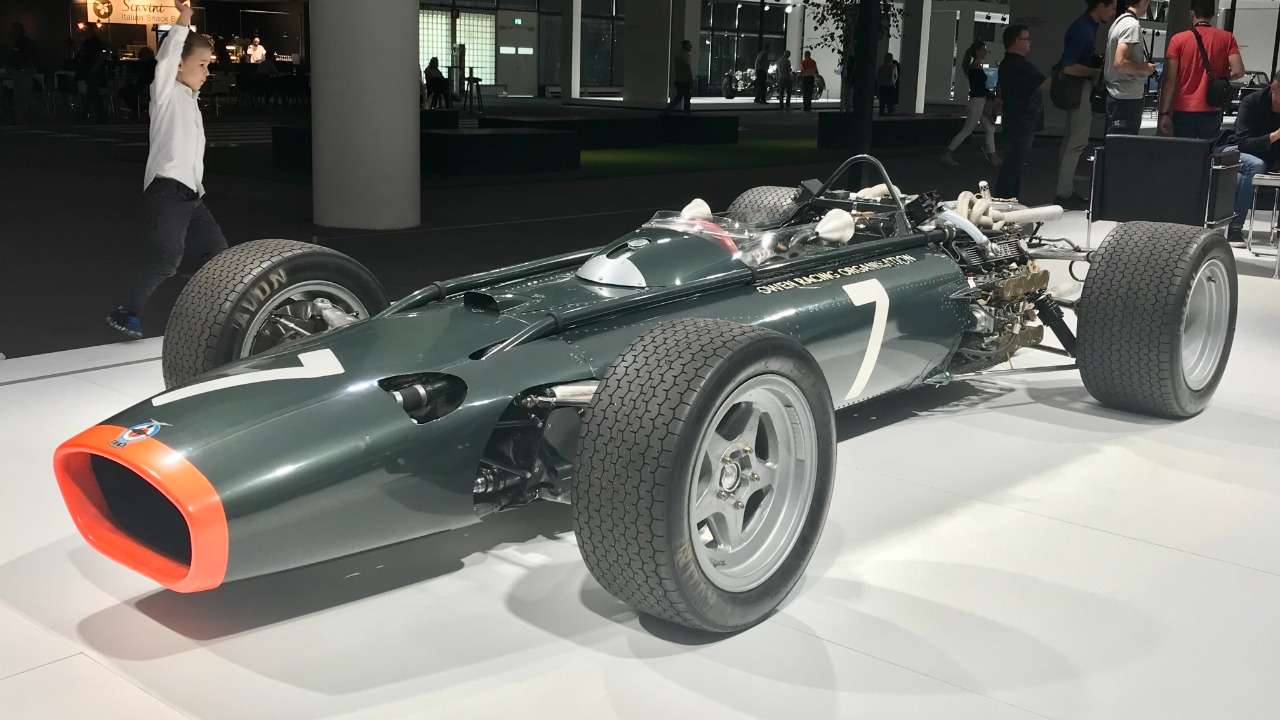
The BRM H16 engine represented one of Formula 1’s most ambitious engineering experiments during the 1960s. Effectively combining two flat-eight engines into a complex H-shaped layout, it promised enormous power potential. Unfortunately, excessive weight and reliability issues crippled competitiveness. Teams struggled with packaging and maintenance, limiting its success despite moments of genuine promise. Jim Clark famously won the 1966 United States Grand Prix using the engine, proving it could perform under the right circumstances. The H16 deserved more success because its technical ambition pushed Formula 1 engineering boundaries far beyond conventional thinking.
Mercedes-Benz CLR
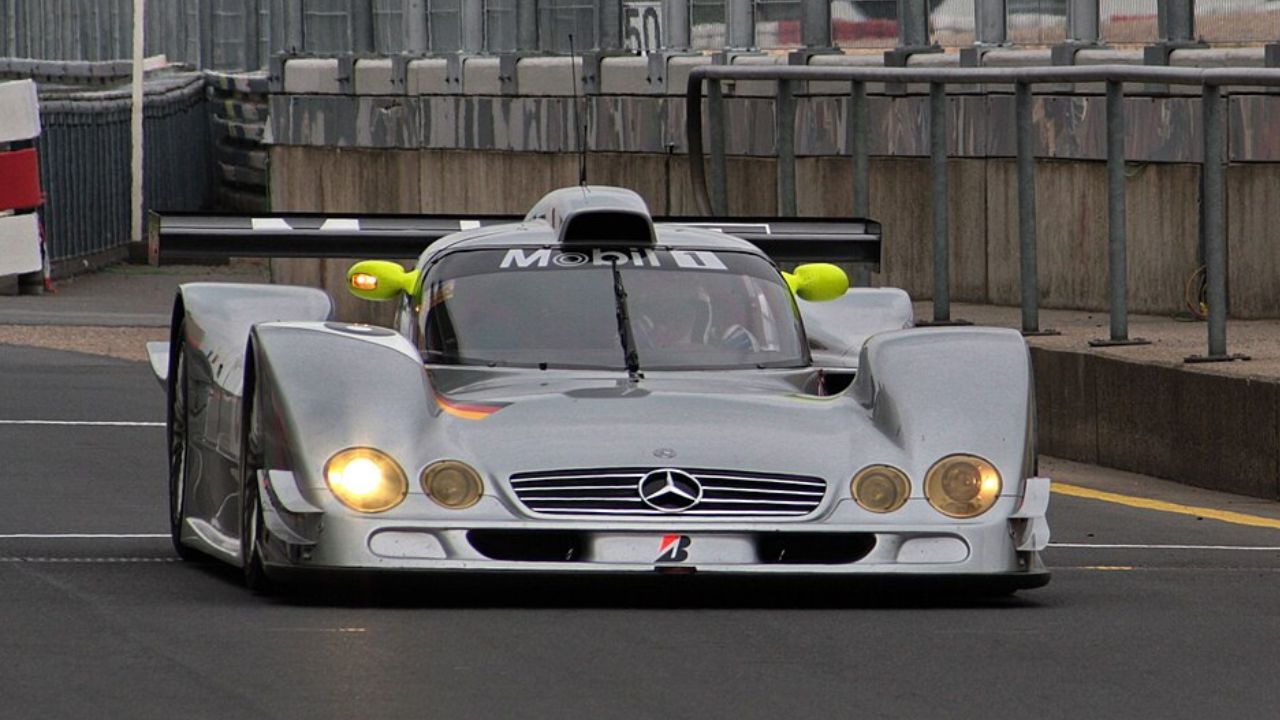
The Mercedes-Benz CLR became famous for terrifying airborne crashes at Le Mans rather than competitive achievement, overshadowing its genuine performance capability. Aerodynamic instability at high speeds caused multiple dramatic flips during the 1999 event, ending Mercedes’ campaign instantly. Before the incidents, however, the CLR demonstrated serious pace against top endurance rivals. Its sleek low-drag bodywork reflected the era’s obsession with maximum straight-line speed. While safety concerns understandably dominate its legacy, the CLR represented an ambitious engineering effort that might have challenged for victory had aerodynamic flaws not intervened so catastrophically.
Nissan R390 GT1
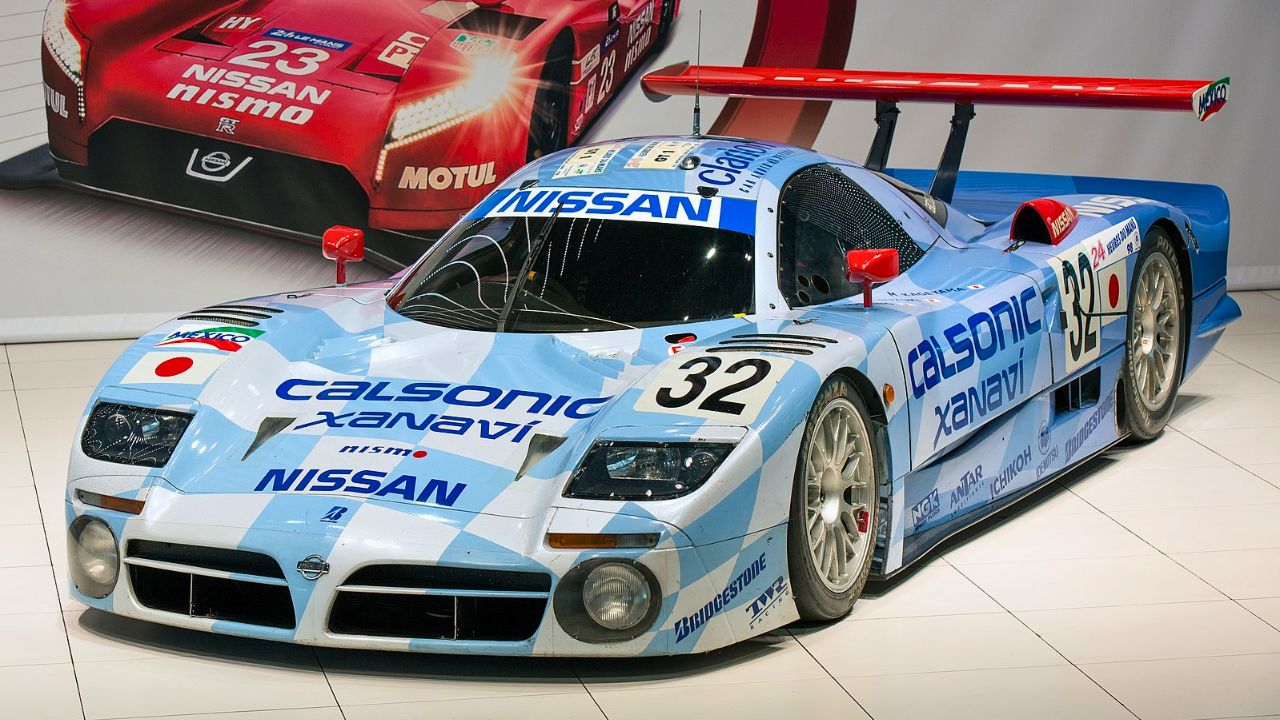
The Nissan R390 GT1 combined advanced aerodynamics with a twin-turbocharged V8 developed specifically for endurance competition. Although overshadowed by rivals like Porsche and Toyota, the R390 delivered respectable speed and impressive stability during long-distance racing. Limited factory commitment and brutal competition prevented it from achieving landmark victories. Still, its fourth-place finish at Le Mans in 1998 demonstrated considerable potential. The car deserved greater recognition because it showcased Nissan’s willingness to compete seriously at the highest levels of endurance racing during one of the category’s most competitive and technologically ambitious periods.
Alfa Romeo Tipo 33 TT 12
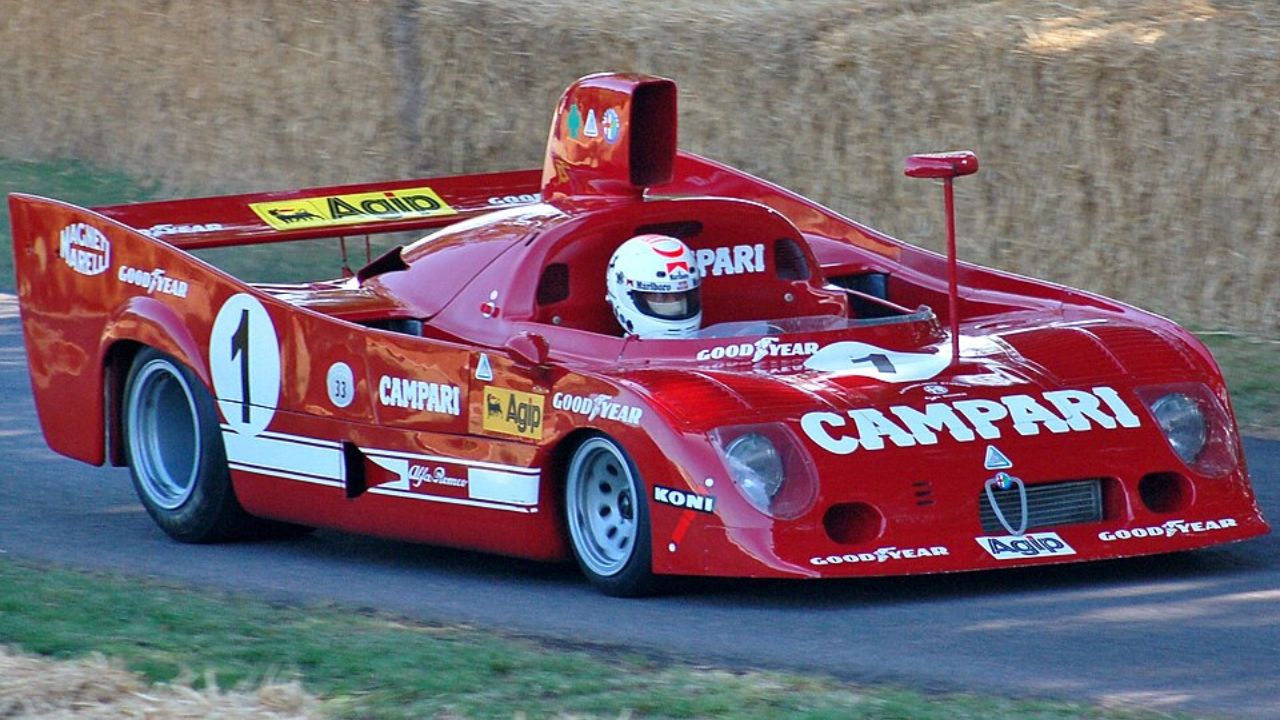
The Alfa Romeo Tipo 33 TT 12 featured a flat-12 engine and advanced tubular chassis design that made it one of the most technically fascinating sports prototypes of the 1970s. While it achieved occasional success in the World Sportscar Championship, inconsistent reliability and fierce Porsche competition limited its broader legacy. Drivers praised its balance and distinctive engine character, especially on technical circuits. The TT 12 often displayed championship-level pace without consistently securing defining victories. Today, enthusiasts recognize it as a beautifully engineered machine that deserved a more dominant place in endurance racing history.
More from Fast Lane Only