Japanese sports cars earned legendary status not only because of factory performance, but because tuners discovered they could unlock astonishing power and handling far beyond stock limits. Strong engines, durable drivetrains, and massive aftermarket support transformed these cars into global modification icons. From drag strips to drifting circuits, they dominated enthusiast culture for decades. These machines became the foundation of the modern tuning world and still inspire builders everywhere today.
Toyota Supra
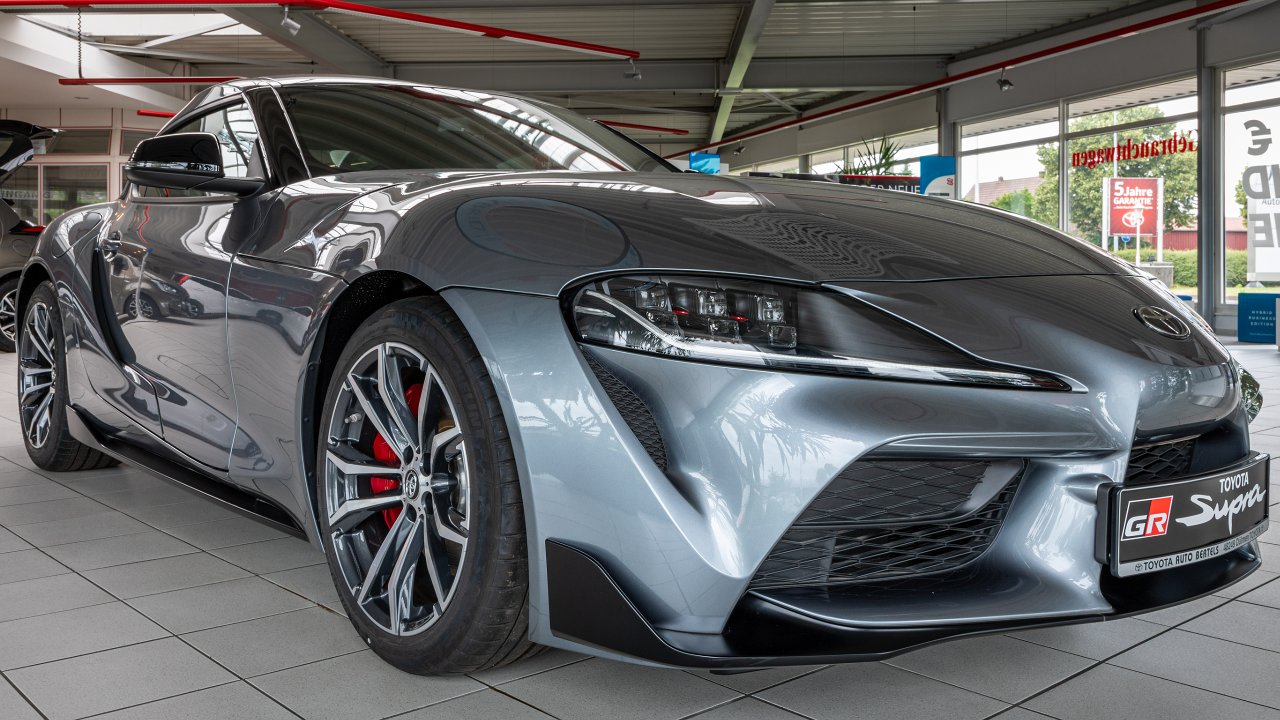
The fourth-generation Toyota Supra became the ultimate tuning hero largely because of its nearly indestructible 2JZ-GTE inline-six engine. Builders quickly discovered the factory bottom end could withstand enormous boost increases without immediate failure, making four-digit horsepower builds achievable. Strong aftermarket support emerged worldwide, offering upgraded turbo systems, fuel components, and drivetrain solutions. Beyond straight-line speed, the Supra also responded well to suspension and aerodynamic modifications. Pop culture exposure amplified demand even further. Today, the A80 Supra remains one of the most respected tuning platforms ever created, symbolizing the limitless potential of Japanese engineering.
Nissan Skyline GT-R
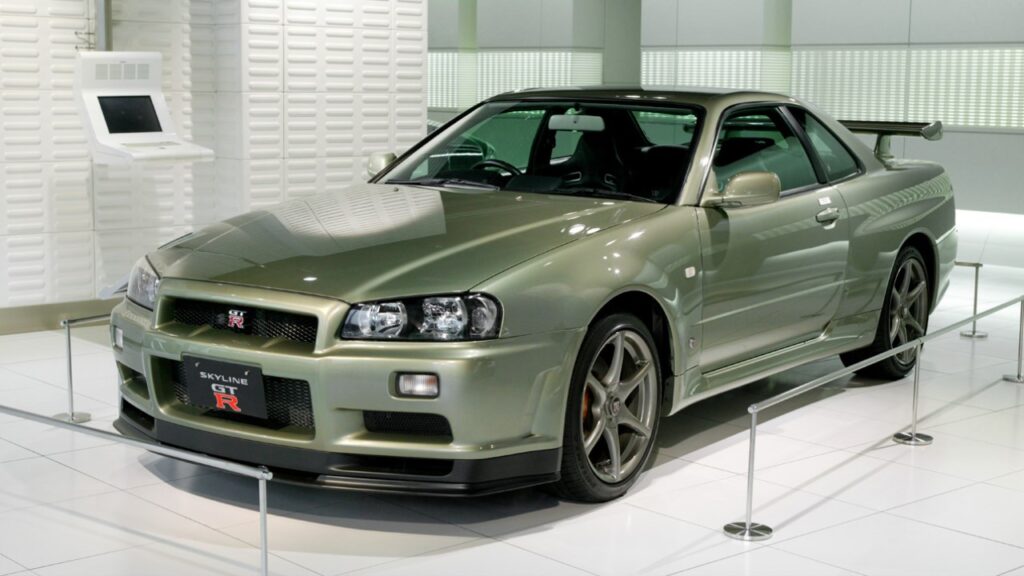
The R34 Nissan Skyline GT-R earned tuning legend status through its RB26DETT twin-turbo inline-six and advanced ATTESA all-wheel-drive system. Enthusiasts discovered the platform could handle dramatic increases in power while maintaining remarkable traction and stability. Japanese tuning houses pushed the GT-R to extraordinary speeds on highways and race circuits alike. Its sophisticated electronics also allowed extensive customization for different driving styles. Limited production and global demand only strengthened its mystique. The R34 became the benchmark for modern tuner performance, influencing countless builds across both street and motorsport culture worldwide.
Mazda RX-7
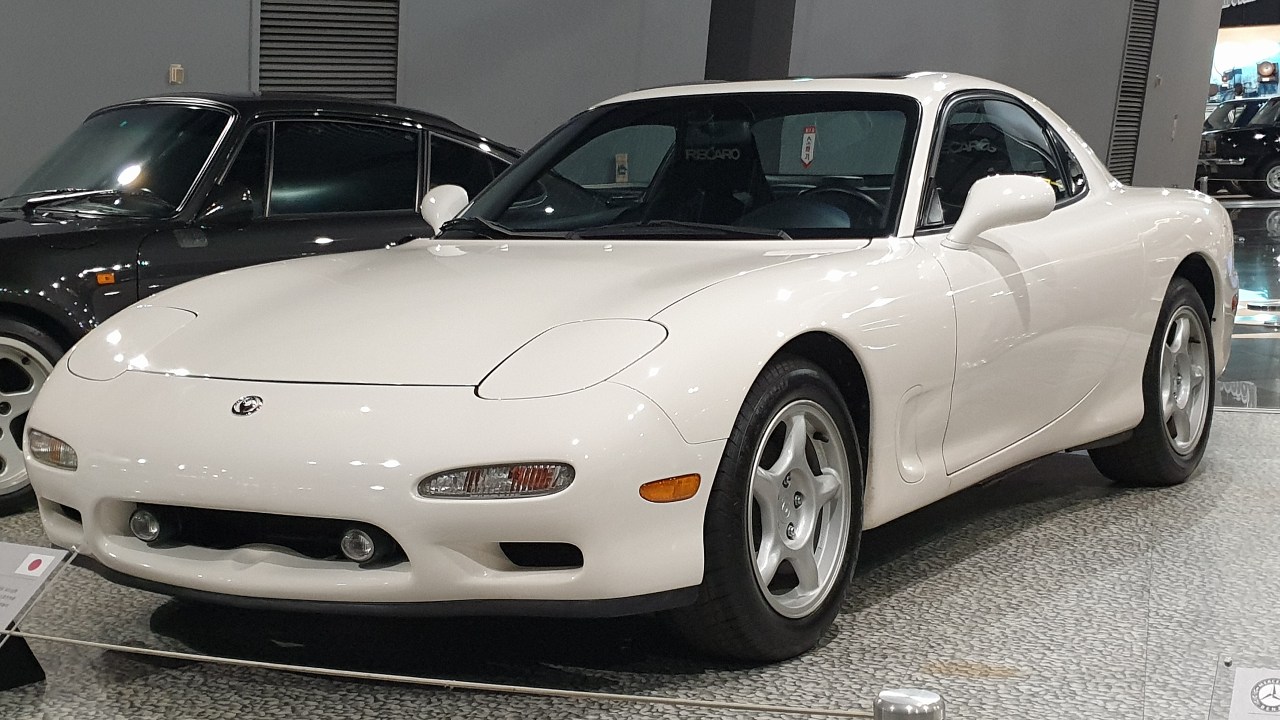
The FD Mazda RX-7 stood apart because of its lightweight chassis and unique twin-rotor rotary engine. Tuners embraced the rotary platform for its high-revving nature and impressive power potential relative to size. Upgraded turbo systems transformed the RX-7 into a brutally quick machine while preserving excellent weight distribution. Drifters and circuit racers especially valued its responsive steering and balance. Though rotary ownership required dedication, enthusiasts appreciated the distinct personality unavailable in piston-powered rivals. The FD became a cornerstone of Japanese tuning culture and remains one of the most recognizable modified sports cars ever built.
Honda Civic Type R

The EK9 Honda Civic Type R proved naturally aspirated tuning could be just as exciting as turbocharged horsepower wars. Lightweight construction, high-revving VTEC engines, and exceptional chassis balance made it a favorite among builders focused on precision rather than brute force. The aftermarket exploded with intake systems, camshafts, suspension kits, and engine swaps that pushed performance far beyond stock levels. Affordable entry costs helped create enormous enthusiast communities worldwide. The EK9’s influence extended into autocross, track racing, and street culture, cementing Honda’s reputation as a manufacturer deeply connected to grassroots modification culture.
Nissan Silvia
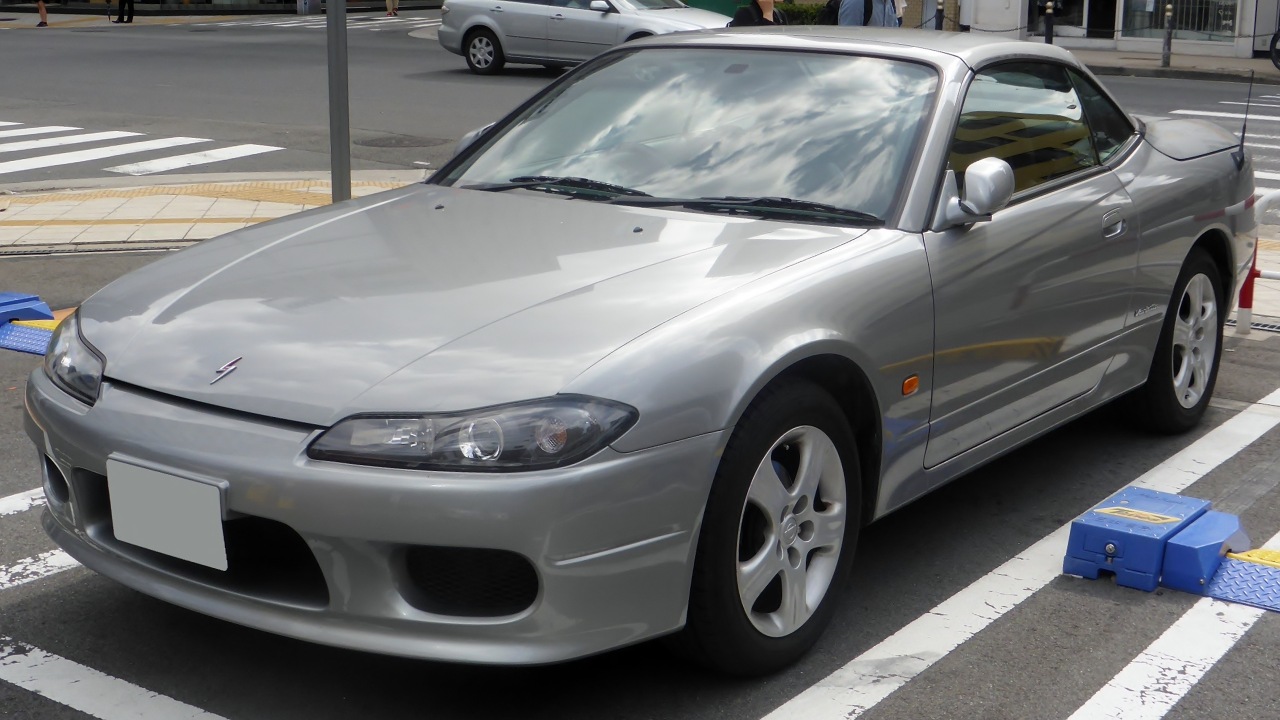
The Nissan Silvia S15 became a drifting icon thanks to its rear-wheel-drive layout, turbocharged SR20DET engine, and balanced chassis. Tuners quickly realized the platform could support major power increases while remaining controllable during aggressive sideways driving. Suspension upgrades and differential tuning transformed the Silvia into a dominant presence in grassroots motorsport. Its sleek coupe styling also made it visually popular within car culture. Because many examples were modified heavily, clean original cars became increasingly rare. The S15 remains one of the most influential tuner platforms in drifting history and broader Japanese performance culture.
Subaru Impreza WRX STI
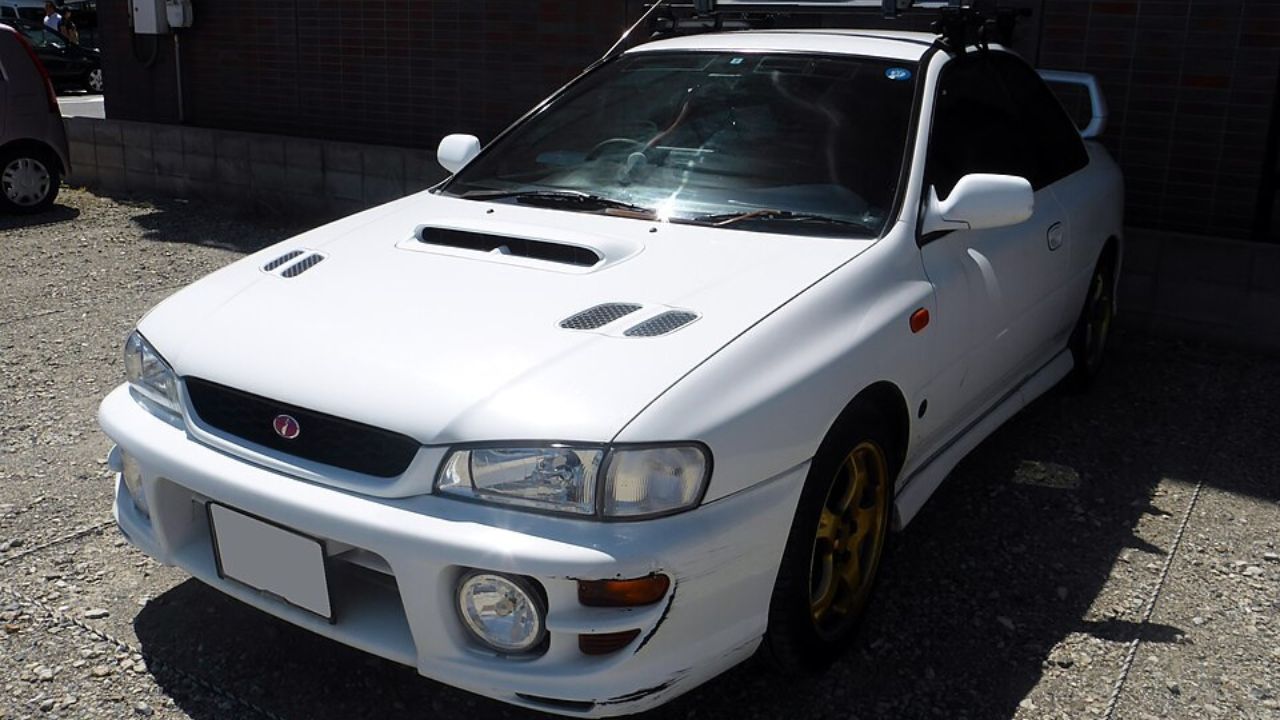
The GC8 Subaru Impreza WRX STI introduced rally-inspired all-wheel-drive tuning to enthusiasts around the world. Turbocharged boxer engines responded well to increased boost and upgraded intercoolers, allowing substantial gains in performance. Tuners also appreciated the car’s traction advantages across varying road conditions. Suspension modifications turned the WRX STI into a capable machine for rally stages, mountain roads, and track use alike. Strong motorsport heritage reinforced its credibility among enthusiasts. The GC8 helped establish Subaru as one of the most tuner-friendly manufacturers and remains deeply respected in rally and street performance communities.
Mitsubishi Lancer Evolution VI

The Mitsubishi Lancer Evolution VI became legendary because its turbocharged 4G63 engine handled extensive modification exceptionally well. Tuners extracted enormous power gains while benefiting from advanced all-wheel-drive systems designed for rally competition. Aggressive aerodynamics and sharp steering gave the Evo VI immediate motorsport character even before upgrades began. Builders worldwide embraced it for drag racing, time attack, and street performance projects. Rivalries with Subaru intensified aftermarket development throughout the late 1990s and early 2000s. Today, the Evo VI remains one of the most celebrated tuning platforms in Japanese performance history.
Toyota AE86
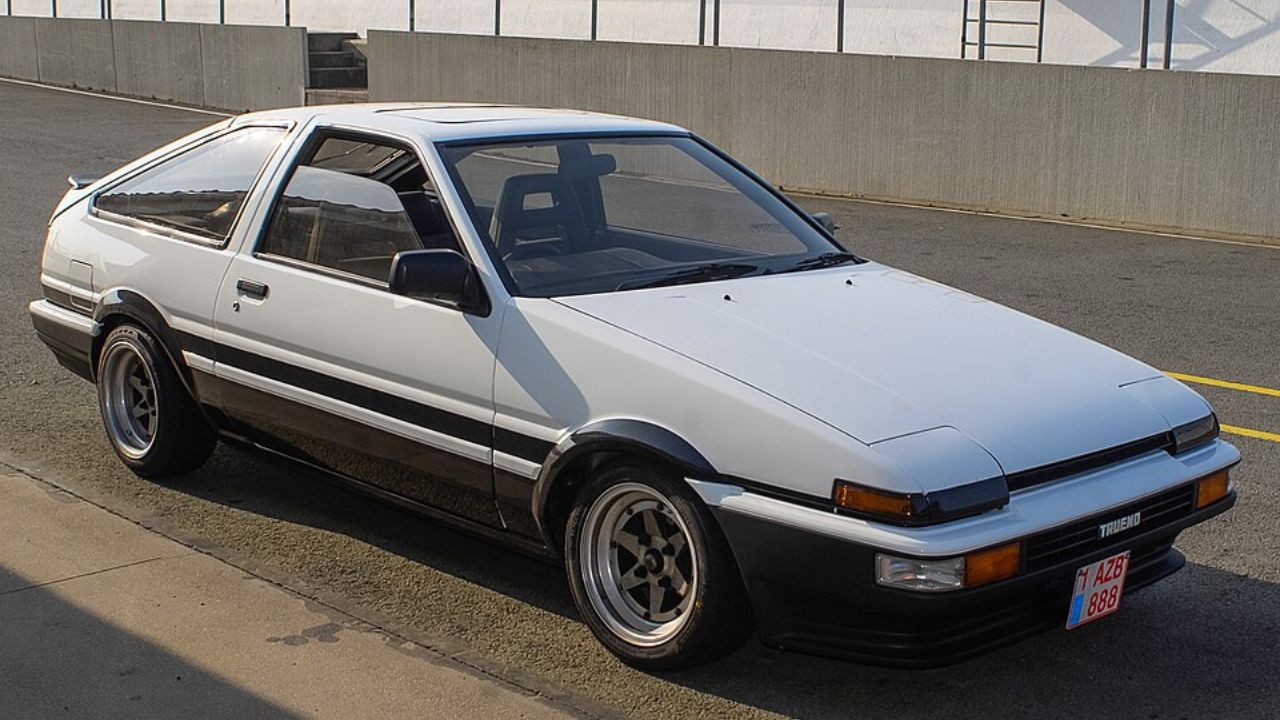
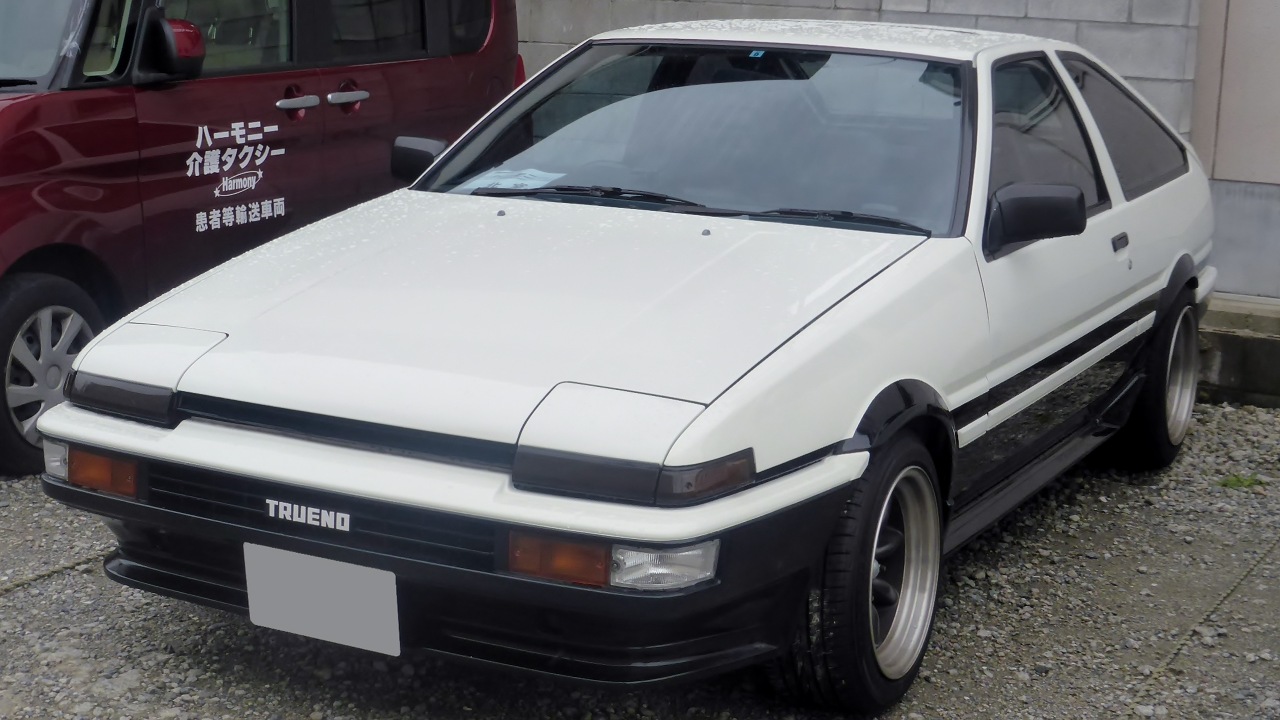
The Toyota AE86 achieved legendary tuner status through balance, simplicity, and accessibility rather than overwhelming factory horsepower. Lightweight construction and rear-wheel-drive dynamics made it ideal for drifting and grassroots racing. Enthusiasts modified suspension setups, swapped engines, and refined chassis tuning to maximize responsiveness. Its reputation grew dramatically through motorsport culture and anime exposure, inspiring generations of drivers to pursue technical skill over straight-line dominance. Affordable pricing once made the AE86 a common entry point into tuning culture. Today, it remains one of the most beloved Japanese enthusiast platforms ever created.
More from Fast Lane Only