tudebaker may have disappeared from the American automotive market decades ago, but the company produced several surprisingly quick cars. From supercharged family sedans to compact sports coupes, these models challenged much larger competitors with clever engineering and strong performance.
Studebaker Golden Hawk
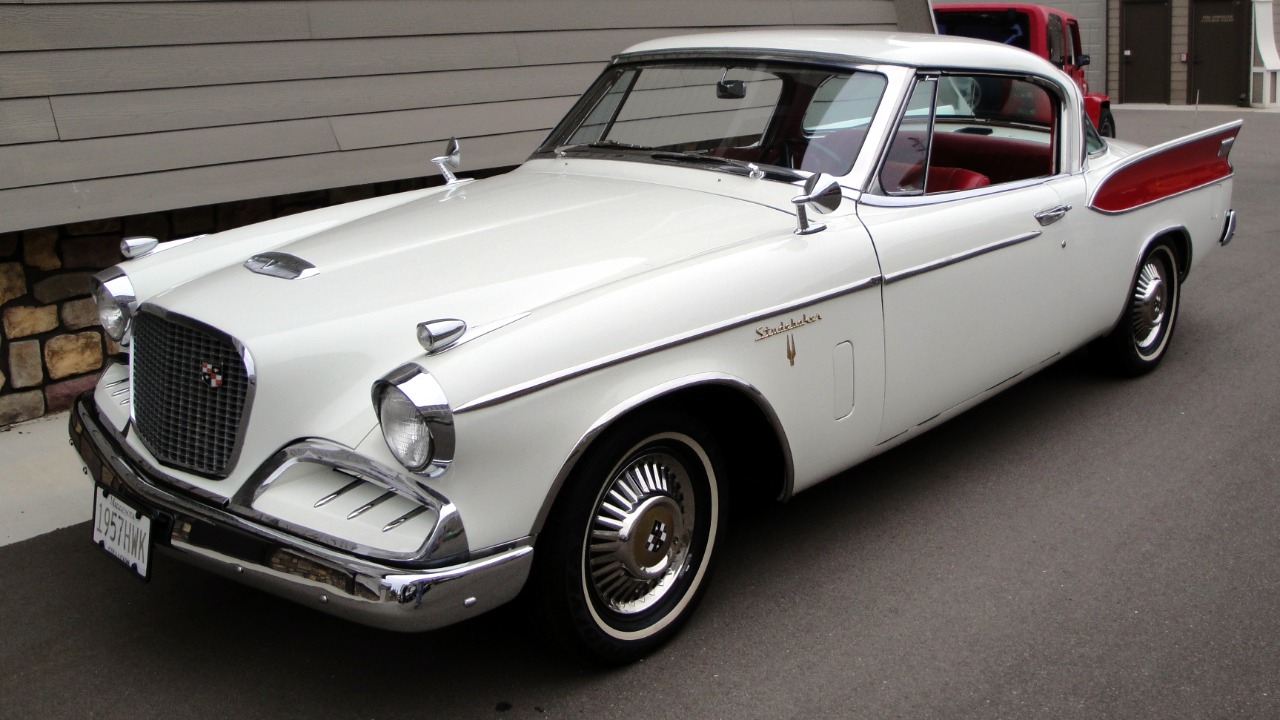
The Studebaker Golden Hawk combined elegant styling with serious V8 performance. Its supercharged 289-cubic-inch engine gave the relatively compact coupe impressive acceleration for the mid-1950s. The Golden Hawk could compete with much larger American cars while offering a distinctive European-influenced appearance. Its combination of luxury, power, and relatively modest size made it one of Studebaker’s most memorable performance cars.
Studebaker Packard Hawk
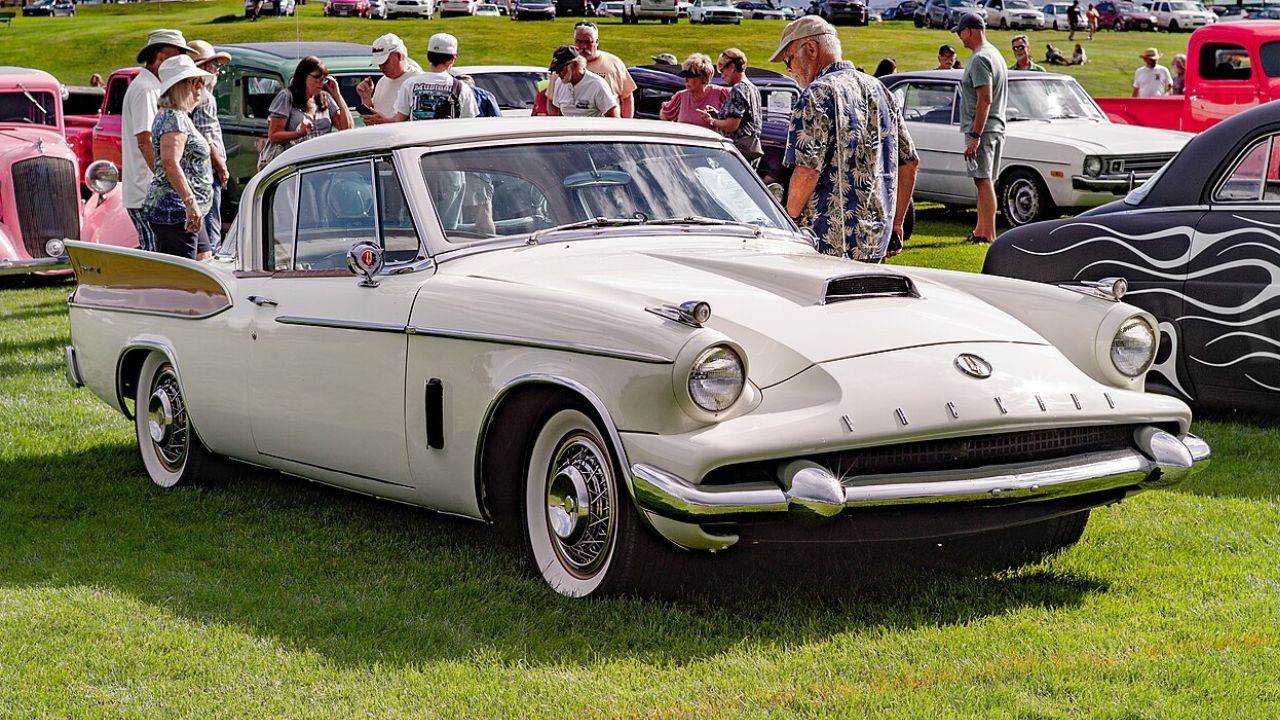
The Packard Hawk represented the final attempt to combine Packard luxury with Studebaker performance. Based on the Studebaker Hawk, it featured distinctive styling and a supercharged V8 that delivered strong acceleration. Its production run was extremely short, making surviving examples rare. Although the car arrived during a difficult period for both brands, its performance made it a fascinating forgotten muscle-era precursor.
Studebaker Avanti
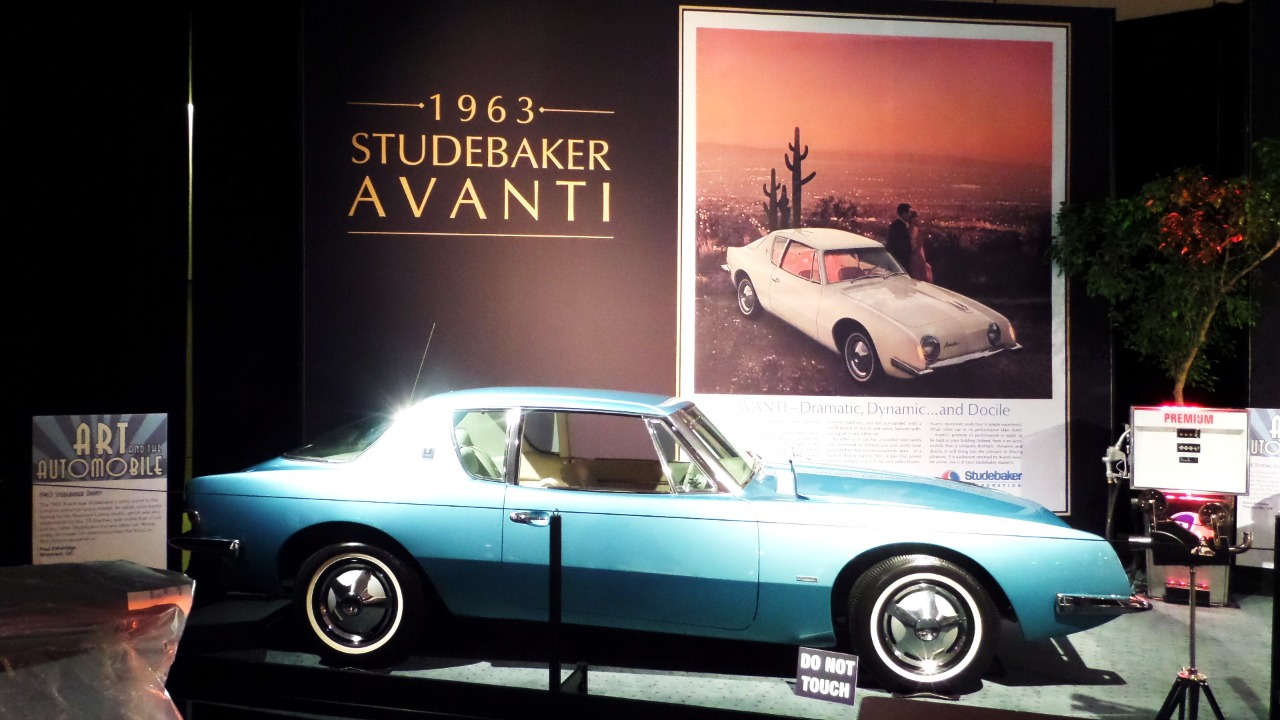
The Studebaker Avanti was radically different from conventional American cars. Its fiberglass body, sleek profile, and available supercharged V8 gave it a futuristic appearance and serious performance. The supercharged version could reach speeds that rivaled much more expensive sports cars. The Avanti demonstrated that Studebaker could still produce an innovative performance car despite the company’s financial struggles.
Studebaker Hawk

The Studebaker Hawk brought a more performance-oriented character to the company’s grand-touring lineup. Its V8 engines provided respectable power, while its long hood and fastback roofline gave it an unmistakable presence. Later versions became increasingly powerful. Although overshadowed by Chevrolet and Ford performance cars, the Hawk offered genuine speed with a distinctly different personality.
Studebaker Super Lark
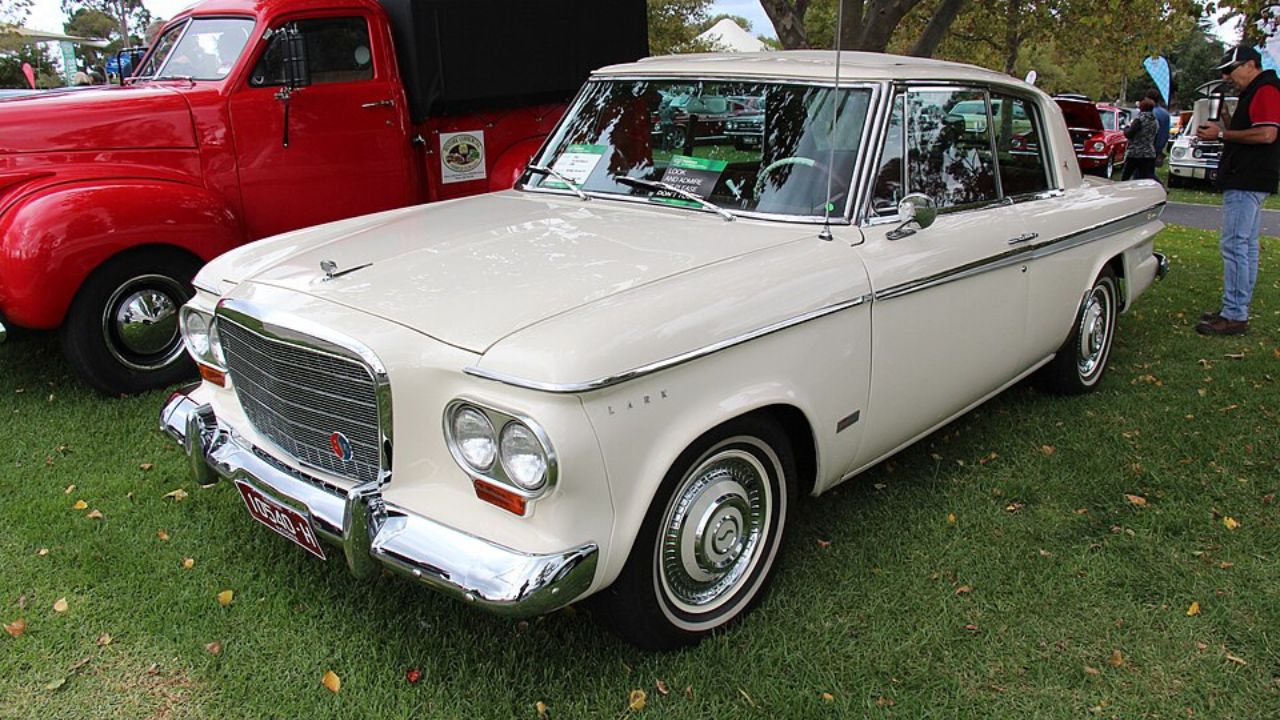
The Studebaker Super Lark combined compact dimensions with a powerful V8, creating a surprisingly quick package. Its lightweight body helped the engine deliver strong acceleration without requiring enormous displacement. The Super Lark demonstrated that Studebaker could compete with larger manufacturers by using power-to-weight advantages rather than simply installing the biggest engine available.
Studebaker R-Series Pickup
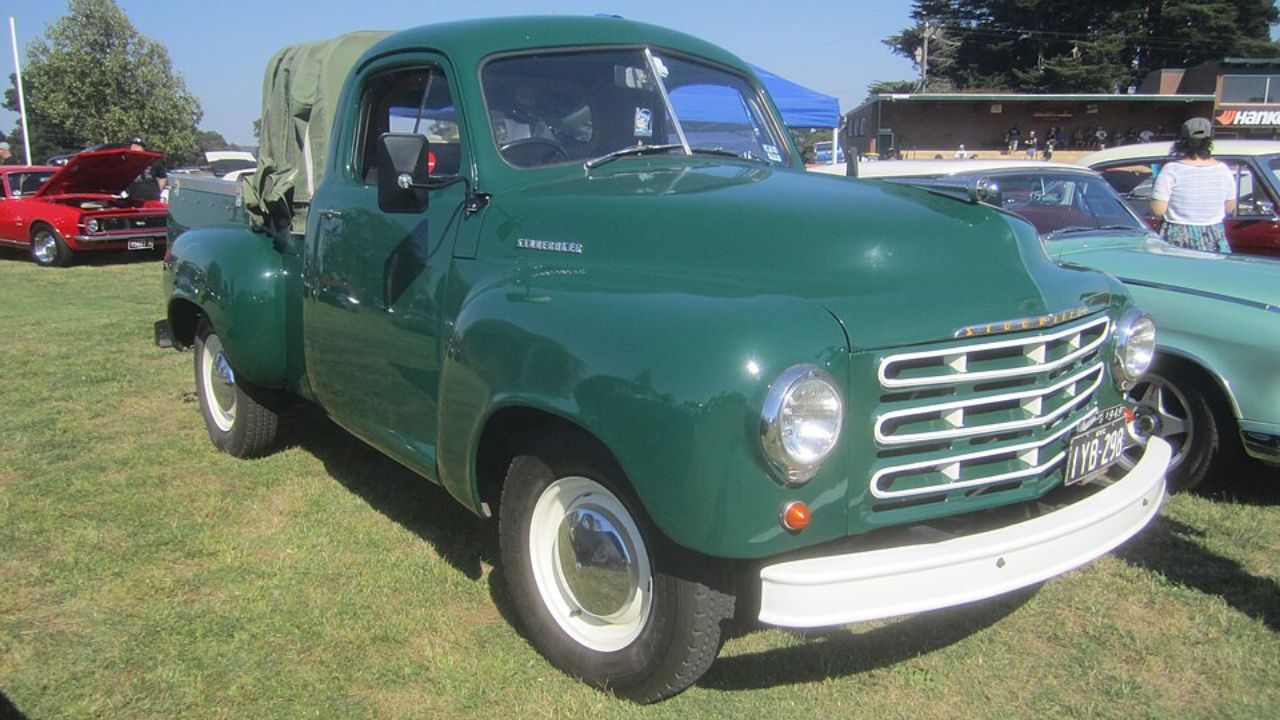
The Studebaker R-Series pickup was primarily designed as a work vehicle, but available V8 power gave some versions surprising performance. Its relatively light construction compared with larger competitors allowed it to move briskly when properly equipped. These trucks were rarely preserved as performance vehicles, making surviving high-performance examples particularly interesting today.
Studebaker Super Hawk
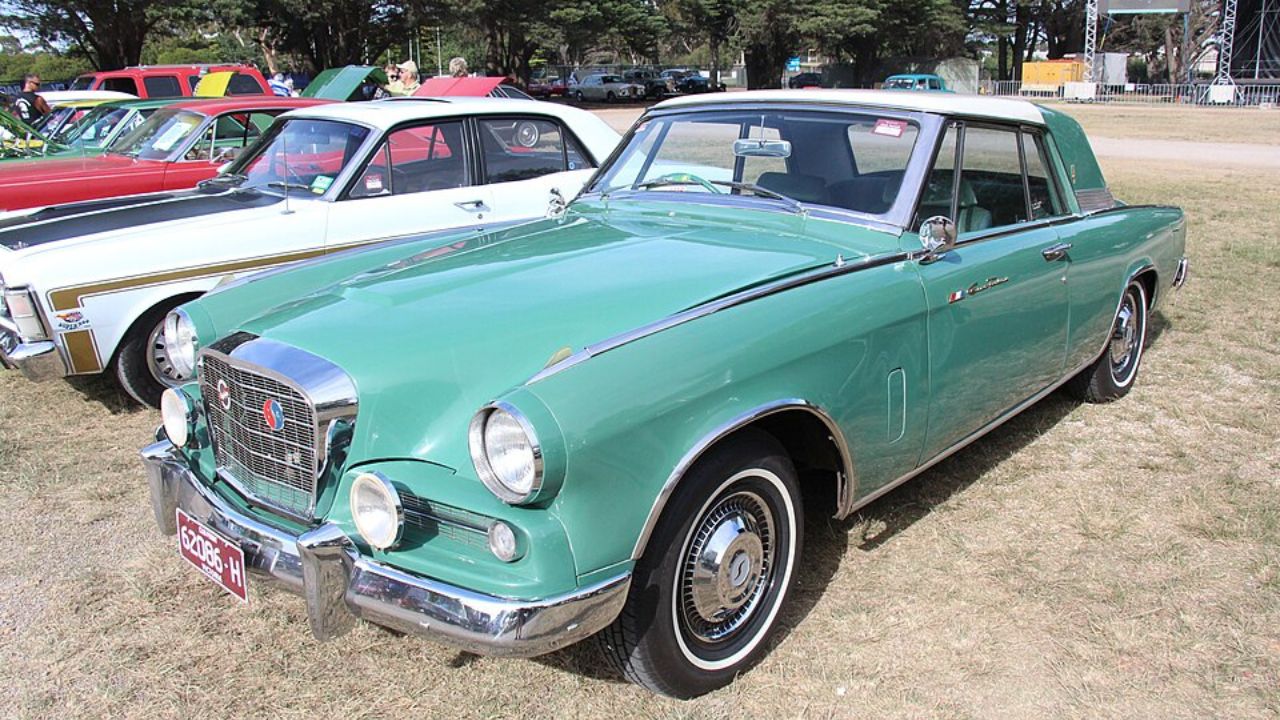
The Studebaker Super Hawk represented the company’s effort to keep its sporty lineup competitive as the American performance market accelerated. Its V8 power, relatively compact dimensions, and distinctive fastback body created an effective combination. While it never achieved the fame of the Mustang or Camaro, the Super Hawk proved Studebaker could build a genuinely quick and stylish performance car.
More from Fast Lane Only
- Unboxing the WWII Jeep in a Crate
- 15 rare Chevys collectors are quietly buying
- 10 underrated V8s still worth hunting down
- Police notice this before you even roll window down
*Research for this article included AI assistance, with all final content reviewed by human editors