Detroit’s horsepower war escalated rapidly during the 1960s and early 1970s as automakers fought for dominance through bigger engines, faster quarter-mile times, and increasingly aggressive styling. One breakthrough model could force every competitor back to the drawing board almost overnight. These muscle cars didn’t just participate in the battle—they permanently changed its direction. Their influence reshaped engineering priorities, marketing strategies, and the future of American performance culture.
Pontiac GTO
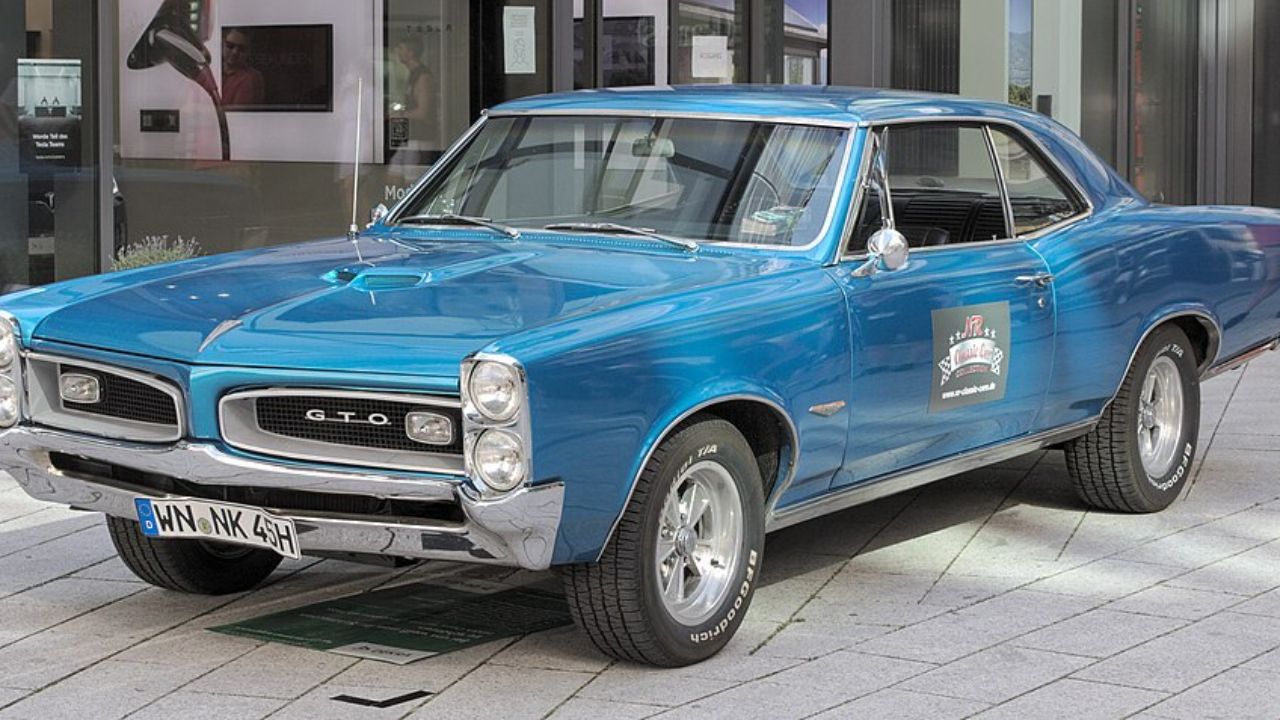
The 1964 Pontiac GTO ignited the modern muscle car movement by combining a midsize platform with a powerful 389 cubic-inch V8. Before the GTO, most manufacturers focused performance efforts on heavier full-size cars or expensive specialty models. Pontiac proved younger buyers wanted affordable speed in a practical package. Strong sales immediately caught Detroit’s attention and forced competitors to respond with their own high-powered intermediates. The GTO fundamentally shifted the industry toward factory-built street performance, launching a horsepower race that would dominate American automotive culture for the remainder of the decade.
Plymouth Road Runner
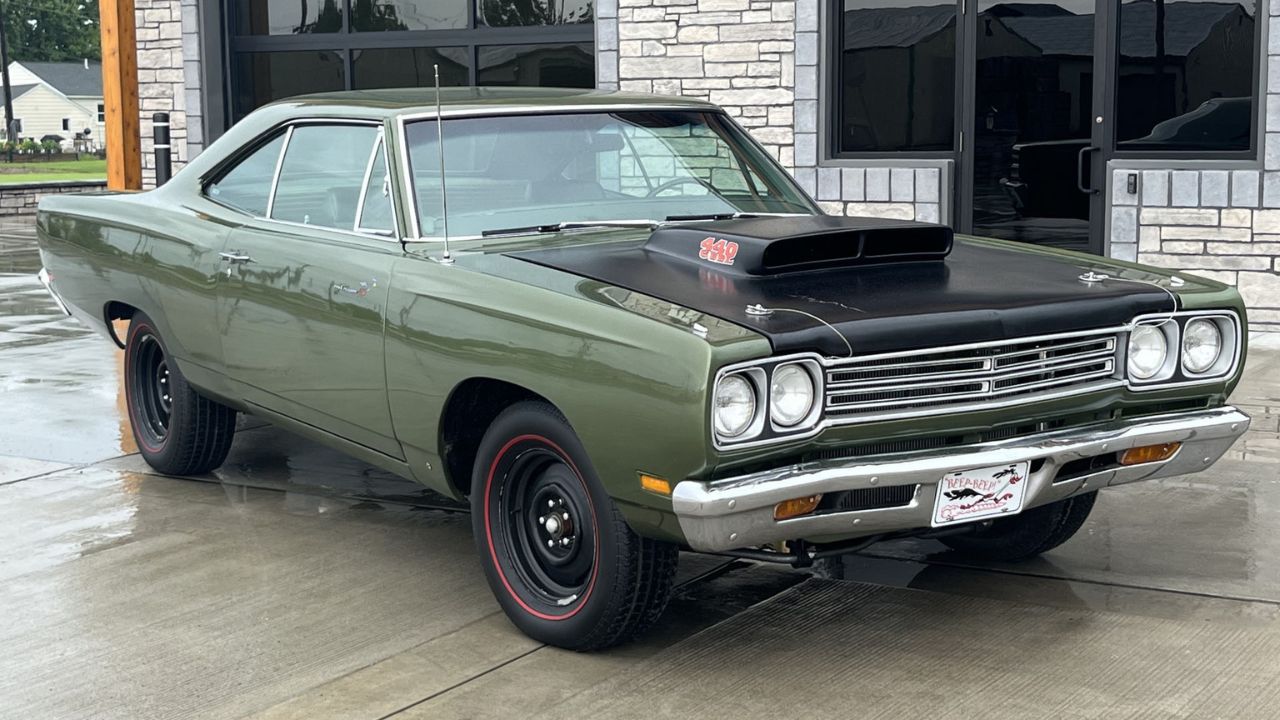
The Plymouth Road Runner simplified the muscle formula by stripping away luxury and focusing almost entirely on affordable big-block performance. Its cartoon branding and low pricing appealed directly to younger enthusiasts who cared more about acceleration than premium trim. Competitors suddenly looked overpriced and overly complicated by comparison. The Road Runner’s success proved buyers would enthusiastically embrace raw speed without unnecessary extras. Detroit quickly realized performance packages didn’t need upscale image or expensive features to succeed, changing how manufacturers approached muscle car marketing and broadening the horsepower war’s audience dramatically.
Chevrolet Chevelle SS 454 LS6
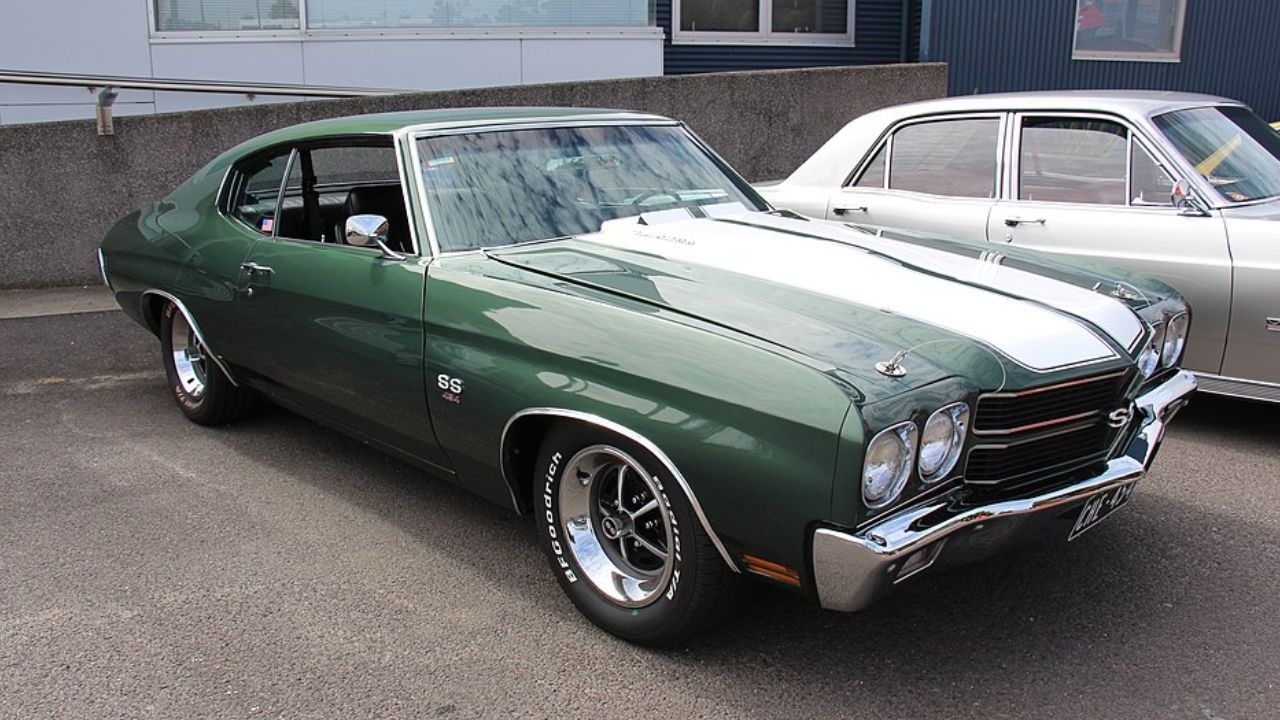
The 1970 Chevelle SS 454 LS6 pushed factory muscle performance to an extreme level with officially advertised output of 450 horsepower. Real-world performance often exceeded those numbers, making it one of the most feared street cars of its era. Chevrolet’s willingness to release such a powerful package intensified the horsepower battle dramatically. Rival manufacturers scrambled to keep pace with escalating displacement and torque figures. The LS6 represented the peak of Detroit’s brute-force philosophy, proving the horsepower war had evolved into a competition of increasingly outrageous factory-engineered street machines.
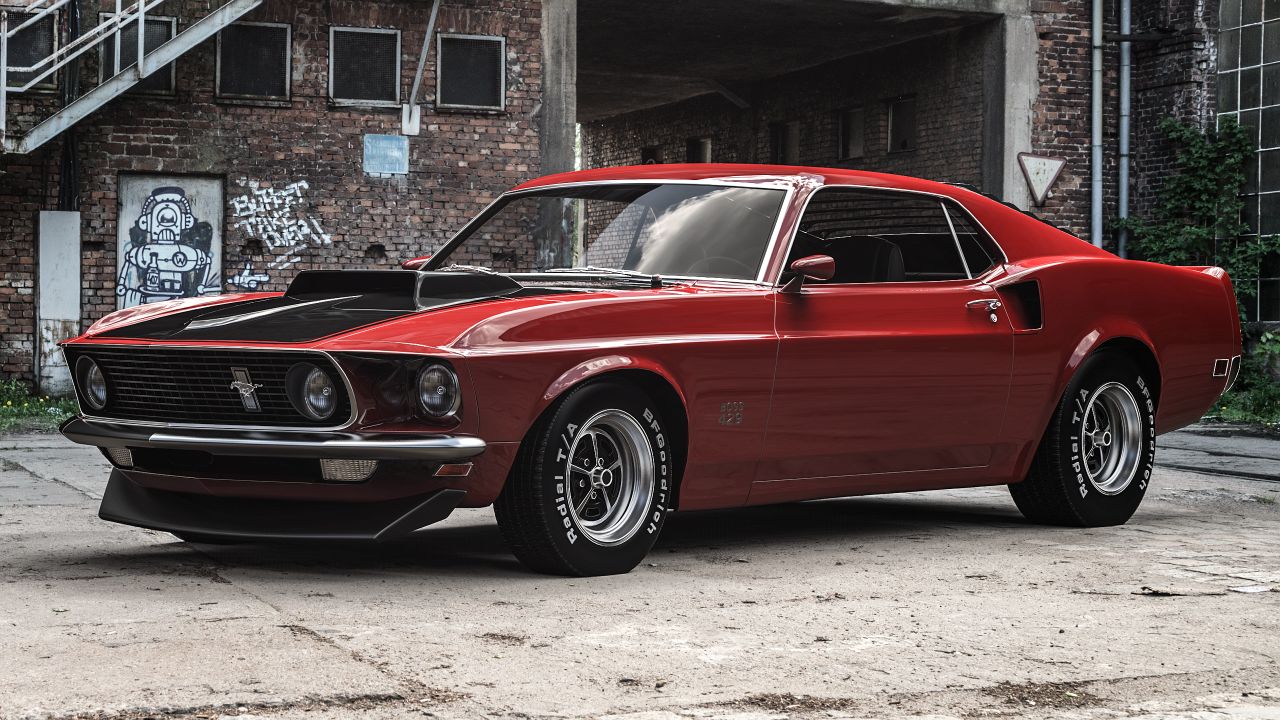
Ford Mustang Boss 429
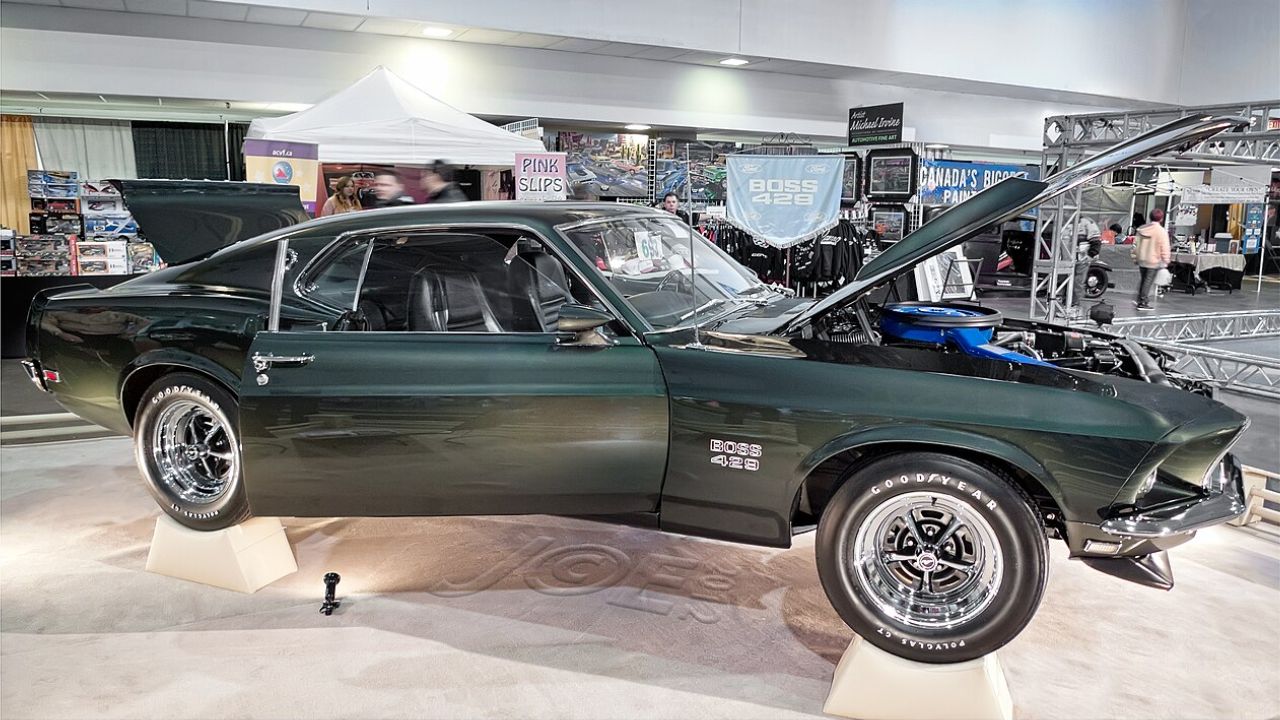
The Mustang Boss 429 showcased Ford’s commitment to combining NASCAR homologation with street credibility. Installing the massive semi-hemispherical 429 engine into the Mustang required extensive factory modifications, emphasizing how serious Ford had become about performance dominance. Official horsepower ratings understated its actual capability, adding to its mystique among enthusiasts. The Boss 429 raised expectations for what a factory-backed muscle car could deliver. Rival pony cars suddenly seemed less ambitious, and manufacturers recognized that racing technology and exclusivity could dramatically strengthen showroom performance reputation during the height of the horsepower war.
Dodge Charger Daytona

The Dodge Charger Daytona revolutionized performance thinking by proving aerodynamics could matter as much as raw horsepower. Its pointed nose cone and towering rear wing looked outrageous, but they were developed specifically to dominate NASCAR at high speeds. When the Daytona became the first NASCAR vehicle to break 200 mph, competitors immediately realized traditional body designs were outdated. The car shifted Detroit’s focus toward wind-tunnel development and high-speed stability. Beyond styling drama, it permanently changed how manufacturers approached race-inspired engineering and demonstrated the growing importance of aerodynamics in performance competition.
Buick GSX Stage 1
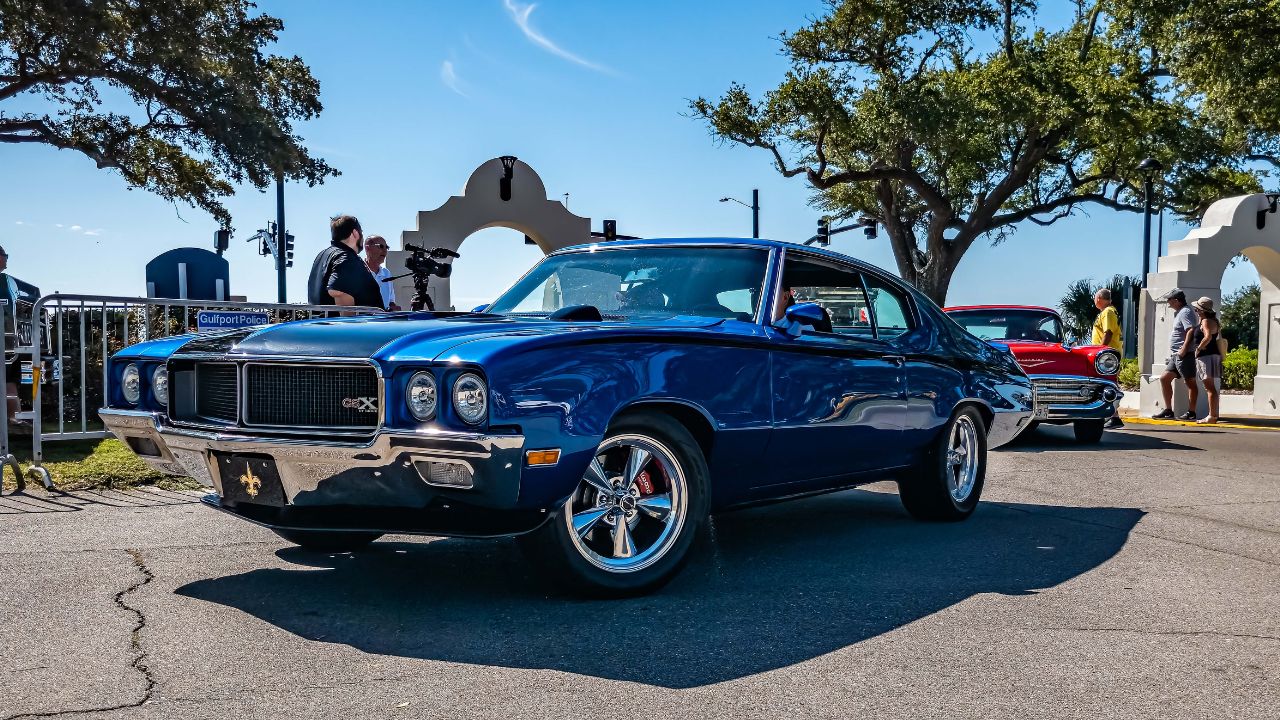
The Buick GSX Stage 1 shocked enthusiasts by delivering enormous real-world torque from its Stage 1 455 V8 package. Buick had traditionally been associated with comfort and luxury rather than brutal street performance, making the GSX especially surprising. Its acceleration challenged better-known rivals despite conservative factory horsepower ratings. Competitors suddenly realized refinement and muscle could coexist effectively in the same vehicle. The GSX broadened the horsepower war beyond youthful aggression alone, proving sophisticated engineering and premium image could still produce one of the era’s fastest factory muscle cars.
AMC AMX
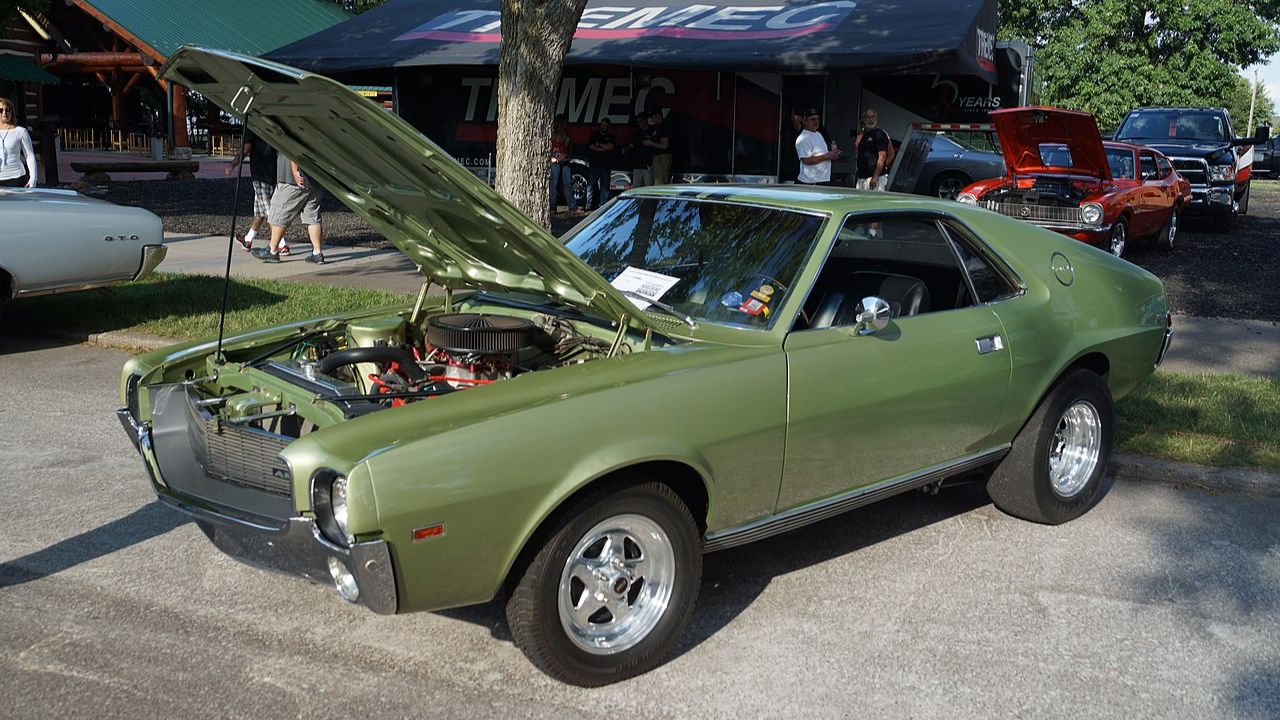
The AMC AMX demonstrated that even smaller independent manufacturers could influence Detroit’s escalating performance battle. Featuring a short wheelbase, two-seat layout, and available 390 cubic-inch V8, it delivered serious speed in a more compact package than many rivals. Larger automakers initially underestimated AMC’s ambitions until the AMX gained credibility at drag strips and among enthusiasts. Its success showed the horsepower war wasn’t limited to Detroit’s biggest companies. The AMX encouraged experimentation with weight reduction and tighter dimensions, influencing future performance thinking beyond simple increases in engine size alone.
More from Fast Lane Only