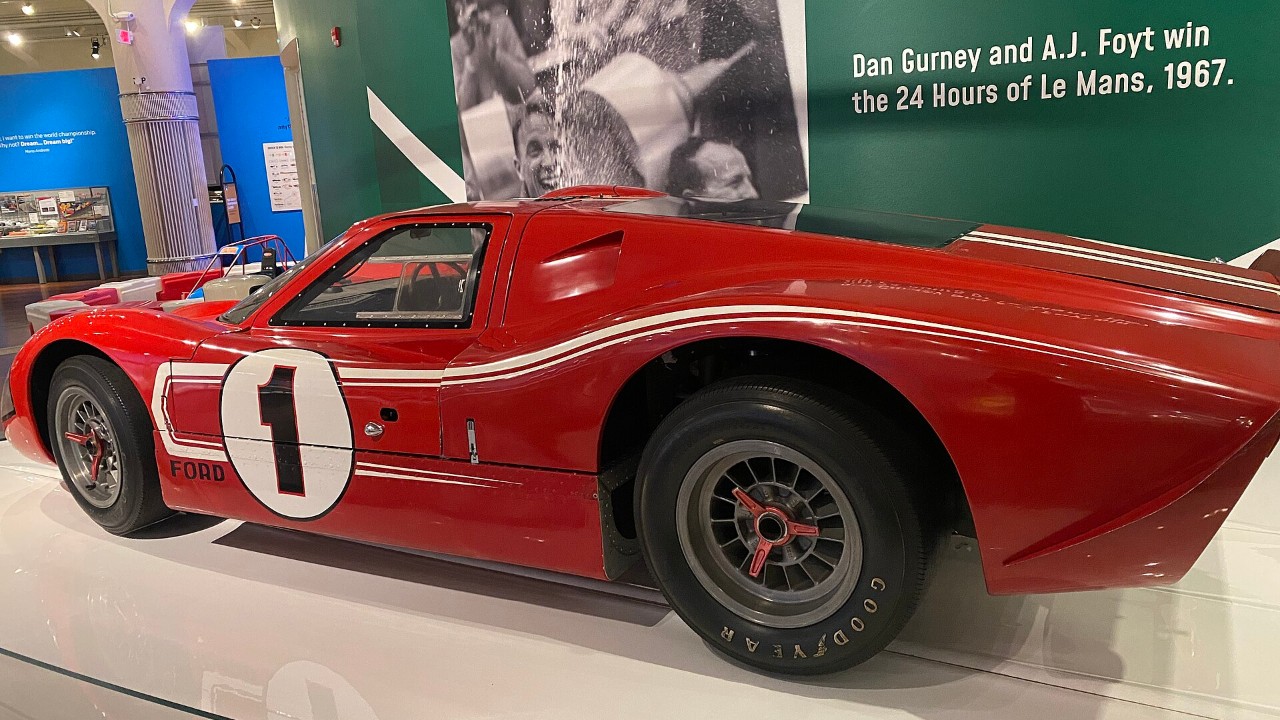
Not every legendary performance car was a standalone model. Some of the most desirable machines came from obscure factory option packages that transformed ordinary cars into serious street and track threats. Many were overlooked when new, either because buyers didn’t understand them or production numbers stayed low. Decades later, collectors aggressively search for these forgotten packages as values and appreciation continue climbing.
Chevrolet Chevelle SS 454 LS6
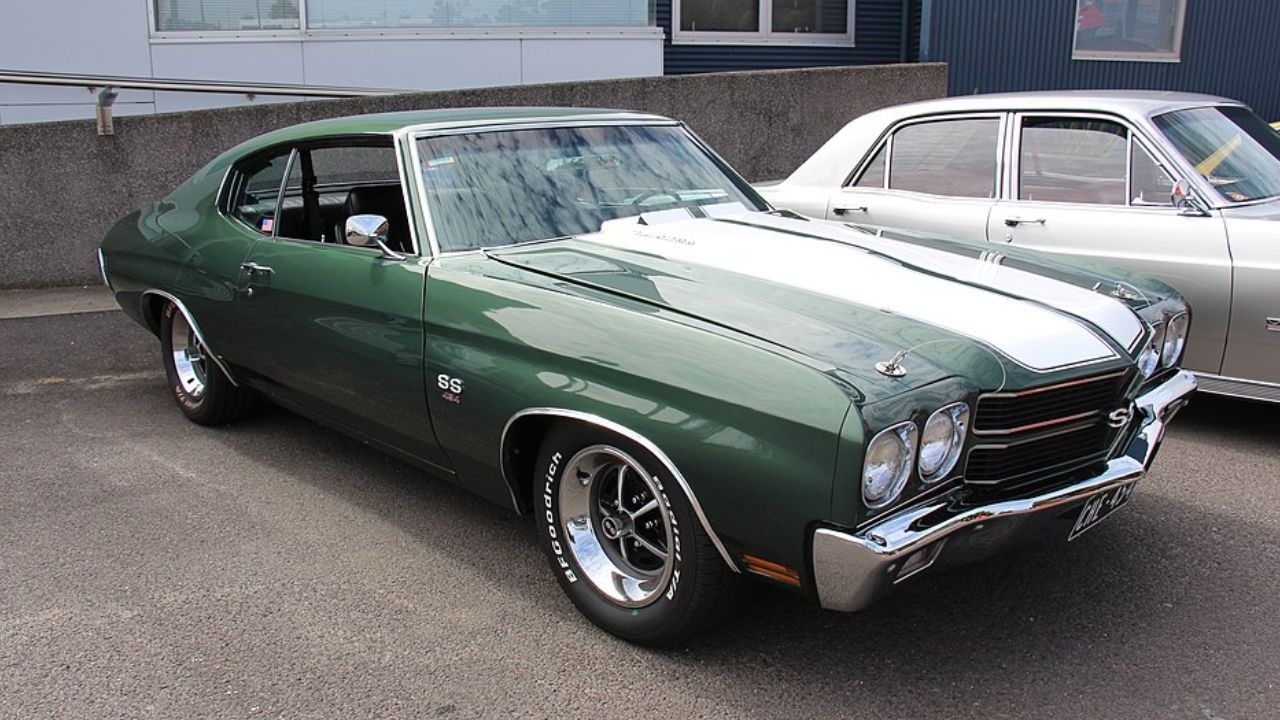
The LS6 option package elevated the 1970 Chevelle SS into one of the most feared muscle cars of its era. While many buyers settled for smaller engines, the LS6 delivered massive big-block power officially rated at 450 horsepower. Upgraded internals and aggressive tuning gave it devastating drag-strip performance. Production numbers remained relatively limited, increasing long-term rarity. For years, some collectors focused more heavily on Hemi Mopars and Boss Mustangs, allowing LS6 cars to fly slightly under the radar. Today, enthusiasts hunt relentlessly for authentic examples because they represent the absolute peak of factory Chevrolet muscle performance.
Pontiac Firebird Trans Am SD-455
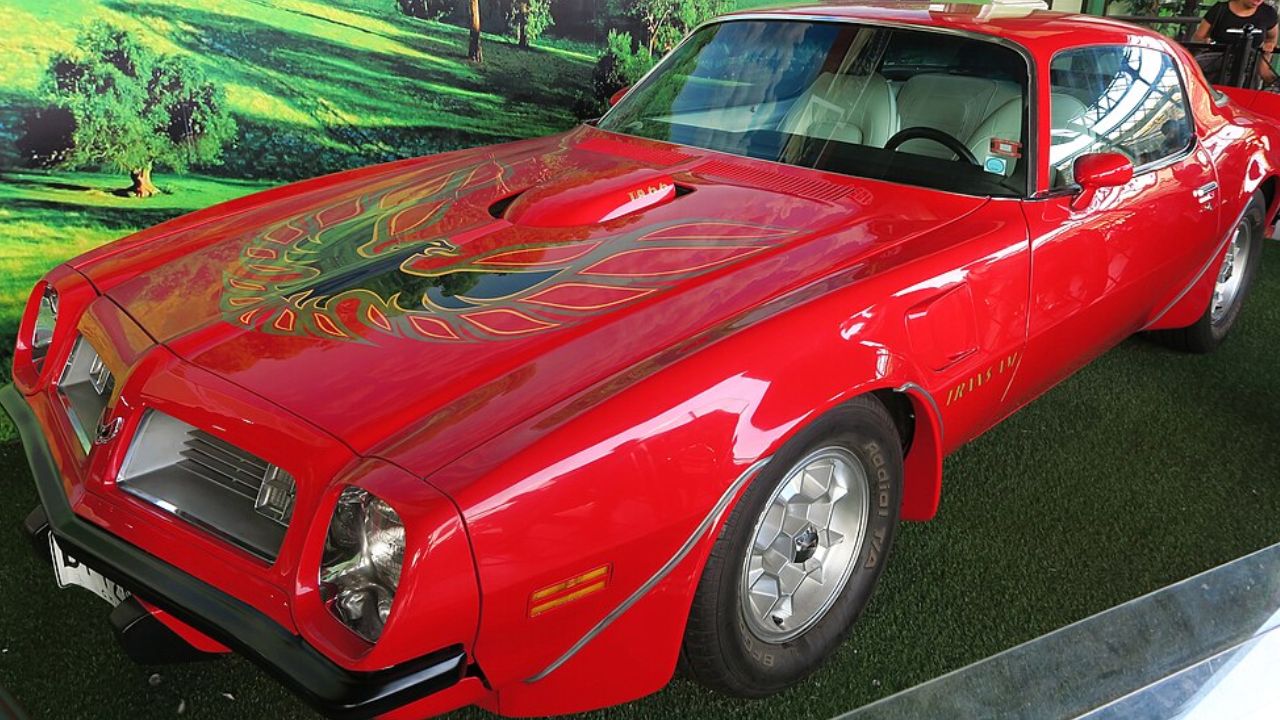
The Super Duty 455 package arrived during tightening emissions restrictions, making its performance credentials even more impressive. Pontiac engineers strengthened internals and optimized airflow to preserve serious V8 capability despite regulatory pressure. Production totals stayed extremely low, partly because insurance costs discouraged buyers at the time. The SD-455’s reputation grew steadily among enthusiasts who recognized it as one of the last truly brutal muscle-era Pontiacs. Modern collectors now pursue verified examples aggressively because they combine rarity, historical significance, and genuine street performance from an era when most competitors were rapidly losing power.
Buick GSX Stage 1
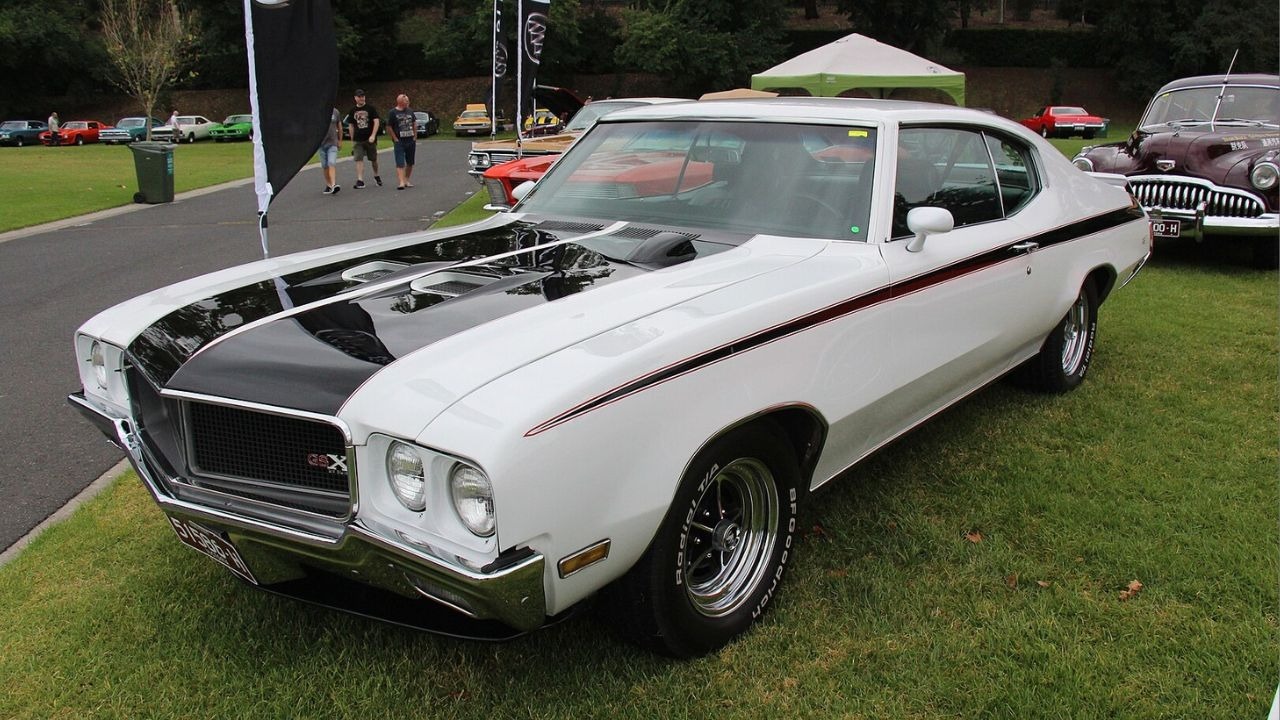
The Buick GSX Stage 1 package transformed Buick’s comfortable grand touring coupe into a torque-heavy monster capable of embarrassing better-known rivals. Massive low-end pulling power defined its character, while bold paint colors and graphics gave it unmistakable presence. Buyers often underestimated Buick’s intentions, keeping production relatively small. Over time, enthusiasts realized the Stage 1 engine delivered some of the strongest real-world acceleration of the muscle era. Today, collectors desperately seek original GSX Stage 1 cars because they represent a rare combination of luxury, brutality, and underdog reputation rarely matched by mainstream muscle icons.
Oldsmobile 442 W30
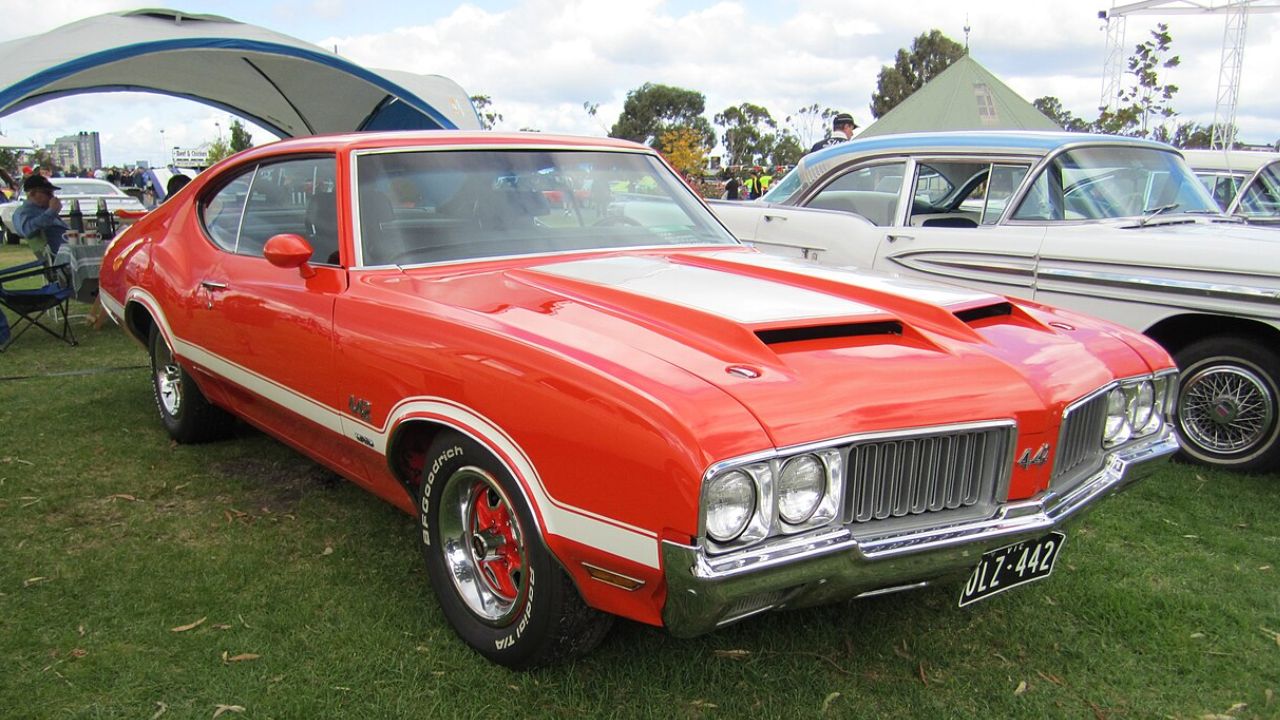
The W30 package gave the Oldsmobile 442 upgraded induction, improved internals, and sharper overall performance compared to standard versions. Functional cold-air induction and revised camshaft tuning created a car respected quietly by knowledgeable street racers. Oldsmobile lacked the flashy image of some competitors, which caused many buyers to overlook the W30 when new. That subtle reputation helped preserve its sleeper appeal for decades. Modern enthusiasts now aggressively search for documented W30 examples because they deliver authentic big-block performance combined with rarity and understated engineering sophistication from the height of Detroit’s horsepower war.
Dodge Dart GTS 440
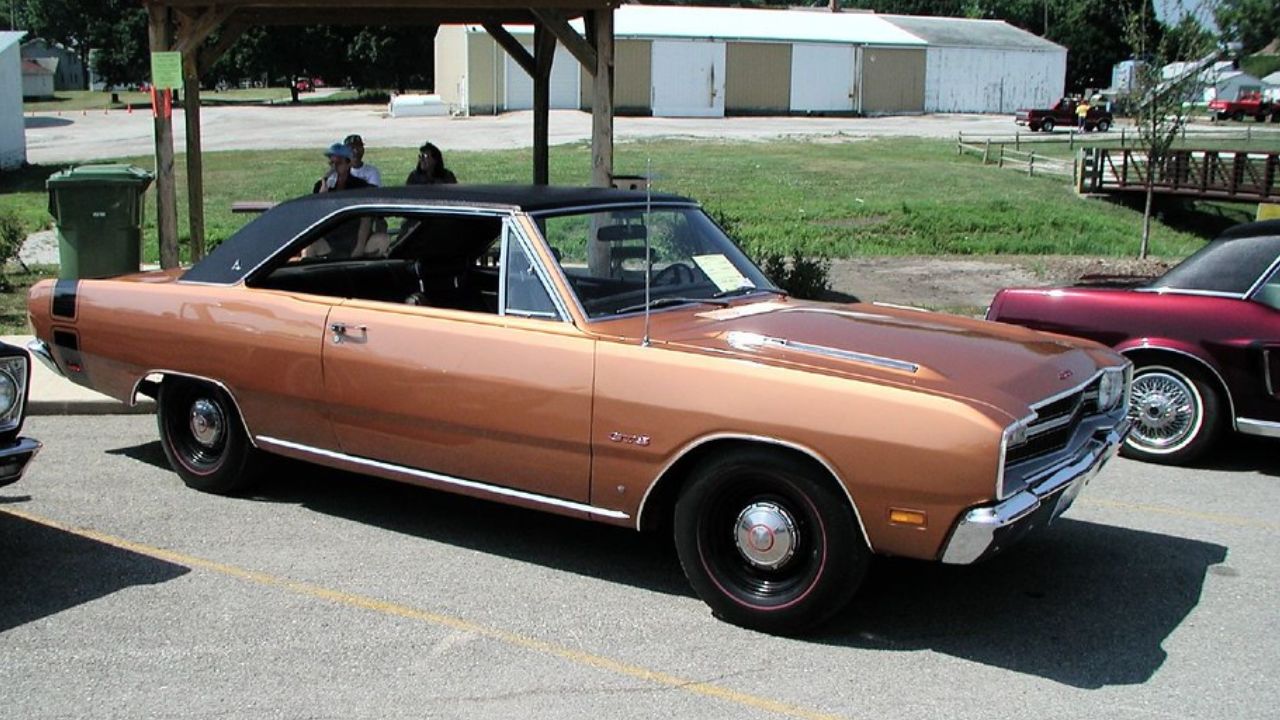
Stuffing a massive 440 cubic-inch V8 into the compact Dodge Dart created one of the most outrageous factory muscle combinations ever attempted. The GTS 440 package produced explosive straight-line speed but also created traction and packaging challenges that limited production. Its lightweight body and huge torque output made it terrifyingly quick for the period. Because relatively few were built, survivors became exceptionally rare. Collectors now chase authentic examples intensely because the GTS 440 represents pure muscle car excess—an era when manufacturers prioritized outrageous performance over practicality or refinement.
Ford Mustang Mach 1 Super Cobra Jet
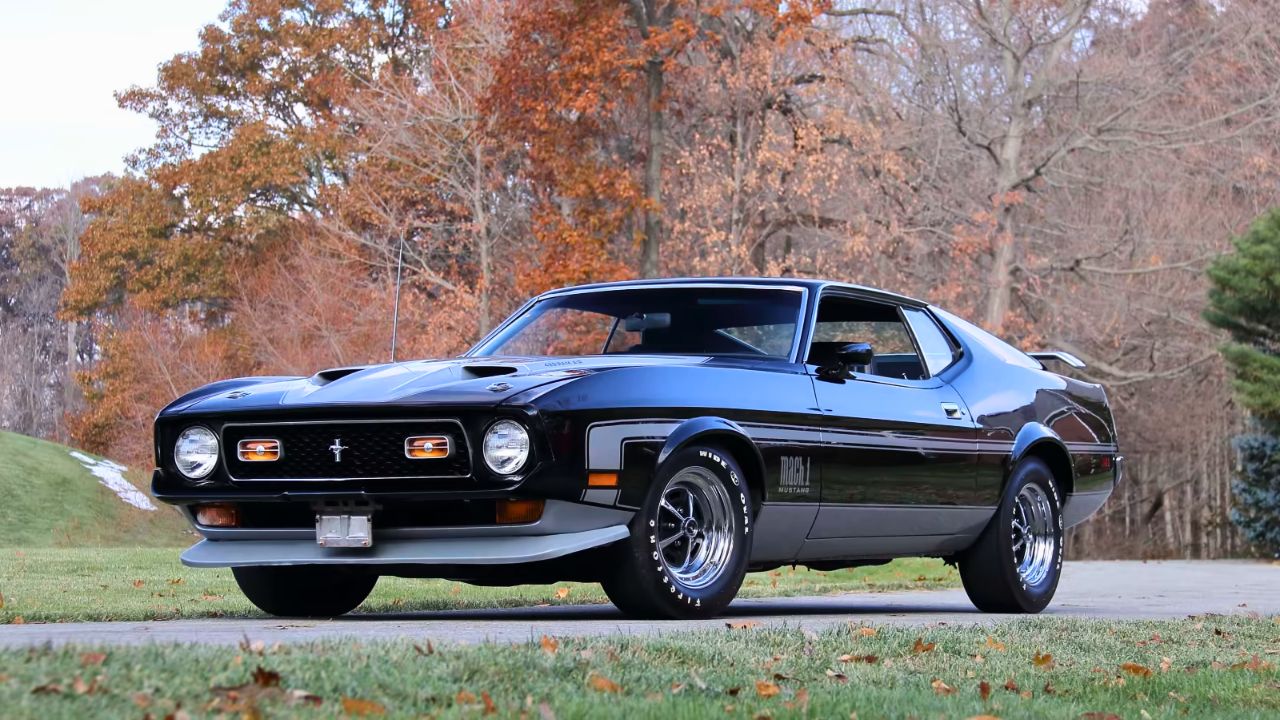
The Super Cobra Jet package turned the Mustang Mach 1 into a drag-racing-focused weapon with upgraded internals, stronger suspension components, and specialized cooling. Ford engineered it specifically for buyers who wanted maximum quarter-mile capability straight from the factory. Despite impressive performance, many casual buyers never fully understood how different the Super Cobra Jet package was from ordinary Mach 1 trims. That confusion kept numbers limited and documentation critical today. Enthusiasts now pursue verified examples aggressively because they symbolize Ford’s most serious factory drag-racing ambitions during the peak of the muscle era.
Pontiac Can Am
MyClassicCarTV/Youtube
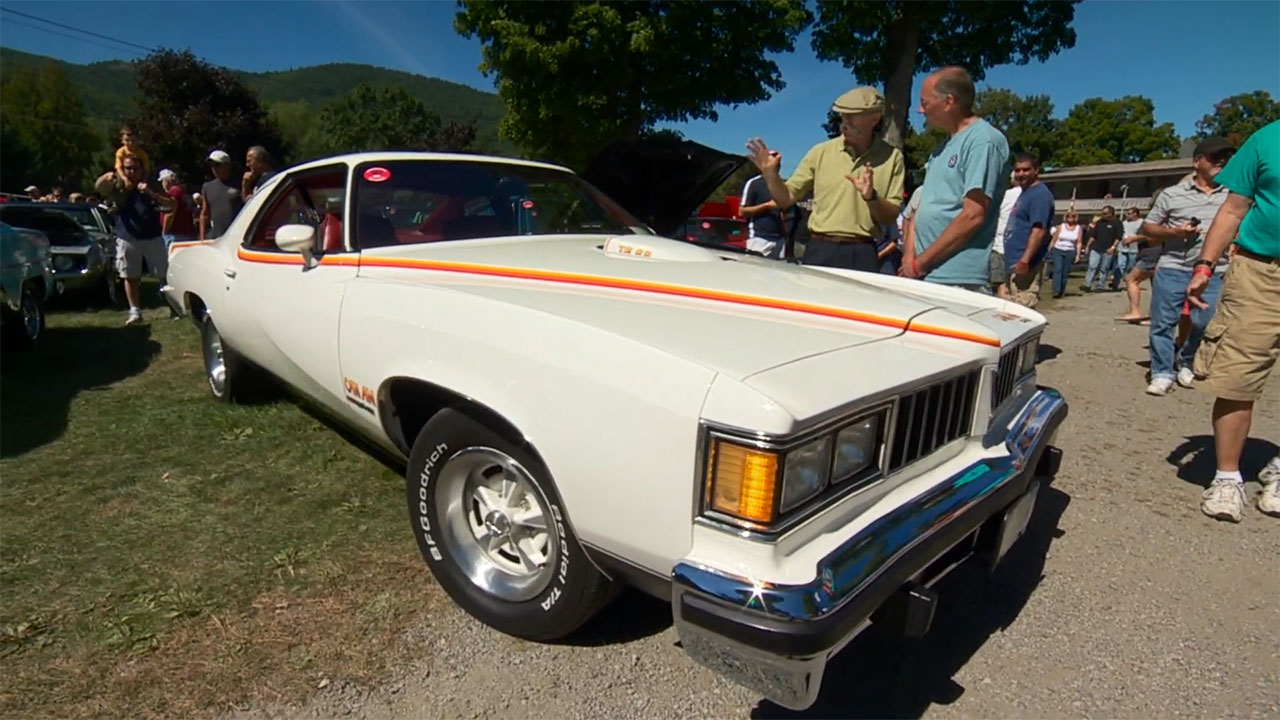
The Pontiac Can Am package briefly revived muscle car excitement during the late 1970s by combining midsize practicality with strong V8 performance and aggressive styling. Based on the LeMans Sport Coupe, it featured spoilers, graphics, and available 400 cubic-inch power that distinguished it from ordinary intermediates. Production complications ended the program early, creating instant rarity. Because it arrived during the malaise era, many enthusiasts overlooked it for years. Modern collectors now recognize the Can Am as a fascinating transitional performance package that preserved Pontiac’s rebellious spirit during a difficult period for American horsepower.
AMC Rebel Machine
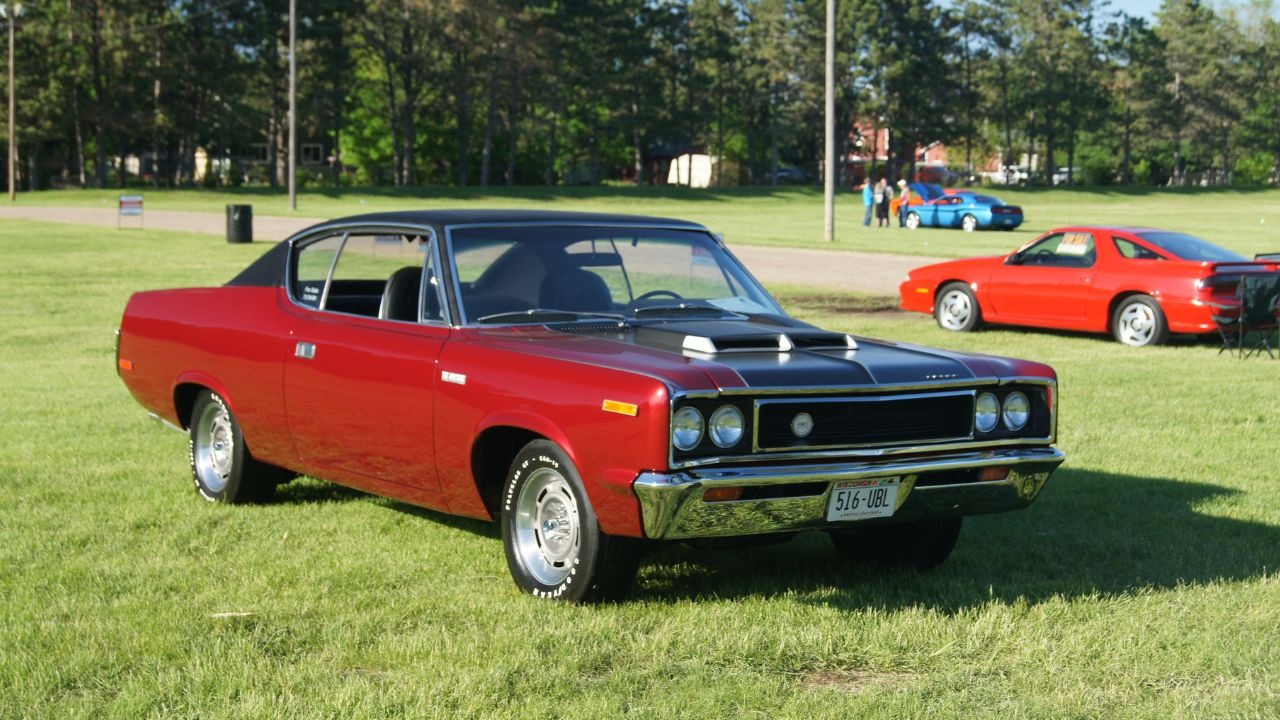
The AMC Rebel Machine package proved smaller manufacturers could still compete in the muscle wars through creativity and bold engineering. Equipped with a potent 390 cubic-inch V8 and distinctive patriotic graphics, it delivered serious straight-line performance in a midsize platform. AMC’s limited production capacity ensured rarity from the beginning, while the company’s smaller market presence caused many buyers to underestimate the car’s capability. Over time, enthusiasts realized the Rebel Machine offered authentic muscle credentials with far greater scarcity than many mainstream rivals. Today, collectors hunt surviving examples because of their uniqueness and underdog legacy.
More from Fast Lane Only