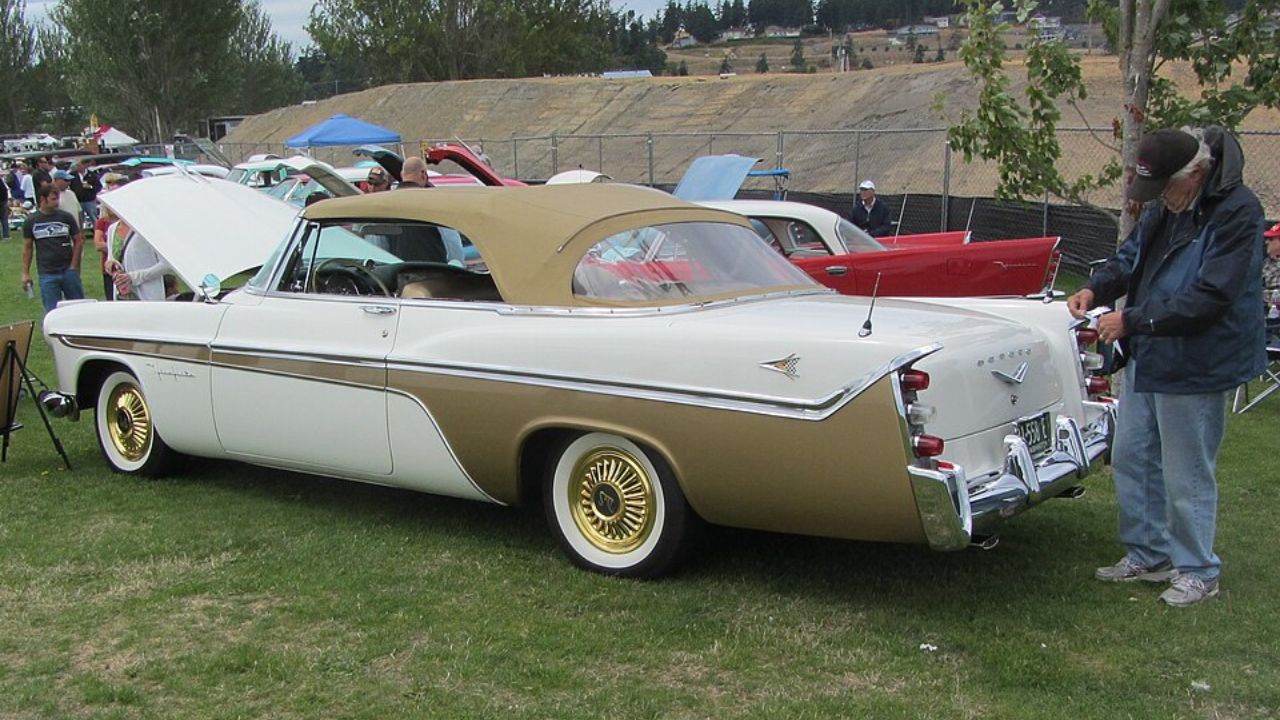
DeSoto produced more than two million automobiles during its 33-year existence, yet many of its unusual models have almost completely disappeared from modern roads. Some were revolutionary designs that sold poorly, while others were low-production body styles that spent their lives as ordinary transportation. From streamlined Airflows to short-lived prewar customs, these seven DeSotos are now rare enough that even experienced car enthusiasts may never encounter one in person.
DeSoto Airflow
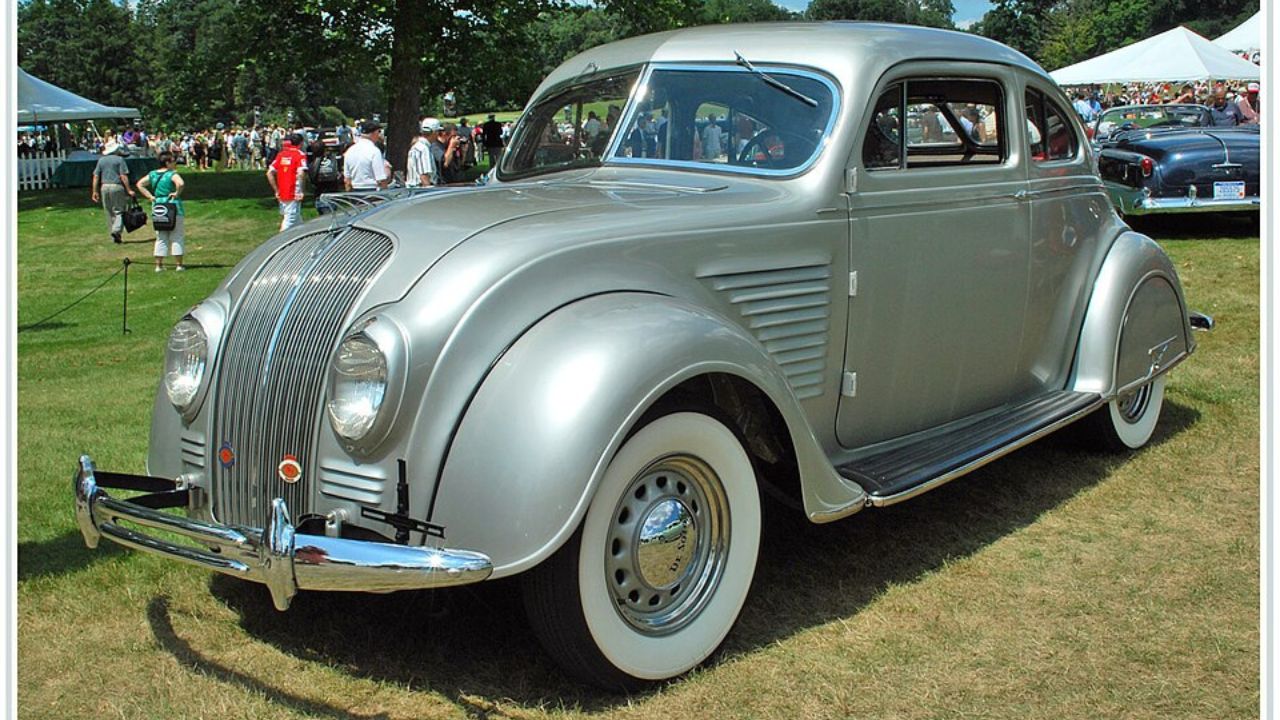
The DeSoto Airflow was one of the most radical cars the company ever produced. Introduced for 1934, it used streamlined styling, a shorter wheelbase than the larger Chrysler Airflow, and a six-cylinder engine. Although the Airflow represented an important step toward aerodynamic automobile design, buyers were not immediately comfortable with its unconventional appearance. Production lasted only through 1936, leaving surviving examples exceptionally uncommon today.
DeSoto Airstream
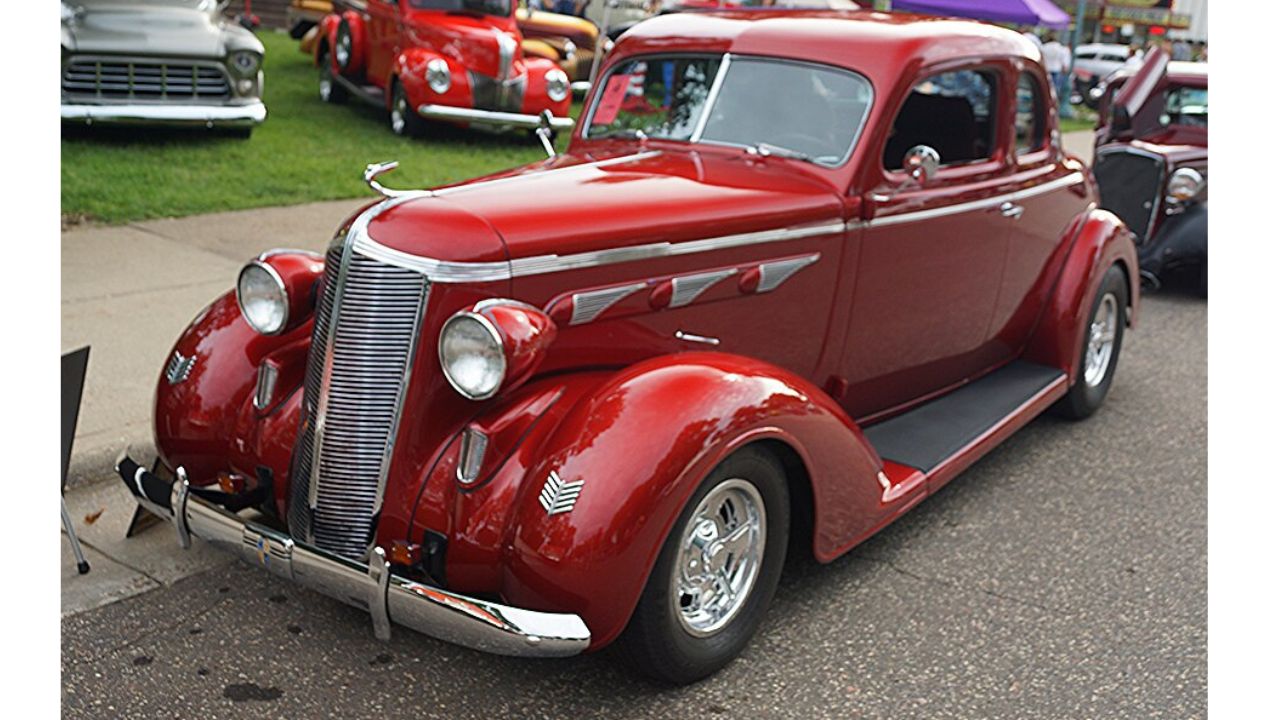
The DeSoto Airstream served as a more conventional companion to the controversial Airflow. Introduced for 1935, it offered traditional styling while still benefiting from DeSoto’s updated engineering. The model was sold alongside the Airflow before being renamed for 1936. Because the Airstream occupied such a brief period in DeSoto history, surviving examples are considerably less familiar than the company’s later postwar cars.
DeSoto Custom Convertible
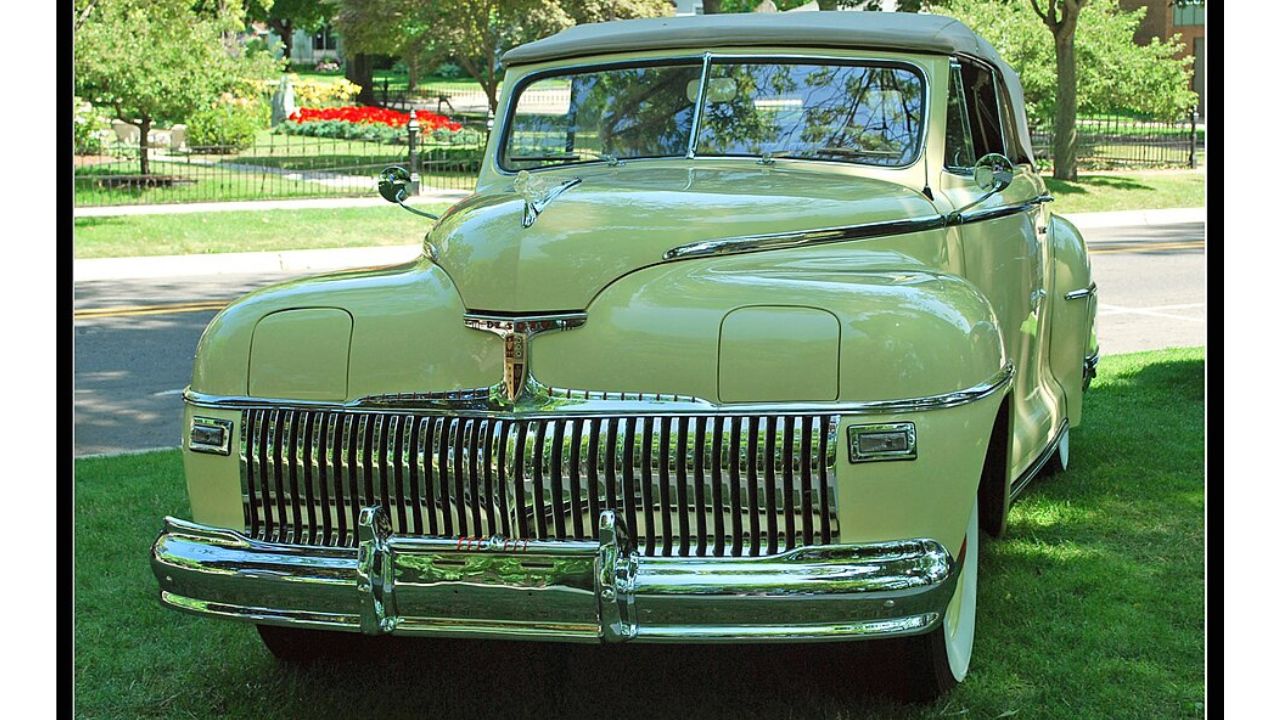
The DeSoto Custom was normally associated with practical full-size sedans, making its convertible version particularly unusual. Only 3,950 Custom convertibles were built for the 1951 and 1952 model years combined. The cars used DeSoto’s six-cylinder powertrain but offered the open body style that collectors tend to seek today. Their low production numbers and attractive postwar styling make surviving examples difficult to encounter outside major collections and shows.
DeSoto Custom Limousine
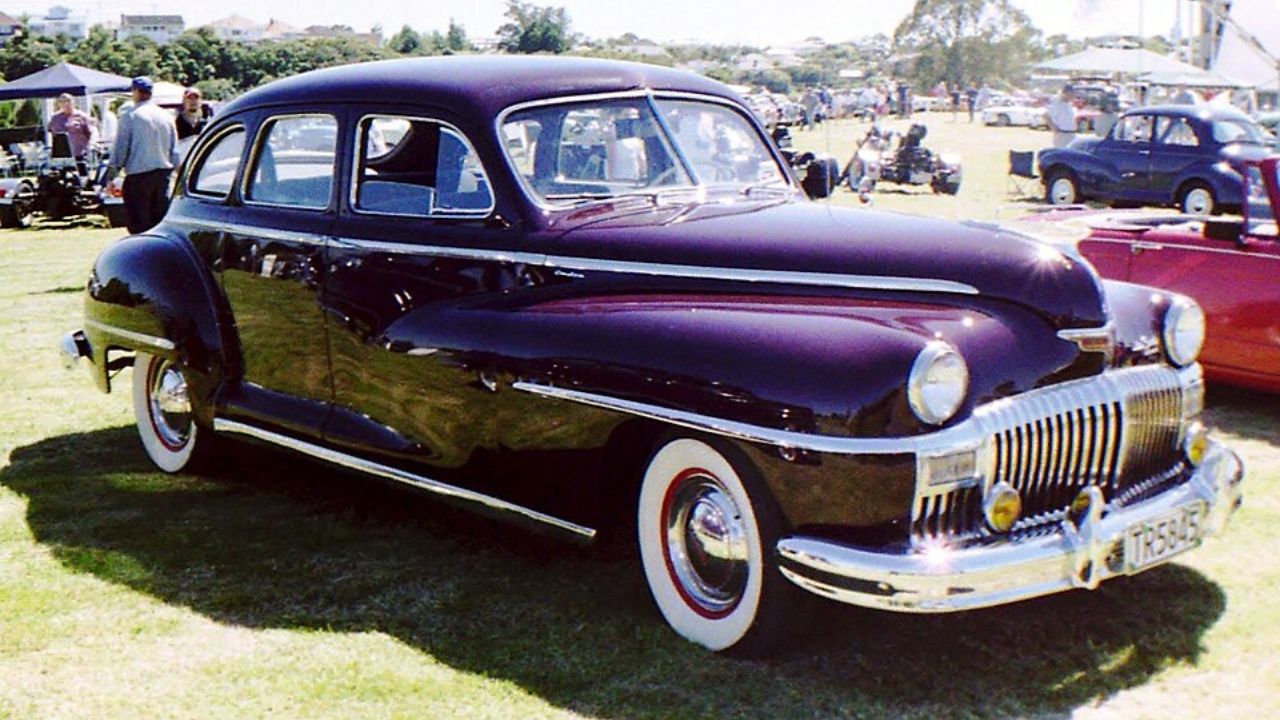
The DeSoto Custom Limousine was an especially unusual branch of the company’s prewar lineup. In 1940, only 34 seven-passenger Custom limousines were produced, making this one of the rarest DeSoto body configurations of the era. It combined the brand’s conventional six-cylinder mechanical package with a long-wheelbase passenger compartment intended for formal transportation. With so few built in the first place, surviving examples are now exceptionally difficult to find.
DeSoto Custom Club Coupe
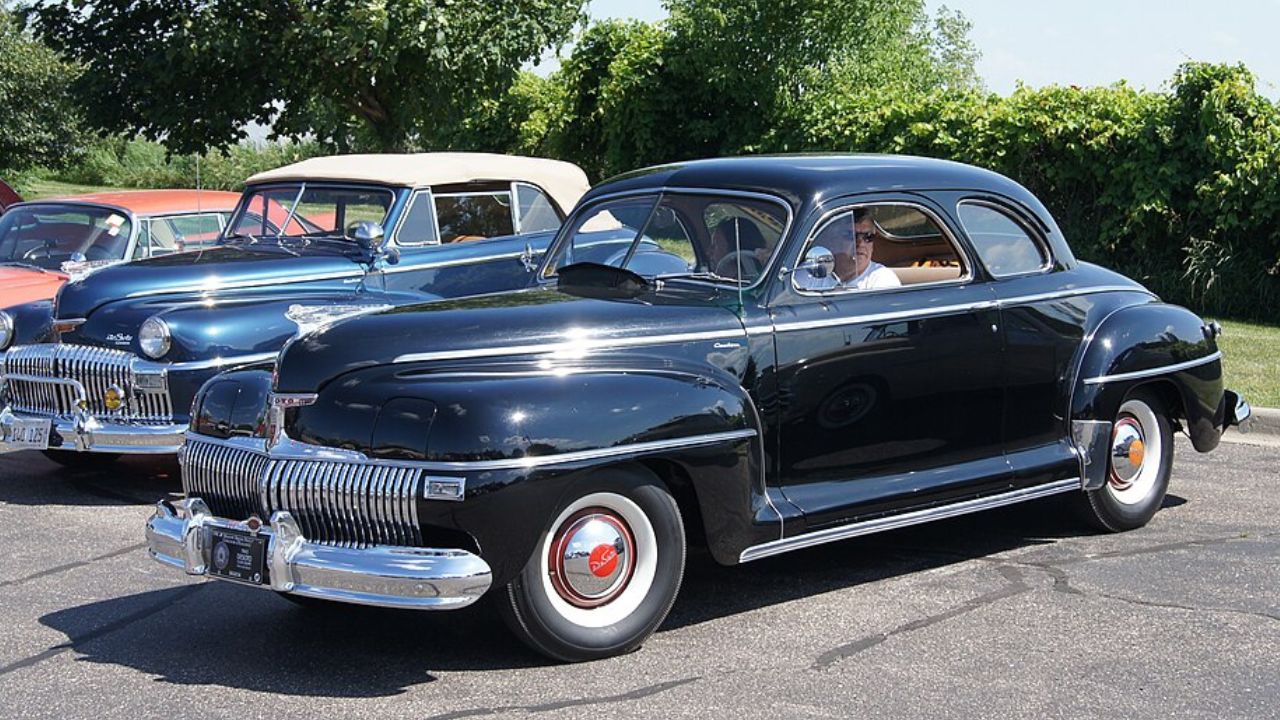
The 1942 DeSoto Custom Club Coupe came from one of the rarest production years in DeSoto history. Only 2,236 Custom Club Coupes were produced before civilian automobile production was halted in February 1942 for the war effort. The car also featured DeSoto’s unusual one-year-only concealed headlights, operated by a lever beneath the dashboard. With its distinctive styling, short production period, and low surviving numbers, the 1942 Custom Club Coupe is now an exceptionally uncommon DeSoto.
DeSoto Fireflite Convertible
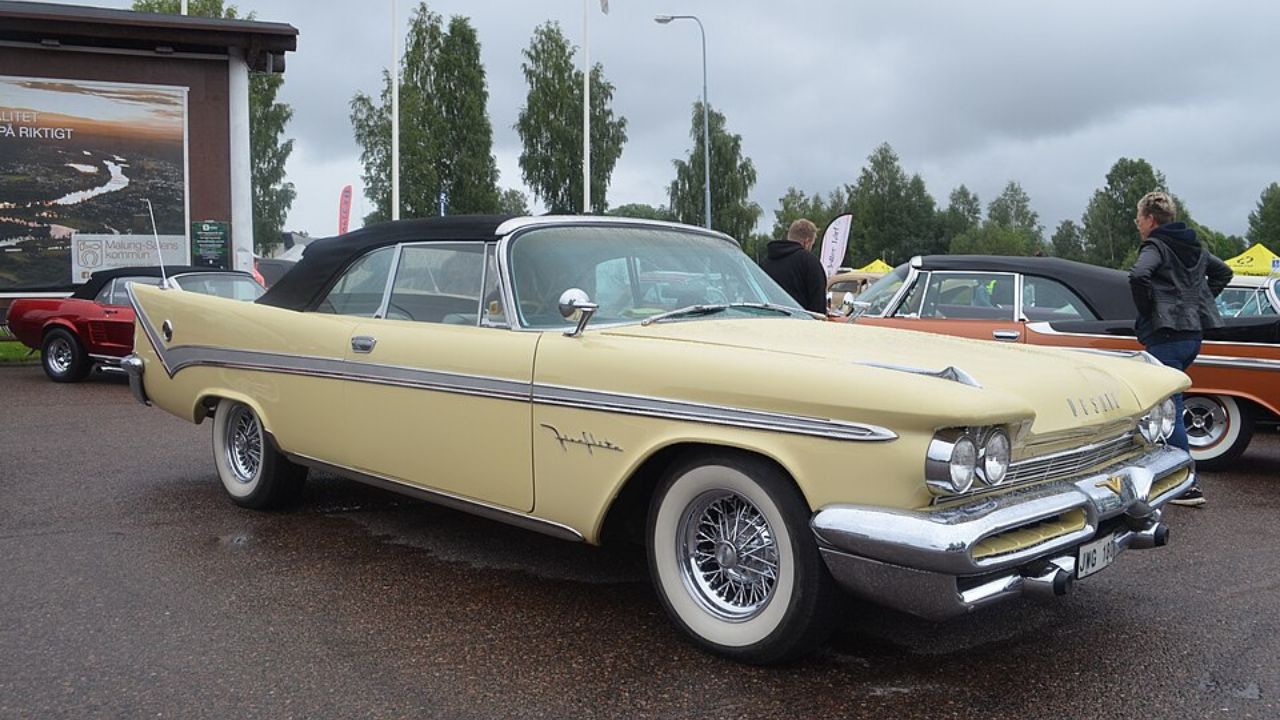
The DeSoto Fireflite Convertible was never a common sight, even when new. In 1958, only 474 Fireflite convertibles were produced, while the following year saw just 283. These cars combined DeSoto’s dramatic Forward Look styling with an open body and powerful V8 engines. Their low production numbers, complicated trim, and decades of exposure to weather have made original examples exceptionally scarce today.
DeSoto Adventurer Convertible
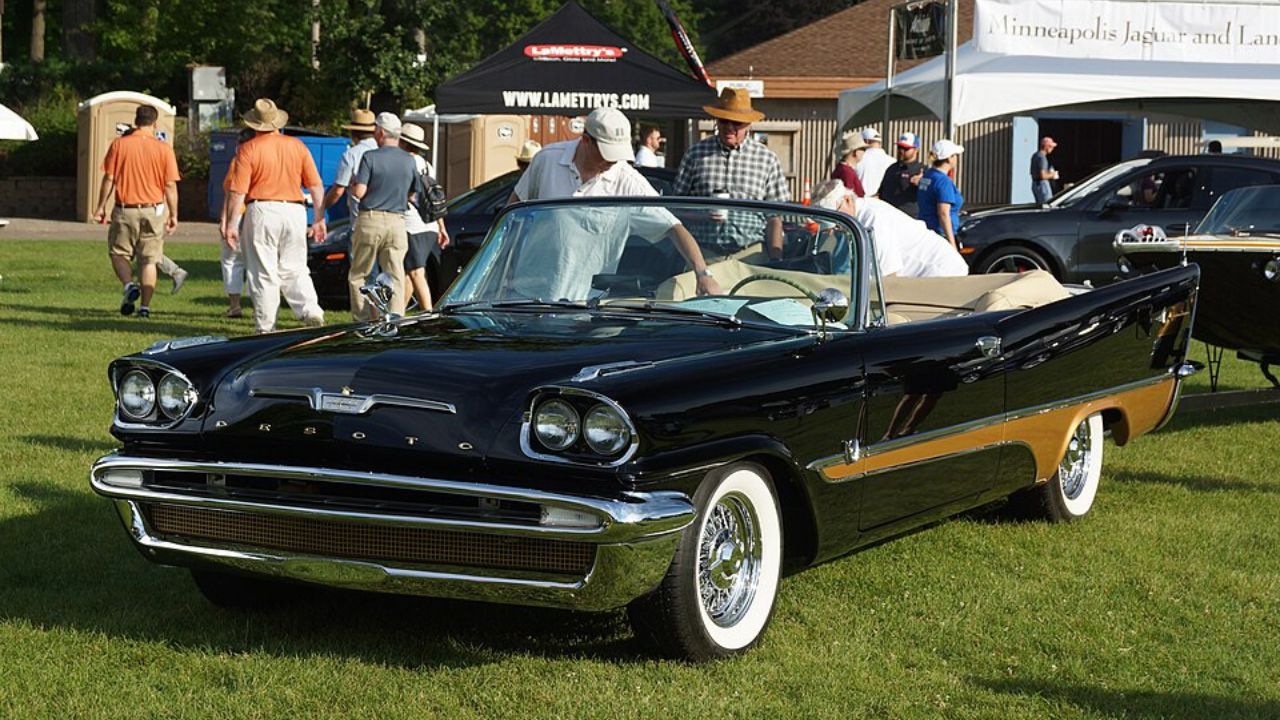
The DeSoto Adventurer Convertible represented the glamorous end of the DeSoto lineup during the late 1950s. Its extravagant styling and high-performance V8 made it one of the marque’s most desirable cars when new, but production remained limited. The 1959 model year produced only 97 Adventurer convertibles, while the 1960 model dropped the convertible altogether. Finding an authentic surviving example today is therefore a genuinely unusual event.
More from Fast Lane Only
- Unboxing the WWII Jeep in a Crate
- 15 rare Chevys collectors are quietly buying
- 10 underrated V8s still worth hunting down
- Police notice this before you even roll window down
*Research for this article included AI assistance, with all final content reviewed by human editors.