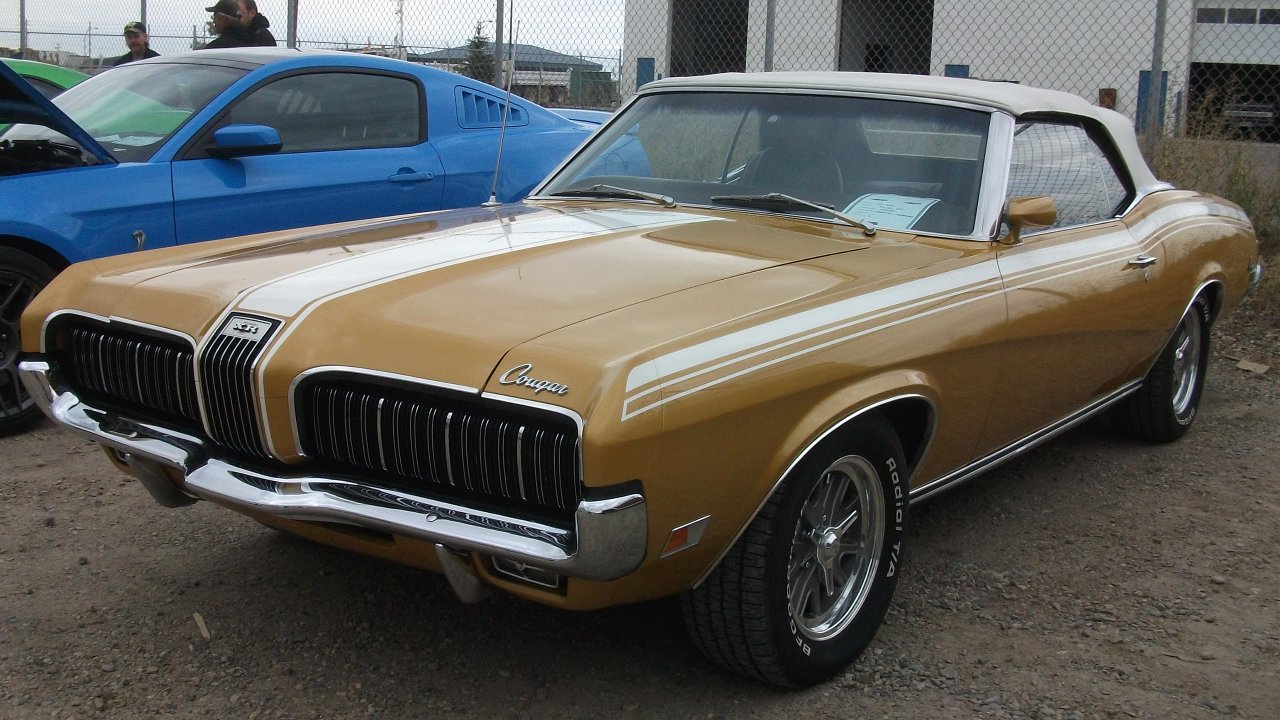
Certain classic cars become more than machines once owners have spent years driving, maintaining, and enjoying them. Their styling, mechanical character, and memories can make replacing them surprisingly difficult, even when newer cars offer more comfort and technology. These classics have the kind of personality that keeps owners attached, with many remaining favorites long after newer alternatives arrive.
Ford Falcon
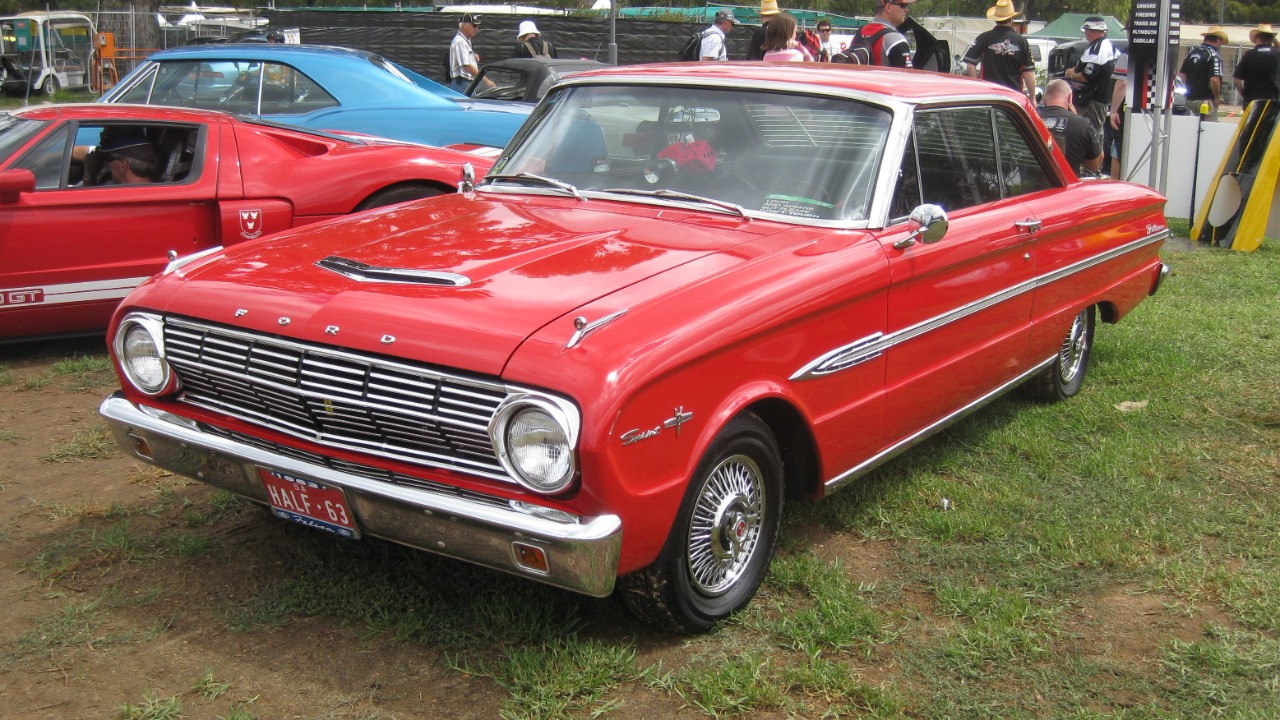
The Ford Falcon earned a loyal following by keeping things simple and practical. Its compact dimensions made it easy to drive, while straightforward engines and rear-wheel drive gave it a familiar mechanical character. V8 versions added extra appeal without turning the car into something difficult to live with. Owners often appreciate how easy the Falcon is to understand and maintain, which helps explain why well-kept examples remain treasured long after their original purpose has passed.
Chevrolet Chevelle
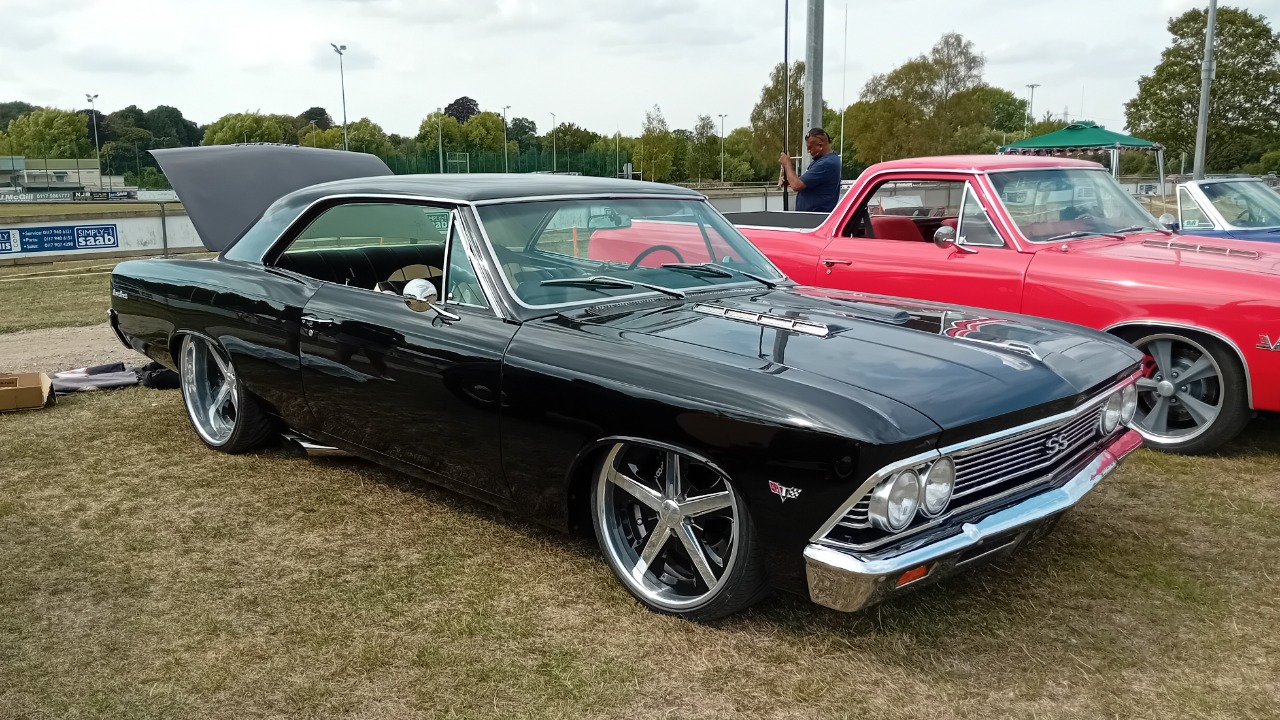
The Chevrolet Chevelle combined clean styling with a wide range of engines and configurations, making it one of the most versatile American classics. Buyers could choose practical versions for everyday use or powerful V8 models for more serious performance. That variety helped the Chevelle attract a broad audience. Today, owners often become attached to the car’s proportions, straightforward mechanical layout, and unmistakable period character, making it difficult to replace with a newer vehicle.
Pontiac GTO
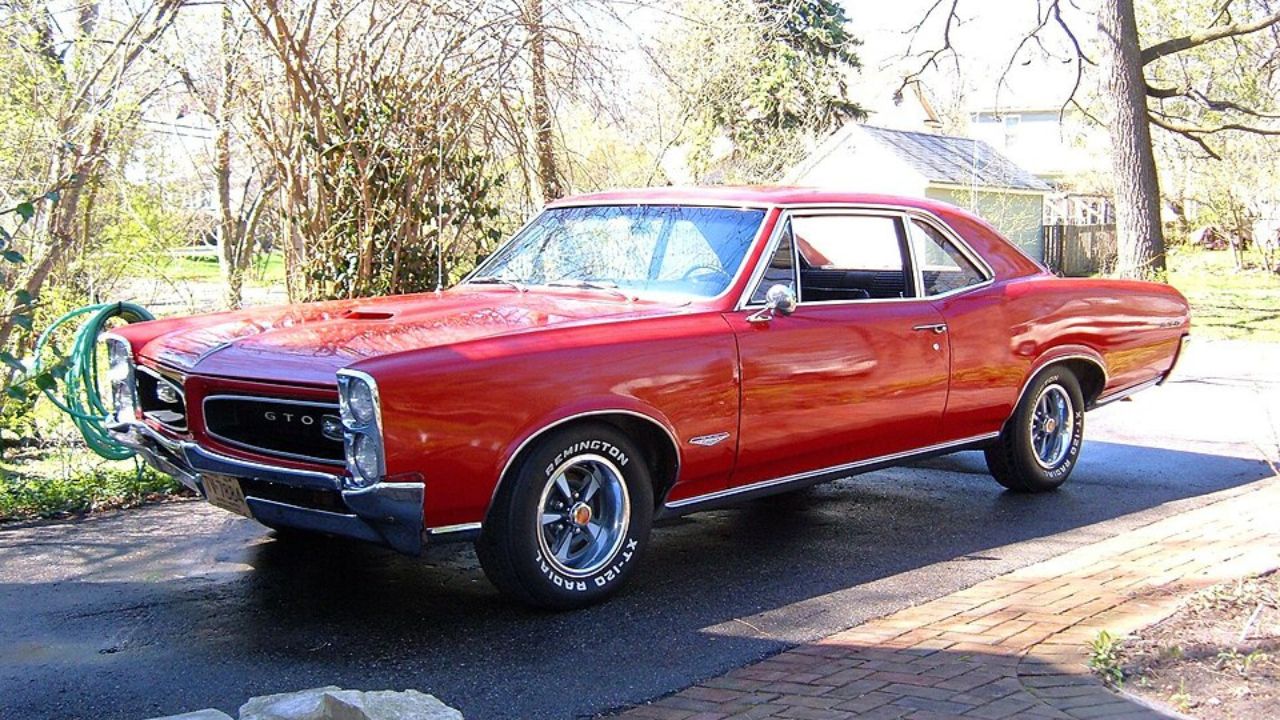
The Pontiac GTO helped define the American muscle-car era with its combination of a relatively compact body and powerful V8 engines. Its long hood, rear-wheel drive, and aggressive styling created a driving experience that feels distinctly different from modern performance cars. Owners also appreciate the history attached to the name. A well-kept GTO offers more than transportation, giving drivers a direct connection to one of the most important periods in American performance-car history.
Plymouth Road Runner
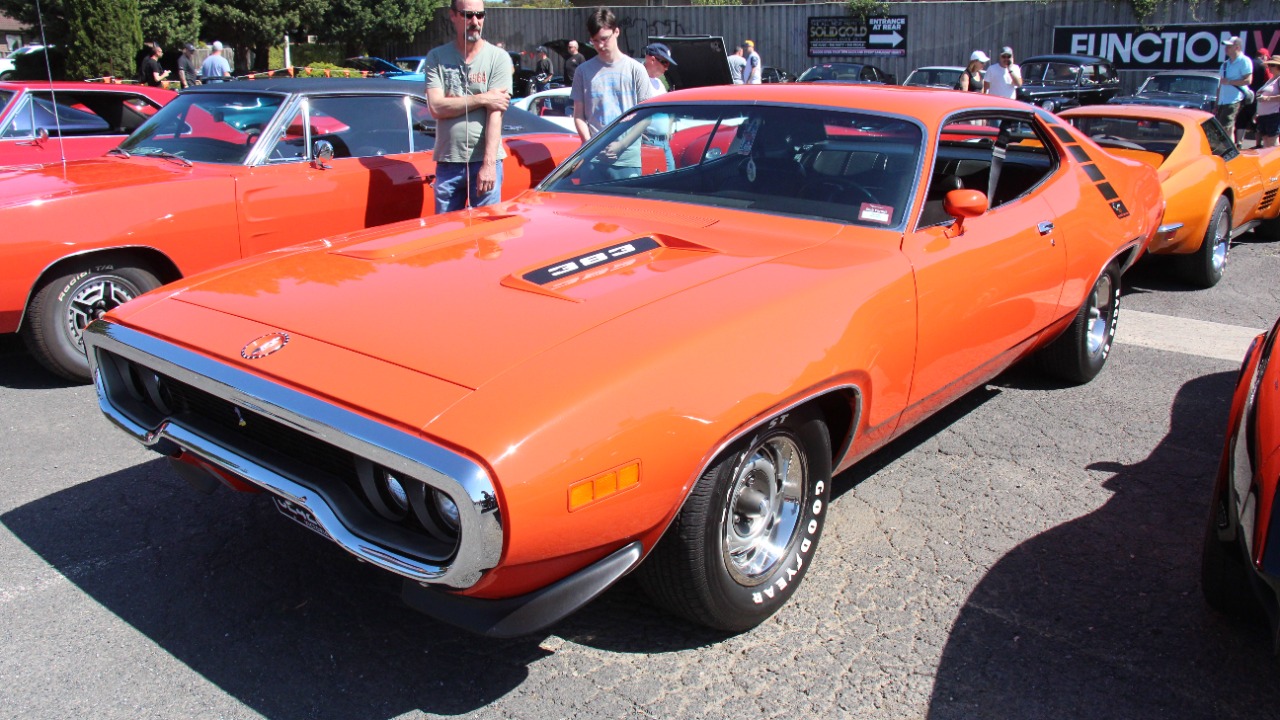
The Plymouth Road Runner was designed around the idea of affordable performance without unnecessary extras. Its simple interior, bold styling, and available big-block engines gave it a memorable personality. The car’s straightforward approach is a major part of its appeal today. Owners who have lived with one often value its raw character and unmistakable sound, qualities that can be difficult to find in newer cars filled with technology and electronic controls.
Ford Galaxie
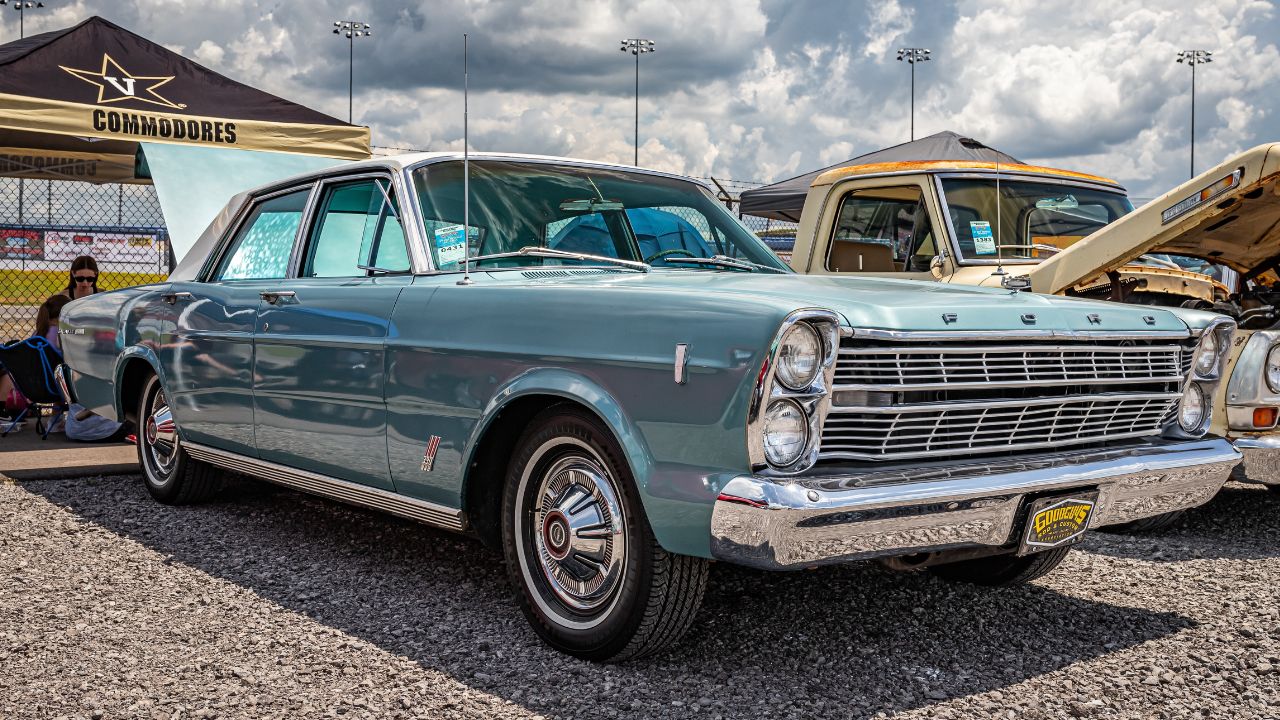
The Ford Galaxie represented classic American full-size motoring at a time when large cars dominated the roads. Its spacious cabin, long body, and available V8 engines gave it a commanding presence. Despite its size, the Galaxie could be surprisingly enjoyable to drive, particularly in performance-oriented configurations. Owners who keep these cars often appreciate the combination of comfort, mechanical simplicity, and unmistakable styling that makes the Galaxie feel unlike almost anything built today.
Buick GS
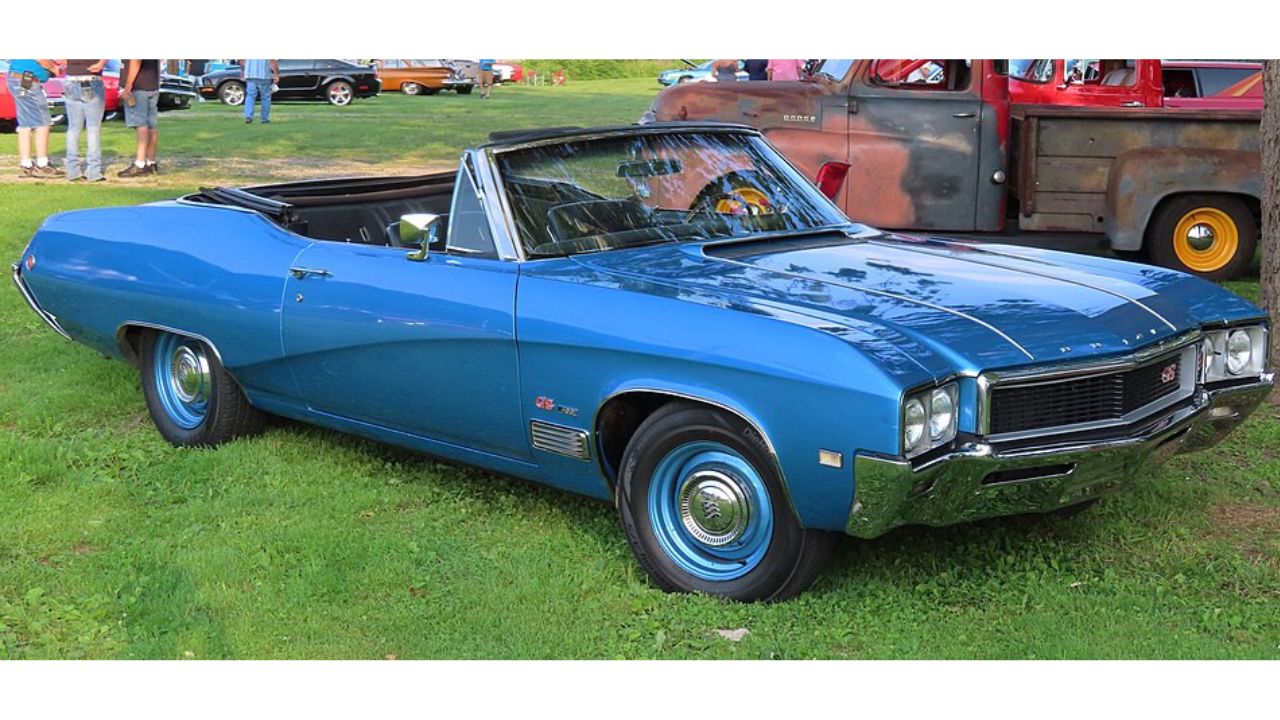
The Buick GS offered a different interpretation of American performance, combining muscle-car power with a more comfortable and upscale character. Its big V8 engines provided plenty of torque, while the interior gave drivers a more refined place to spend time. That combination helped distinguish the GS from more stripped-down performance cars. Owners often become attached to the effortless way these cars deliver power, especially when paired with their understated appearance.
Oldsmobile 88
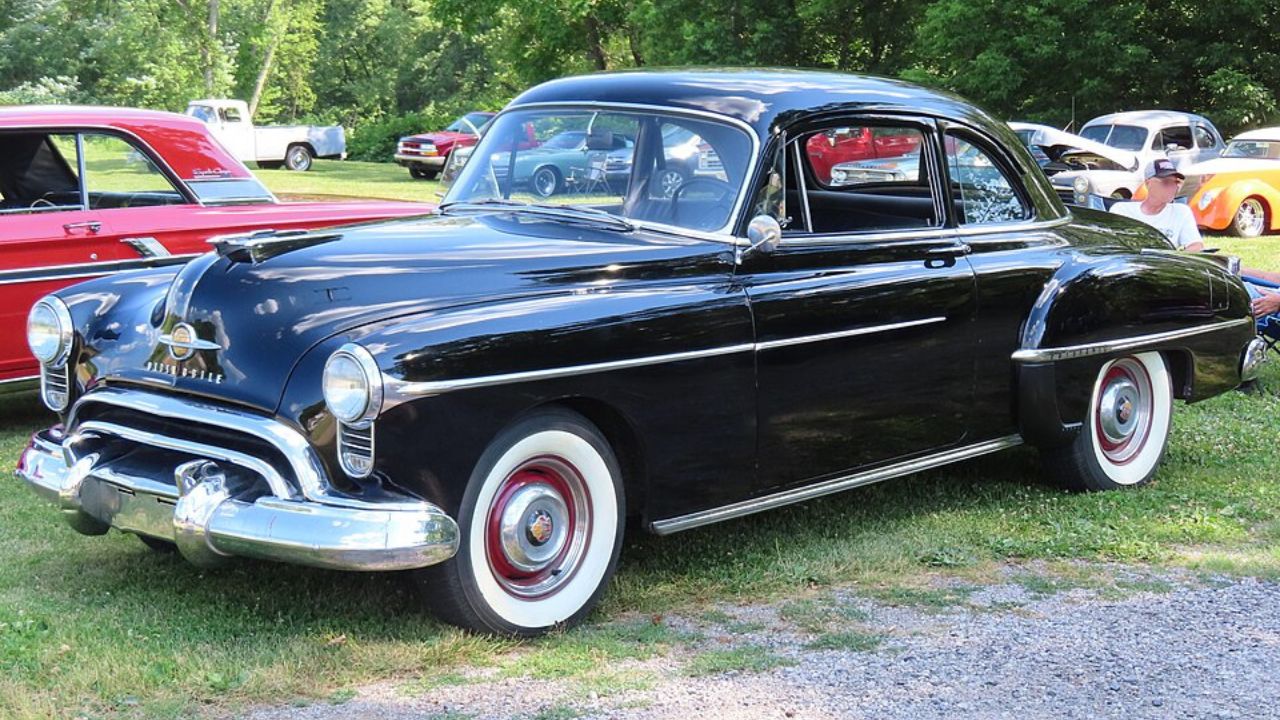
The Oldsmobile 88 became one of the company’s most recognizable full-size cars by combining a comfortable ride with strong V8 performance. Its spacious interior and smooth power delivery made it well suited to long-distance cruising, while its traditional construction gave it a substantial feel. Owners who keep an 88 often appreciate its ability to make ordinary driving relaxed and memorable. It is the kind of classic that can serve as both cruiser and conversation piece.
Mercury Cougar
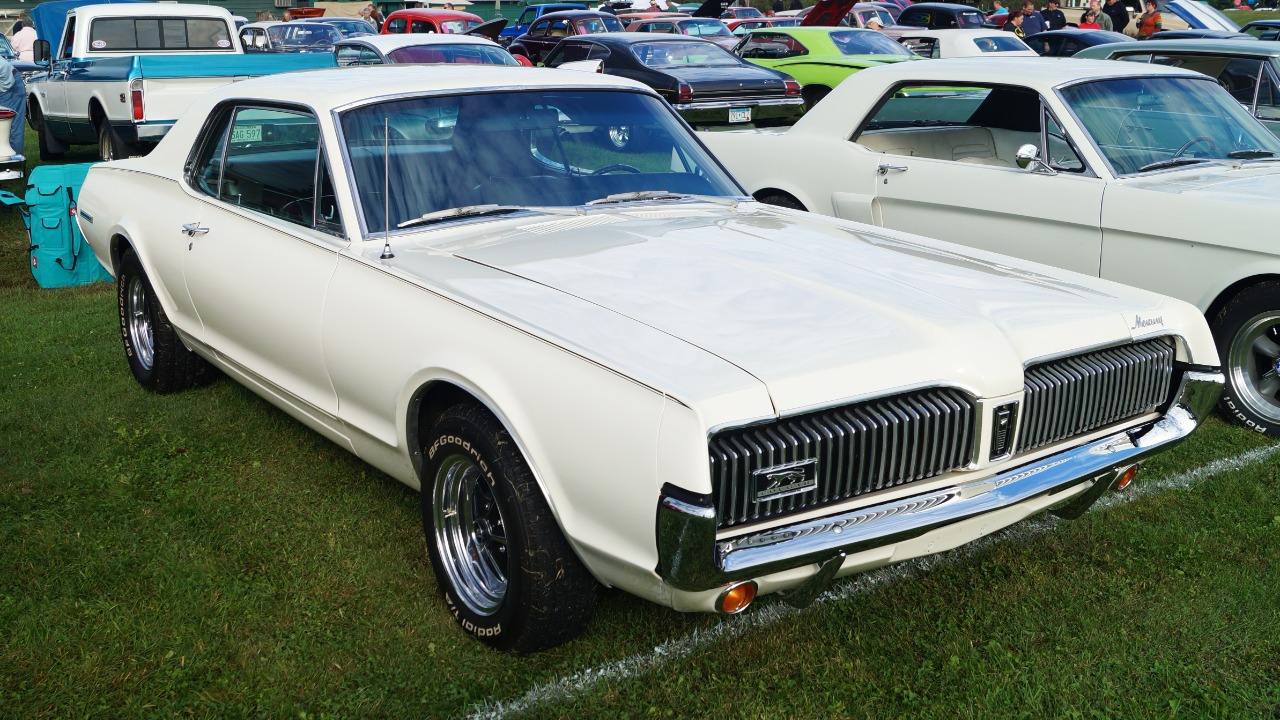
The Mercury Cougar offered a more refined alternative to Ford’s performance-oriented lineup while retaining plenty of sporting character. Its long hood, hidden headlights on earlier versions, and available V8 engines gave it a distinctive identity. The Cougar also provided a comfortable interior that made it easier to use as an everyday car. Owners often hold onto these cars because they offer a balance of style, performance, and personality that is increasingly difficult to replicate.
Chevrolet Monte Carlo

The Chevrolet Monte Carlo brought personal-luxury styling together with familiar Chevrolet mechanical components. Its long hood, formal roofline, and available V8 engines gave it a strong presence without making it feel like a dedicated sports car. Later performance versions added even more appeal. Owners often enjoy the Monte Carlo because it combines relaxed cruising with enough mechanical character to keep driving interesting, particularly when compared with modern vehicles that feel much more isolated.
Pontiac Firebird
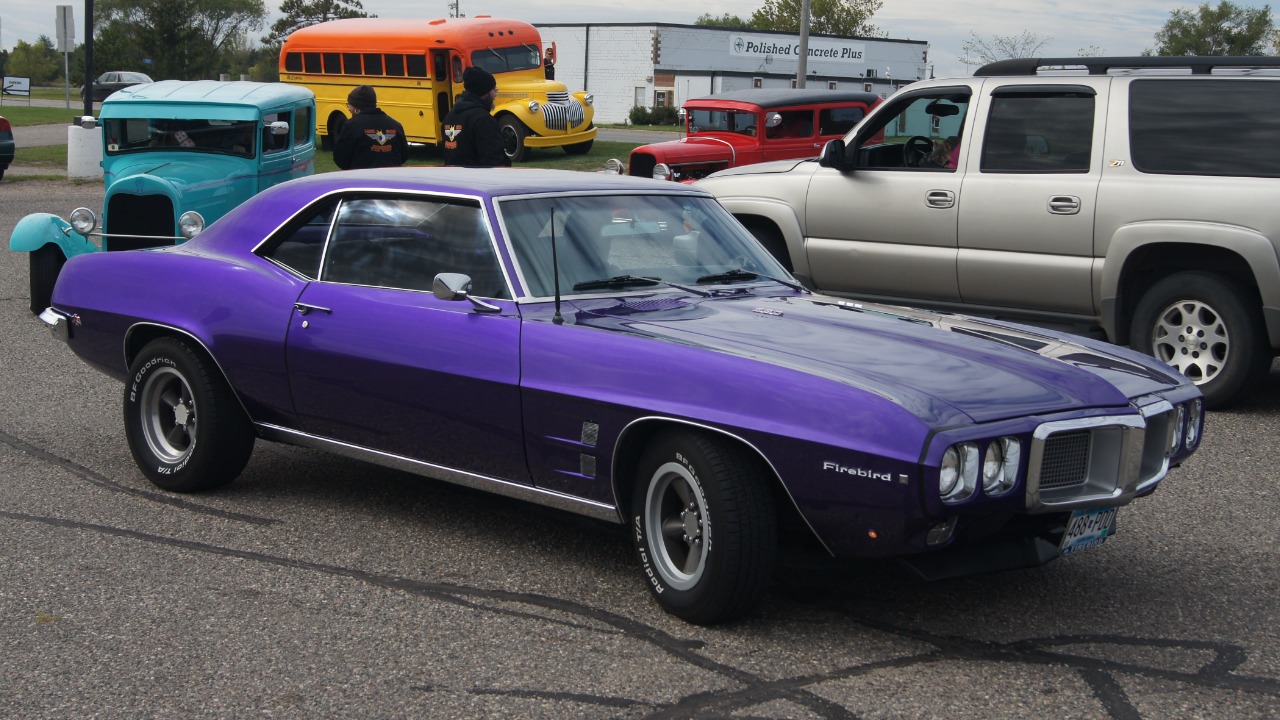
The Pontiac Firebird developed a strong following because it combined dramatic styling with genuine performance potential. Its low roofline, long hood, and available V8 engines created a distinctly American driving experience. Different generations offered their own personalities, but the formula remained recognizable. Owners who have kept Firebirds for years often value the combination of sound, styling, and rear-wheel-drive character, which gives the car a personality that goes well beyond basic transportation.
Dodge Dart
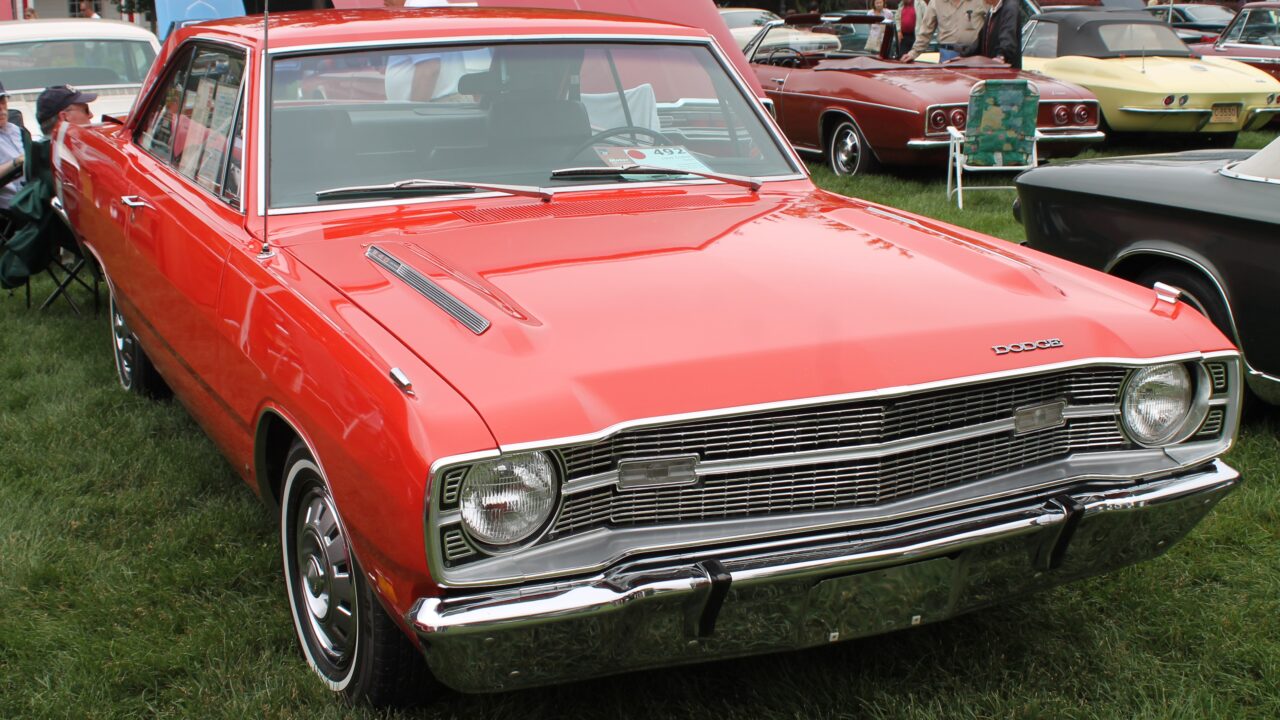
The Dodge Dart was available in a wide range of configurations, from economical transportation to serious V8-powered performance models. Its compact proportions made it more manageable than many larger American cars, while rear-wheel drive kept the mechanical experience familiar. The Dart’s simple design also makes it approachable for owners who enjoy working on their own vehicles. That combination of practicality and personality has helped many owners form a lasting attachment to their cars.
Plymouth Duster
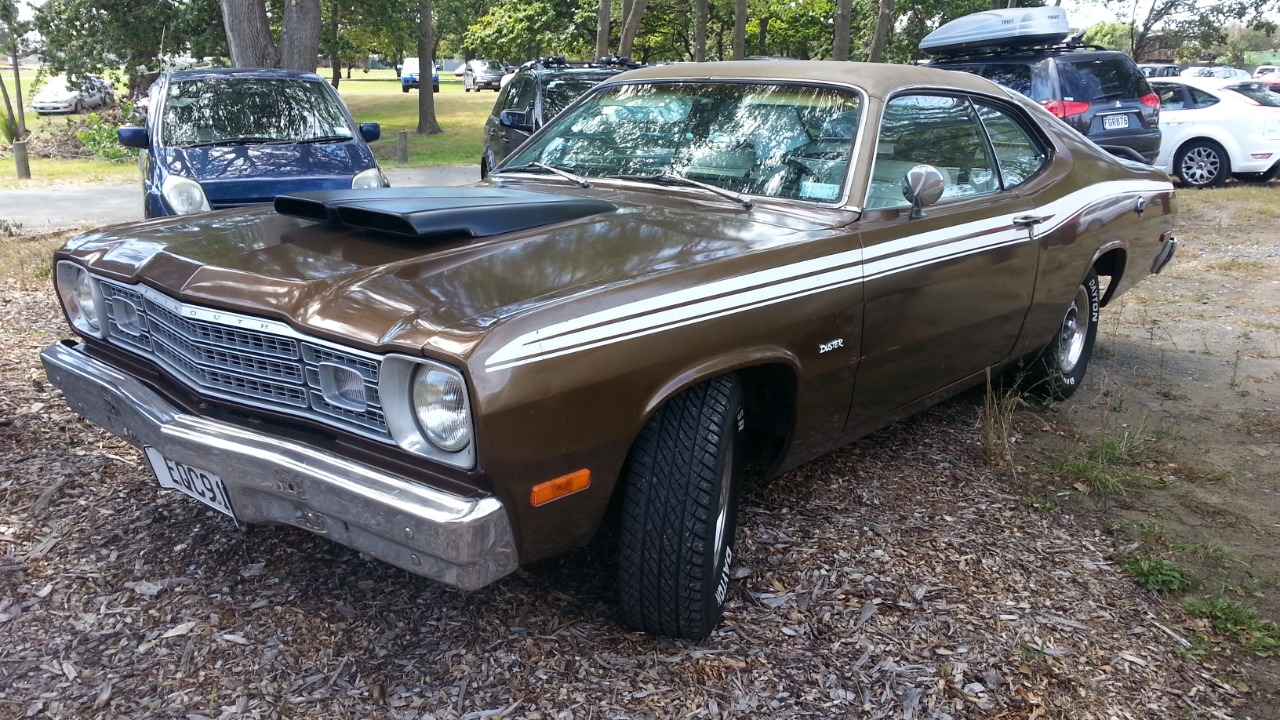
The Plymouth Duster became popular by offering sporty styling in a compact and relatively affordable package. Its lightweight body made even modest engines feel lively, while V8 versions gave the car considerably more performance. The simple mechanical layout also made it easy to modify and maintain. Owners often keep Dusters because they provide a straightforward driving experience without the size and complexity of larger muscle cars, making them unusually enjoyable classics for regular use.
Ford Torino
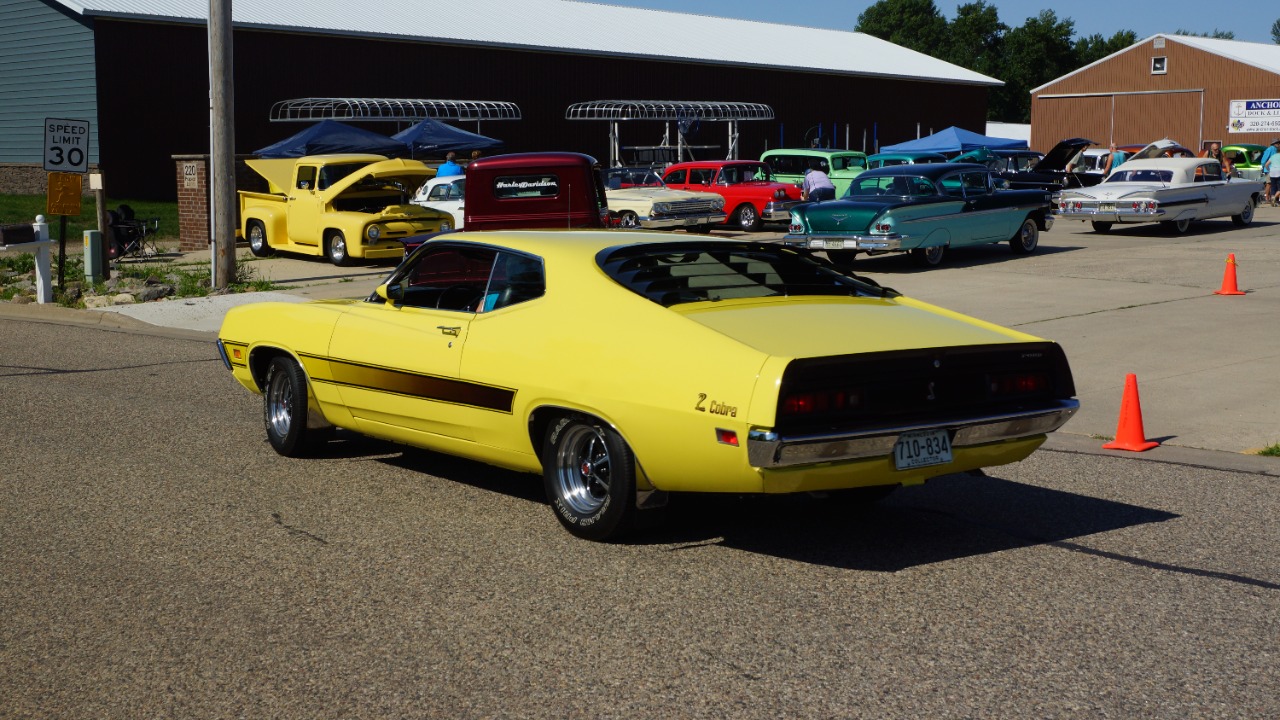
The Ford Torino combined practical proportions with a broad selection of engines and body styles. Performance versions could deliver serious power, while more modest models offered comfortable everyday transportation. Its distinctive styling also changed considerably through its production run, giving enthusiasts plenty of variations to appreciate. Owners who become attached to the Torino often value its combination of size, comfort, and old-school V8 character, qualities that make it difficult to replace with a modern sedan.
Mercury Monterey
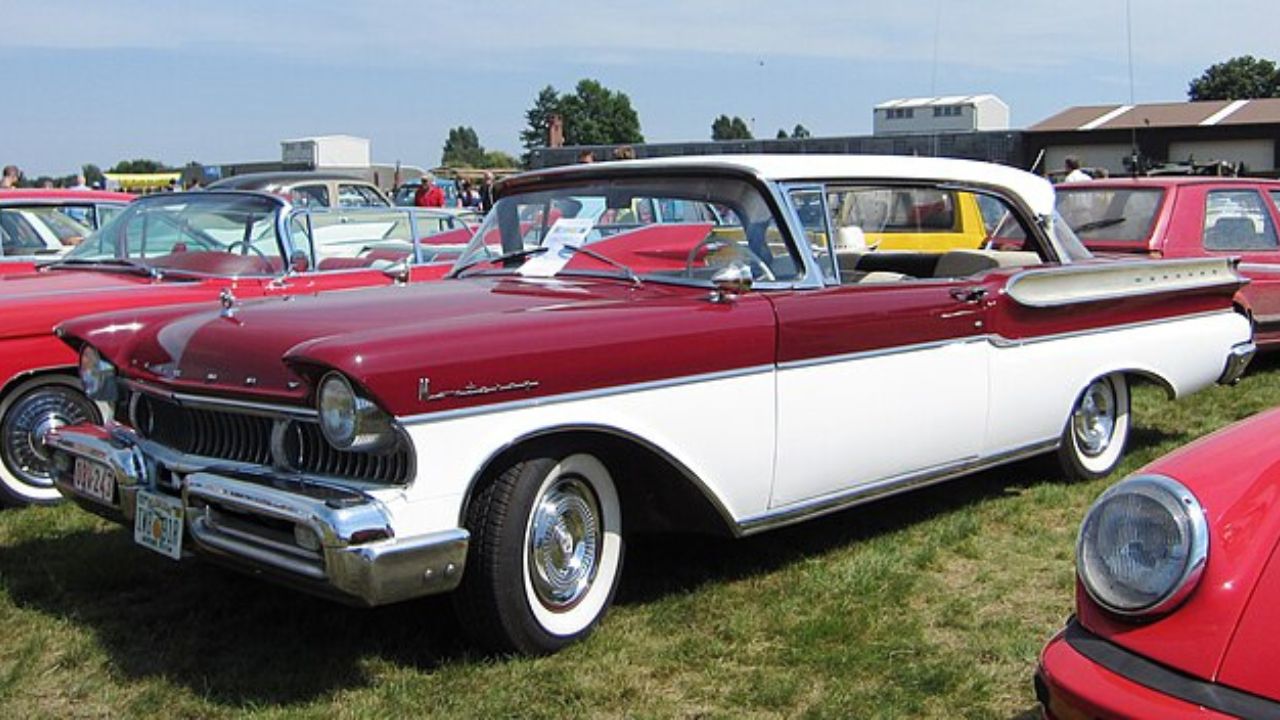
The Mercury Monterey represented a more upscale interpretation of the traditional American full-size car. Its large cabin, smooth ride, and available V8 power made it particularly well suited to relaxed highway cruising. Styling from the classic era gave the car plenty of visual presence as well. Owners who preserve these cars often enjoy the sense of occasion they bring to ordinary trips, along with the mechanical simplicity that makes them approachable for experienced enthusiasts.
Chrysler Newport
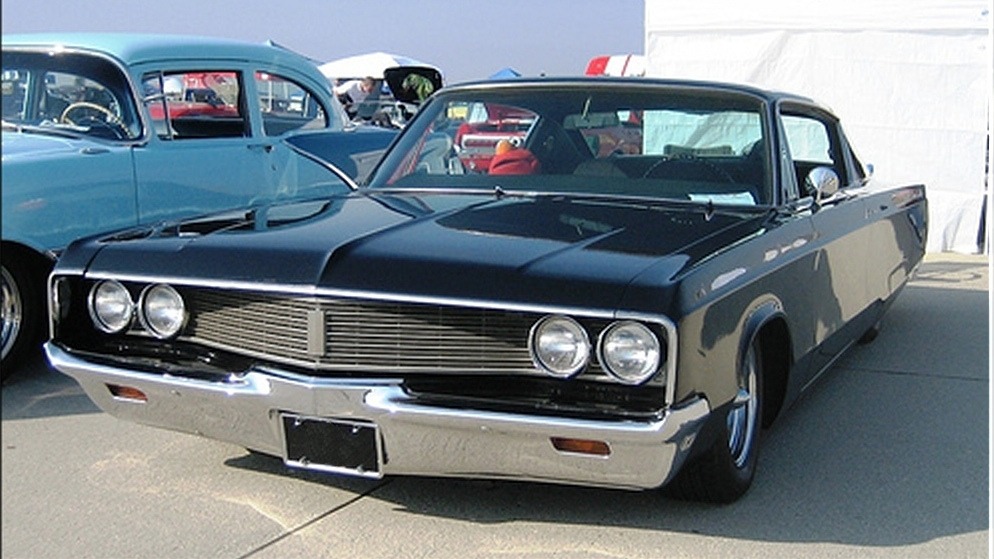
The Chrysler Newport offered full-size comfort without requiring the same level of prestige associated with the company’s most expensive models. Large V8 engines gave it effortless acceleration, while the spacious interior made it a practical family cruiser. Its broad body and distinctive styling also capture an important period in American automotive design. Owners who keep Newports often appreciate how much traditional American character is packed into a relatively straightforward package.
AMC Javelin
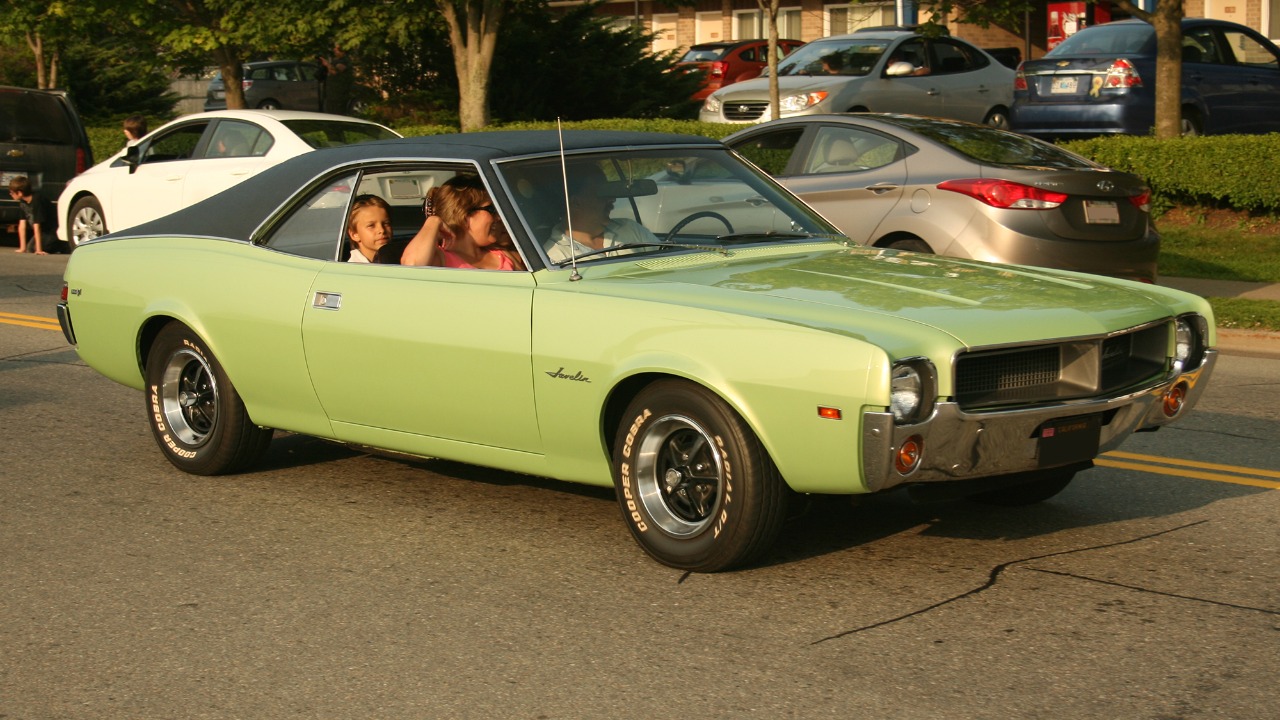
The AMC Javelin gave American buyers another choice in the crowded performance-coupe market. Its distinctive styling helped it stand apart from Ford, Chevrolet, and Chrysler products, while available V8 engines gave it genuine performance. The Javelin’s rarity compared with its better-known rivals also adds to its appeal. Owners who have kept one often value that individuality, along with the feeling of driving a classic American performance car that does not appear at every gathering.
Ford LTD
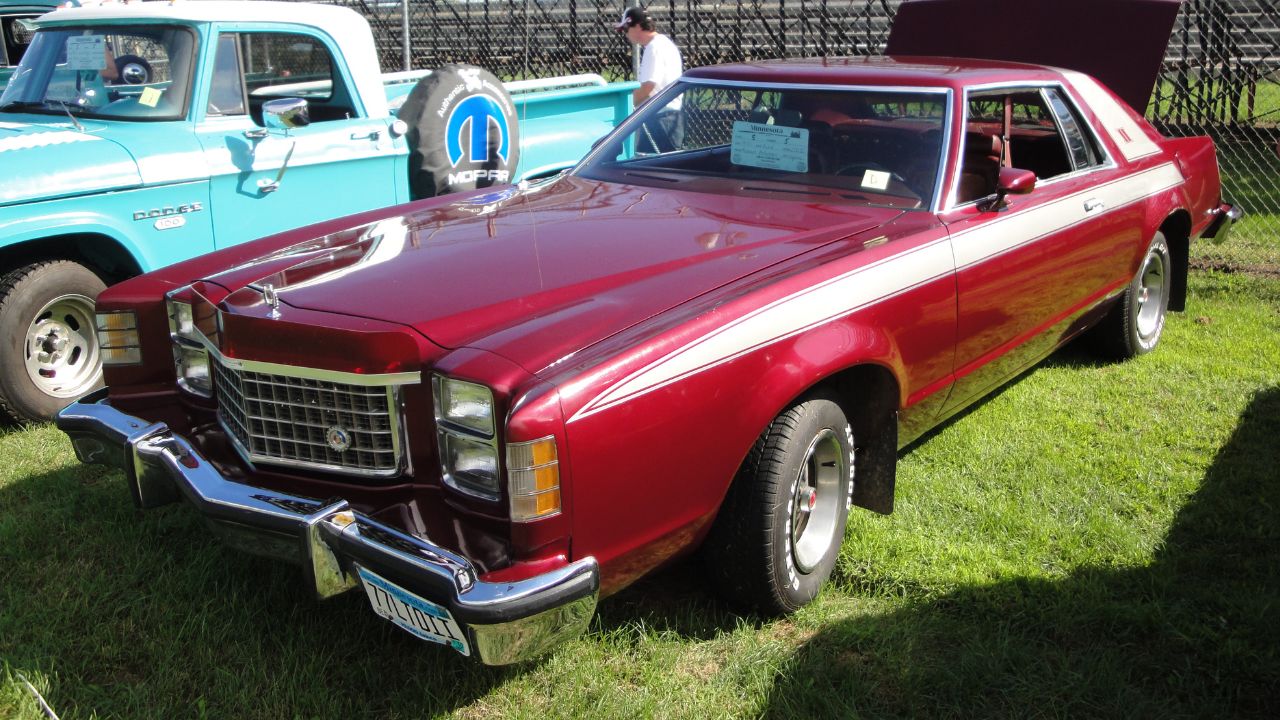
The Ford LTD was built primarily as a comfortable full-size sedan rather than a sports car, but that is exactly what gives it lasting appeal. Its spacious cabin, soft ride, rear-wheel-drive layout, and available V8 engines created a relaxed driving experience. The LTD also represents an era when large sedans were still common family transportation. Owners who keep one often enjoy its straightforward nature and the increasingly unusual experience of driving a traditional full-size American car.
Chevrolet Biscayne
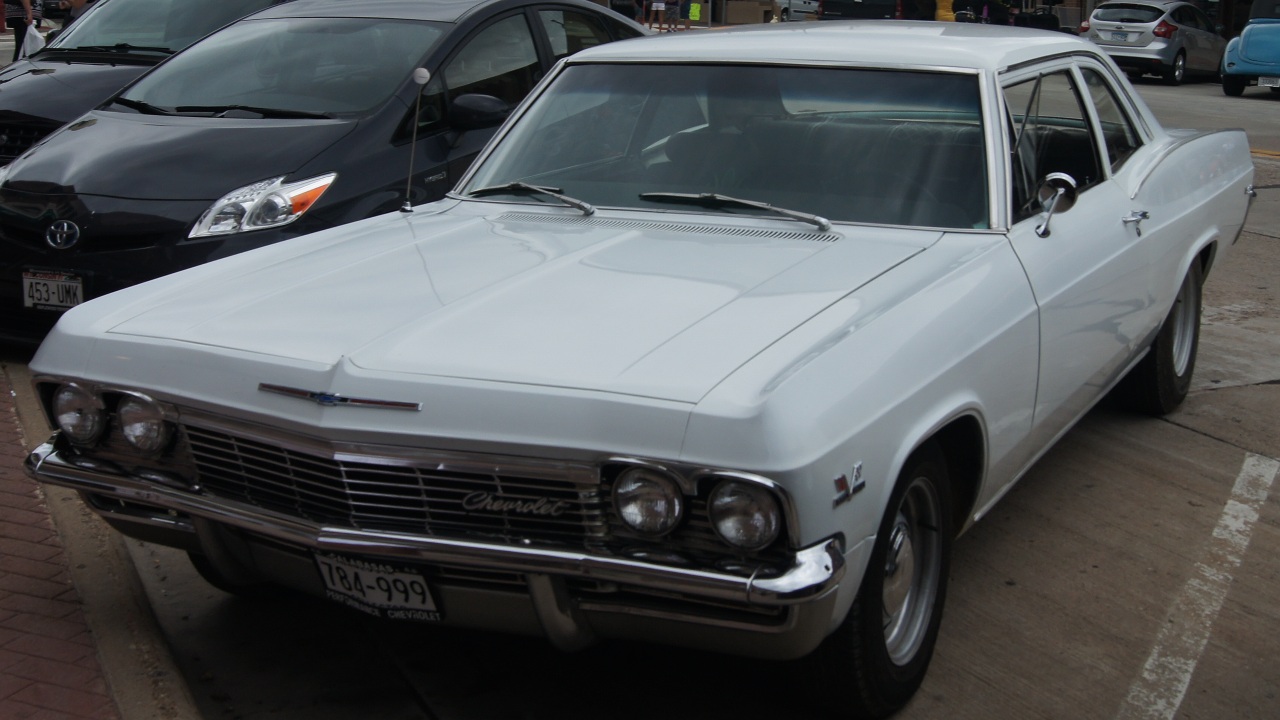
The Chevrolet Biscayne was one of the simpler full-size models in Chevrolet’s lineup, but that simplicity became part of its charm. Lower levels of trim and straightforward interiors kept the car focused on basic transportation, while available V8 engines could transform it into something considerably more interesting. Enthusiasts appreciate the Biscayne because it offers the mechanical foundation of larger performance Chevrolets without as much unnecessary equipment, making it an especially appealing classic for hands-on owners.
Pontiac Catalina
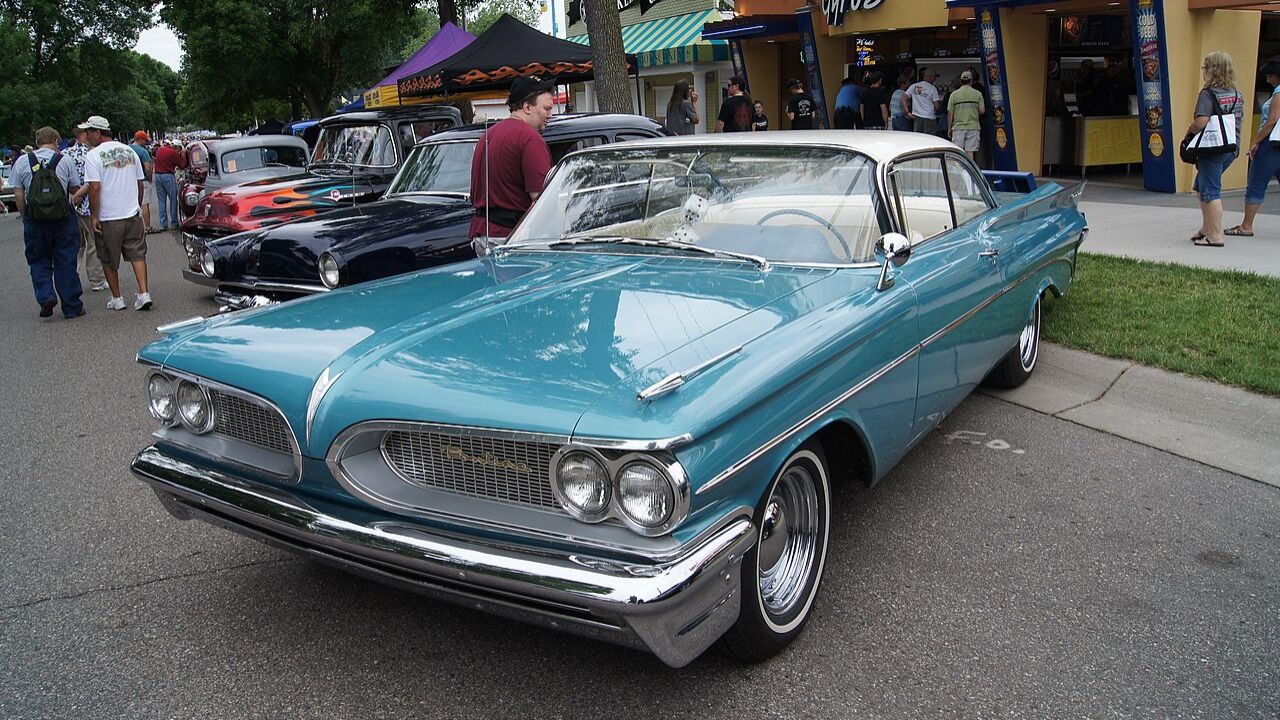
The Pontiac Catalina combined full-size comfort with the performance-minded character that became associated with the Pontiac brand. Its large body could accommodate powerful V8 engines, while the spacious interior made it a capable long-distance cruiser. The Catalina also carried distinctive styling that separated it from other large American cars. Owners who keep these cars often enjoy the combination of smooth cruising, substantial power, and a sense of scale that modern vehicles rarely provide.
AMC Rambler
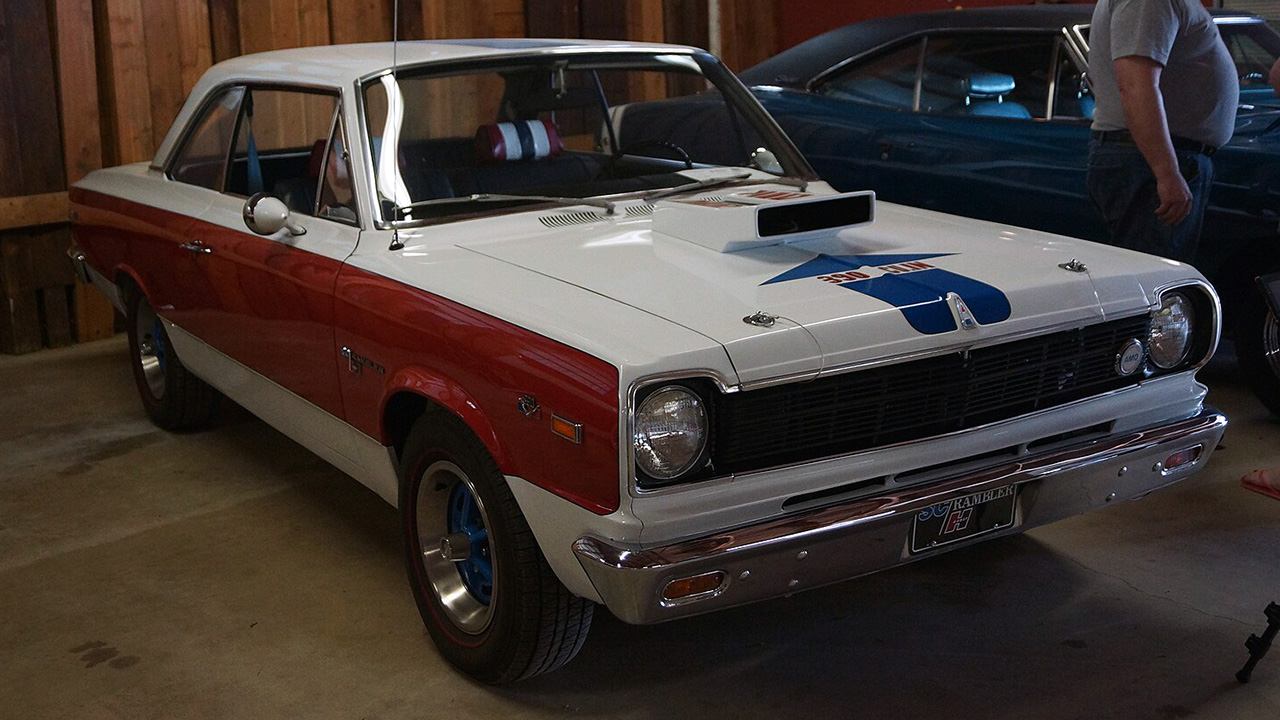
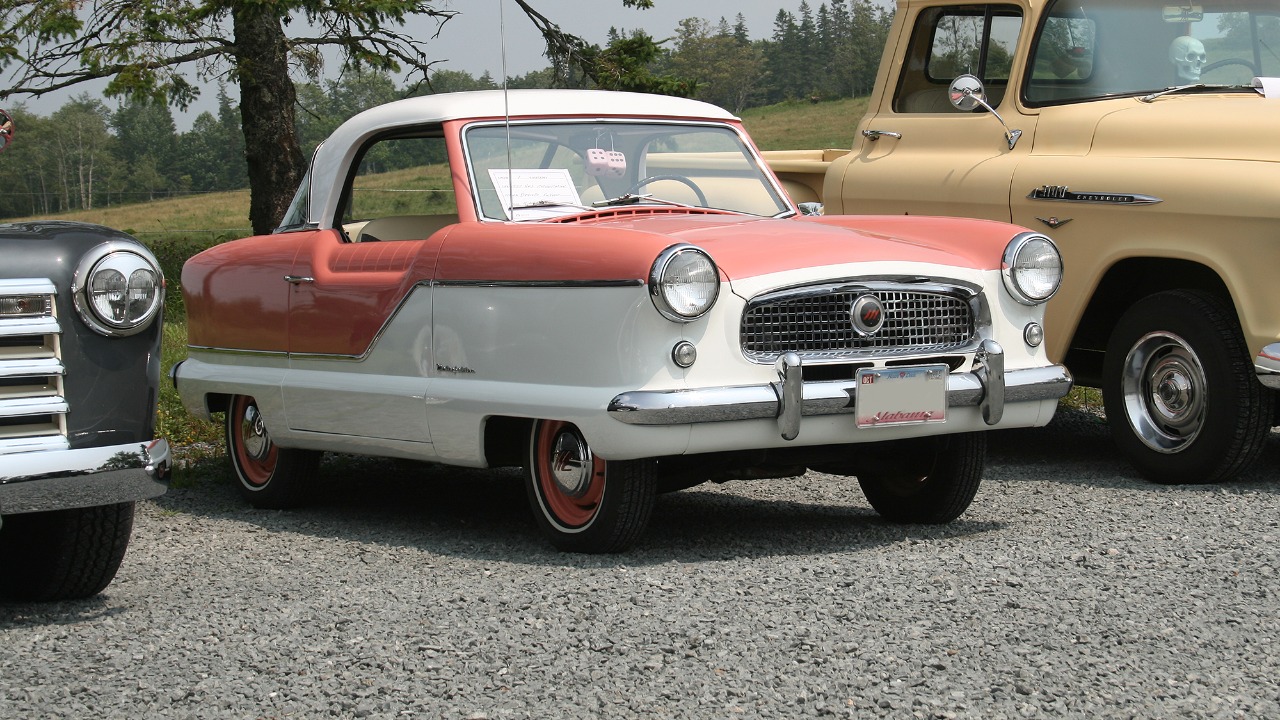
The AMC Rambler helped establish American Motors as a manufacturer willing to challenge the larger Detroit companies with smaller, practical cars. Its compact dimensions, straightforward engineering, and economical operation made it useful for everyday driving. Later versions gained stronger engines and more distinctive styling. Owners who remain attached to the Rambler often appreciate its unusual place in American automotive history and its simple, honest approach to transportation.
More from Fast Lane Only
- Unboxing the WWII Jeep in a Crate
- 15 rare Chevys collectors are quietly buying
- 10 underrated V8s still worth hunting down
- Police notice this before you even roll window down
*Research for this article included AI assistance, with all final content reviewed by human editors.