Throughout automotive history, various concept cars have pushed the boundaries of design and technology, only to be shelved due to their radical nature. These vehicles often showcase the automakers’ vision for the future but can be too avant-garde for mass production. Here are eight concept cars that were so innovative that their manufacturers got cold feet, despite the excitement they generated among car enthusiasts.
BMW GINA Light Visionary Model
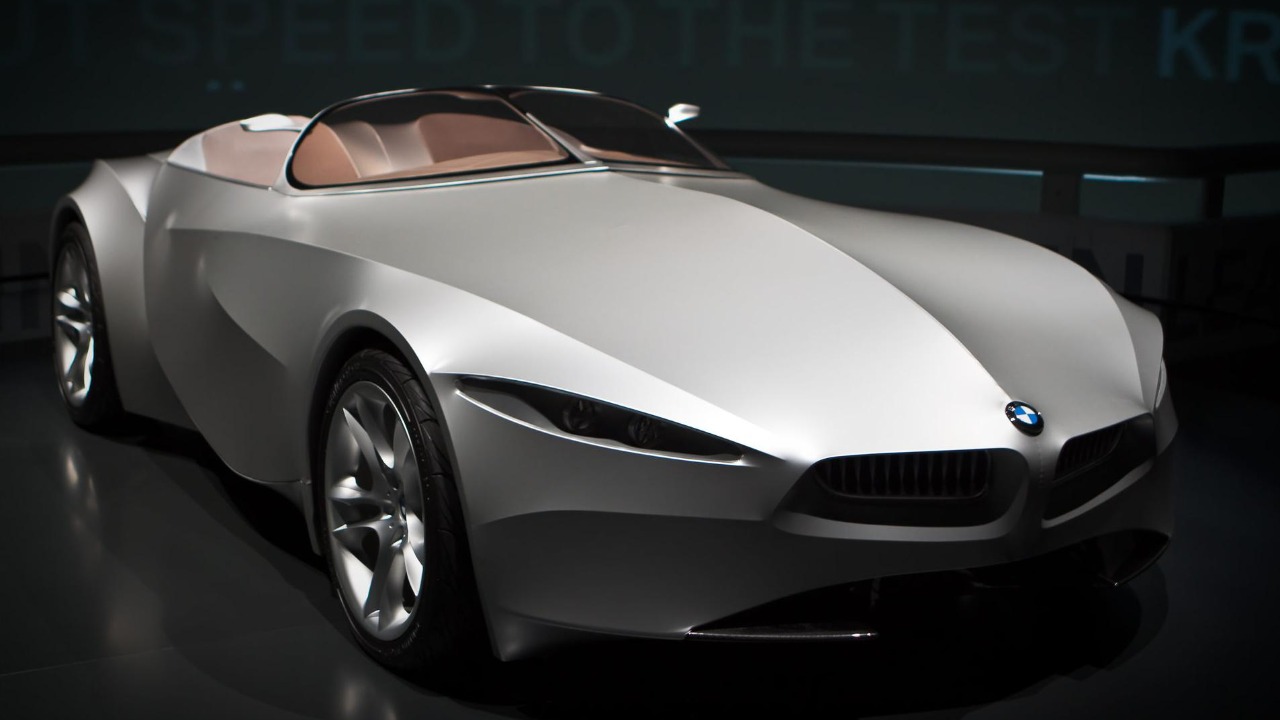
The BMW GINA Light Visionary Model, unveiled in 2008, is an extraordinary concept that redefined the meaning of flexibility in automotive design. Featuring a unique fabric skin stretched over a movable frame, this car could change its shape, allowing for a dynamic aesthetic that adapts to various driving conditions. The GINA was designed to challenge traditional automotive forms, signaling a new era of design possibilities. Unfortunately, its unconventional structure and materials made it impractical for production. While enthusiasts appreciated its creativity, BMW decided against bringing it to market, leaving it as a fascinating example of what could have been in automotive innovation.
Additionally, the GINA model demonstrated advanced technology integration, like its lighting system that could adapt to different scenarios. This concept was not just about looks; it also highlighted a forward-thinking approach to car functionality. You can learn more about the GINA and its implications in automotive design from various sources.
Mazda Furai
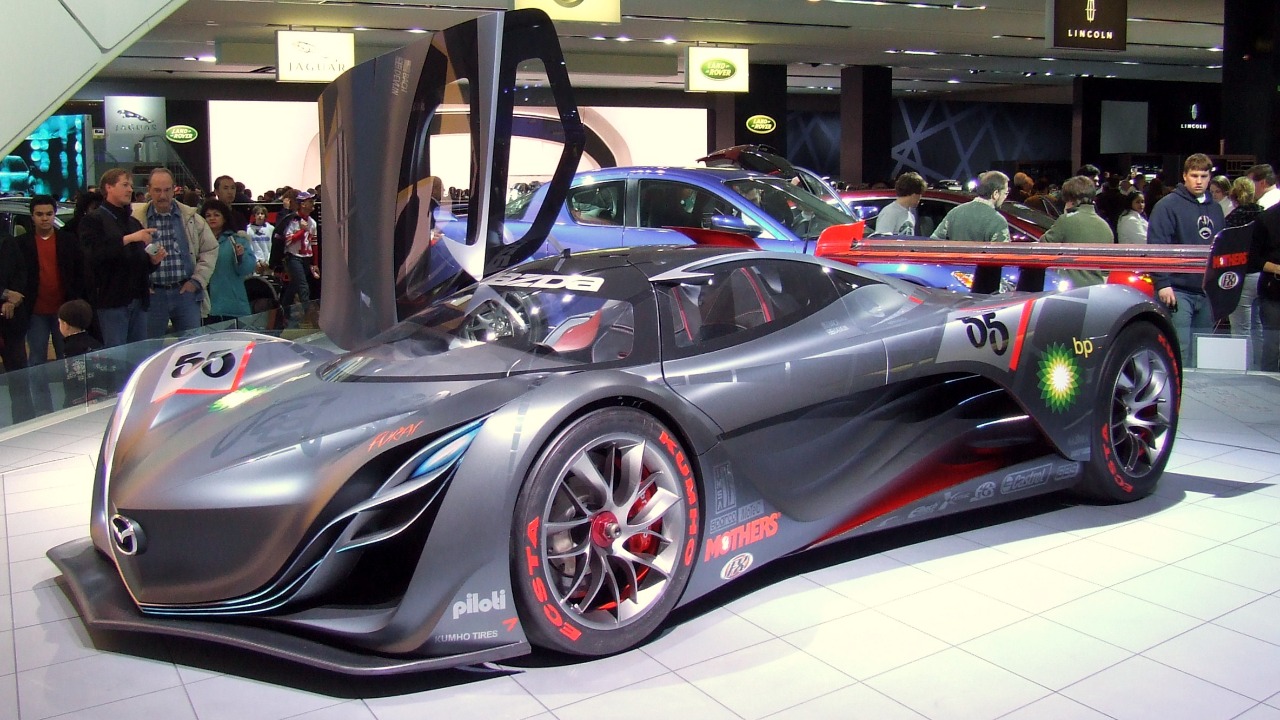
Debuting at the 2008 Detroit Auto Show, the Mazda Furai was a striking concept car that combined stunning design with a high-performance rotary engine. Inspired by Mazda’s RX series, the Furai boasted a lightweight chassis and an innovative design that resembled a racing car, complete with exposed components that highlighted its engineering prowess. While the Furai’s performance capabilities were impressive, its radical aesthetics and racing-focused features made it a tough sell for the general market.
Despite positive reception from car enthusiasts and media, Mazda ultimately chose not to move forward with the Furai for production, citing concerns over its practicality and safety regulations. The Furai remains an iconic piece of automotive art, representing Mazda’s commitment to creativity and performance. The concept’s legacy continues to inspire discussions on the future of automotive design and engineering.
Audi Nanuk Quattro
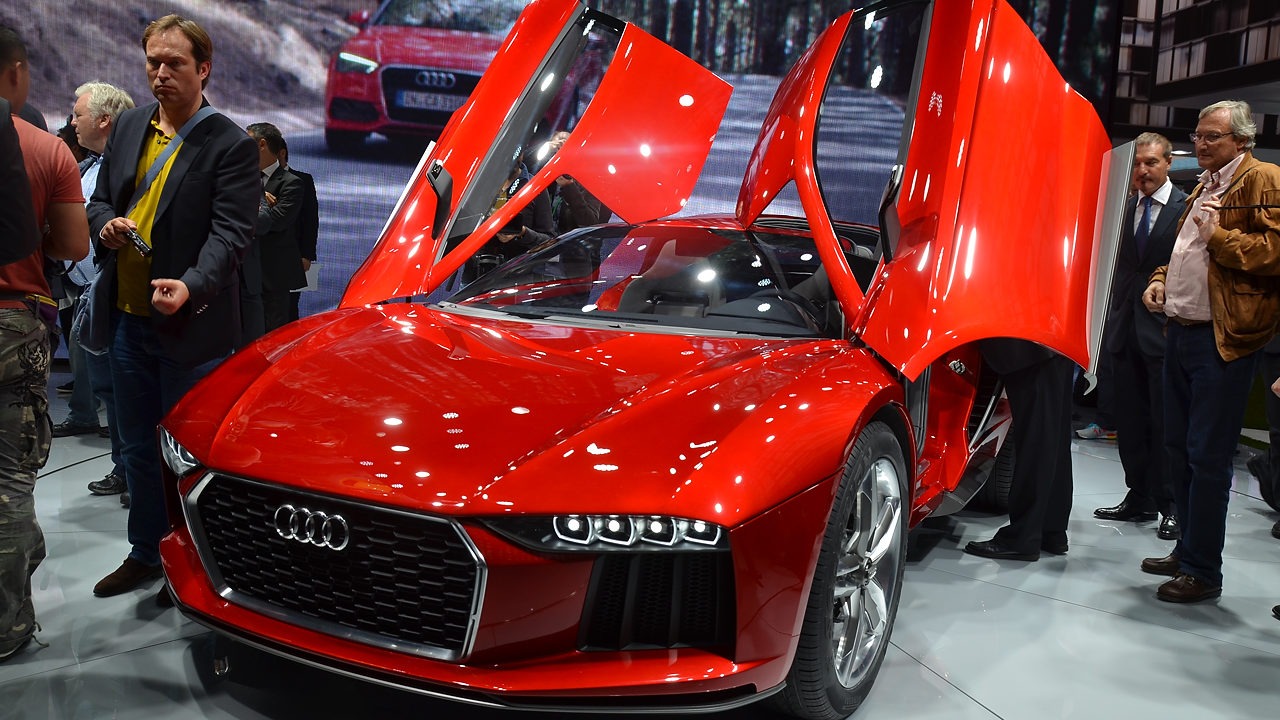
The Audi Nanuk Quattro, introduced in 2013, was a bold crossover concept that combined the capabilities of an SUV with the performance of a sports car. With a striking design that featured sharp angles and an aggressive stance, the Nanuk was engineered for both on-road and off-road performance. Fitted with a powerful V10 TDI engine, it promised thrilling performance alongside Audi’s signature quattro all-wheel-drive system. However, the Nanuk’s unconventional dimensions and sporty characteristics made it a risky venture for mass production.
Audi’s decision to shelve the Nanuk highlights the challenges faced by automakers in balancing innovation with market demands. While luxury SUVs have gained popularity, the unique blend of traits that the Nanuk offered might have been too radical for consumers. Even so, it sparked conversations about the future of automotive trends in performance and design.
Peugeot Onyx
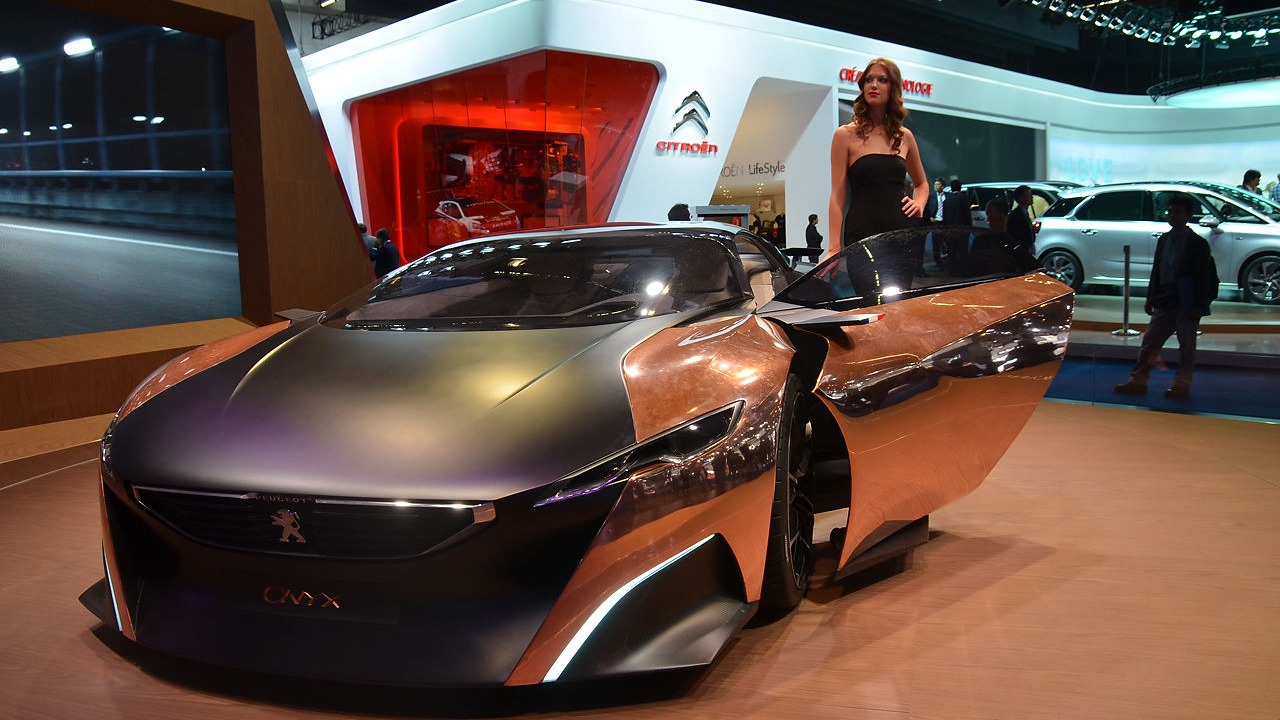
The Peugeot Onyx, revealed in 2012, was a breathtaking concept car that showcased the brand’s innovative approach to sustainable performance. Featuring a body made from a blend of carbon fiber and natural materials like copper, the Onyx was not only striking but also highlighted eco-conscious design principles. The vehicle was powered by a hybrid powertrain, combining a diesel engine with an electric motor, representing a forward-thinking approach to performance and efficiency.
Despite its revolutionary design and technology, Peugeot decided against bringing the Onyx to market due to its high production costs and limited practicality. The Onyx serves as a reminder of the potential for sustainable innovation in the automotive industry, inspiring future designs that prioritize both aesthetics and environmental responsibility.
Lexus LF-NX
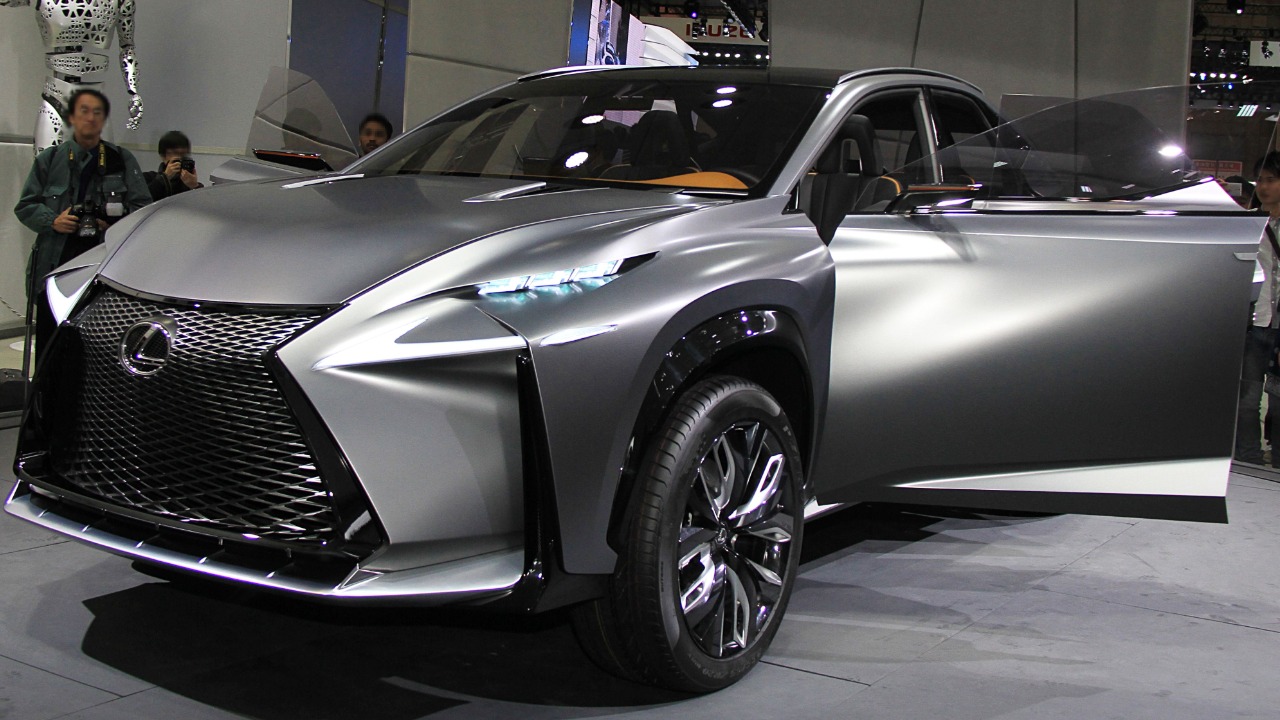
Unveiled in 2013, the Lexus LF-NX was a concept SUV that aimed to redefine luxury in the compact crossover segment. With bold lines and an aggressive front fascia, the LF-NX was designed to attract a younger audience. It featured a hybrid powertrain, integrating Lexus’s commitment to sustainability without compromising performance. The interior boasted high-tech features, including a touchpad interface for controlling various aspects of the vehicle.
Despite the positive reception from the automotive community, Lexus hesitated to bring the LF-NX to production due to its radical styling, which might not align with mainstream consumer tastes. However, elements of the LF-NX eventually influenced the design of the production-ready Lexus NX, showcasing how concept cars can impact the evolution of automotive design.
Mercedes-Benz F015 Luxury in Motion
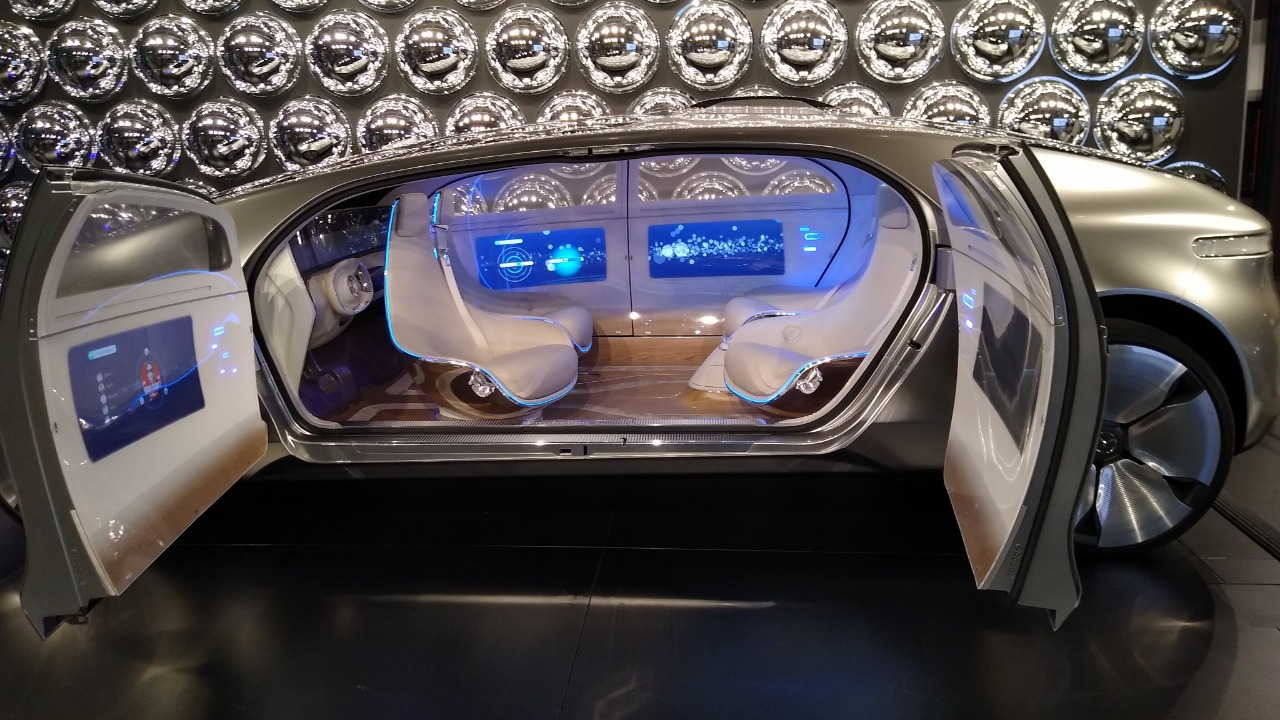
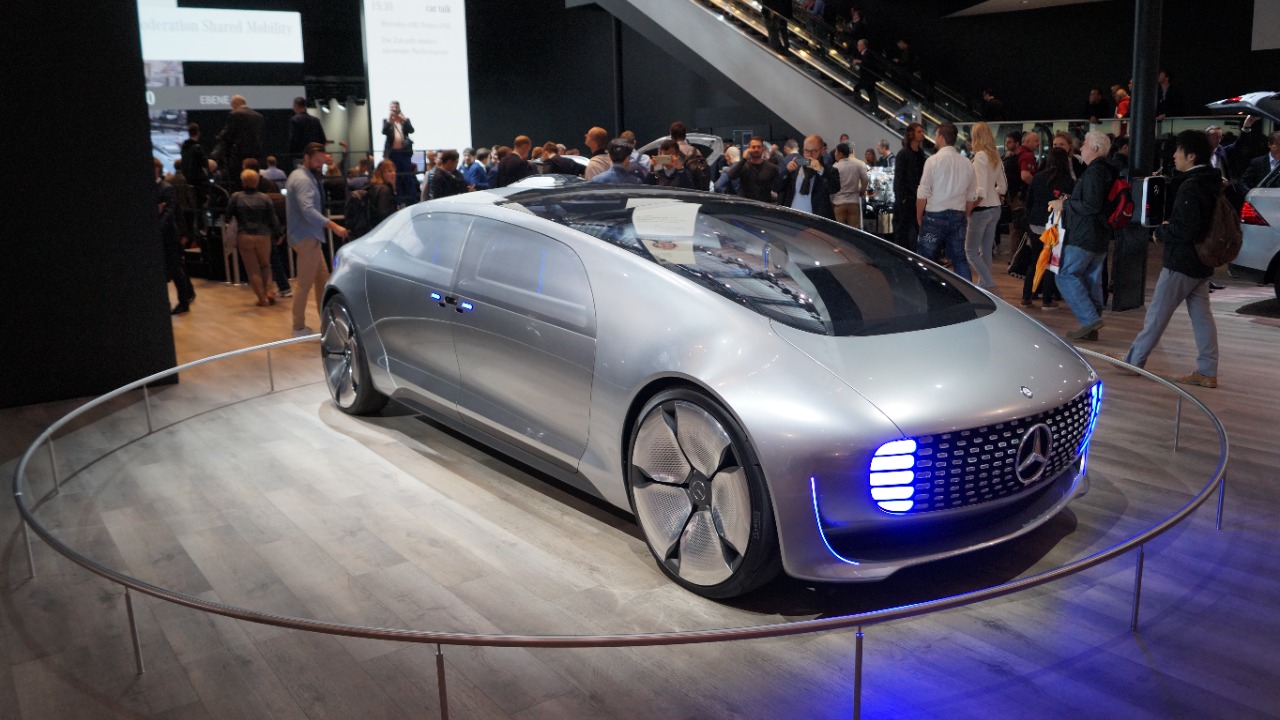
The Mercedes-Benz F015 Luxury in Motion, introduced in 2015, was a visionary concept that explored the future of autonomous driving. Featuring a sleek, elongated design, this vehicle prioritized comfort and connectivity. The interior was a luxurious lounge-like environment, complete with swivel seats and advanced multimedia interfaces, allowing passengers to work or relax while the car navigated itself. The F015 represented a bold leap into a future where driving could become an experience rather than a necessity.
Despite the excitement surrounding the F015, Mercedes-Benz faced challenges in realizing such a radical concept. Concerns about safety, regulatory approval, and consumer acceptance led the company to keep this groundbreaking design as a concept. The F015 remains a testament to the potential of autonomous technology in reshaping the automotive landscape.
Honda Puyo
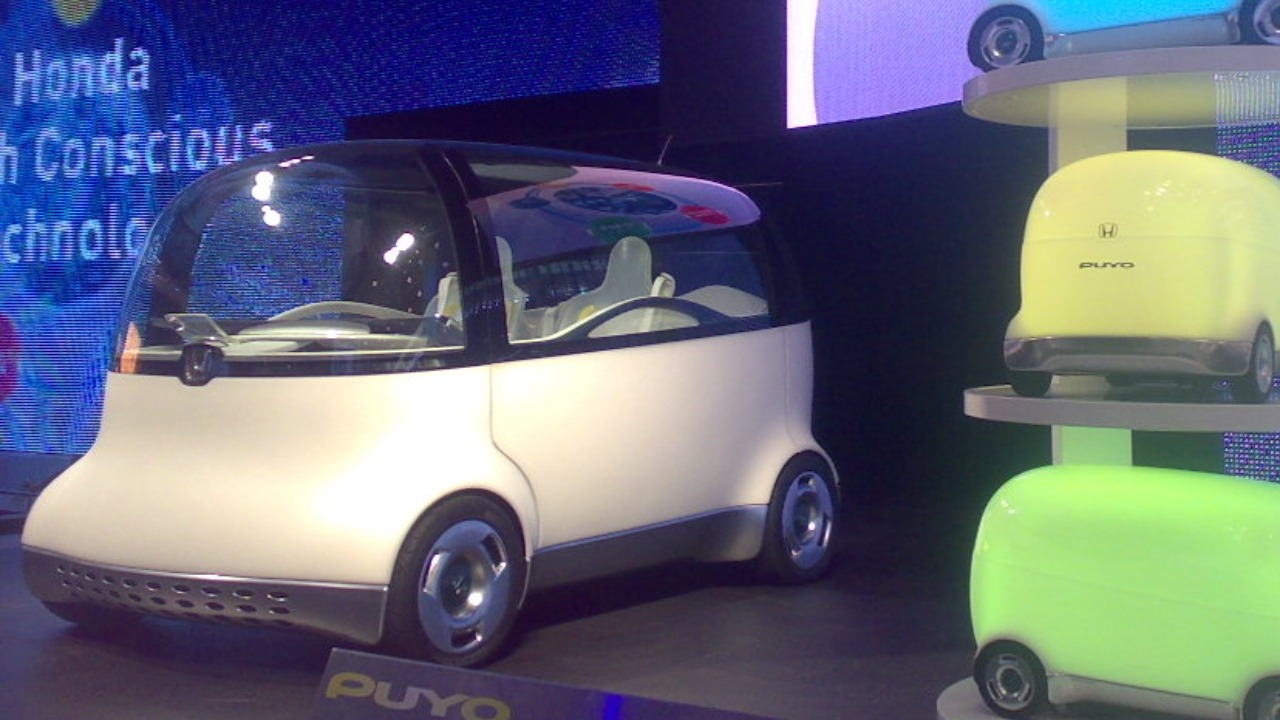
First unveiled at the 2007 Tokyo Motor Show, the Honda Puyo was a whimsical concept car that aimed to showcase a new approach to urban mobility. With its soft, rounded exterior and friendly design, the Puyo was meant to evoke a sense of warmth and approachability. Its unique styling, combined with a focus on eco-friendliness, made it a fascinating exhibit, especially for city dwellers seeking a compact vehicle.
However, the Puyo’s unconventional design raised questions about practicality and safety, ultimately leading Honda to abandon plans for production. The Puyo was a bold statement about the future of urban transportation, emphasizing the need for vehicles that fit seamlessly into city life while also being environmentally conscious. Its design has influenced discussions around the future of mobility in dense urban areas.
Nissan BladeGlider
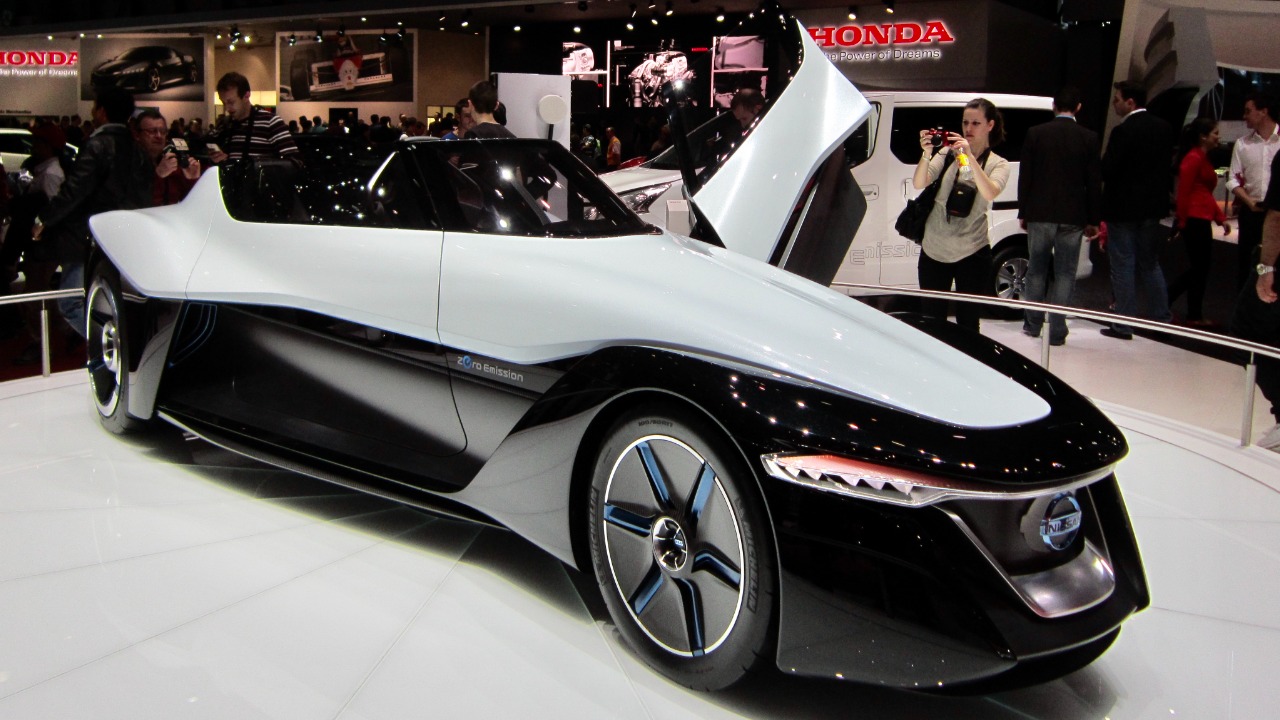
The Nissan BladeGlider, revealed in 2013, was a radical take on the sports car, featuring a unique delta-wing design that promised exceptional aerodynamics and performance. This concept was powered by an electric drivetrain, showcasing Nissan’s commitment to sustainable performance. The BladeGlider’s seating arrangement, with passengers seated in a tandem layout, further set it apart from traditional sports cars, emphasizing a more engaging driving experience.
Despite the BladeGlider’s innovative design and high-performance potential, Nissan faced challenges regarding safety regulations and consumer interest in such an unconventional vehicle. Ultimately, the concept was not developed for production, but it remains an intriguing example of how automakers can push the boundaries of design and technology in the quest for the future of performance vehicles.
More from Fast Lane Only
- Unboxing the WWII Jeep in a Crate
- 15 rare Chevys collectors are quietly buying
- 10 underrated V8s still worth hunting down
- Police notice this before you even roll window down
*Research for this article included AI assistance, with all final content reviewed by human editors.