Studebaker put its own overhead-valve V8 into production in 1951, and the Studebaker V8 family ran until the company stopped building engines in 1964. In those 14 model years it grew from a 120-horsepower 232 into a supercharged 304.5-cubic-inch R3. Here are the seven versions that tell that story, in the order they arrived.
Every displacement, rating and count below comes from the engine histories at Curbside Classic and Mac’s Motor City Garage, the Avanti registry and two other references linked in each entry. Where the sources disagree, we say so or leave the figure out.
1. 1951–1954 Studebaker 232 V8
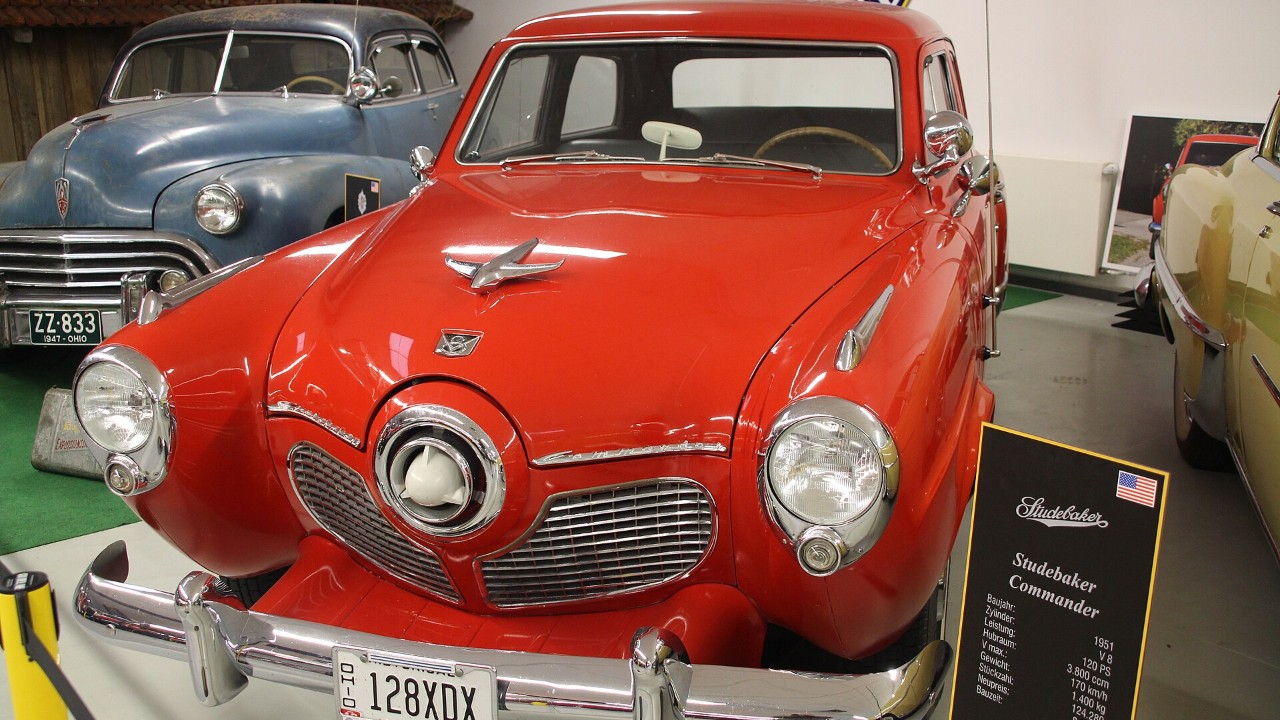
The first Studebaker V8 displaced 232.6 cubic inches, from a 3.375-inch bore and a 3.25-inch stroke. It ran a mild 7.0:1 compression ratio and carried a 120-horsepower rating. Studebaker launched it in the 1951 Commander, “years before Ford or Chevrolet,” as Mac’s Motor City Garage puts it.
According to Curbside Classic’s Studebaker V8 history, the 232 made its 120 hp at 4,000 rpm and 190 lb-ft of torque at 2,000 rpm. Later, it also powered the 1953–54 Starliner coupes. Mac’s Motor City Garage points out that it looked a lot like Cadillac’s 1949 V8. However, it drove its camshaft with gears rather than a chain, and every Studebaker V8 kept solid lifters to the end.
2. 1955 Studebaker 224 V8
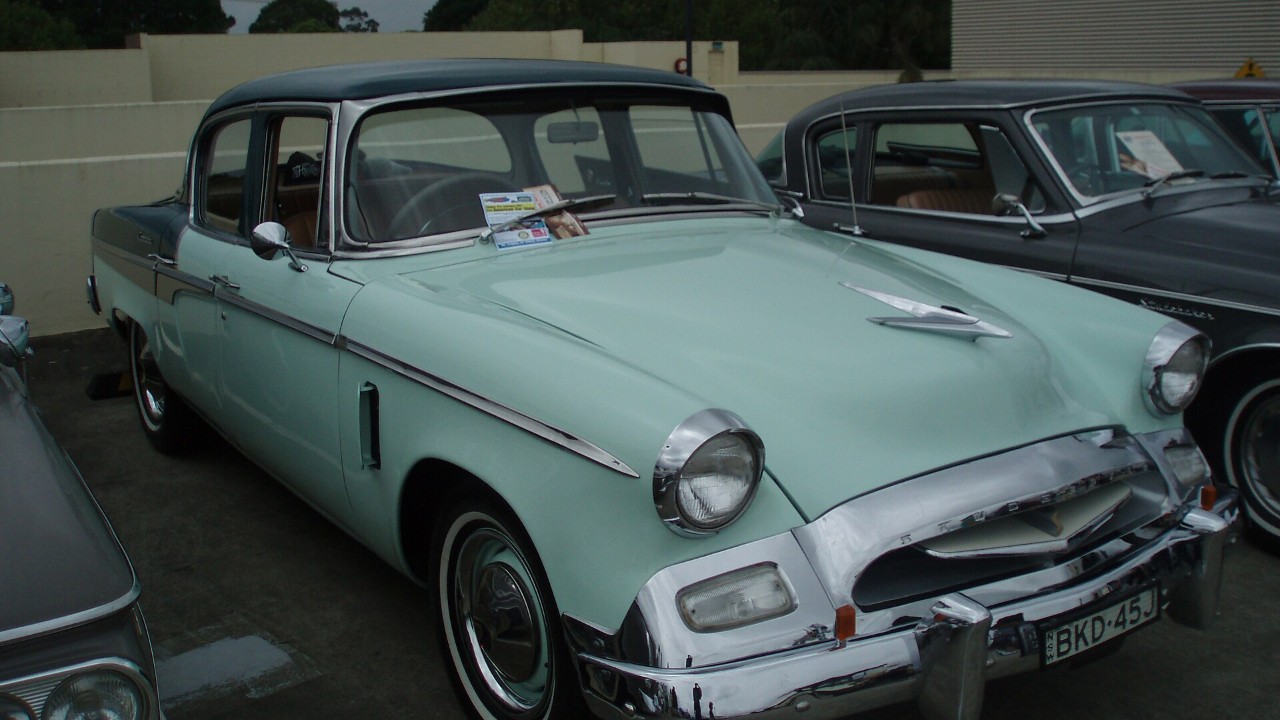
The 224 lasted only part of one model year. Mac’s Motor City Garage calls it a 224.3-cubic-inch “economy version” offered in 1955. Its bore grew to 3.56 inches, while the stroke shrank to 2.81 inches.
Curbside Classic rates it at 140 hp at 4,500 rpm and 202 lb-ft at 2,800 rpm. At first, it served as the base V8 in the 1955 Commander. Then Studebaker dropped it partway through the model year. That makes it the oddball of the family, since every other version here ran for at least a full season.
3. 1955–1964 Studebaker 259 V8
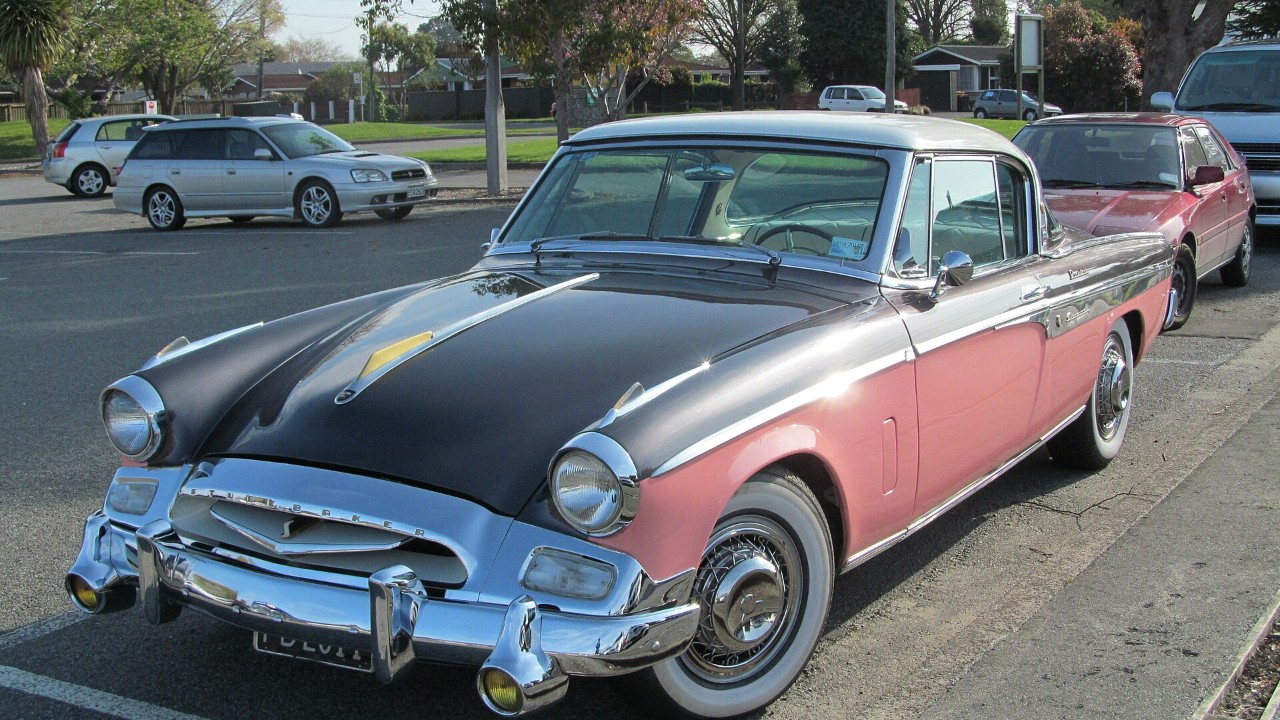
The 259 arrived in 1955 and stayed in production to the very end. Mac’s Motor City Garage puts its displacement at 259.2 cubic inches. Curbside Classic lists the same 3.56-inch bore as the 224.
For 1955, Curbside Classic lists a 162-hp two-barrel “Bearcat” in the Commander and a 175-hp four-barrel “Wildcat” in the President. Later that year a 185-hp “Passmaster” version followed. By 1957 the 259 made 180 hp with a two-barrel or 195 hp with a four-barrel. Studebaker kept building those two versions until engine production ended in 1964.
4. 1956–1964 Studebaker 289 V8
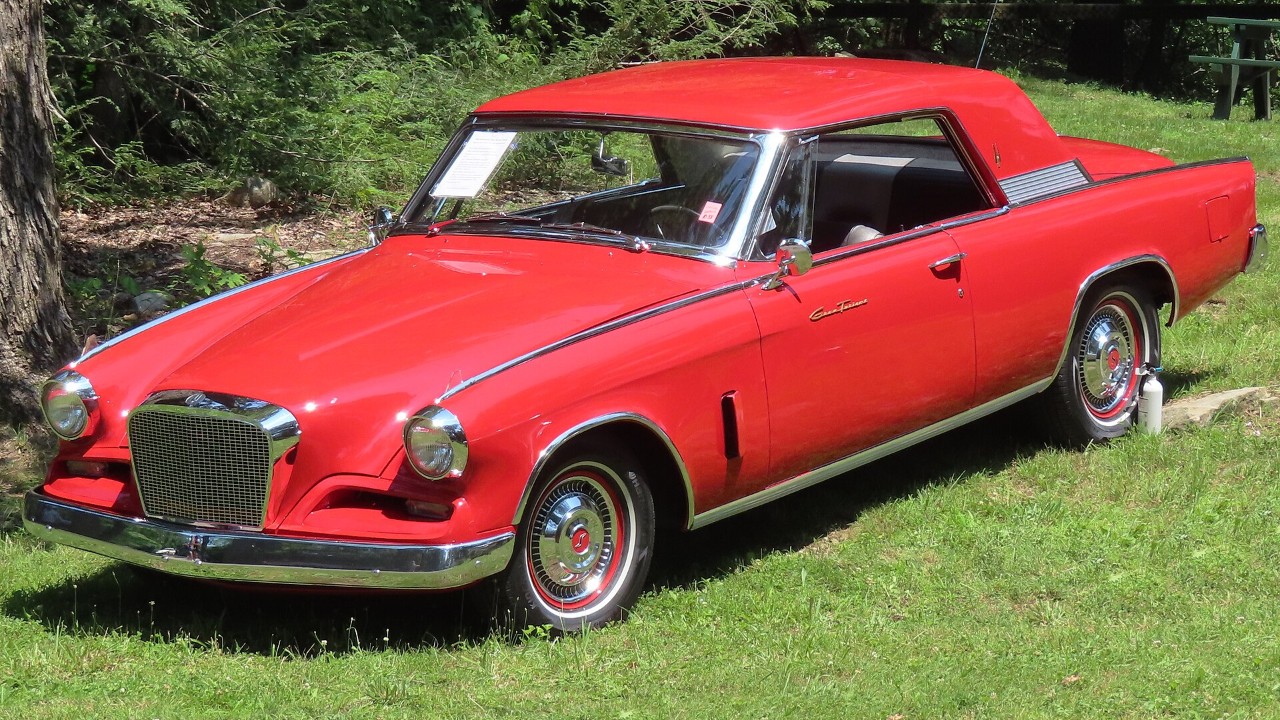
For 1956, Studebaker stretched the stroke to 3.63 inches and got 289 cubic inches. Curbside Classic gives three 1956 ratings: 195 hp at 7.8:1 compression, then 210 hp with a two-barrel and 225 hp with a four-barrel, both at 8.3:1.
However, the 195-hp version disappeared after 1956. Meanwhile, the 210- and 225-hp engines stayed at the top of the regular lineup through 1962, including in the Gran Turismo Hawk. That’s according to Curbside Classic. The 289 also became the base for every supercharged Studebaker V8 that followed.
5. 1957–1958 Studebaker Golden Hawk supercharged 289
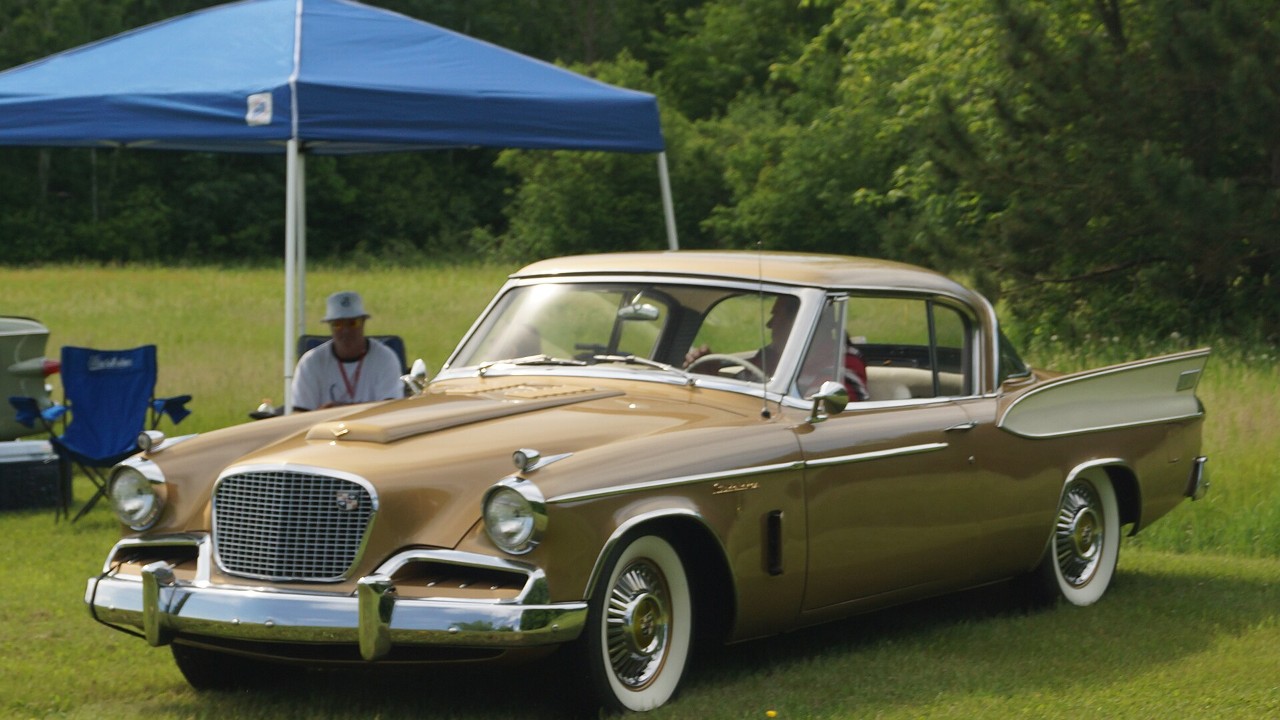
The 1956 Golden Hawk did not use a Studebaker engine at all. Instead, it borrowed Packard’s 352-cubic-inch V8, rated at 275 bhp. For 1957 Studebaker swapped in its own 289 with a supercharger. That combination matched the Packard’s 275-hp rating.
Curbside Classic also adds the details. The blower was a belt-driven centrifugal unit that peaked around 5 psi. A Stromberg two-barrel sat inside a pressure chamber, and compression dropped to 7.8:1. The Golden Hawk listed at $3,182 in 1957, and Studebaker built it through 1958.
6. 1963–1964 Studebaker R2 supercharged 289
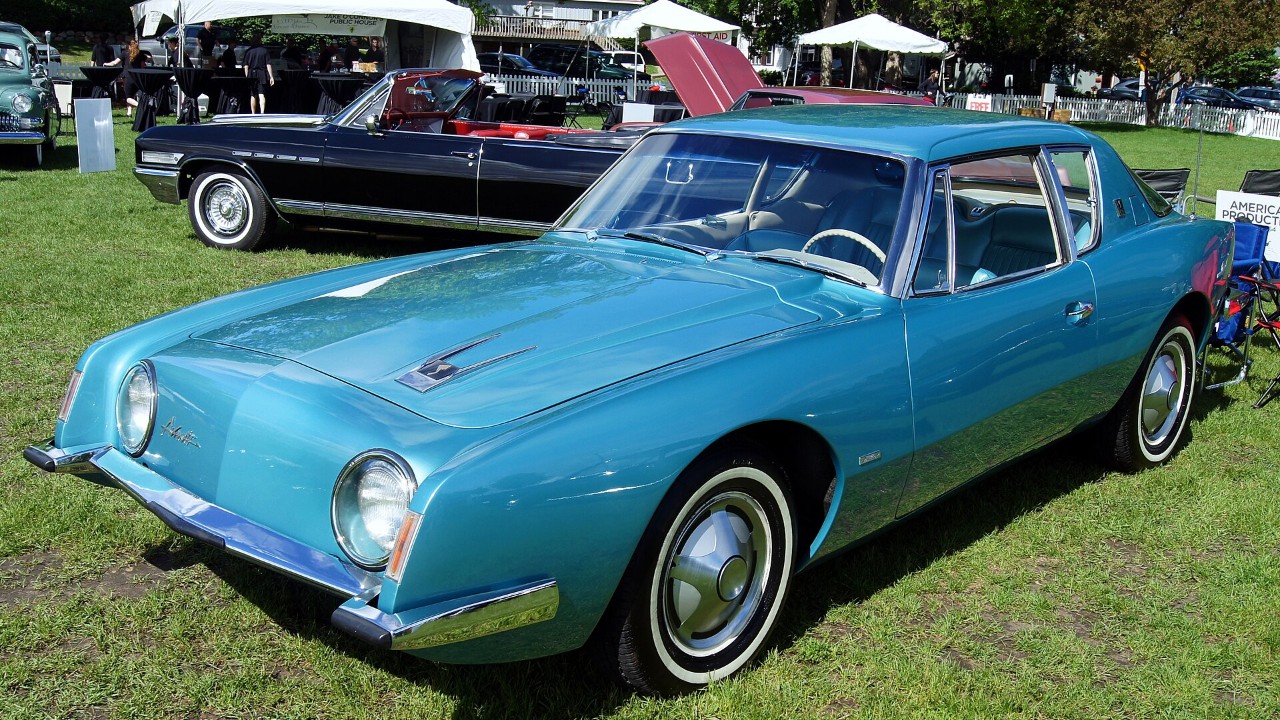
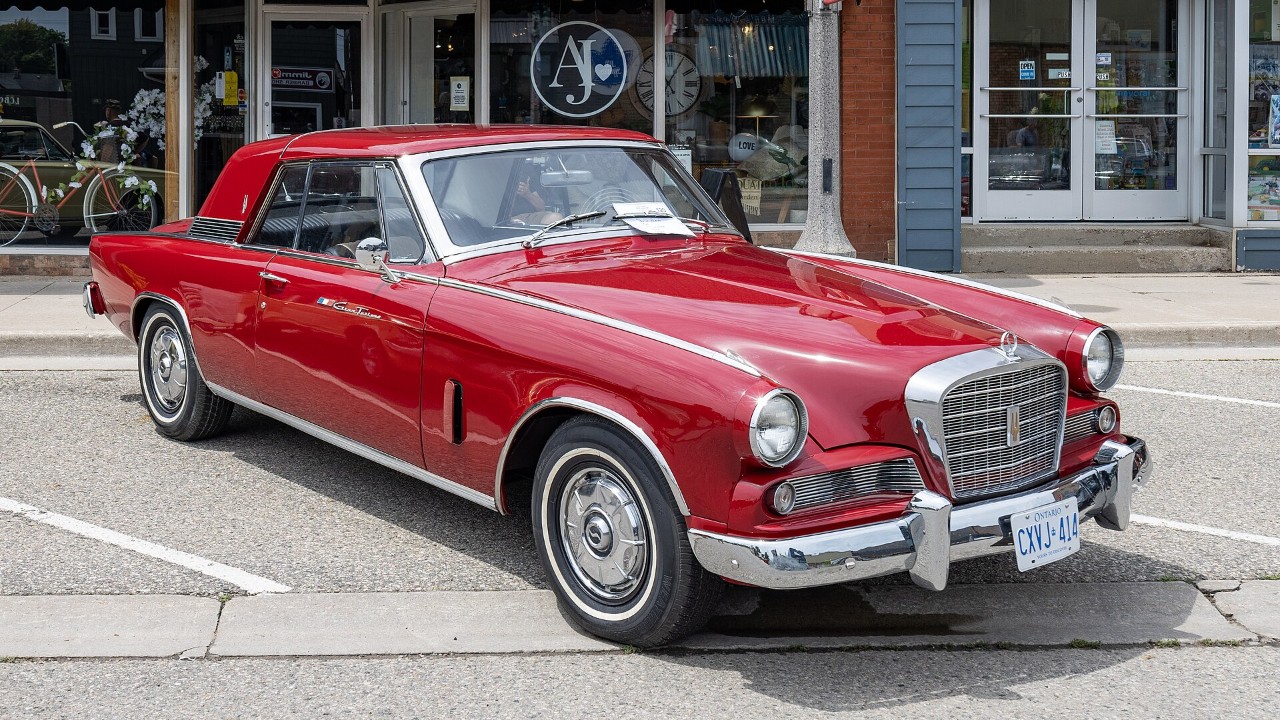
The Avanti arrived with a family of “R” engines, all based on the 289. Its base engine was the R1. That version made 240 hp with a four-barrel and 10.25:1 compression, according to both Curbside Classic and Silodrome’s Avanti R2 feature. Curbside adds that the R1 was optional in the Lark and Hawk.
The R2 added a Paxton SN-60 centrifugal supercharger and dropped compression to 9.0:1. Silodrome and Curbside rate it at 290 hp, while Mac’s Motor City Garage lists 289 hp. Silodrome also says the R2 cost just $210 over the Avanti’s $4,445 base price. Mac’s Motor City Garage adds that the SN60 blower supplied 6 pounds of boost.
7. 1964 Studebaker R3 304.5 V8
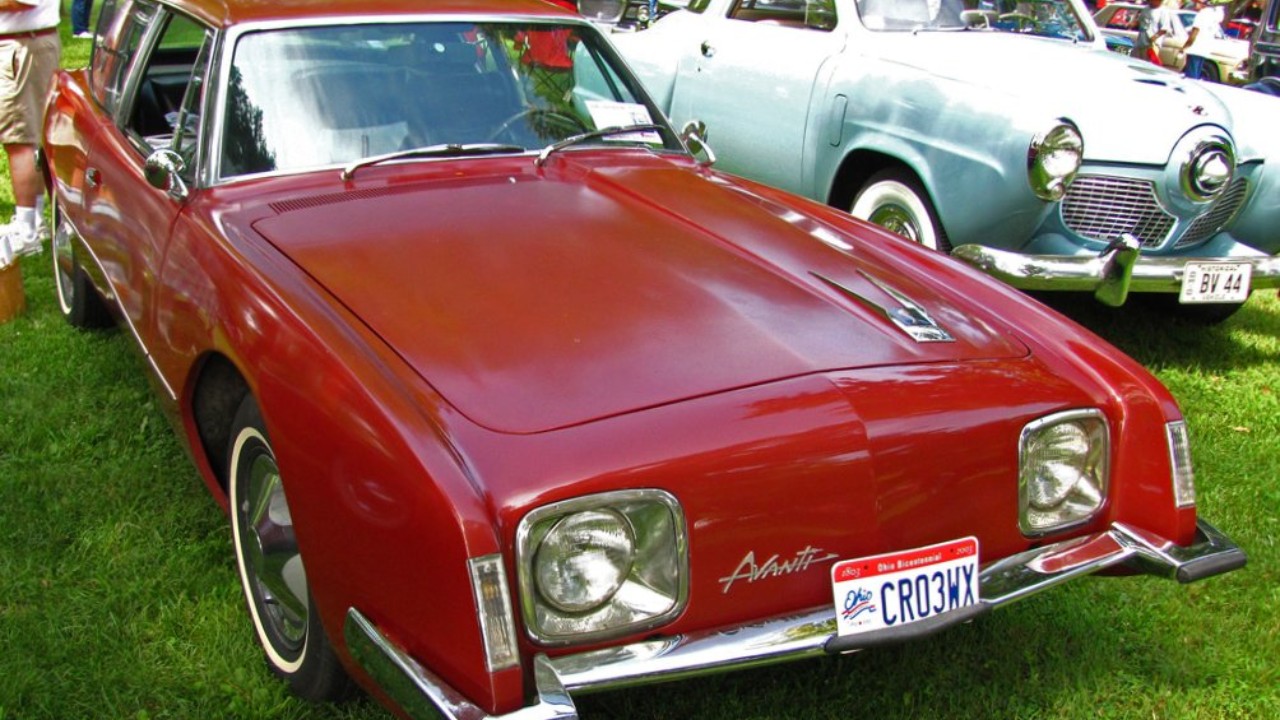
The R3 took selected 289 blocks and bored them to 3.65 inches, for 304.5 cubic inches. The registry credits Andy Granatelli with that enlargement, and a Paxton supercharger fed it, according to the Avanti registry’s R3 page. Its claimed output varies widely by source, so we leave that number out.
The registry states that “Nine 1964 Avantis with R3 engines were built,” and it lists all nine serial numbers. Curbside Classic agrees that nine customers ordered an R3 Avanti, at $1,031 extra. It adds that about 20 more R3s were probably built later by swapping crate engines into cars. Studebaker then stopped making V8s after 1964. Its final 1965–66 cars, built in Canada, used Chevrolet engines, according to Mac’s Motor City Garage. The registry marks the last of the nine R3 Avantis, serial R5643, as the “Last Studebaker Avanti.”
More from Fast Lane Only
- Unboxing the WWII Jeep in a Crate
- 15 rare Chevys collectors are quietly buying
- 10 underrated V8s still worth hunting down
- Police notice this before you even roll window down
This article was created with the help of AI and was reviewed and edited by Fast Lane Only editors before publication.