In the automotive world, popularity often drives sales, but it doesn’t always equate to success or quality. Some cars, despite their lack of widespread appeal, have carved out a niche in the market. They may have been ambitious attempts at innovation or simply missed the mark with consumers. Here are eight cars that proved popularity isn’t everything, showcasing how even the most iconic manufacturers can stumble.
Ford Mustang II

The Ford Mustang II, produced from 1974 to 1978, was a significant departure from the original Mustang’s muscle car roots. By downsizing the vehicle to meet new fuel economy standards, Ford aimed to appeal to a broader audience during the oil crisis. However, many enthusiasts felt that the Mustang II diluted the brand’s performance legacy. Critics often labeled it as underpowered, with its four-cylinder engine feeling inadequate for a muscle car. Despite selling over 400,000 units, it failed to resonate with traditional Mustang fans, leading to mixed reviews. The Mustang II is often seen as a misstep in Ford’s storied history.
Chevrolet Corvair
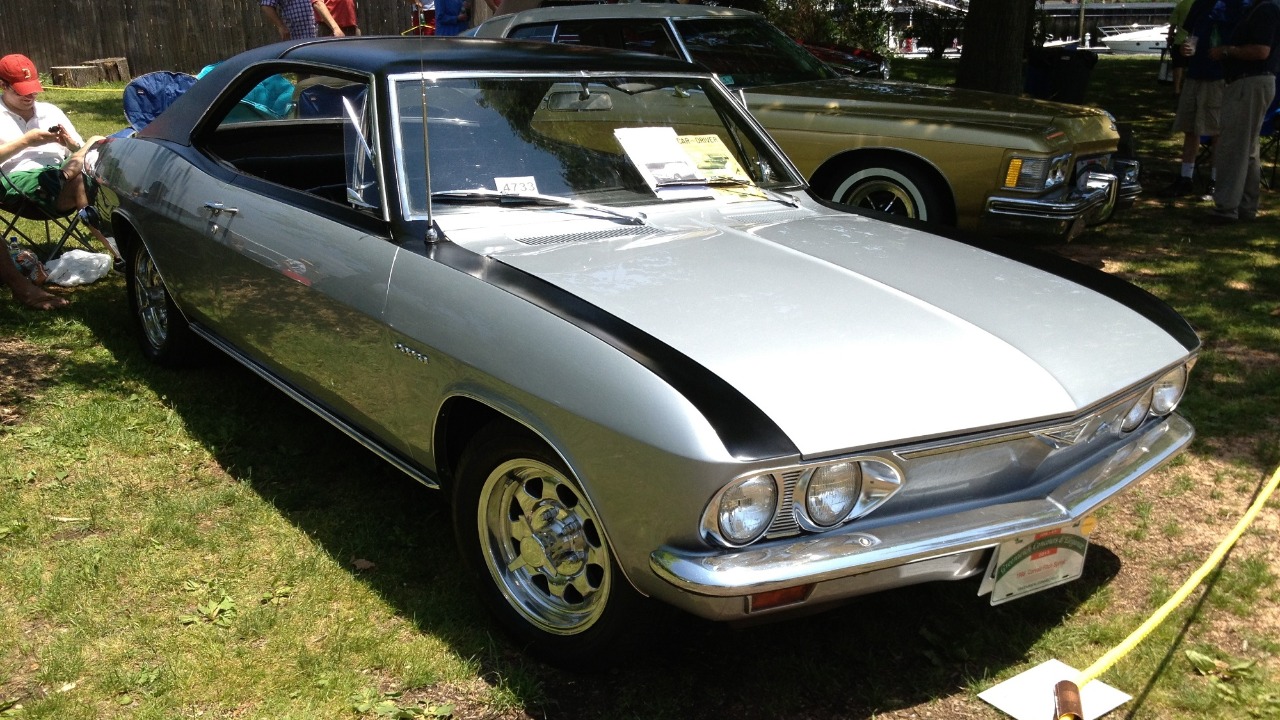
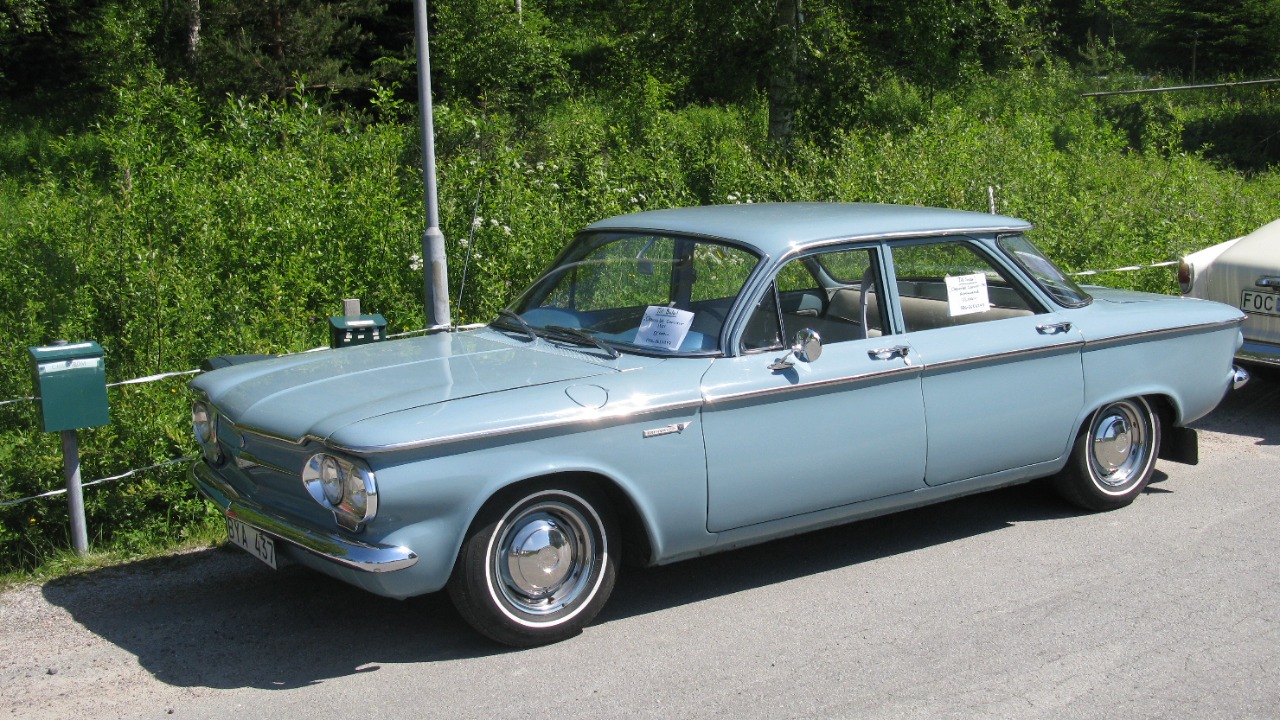
The Chevrolet Corvair, produced from 1960 to 1969, was General Motors’ foray into the compact car market. With a unique rear-engine layout and innovative design, it was initially well-received. However, the Corvair became infamous following Ralph Nader’s book “Unsafe at Any Speed,” which criticized its handling and safety. This negative publicity severely impacted sales, despite the fact that many issues were exaggerated. The Corvair’s innovative engineering and design elements are often overshadowed by its troubled reputation. While it had a dedicated following, it never achieved the mainstream success GM had hoped for, leading to its discontinuation in 1969.
Pontiac Aztek
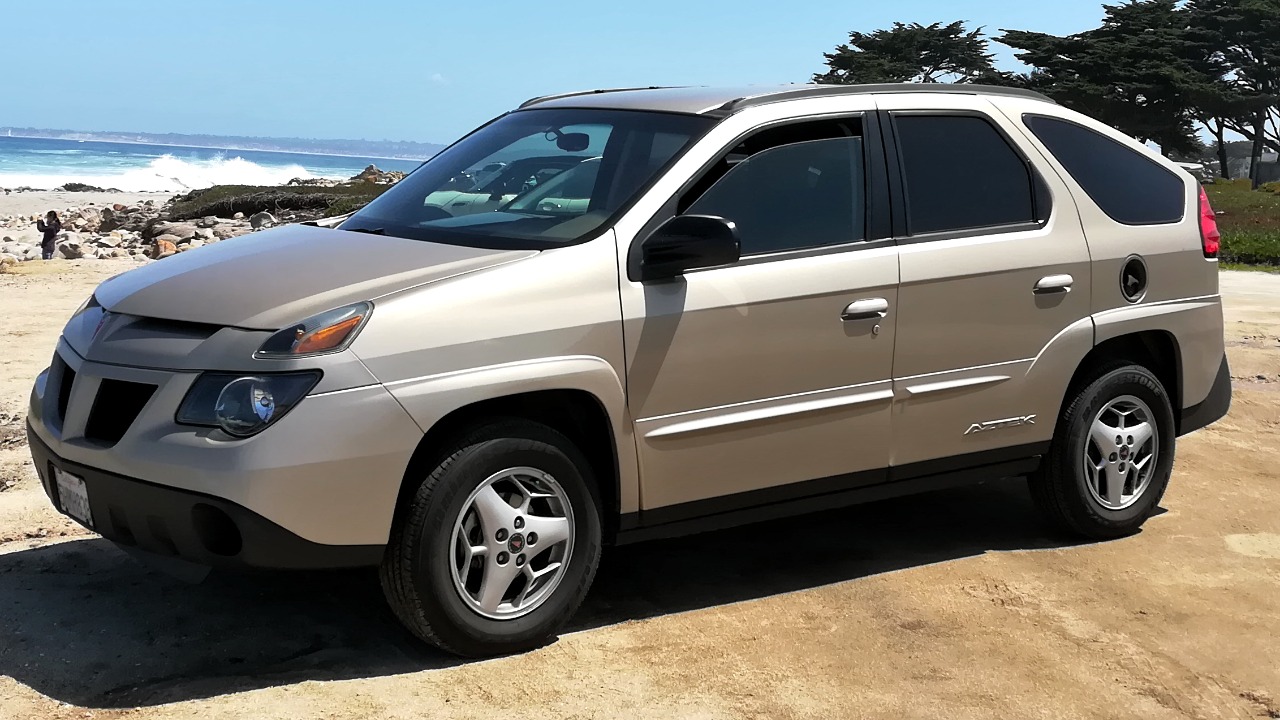
When the Pontiac Aztek debuted in 2001, it was marketed as a versatile crossover with unique styling. However, its polarizing design led to widespread criticism, and it quickly became a symbol of automotive misjudgment. Despite attempts to promote its practicality—like a tent that could be attached to the back—most consumers were put off by its unconventional looks. The Aztek’s sales were disappointing, and it was discontinued in 2005 after just four years. Even today, it often appears on lists of the worst cars ever made. Interestingly, the Aztek has seen a bit of a renaissance in popular culture, often appreciated for its quirky design.
Nissan Juke

The Nissan Juke, launched in 2010, was another example of a car that divided opinions. Its bold, unconventional design attracted a dedicated fan base, but many others found it unattractive. Featuring a high driving position and sporty handling, the Juke was marketed as an urban crossover aimed at younger drivers. Despite some enthusiastic reviews, its sales in the U.S. were inconsistent. While it did gain traction in other markets, especially Europe, it never reached the popularity of competitors like the Honda HR-V. The Juke’s design has since influenced Nissan’s future models, proving that sometimes, bold choices can pave the way for innovation, even if they don’t initially succeed.
Fiat 500
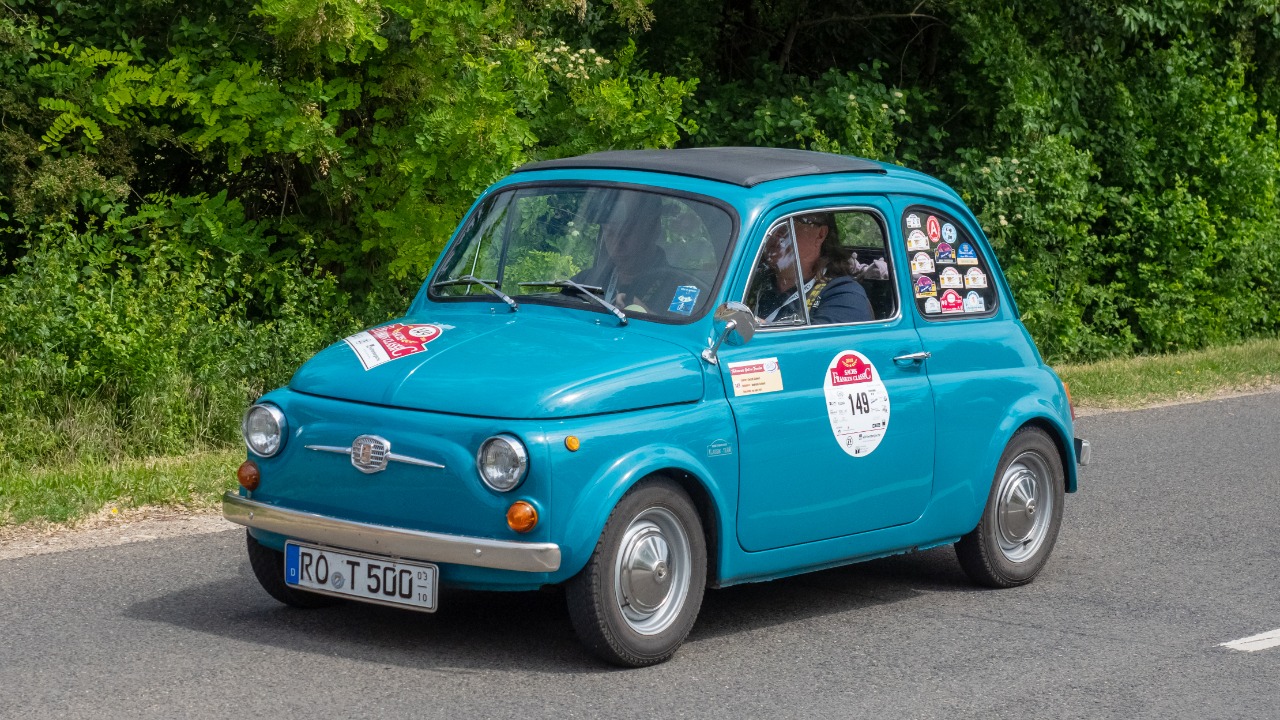
The Fiat 500 was relaunched in the United States in 2011, bringing with it a retro charm and a focus on city driving. While it enjoyed some initial success, it soon struggled to maintain momentum in a competitive market. The small size and limited power of the 500 made it impractical for many consumers, particularly in regions where larger vehicles dominate. Moreover, its quirky design, while appealing to some, alienated potential buyers looking for a more traditional subcompact. Sales dwindled over the years, leading to a decline in Fiat’s presence in the U.S. market, despite the car’s cult status among enthusiasts.
Honda Crosstour
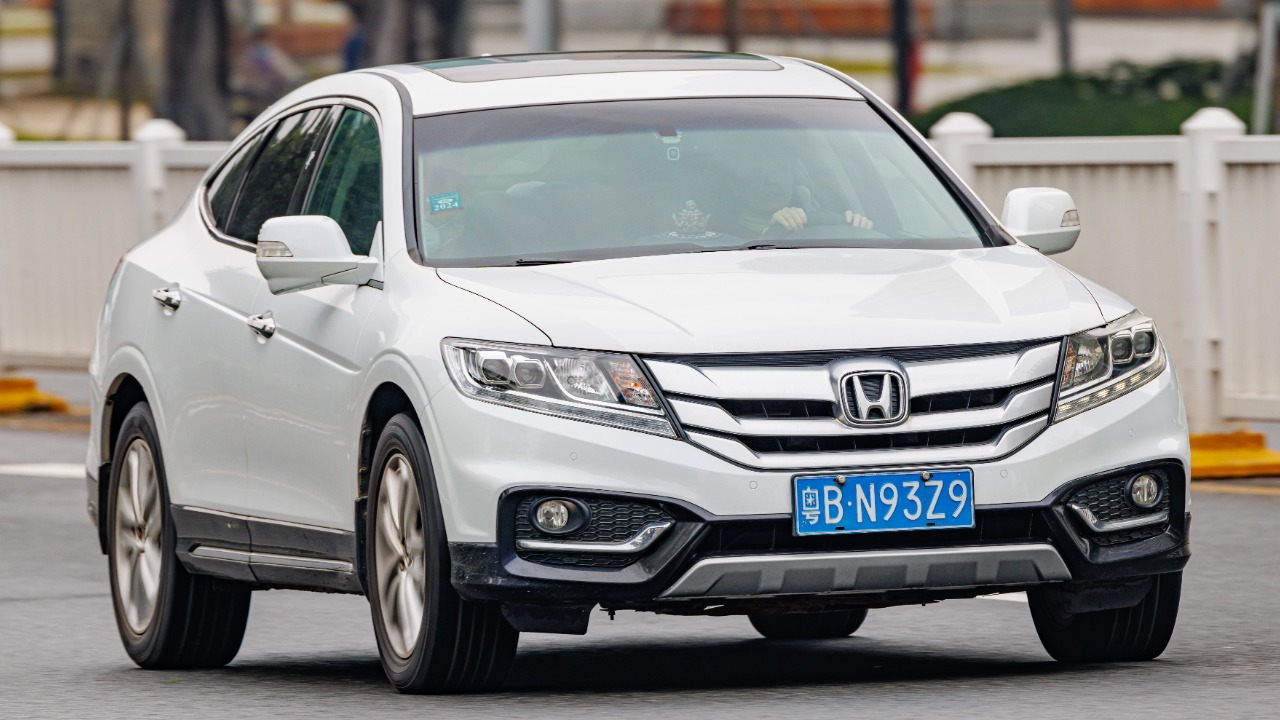
The Honda Crosstour, introduced in 2010, attempted to blend the features of a sedan and an SUV. Despite Honda’s reputation for reliability and innovation, the Crosstour was met with lukewarm reception. Many consumers found its design awkward, and it struggled to carve out a distinct identity. The marketing strategy was unclear, leading to confusion about its target audience. Consequently, sales fell short of expectations, and the Crosstour was discontinued in 2015. Although it had some practical features and a comfortable interior, it never gained the traction Honda had envisioned and is often considered an example of misjudged consumer preferences.
Chrysler PT Cruiser
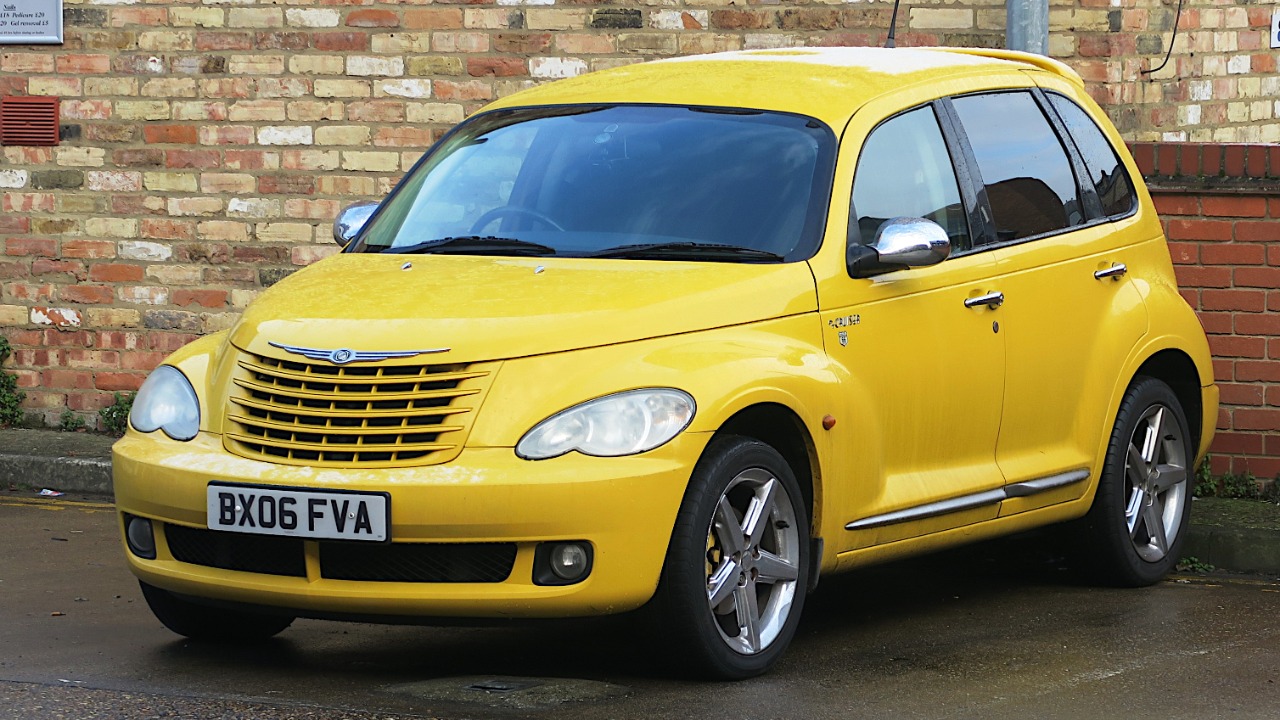
The Chrysler PT Cruiser, launched in 2000, was initially celebrated for its retro design and versatility. It appealed to consumers looking for something different from the typical compact car. However, as time went on, its quirky aesthetic became less popular, and it began to face criticism for its performance and handling. Despite selling well in its first few years, the PT Cruiser’s appeal waned, leading to dwindling sales. It was discontinued in 2010 after a decade on the market. The PT Cruiser remains a fascinating case study in how initial popularity can fade, especially if a vehicle doesn’t evolve with consumer tastes.
Toyota Mirai

The Toyota Mirai, launched in 2014, represents a bold step into the realm of hydrogen fuel-cell technology. While it showcases Toyota’s commitment to sustainability, the Mirai has struggled with acceptance in the mainstream market. The high cost of hydrogen fueling infrastructure and limited refueling stations have hindered its practicality. Despite receiving praise for its innovative technology and clean emissions, the Mirai’s sales have been modest at best. Toyota has invested significantly in hydrogen fuel cell technology, hoping that as infrastructure develops, the Mirai will find its place. Until then, it remains a niche vehicle, proving that even well-intentioned innovations can struggle in the marketplace.
More from Fast Lane Only
- Unboxing the WWII Jeep in a Crate
- 15 rare Chevys collectors are quietly buying
- 10 underrated V8s still worth hunting down
- Police notice this before you even roll window down
*Research for this article included AI assistance, with all final content reviewed by human editors.