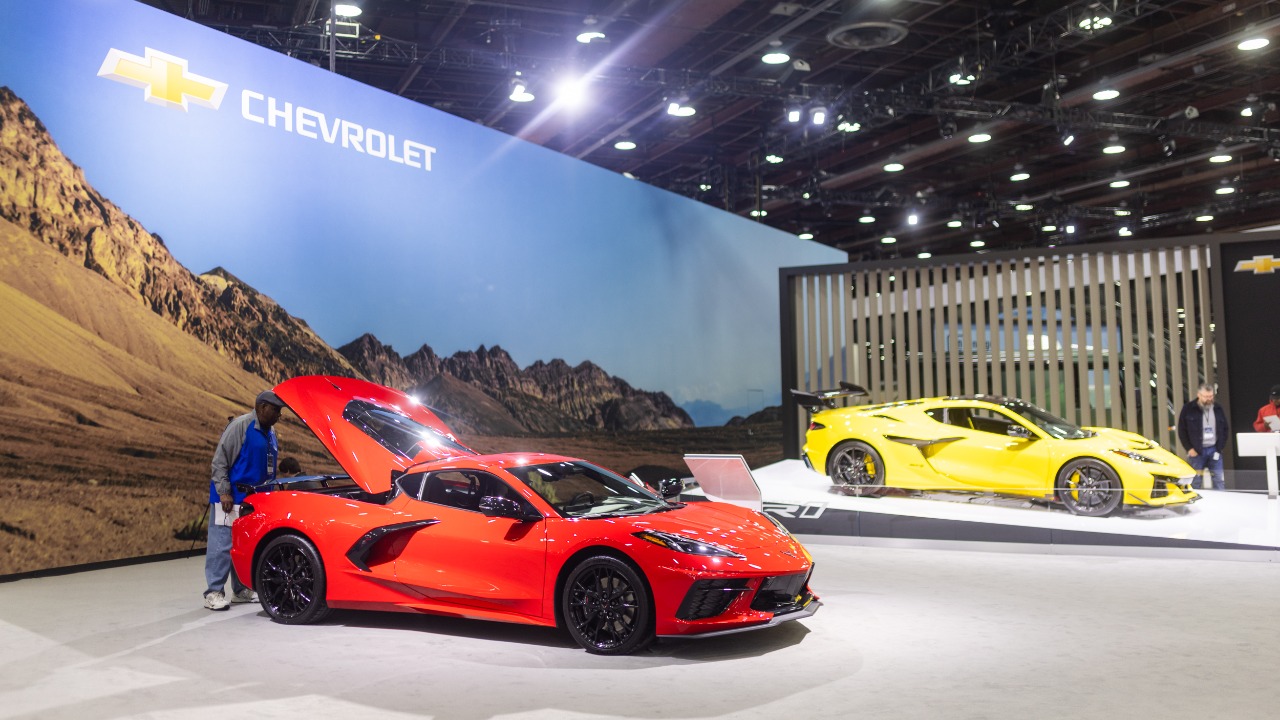
Chevrolet now aims the new Corvette ZR1 squarely at territory long dominated by European supercar makers, and the numbers matter. The car combines headline performance, hybrid sophistication, and aggressive pricing that collectively threaten the traditional value equation supporting Europe’s most coveted badges.
European brands built their reputations on blending speed, emotion, and exclusivity, yet the latest ZR1 challenges each pillar simultaneously. The model forces established players to justify higher prices, slower innovation cycles, and narrower performance margins in a market that increasingly rewards disruptive engineering.
Powertrain innovation that narrows Europe’s technological lead
Chevrolet uses the Corvette ZR1 to showcase powertrain technology that rivals European flagships rather than chasing them from behind. Engineers pair a high output combustion engine with advanced hybrid assistance, which delivers instant torque and sustained power on track-focused runs. Reported specifications describe a twin-turbocharged 5.5 liter V8 combined with electric support that targets more than 900 horsepower. Designers integrate the hybrid system to enhance performance rather than prioritize efficiency, which mirrors strategies used by halo models like the Ferrari SF90 Stradale. Packaging places the battery and electric hardware to maintain mid engine balance, so drivers experience sharp turn in and stable high speed behavior.
European manufacturers previously used complex hybrid systems to justify six figure premiums, yet the ZR1 compresses that hierarchy. Chevrolet reportedly plans pricing that undercuts many European supercars while delivering comparable acceleration and top speed figures. Analysts note that the car’s projected output and performance benchmarks approach or exceed several established European models, including some limited production specials. The hybrid layout also supports repeated high speed laps without dramatic power fade, which matters for track day customers. European brands now face a competitor that offers similar technology without the traditional cost barrier, according to detailed previews of the drivetrain and performance targets.
Aerodynamics and chassis tuning that target European circuits
Chevrolet developed the ZR1 with explicit goals around lap times on circuits that European brands traditionally treat as proving grounds. Engineers focused on Nürburgring performance, using extensive wind tunnel work and track testing to refine the car’s aggressive aero package. The model features a large rear wing, deep front splitter, and complex underbody management that collectively generate substantial downforce. Reports indicate that the most extreme configuration produces significantly more downforce than the already capable Z06, according to early technical breakdowns. Suspension tuning, tire selection, and braking hardware all support repeated high load cornering without rapid degradation.
European brands now confront an American rival that treats their home circuits as primary benchmarks rather than aspirational targets. Chevrolet reportedly validated the ZR1 on multiple European tracks, including Nürburgring Nordschleife, to ensure competitive lap times. Chassis engineers tuned the car to remain stable under heavy braking zones and quick direction changes common on those layouts. The company also offers track oriented packages that include carbon ceramic brakes, lightweight wheels, and more aggressive aero components. Observers expect official lap time announcements to place the ZR1 among elite European machinery, based on testing insights shared during the development program.
Pricing pressure on European supercar business models
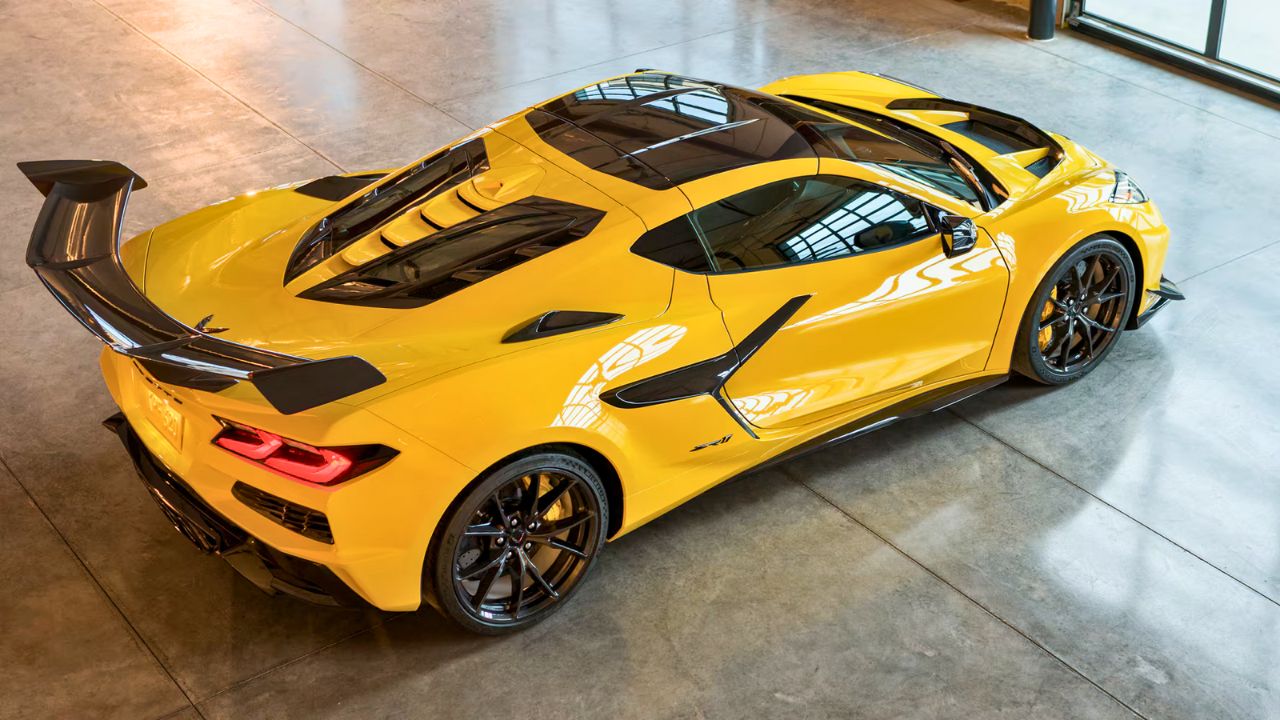
Chevrolet positions the Corvette ZR1 as a supercar that delivers European level performance at a significantly lower entry price. Industry estimates suggest a starting figure that remains well below many European rivals, even before options, according to pricing analysis from early coverage. Buyers receive a mid engine layout, hybrid powertrain, advanced aerodynamics, and track capable hardware without crossing into ultra luxury territory. European brands that rely on high margins for limited production models now face a competitor that compresses perceived value gaps. Customers comparing spec sheets may question why some European supercars command double or triple the projected ZR1 price.
European manufacturers must therefore lean harder on brand heritage, craftsmanship, and exclusivity to defend their pricing structures. Some brands already respond by expanding personalization programs, offering bespoke interiors, and emphasizing hand built components. Others highlight motorsport pedigrees and limited production runs to maintain desirability despite rising competition. Analysts note that the ZR1’s aggressive value proposition could push European companies to adjust option strategies or introduce slightly lower priced variants. Reporting on the Corvette’s expected pricing and equipment levels suggests a deliberate attempt to disrupt established hierarchies.
Brand perception and the shifting definition of “exotic”
Chevrolet historically occupied a different emotional space from European exotics, yet the latest Corvette generation narrows that psychological distance. The ZR1’s design language, cabin quality, and technology suite move closer to what buyers expect from Italian or German supercars. Interior materials, digital interfaces, and driver assistance features now match or exceed some European competitors, according to recent evaluations of the broader Corvette lineup. Customers who once dismissed American sports cars as crude alternatives may reconsider when confronted with the ZR1’s sophistication. European brands must therefore work harder to differentiate on intangible qualities like heritage, sound character, and design artistry.
Perception also shifts because the ZR1 arrives during a period when younger buyers question traditional luxury hierarchies. Social media coverage often focuses on performance metrics, lap times, and real world usability rather than purely on badge prestige. Influencers and track day enthusiasts highlight cars that deliver repeatable performance and accessible service networks. The Corvette benefits from a relatively extensive dealer footprint and more approachable maintenance costs compared with many European exotics. Analysts covering the ZR1’s market impact argue that such factors could erode the aura surrounding some European brands, as suggested by market commentary that examines shifting buyer priorities.
Regulatory headwinds and the last stand of combustion flagships
European automakers operate under increasingly strict emissions and noise regulations that complicate development of high output combustion flagships. Many brands accelerate transitions toward fully electric performance models, which alters the character of their future lineups. The Corvette ZR1 instead represents a hybridized extension of traditional combustion thrills, which appeals to enthusiasts who resist full electrification. Reports describe the car’s exhaust note and high revving character as central to its identity, according to launch coverage that highlights emotional appeal. European brands that pivot toward quieter electric supercars may struggle to satisfy customers seeking visceral experiences.
Regulatory pressure also influences how many combustion models European companies can justify within their fleets. Some manufacturers already limit production of high emission vehicles to meet fleet average targets and avoid penalties. The ZR1, developed under different regulatory conditions, can pursue performance without the same constraints. Analysts suggest that this divergence could give Chevrolet a temporary advantage in delivering traditional supercar sensations. Commentary on the Corvette’s timing notes that it may represent one of the last major combustion flagships before global rules tighten further, as discussed in industry analysis focused on regulatory context.
European responses and the next phase of the performance arms race
European brands are unlikely to ignore the challenge posed by the Corvette ZR1, and several already prepare countermeasures. Some manufacturers invest heavily in hybrid systems that combine electric torque with downsized combustion engines to maintain performance. Others accelerate development of dedicated electric supercars that promise instant acceleration and advanced torque vectoring. Reports on upcoming European models describe power figures and technology packages designed to reclaim performance leadership, according to previews of future lineups. The ZR1 therefore acts as a catalyst that pushes the entire segment toward faster innovation cycles.
Competition ultimately benefits buyers, who gain access to more capable and technologically advanced performance cars across price brackets. European brands will likely emphasize unique driving experiences, bespoke craftsmanship, and motorsport connections to differentiate from the Corvette’s value driven proposition. Some may also explore new subscription services, track programs, or digital ecosystems that deepen customer engagement. Analysts expect the next few product cycles to reveal whether heritage or disruptive engineering carries more weight in the supercar market. Coverage of the ZR1’s reception and European strategic responses suggests that the performance arms race now enters a more crowded and unpredictable phase.