Detroit has long been synonymous with automotive innovation, often serving as a birthplace for groundbreaking ideas that, at times, outpaced market readiness. From the assembly line to electric vehicles, the Motor City has been a hub of creativity and forward-thinking design. Here are eight remarkable examples of cars that were ahead of their time, demonstrating Detroit’s enduring influence on the automotive landscape.
The Ford Model T: Revolutionizing Mass Production
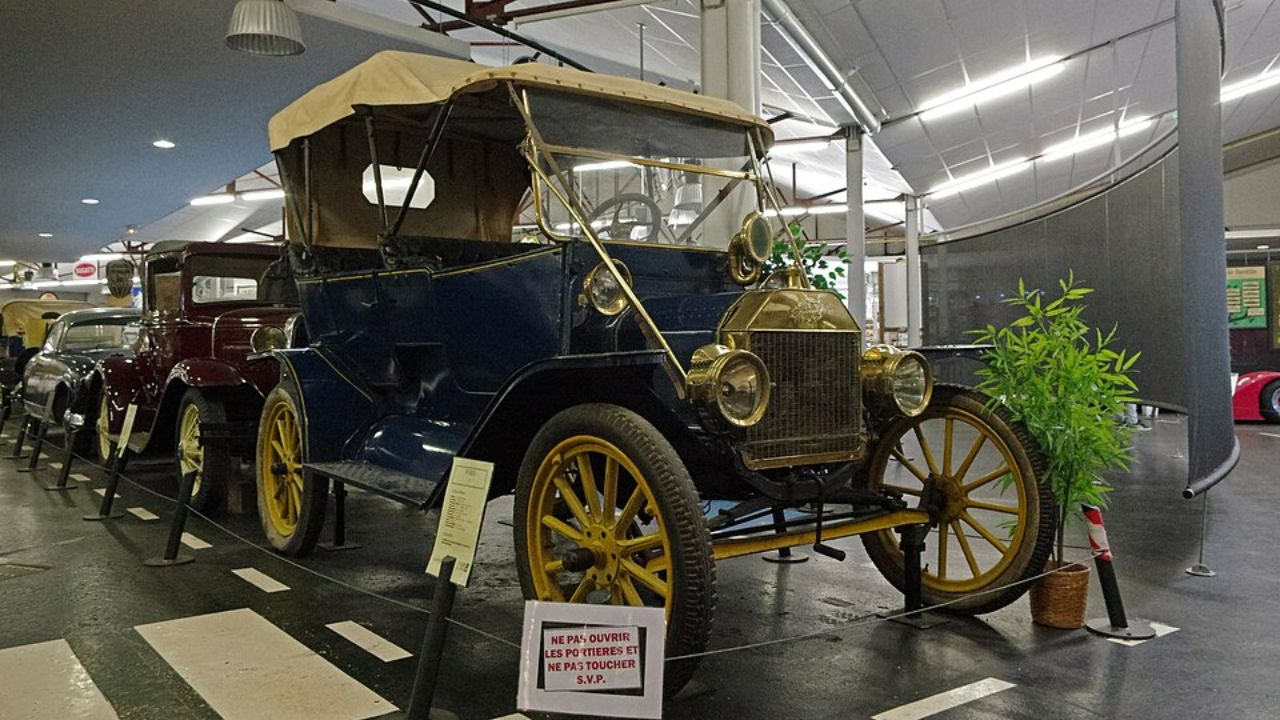
Launched in 1908, the Ford Model T revolutionized the automobile industry by introducing assembly line production, significantly lowering costs and making cars accessible to the general public. Henry Ford’s vision of mass production not only transformed the manufacturing process but also changed American society by enabling the rise of the automobile culture. By 1927, over 15 million units had been sold, making it one of the best-selling vehicles in history. The Model T’s combination of affordability, durability, and simplicity set a new standard for automobiles worldwide, influencing generations of car manufacturers.
The Chevrolet Volt: Pioneering Plug-in Hybrids
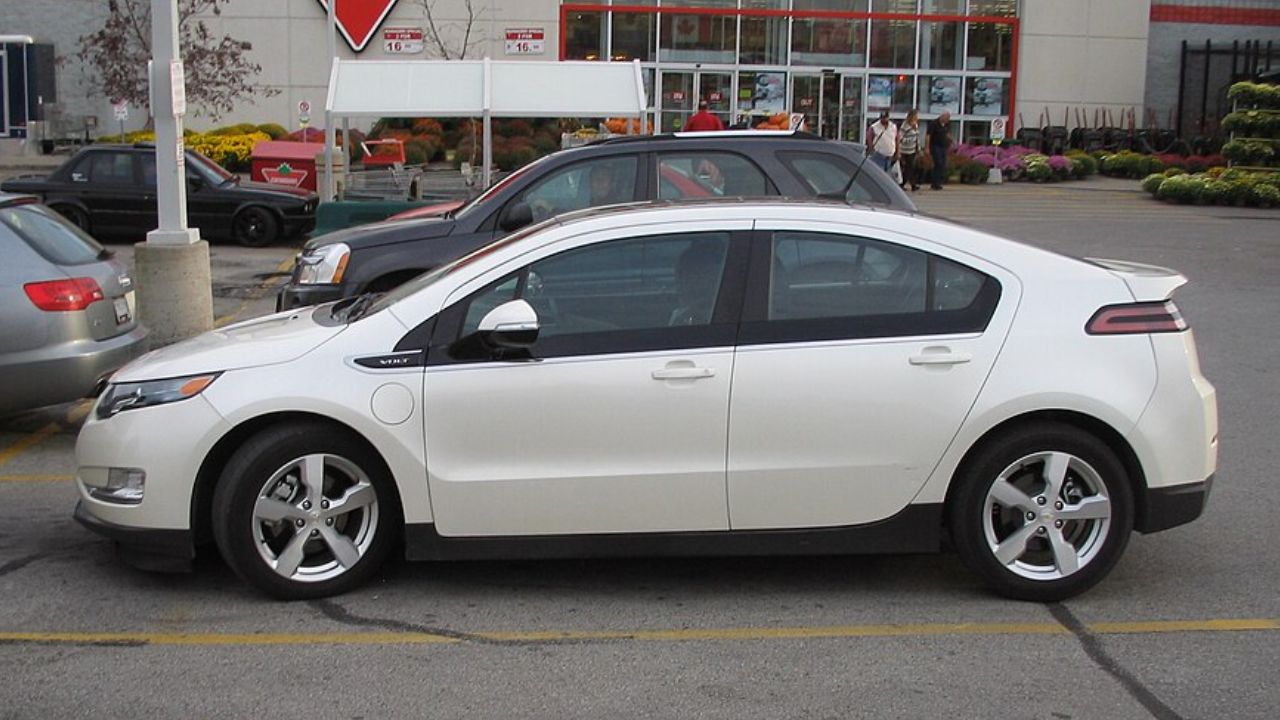
Introduced in 2010, the Chevrolet Volt was a groundbreaking step towards sustainable transportation, representing one of the first mass-produced plug-in hybrid electric vehicles (PHEVs). With an electric range of about 38 miles, it allowed drivers to commute without relying on gasoline, while the gas engine provided a backup for longer trips. Despite initial skepticism about the viability of electric vehicles, the Volt garnered accolades for its innovative technology and eco-friendly design, paving the way for future hybrids and electric cars. Its success highlighted the growing consumer demand for environmentally conscious alternatives in the automotive market.
The Chrysler K-Car: Reshaping the American Compact
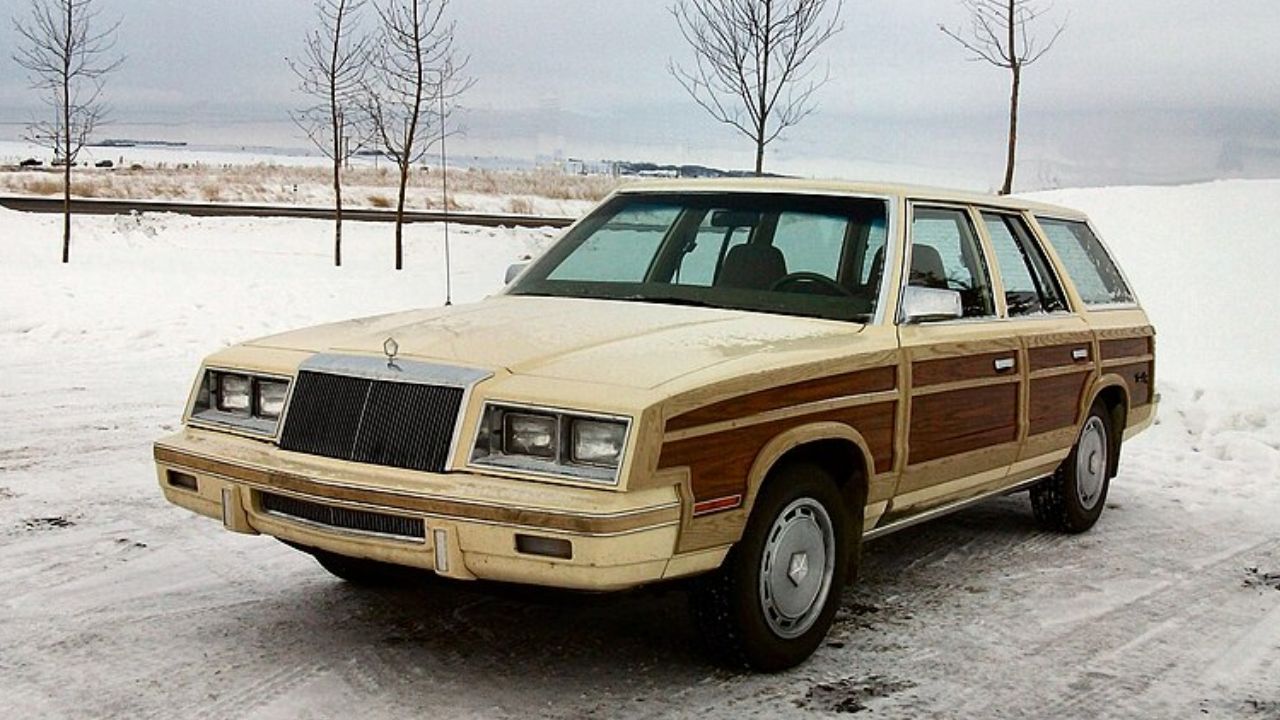
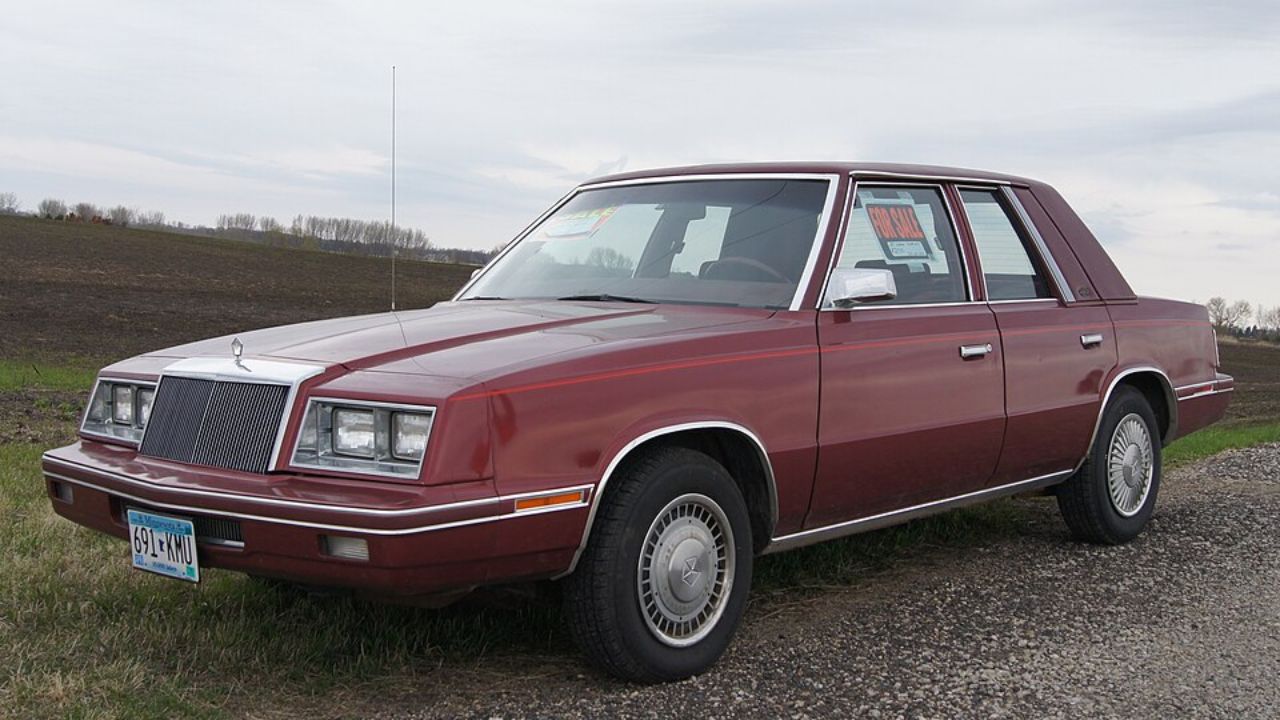
Launched in the early 1980s, the Chrysler K-Car series was instrumental in reviving Chrysler during a time of financial turmoil. This line of compact cars featured a front-wheel-drive platform that improved fuel efficiency and handling, appealing to a market increasingly concerned about gas prices. The K-Car’s versatility allowed it to serve as the basis for a variety of models, including the Chrysler Town & Country and Plymouth Voyager. Its success demonstrated the potential of compact vehicles in the American market and laid the groundwork for the minivan boom that followed.
The Tesla Roadster: Electric Performance Before Its Time
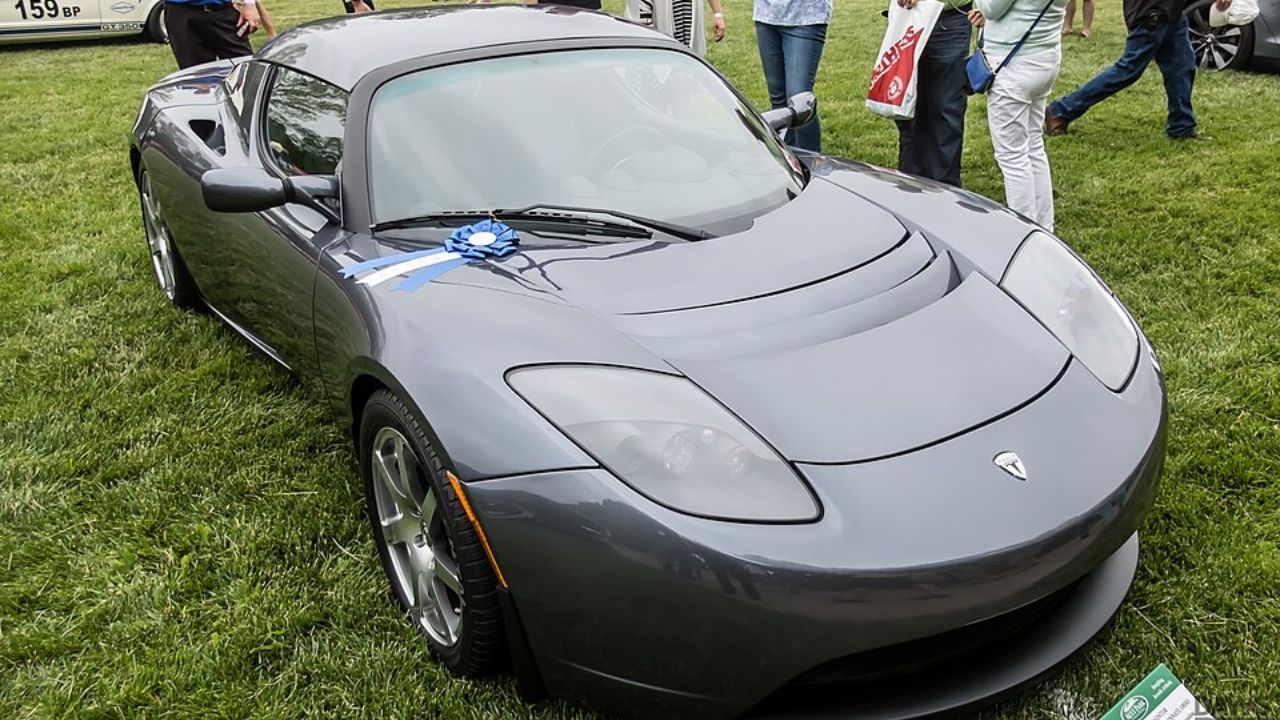
Debuting in 2008, the Tesla Roadster was a game changer in the electric vehicle segment. It showcased that electric cars could be both high-performance and desirable, shattering stereotypes about EV limitations. With a 0-60 mph time of under four seconds and a range of over 200 miles, the Roadster proved that electric vehicles could compete with traditional sports cars. Its introduction laid the foundation for Tesla’s future models, demonstrating a shift in consumer perception and paving the way for the broader acceptance of electric vehicles in an industry long dominated by internal combustion engines.
The Dodge Caravan: The Birth of the Minivan Era
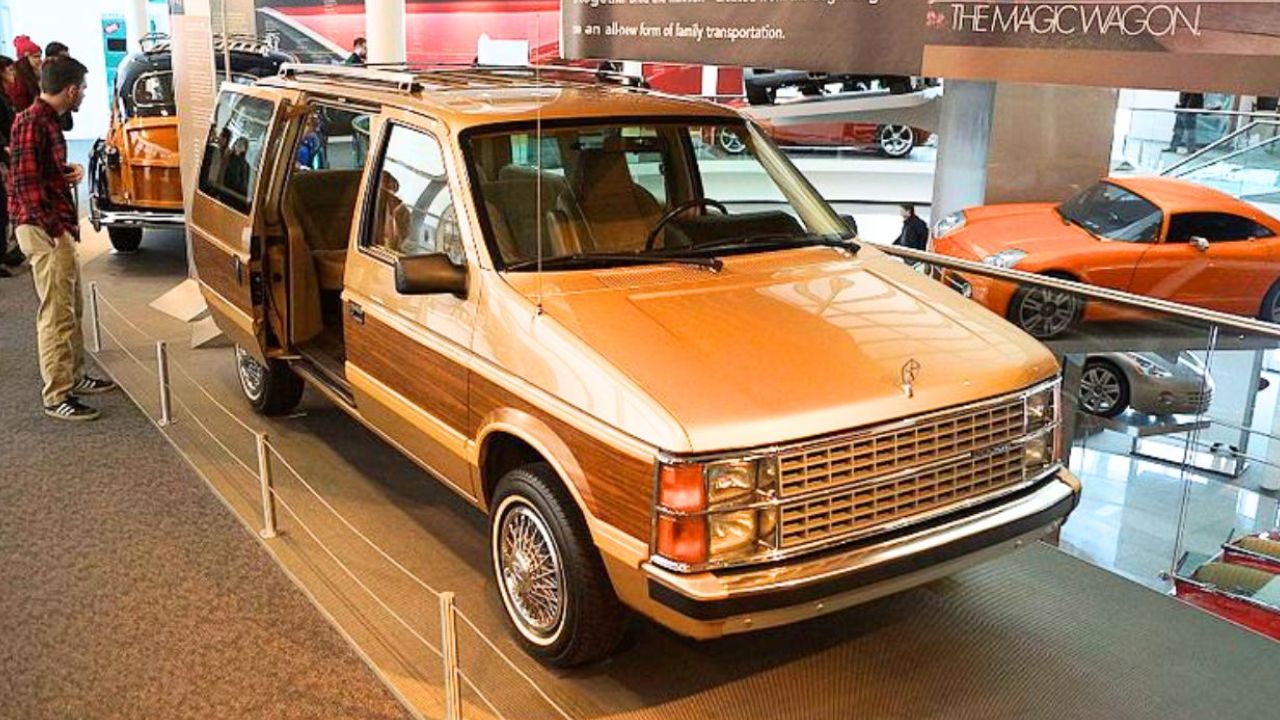
Unveiled in 1983, the Dodge Caravan revolutionized family transportation and established the minivan segment in the automotive market. With its spacious interior, flexible seating configurations, and focus on practicality, the Caravan catered to the needs of modern families. The innovative design included sliding side doors for easy access in tight spaces, a feature that became a standard in the segment. The success of the Caravan not only solidified Dodge’s position in the market but also changed how families approached travel and everyday errands.
The Pontiac Aztek: The Bold Crossover Concept

Launched in 2001, the Pontiac Aztek is often remembered for its unconventional design, which was ahead of its time. As one of the first crossover SUVs, it combined the characteristics of a car and an SUV, appealing to consumers looking for versatility. Despite its controversial aesthetics, the Aztek offered practical features such as a removable cooler and rear tent, catering to outdoor enthusiasts. While it struggled with sales during its run, the Aztek has since gained a cult following, reflecting how consumer tastes evolve over time.
The Cadillac V-Series: Performance Luxury Redefined
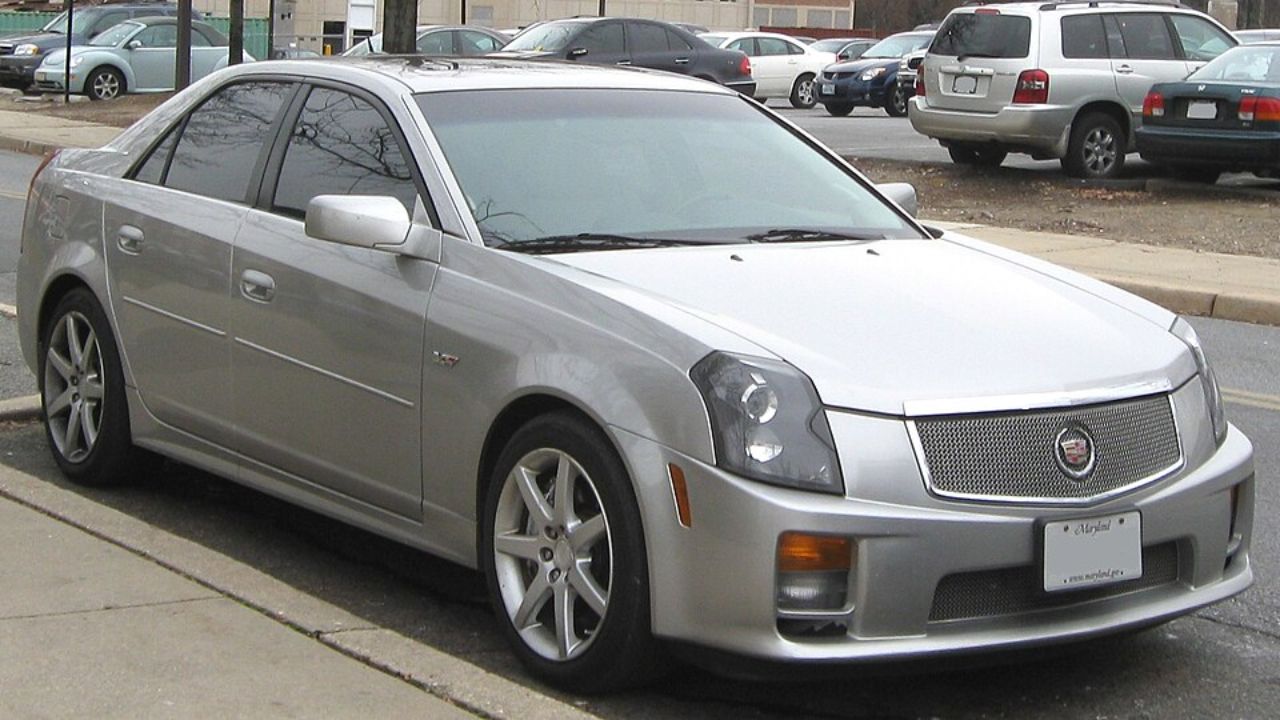
First introduced in 2004, the Cadillac V-Series redefined what luxury performance could be. Models like the CTS-V combined opulent features with high horsepower, competing with European sport sedans. With aggressive styling and powerful engines, the V-Series showcased Cadillac’s commitment to performance without sacrificing comfort. The introduction of magnetic ride control and sophisticated technology set new benchmarks in the luxury segment, appealing to enthusiasts who sought both refinement and performance. This approach revitalized the Cadillac brand and reestablished its relevance in a competitive market.
The Ford Mustang Mach-E: Embracing Electric with Heritage
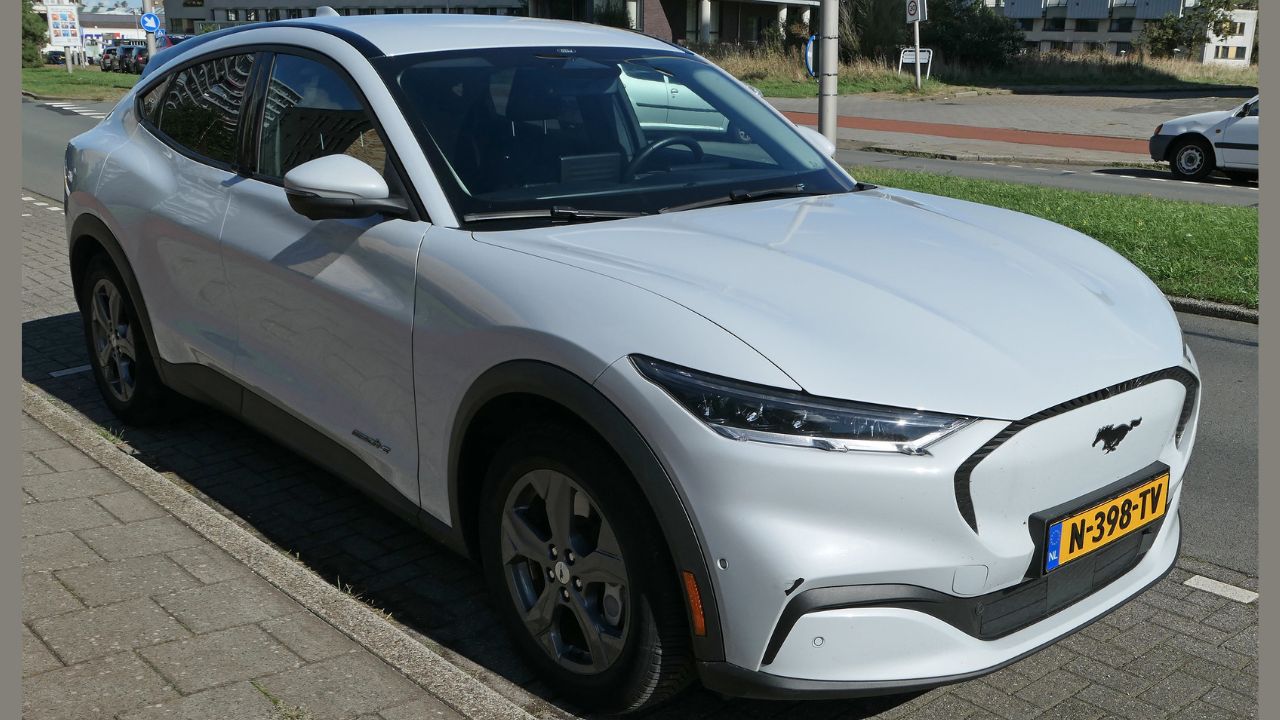
Launched in 2020, the Ford Mustang Mach-E represents a bold step into the electric vehicle market while honoring the Mustang’s iconic legacy. This all-electric SUV combines performance, advanced technology, and the classic Mustang spirit, offering an exhilarating driving experience. With various powertrains and impressive range, the Mach-E appeals to a new generation of buyers looking for sustainability without sacrificing performance. By successfully integrating electric technology into a storied brand, Ford has not only expanded its lineup but also demonstrated the potential of electric vehicles to reshape traditional automotive categories.
More from Fast Lane Only