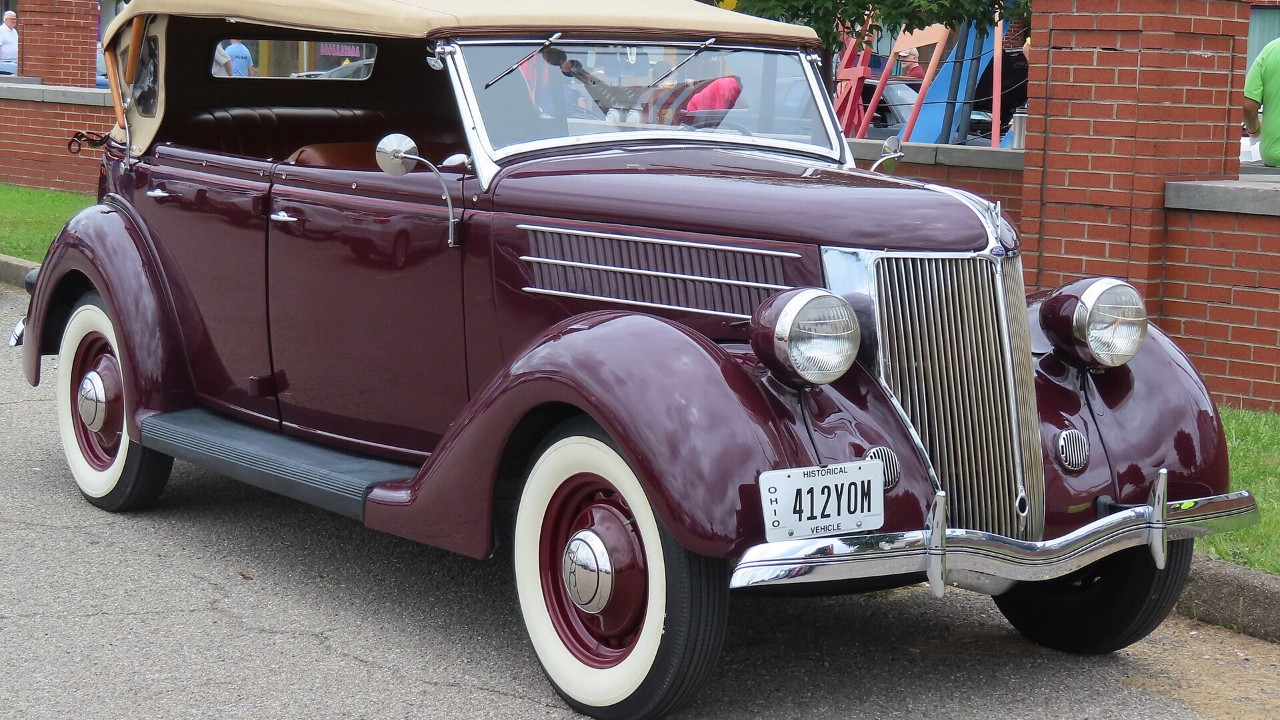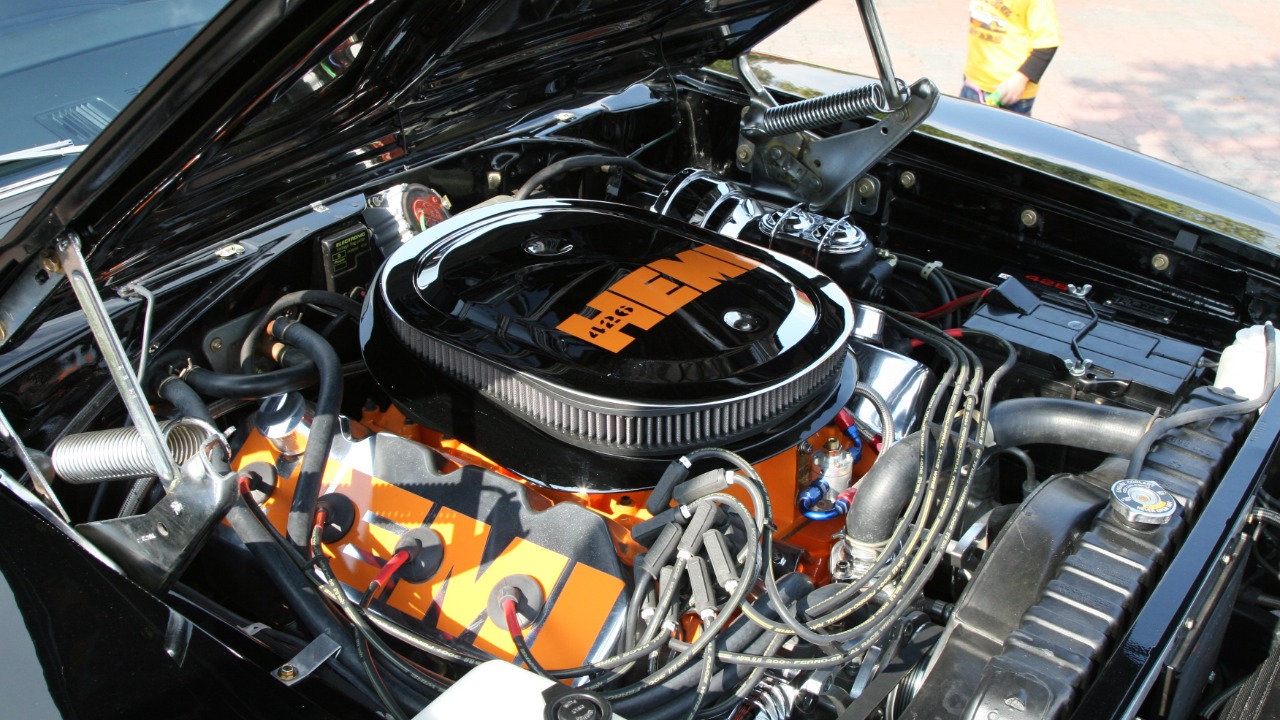
Some engines became legendary not simply because they were powerful, but because their performance pushed against racing rules, emissions regulations, insurance restrictions, and the limits of what manufacturers could realistically sell. These 8 engines became symbols of an era when horsepower wars were reaching extraordinary levels.
Chrysler 426 Hemi
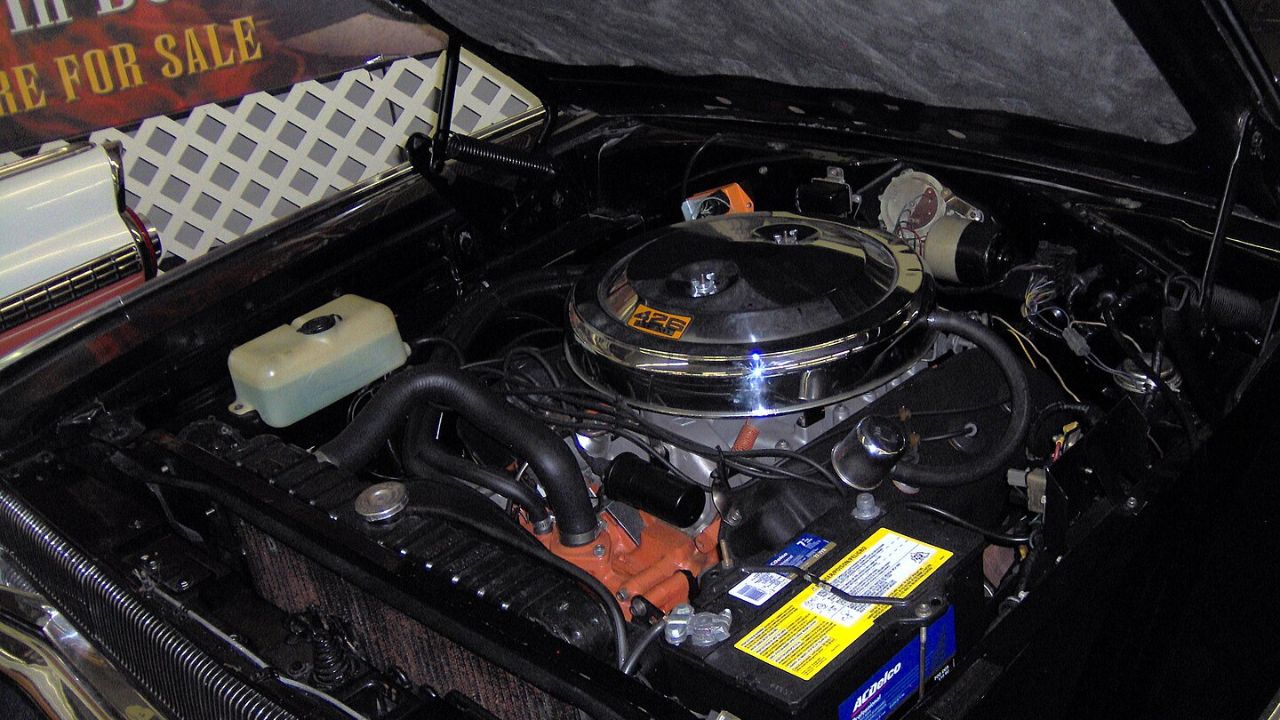
The Chrysler 426 Hemi became one of the most feared engines of the muscle-car era. Its hemispherical combustion chambers, large displacement, and race-developed design gave it enormous performance potential. Chrysler’s racing success with the engine eventually drew regulatory attention. Its street versions were expensive and produced in limited numbers, adding to the engine’s reputation as an almost unrestricted piece of race technology.
Chevrolet 427 L88
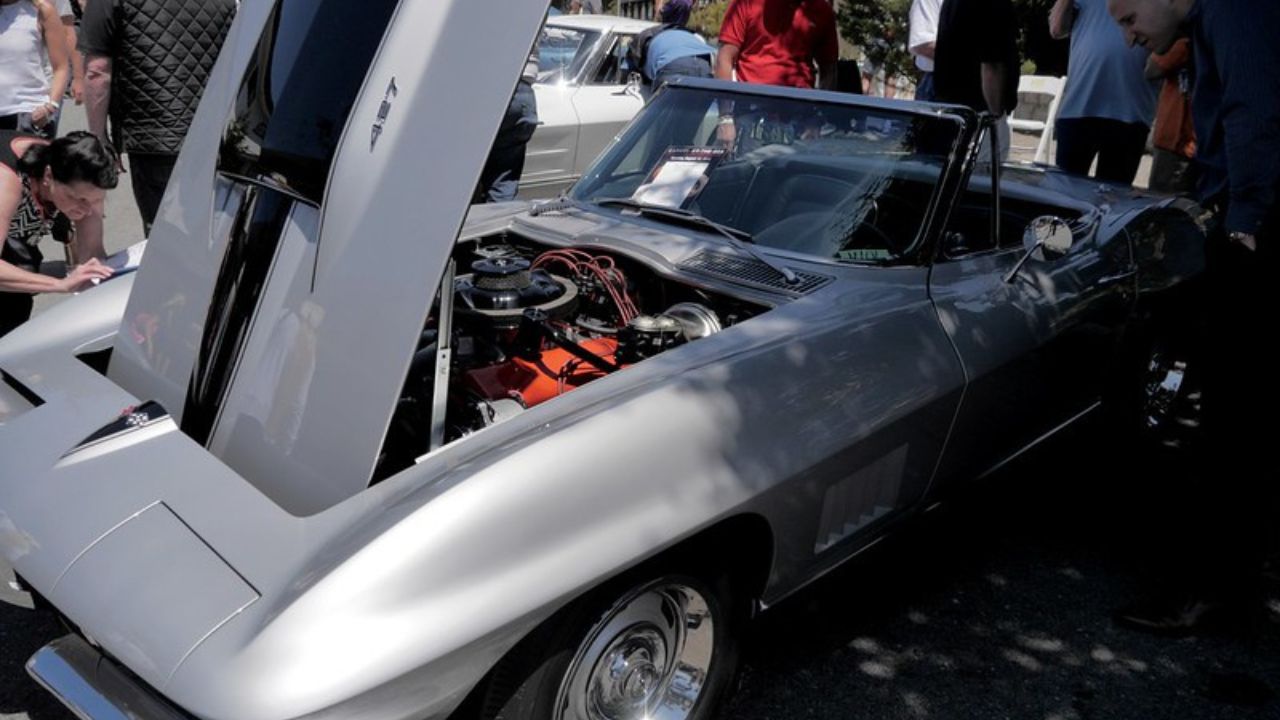
The Chevrolet 427 L88 was essentially a competition engine made available to a very small number of Corvette buyers. It used heavy-duty internal components, high-flow cylinder heads, and a race-oriented design. Chevrolet understated its official power rating, helping discourage casual buyers. Its extreme performance and tiny production run eventually made it one of the most legendary big-block engines ever offered in a road car.
Ford 427 SOHC
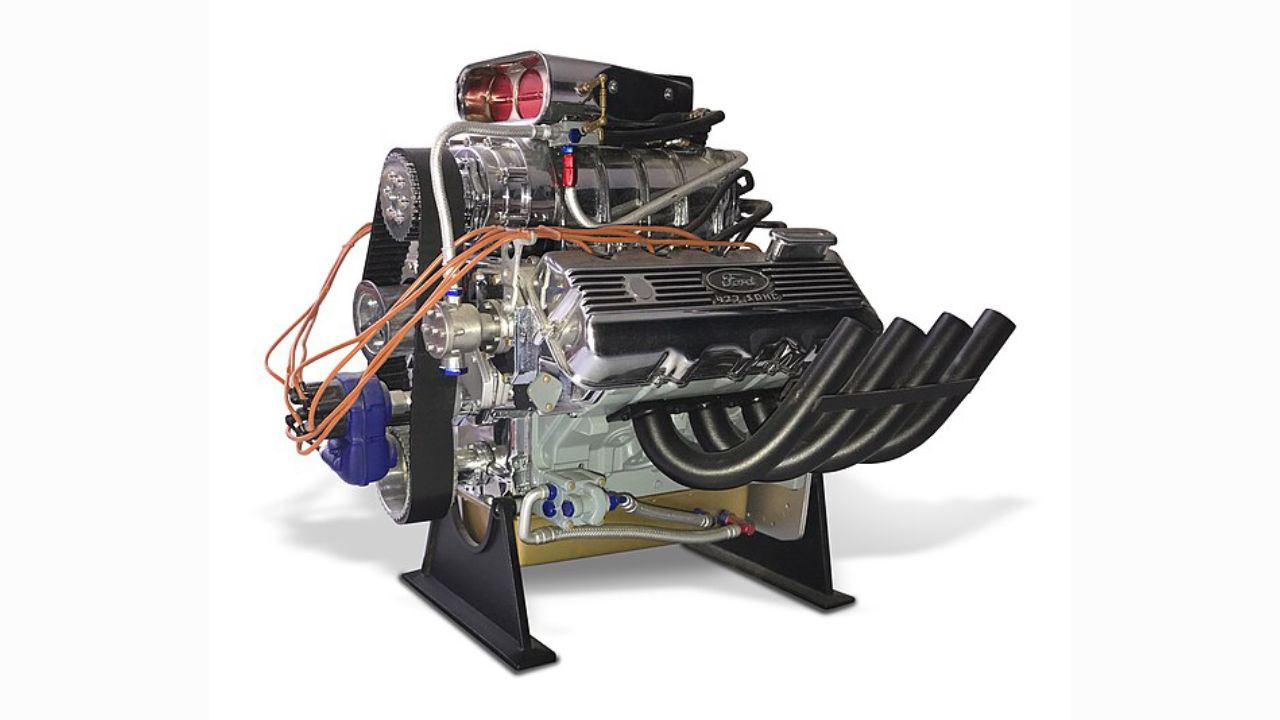
The Ford 427 SOHC, commonly known as the Cammer, pushed the limits of Ford’s FE architecture. Its single overhead camshaft arrangement allowed the engine to operate at much higher engine speeds than conventional pushrod designs. Developed primarily with racing in mind, it became too specialized for normal production use. Racing regulations ultimately played a major role in limiting its competition career.
Oldsmobile 455
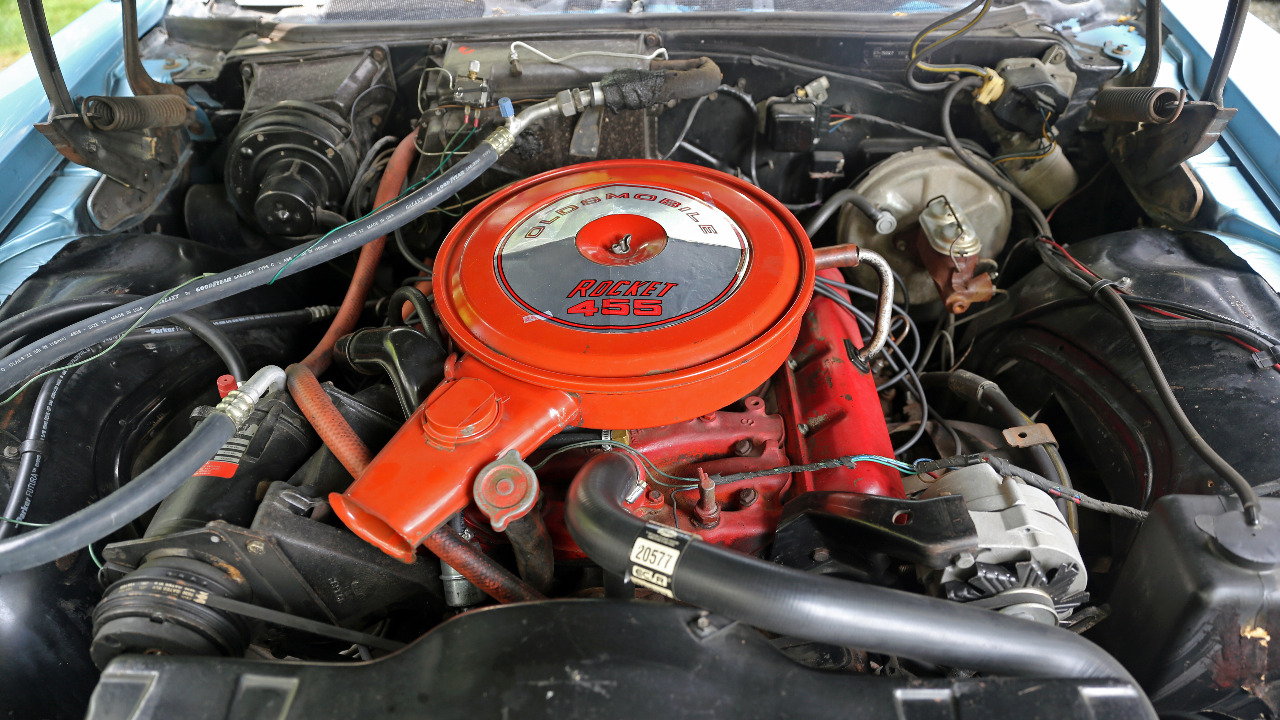
The Oldsmobile 455 became famous for enormous torque and strong performance in high-output applications. Engines such as the 455 W-30 helped power some of the most formidable Oldsmobile muscle cars. Its large displacement arrived just as emissions rules and fuel concerns were beginning to reshape the industry. The combination of high output and changing regulations made engines like the 455 increasingly difficult to sustain.
Buick Stage 1 455
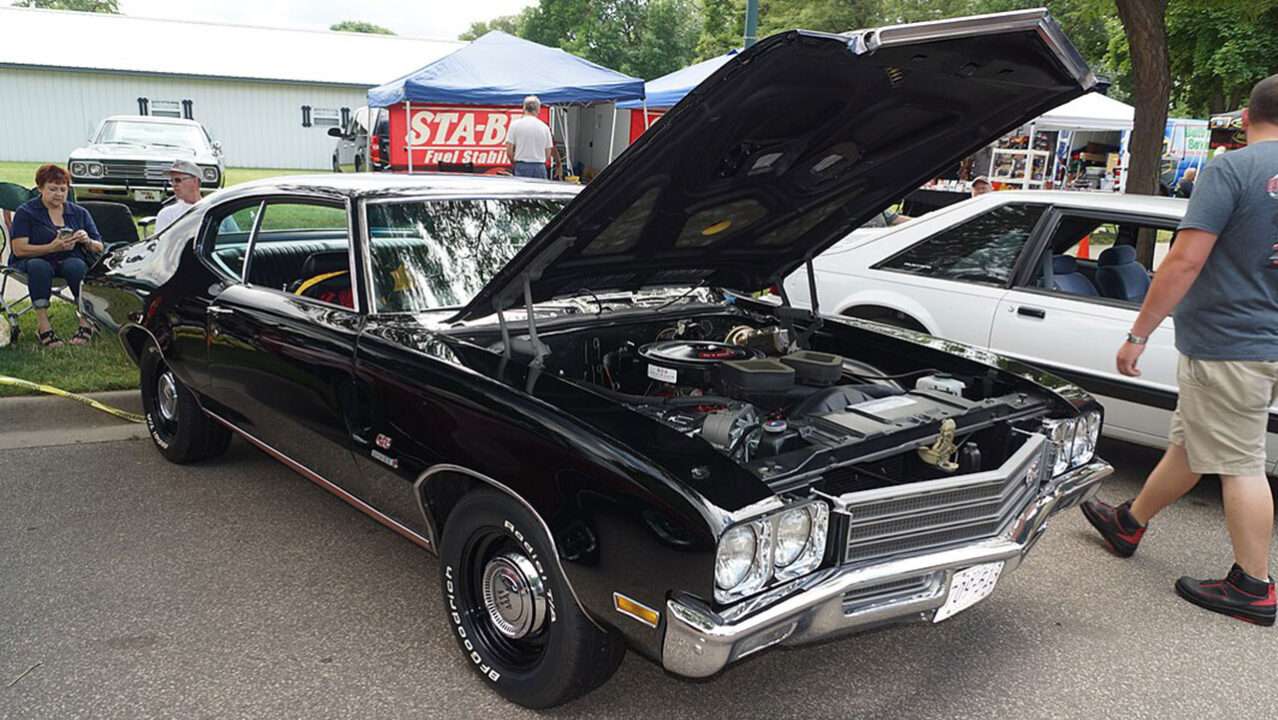
The Buick Stage 1 455 demonstrated that massive torque could make a relatively understated automobile extremely quick. Its large-displacement V8 combined strong low-end power with specialized performance components. Buick produced the engine during the final years of the classic muscle-car period. Increasing emissions requirements, insurance costs, and changing consumer priorities soon made engines of its type far less common.
Chevrolet 454 LS6
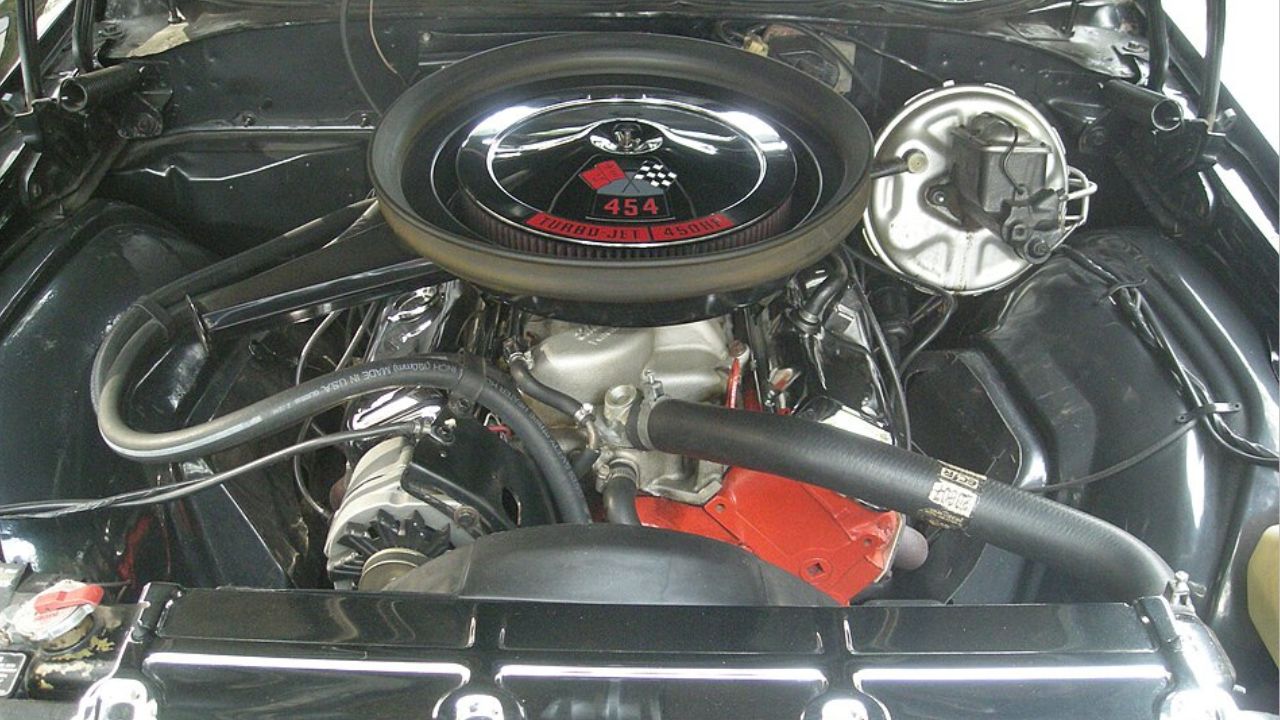
The Chevrolet 454 LS6 delivered extraordinary big-block performance during the peak of the muscle-car era. With high compression, aggressive cylinder heads, and a large four-barrel carburetor, it produced tremendous power and torque. The LS6 appeared just before increasingly strict regulations and market changes transformed the performance landscape. Its brief production period helped cement its legendary reputation.
Ford 429 Super Cobra Jet
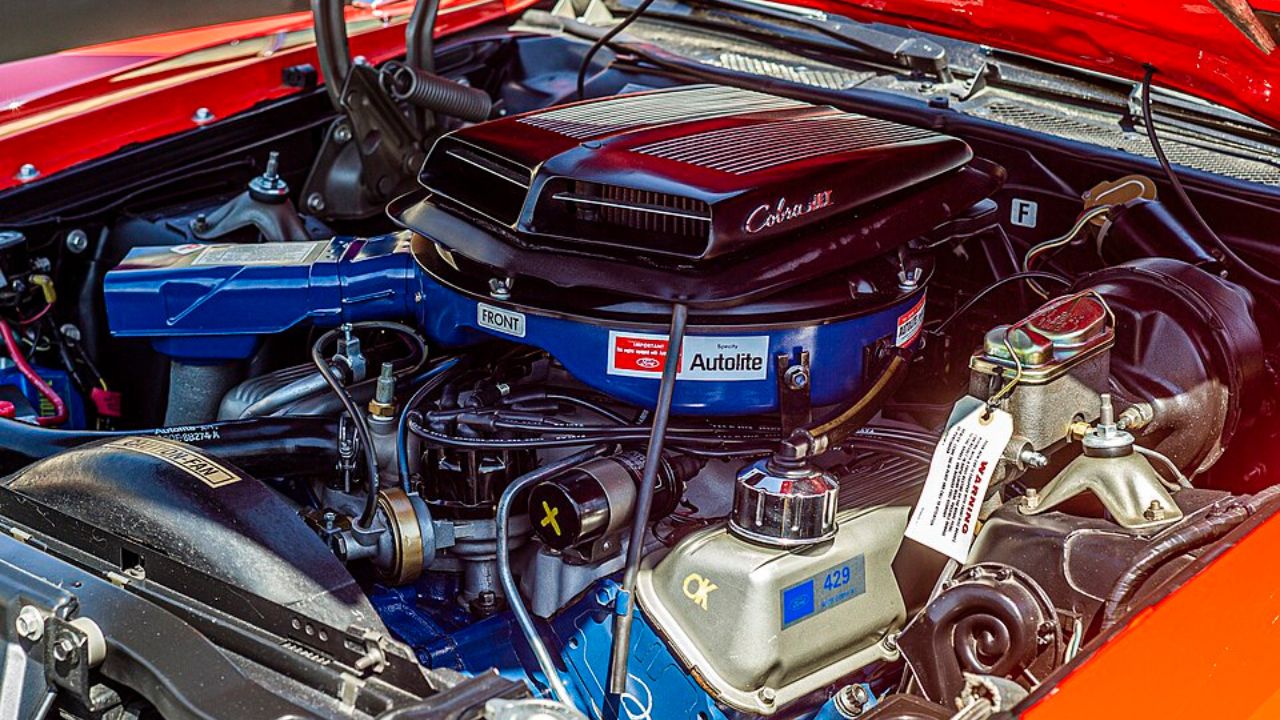
The Ford 429 Super Cobra Jet represented one of the final major efforts of the classic Ford big-block era. Developed with performance-oriented components and substantial displacement, it provided enormous straight-line power. The engine appeared as rising emissions requirements and insurance costs were already changing the market. Its limited availability makes genuine examples especially significant today.
Chrysler 440 Six-Pack
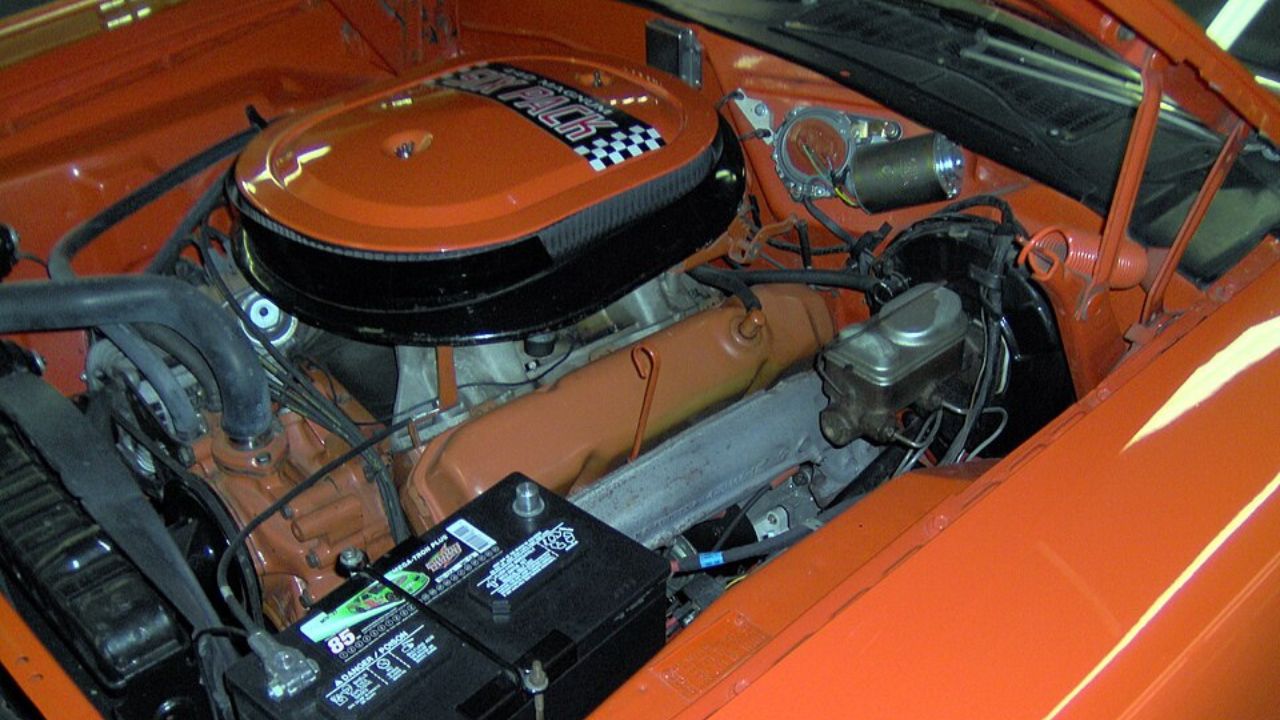
The Chrysler 440 Six-Pack combined a huge 440-cubic-inch V8 with a three-two-barrel carburetor setup. The arrangement provided strong airflow and enormous torque, making it one of the most formidable Mopar combinations of the period. Its arrival coincided with the final years of the classic horsepower war. Soon afterward, emissions rules and fuel concerns brought the era of giant factory engines to an abrupt end.
More from Fast Lane Only
- Unboxing the WWII Jeep in a Crate
- 15 rare Chevys collectors are quietly buying
- 10 underrated V8s still worth hunting down
- Police notice this before you even roll window down
*Research for this article included AI assistance, with all final content reviewed by human editors