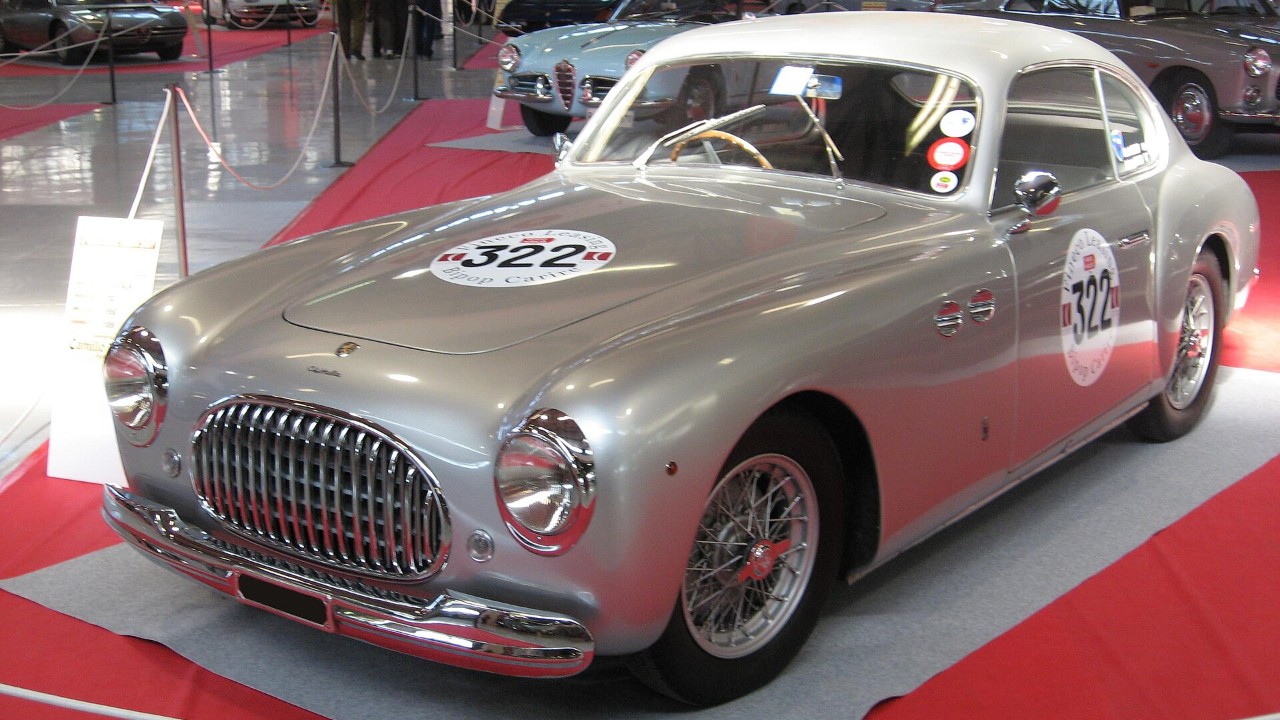
Many of the automotive world’s biggest advances came from innovations that rarely receive the attention they deserve today. While some were overshadowed by flashier technologies or more famous vehicles, these breakthroughs quietly reshaped engineering, safety, performance, and everyday driving. Their influence can still be found in modern automobiles around the world.
Lancia Lambda
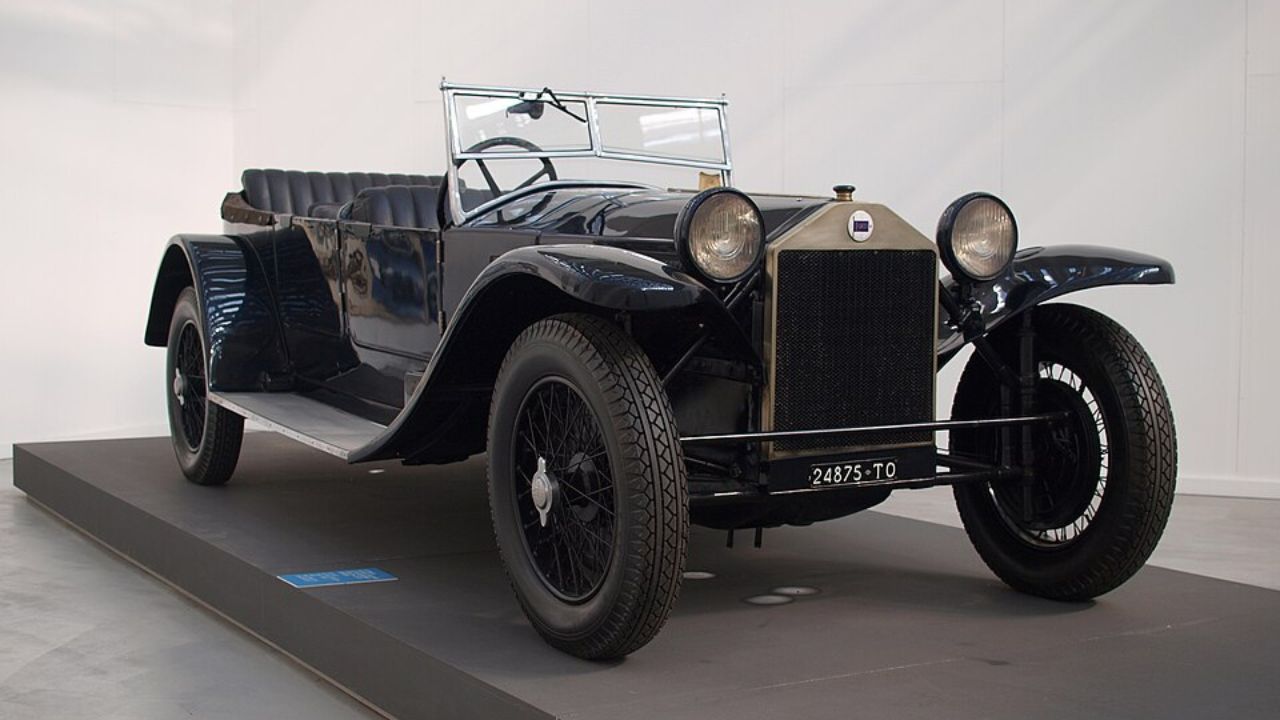
The Lancia Lambda introduced one of the first successful unit-body designs and independent front suspension in the 1920s. These innovations dramatically improved handling and structural rigidity. They helped establish engineering principles that remain common in modern vehicles.
Tucker 48
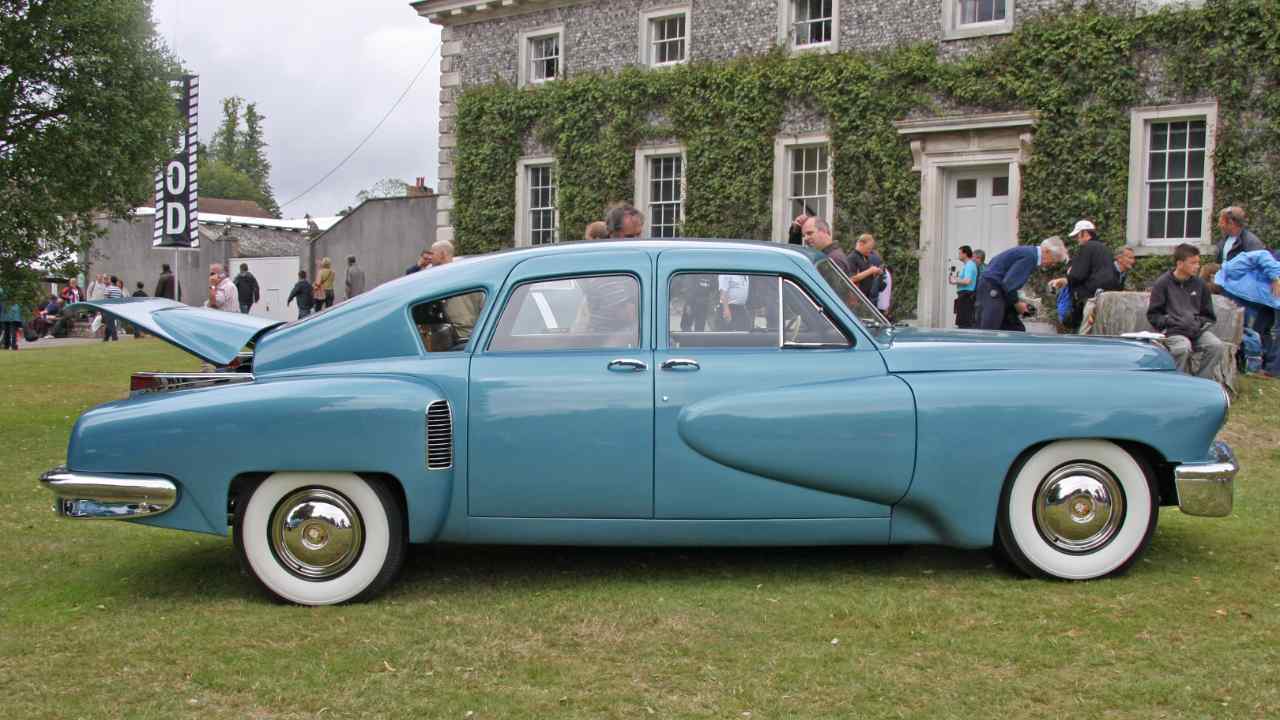
The Tucker 48 pioneered numerous safety concepts, including a reinforced passenger compartment, a pop-out windshield, and a center-mounted steering headlight. Although its production was brief, many of its ideas later became standard automotive safety features.
Audi Quattro

The Audi Quattro proved that permanent all-wheel drive could dramatically improve performance on both paved roads and rally stages. Its success permanently changed high-performance engineering. Today, all-wheel drive is common across countless vehicle segments.
Chrysler Airflow
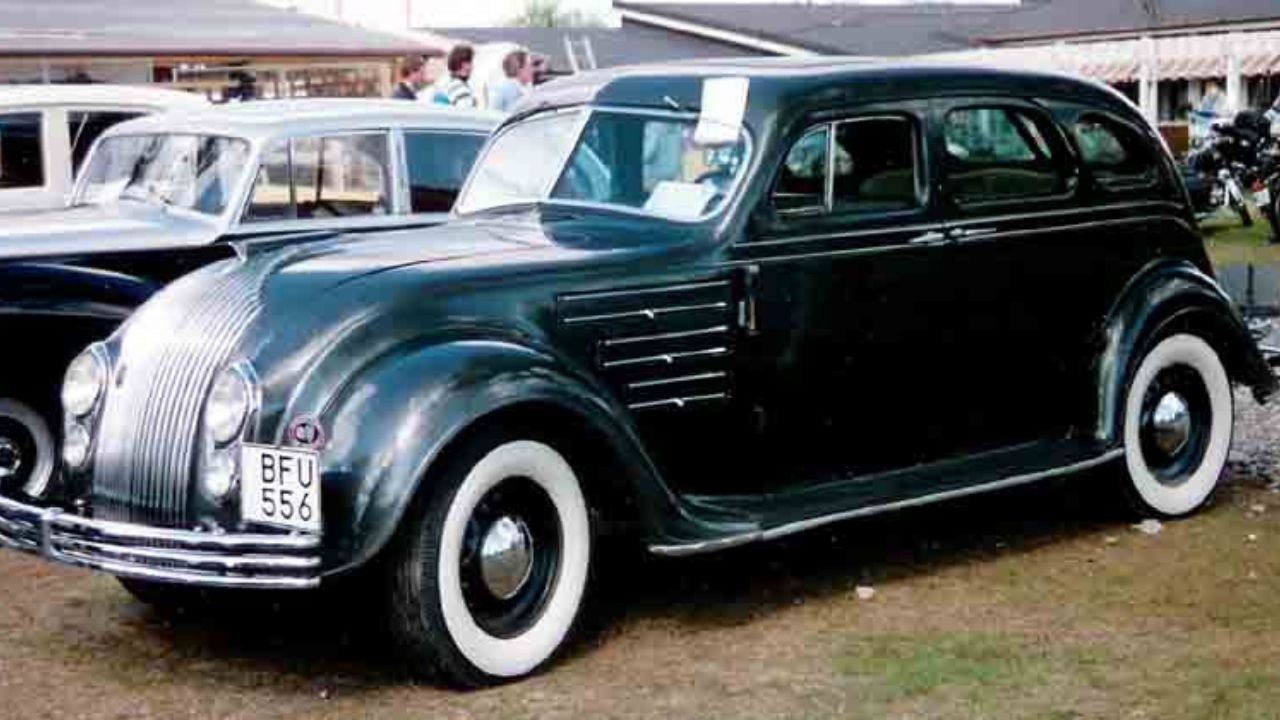
The Chrysler Airflow demonstrated the importance of aerodynamic design years before the industry fully embraced it. Its streamlined body improved efficiency, stability, and passenger comfort. Although initially misunderstood, its engineering influenced generations of automobile designers.
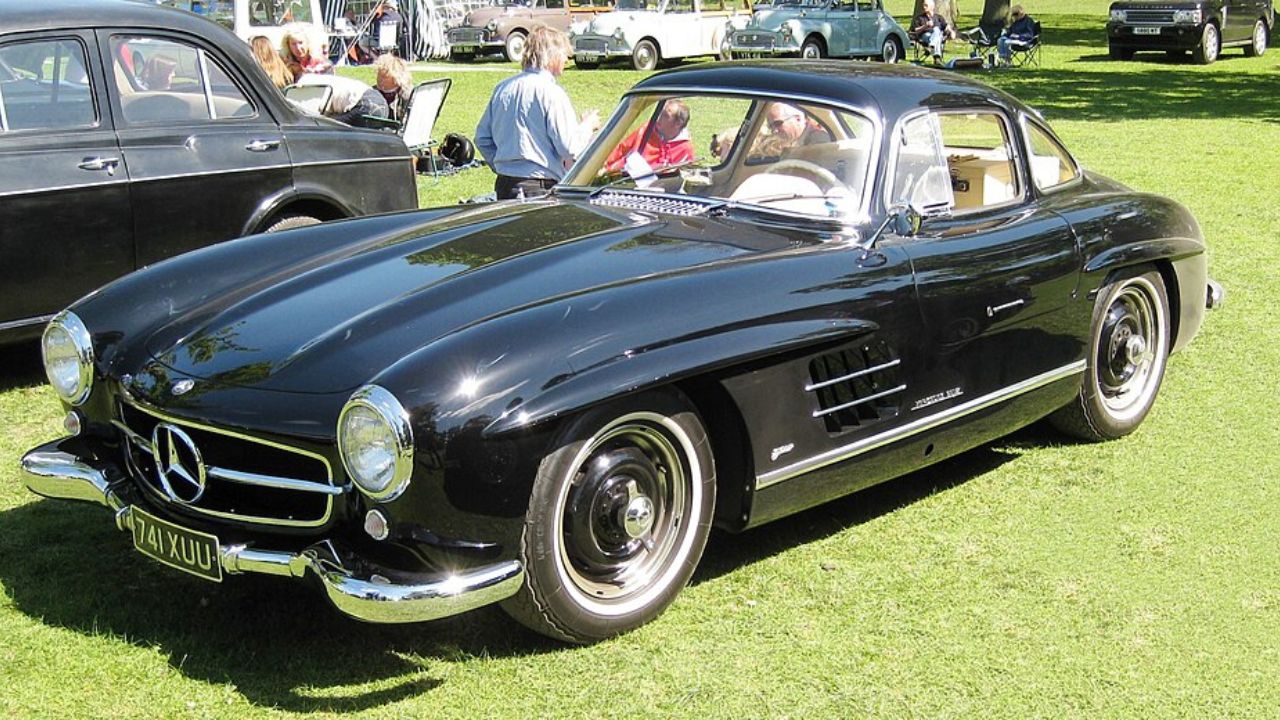
Mercedes-Benz 300SL
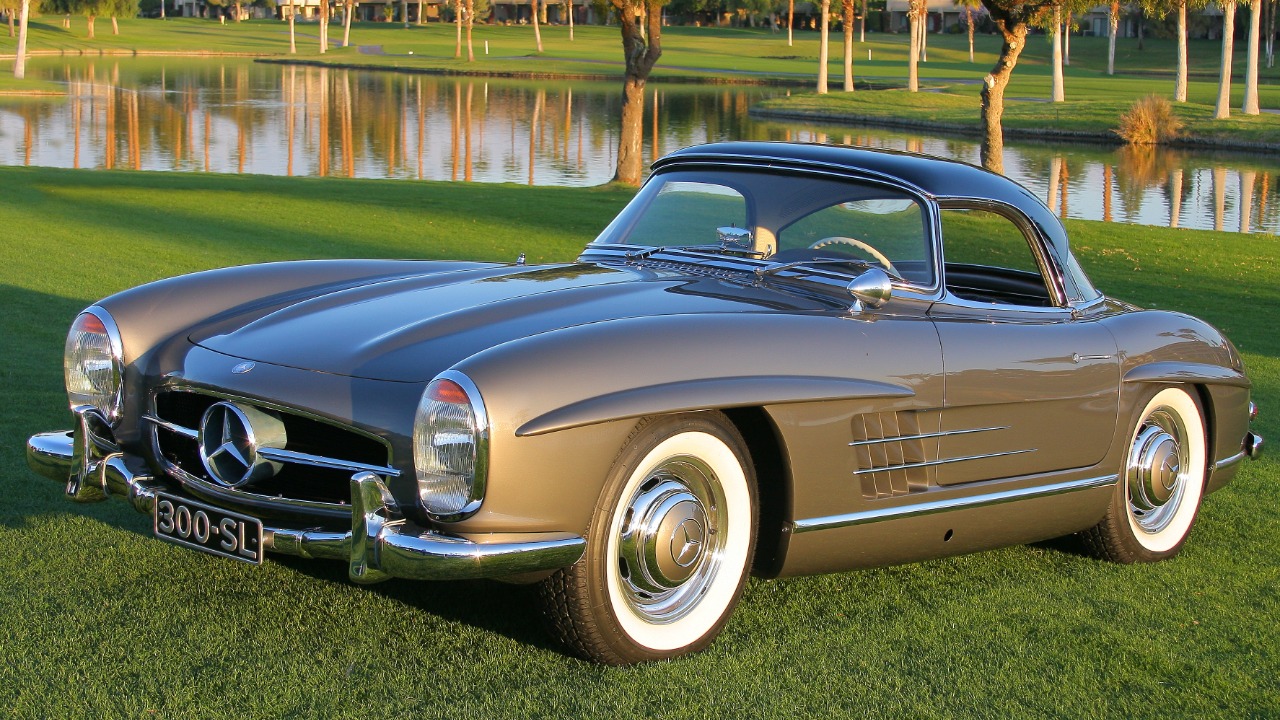
The Mercedes-Benz 300SL became the first production car to feature mechanical fuel injection, delivering greater efficiency and improved performance. The technology eventually spread throughout the automotive industry. It marked a significant milestone in engine development.
Oldsmobile Toronado (1966)

The 1966 Oldsmobile Toronado successfully brought front-wheel drive to a large American luxury coupe. Its innovative drivetrain packaging influenced future passenger car layouts. It demonstrated that front-wheel drive could deliver both refinement and performance.
Honda Insight (First Generation)

The first-generation Honda Insight showcased lightweight construction, advanced aerodynamics, and hybrid technology long before fuel efficiency became a mainstream priority. It quietly demonstrated what future automobiles could achieve. Its engineering remains historically significant.
Volvo 240

The Volvo 240 advanced occupant protection through its reinforced passenger structure, carefully engineered crumple zones, and numerous safety innovations. Its influence extended far beyond Volvo’s lineup. Many of its design principles became standard throughout the automotive industry.
More from Fast Lane Only
- Unboxing the WWII Jeep in a Crate
- 15 rare Chevys collectors are quietly buying
- 10 underrated V8s still worth hunting down
- Police notice this before you even roll window down
*Research for this article included AI assistance, with all final content reviewed by human editors