Throughout automotive history, there have been numerous factory programs that, although might be forgotten today, were responsible for producing some truly unforgettable cars. These vehicles often pushed the boundaries of design, technology, and culture, making them iconic in their own right. From futuristic concepts to quirky designs, each of these cars has a unique story that deserves to be remembered.
The DeLorean DMC-12: A Time-Traveling Icon
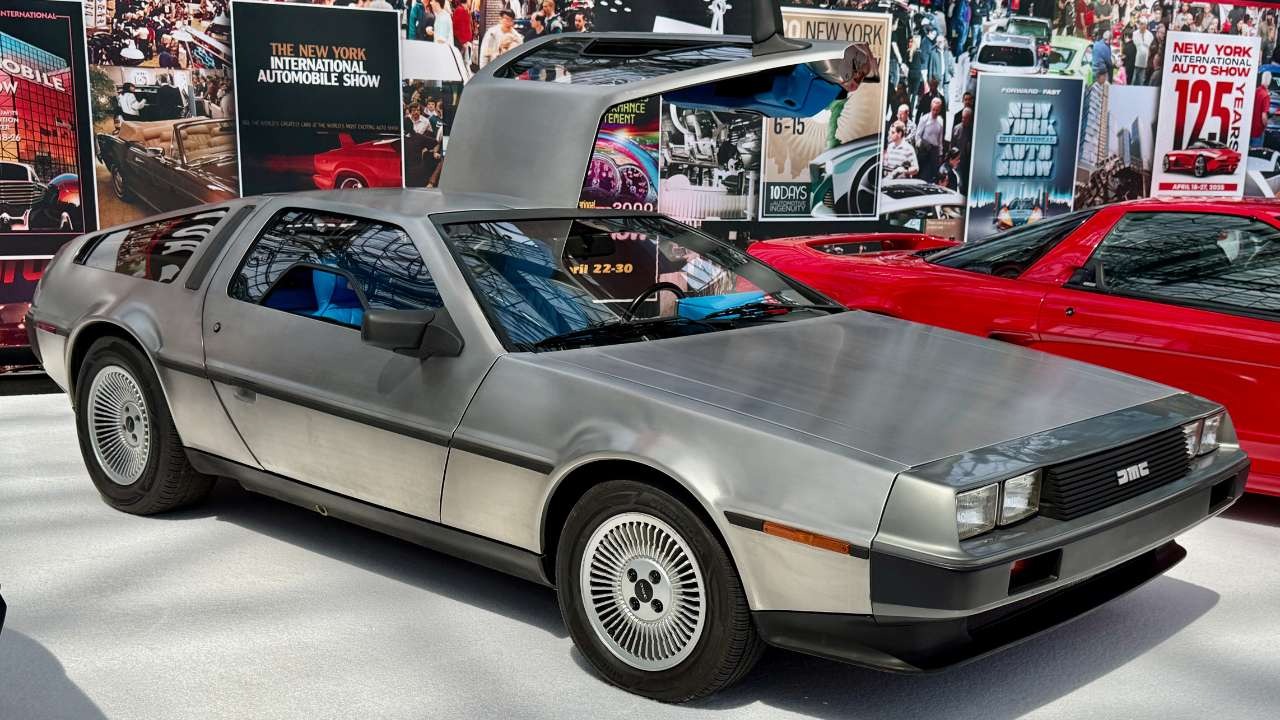
The DeLorean DMC-12 is perhaps one of the most recognizable cars in pop culture, primarily due to its role in the “Back to the Future” film series. Launched in 1981, the DMC-12 featured distinctive gullwing doors and a stainless-steel body that set it apart from other vehicles of its time. Its designer, John DeLorean, aimed to create a sports car that combined performance and futuristic aesthetics. However, production challenges and financial troubles led to the company’s bankruptcy in 1982, with only around 9,000 units produced. Despite its short lifespan, the DMC-12 remains a symbol of innovation and nostalgia, often celebrated at car shows and enthusiast events.
Today, the DeLorean is more than just a car; it’s a cultural icon. Collectors often seek out the DMC-12 for its unique design and historical significance. You can even find dedicated communities and restoration projects aimed at preserving these vehicles. Events like the DeLorean Car Show showcase the enduring love for this time-traveling automobile. The story of the DeLorean DMC-12 serves as a reminder that sometimes, the most memorable cars are those that dared to be different.
The Bricklin SV-1: A Safety-First Sports Car
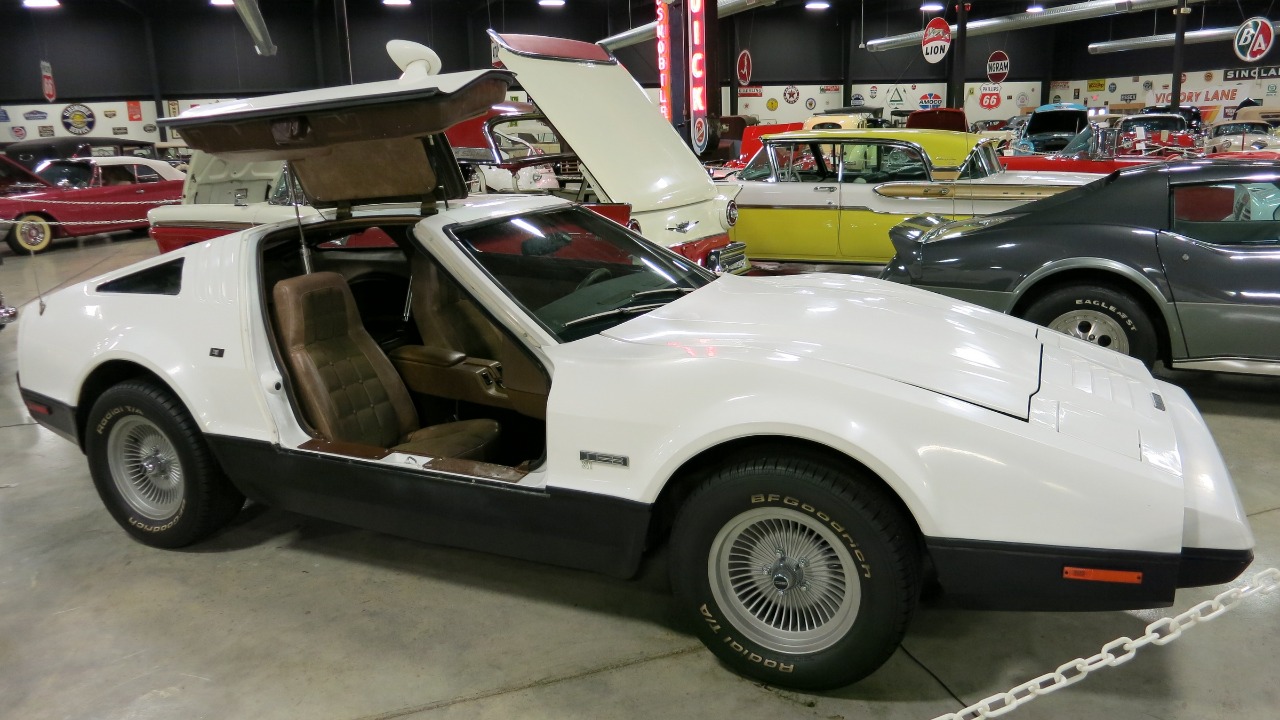
Launched in 1974, the Bricklin SV-1 was designed by Canadian entrepreneur Malcolm Bricklin with a focus on safety and innovation. Its standout feature was its unique safety design, which included energy-absorbing bumpers and a reinforced fiberglass body. The SV-1 also boasted distinctive gullwing doors, similar to the DeLorean. However, despite its ambitious safety features and sporty design, the Bricklin faced numerous production issues and financial difficulties, leading to its demise in 1975. Only about 3,000 units were produced, making it a rare find today.
The Bricklin SV-1 was ahead of its time, aiming to blend performance with safety in a way that few sports cars did. Nowadays, it garners attention from collectors and automotive enthusiasts who appreciate its innovative concept. The SV-1’s legacy lives on through various restoration projects, where enthusiasts strive to keep its unique design and safety features alive. The Bricklin remains a fascinating chapter in the history of automotive innovation, reminding us of the importance of safety in vehicle design.
The Tucker 48: The Visionary Before Its Time
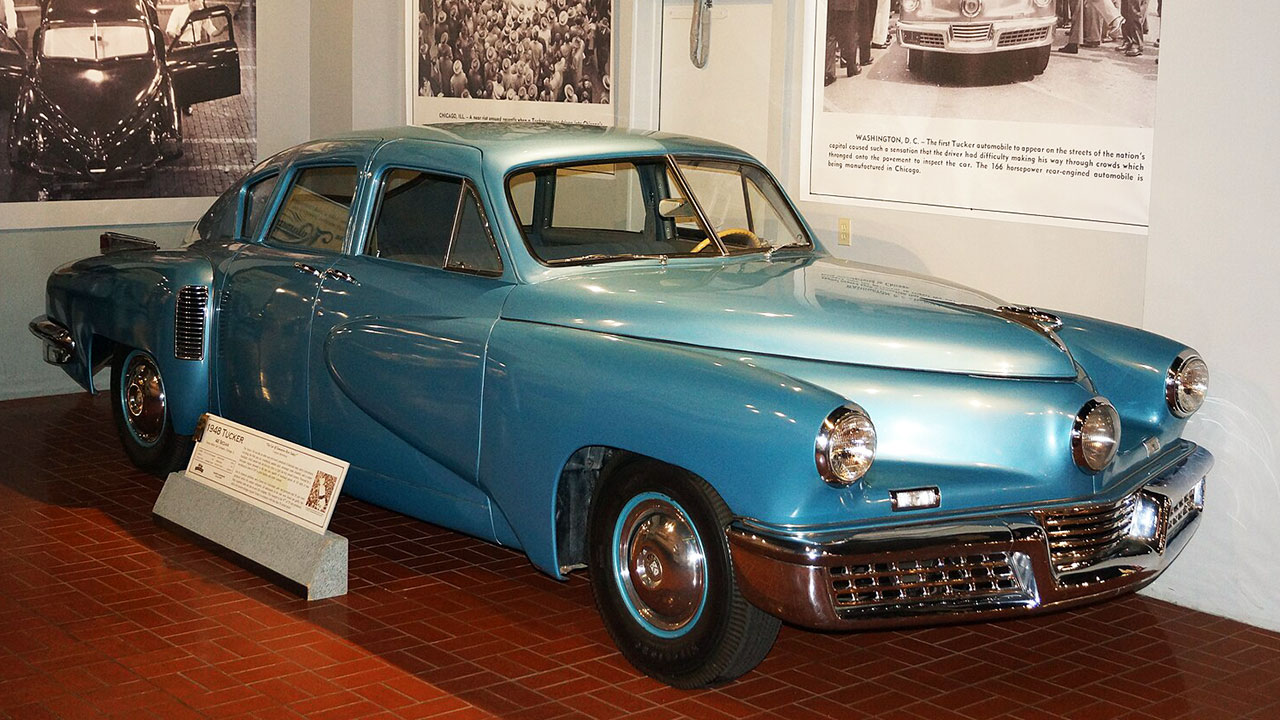
Developed in 1948 by Preston Tucker, the Tucker 48 was an ambitious attempt to revolutionize the automotive industry. With a distinctive design featuring a rear engine, safety features like a padded dashboard, and a seatbelt, it was a forward-thinking vehicle. Sadly, only 51 units of the Tucker 48 were produced due to financial difficulties and legal battles that plagued the company. Its unique features and bold design have made it a sought-after classic, often celebrated in automotive history for its groundbreaking concepts.
The Tucker 48 was more than just a car; it was a vision of what the future of automobiles could be. Several of the vehicles have been preserved in museums, showcasing their innovative design and technology. The Tucker story is one of resilience and vision, illustrating how one man’s dream could challenge the status quo. It’s fascinating to see how the elements of the Tucker 48 have influenced modern car safety and design, proving that sometimes, the most daring ideas take time to be appreciated.
The AMC Pacer: The Quirky Compact with a Big Personality
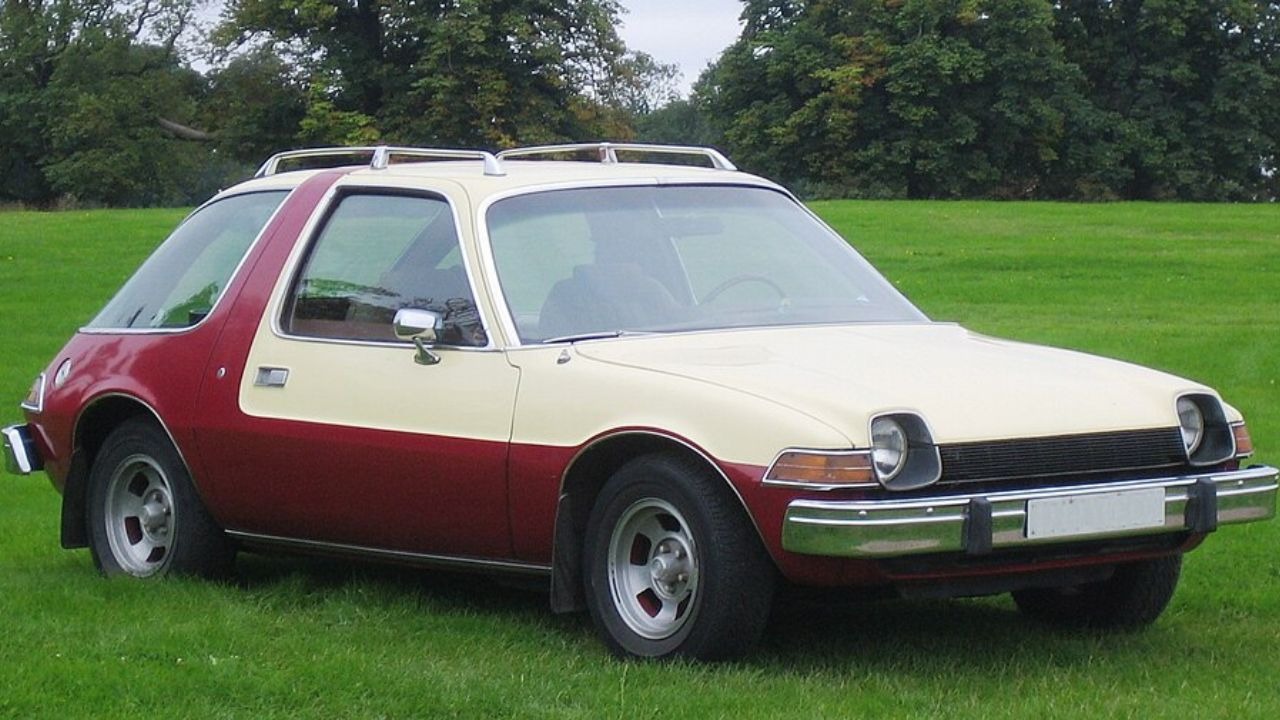
Introduced in 1975, the AMC Pacer was intended to be a revolutionary compact car aimed at the growing market for fuel-efficient vehicles. With its distinctive wide body and large windows, it offered a spacious interior that was unusual for its class. Despite its quirky design and practical features, the Pacer struggled to find its footing in the competitive automotive landscape of the late 1970s. Its unusual styling led to mixed reviews, and production ceased in 1980 after around 280,000 units.
Today, the AMC Pacer is celebrated for its uniqueness and is often regarded as a symbol of 1970s automotive design. It has made appearances in pop culture, appearing in films and TV shows, solidifying its status as an iconic vehicle. Enthusiasts appreciate the Pacer for its bold design and the cultural context it represents. Car shows often feature the Pacer, showcasing the enduring love for this unconventional compact. The Pacer reminds us that sometimes, personality can be just as important as performance.
The Chevrolet Corvair: The Controversial Compact Car

The Chevrolet Corvair, introduced in 1960, was a compact car that quickly gained attention for its innovative engineering, including a rear-engine layout and an independent suspension system. However, it became embroiled in controversy due to safety concerns raised by consumer advocate Ralph Nader in his book “Unsafe at Any Speed.” Despite these issues, the Corvair developed a dedicated following, with enthusiasts appreciating its distinctive design and driving dynamics.
Production of the Corvair continued until 1969, with various models showcasing its evolution over the years. While it never reached the sales heights of its competitors, the Corvair remains a significant part of automotive history. Today, it is often celebrated at classic car events, and enthusiasts work hard to restore and preserve these vehicles. The Chevrolet Corvair serves as a reminder of the importance of safety in automotive design and the complexities of balancing innovation with consumer trust.
The Pontiac Aztek: The Unconventional Utility Vehicle

Launched in 2000, the Pontiac Aztek was designed to be a versatile vehicle, combining elements of an SUV and a minivan. Its unique styling, characterized by angular lines and a distinctive rear hatch, made it one of the most polarizing vehicles of its time. Marketed toward younger buyers, the Aztek aimed to offer practicality along with a bold design. Unfortunately, it received mixed reviews and was discontinued in 2005 after sales failed to meet expectations.
Despite its initial reception, the Aztek has seen a resurgence in popularity among collectors and enthusiasts, who appreciate its unconventional design and practicality. Today, it is often celebrated in various car culture circles, with some considering it a misunderstood icon of the early 2000s. The Pontiac Aztek highlights how automotive design can challenge conventions, and how sometimes, the quirkiest designs can make lasting impressions.
The Lancia Stratos: The Rally Legend
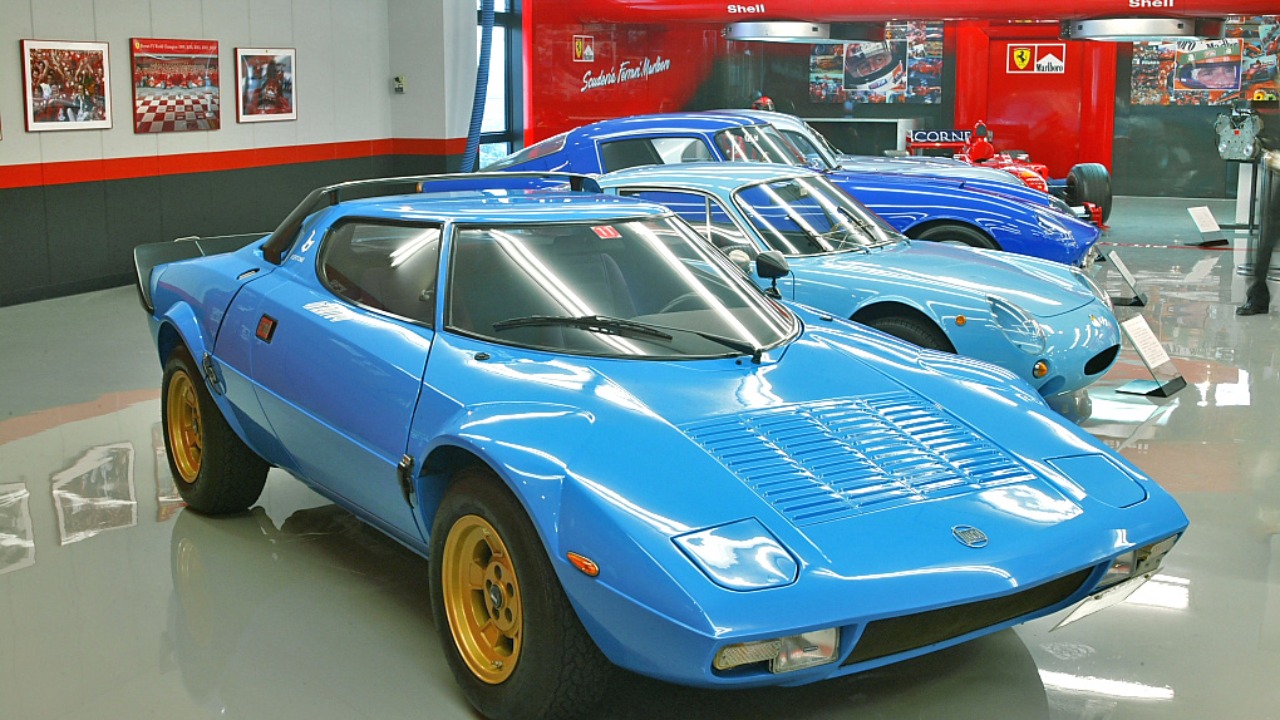
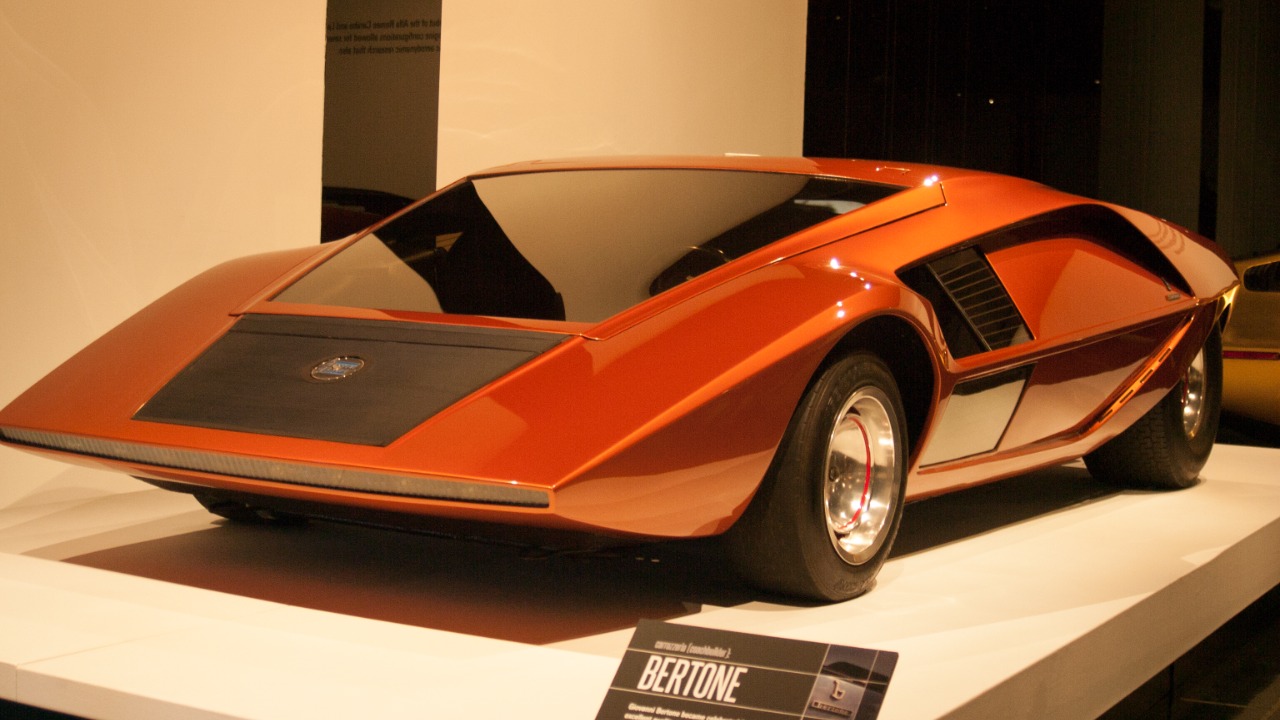
The Lancia Stratos, introduced in the early 1970s, was a groundbreaking rally car that dominated the World Rally Championship in its heyday. Its distinctive wedge-shaped design and mid-engine layout set it apart from its competitors, while its lightweight construction contributed to its agility on the rally stages. The Stratos won three consecutive World Rally Championships from 1974 to 1976, solidifying its status as a legend in motorsports. However, only about 500 units were produced, making it a rare find today.
Today, the Stratos is revered among car enthusiasts and collectors, often seen at classic car events and rallies. Its design and engineering have influenced numerous sports cars, showcasing the enduring impact of the Stratos on automotive performance. The Lancia Stratos remains a testament to the power of innovative design in motorsports, demonstrating that exceptional engineering can lead to unforgettable success.
The Ford Edsel: The Car That Became a Cultural Phenomenon
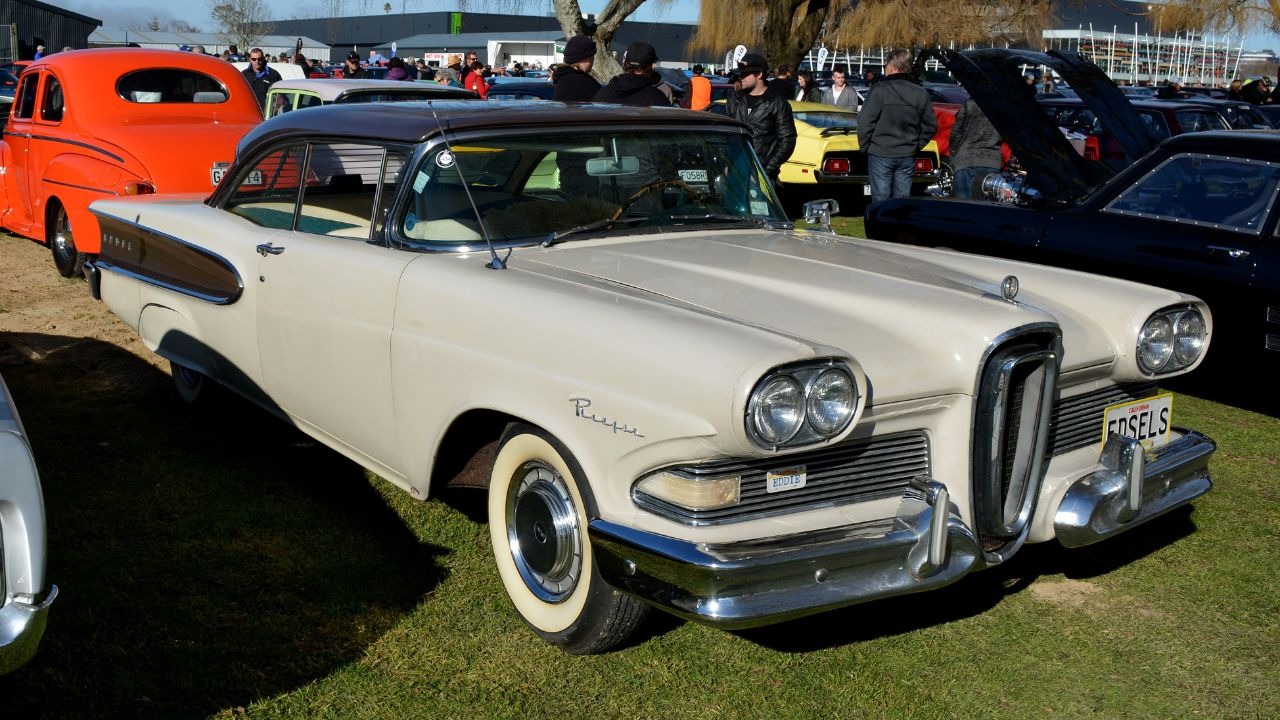
Launched in 1957, the Ford Edsel was intended to be a revolutionary new brand that would fill the gap between Ford and Lincoln. With its distinctive styling and innovative features, it was highly anticipated. However, the Edsel faced a disastrous launch, plagued by design flaws and market miscalculations. Despite its short production run, which ended in 1960, the Edsel has become a cultural icon, often cited as an example of automotive failure.
Over the years, the Edsel has gained a cult following, with enthusiasts appreciating its unique design and historical significance. Collectors actively seek out Edsels for restoration, and they are often featured in automotive museums. The Ford Edsel serves as a reminder of the complexities of consumer desires and market trends, illustrating that even the most ambitious projects can sometimes miss the mark. Its legacy continues to spark discussions about innovation and branding in the automotive industry.
More from Fast Lane Only
- Unboxing the WWII Jeep in a Crate
- 15 rare Chevys collectors are quietly buying
- 10 underrated V8s still worth hunting down
- Police notice this before you even roll window down
*Research for this article included AI assistance, with all final content reviewed by human editors.