The Buick Riviera helped redefine the American personal luxury car by combining elegant styling with innovative engineering and strong performance. Throughout its history, the Riviera introduced new ideas that influenced Buick’s direction and strengthened its reputation for premium automobiles. These Riviera models quietly left a lasting mark on the brand.
1963 Buick Riviera

The 1963 Buick Riviera debuted with clean, sophisticated styling that immediately distinguished it from other American luxury coupes. Its powerful V8 engine, refined ride, and elegant proportions established a new design direction for Buick. Many enthusiasts still regard it as one of the most beautiful American cars ever built.
1965 Buick Riviera
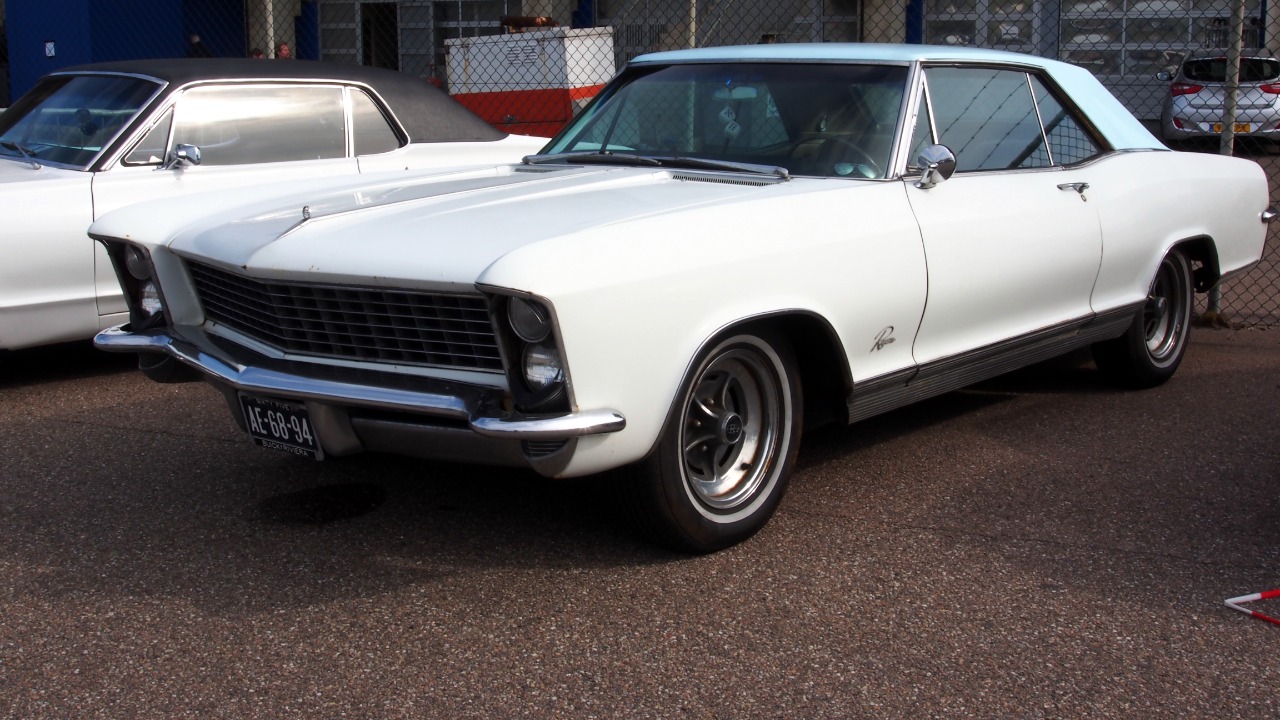
The 1965 Buick Riviera introduced the famous hidden clamshell headlights, giving the coupe a distinctive and futuristic appearance. Combined with powerful engine options and a premium interior, it reinforced Buick’s growing reputation for innovation. Its unique front-end design remains one of the Riviera’s defining features.
1966 Buick Riviera GS
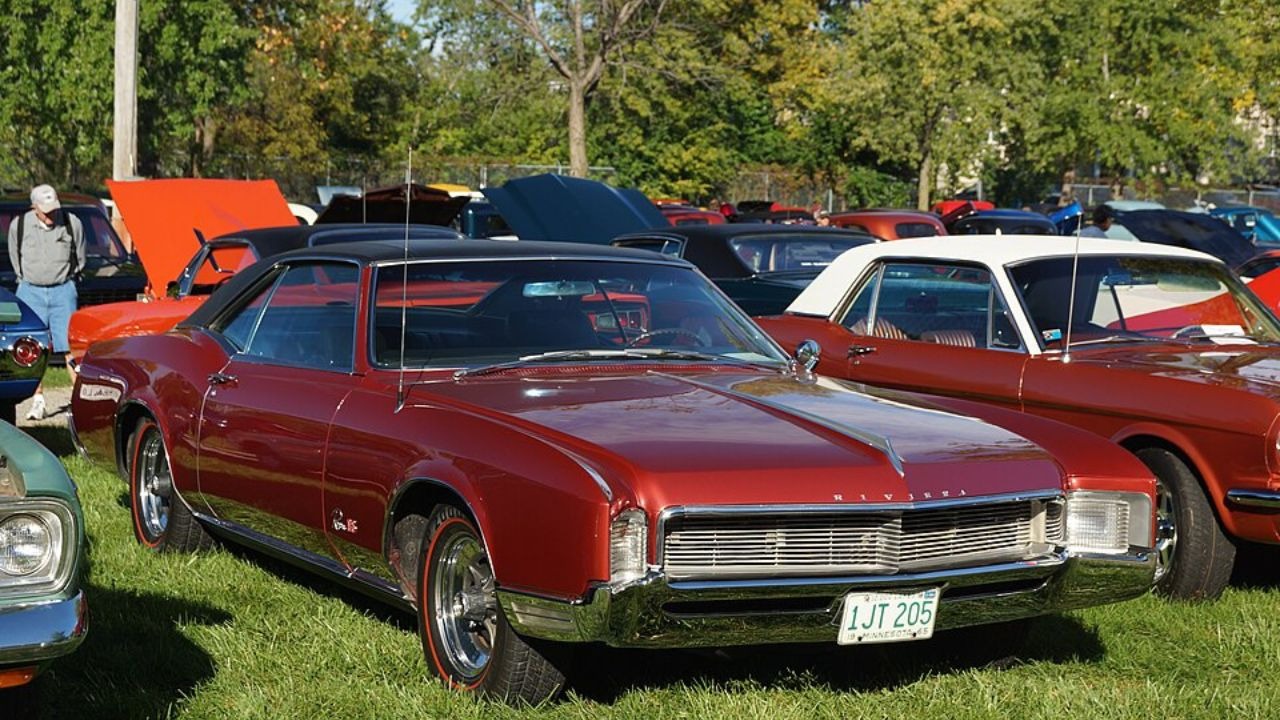
The 1966 Buick Riviera GS brought Gran Sport performance to Buick’s luxury coupe with a more powerful V8 and performance-oriented upgrades. It successfully combined refined comfort with impressive acceleration. The GS demonstrated that a luxury car could also compete with the era’s leading performance models.
1971 Buick Riviera

The 1971 Buick Riviera featured dramatic “boattail” styling that made it unlike any other American car on the road. Its bold rear design, spacious interior, and strong V8 performance created an unforgettable presence. Although controversial when new, it has become one of the Riviera’s most celebrated generations.
1973 Buick Riviera
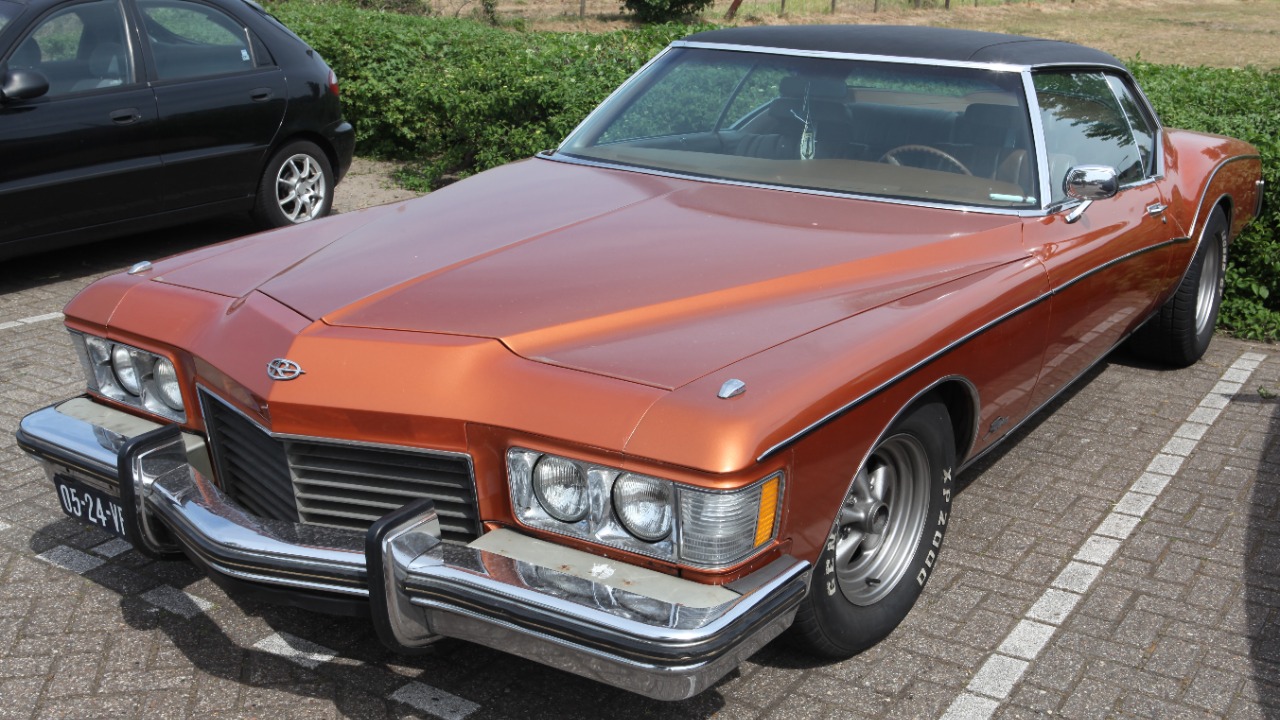
The 1973 Buick Riviera introduced larger dimensions, improved safety features, and a smoother ride while maintaining its luxury identity. It reflected changing automotive priorities without abandoning the Riviera’s distinctive personality. Today, it represents Buick’s successful adaptation to a new era.
1979 Buick Riviera
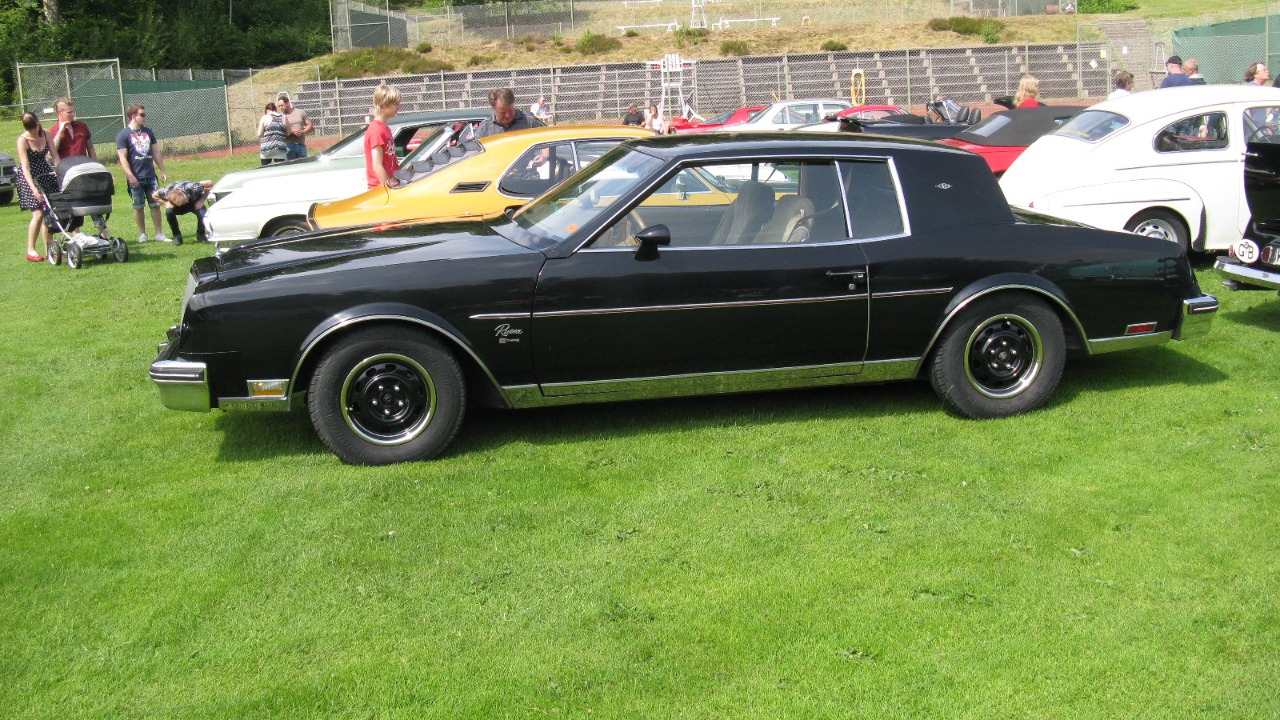
The 1979 Buick Riviera became significantly smaller and lighter, improving fuel efficiency while preserving comfort and refinement. Its downsized platform reflected the changing automotive market and helped Buick remain competitive. The redesign proved that luxury could evolve without losing its appeal.
1986 Buick Riviera
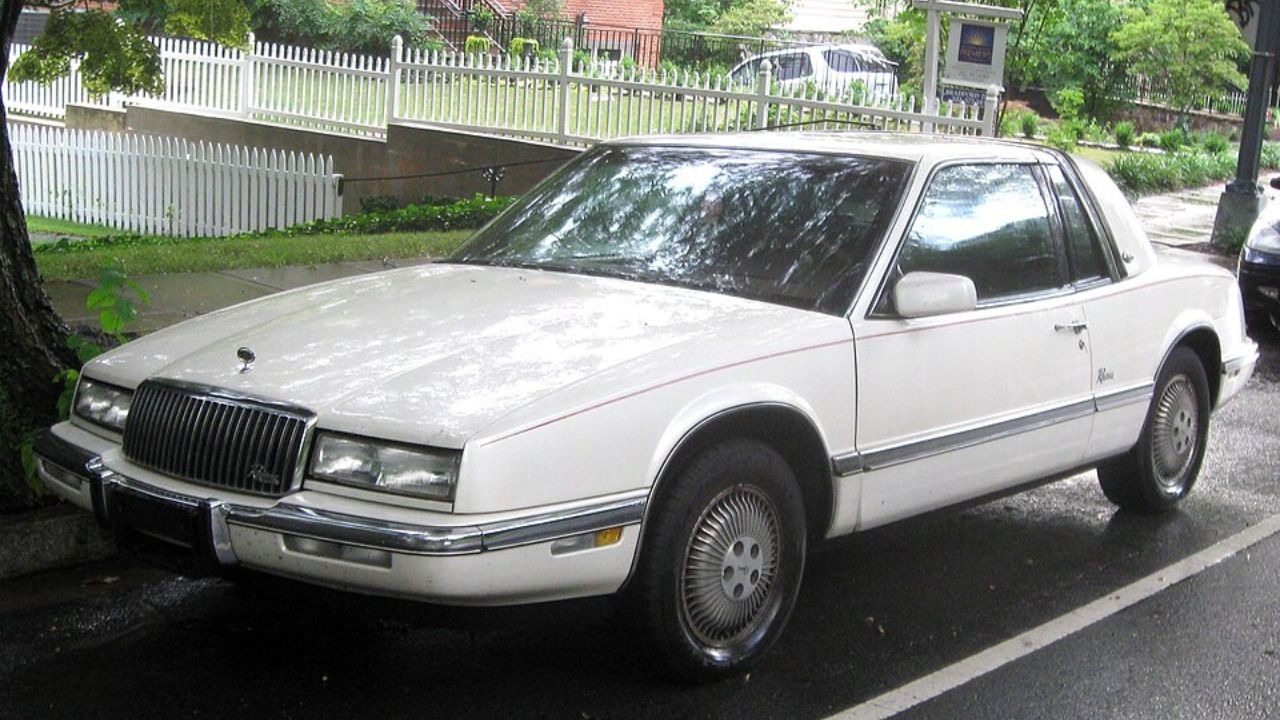
The 1986 Buick Riviera introduced front-wheel drive and advanced electronic technology, marking one of the biggest engineering changes in the model’s history. Its modern platform delivered improved interior space and everyday usability. The 1986 model showcased Buick’s willingness to embrace new automotive technology.
1995 Buick Riviera
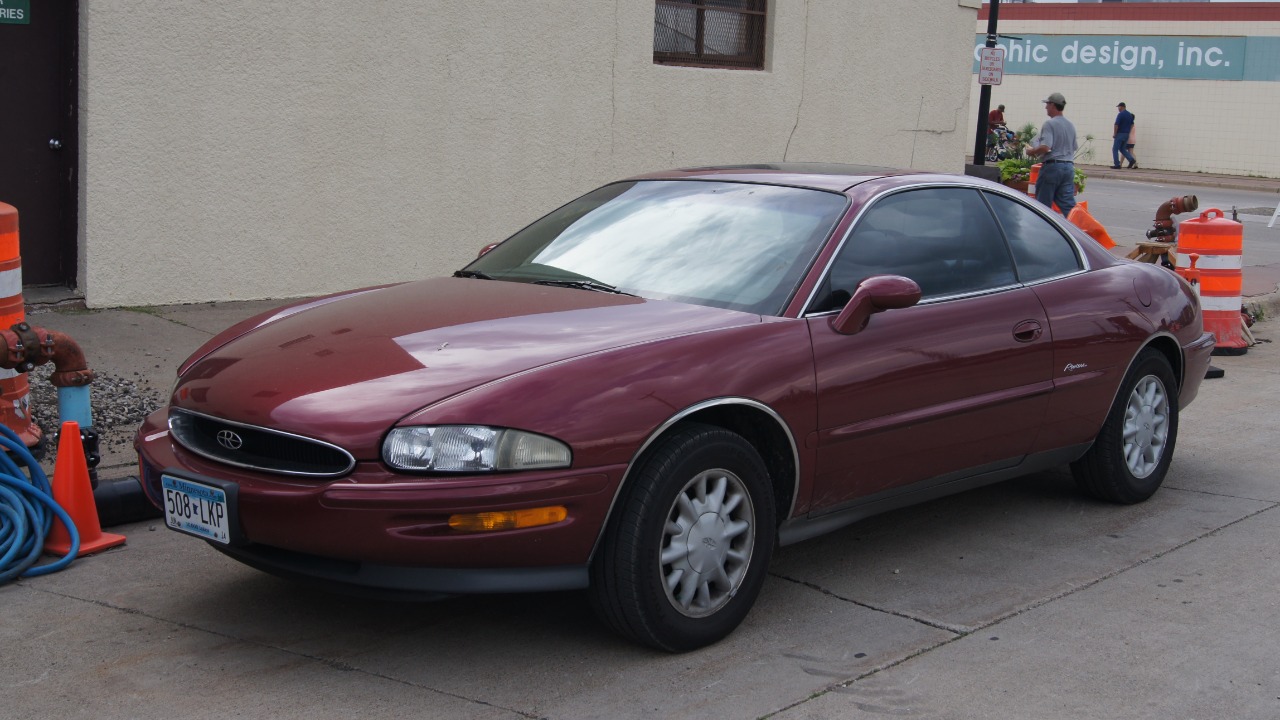
The 1995 Buick Riviera featured sleek aerodynamic styling and an available supercharged V6 that delivered impressive performance. Blending modern technology with classic Riviera luxury, it became one of the strongest-performing Rivieras ever produced. Today, it is increasingly appreciated by collectors for its distinctive design and engineering.
More from Fast Lane Only
- Unboxing the WWII Jeep in a Crate
- 15 rare Chevys collectors are quietly buying
- 10 underrated V8s still worth hunting down
- Police notice this before you even roll window down
*Research for this article included AI assistance, with all final content reviewed by human editors