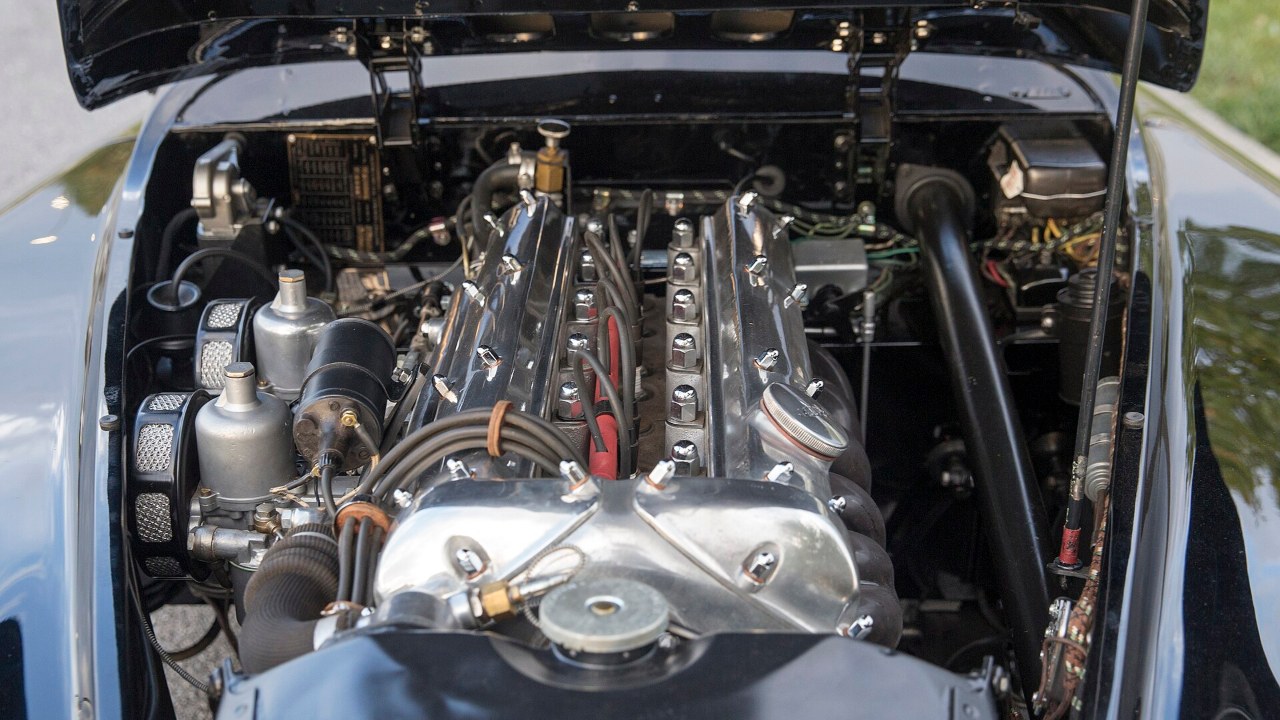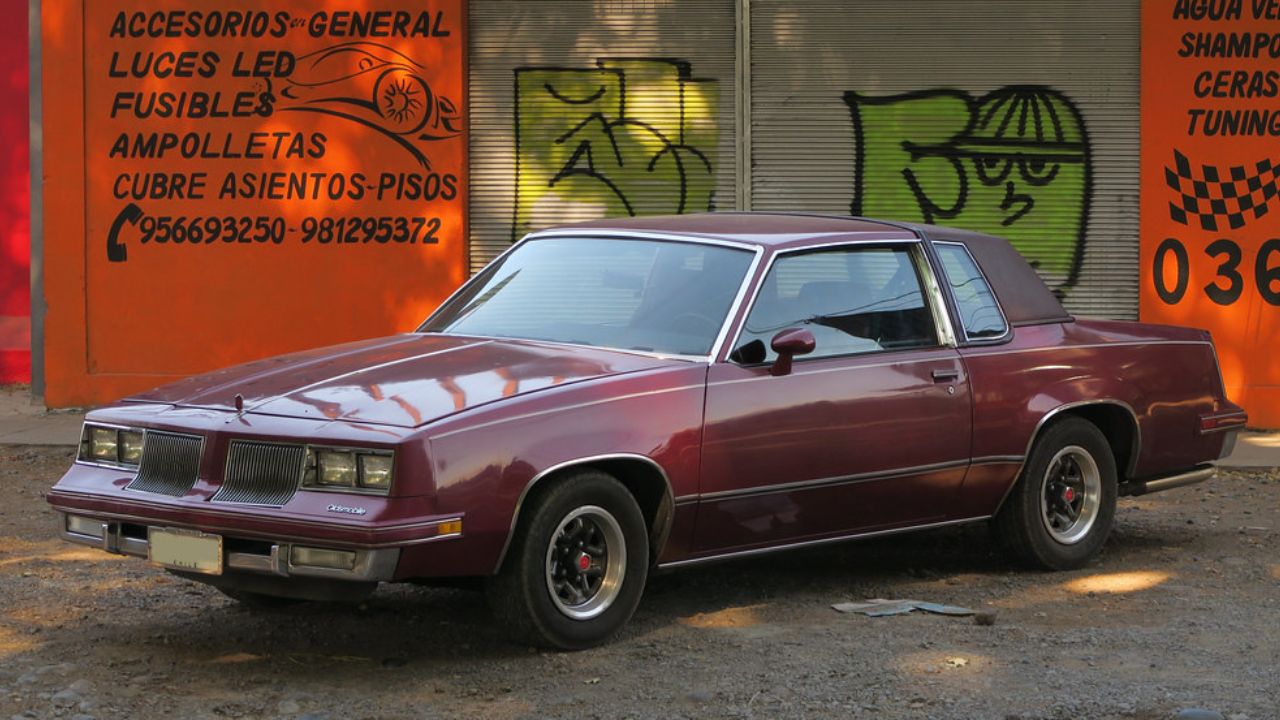
The third generation of muscle cars marked a significant evolution in automotive design and technology, showcasing bold aesthetics and innovative features that captivated enthusiasts. These vehicles not only delivered impressive performance but also embraced a forward-thinking approach that set the stage for future automotive trends. Below are eight third-generation muscle cars that stood out for their futuristic looks and engineering prowess.
Chevrolet Camaro (1982-1992)
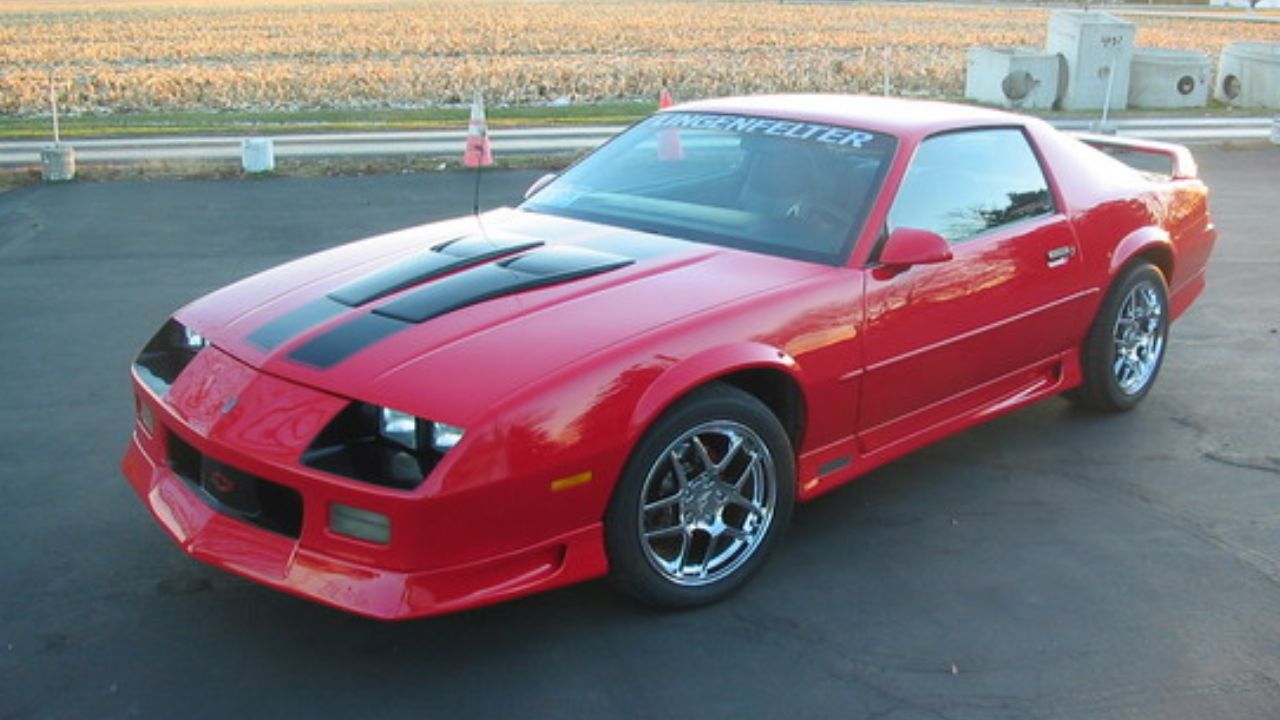
The third-generation Chevrolet Camaro marked a significant redesign in the model’s evolution, introducing a more aerodynamic and angular body structure compared to earlier generations. Its wedge-shaped profile, steeply raked windshield, and lightweight construction reflected a shift toward efficiency-driven performance design. The hatchback configuration further enhanced practicality while maintaining its identity as a performance-oriented American coupe. Engine offerings ranged from economical inline-four variants to more powerful V8 configurations, allowing it to serve both mainstream and enthusiast markets.
From a performance standpoint, the Camaro benefited from improved suspension geometry and reduced overall weight, which contributed to more responsive handling characteristics. It retained its status as a core member of the American pony car segment, maintaining strong competition with its Ford and Pontiac counterparts. The design direction of this generation is often regarded as a transitional phase that bridged classic muscle car aesthetics with more modern, aerodynamic engineering principles.
Ford Mustang (1979-1993)

The third-generation Ford Mustang, commonly known as the Fox-body Mustang, introduced a completely new platform that emphasized reduced weight and improved structural rigidity. Its more squared-off, aerodynamic design represented a departure from the softer styling of previous generations. The inclusion of a hatchback variant added versatility, while the long-hood and short-deck proportions preserved its traditional performance car identity. Engine options included inline-four, V6, and V8 configurations, reflecting a broad performance spectrum.
In terms of performance evolution, the Fox-body Mustang became one of the most adaptable muscle platforms of its era. Turbocharged variants and later high-output V8 models reinforced its reputation as a serious performance machine. It played a crucial role in sustaining the American muscle and pony car segment during a period when fuel economy regulations significantly influenced automotive engineering direction.
Pontiac Firebird (1982-1992)
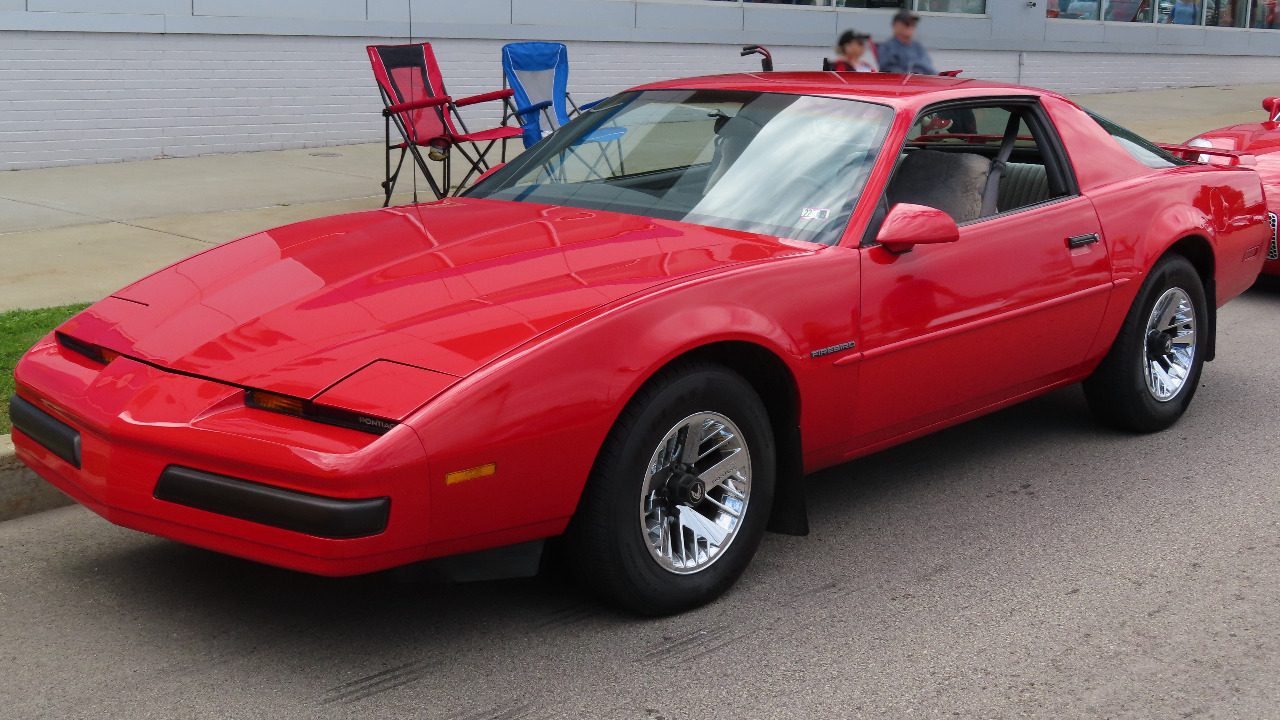
The third-generation Pontiac Firebird was designed with a strong emphasis on aerodynamics and aggressive styling, featuring a low front end, concealed headlamps, and a sharply contoured body. These elements contributed to reduced drag and a futuristic appearance that aligned with 1980s automotive design trends. It shared its platform with the Camaro but maintained distinct styling cues that emphasized Pontiac’s performance-oriented branding. V8 engine options ensured its continued classification within the muscle car segment.
Performance variants, particularly the Trans Am models, elevated the Firebird’s status as both a visual and mechanical standout. Technological enhancements, including optional digital instrumentation, reflected the increasing integration of electronics in performance vehicles. Its combination of aerodynamic design and V8 power helped sustain its relevance as a modernized muscle car during its production cycle.
Buick GNX (1987)
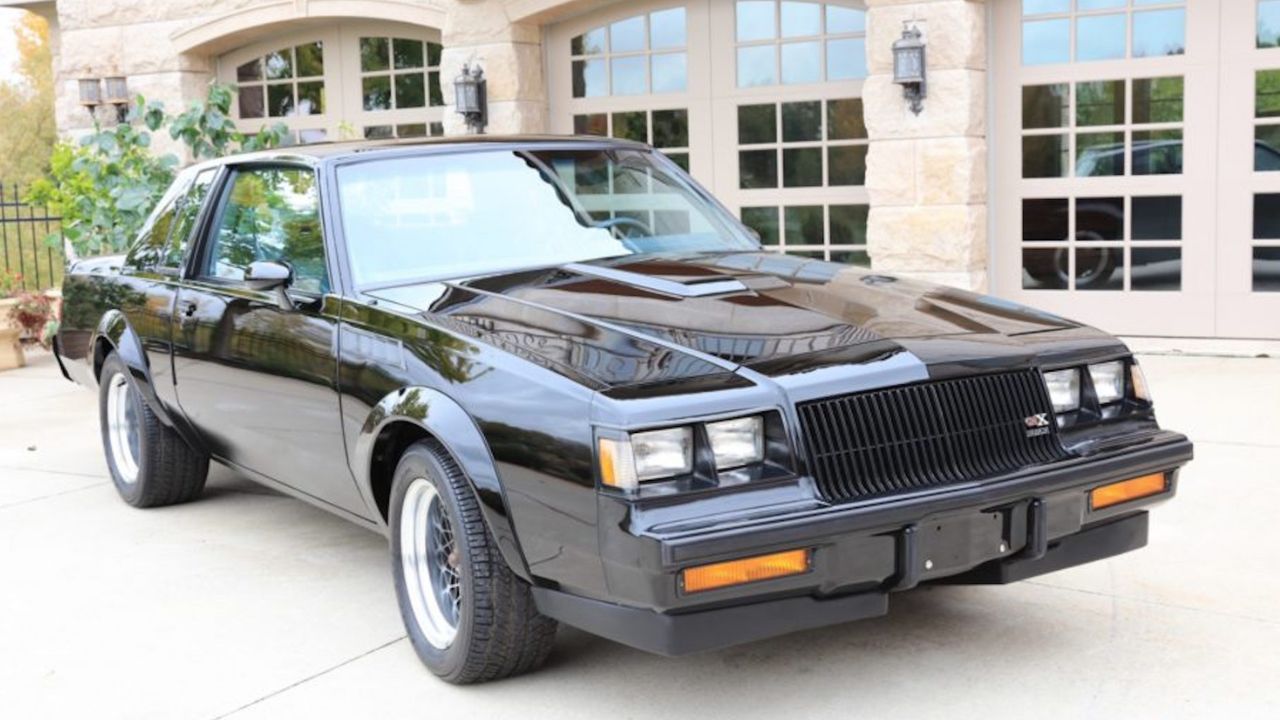
The Buick GNX was a highly limited-production performance model based on the Buick Regal, developed to push the boundaries of 1980s American performance engineering. It featured a turbocharged 3.8-liter V6 engine extensively modified for increased output and torque delivery. Despite its understated exterior appearance, the vehicle was engineered for extreme straight-line acceleration, distinguishing it from many contemporary muscle cars. Its blacked-out aesthetic reinforced its stealth performance identity.
Beyond its powertrain, the GNX incorporated upgraded suspension components, reinforced drivetrain systems, and performance-tuned electronics. It became one of the fastest production vehicles of its time, outperforming many V8-powered competitors. Its combination of forced induction and conservative styling established it as a landmark in modern muscle car development, particularly in the evolution of turbocharged performance platforms.
Chevrolet Monte Carlo SS (1983–1988)
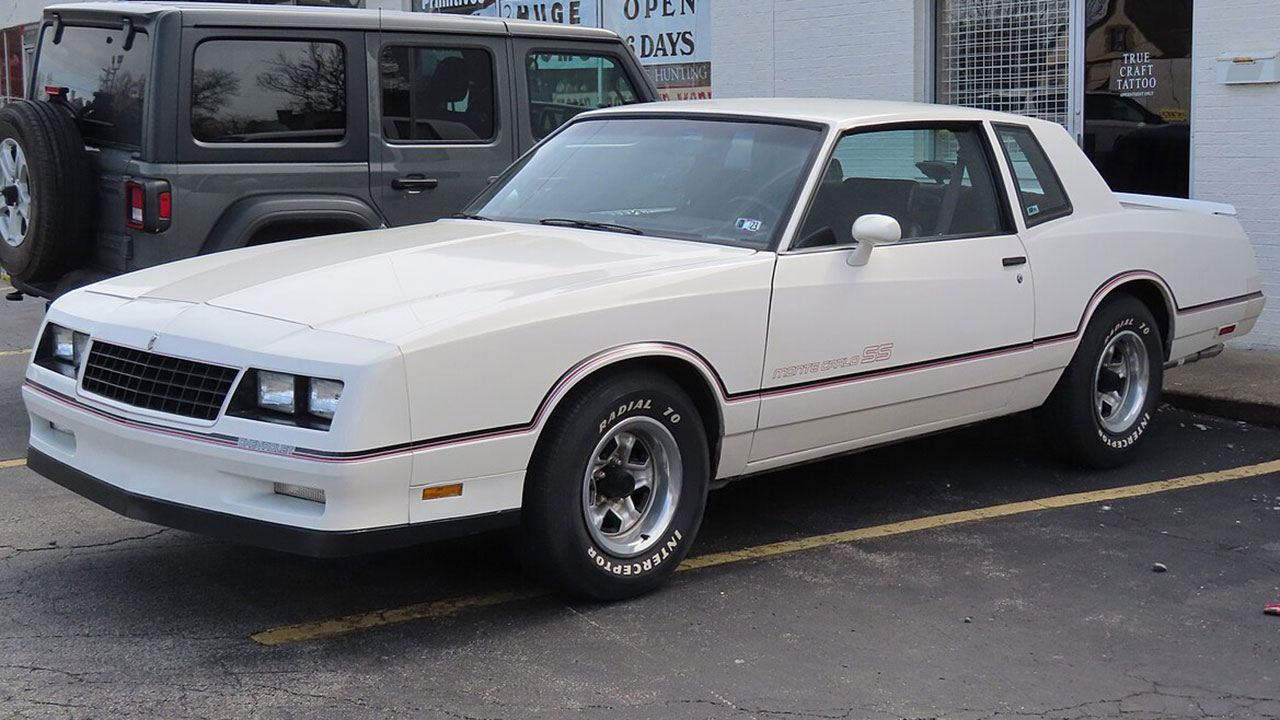
The Chevrolet Monte Carlo SS represented the return of performance-oriented styling within the mid-1980s personal luxury coupe segment. It featured aerodynamic body modifications, including a sloped nose and integrated spoilers, which enhanced both stability and visual aggressiveness. Powered primarily by V8 engines, it maintained strong torque delivery suitable for street and stock-car-inspired performance. Its design was heavily influenced by NASCAR homologation requirements.
Inside, the Monte Carlo SS balanced comfort-oriented features with a driver-focused layout, reflecting the dual-purpose nature of performance coupes during this era. It gained popularity as a relatively accessible muscle-inspired vehicle that combined everyday usability with motorsport aesthetics. Its role in reviving V8 performance coupes made it a significant model in the evolution of 1980s American performance vehicles.
Oldsmobile 442 (1985–1987 Cutlass 442)

The mid-1980s Oldsmobile 442 revived a historic performance nameplate using the Cutlass platform as its foundation. It incorporated a V8 engine paired with performance-oriented suspension tuning, allowing it to deliver improved handling and acceleration compared to standard Cutlass models. Its exterior design reflected the aerodynamic trends of the period, featuring smoother body lines and subtle performance cues.
Although more restrained than earlier generations of muscle cars, the 442 maintained its identity through balanced performance and drivability. It combined comfort-oriented features with a heritage-inspired performance package, positioning it as a bridge between classic muscle tradition and modern automotive refinement. Its role was largely symbolic in sustaining the 442 legacy during a transitional automotive era.
Pontiac Grand Prix 2+2 (1986)
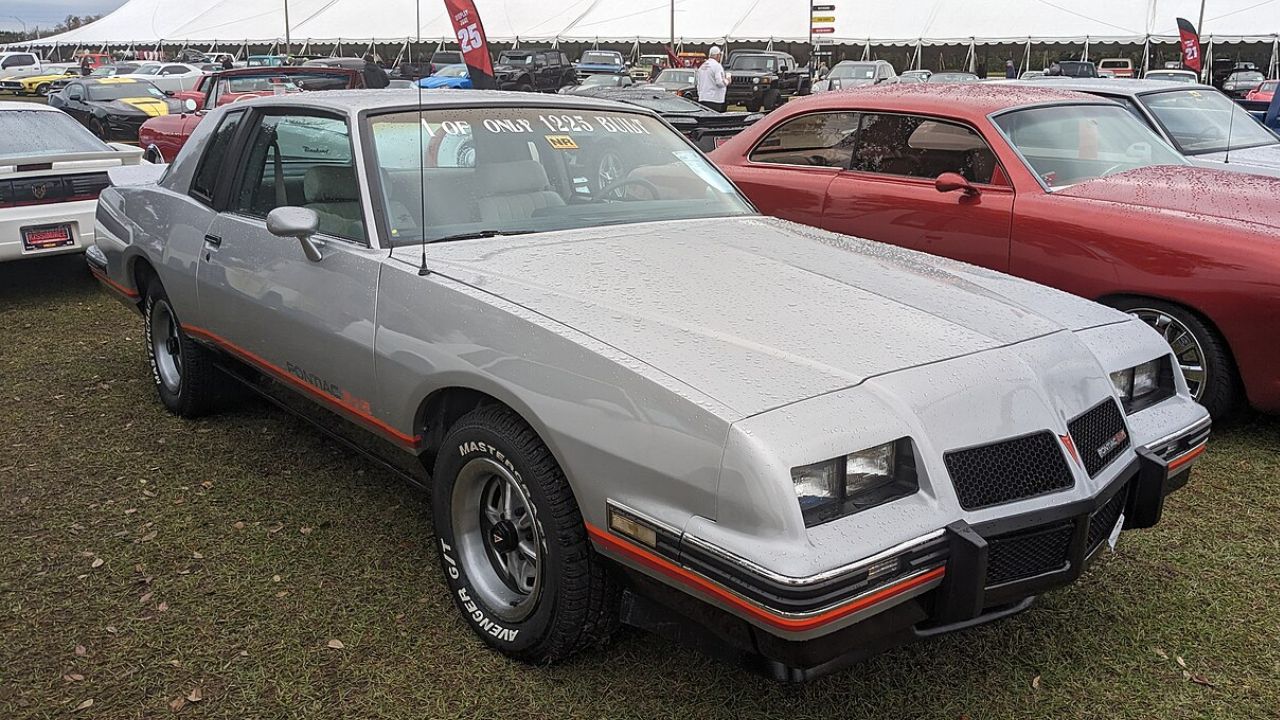
The Pontiac Grand Prix 2+2 was a limited-production performance coupe developed with aerodynamic efficiency and motorsport influence in mind. It featured an extended aero body kit, including a steeply sloped front fascia and rear spoiler designed to improve high-speed stability. The model was equipped with V8 power, ensuring its placement within the performance muscle category despite its personal luxury coupe origins.
Its development was closely tied to NASCAR homologation requirements, which influenced both its styling and aerodynamic features. The interior combined comfort-oriented luxury elements with sport-focused instrumentation. Due to its limited production run and performance-oriented engineering, it is regarded as a rare and distinctive entry in 1980s American muscle-inspired vehicles.
Buick Regal Grand National (1987)
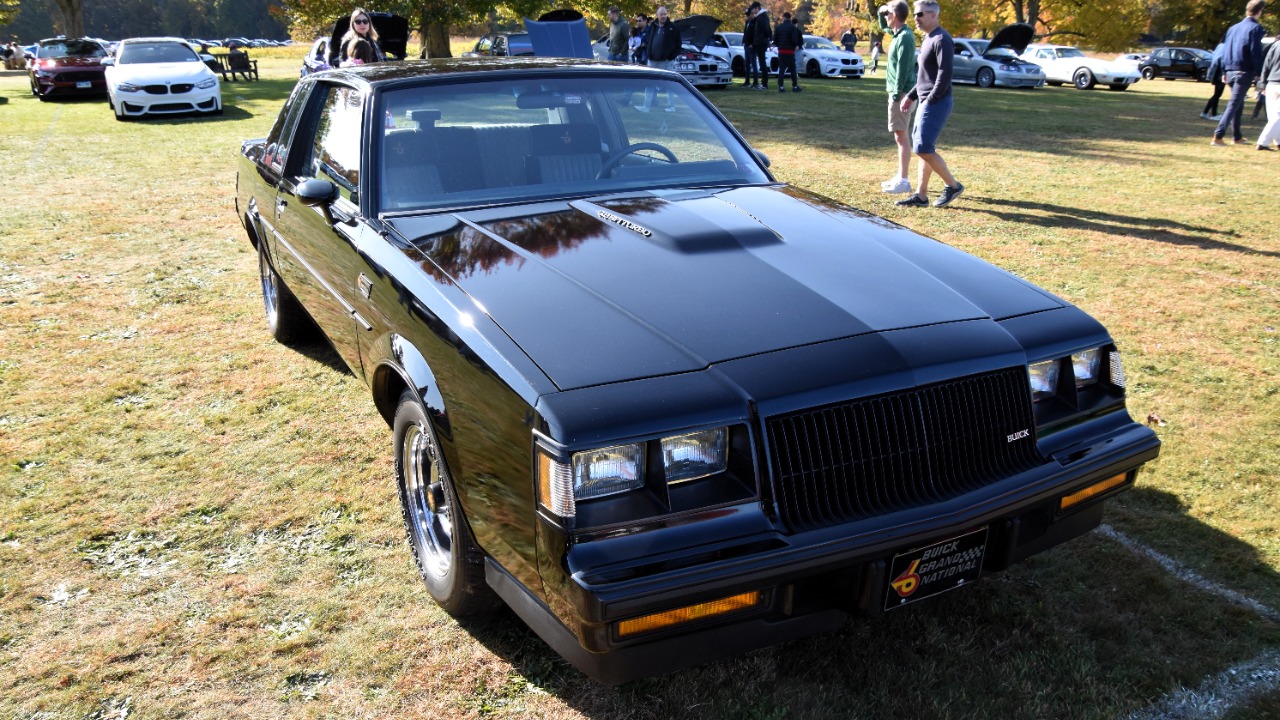
The Buick Regal Grand National emerged as one of the most iconic performance coupes of the 1980s, characterized by its turbocharged 3.8-liter V6 engine and all-black exterior styling. It delivered exceptional acceleration and torque output, rivaling and often surpassing contemporary V8 muscle cars. Its understated design contrasted sharply with its high-performance capabilities, reinforcing its reputation as a stealth performance vehicle.
Technically, the Grand National featured enhanced turbocharging systems, upgraded suspension components, and reinforced drivetrain engineering. It became a benchmark for turbocharged performance in American muscle history, demonstrating that forced induction could rival traditional large-displacement V8 power. Its legacy is defined by its dominance in straight-line performance and its influence on future performance engineering trends.
More from Fast Lane Only