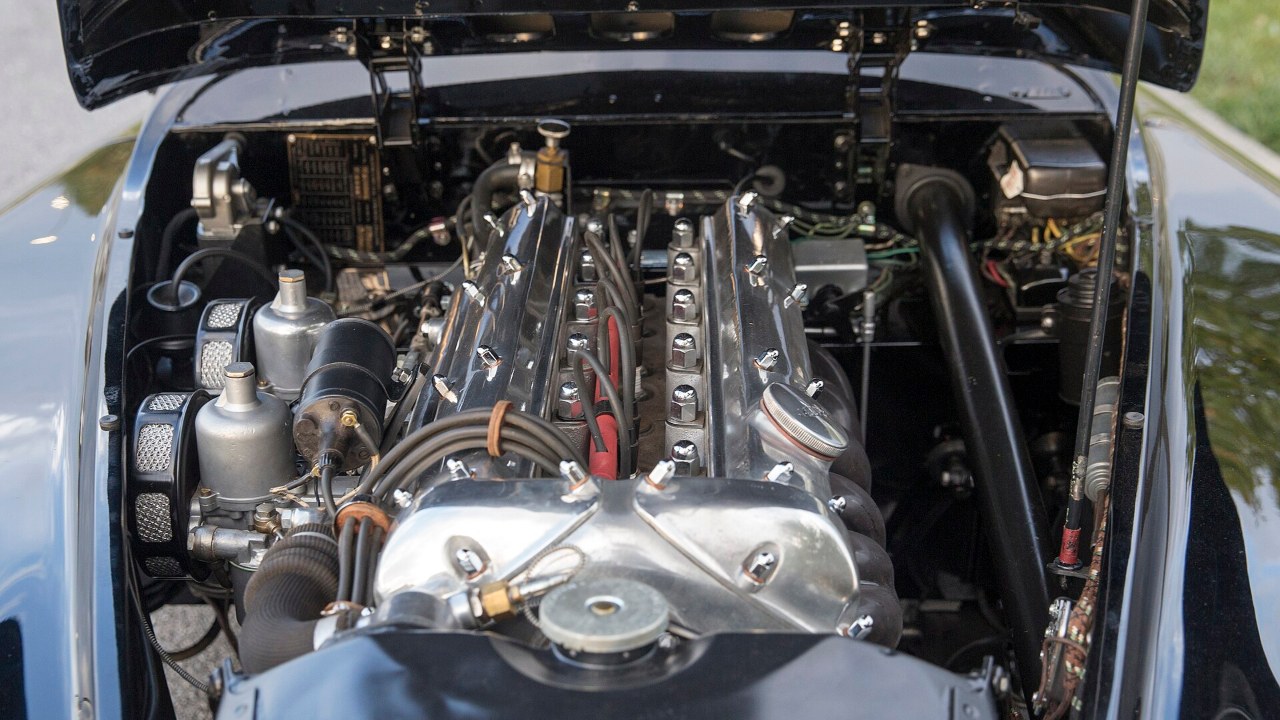
Muscle cars have long been celebrated for their powerful engines and aggressive styling. While many models have gained notoriety over the years, some became legends long before their values skyrocketed. This list highlights nine iconic muscle cars that left an indelible mark on automotive history.
Ford Mustang: The Original Pony Car
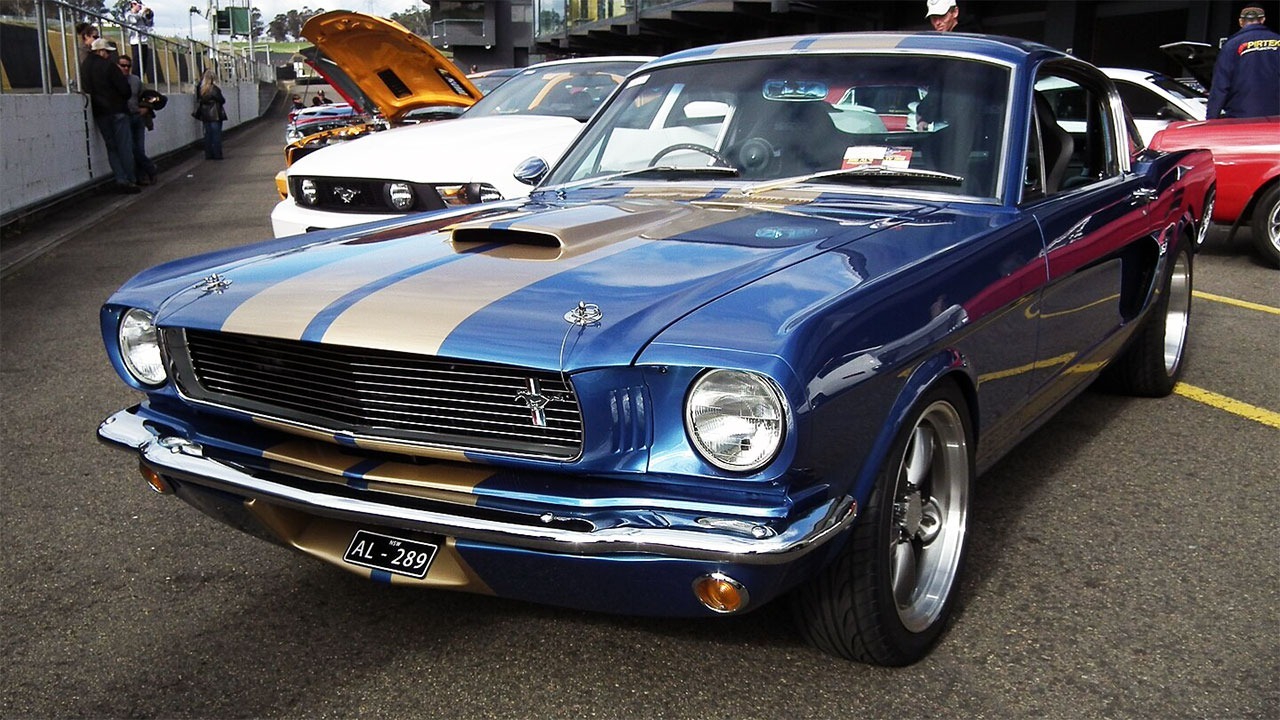
The Ford Mustang, introduced in 1964, is often credited as the original pony car. Designed to appeal to a younger audience, it combined sleek styling with robust performance. The early models, particularly the 1965 Mustang GT350, featured powerful V8 engines, making it a favorite among enthusiasts. Over the years, the Mustang has evolved, yet it remains a symbol of American automotive culture. Its impact is such that it has been featured in numerous films, including the classic “Bullitt,” showcasing its enduring appeal. Today, the Mustang continues to be a sought-after model, reflecting its legendary status.
Chevrolet Camaro: The Fierce Rival
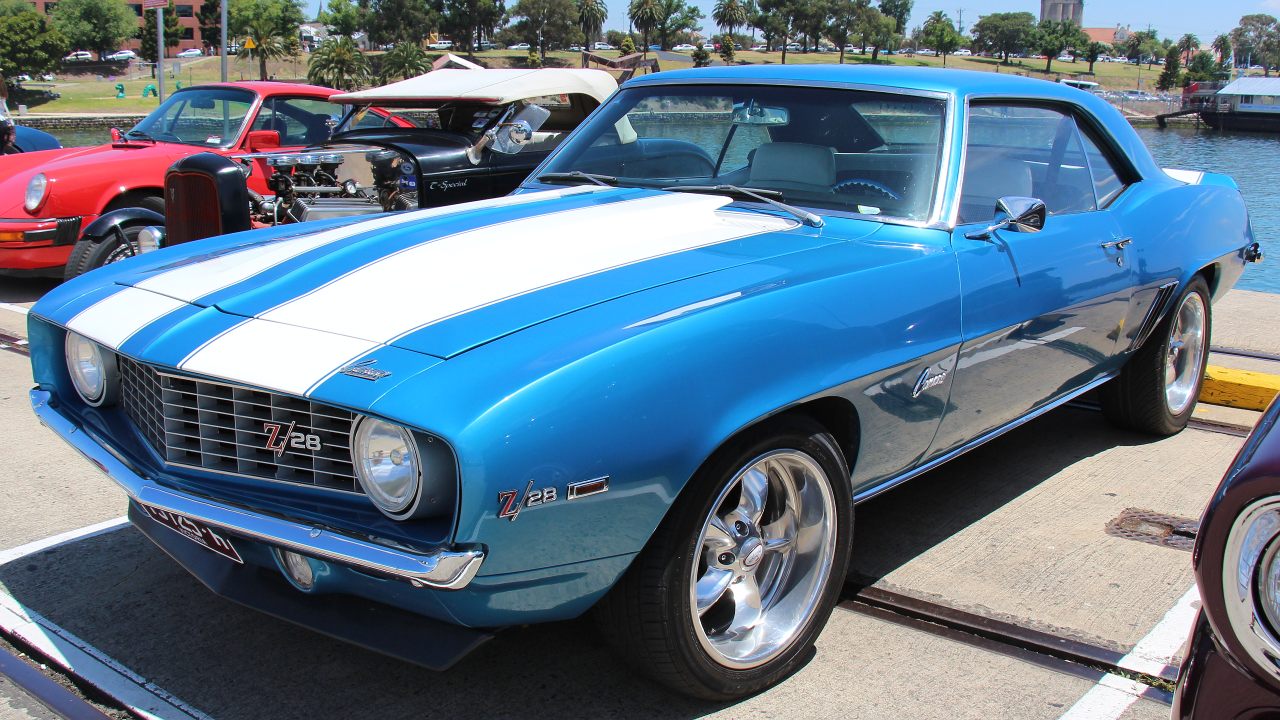
Debuting in 1966 as a direct competitor to the Ford Mustang, the Chevrolet Camaro quickly made a name for itself in the muscle car arena. Known for its bold design and powerful engine options, the Camaro has been a favorite among muscle car enthusiasts since its inception. The 1969 Camaro Z/28, with its high-performance 302 cubic inch V8, exemplified the muscle car’s capabilities and solidified its place in automotive history. Over the decades, the Camaro has undergone several transformations, yet it has consistently captured the spirit of performance and competition. Its legacy as a fierce rival to the Mustang remains intact.
Dodge Charger: Muscle with Attitude
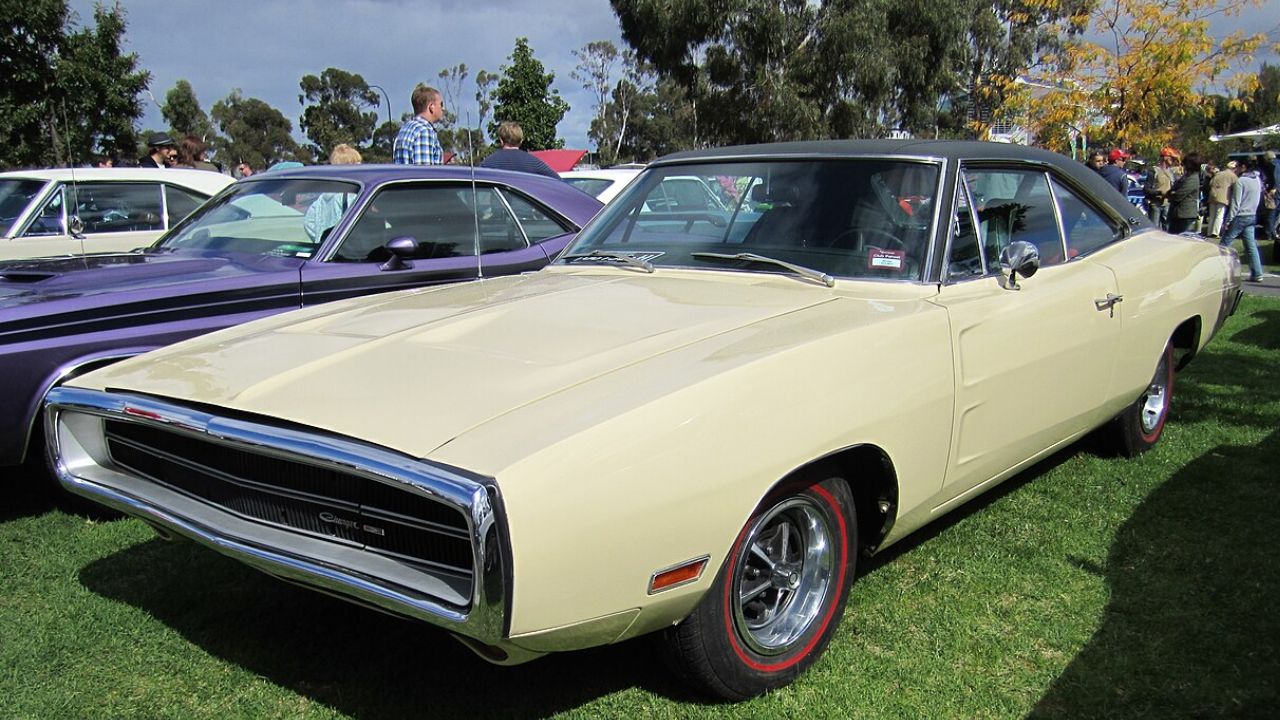
The Dodge Charger, first introduced in 1966, is synonymous with muscle and performance. Its aggressive styling and potent engine options, including the legendary 426 HEMI, positioned it as a dominant contender in the muscle car segment. The Charger gained fame not only for its performance on the road but also for its role in popular culture, especially with its appearance in the “Fast & Furious” franchise. The 1970 model, often regarded as one of the most iconic, showcased the bold design and engineering excellence that defined the Charger. Its combination of power and attitude has made it a timeless classic.
Pontiac GTO: The Grandfather of Muscle
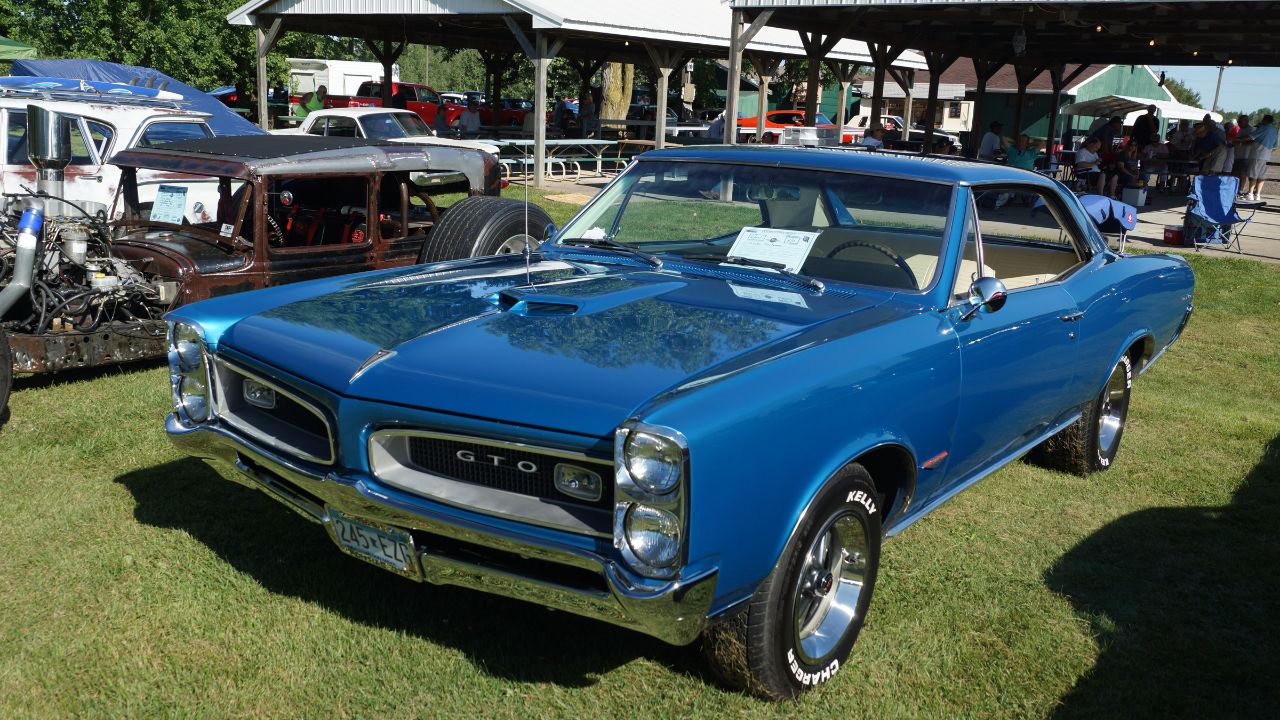
Often referred to as the first true muscle car, the Pontiac GTO made its debut in 1964. The GTO was a game-changer, offering a powerful V8 engine in a lightweight body, which set the standard for performance cars that followed. The 1966 GTO, equipped with the 389 cubic inch V8, became a symbol of speed and style. It was also one of the first cars to incorporate the concept of “street racing,” appealing to a generation of car enthusiasts. The GTO’s influence on the muscle car segment is undeniable, establishing a legacy that continues to captivate collectors and fans alike.
Buick GSX: The Overlooked Powerhouse
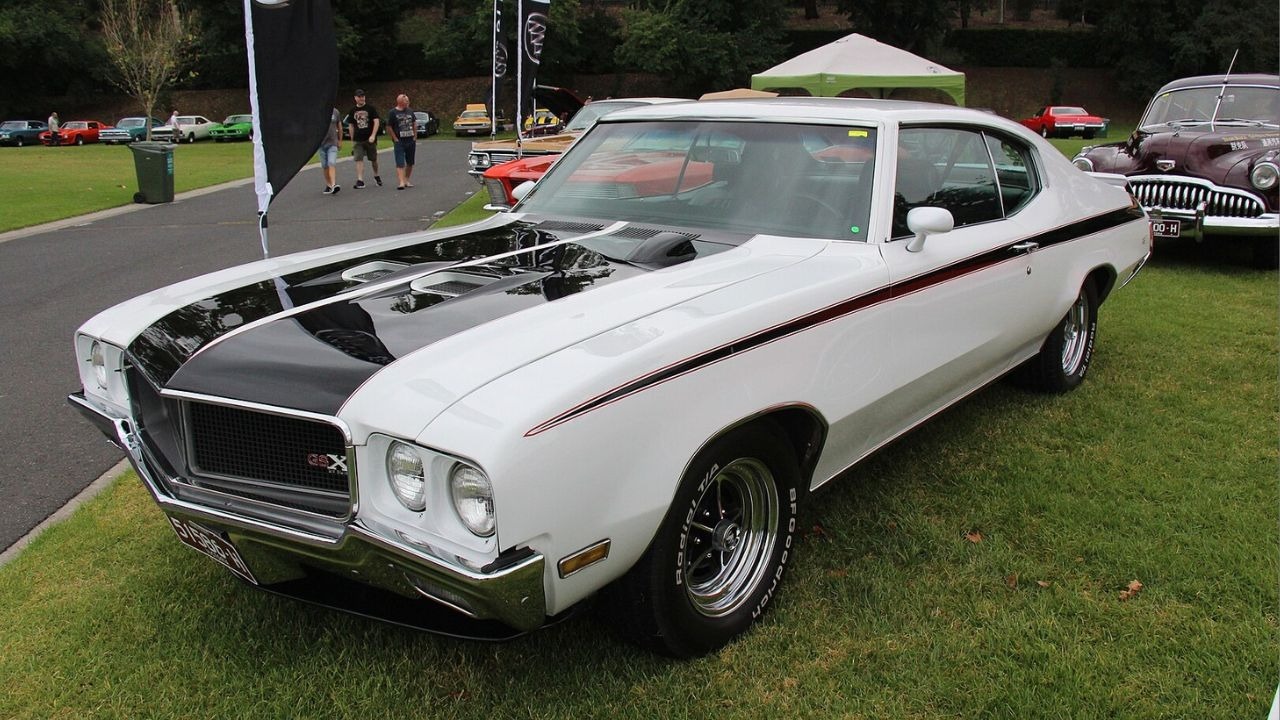
The Buick GSX, introduced in 1970, is often overshadowed by its more famous counterparts but deserves recognition as a powerhouse. With its distinctive styling and advanced performance features, the GSX was equipped with a 455 cubic inch V8 engine that produced a staggering 510 lb-ft of torque. This muscle car was engineered for speed, capable of accelerating from 0 to 60 mph in just over 5 seconds. Despite its limited production numbers, the GSX has gained a cult following among collectors, and its rarity has caused prices to rise significantly in recent years. It represents the hidden gems within the muscle car landscape.
Plymouth Barracuda: The Early Contender
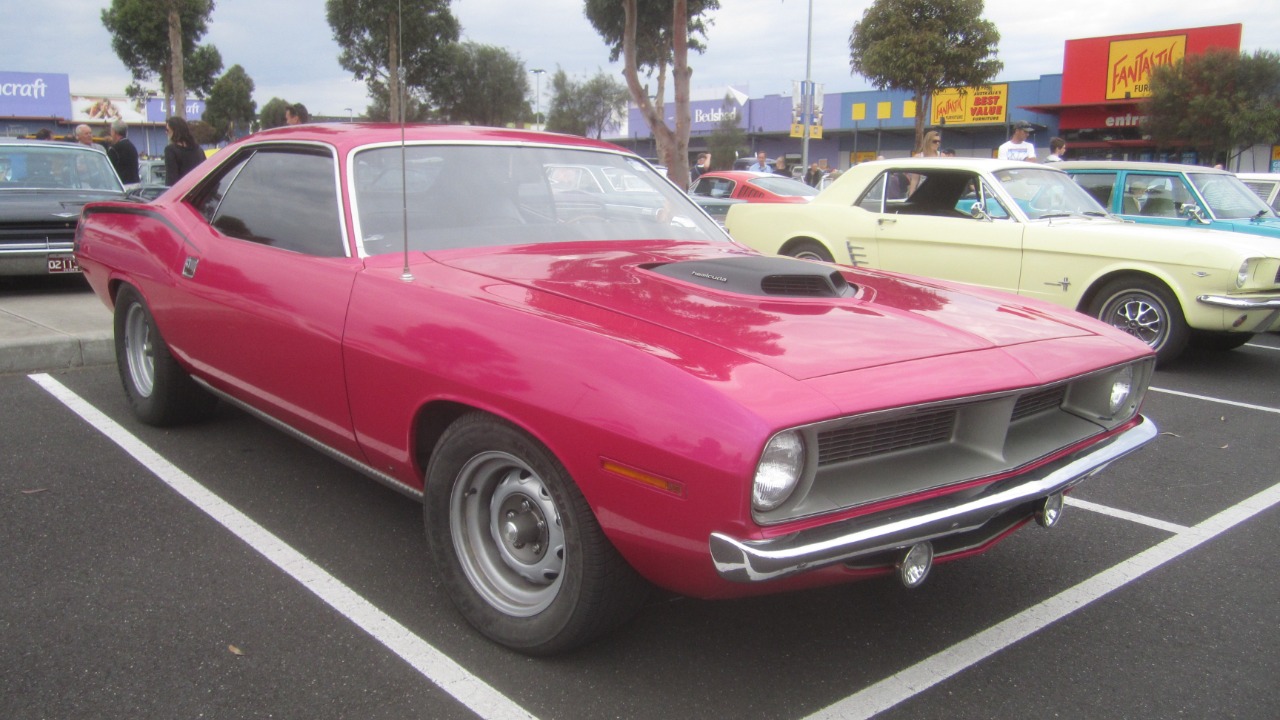
When the Plymouth Barracuda hit the market in 1964, it was one of the first pony cars to challenge Ford’s Mustang. Its unique fastback design and aggressive performance options made it a standout in the segment. The 1970 Barracuda, with its iconic “Cuda” badge, offered a range of potent engine choices, including the legendary 426 HEMI. Despite facing fierce competition, the Barracuda carved out its niche in automotive history. Its popularity has surged among collectors, with some models fetching impressive prices at auctions. The Barracuda’s legacy is a testament to its role in the muscle car movement.
Mercury Cougar: The Luxury Muscle
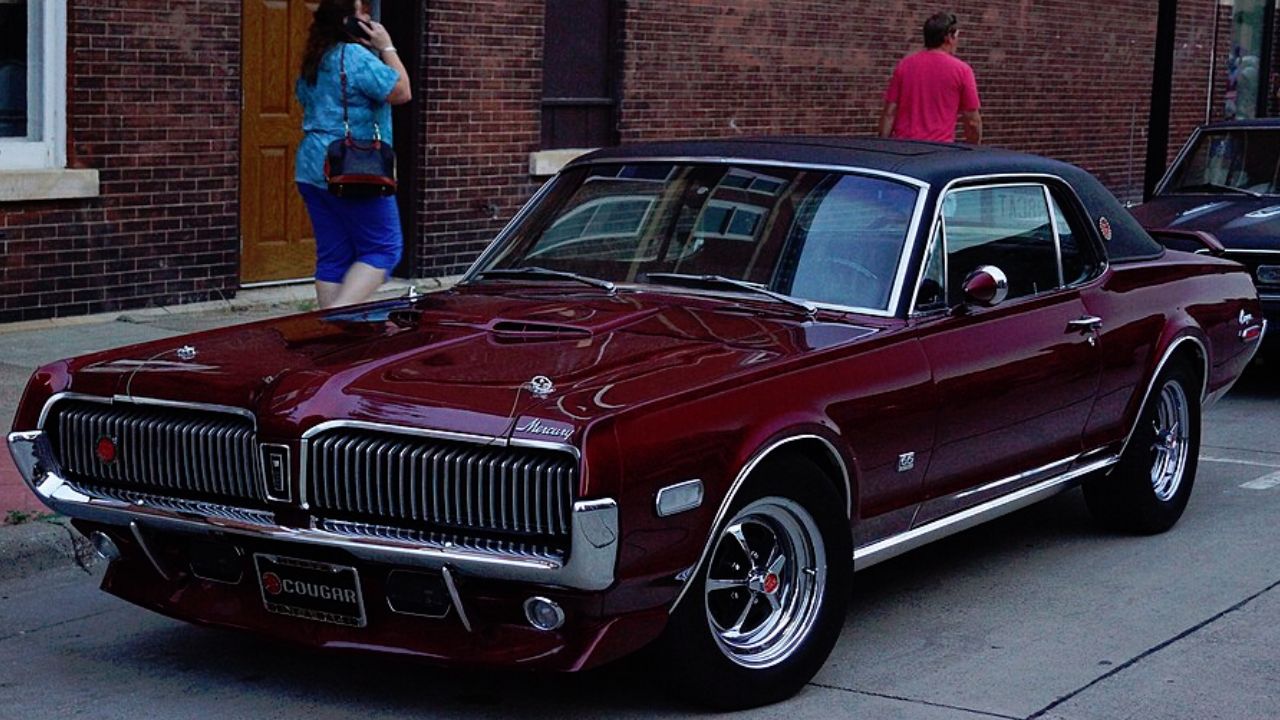
The Mercury Cougar debuted in 1967 as a more refined alternative to traditional muscle cars. With its elegant design and powerful engine options, the Cougar appealed to those seeking both performance and luxury. The 1969 Cougar XR-7 featured a 351 cubic inch V8 engine, offering impressive speed without sacrificing comfort. While often overlooked in favor of its competitors, the Cougar has garnered a loyal following among enthusiasts. Its combination of style and power is a reminder that muscle cars can also embody sophistication. Over the years, the Cougar has proven to be a lasting symbol of Mercury’s commitment to performance.
Oldsmobile 442: The Classic Performer
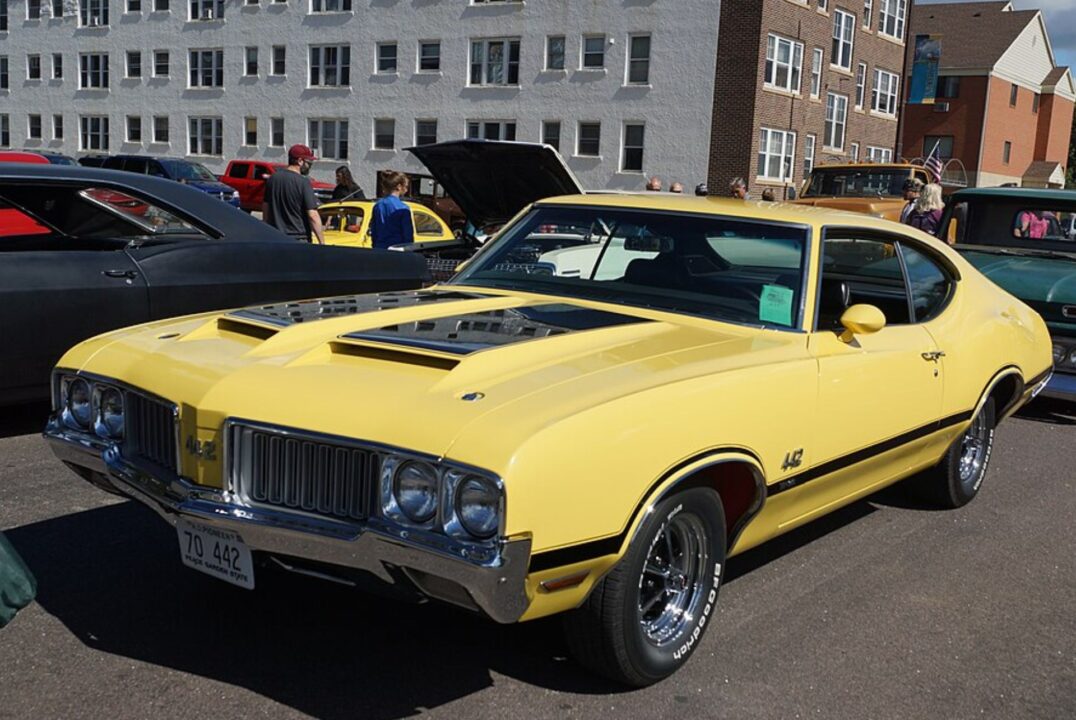
The Oldsmobile 442, introduced in 1964, is celebrated for its blend of performance and practicality. Originally a trim level for the F-85, it quickly evolved into a standalone model known for its power and handling. The 1970 442, equipped with a 455 cubic inch V8, showcased its muscle car credentials with impressive horsepower and torque. Its distinct styling and performance capabilities have made it a favorite among collectors. The 442’s legacy endures as a classic performer that represents the innovative spirit of the muscle car era, appealing to enthusiasts who appreciate its unique place in automotive history.
AMC Javelin: The Underdog Hero
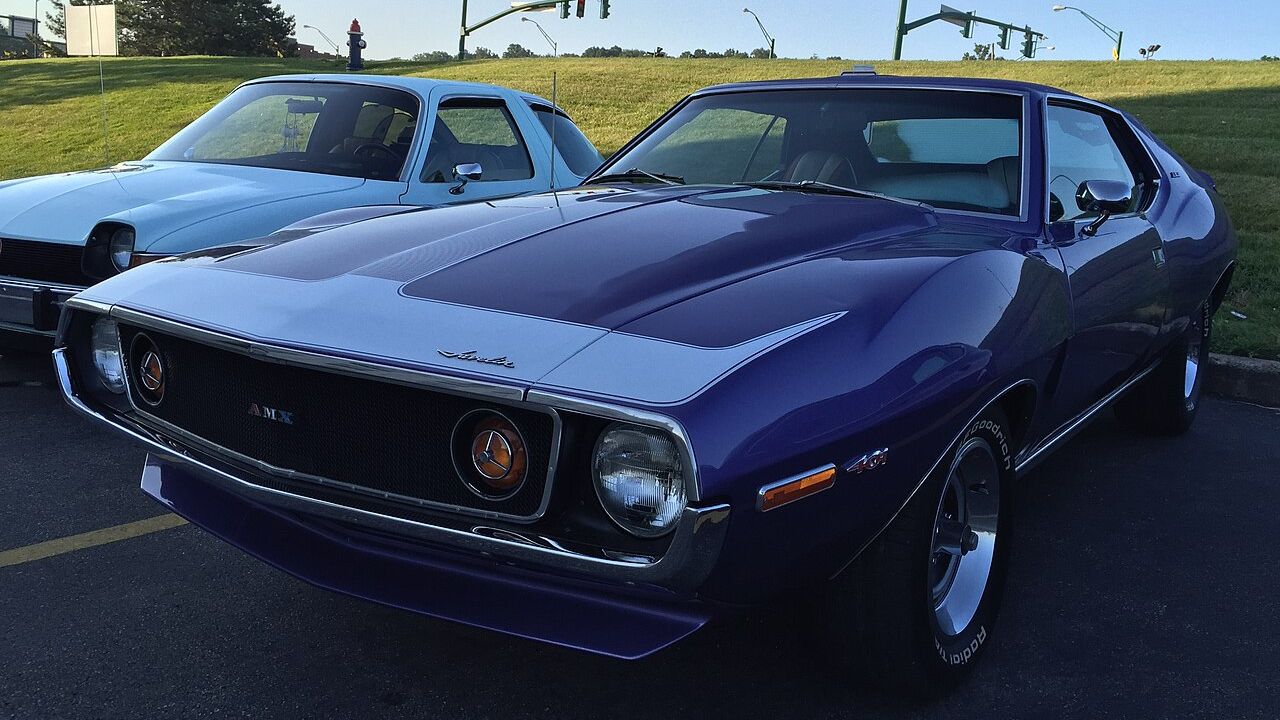
Launched in 1968, the AMC Javelin was the underdog in the muscle car race, but it quickly earned respect for its performance and design. The Javelin was notable for its sporty looks and a range of powerful engine options, including the 390 cubic inch V8. Its success in motorsports, particularly in Trans-Am racing, helped elevate its status among enthusiasts. While it may not have the same recognition as its competitors, the Javelin embodies the spirit of competition and innovation that defined the era. Its unique character and performance capabilities continue to attract attention from collectors and enthusiasts alike.
More from Fast Lane Only