In the world of automotive engineering, some engines possess remarkable power and performance yet remain overshadowed by their more popular counterparts. It’s intriguing to dive into why certain powerful engines, despite their capabilities, haven’t received the recognition they deserve. By examining historical contexts, performance metrics, and marketing strategies, we can uncover the complexities behind these underrated automotive marvels.
Historical Context of Engine Development
The evolution of engine technology has been nothing short of revolutionary. From the early days of the internal combustion engine to today’s advanced turbocharged configurations, each leap has brought about significant changes in performance and efficiency. During the 1960s and 1970s, for instance, American muscle cars like the Ford Mustang and Chevrolet Camaro showcased V8 engines that captured public fascination. However, while these engines were dominating the spotlight, other configurations like the V6 and inline-six engines were quietly laying the groundwork for future innovation. Engines such as the Nissan VG30 and the Toyota 2JZ-GE exhibited impressive performance and reliability but often went unnoticed.
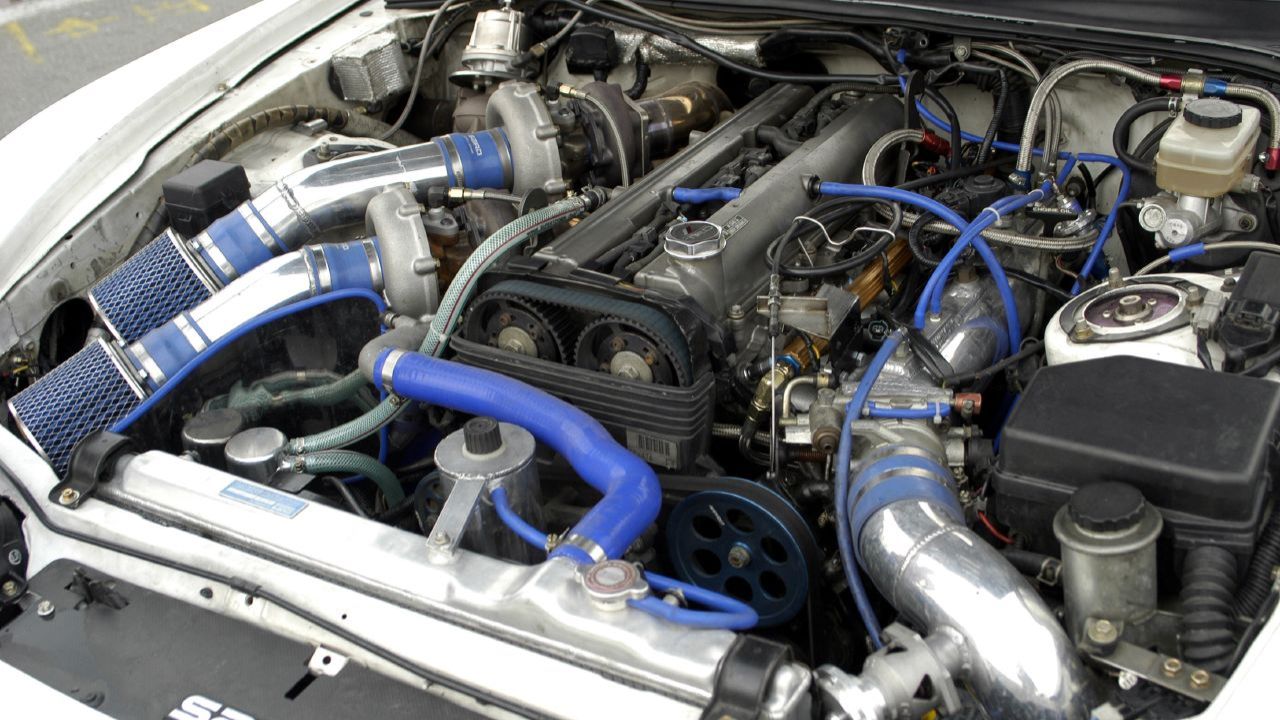
Marketing and branding have played a pivotal role in shaping public perceptions of engine performance. In a highly competitive market, manufacturers often prioritize flashy advertising over technical merit, leading to a skewed understanding of what constitutes a powerful engine. The Toyota Supra, with its 2JZ-GTE engine, is an excellent example of how a relatively simple inline-six configuration became a cult favorite among enthusiasts, yet was overshadowed at its launch by more mainstream competitors. This disparity between reality and perception can often leave genuinely innovative engines in the shadows.
Performance Metrics vs. Public Perception
When discussing engine performance, metrics such as torque, horsepower, and fuel efficiency are critical indicators that define an engine’s capabilities. However, these technical specifications often clash with consumer expectations. Many buyers gravitate toward vehicles that boast high horsepower figures, frequently overlooking the significance of torque and how it contributes to real-world drivability. For example, the Ford EcoBoost V6 engines, although underrated in terms of performance perception, deliver exceptional torque that enhances vehicle acceleration and overall responsiveness. This misalignment can lead to engines that excel in practical applications being dismissed as inferior simply because they don’t conform to traditional performance narratives.
Moreover, some engines that have achieved notable performance metrics are often considered less desirable due to their association with specific models or brands. Take, for instance, the Chrysler 3.6L Pentastar V6. Despite its robust performance and reliability, many car enthusiasts overlook it in favor of more iconic powertrains. The Pentastar has been a workhorse for models like the Dodge Charger and Jeep Grand Cherokee, providing commendable performance while remaining an unsung hero in the realm of powerful engines.
Marketing and Branding Discrepancies
The advertising landscape in the automotive industry can significantly influence consumer opinions about engine performance. Brands that invest heavily in marketing campaigns can create a perception of superiority, even when their engines are comparable to others in the market. For instance, the BMW inline-six engines, known for their smoothness and performance, have often been overshadowed by the more aggressive marketing of higher horsepower V8s from competitors. This has led to a perception that inline-six engines are less capable, despite their engineering excellence and performance potential.
Historical marketing strategies have further contributed to the neglect of some powerful engines. During the late 90s and early 2000s, the Ford Mustang’s marketing focused heavily on its V8 variants, pushing the V6 models to the background despite their competent performance. As a result, many consumers were led to believe that the V6 was an inferior option, not recognizing its capability to deliver a thrilling driving experience. This pattern continues today, as brands like Subaru with their boxer engines often don’t get the credit they deserve amidst the hype surrounding turbocharged or hybrid alternatives.
Underappreciated Engineering Marvels
Among the most underrated engines are V6 configurations and inline-six designs, which have shown remarkable engineering innovation. The Honda J-series V6, for example, is celebrated for its smooth operation and high-revving nature, yet it often doesn’t receive the same recognition as its V8 counterparts. This engine has powered a variety of models, including the Honda Accord and the Acura TL, all while delivering a blend of performance and efficiency that rivals many more famous engines.
Inline-six engines, such as those found in classic models from Jaguar, have played a crucial role in shaping the performance landscape. The engine’s inherent balance and smoothness create a driving experience that is hard to match. Jaguar’s use of the inline-six in models like the XJ6 demonstrates how these engines can outperform their reputation, providing both power and elegance. Despite their capabilities, many enthusiasts overlook these engines in favor of more traditionally celebrated configurations, leading to a rich but underappreciated legacy.
Impact of Economic Factors on Engine Popularity
Economic factors have significantly influenced consumer choices regarding engine preferences. Fluctuating fuel prices and stringent emissions regulations can shift market trends, often steering buyers away from larger, more powerful engines. For example, during the oil crisis of the 1970s, consumers gravitated towards smaller, more fuel-efficient vehicles, leaving powerful V8 engines in the dust. This shift resulted in a long-term impact on the automotive industry, leading to a decline in the production of engines that were once celebrated for their performance.
Furthermore, as emissions regulations tightened in the 2000s and beyond, manufacturers began to focus on developing smaller turbocharged engines, often at the expense of traditional powertrains. While this transition has its benefits, it has also meant that many powerful engines, such as the classic American V8, have become less common, leading to a decline in their popularity. This situation not only affects current consumers but also has long-term implications for collectors and enthusiasts who appreciate the engineering prowess of underrated engines.
Legacy and Future of Underrated Engines
In recent years, there has been a resurgence of interest in classic and underrated engines among car enthusiasts. Social media platforms and forums have allowed enthusiasts to share their passion for these engines, leading to a renewed appreciation for models that may have been overlooked in the past. This growing community is increasingly focused on restoration projects, bringing attention back to powerful engines that have been sidelined by modern trends.
As we look toward the future, the potential for these underrated engines in modern vehicles is promising. Manufacturers are beginning to recognize the value of traditional designs and the emotional connection they create with consumers. The integration of classic engines in electric or hybrid models could provide a unique blend of nostalgia and innovation, allowing enthusiasts to enjoy the best of both worlds. By shifting perceptions and highlighting the engineering excellence of these engines, the automotive community can breathe new life into these hidden treasures.
More from Fast Lane Only
- Unboxing the WWII Jeep in a Crate
- 15 rare Chevys collectors are quietly buying
- 10 underrated V8s still worth hunting down
- Police notice this before you even roll window down
*Research for this article included AI assistance, with all final content reviewed by human editors.