If you are shopping for a car right now, it helps to know which models are piling up complaints nationwide so you can ask tougher questions at the dealership. Owner reports to regulators and reliability surveys highlight patterns that go far beyond one unlucky driver. By focusing on vehicles that repeatedly surface in complaint data, you can better protect your budget and your peace of mind.
Ford Fusion
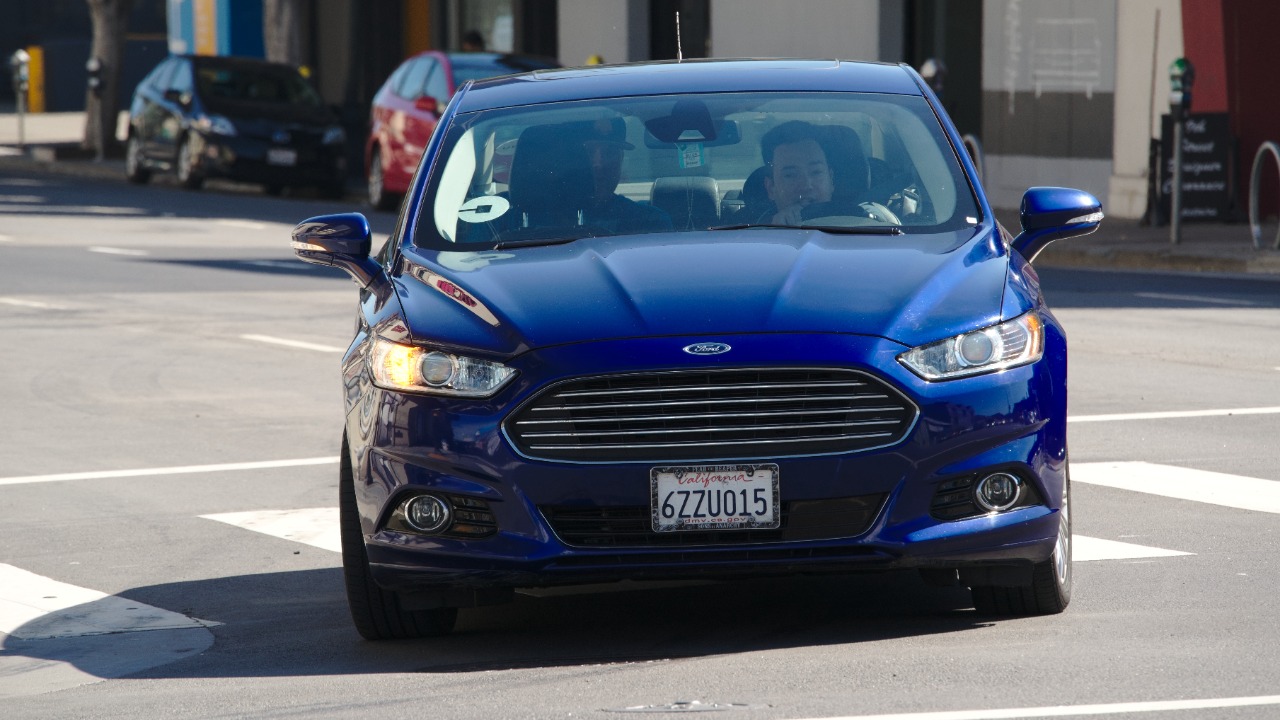
The Ford Fusion has become a poster child for complaint-heavy vehicles, with data showing it as the most complained-about model in the country. An analysis of federal records found that The Ford Fusion tops the list of models drawing formal grievances, and that Ford itself leads vehicle complaints with over 110,000 complaints since 2015. Those figures reflect issues reported across multiple model years, including powertrain concerns, steering problems, and electrical glitches that can be expensive to diagnose.
For you as a shopper, that history means you should scrutinize any used Fusion’s maintenance records and consider a pre-purchase inspection nonnegotiable. High complaint volume does not automatically mean every car is a lemon, but it does signal that design or component weaknesses have frustrated thousands of owners. If you already own a Fusion, it is worth checking open recalls and technical service bulletins so you can address known trouble spots before they turn into safety risks.
Chrysler Pacifica Hybrid
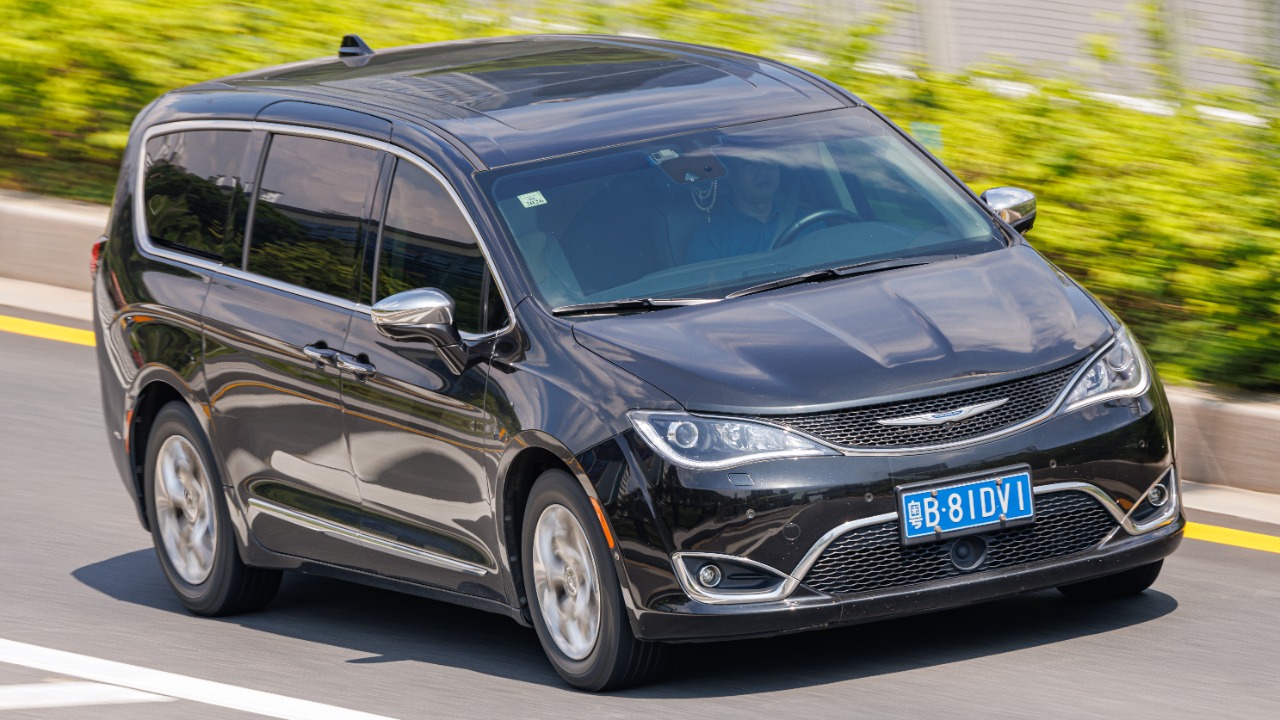
The Chrysler Pacifica Hybrid stands out in reliability rankings for the wrong reasons, landing among the least dependable vehicles you can buy. In a list of the top 10 least reliable vehicles for 2026, Here the Chrysler Pacifica Hybrid is singled out with a low Reliabilit score tied to chronic problems with its plug-in hybrid system, electronics, and sliding-door hardware. Those categories are exactly where repair costs can spike, especially once the basic warranty expires.
If you are drawn to the Pacifica Hybrid for its fuel savings and family-friendly layout, this complaint history should push you to weigh long-term ownership costs more carefully. Extended coverage on the battery and hybrid components can be valuable, but you also want to ask dealers about software updates and recall work already completed. For families who rely on a minivan as their primary vehicle, repeated trips to the service bay can quickly outweigh the appeal of electric-only driving range.
Volkswagen ID.4
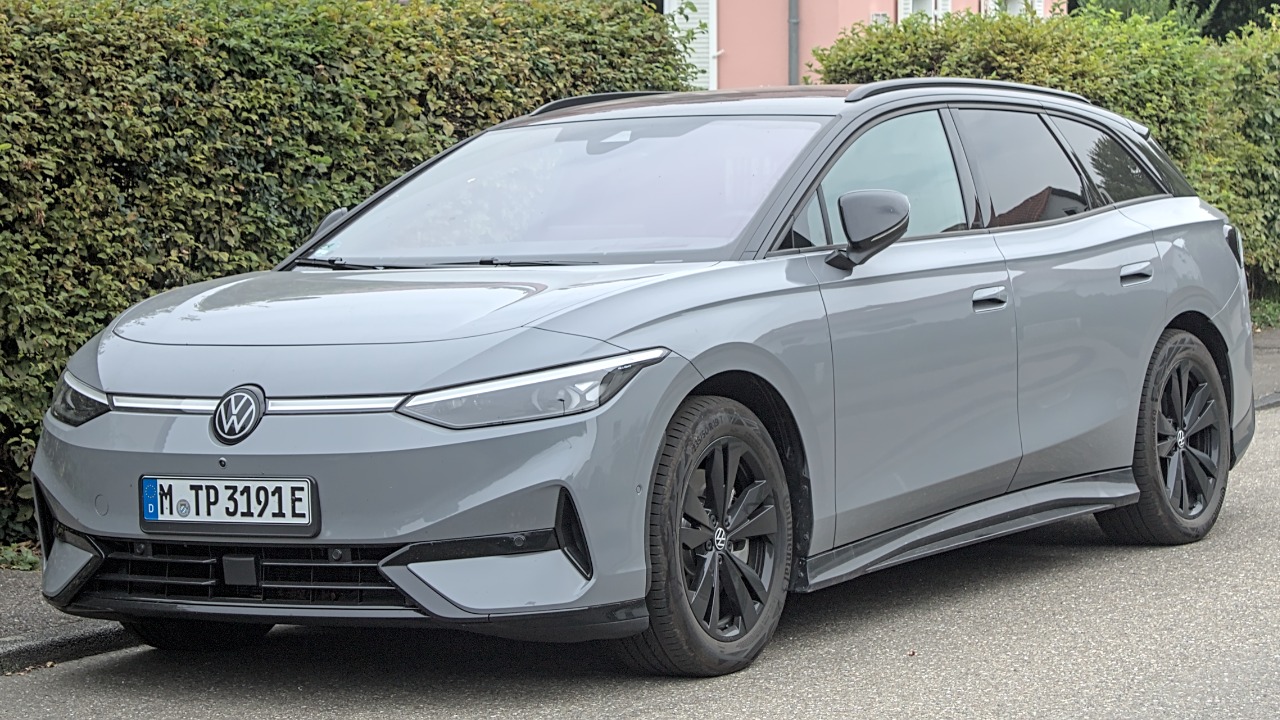
The Volkswagen ID.4, one of the brand’s flagship electric crossovers, has also been flagged for reliability headaches that translate into owner complaints. In a ranking of the 8 least reliable cars, the ID.4 appears in a TIE with the Genesis G70, reflecting survey feedback about software bugs, charging issues, and infotainment system failures. Because so many core functions in the ID.4 are routed through touchscreens and digital controls, glitches can feel more disruptive than in a traditional gas model.
For you, that means test-driving an ID.4 should include stress-testing the tech: pair your phone, run navigation, and check how quickly the system responds. It is also smart to ask the dealer which software version is installed and whether prior owners reported charging interruptions. As more EVs hit the road, early reliability data like this helps you separate models that are maturing quickly from those still working through first-generation growing pains.
Genesis G70
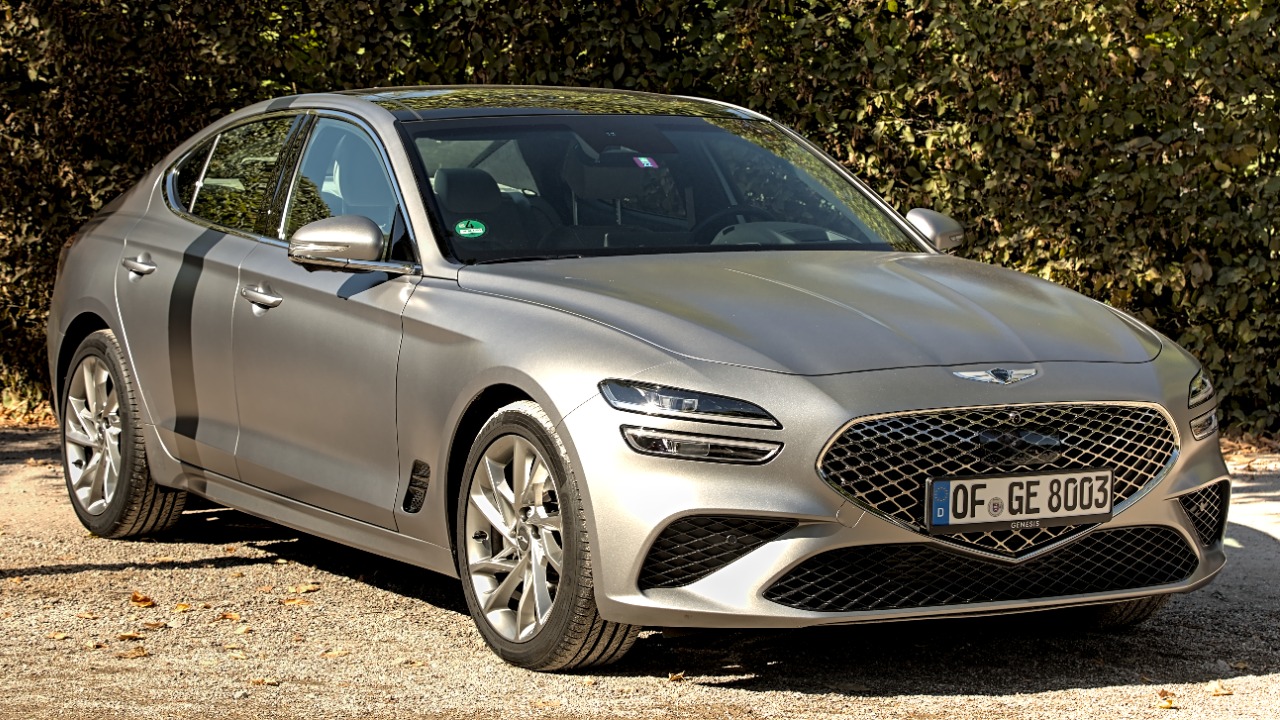
The Genesis G70, a compact luxury sedan aimed at rivals from Germany and Japan, shares that same low-reliability spotlight. In the same survey that criticized the Volkswagen ID.4, the G70 is the other half of the Genesis TIE, with owners reporting trouble in areas such as in-car electronics, drivetrain components, and interior hardware. Luxury buyers often expect flawless execution, so even minor rattles or intermittent warning lights can quickly turn into formal complaints.
If you are considering a G70 for its performance and upscale cabin, the complaint pattern suggests you should pay close attention to warranty coverage and dealer service reputation. A strong service department can soften the blow of repeated visits, but it does not erase the inconvenience. For a car positioned as a premium alternative, persistent reliability questions can also affect resale value, which matters if you plan to trade in within a few years.
Ford Explorer
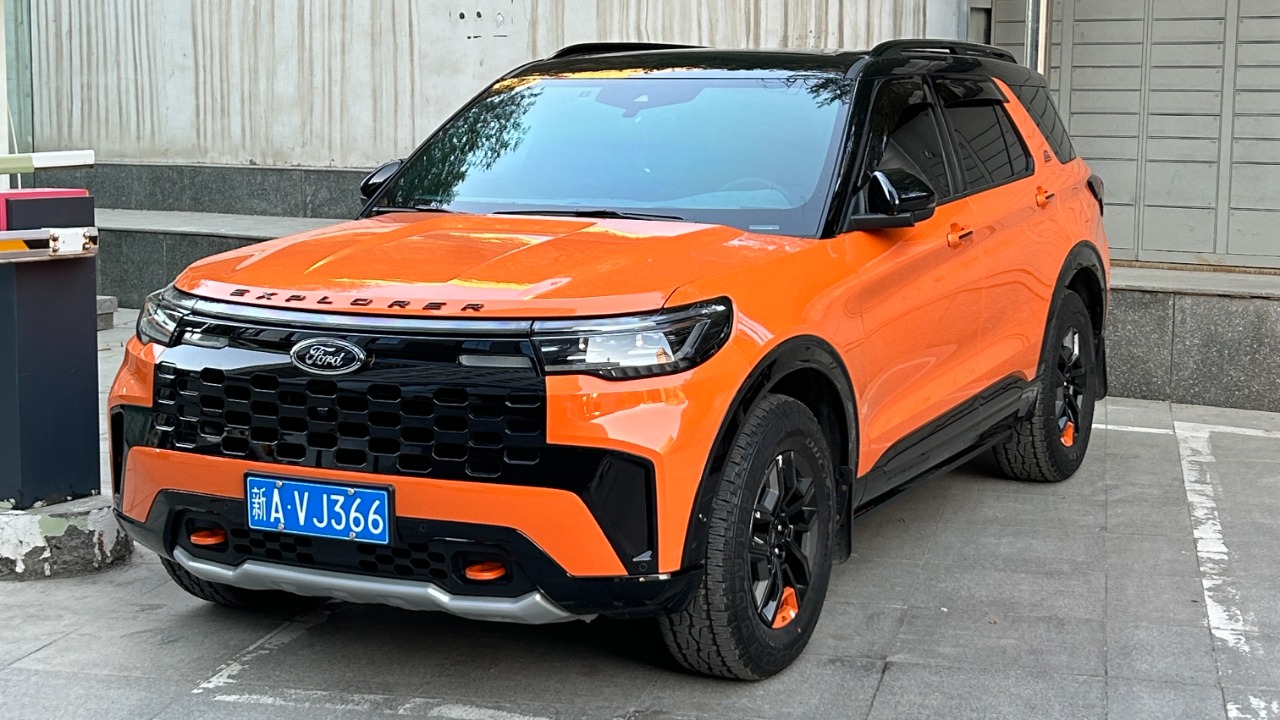
The Ford Explorer has long been a family favorite, yet it also appears frequently in complaint databases, especially around transmission behavior and structural concerns. Consumer advocates who collect owner reports note that SUVs like the Explorer generate a steady stream of grievances about gear hunting, harsh shifts, and premature component wear, patterns that echo the broader transmission problems highlighted by the 2023 complaints overview. When a vehicle is widely sold as a family hauler, even a small failure rate can translate into thousands of unhappy drivers.
For you, that means a used Explorer deserves a careful road test that includes highway merging, stop-and-go traffic, and low-speed parking maneuvers to feel for shuddering or delayed engagement. It is also wise to ask a mechanic to scan for stored transmission codes, even if no warning lights are on. Because many Explorers are used for towing or heavy loads, prior use can significantly affect how soon those common complaints might show up in your driveway.
Chevrolet Malibu
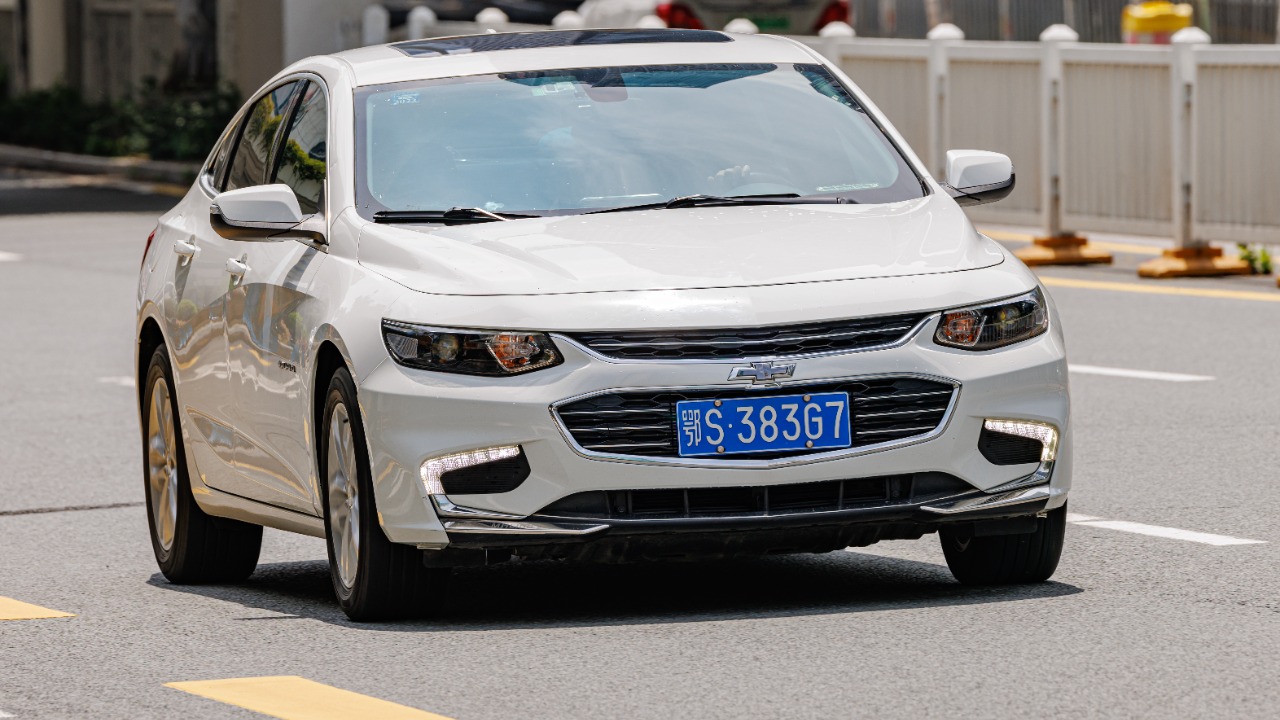
The Chevrolet Malibu is another mainstream sedan that has accumulated a notable complaint record, particularly in recent generations. In the same analysis that crowned the Fusion as the most complained-about car, the Chevrolet Malibu is listed with 9,273 complaints, a figure that reflects concerns about engine stalling, electrical faults, and transmission hesitation. Those issues can be unnerving when they occur at highway speeds or in busy intersections.
If you are eyeing a Malibu for its value pricing, those complaint numbers should encourage you to compare specific model years, since some have better track records than others. Looking up recall completion and asking for documentation of prior repairs can help you avoid cars that have already cycled through multiple major fixes. For owners, staying current on software updates and powertrain service intervals can reduce the odds that you will join the thousands of drivers who have already filed formal grievances.
Chrysler Pacifica (gas-only)

Even if you skip the plug-in version, the gas-only Chrysler Pacifica has drawn reliability criticism that feeds into a high complaint count. Owner surveys compiled by cars that get highlight minivans like the Pacifica for issues with sliding doors, infotainment freezes, and suspension components that wear out sooner than expected. Because these vans often serve as daily kid shuttles, those problems can feel magnified when they strand you in a school pickup line or on a road trip.
For you, the takeaway is to treat convenience features as critical systems, not luxuries, when you evaluate a Pacifica. Test every power door, seat, and screen repeatedly, and listen for clunks over bumps that might hint at suspension wear. Given the Pacifica’s role as a family workhorse, a pattern of complaints in these areas can translate into real-world stress, from missed appointments to unexpected repair bills that hit right when you can least afford them.
Various models losing key recommendations

Beyond individual nameplates, a group of 18 vehicles recently lost a major reliability endorsement after owners reported mounting problems. In a detailed review of long-term performance, Cars Lose Consumer Recommendation Due to Reliability Issues Jon Linkov, Consumer Reports Autos Editor, explained that For the affected models, owner surveys revealed patterns of failures serious enough to pull prior recommendations. That kind of reversal signals that problems are not isolated to a single batch or year.
For you, this broader shake-up is a reminder to look beyond glossy brochures and check whether a model has recently lost or regained a trusted seal of approval. A vehicle that just dropped off a recommended list may still look attractive on the lot, but the underlying complaint data suggests rising risk. Before you sign, it is worth cross-checking those models against federal databases like NHTSA and even owner discussions in resources such as detailed video reviews, so you understand exactly what current drivers are dealing with.
More from Fast Lane Only