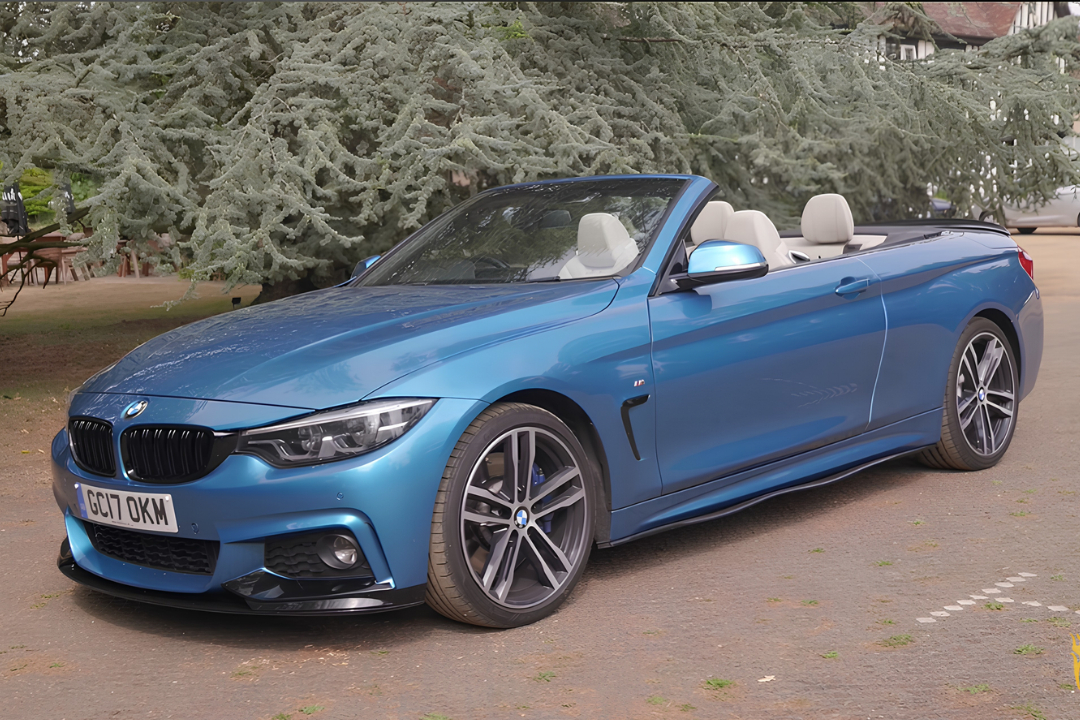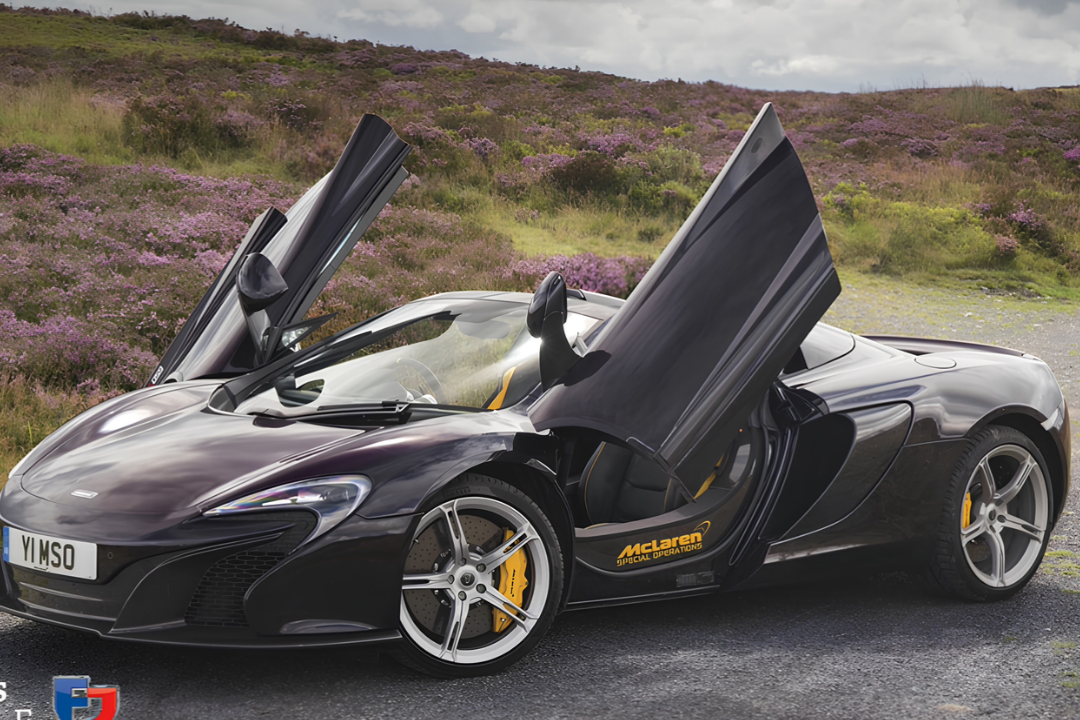
The American automotive industry has been shaped by numerous innovations and iconic designs over the decades. Some cars have not only captured the imagination of drivers but have also set trends that reverberated throughout the industry. Here are nine American cars that quietly reshaped the industry, leaving a lasting impact on how we think about performance, utility, and sustainability.
Model T: The Birth of Mass Production
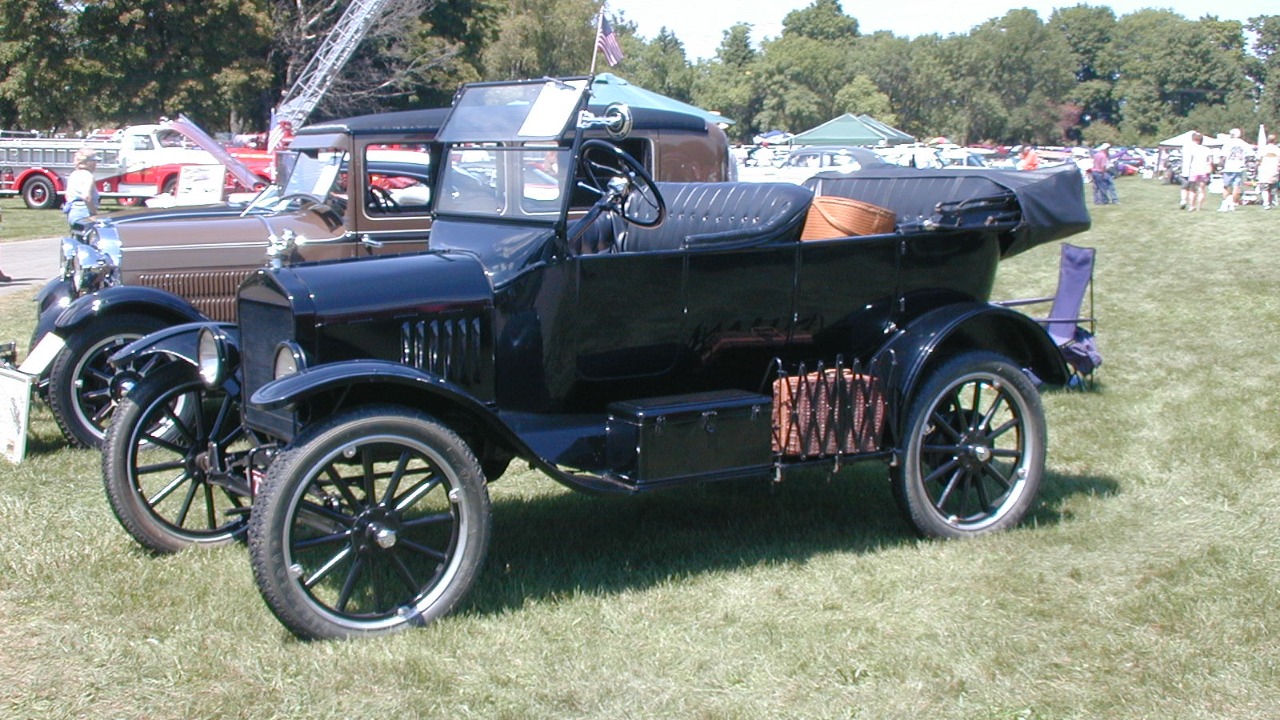
Introduced in 1908, the Ford Model T revolutionized the automotive industry by introducing the assembly line. This innovative production method enabled Ford to produce cars at an unprecedented rate, making automobiles affordable for the average American. The Model T’s simplicity and reliability appealed to a broad audience, transforming personal transportation.
By dramatically reducing costs and production time, the Model T set the stage for mass production techniques that would be adopted across various industries. Its legacy is evident in how modern manufacturing continues to rely on assembly line principles today.
Chevrolet Corvette: The Icon of American Performance

Launched in 1953, the Chevrolet Corvette quickly became a symbol of American performance and style. This sports car combined innovative design with powerful engines, appealing to enthusiasts and everyday drivers alike. The Corvette represented a shift in focus toward performance-oriented vehicles in the post-war automotive landscape.
Over the decades, the Corvette has evolved, introducing advancements such as fiberglass bodies and modern performance technology, including magnetic ride control. Its influence is seen in the rise of sports cars in America, encouraging manufacturers to invest in high-performance models.
Ford Mustang: The Birth of the Pony Car
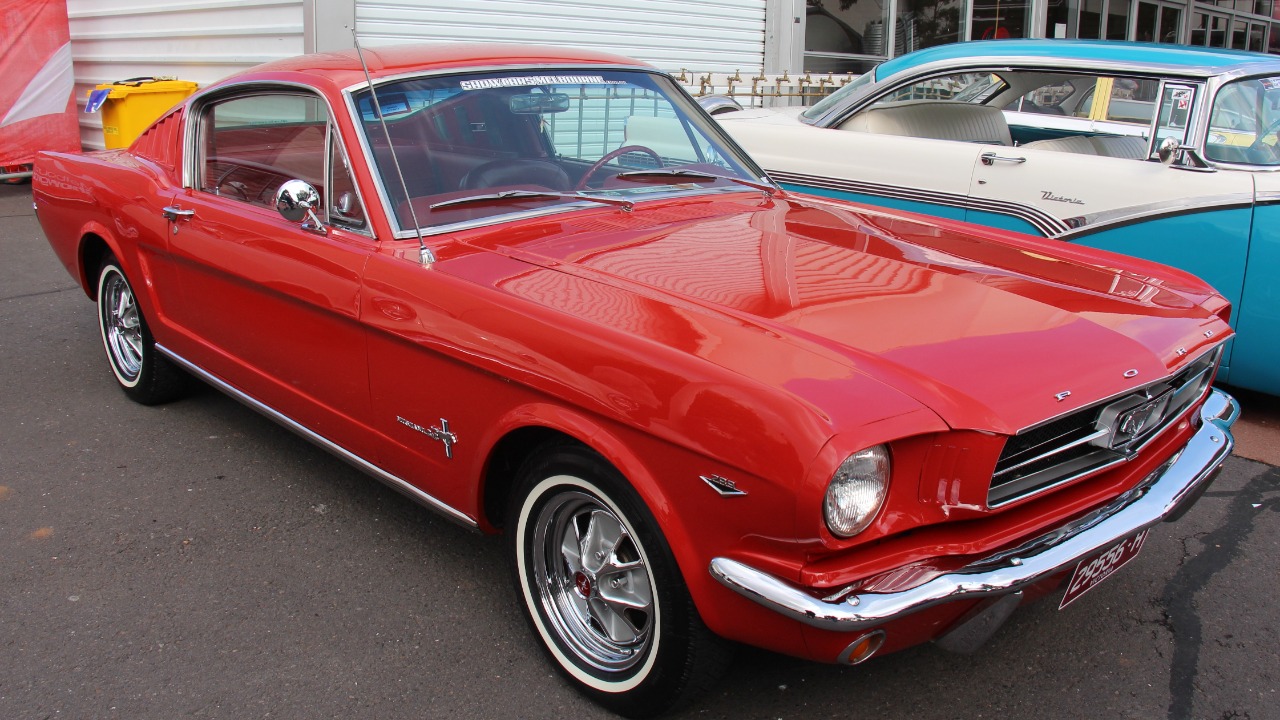
When the Ford Mustang debuted in 1964, it created a new automotive segment known as the pony car. Combining sporty design with affordability, the Mustang appealed to a younger demographic, capturing the spirit of the 1960s. Its success sparked competition, leading to the introduction of rival models like the Chevrolet Camaro and Pontiac Firebird.
The Mustang’s influence extends beyond performance; it became a cultural icon, featured in movies and music, reflecting American youth and freedom. Even today, the Mustang continues to evolve while maintaining its status as a symbol of American automotive culture.
Chrysler Minivan: Redefining Family Transportation

In the late 1980s, Chrysler introduced the minivan, forever changing family transportation. Models like the Dodge Caravan and Plymouth Voyager combined spacious interiors with versatility, catering to the needs of families. These vehicles provided features such as sliding doors and configurable seating, making them practical for everyday use.
The success of Chrysler’s minivans prompted other manufacturers to enter the market, leading to the rise of family-oriented vehicles. Today, minivans remain a popular choice for families, showcasing how Chrysler reshaped consumer expectations for family transportation.
Tesla Model S: The Electric Revolution
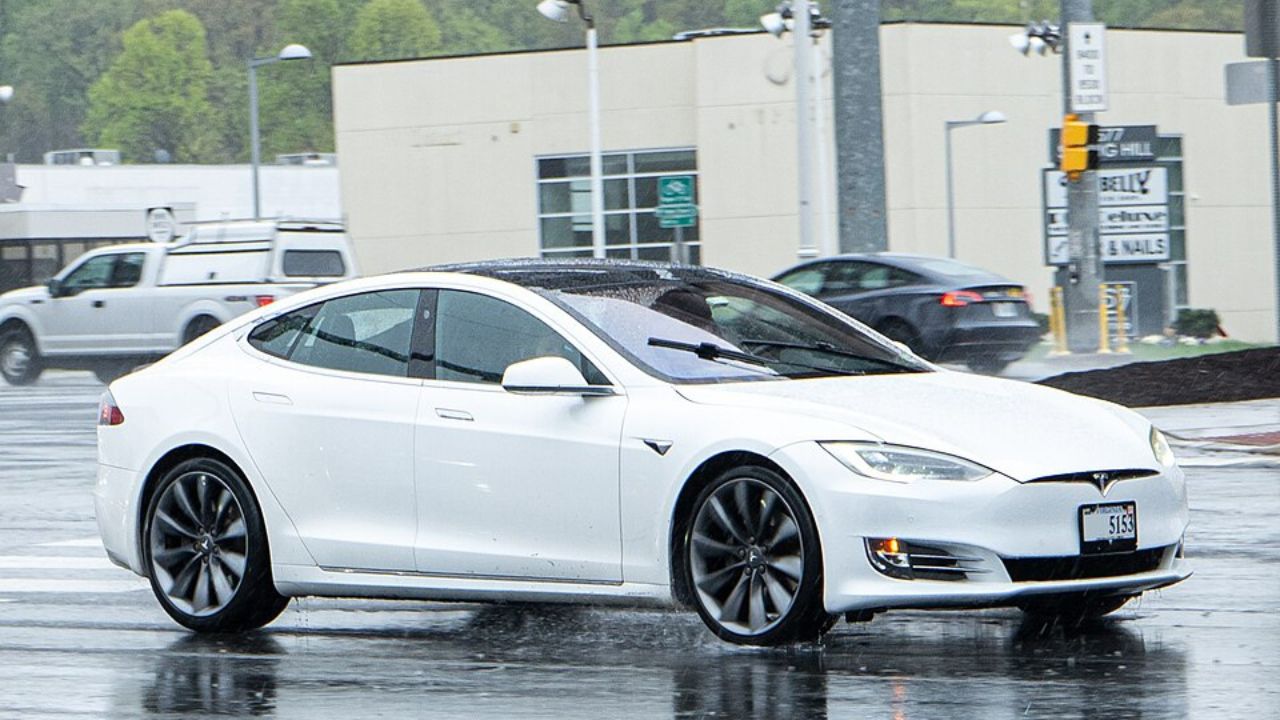
Launched in 2012, the Tesla Model S is often credited with reigniting interest in electric vehicles (EVs). With its impressive range, performance, and innovative technology, the Model S proved that EVs could compete with traditional gasoline-powered cars. It also introduced features such as autopilot and over-the-air software updates, setting a new standard for technology in vehicles.
The Model S has influenced not only consumer preferences but also prompted major automakers to invest heavily in electric vehicles, accelerating the transition to sustainable transportation. Tesla’s impact on the industry is undeniable, marking a pivotal shift toward electrification.
Dodge Ram: The Rise of the Modern Pickup
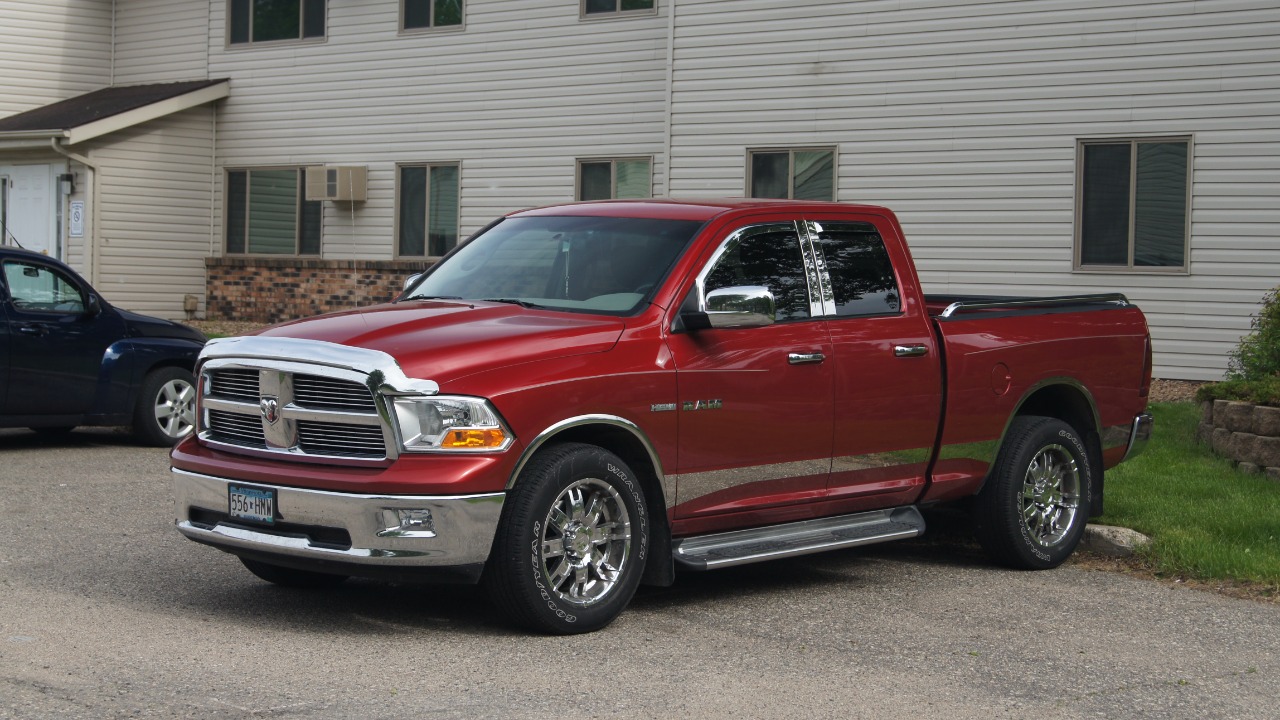
When the Dodge Ram was redesigned in 1994, it brought a new level of comfort and style to the pickup truck segment. With its bold design and features aimed at both work and leisure, the Ram redefined what a pickup could be. This shift contributed to the popularity of trucks as lifestyle vehicles, appealing to a broader range of consumers beyond traditional tradespeople.
The Ram’s success led to increased competition in the truck market, prompting other manufacturers to enhance their offerings. The modern pickup, as we know it today, owes much to the innovations introduced by the Dodge Ram.
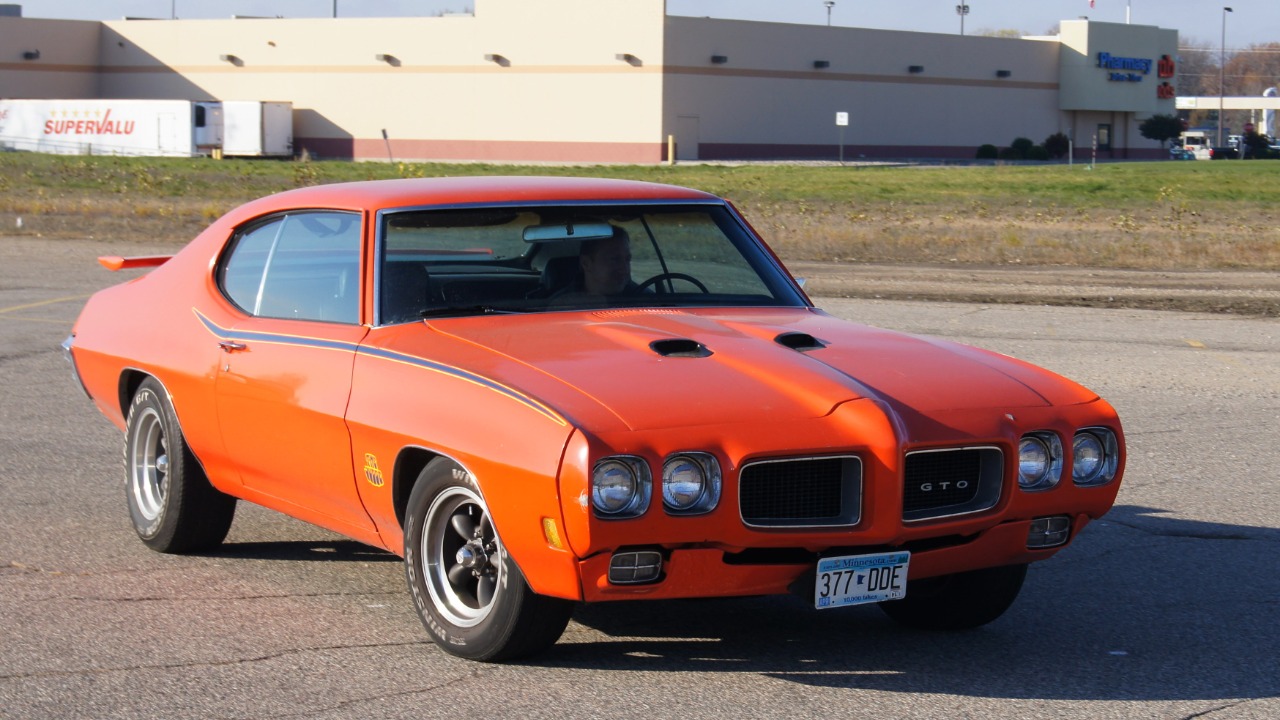
Pontiac GTO: The Original Muscle Car
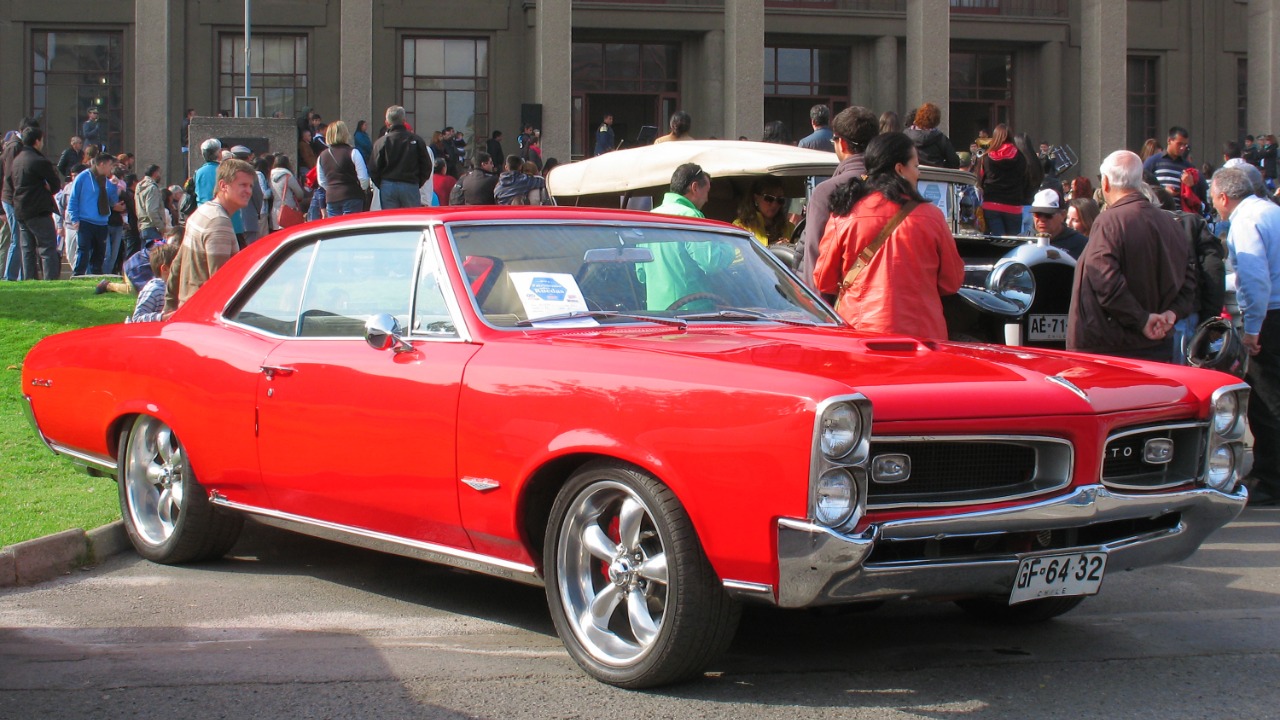
Introduced in 1964, the Pontiac GTO is often credited with launching the muscle car era. By combining a powerful V8 engine with a lightweight body, the GTO offered exhilarating performance at an affordable price, capturing the hearts of American car enthusiasts.
The GTO’s success inspired a wave of similar models from other manufacturers, solidifying the muscle car as a staple in American automotive culture. Its legacy continues to influence performance car design, reminding us of an era defined by speed and power.
Jeep Wrangler: The Evolution of Off-Roading
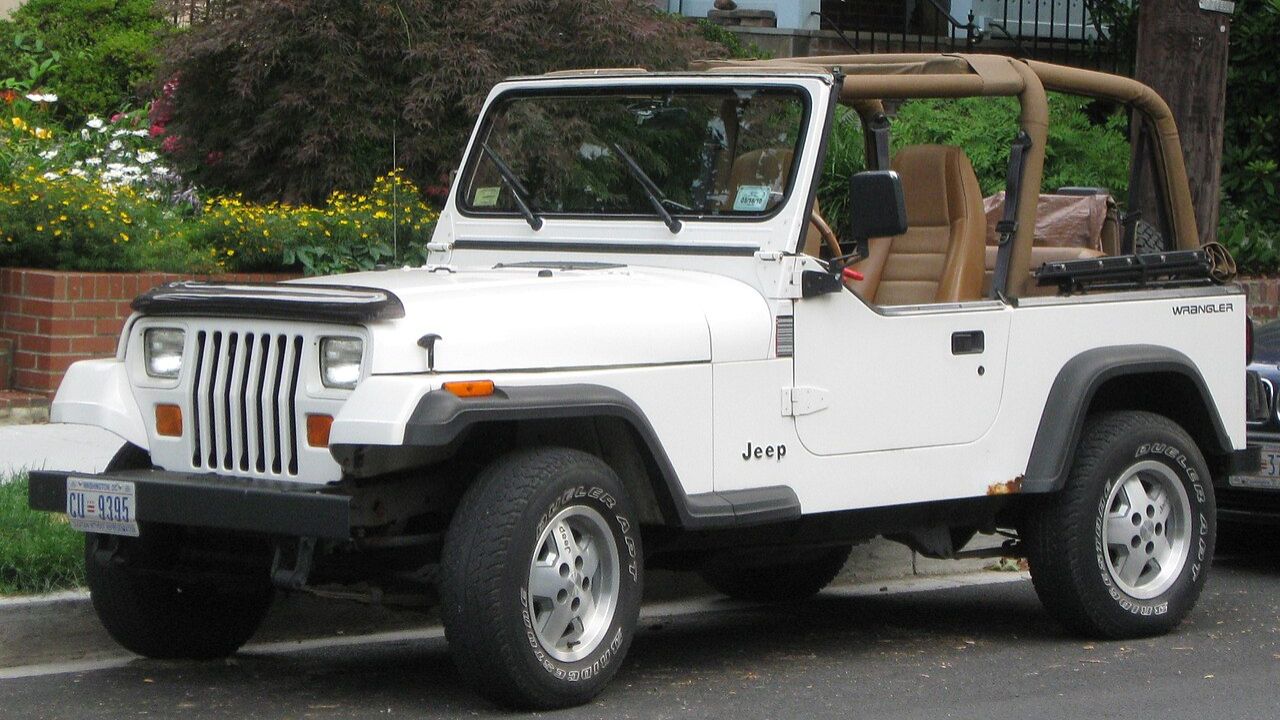
The Jeep Wrangler, particularly the YJ model introduced in 1987, is revered for its off-road capabilities and rugged design. Building on the legacy of the original Jeep used in World War II, the Wrangler has become synonymous with adventure and exploration. Its iconic styling and versatile four-wheel-drive systems have made it a favorite among outdoor enthusiasts.
The Wrangler’s influence extended beyond its capabilities; it helped popularize the concept of off-roading as a recreational activity. Today, the Wrangler continues to evolve while maintaining its core characteristics, ensuring its place in the off-road community.
Chevrolet Volt: Pioneering Plug-in Hybrids

Introduced in 2010, the Chevrolet Volt played a critical role in popularizing plug-in hybrid technology. With its ability to travel long distances on electric power alone, the Volt demonstrated that hybrids could provide both efficiency and convenience. It bridged the gap between traditional gasoline vehicles and fully electric cars.
The Volt’s introduction sparked interest in plug-in hybrids, encouraging other manufacturers to develop similar models. Its impact on the market has been significant, paving the way for more sustainable vehicle options.
More from Fast Lane Only
- Unboxing the WWII Jeep in a Crate
- 15 rare Chevys collectors are quietly buying
- 10 underrated V8s still worth hunting down
- Police notice this before you even roll window down
*Research for this article included AI assistance, with all final content reviewed by human editors.