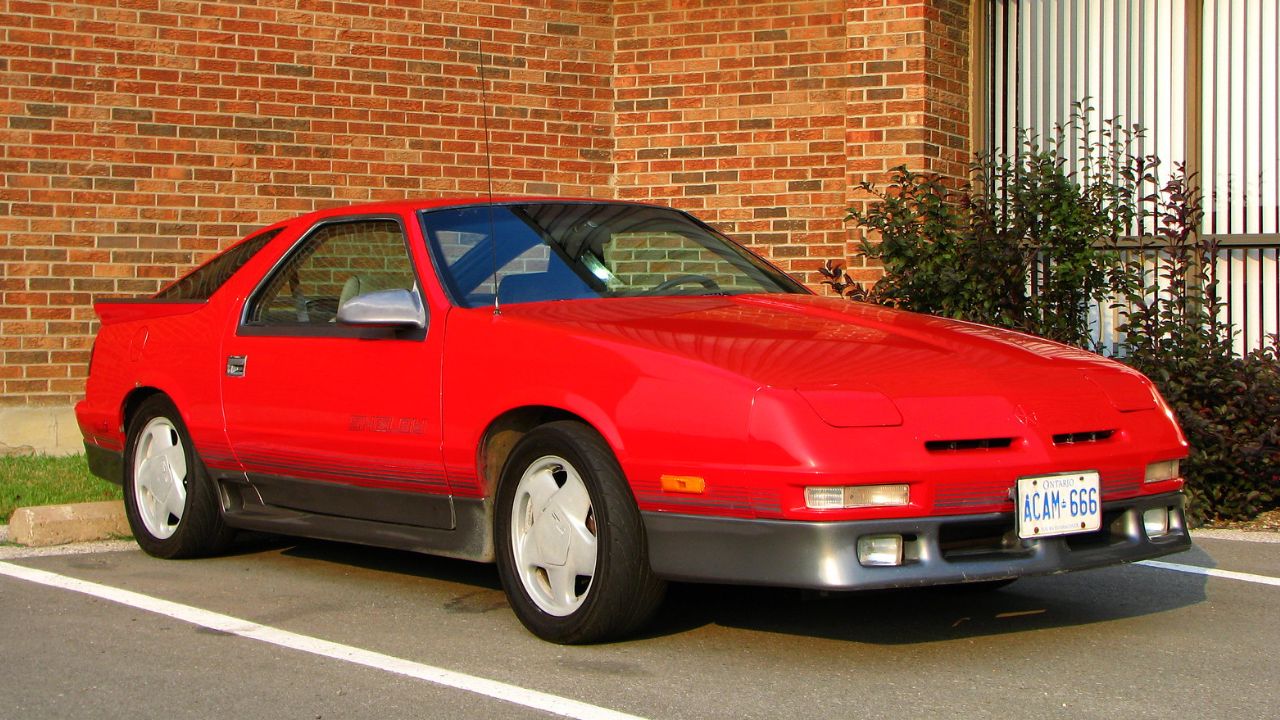
The world of classic cars is often dominated by a few famous names and models, overshadowing some truly remarkable vehicles that deserve more recognition. These overlooked classics are not just relics of the past; they embody the spirit of innovation and design from their respective eras. Here’s a look at eight classic cars that history has been too quick to overlook.
Studebaker Avanti (1962)
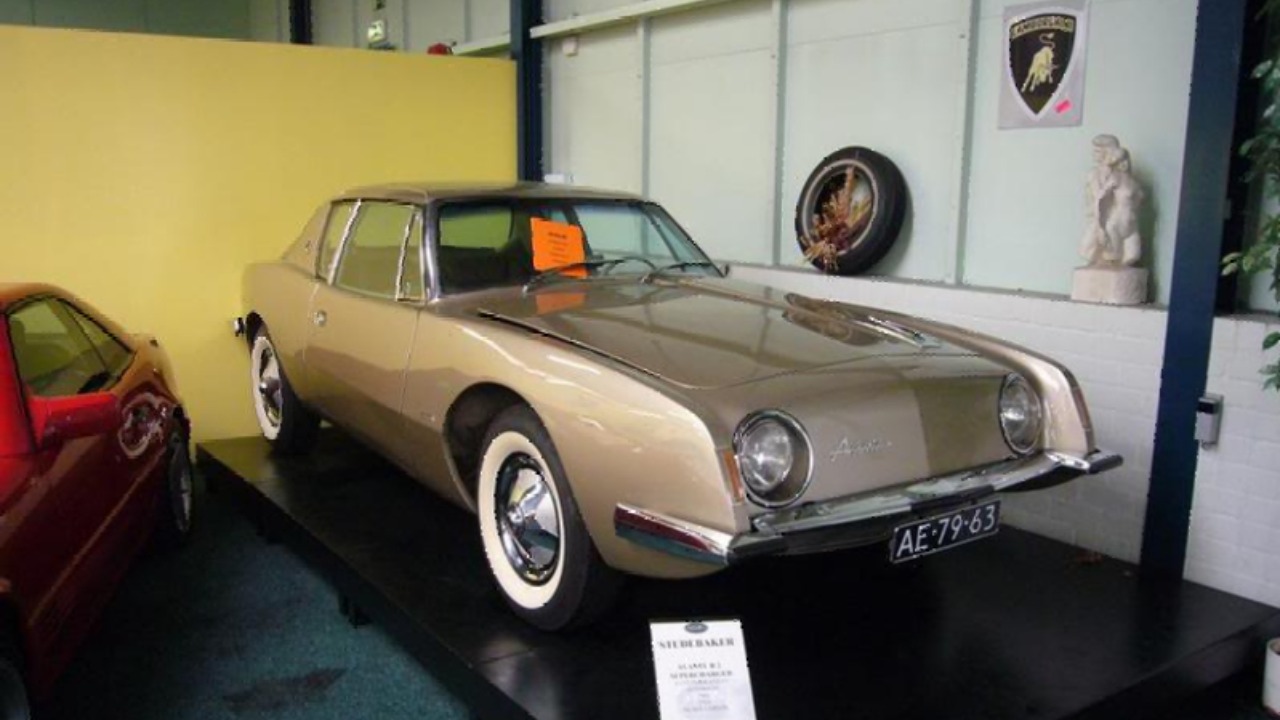
The Studebaker Avanti was a bold move for the struggling automaker in the early 1960s. A stunning fusion of style and performance, it was one of the first American production vehicles to feature fiberglass bodywork. With a supercharged V8 engine, the Avanti was capable of impressive speeds, making it a pioneer in the realm of grand tourers. Unfortunately, its production was short-lived, leading to its unceremonious fade from the automotive spotlight.
Despite its limited run, the Avanti left an indelible mark on automotive design, influencing future vehicles with its sleek lines and luxurious interior. Today, it stands as a symbol of what could have been for Studebaker, a company that struggled to keep pace with the rapidly changing automotive landscape.
Plymouth Barracuda (1964)
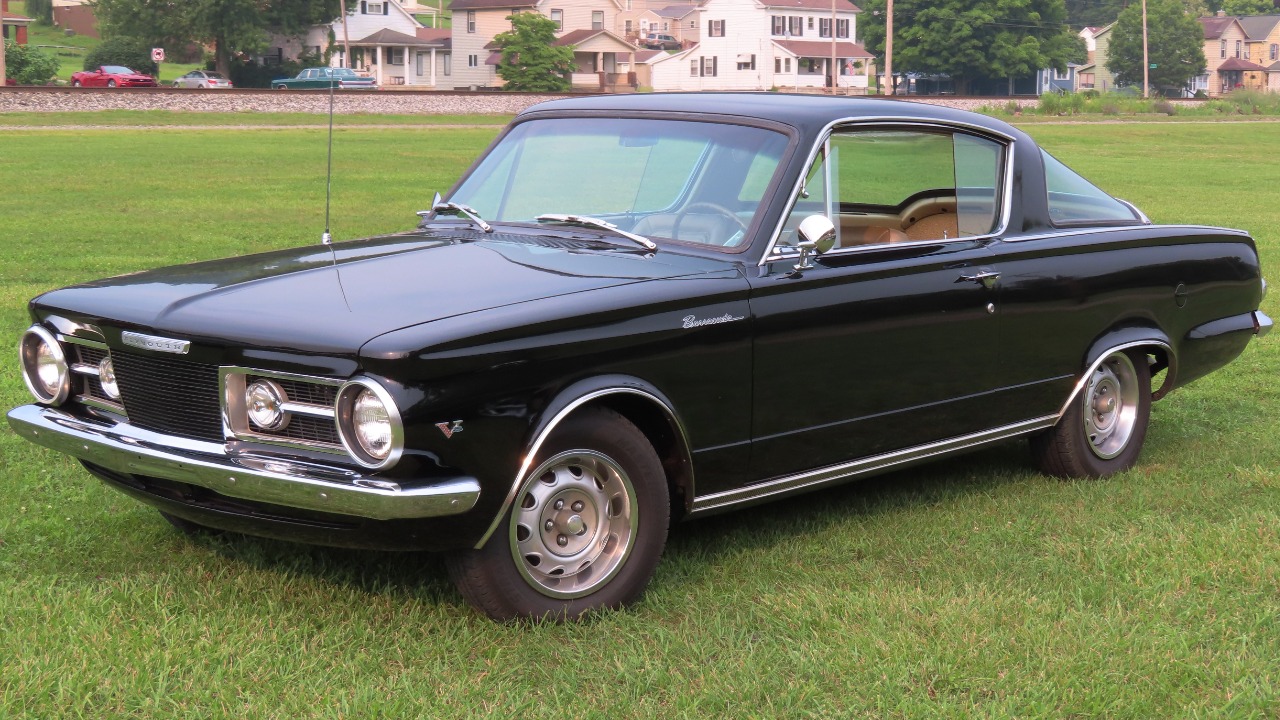
When it burst onto the scene in 1964, the Plymouth Barracuda was a groundbreaking model that set the tone for the pony car segment. With its unique fastback design and a variety of engine options, it was a serious competitor to the Ford Mustang. However, as the years went on, the Barracuda became overshadowed by its more famous rivals.
The first-generation Barracuda was notable not just for its performance but also for its innovative marketing and customization options. It featured a wide range of engines, from the practical to the powerful, catering to a diverse audience. Sadly, its legacy is often overshadowed by the Mustang’s iconic status, despite its significant contributions to automotive history.
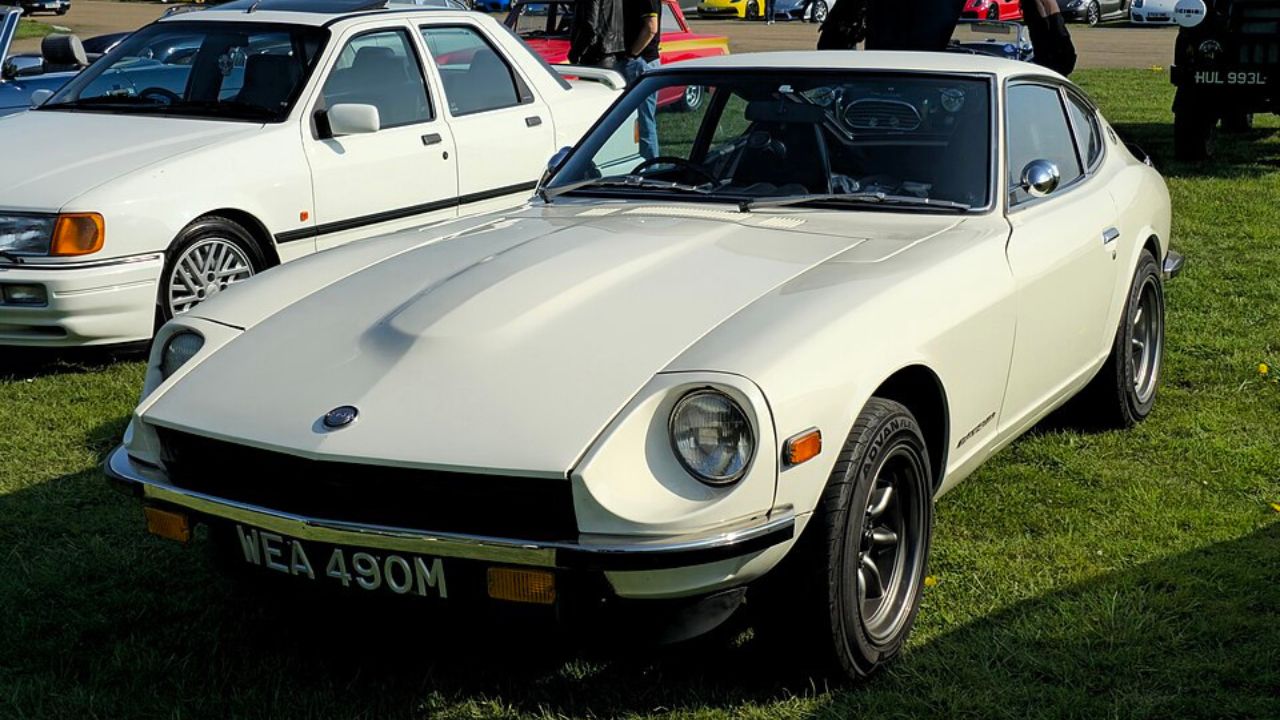
Datsun 240Z (1969)
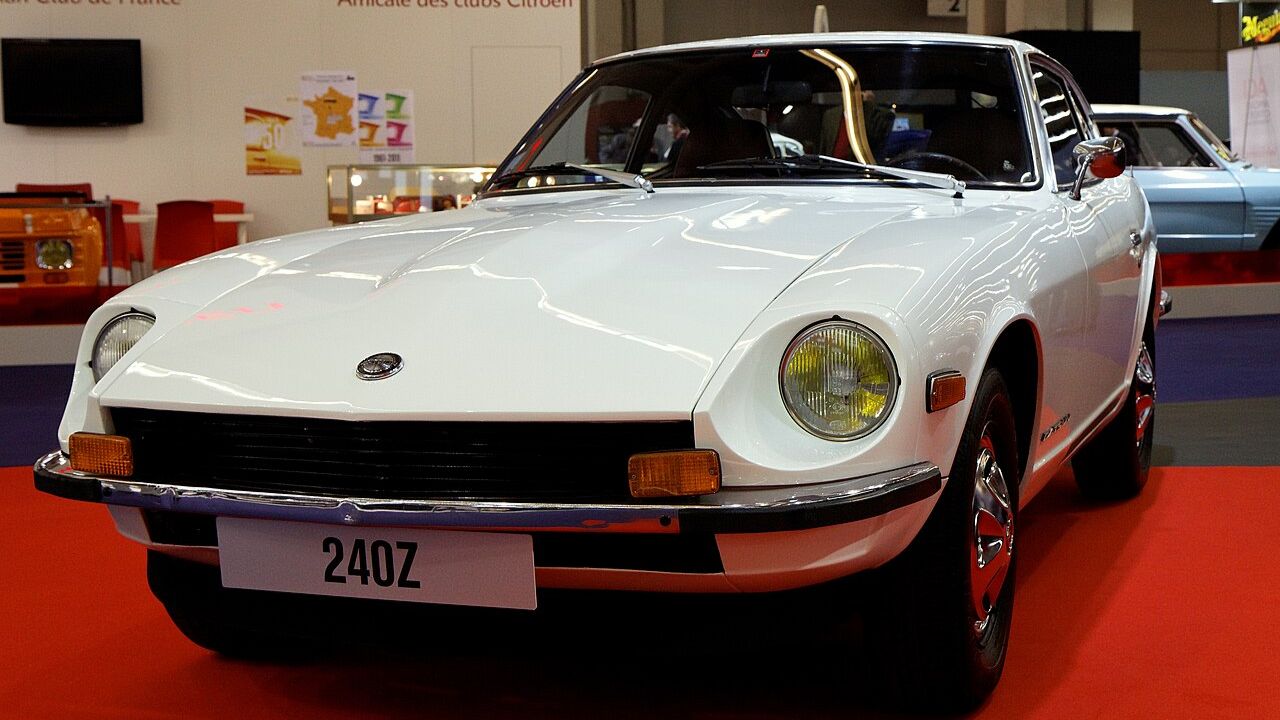
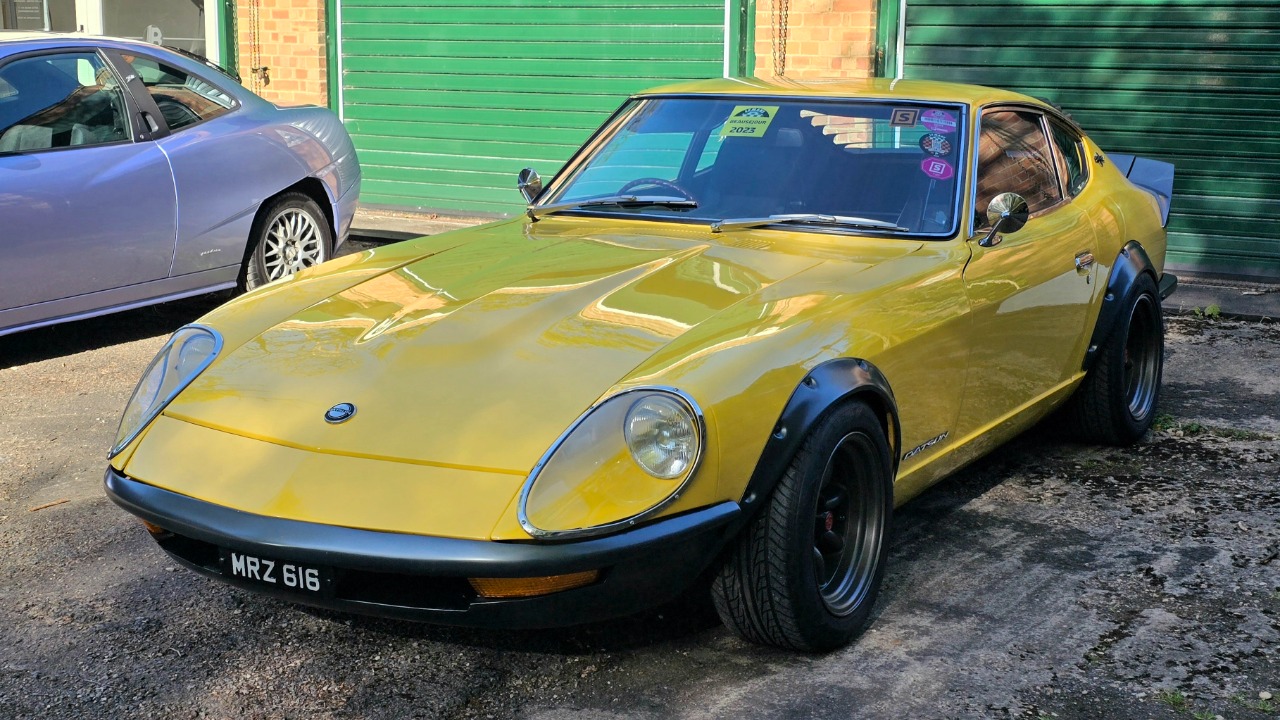
The Datsun 240Z was a game-changer in the sports car market during the late 1960s. Combining Japanese engineering with European styling and performance, it offered an affordable yet thrilling driving experience. The 240Z captured the hearts of car enthusiasts with its sleek design and impressive handling, making it a worthy contender against established European brands.
Unfortunately, as the years went by, the 240Z faded into the background, overshadowed by more modern sports cars. However, its legacy endures among collectors and enthusiasts, who appreciate its role in making sports cars accessible to a wider audience. The 240Z deserves more recognition for its pioneering spirit and the lasting impact it had on the automotive world.
AMC Javelin (1968)
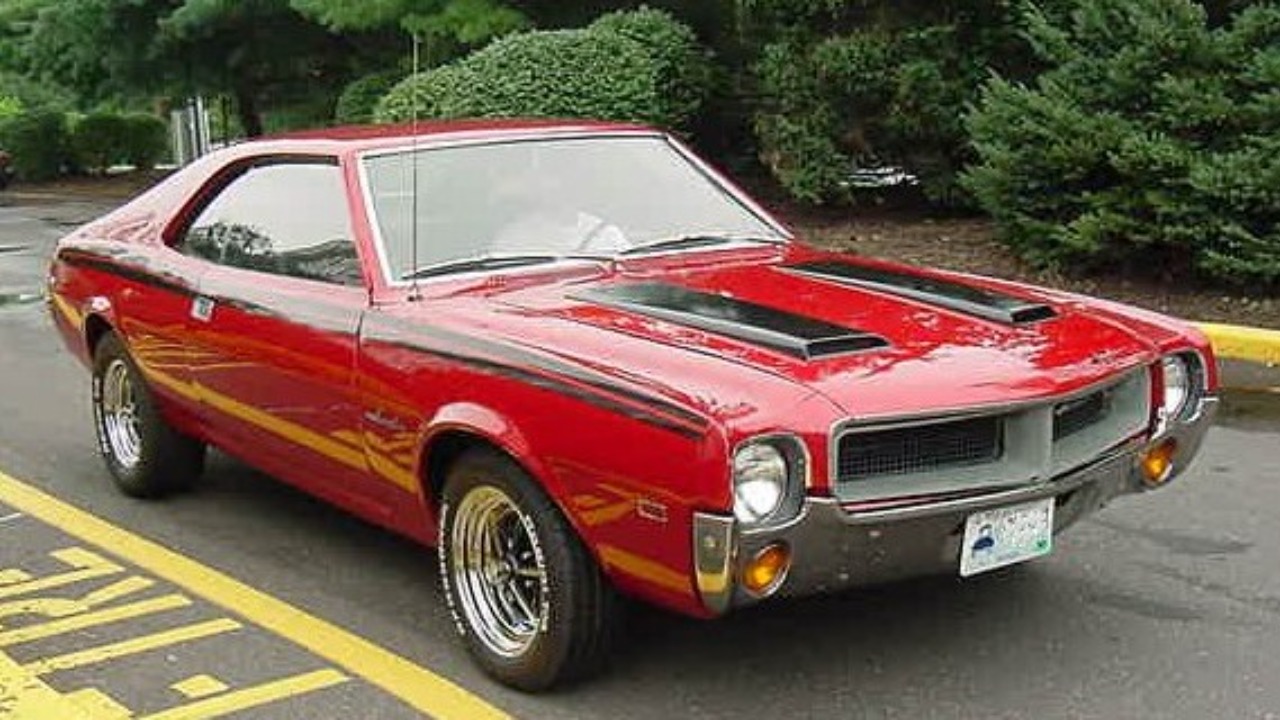
The AMC Javelin was an ambitious attempt by American Motors Corporation to enter the muscle car market. With its aggressive styling and performance-oriented features, the Javelin was designed to compete directly with the likes of the Mustang and Camaro. Despite its strong performance and distinctive design, the Javelin never gained the following it deserved.
Its innovative features, such as the “Go Package” for enhanced performance and a variety of engine options, set it apart. Unfortunately, the Javelin’s association with AMC, a smaller and lesser-known manufacturer, led to its neglect in discussions of classic muscle cars. Today, it remains an underappreciated classic that deserves more attention from automotive enthusiasts.
Chrysler Newport (1961)
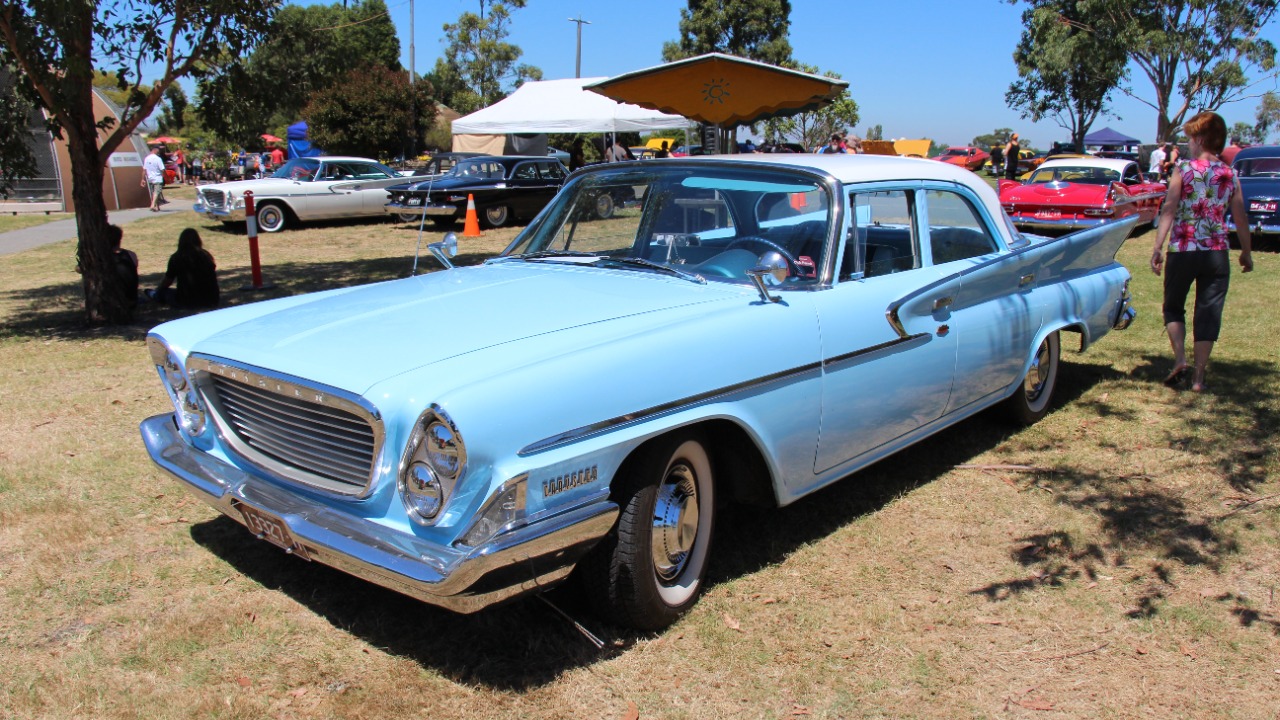
The Chrysler Newport was a full-size car that combined elegance with performance. Launched in 1961, it showcased the design trends of the era, featuring a spacious interior and a smooth ride. However, as Chrysler’s offerings expanded, the Newport began to fade into obscurity, often overlooked in favor of more glamorous models.
Despite its lack of fame, the Newport was known for its reliability and comfort, making it a favorite among families. Its understated elegance and solid engineering make it a worthy classic that has been unjustly neglected. With a revival of interest in classic cars, the Newport is slowly regaining recognition as a prime example of American automotive craftsmanship.
Ford Torino (1968)
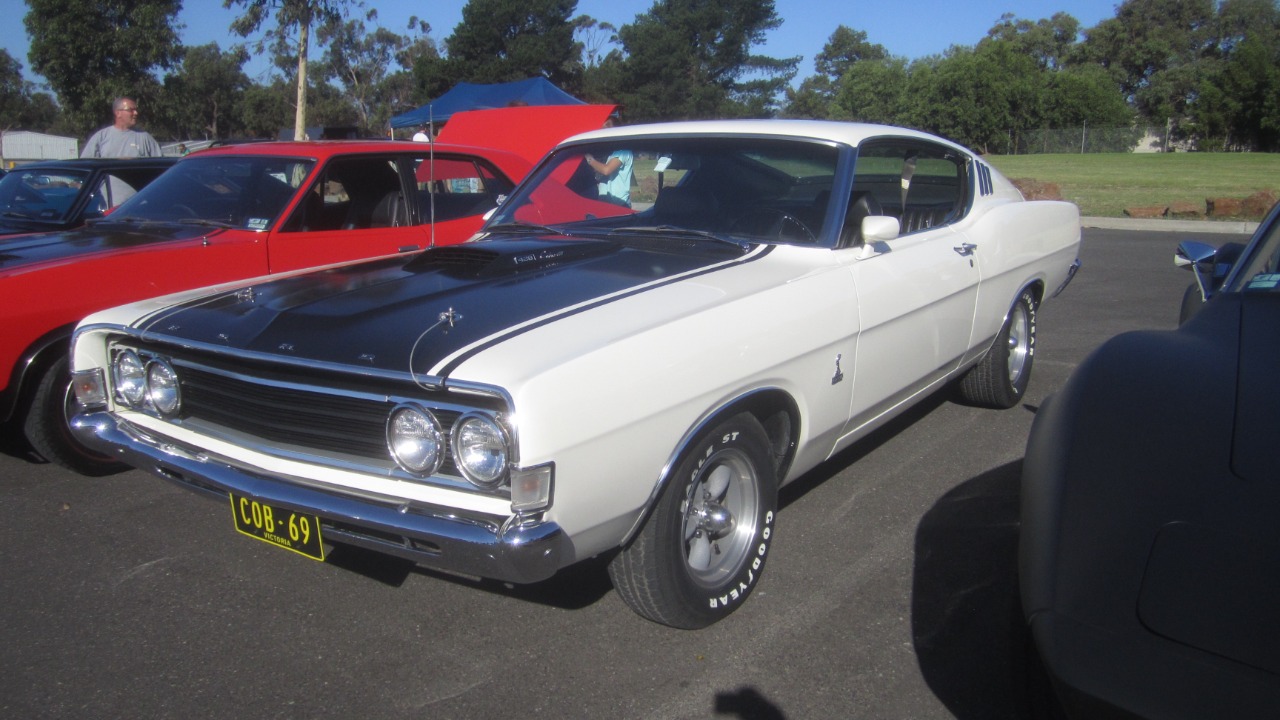
The Ford Torino is often remembered as a footnote in the muscle car era, yet it played a significant role in the performance car landscape of the late 1960s. With its sleek lines and powerful engines, the Torino was a favorite among car enthusiasts and racers alike. However, as time passed, it was overshadowed by more popular models such as the Mustang.
The Torino’s versatility, from the family-friendly models to the high-performance versions like the Torino GT, showcased Ford’s commitment to offering something for every driver. Its performance credentials were solid, yet it never reached the iconic status of its competitors. Today, the Torino is gaining traction among collectors who recognize its place in muscle car history.
1965 Pontiac Tempest
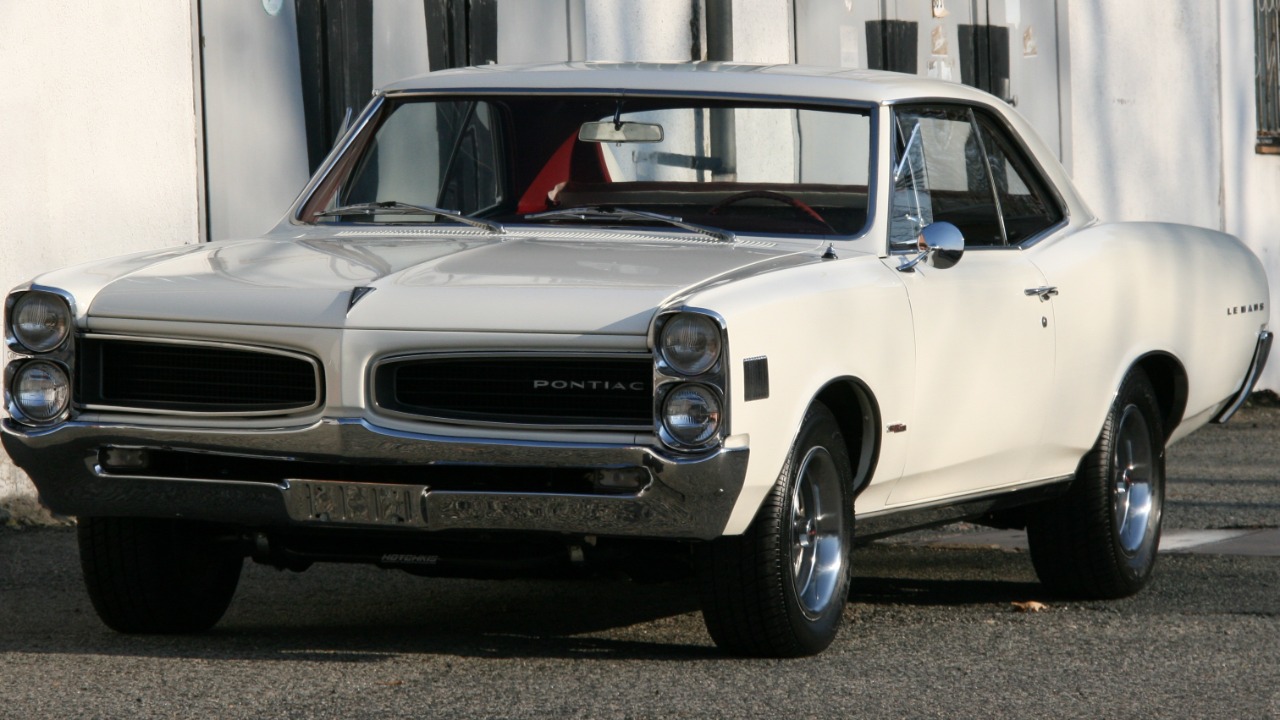
The 1965 Pontiac Tempest was a standout model in the early years of American muscle cars, introducing the concept of the “GTO” before it became a separate model. With its innovative design and surprisingly powerful engine options, it challenged the norms of the time. The Tempest was notable for its unique transaxle setup, allowing for better weight distribution and handling.
Despite its importance in automotive history, the Tempest is often overlooked, overshadowed by its more famous siblings. As collectors increasingly recognize its contribution to the muscle car legacy, the Pontiac Tempest is slowly gaining the appreciation it deserves. This model serves as a crucial piece of the puzzle in understanding the evolution of American performance cars.
1971 De Tomaso Pantera
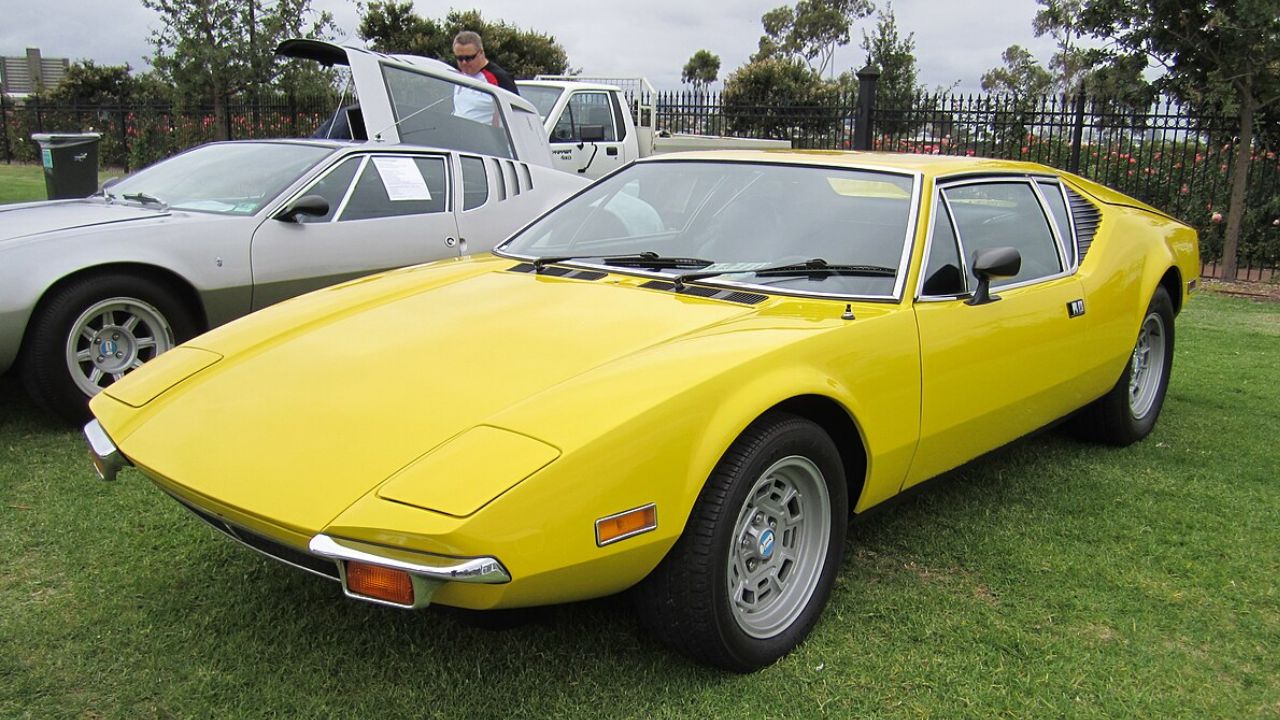
The 1971 De Tomaso Pantera was a unique collaboration between Italian design and American muscle. With its striking looks and a powerful Ford V8 engine, it offered a thrilling driving experience that appealed to enthusiasts. The Pantera was one of the first supercars to bridge the gap between European styling and American performance.
However, the Pantera never reached the same level of fame as other supercars of its era, partly due to limited production numbers and a niche market. Today, it is a sought-after classic that commands respect among collectors who appreciate its blend of style and power. The De Tomaso Pantera remains a testament to the creativity and innovation present in the automotive world during the early ’70s.
More from Fast Lane Only
- Unboxing the WWII Jeep in a Crate
- 15 rare Chevys collectors are quietly buying
- 10 underrated V8s still worth hunting down
- Police notice this before you even roll window down
*Research for this article included AI assistance, with all final content reviewed by human editors.