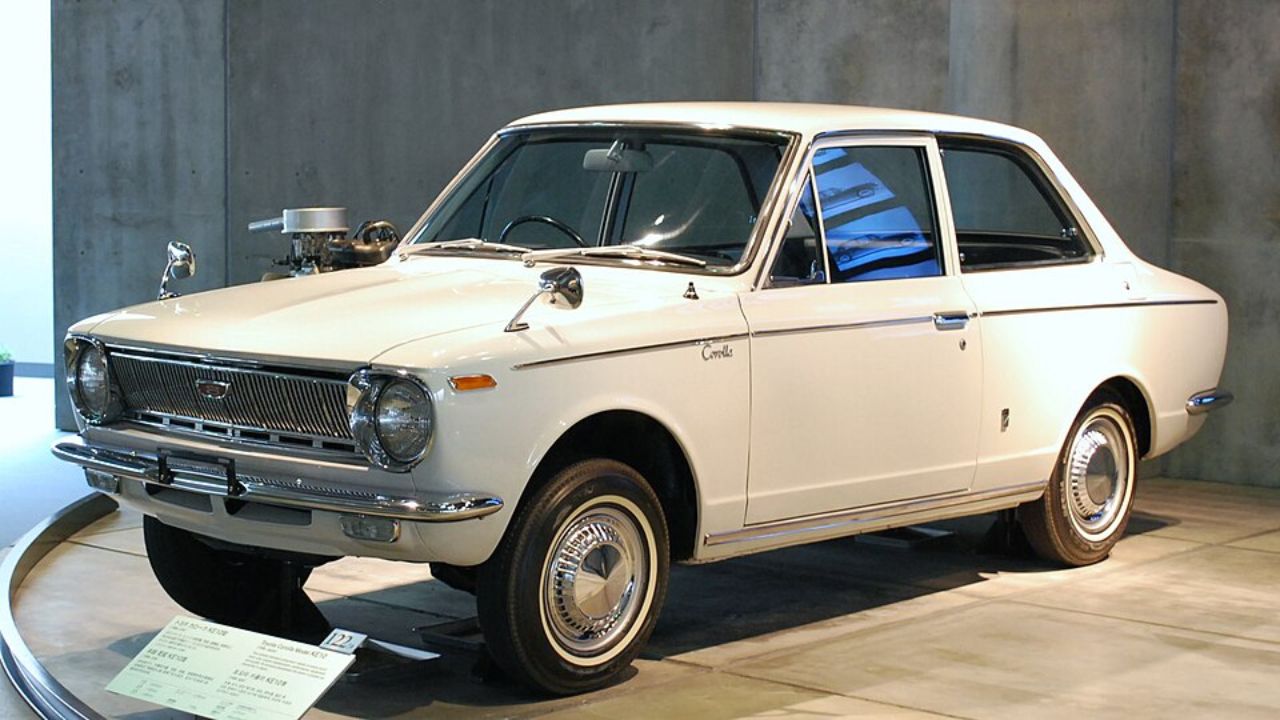
The 1960s produced some of the most durable and recognizable trucks in American automotive history. Many were built as simple work vehicles, but their sturdy frames, straightforward engines, and useful designs have helped them survive for generations. From pickups to four-wheel-drive workhorses, these trucks continue to attract owners who appreciate machines that were built to last.
Ford F-100
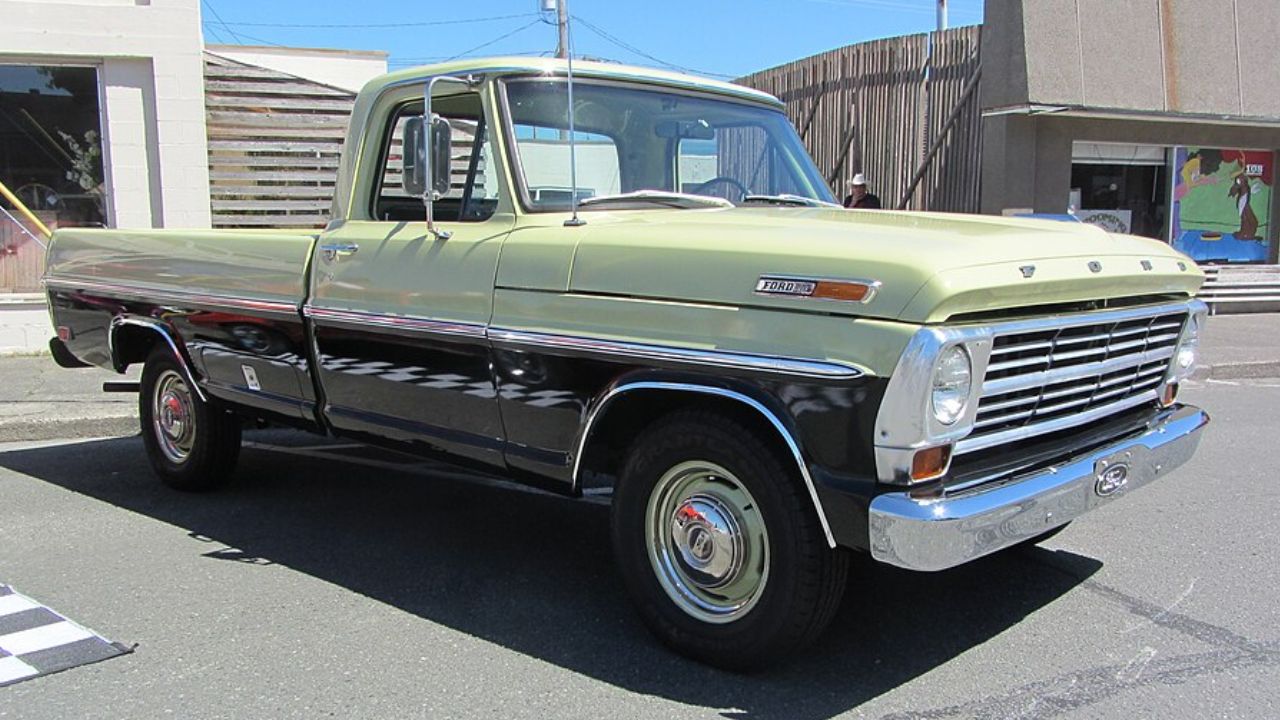
The Ford F-100 became one of America’s most recognizable pickups during the 1960s. Its straightforward construction, wide range of engines, and practical bed made it useful for farms, businesses, and everyday transportation. Many were worked hard for decades, yet well-kept examples continue to survive. Its clean styling and easy-to-understand mechanicals have also made it a favorite for restorations and custom builds.
Chevrolet C10
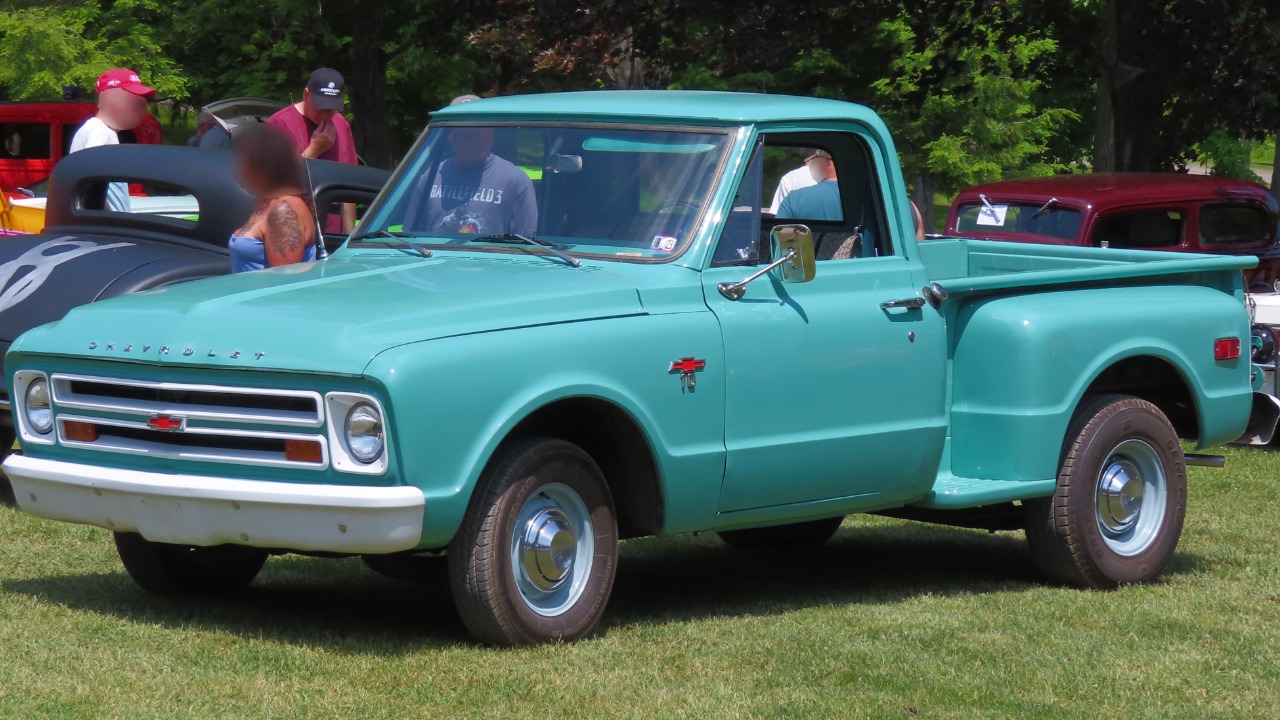
The Chevrolet C10 combined useful capability with a smoother, more refined appearance than many earlier work trucks. Its independent front suspension on two-wheel-drive models helped provide a more comfortable ride, while the available V8 engines gave buyers plenty of flexibility. Today, the C10 remains one of the most popular vintage pickups, proving that a practical work truck can eventually become a highly desirable classic.
Ford F-250
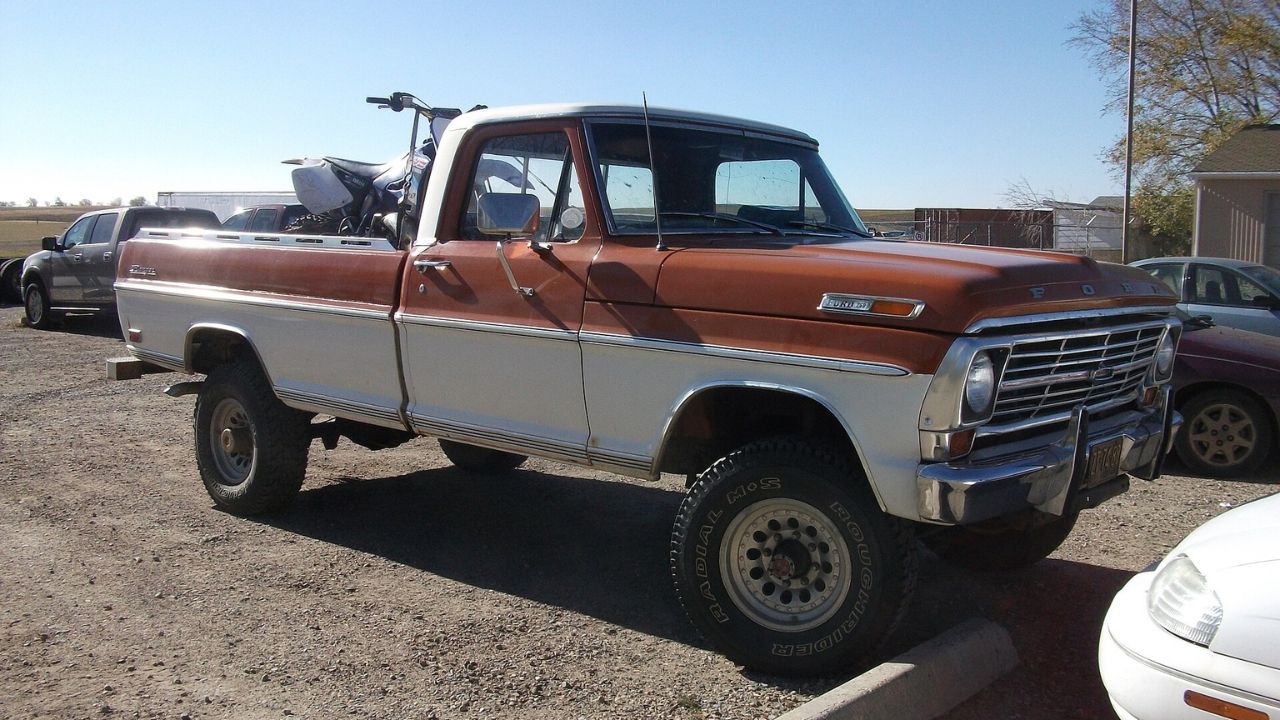
The F-250 gave buyers more hauling and towing capability than the lighter F-100 while retaining the basic formula that made Ford pickups so popular. Heavy-duty construction and available V8 engines made it useful for serious work. Surviving examples have become increasingly valuable because many spent their lives doing exactly what they were designed to do. The result is a truck that still looks ready for work.
Chevrolet C20
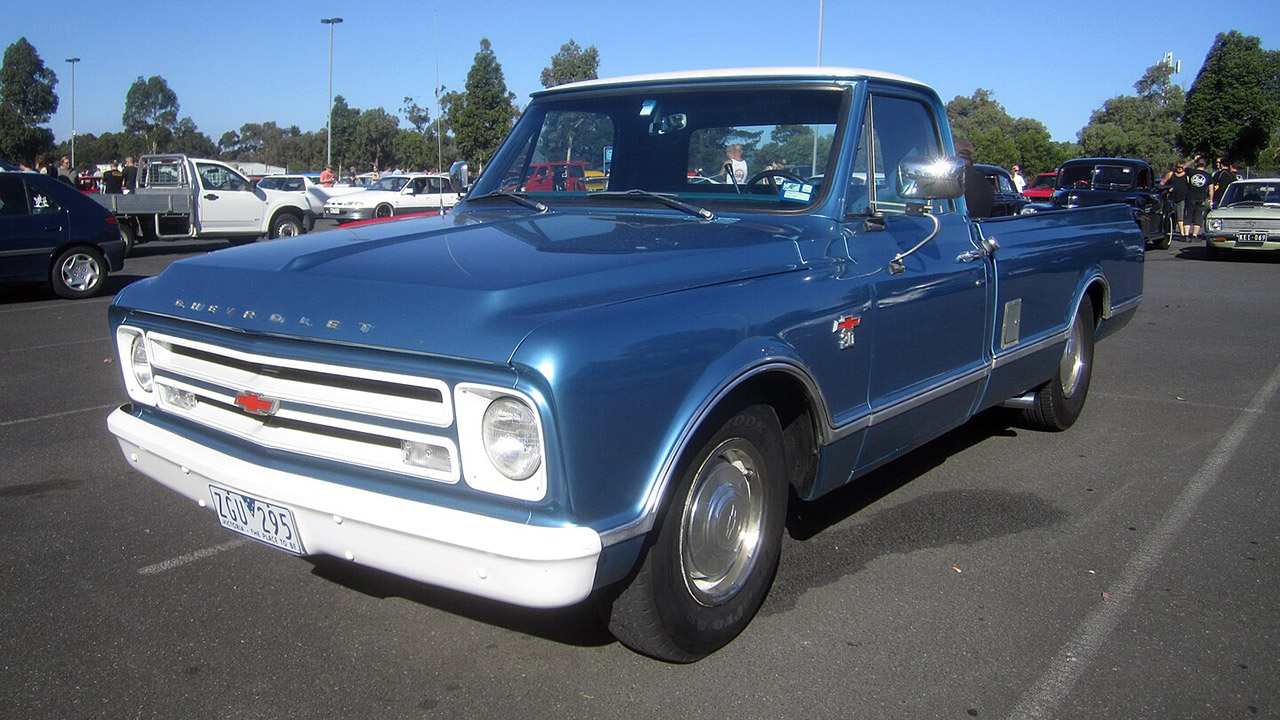
The Chevrolet C20 occupied an important middle ground between everyday pickups and heavier work trucks. Its stronger chassis and increased payload capacity made it popular with farmers, contractors, and businesses. The simple mechanical layout also helped keep these trucks running for years. Today, an original C20 has a rugged appearance that modern pickups often struggle to reproduce.
GMC C/K
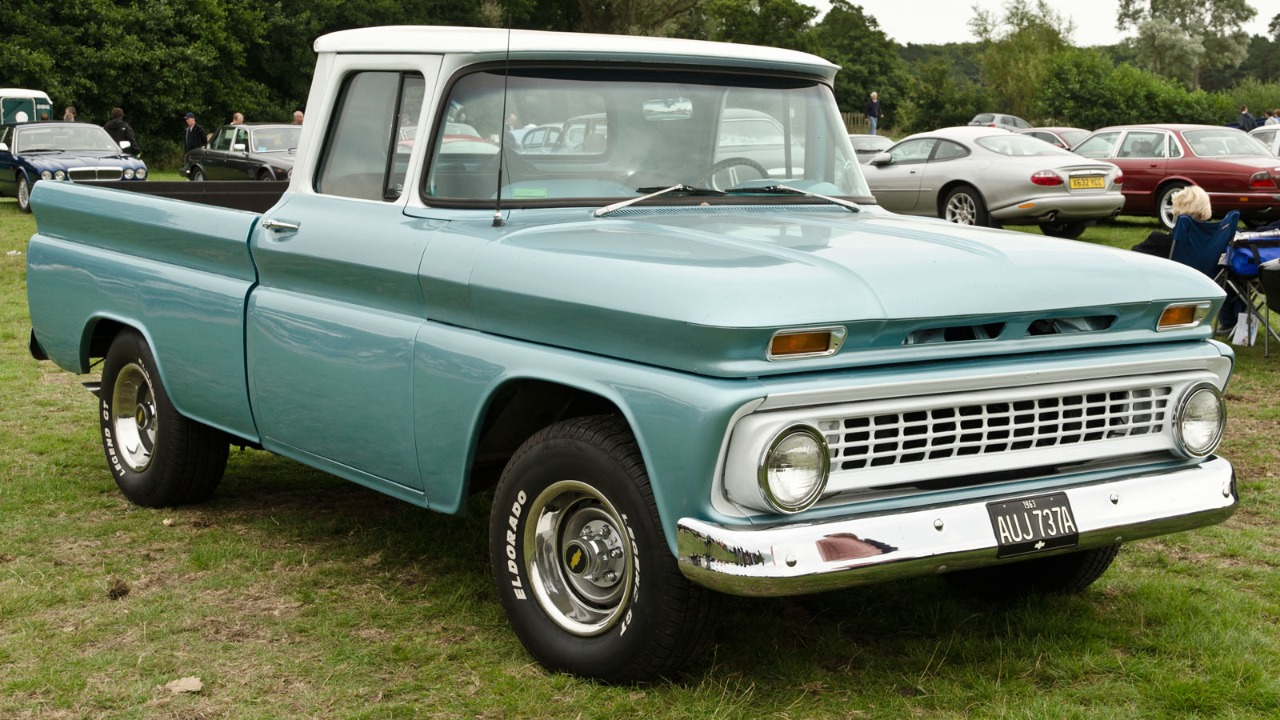
GMC’s C/K pickups shared much of their basic engineering with Chevrolet trucks but carried their own identity through styling and equipment. The lineup offered numerous configurations and engines, allowing buyers to tailor a truck for everything from light hauling to demanding work. Clean 1960s GMC pickups have become increasingly desirable because they combine genuine working-truck history with distinctive vintage styling.
Chevrolet K10
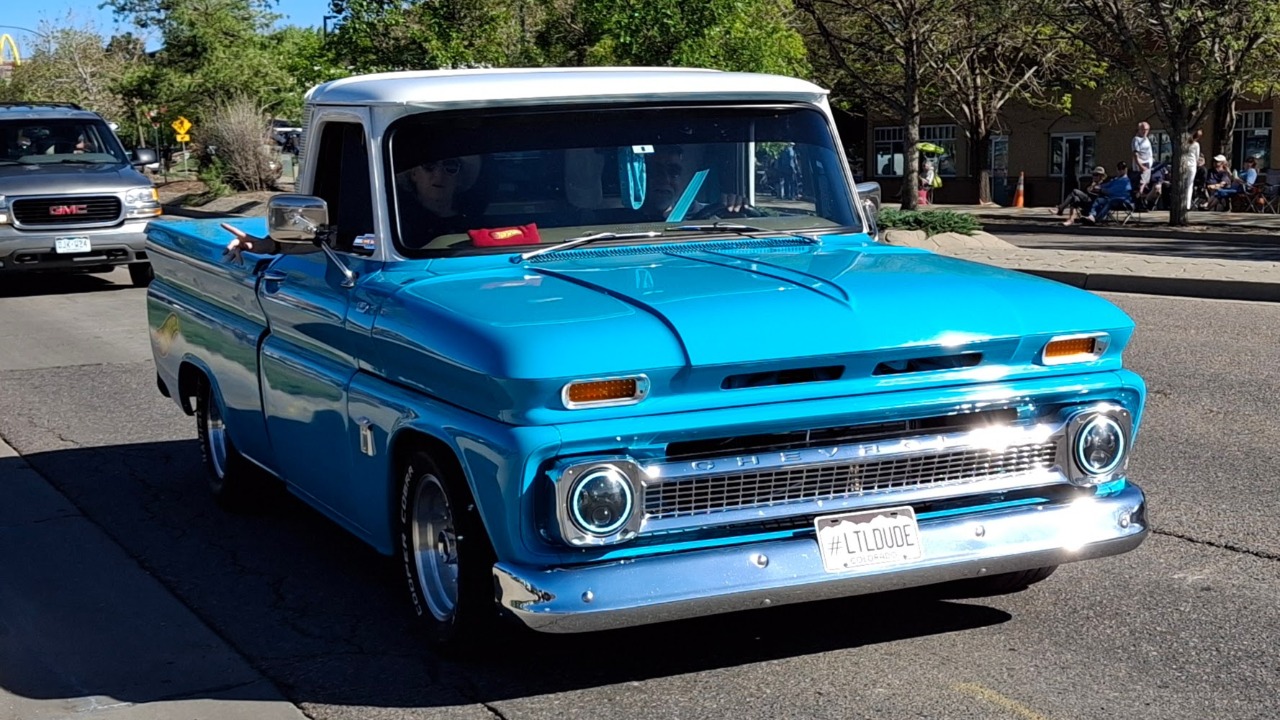
The K10 brought four-wheel drive to Chevrolet’s popular pickup formula. Its added traction made it useful for farms, rough roads, construction sites, and outdoor work where ordinary two-wheel-drive trucks could struggle. The combination of compact dimensions and four-wheel-drive capability has aged remarkably well. Today, restored K10s are highly recognizable and remain popular among enthusiasts who want a vintage truck with genuine off-road ability.
GMC 1500
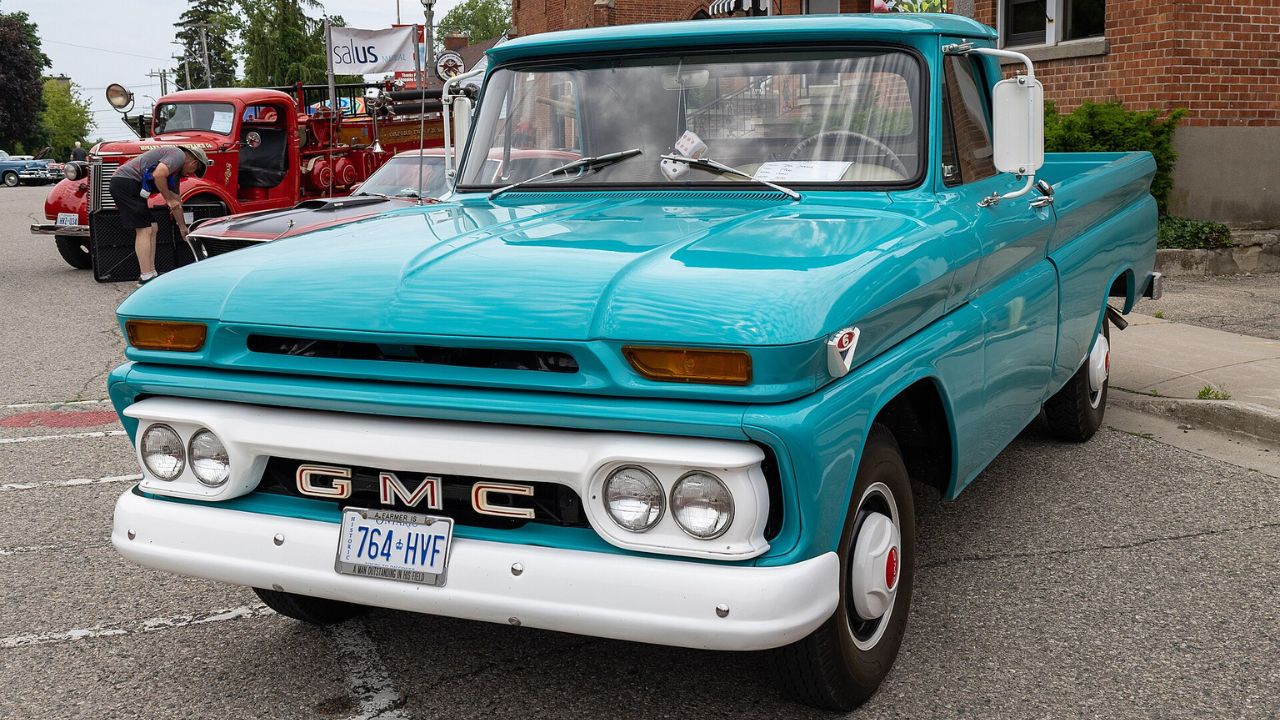
The GMC 1500 represented the lighter side of the company’s pickup lineup and shared many fundamentals with Chevrolet’s C/K trucks. Its straightforward construction made it a dependable choice for everyday work. The GMC name and distinctive front-end styling give surviving examples their own identity today. Original trucks are increasingly uncommon, particularly those that have escaped extensive modifications or restorations.
Dodge D100
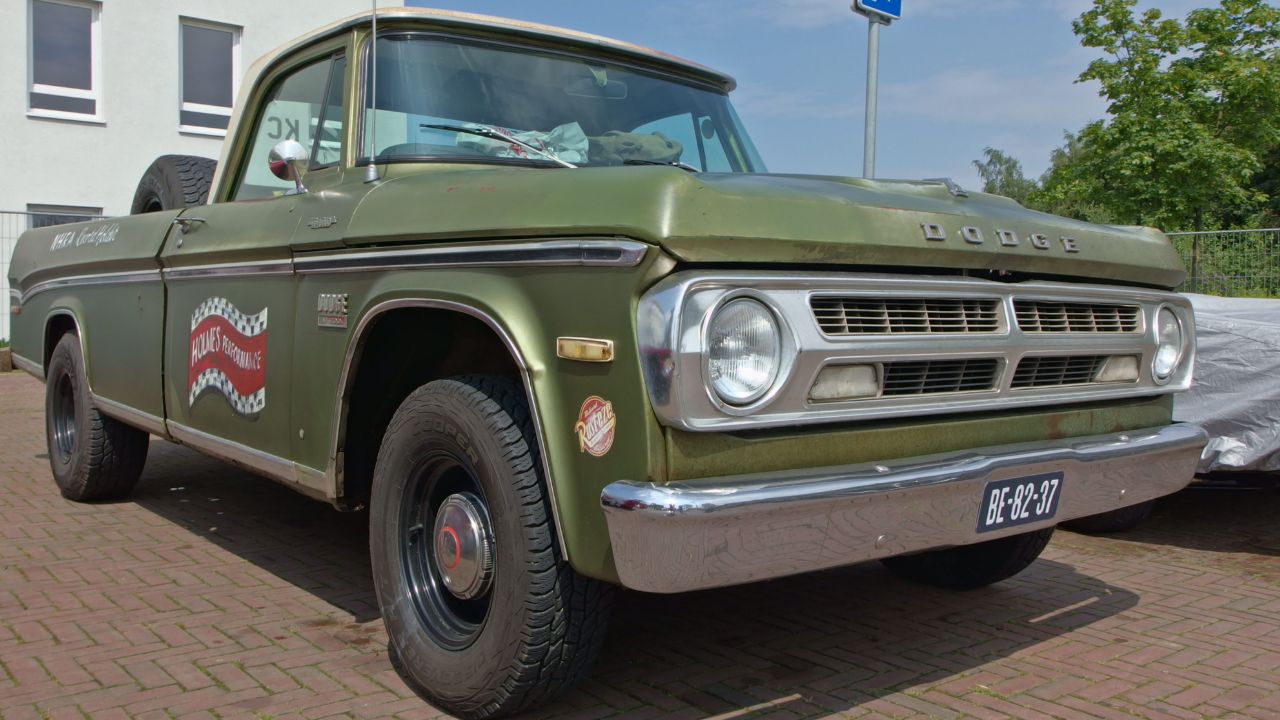
The Dodge D100 brought Chrysler’s own interpretation to the growing American pickup market. Its styling was distinctive, while available V8 engines gave buyers plenty of capability. Dodge trucks of this period were often overshadowed by Ford and Chevrolet, which makes surviving examples especially interesting today. A clean D100 can stand out at a truck gathering simply because it is less predictable than the usual Ford or Chevrolet.
Dodge D200
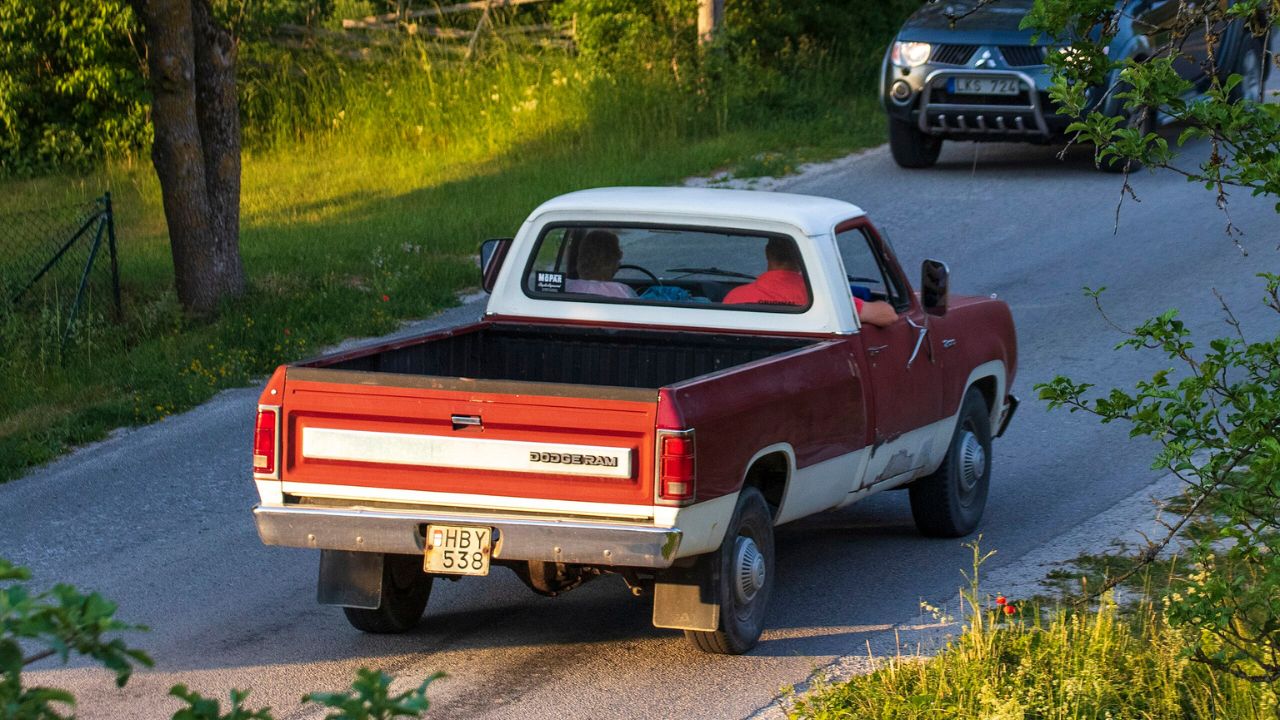
The D200 stepped up from Dodge’s lighter pickups with greater payload capacity and stronger construction. It was aimed at buyers who needed a truck for more demanding work but did not necessarily require a massive commercial vehicle. Its boxy proportions and simple mechanical design have aged well. Restored D200s now provide a useful glimpse into the practical side of 1960s American trucking.
International Harvester C-Series
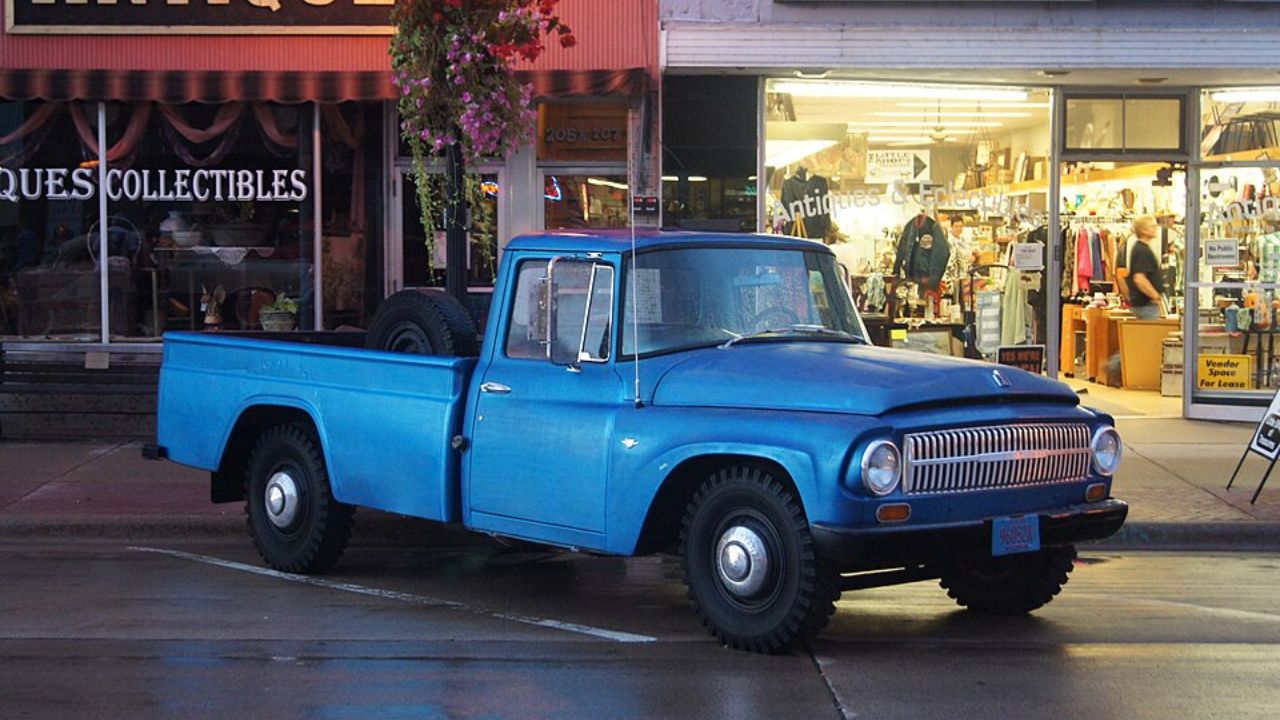
International Harvester built trucks with a strong emphasis on practical work, and the C-Series was no exception. Its straightforward design and durable chassis made it a popular choice for farms, businesses, and commercial users. These trucks were rarely purchased as status symbols, which makes surviving examples particularly interesting. Today, the C-Series has a rugged character that immediately separates it from more familiar pickups.
International Harvester Scout 800
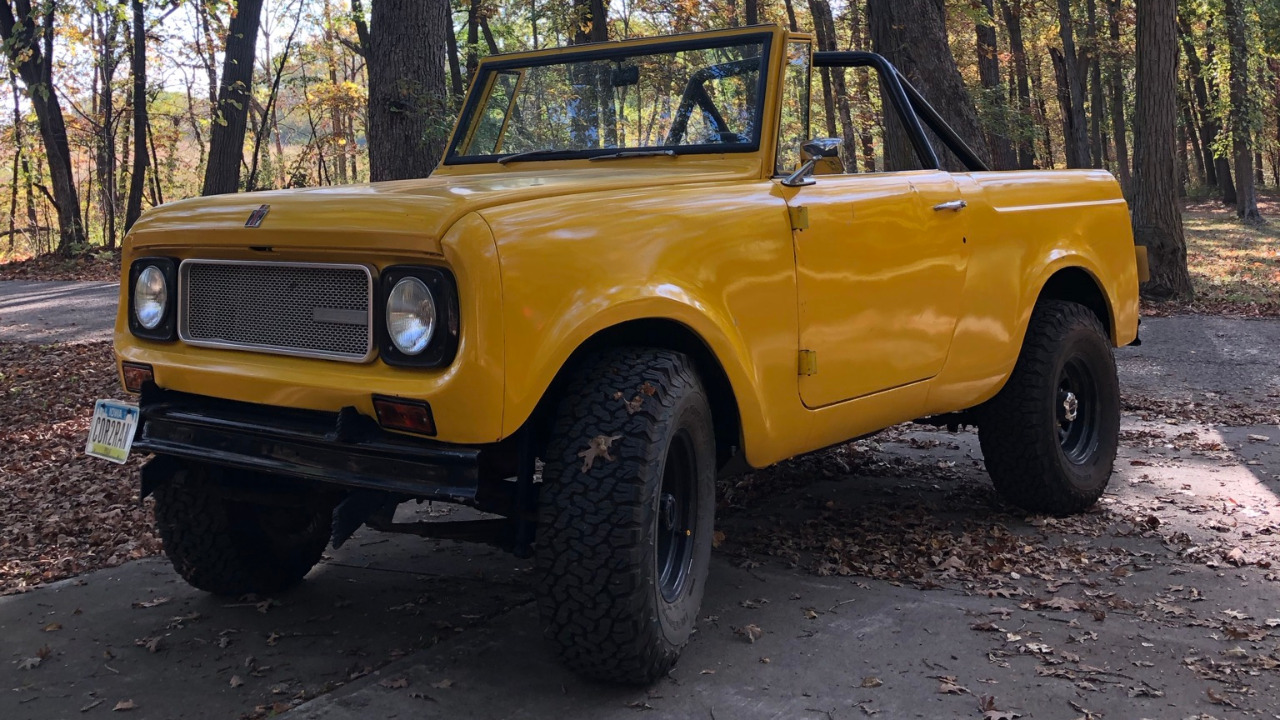
The Scout 800 helped establish the compact utility vehicle as a serious alternative to larger trucks. Its short wheelbase, four-wheel-drive capability, and removable body components made it useful both on and off the road. While not a conventional pickup, it served many of the same practical roles. Its simple design and unmistakable shape have made it one of the most recognizable vintage American utility vehicles.
Jeep Gladiator
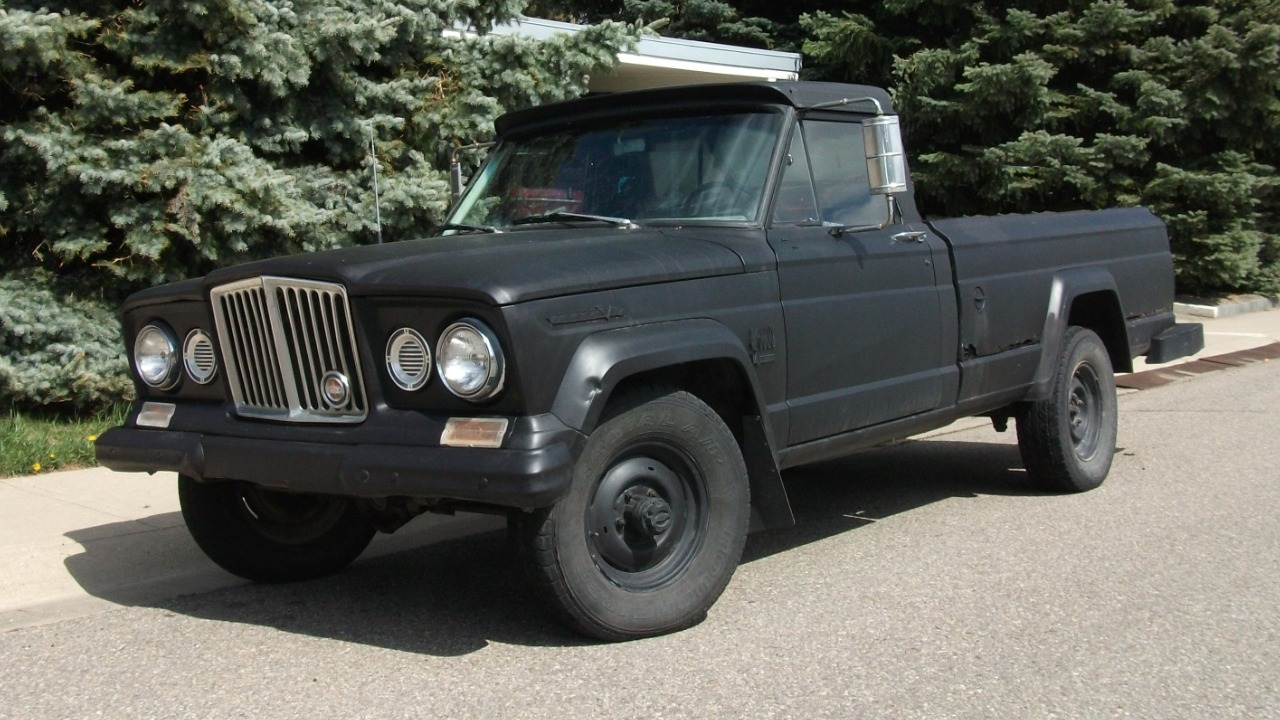
The Jeep Gladiator brought four-wheel-drive capability and Jeep’s rugged reputation into the pickup market. It was available in several configurations and was designed to handle work as well as rough terrain. Its distinctive styling and strong utility have made surviving examples highly desirable. The Gladiator also laid important groundwork for Jeep’s later return to the pickup market.
Ford Bronco
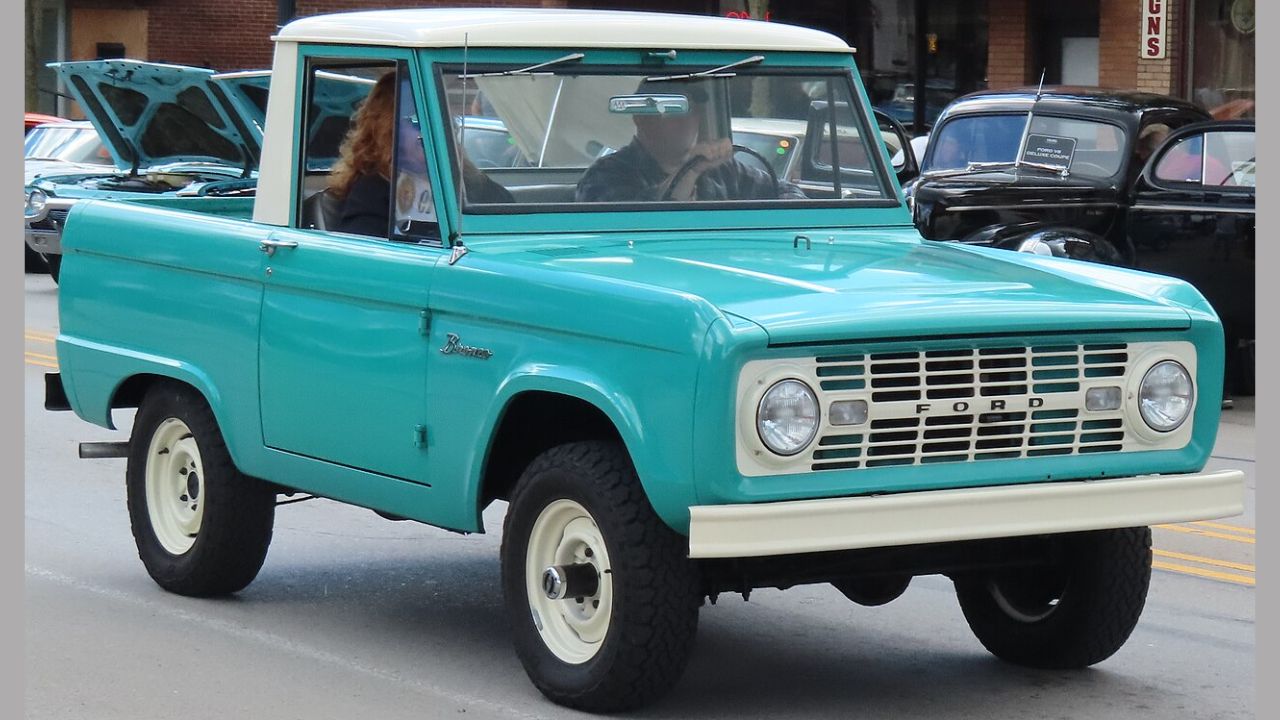
The original Ford Bronco brought a compact, capable four-wheel-drive vehicle to buyers who wanted something smaller than a full-size truck. Its simple mechanical design and short wheelbase made it useful on rough terrain. The Bronco’s distinctive appearance has aged particularly well, and surviving first-generation examples are now highly sought after. It remains one of the most recognizable early American off-road vehicles.
Chevrolet K20
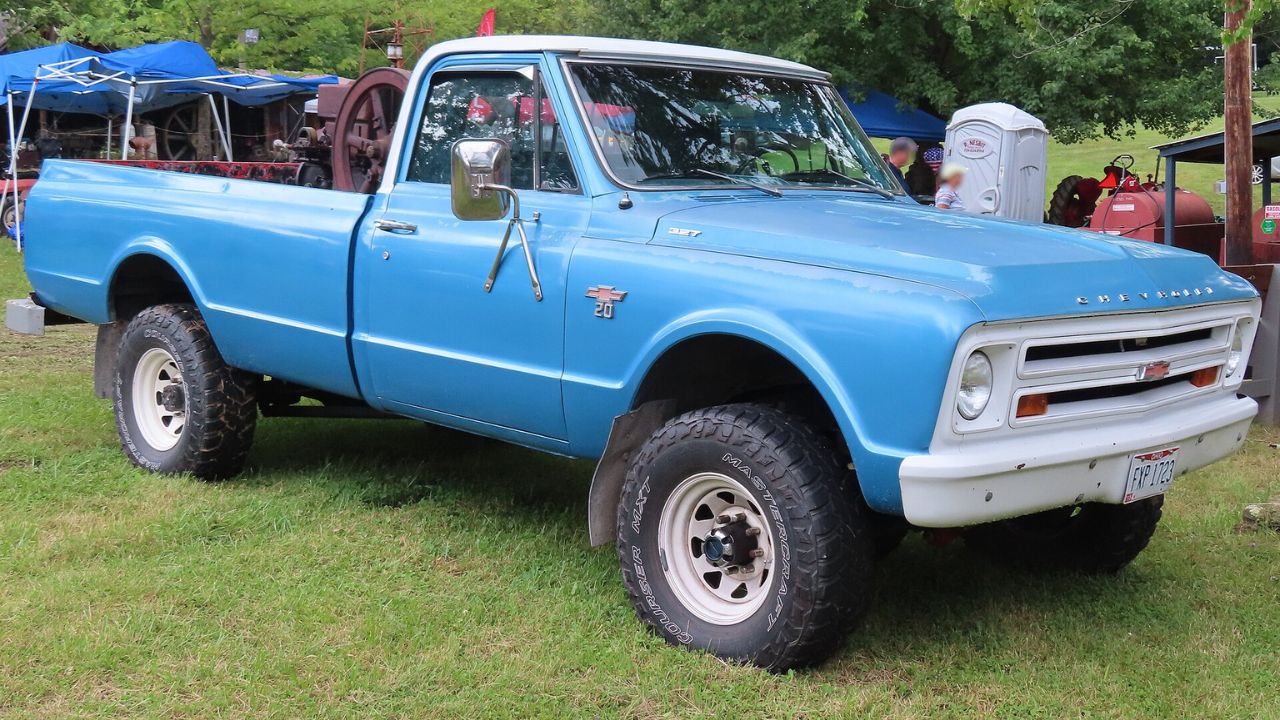
The K20 provided four-wheel-drive capability with more payload capacity than the lighter K10. It was designed for owners who needed a serious work truck capable of dealing with rough conditions. The combination of four-wheel drive, strong construction, and simple mechanical components made it highly useful. Today, restored K20s appeal to collectors who want genuine heavy-duty character rather than a truck built mainly for appearance.
Ford Ranchero
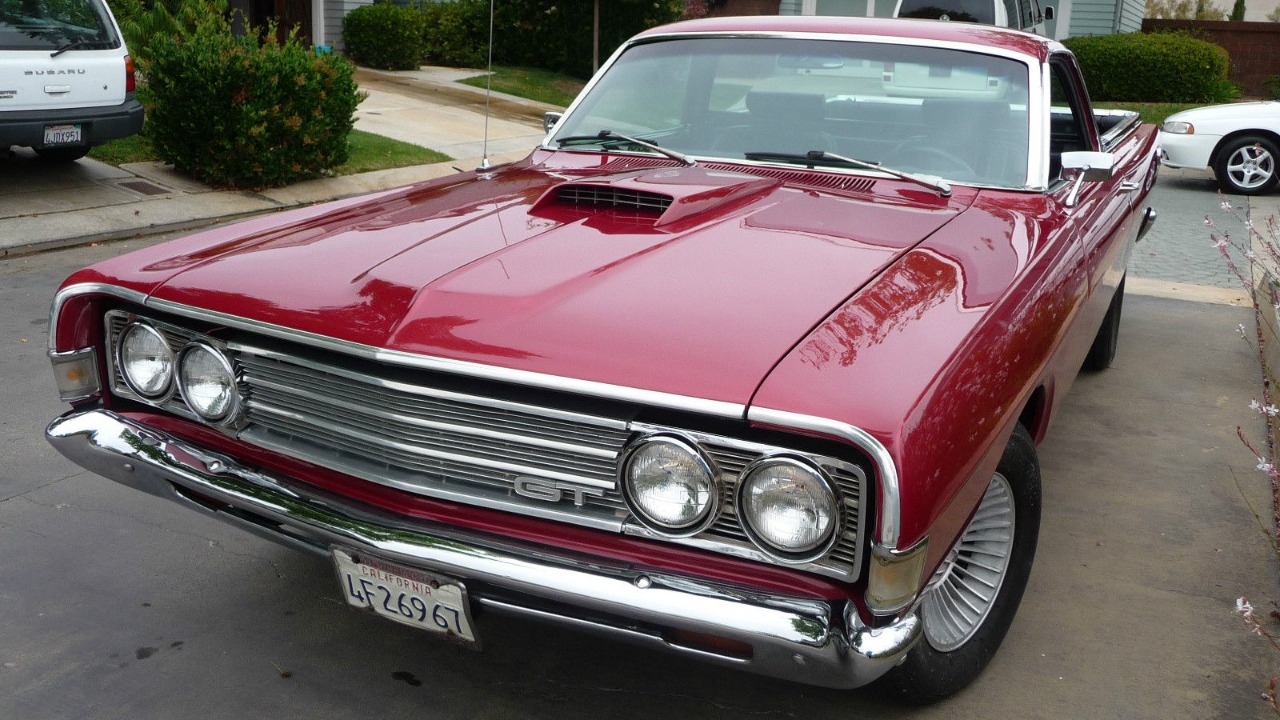
The Ranchero blurred the line between passenger car and pickup, giving buyers an unusual combination of car-like handling and an open cargo bed. By the 1960s, the concept had become well established and could be ordered with increasingly powerful engines. Its distinctive proportions have helped it age into a collectible. Few other vehicles from the era offered quite the same blend of utility and style.
Chevrolet El Camino
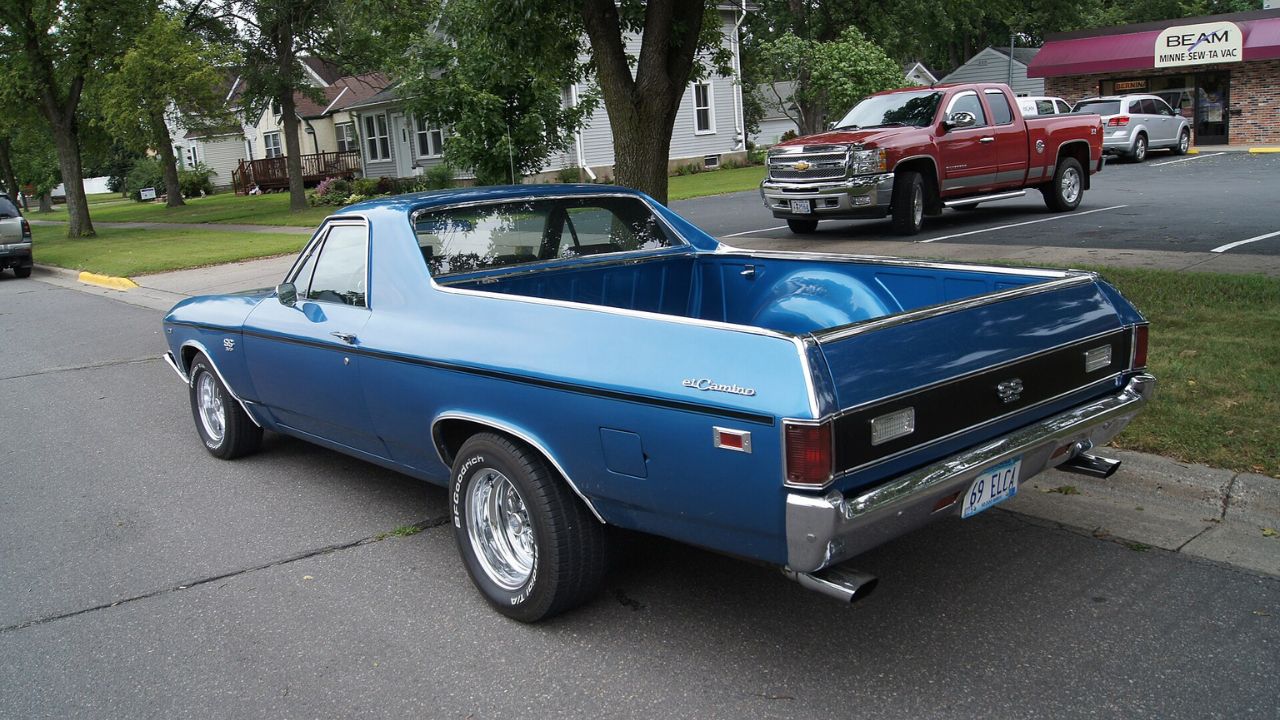
The El Camino followed the same car-pickup concept while giving Chevrolet buyers another way to combine performance and utility. Certain versions could be equipped with powerful V8 engines, turning an already unusual vehicle into a surprisingly capable performer. Its low stance and open bed remain instantly recognizable. Today, clean 1960s El Caminos attract attention from both truck enthusiasts and classic-car collectors.
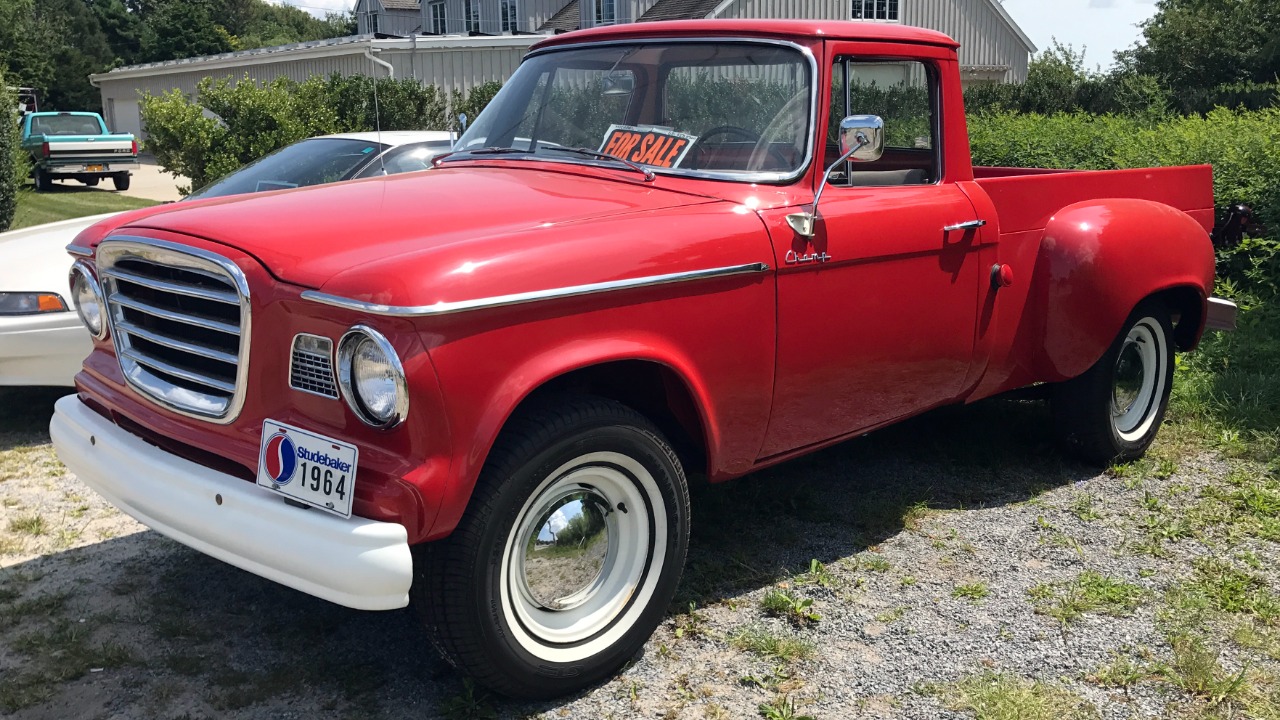
Studebaker Champ
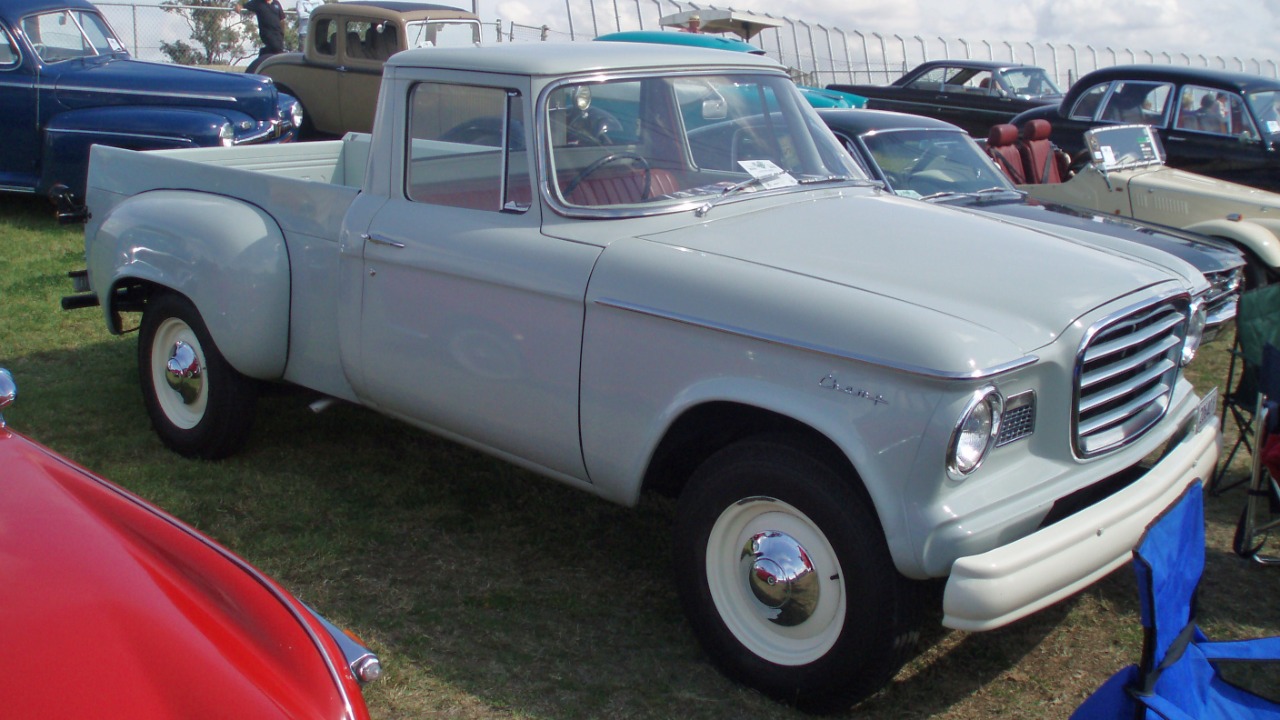
The Studebaker Champ was one of the company’s final pickup designs and featured a distinctive front end inspired by the company’s passenger cars. Its unusual styling separated it from the more conservative Ford and Chevrolet trucks of the period. Although Studebaker’s truck business was nearing its end, the Champ remained practical and capable. Surviving examples are now uncommon and particularly interesting to collectors.
More from Fast Lane Only
- Unboxing the WWII Jeep in a Crate
- 15 rare Chevys collectors are quietly buying
- 10 underrated V8s still worth hunting down
- Police notice this before you even roll window down
*Research for this article included AI assistance, with all final content reviewed by human editors.